
The Finish Line of Investing and Why Long Term Beats Trading
By Hafsa Dijoo
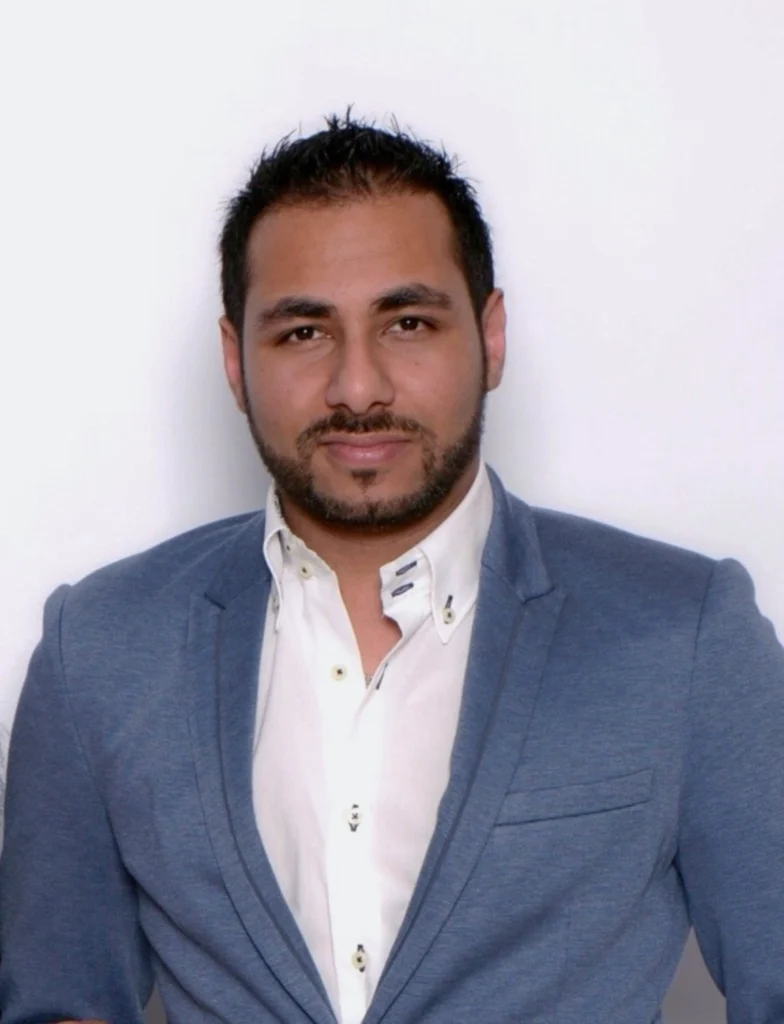
Vinay Gokaldas does not sound like someone trying to sell you a dream. He sounds more like someone trying to slow you down before you make a costly mistake.
In a region flooded with promises of overnight wealth, flashing charts, and ads that shout urgency, Gokaldas speaks in timelines measured in decades. His company, Pasiv, is built on a counterintuitive idea for the UAE’s hyperactive financial scene: that wealth is not something you chase, but something you quietly grow while living your life.
When Gokaldas talks about investing, he does not begin with markets or technology. He begins with time. The earlier you start, he explains, the less heroic effort is required later. It is a simple truth, but one that most people ignore until it becomes expensive to ignore. By the time many residents in the UAE begin thinking seriously about their financial future, they are already in their thirties, sometimes their forties. The maths, at that point, becomes unforgiving.
To live independently in the UAE during retirement, Gokaldas estimates a minimum annual income of around AED 50,000. Generating that income sustainably means building a capital base of roughly one million dirhams, assuming conservative returns. Most people assume this requires saving the full amount in cash. What they miss is compounding. With disciplined, long-term investing in the stock market, the actual contribution needed over a working lifetime is closer to a third of that figure. The catch is consistency, and consistency is exactly what most people struggle with.
Founded in Dubai, Pasiv was designed not for professional traders or financial obsessives, but for people who have jobs, lives, distractions, and limited mental space for managing money. Gokaldas did not want another platform that encouraged users to stare at markets all day. He wanted something that worked quietly in the background, nudging people toward better outcomes without demanding constant attention.
One of Pasiv’s defining features is spare-change investing. Small amounts are invested automatically, often without the user feeling the friction of a large, deliberate decision. It is the opposite of the adrenaline-driven trading culture that dominates financial advertising in the region.
There are no flashing alerts urging users to buy or sell. There is no pressure to act. The philosophy is simple: small, regular contributions, diversified across long-term assets, allowed to compound over time. Gokaldas is candid about why this approach is rare. Short-term trading platforms make more money when users trade frequently. High commissions and leverage generate revenue, which in turn funds the billboards, YouTube ads, and influencer campaigns that dominate public space. Long-term investing platforms do not generate that kind of margin. By design, they are aligned with the user’s restraint, not their impulsiveness.
He is equally candid about the risks most platforms avoid discussing. In speculative trading environments, 80 to 85 percent of users lose money. Leverage magnifies losses as quickly as it magnifies gains. A one percent market move can wipe out an entire account. For professionals who understand these risks and treat trading as a full-time discipline, this may be acceptable. For the average person investing their hard-earned savings, it is often devastating.
Pasiv deliberately distances itself from that model. The company operates on a membership-based structure rather than transaction-driven revenue.If users trade less, Pasiv does not suffer. In fact, it thrives. This alignment of interest is something Gokaldas feels is missing from much of the industry. He describes traditional brokers calling clients to encourage more trading as not just outdated, but fundamentally unethical in a modern financial system. Dubai, he believes, was the right place to challenge that norm.
For an entrepreneur with deep ties to India and Africa, Dubai sits at a cultural and geographic crossroads. It offered access to talent, capital, and regulatory infrastructure that made experimentation possible. The Dubai International Financial Centre’s innovation sandbox allowed Pasiv to test and refine its model before going fully public. Regulation, often viewed as a barrier elsewhere, became an enabler here.
The diversity of the UAE market also revealed something unexpected. While older generations carried cultural preferences shaped by geography, Europeans disciplined with monthly investing, South Asians favouring gold, Middle Eastern investors leaning toward income-producing assets, the younger generation was breaking those patterns entirely. Students and young professionals from Africa, Asia, and the Middle East were often first-time investors in their families, approaching markets without inherited bias. For many, Pasiv was not just an app, but their first introduction to structured financial planning.
Still, Gokaldas does not romanticise youth. He observes a clear split. Younger users are more likely to experiment with speculative trading platforms, drawn by the promise of fast results. Long-term investing, on the other hand, often begins after experience has taught a harsher lesson. Losses, volatility, and emotional exhaustion eventually push people toward simplicity.
Pasiv meets users at that moment of maturity, but it also tries to reach them earlier, before mistakes become scars.
The company’s growth reflects this ethos. Pasiv has avoided aggressive advertising in favour of organic discovery. Users find the platform through search, conversations, or recommendations. The company hosts events, encourages community interaction, and makes a point of calling every customer at least once a year. In an industry built on scale and automation, this level of human contact is almost radical.
Gokaldas insists it is not nostalgia. It is a strategy. Trust, once broken in financial services, is difficult to rebuild. Many people arrive at Pasiv disillusioned by previous experiences. Rebuilding confidence requires time, transparency, and the sense that someone is accountable on the other side of the screen.
Inside the company, that accountability is personal. Every employee uses Pasiv. Feedback, bugs, and frustrations are experienced internally before reaching customers. For Gokaldas, this is non-negotiable. A product designed to manage people’s futures cannot be theoretical.
Looking ahead, Pasiv’s ambitions extend beyond geography. While expansion into markets like India, South Africa, Brazil, and the UK is under discussion, Gokaldas is more excited about how people will interact with money itself. He envisions a future where investing is conversational, contextual, and embedded into daily life through AI agents. Not as an overwhelming stream of data, but as quiet guidance that understands the user’s goals, risk tolerance, and long-term plan.
In that future, a user might casually ask whether reallocating from gold to Bitcoin makes sense given their personal timeline, rather than reacting emotionally to price swings. The role of technology, in his view, is not to accelerate decision-making, but to slow it down intelligently.
When asked for advice, Gokaldas keeps it disarmingly simple. Own fewer things. Be consistent. Trust discipline over emotion. Markets will rise and fall. Corrections will come. What matters is not timing the cycle, but staying present through it.
Pasiv, ultimately, is less about finance than behaviour. It assumes people are human: forgetful, emotional, busy. Instead of demanding perfection, it designs around those flaws. In a region obsessed with speed, Vinay Gokaldas is betting on patience. And in today’s financial landscape, that may be the most radical investment of all.