Abdul Wahab Darwich, Crafting Elegance With 1937 Bespok
By Sara Hammoud
Abdul Wahab Darwich, the creative force behind 1937 Bespoke, is a designer whose work merges tradition with modernity, precision with artistry, and personal heritage with global influence. From his early fascination with fashion to walking the runway with his own creations, Abdul Wahab has carved a path defined by dedication, innovation, and an unwavering commitment to elegance.
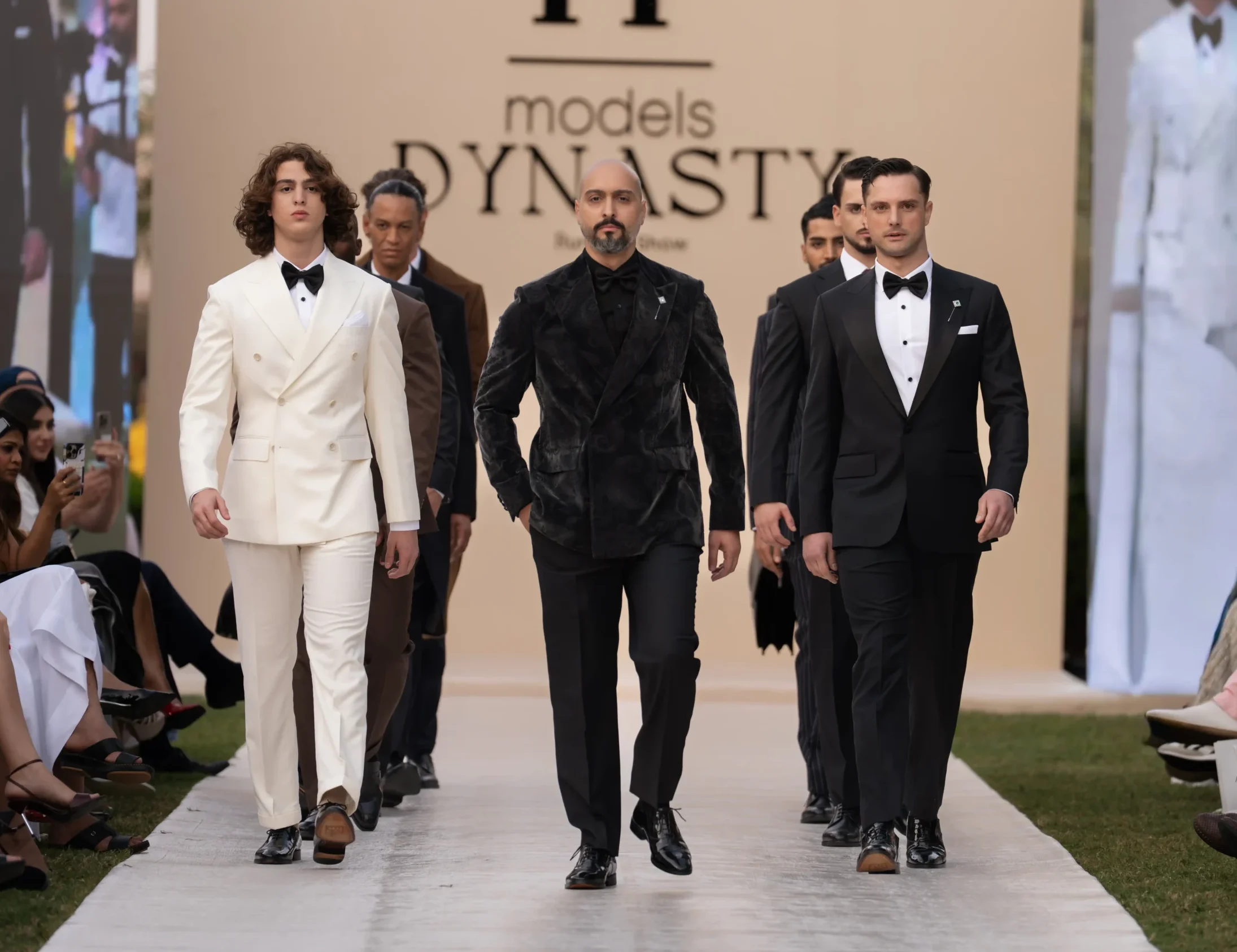
For him, the Dynasty Runway Show was more than a milestone, it was a dream realized. “Seeing my ideas come to life on the runway was incredibly emotional,” he shares. “It allowed us to connect with people who truly admire fashion, and it opened doors for future collaborations.
Walking alongside my models, I felt proud of what we had achieved, grateful for my team, and excited for all the possibilities ahead.” While coordinating the distance between their villa and the runway posed challenges, Abdul Wahab credits the Dynasty team’s support for making the show seamless, allowing every detail to shine.
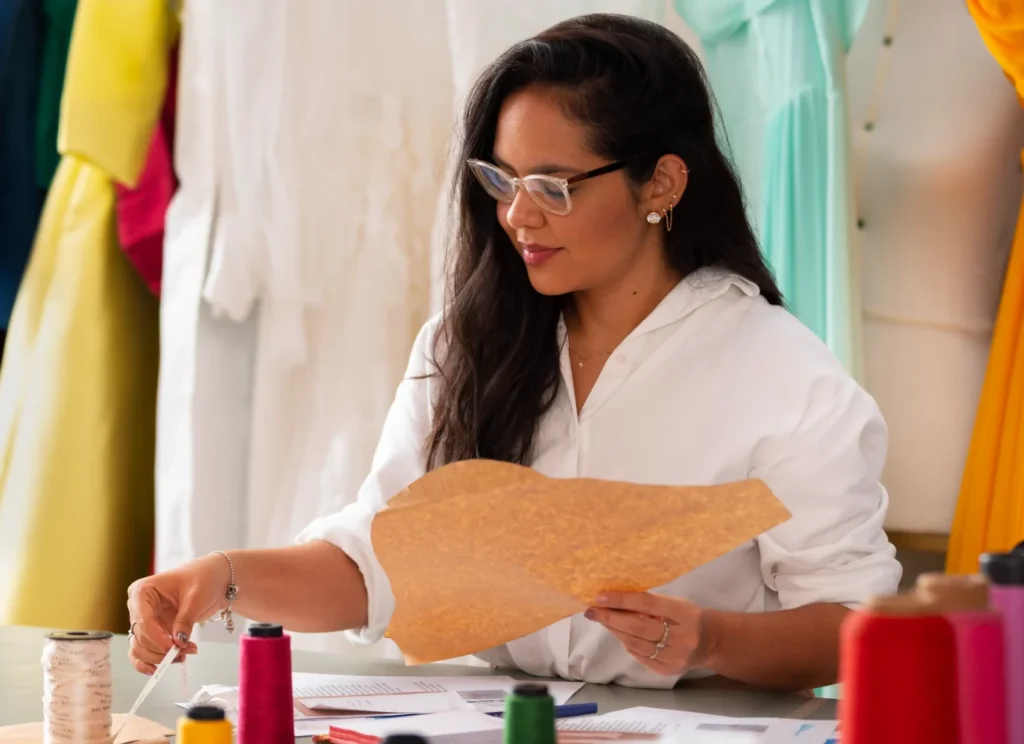
The name 1937 Bespoke carries deep personal meaning, reflecting the year his grandfather opened his first tailor shop and symbolizing an era of elegance and innovation. Abdul Wahab’s passion for fashion began in his teens, when he gravitated toward timeless, elegant styles rather than the early 2000s hip-hop trends, devouring fashion magazines, studying art, and learning the craft alongside his father and grandfather.
After gaining invaluable experience with high-end fashion maisons including Giorgio Armani, YSL, and Dior, he followed his dream and opened his first tailor shop, bringing with him a philosophy grounded in precision, quality, and attention to detail.
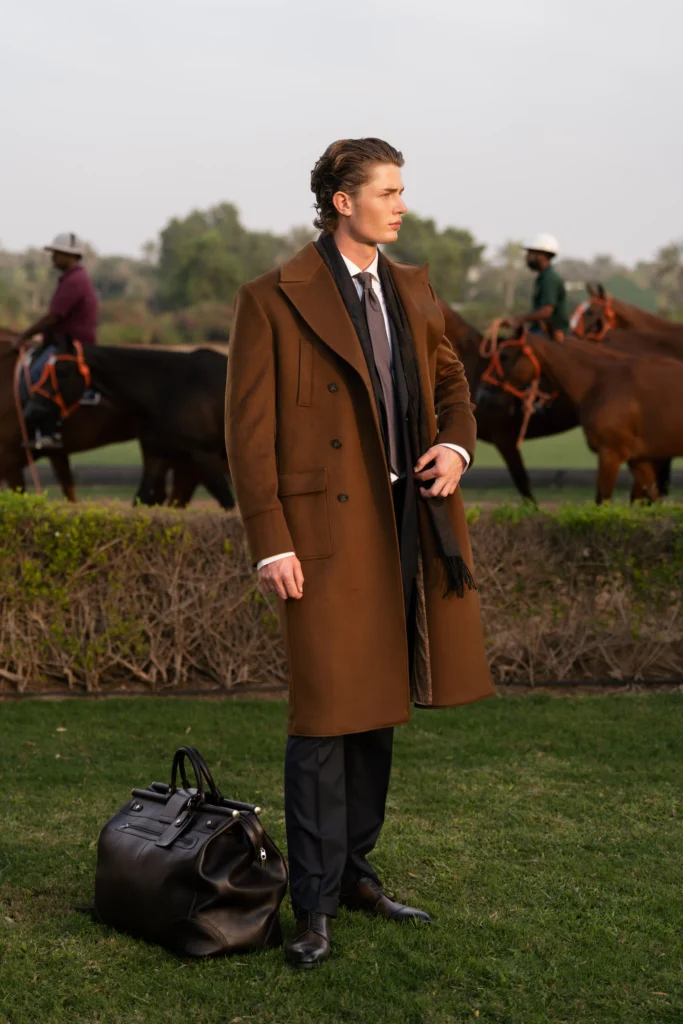
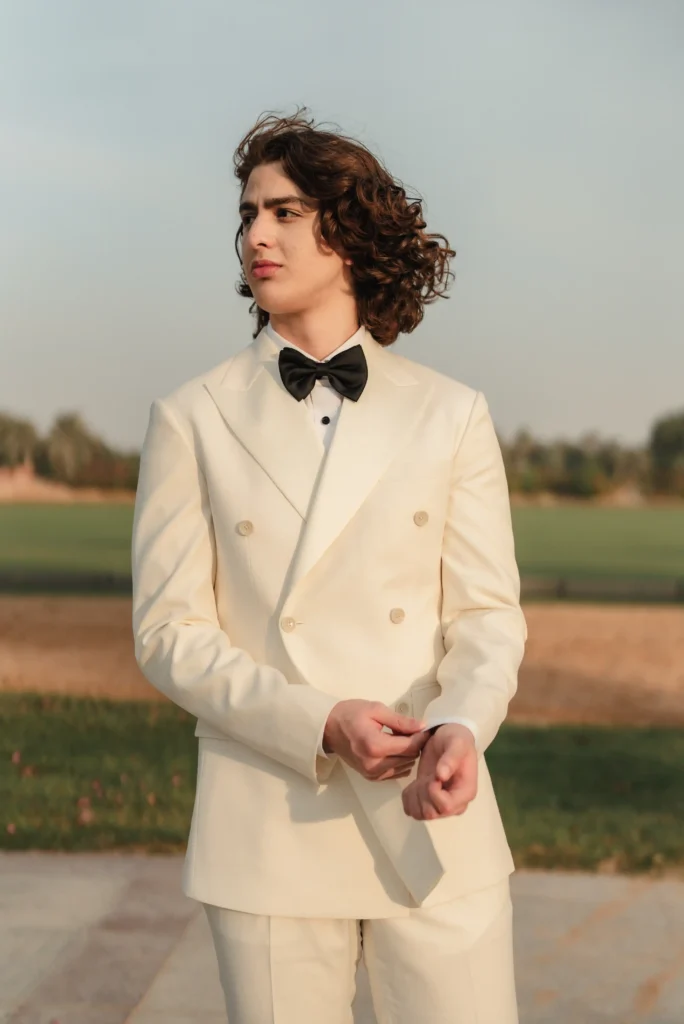
The 1937 Bespoke collection draws inspiration from British elegance and the classic tailoring of Savile Row, blending traditional techniques with contemporary influences. “Every tailored suit is a one-of-one piece, crafted to respect the wearer’s body morphology and proportions,” Abdul Wahab explains. “It boosts confidence, makes a man feel powerful and unique, and leaves a strong impression of professionalism.”
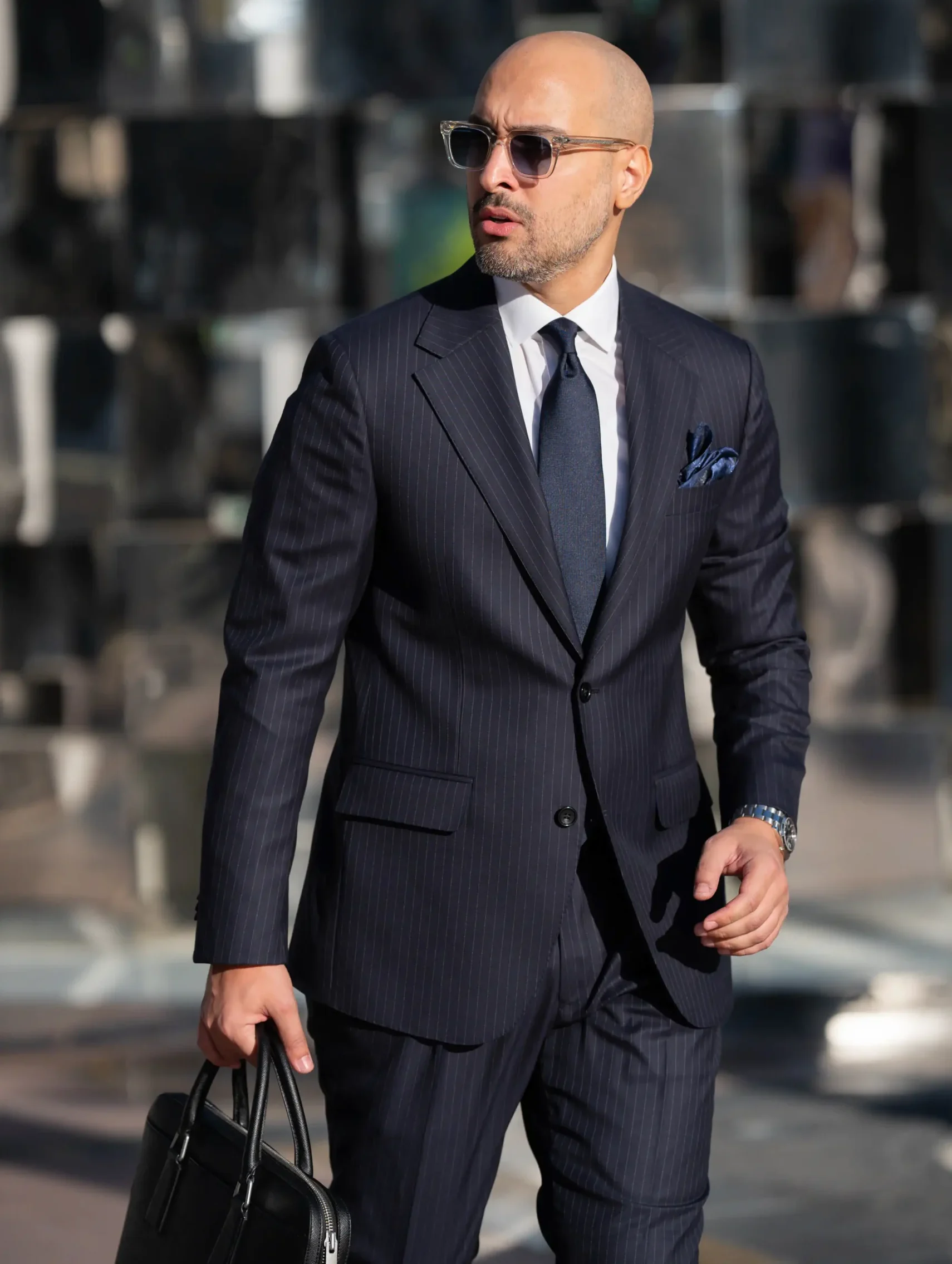
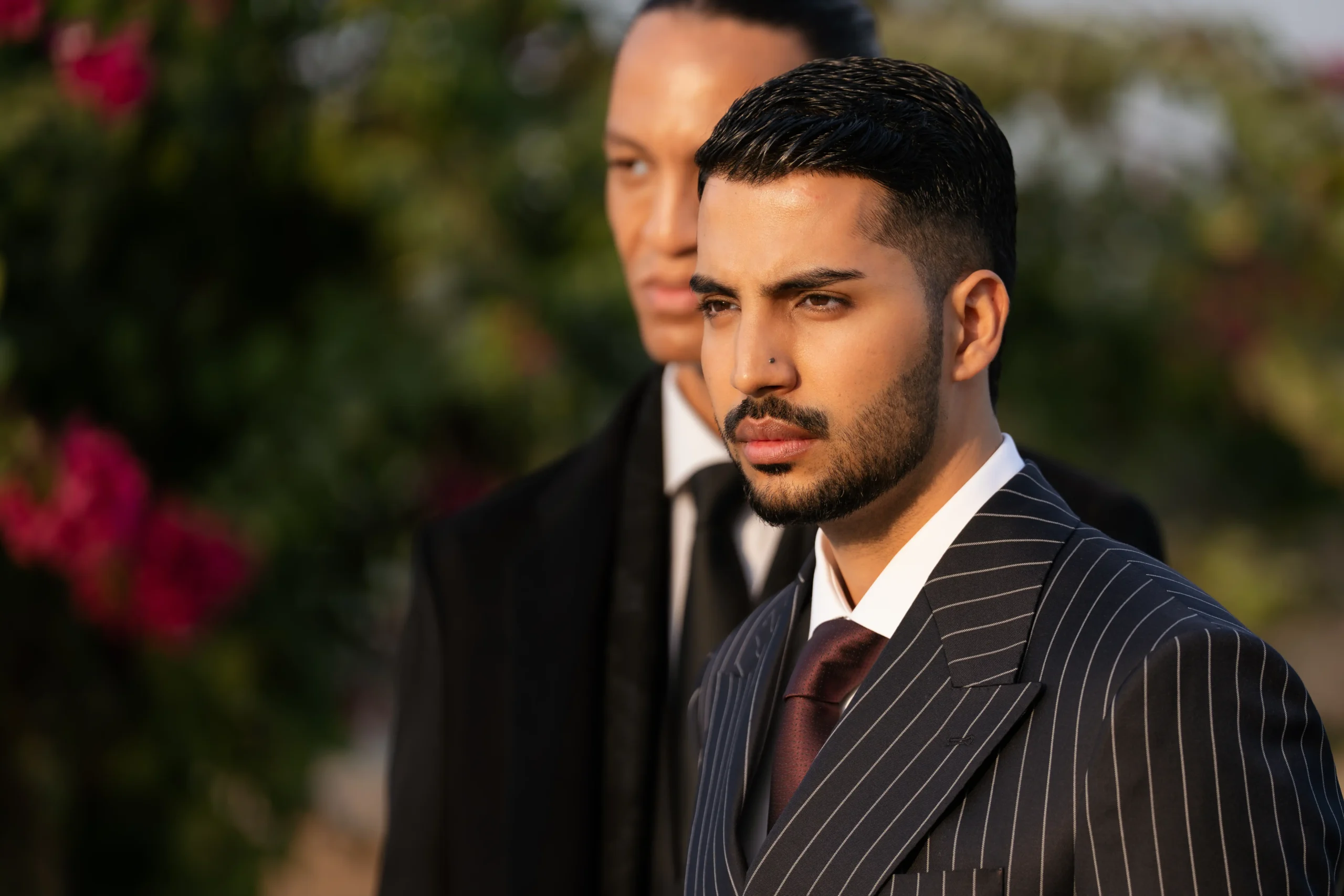
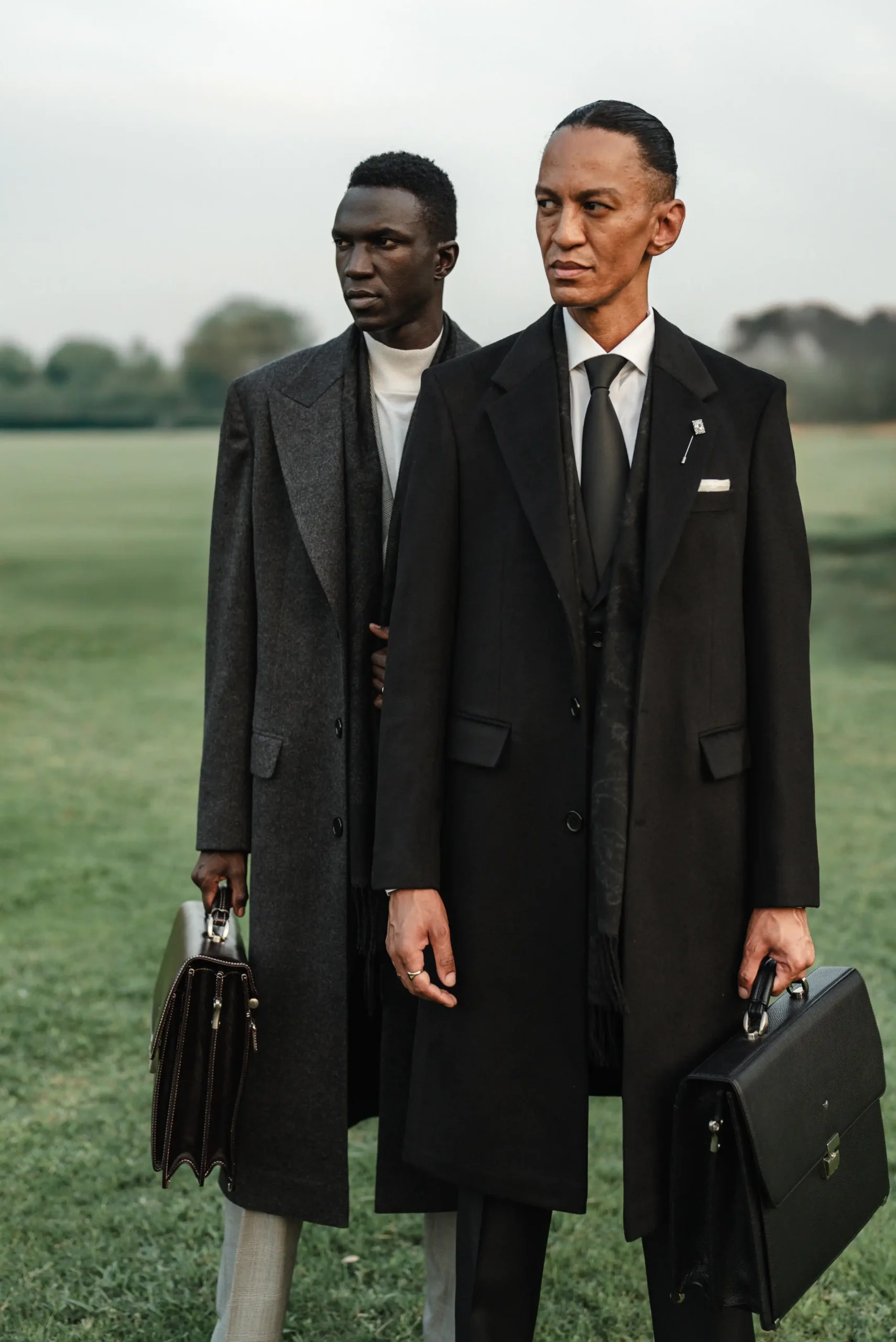
He believes the transformative effect of tailoring extends to women as well, enhancing their silhouette, highlighting their best features, and instilling a sense of strength and sophistication. His approach follows what he calls the 80/20 rule, balancing tailored pieces with casual elements to create versatile, elegant looks for any occasion.
Abdul Wahab attributes his perseverance to a love for creating something truly unique. “Even when things got tough, the dream of bringing my ideas to life kept me going,” he says. “I focus on action, problem-solving, connecting with people, and maintaining a positive mindset.” Family plays an equally vital role in 1937 Bespoke’s success, with his brother Omar handling sales and client relations. Their shared goals and mutual support, he says, bring out the best in the brand.
While his heart remains closely tied to Lebanon, and he dreams of having a base or studio there, Abdul Wahab also envisions a global future for 1937 Bespoke. “In five to ten years, I want the brand to be recognized worldwide, with studios in major fashion cities, collaborations with other designers, artists, luxury cars, and brands, and a lasting reputation for craftsmanship.” He advises anyone building their personal style to start with timeless, well-fitting pieces, focusing on quality rather than quantity, and seeking guidance from tailors or stylists when needed.
When asked about modern style icons, Abdul Wahab highlights Wael Kfoury, a symbol of classic elegance. “If he wore a 1937 Bespoke creation, it would be an exciting blend of classic and contemporary fashion, combining his charm with vintage design,” he notes. Abdul Wahab Darwich’s journey with 1937 Bespoke is a testament to the power of heritage, dedication, and creativity, creating timeless pieces for modern clients and redefining what bespoke fashion can mean in today’s world.