Dubai International Financial Centre 2030, The Next Phase of Dubai as a Global Finance Capital
By Marina Ezzat Alfred
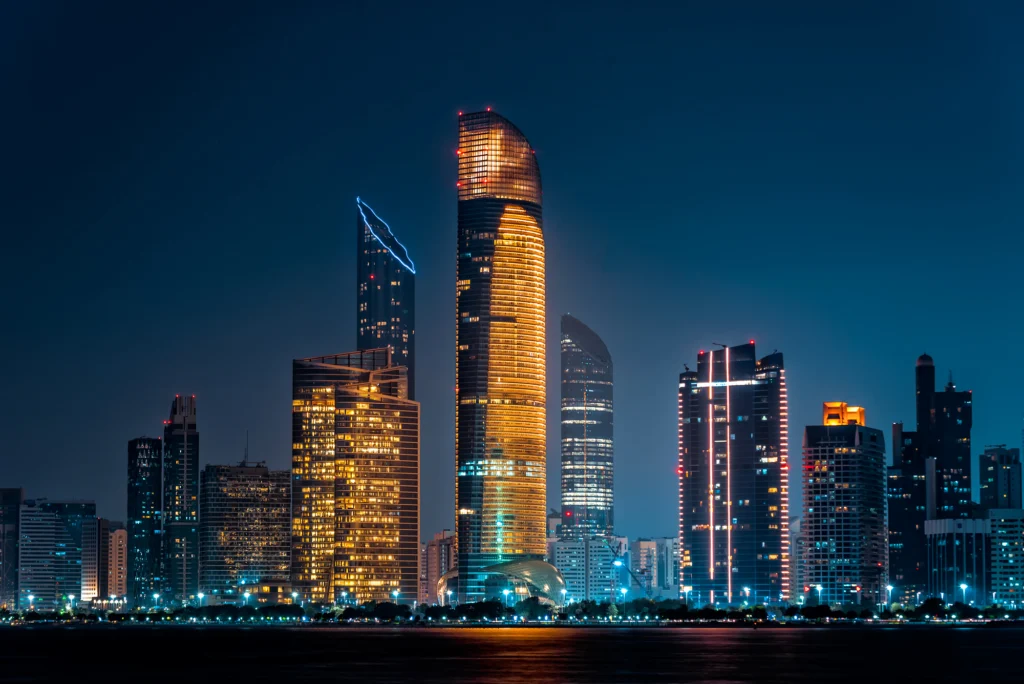
Imagine standing on the bustling streets of Dubai, where cranes sketch bold lines across the sky and ambition hums in every corner like an electric current. The air carries more than desert warmth; it carries possibility. Glass towers rise from the sand with astonishing speed, symbols of a city that has never been content to wait for opportunity but instead builds it. In the heart of this kinetic landscape stands the Dubai International Financial Centre, widely known as DIFC, a district that is more than a cluster of offices and boardrooms. It is a living expression of Dubai’s daring spirit, a carefully engineered ecosystem designed to channel global capital, ideas, and influence into one concentrated, powerful force.
As Dubai advances toward its 2030 ambitions, DIFC is not merely expanding in physical scale; it is redefining what it means to be a global financial capital. The transformation is deliberate and strategic. Every regulatory refinement, every new tower, every initiative to attract global firms forms part of a broader narrative: Dubai does not simply participate in the future of finance; it intends to shape it. In a world where financial power has traditionally been anchored in Western capitals, DIFC represents a confident shift of gravity toward the Middle East, a declaration that the region is no longer peripheral to global finance but central to it.
Walk through DIFC’s vibrant corridors and you sense this confidence immediately. Glass façades reflect not only the skyline but also the diverse faces of professionals from every continent. Conversations in multiple languages blend into a steady hum of deals, strategies, and negotiations.
Investors and executives operate within a legal framework that is clear, transparent, and internationally respected, providing certainty in a world often defined by volatility. This legal and regulatory clarity has been one of DIFC’s greatest strengths, offering global institutions an environment that mirrors the best international standards while remaining agile enough to evolve with emerging trends.
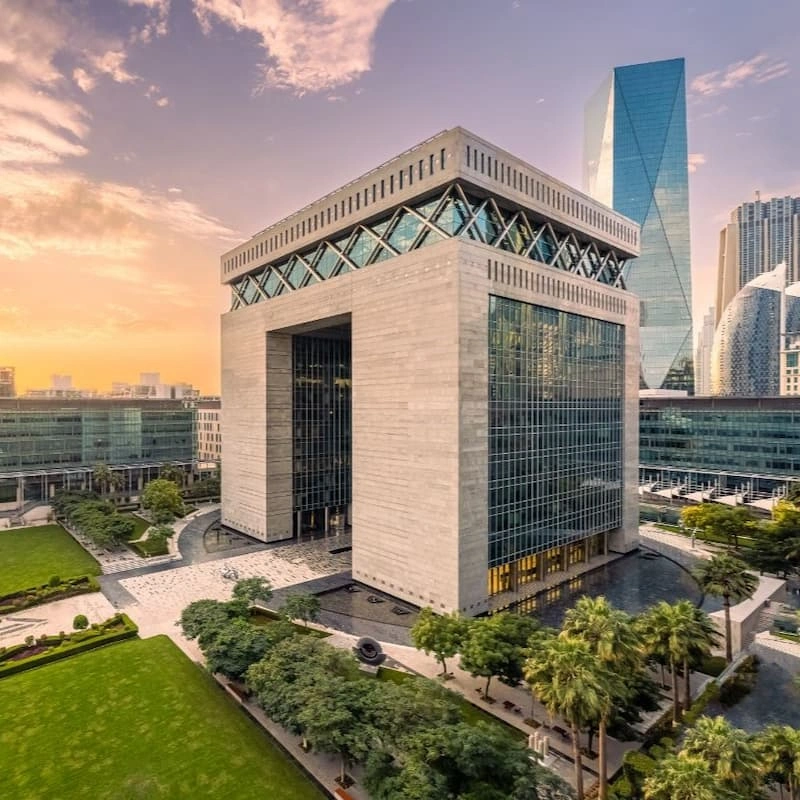
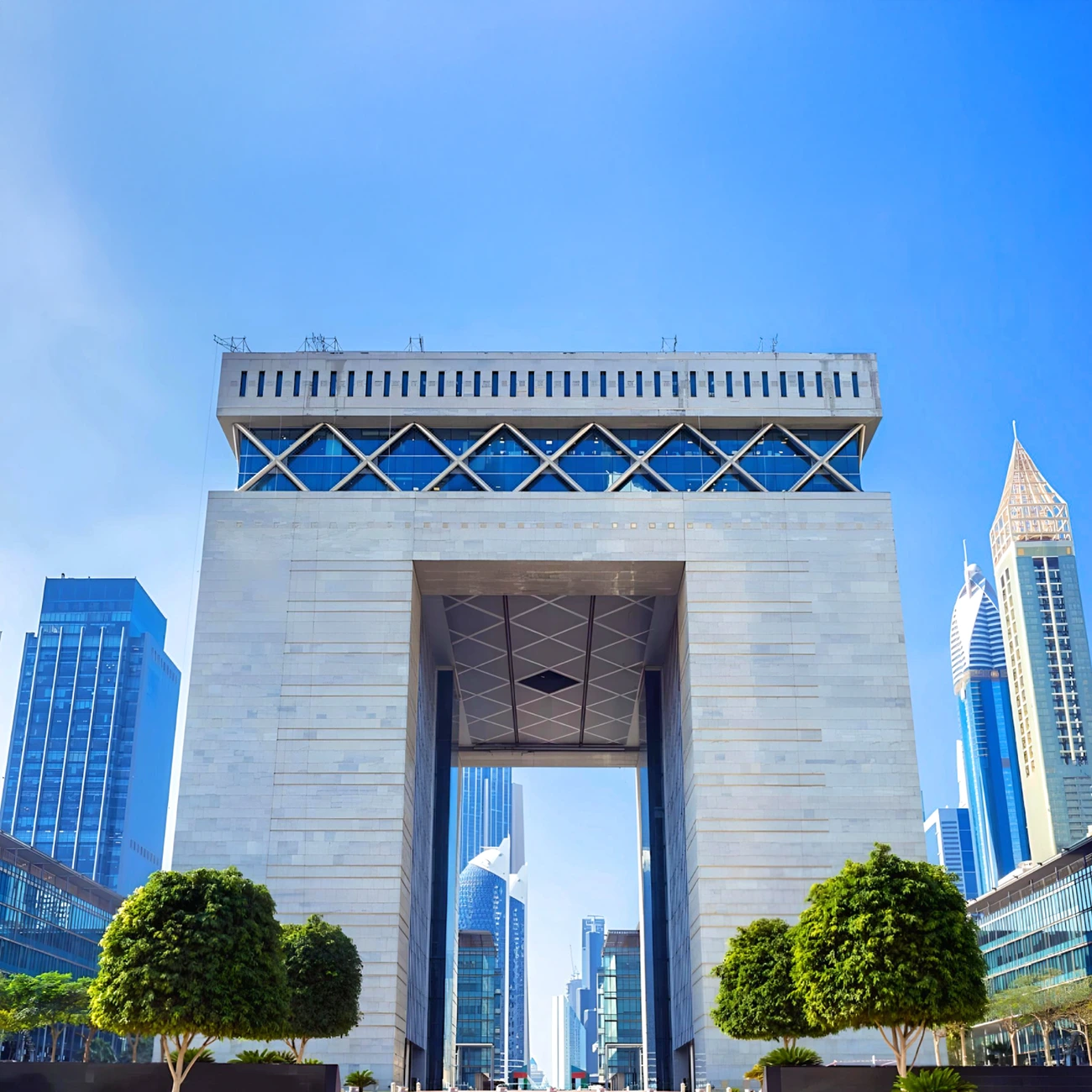
Now imagine that environment expanding—not just in square meters, but in vision. New districts and developments are rising to accommodate banks, fintech innovators, advisory firms, insurers, and asset managers. The growth is not chaotic; it is orchestrated to preserve the interconnected nature of the ecosystem. Within a compact geographic footprint, institutions can collaborate, compete, and innovate, creating a density of expertise that rivals far older financial hubs.
At the same time, the regulatory architecture is adapting to accommodate new sectors such as digital assets, sustainable finance, and complex cross-border investment vehicles. The message to the world is clear: global players can operate here with confidence, flexibility, and foresight.
DIFC’s expansion also reflects Dubai’s broader mosaic of free zones, each designed to nurture specific industries. Yet within this mosaic, DIFC stands as the beating heart of finance. It weaves together capital markets, private wealth, fintech, and professional services into a single, coherent narrative of growth. The district is not an isolated enclave but a strategic bridge connecting regional wealth with global opportunity. Its time zone position, straddling Asia and Europe, enables seamless interaction between Eastern and Western markets, making it a natural crossroads for international capital flows.
Step into a DIFC boardroom and you encounter the pulse of asset management at work. Conversations revolve around structuring funds that span continents, allocating capital into emerging technologies, infrastructure projects, real estate portfolios, and private equity ventures. The Middle East’s expanding pools of wealth intersect with global investors seeking diversification and access to high-growth markets. Under DIFC’s frameworks, asset managers can structure vehicles that appeal to institutional investors, sovereign entities, and high-net-worth individuals alike. The environment encourages innovation while maintaining prudence, allowing managers to navigate shifting global conditions with resilience.
Private equity firms explore regional opportunities in sectors ranging from renewable energy to logistics and healthcare. Hedge funds analyze macroeconomic shifts and geopolitical realignments, seeking alpha in markets that are increasingly interconnected. Venture capital funds back startups that aim to disrupt industries from fintech to artificial intelligence. Infrastructure funds channel capital into transformative projects that reshape urban landscapes and energy systems. In this context, DIFC functions as a calm harbor amid global financial turbulence, offering stability, legal certainty, and access to a sophisticated professional services network.
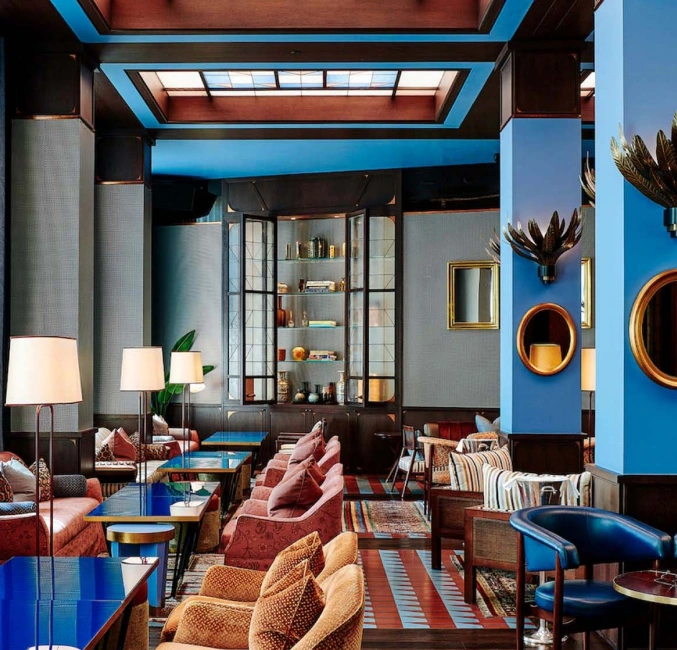
Parallel to the rise of asset management is the growing prominence of family offices. Behind the glass façades of DIFC’s towers, generations of wealth are being structured and safeguarded with increasing sophistication. Families from across the region and beyond are choosing Dubai as a base not merely to preserve capital but to craft long-term legacies. They establish family offices that integrate governance, succession planning, philanthropy, and diversified investment strategies under one roof. The frameworks available within DIFC provide clarity on legal structures, dispute resolution, and fiduciary responsibilities, giving families confidence as they transition wealth across generations.
The appeal extends beyond financial mechanics. Dubai’s safe streets, world-class healthcare, international schools, and seamless global connectivity make it a compelling home for principals and their families. The lifestyle dimension reinforces the financial rationale. As more family offices cluster within DIFC, a complementary ecosystem flourishes: private banks, legal advisors, tax consultants, and wealth planners establish a presence to serve this growing client base. The result is a virtuous cycle, where concentration of expertise attracts more capital, and more capital attracts deeper expertise.
Perhaps the most dynamic frontier within DIFC’s evolution lies in digital assets and financial innovation. Enter one of its innovation hubs and you encounter a different rhythm—developers refining blockchain protocols, entrepreneurs pitching tokenization platforms, compliance specialists crafting frameworks for virtual asset service providers. Servers hum quietly while collaborative spaces buzz with energy. Startups and established global banks operate side by side, exploring how distributed ledger technology can enhance transparency, efficiency, and access within financial systems.
Tokenized real estate offerings open property markets to fractional investors. Digital payment solutions streamline cross-border transactions. Fintech platforms leverage artificial intelligence to optimize risk assessment and portfolio allocation. Crucially, this innovation unfolds within a regulatory environment that seeks balance rather than unchecked experimentation. Clear guidelines and licensing regimes allow pioneers to test ideas responsibly, signaling to global markets that innovation here is disciplined, not speculative. Dubai’s approach underscores its broader philosophy: embrace the future, but anchor it in structure and oversight.
On the global stage, the competition is unmistakable. Financial centers around the world are vying for relevance in an era of geopolitical shifts, digital disruption, and evolving tax landscapes. Cities such as London and Singapore have long commanded respect with deep capital markets, seasoned talent pools, and centuries of institutional experience. Yet the landscape is changing. Investors are re-evaluating geographic exposure, regulatory predictability, and growth prospects. In this context, Dubai positions itself not simply as an alternative, but as a strategic complement and, increasingly, a competitor.
The emirate offers zero personal income tax, modern infrastructure, and a regulatory agility that older hubs sometimes struggle to match. Its government moves quickly to adapt policies in response to global developments, whether in digital finance, sustainability, or cross-border regulation. Even as Riyadh advances its own financial ambitions within the region, DIFC benefits from a first-mover advantage, an established ecosystem, and a track record of international integration. Dubai’s narrative is not one of confrontation but of confident participation in a reshaped global financial order.
Looking toward 2030, the vision becomes even more expansive. The roadmap encompasses not only quantitative growth—more firms, more assets under management, more square footage—but qualitative transformation. The aim is to weave together free zones, asset management, family offices, digital innovation, and sustainable finance into a single, resilient ecosystem. Sustainability initiatives are increasingly integrated into financial strategies, aligning capital with environmental and social objectives. The aspiration is to position DIFC as a leader in responsible finance, channeling investments into projects that balance profitability with long-term impact.
As global capital flows continue to realign in response to demographic trends, technological disruption, and geopolitical recalibration, Dubai refuses to remain a passive observer. Through DIFC, it seeks to write a new chapter in financial history—one where emerging markets are not merely recipients of capital but architects of financial innovation. Standing at the edge of the skyline, watching new towers rise against the desert horizon, one senses that the story unfolding here is about more than commerce. It is about identity, ambition, and the determination of a city to define its own place in the world.
In this unfolding narrative, DIFC serves as both stage and script. It embodies the belief that with the right frameworks, talent, and vision, a city can accelerate its evolution from regional player to global force within a single generation. As 2030 approaches, the district’s growth symbolizes something larger than financial metrics. It reflects a mindset that views change not as a threat but as opportunity, and competition not as intimidation but as motivation. In that sense, DIFC is not just a financial center; it is a statement of intent, a declaration that Dubai’s ambition extends far beyond its skyline and into the very architecture of global finance.