From Startups to Stability, Inside the UAE’s SME Boom
By Marina Ezzat Alfred
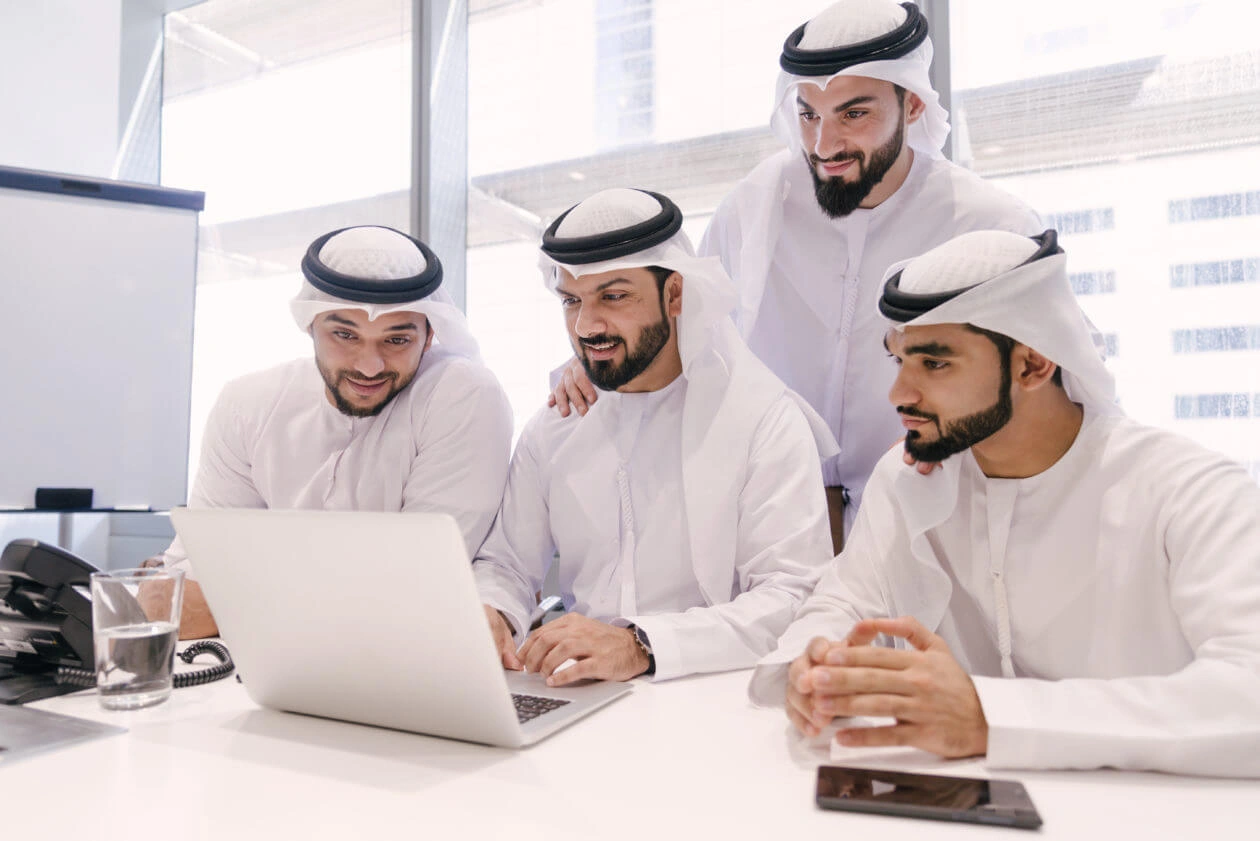
Not long ago, starting a business in the United Arab Emirates felt like stepping into unfamiliar territory reserved for large corporations and seasoned investors. The process was often perceived as complex and expensive. It seemed designed for companies with legal departments, established networks, and significant financial backing. For individual entrepreneurs or small teams with limited capital, the barriers appeared high and the risks daunting.
Today, that perception has changed dramatically. Across the Emirates, a new generation of founders is building companies with confidence and clarity. What once felt intimidating now feels attainable. The environment has shifted from exclusivity to accessibility, and that shift has unlocked a powerful wave of small and medium sized enterprises across the country.
This is the new SME gold rush. It is not driven by speculation or hype. It is fueled by practical reforms, streamlined systems, and a mindset that values independence and ownership. Entrepreneurs are no longer waiting for perfect conditions. They are acting, launching, testing, and refining in real time.
From Side Projects to Structured Companies
One of the clearest indicators of this transformation is the type of businesses being launched. Many of today’s SMEs did not begin as formal companies. They started as side projects. An online store managed in the evenings. A freelance consultant offering services through personal networks. A small creative studio built around individual expertise and reputation.
In the past, formalizing such activities into licensed businesses felt like a major leap. Today, that leap is smaller and far less intimidating. Licensing pathways have become more transparent. Costs are easier to calculate. Application processes are faster and more digital. The stigma once attached to starting small has faded. Launching lean is now seen as a smart strategy rather than a sign of weakness.
Entrepreneurs across Dubai, Abu Dhabi, Sharjah, Ras Al Khaimah, and Ajman are making decisions based on logic and efficiency rather than prestige alone. They evaluate jurisdictions according to setup speed, visa flexibility, and cost effectiveness. This practical approach has led to a more balanced distribution of company formation activity across the Emirates. Instead of one dominant center, multiple hubs of entrepreneurship are emerging, each offering distinct advantages.
A Destination for Global Founders
The surge in SME formation is not limited to local entrepreneurs. The United Arab Emirates has positioned itself as a preferred base for international founders seeking stability, connectivity, and regulatory clarity. For many, the appeal lies in predictability. The country offers clear rules, efficient administration, and a business friendly legal framework.
Operating in English within a globally connected economy allows founders to engage with clients and partners across continents. From the Middle East to Africa, from Asia to Europe, the UAE serves as a strategic bridge. Combined with advanced digital infrastructure and world class logistics, it enables companies to operate internationally from day one.
For solo entrepreneurs and small teams, this matters deeply. The ability to open corporate bank accounts, invoice international clients, sponsor residency visas, and operate transparently transforms ambition into action. It creates an environment where ideas can move quickly from concept to execution without unnecessary friction.
Where Momentum Is Strongest
While the SME boom spans many industries, certain sectors have shown particularly strong and sustainable growth.

E commerce remains highly visible. However, the profile of today’s online businesses differs from earlier waves. Many are niche focused and data driven. They often launch with a global mindset rather than limiting themselves to a single market. Models such as drop shipping, print on demand, and partnerships with third party logistics providers allow founders to scale without heavy upfront investment in inventory or warehousing.
Social media platforms and short form video have become powerful growth engines. Influencer collaborations and targeted digital advertising enable small brands to reach audiences quickly and cost effectively. With the right positioning and messaging, a modest operation can gain recognition and traction at remarkable speed.
Consulting and professional services have also expanded significantly. Professionals in strategy, marketing, finance, human resources, operations, and technology are increasingly choosing independence over traditional corporate employment. Instead of joining large firms, they establish focused consultancies that address specific challenges for defined client segments.
Flexible licensing options allow these consultants to operate legally while maintaining agility. The UAE’s diverse business ecosystem generates strong demand for specialized expertise, both locally and internationally. As companies scale and adapt, they require guidance, and SMEs are well positioned to provide it.
Media and creative industries are experiencing renewed energy. Content agencies, production studios, podcast networks, and personal brand driven ventures are flourishing. The region’s growing emphasis on storytelling, digital presence, and cultural identity has created space for smaller, nimble players. The rise of the creator economy has lowered entry barriers, enabling individuals and small teams to compete with established firms through authenticity, speed, and specialization.
Technology enabled services form another pillar of growth. Many SMEs are not building massive platforms. Instead, they offer focused solutions such as automation tools, artificial intelligence powered applications, software as a service products, and tailored IT support. These companies often begin with minimal overhead, test their offerings quickly, and refine based on real customer feedback. This iterative approach reduces risk and strengthens resilience.
Reforms That Reshaped the Landscape
The rapid expansion of SMEs in the United Arab Emirates did not occur by chance. It is the result of deliberate policy reforms and regulatory modernization.
The introduction of full foreign ownership across many business activities removed a significant psychological and operational barrier. Entrepreneurs now have greater control over their ventures and clearer long term security. This clarity encourages commitment and sustained investment.
Simplified license categories, including instant licenses and freelancer permits, have reduced administrative complexity. Multi activity licenses allow companies to evolve without being constrained by rigid classifications. As business models shift, entrepreneurs can adapt their legal structures more easily.
Cost structures have also become more flexible. Lower initial fees, installment payment options, and reduced capital requirements have made entry more accessible. For early stage founders, redirecting funds from administration to product development and marketing can make a decisive difference.
Visa reforms further reinforce stability. Long term residency options provide founders and key team members with a sense of permanence. This encourages investment in talent, infrastructure, and brand building. When entrepreneurs feel secure about their status, they are more willing to think beyond short term gains.
A New Definition of Success
Beyond regulation and infrastructure, a cultural shift has taken place. Entrepreneurship is no longer seen as a last resort. It is increasingly regarded as a respected and supported career path. Government initiatives, incubators, accelerators, and improved access to funding have strengthened the ecosystem.
Attitudes toward risk have evolved. Failure is more often interpreted as experience rather than stigma. Pivoting is accepted as part of growth. Success is measured not only by size or valuation, but by sustainability, adaptability, and impact.
Many SMEs are designed from the outset to be digital first and globally connected. Founders build systems that can scale. They prioritize efficiency and automation. They consider potential partnerships, expansions, or exits early in their planning. This strategic thinking reflects maturity within the ecosystem.
The Opportunity Ahead
The current wave of SME growth represents more than a temporary trend. It signals a structural shift in how business is conceived and executed in the United Arab Emirates. Opportunity now meets preparation. The regulatory framework supports innovation. Infrastructure enables connectivity. Culture encourages initiative.
This new gold rush is not about quick profits or inflated expectations. It is about building real value through disciplined execution and thoughtful growth. Small businesses can start intelligently, refine their offerings, and expand across borders without abandoning stability.
For entrepreneurs who are ready to move decisively, learn continuously, and leverage a supportive environment, the barriers that once seemed insurmountable have largely dissolved. The question is no longer whether it is possible to start and grow a business in the United Arab Emirates.
The more compelling question is how far that business can go when ambition aligns with access, and when preparation meets a landscape designed for progress.