
Masood M. Sharif Mahmood
A Masterclass in Corporate Continuity
By Rizwan Zulfiqar Bhutta
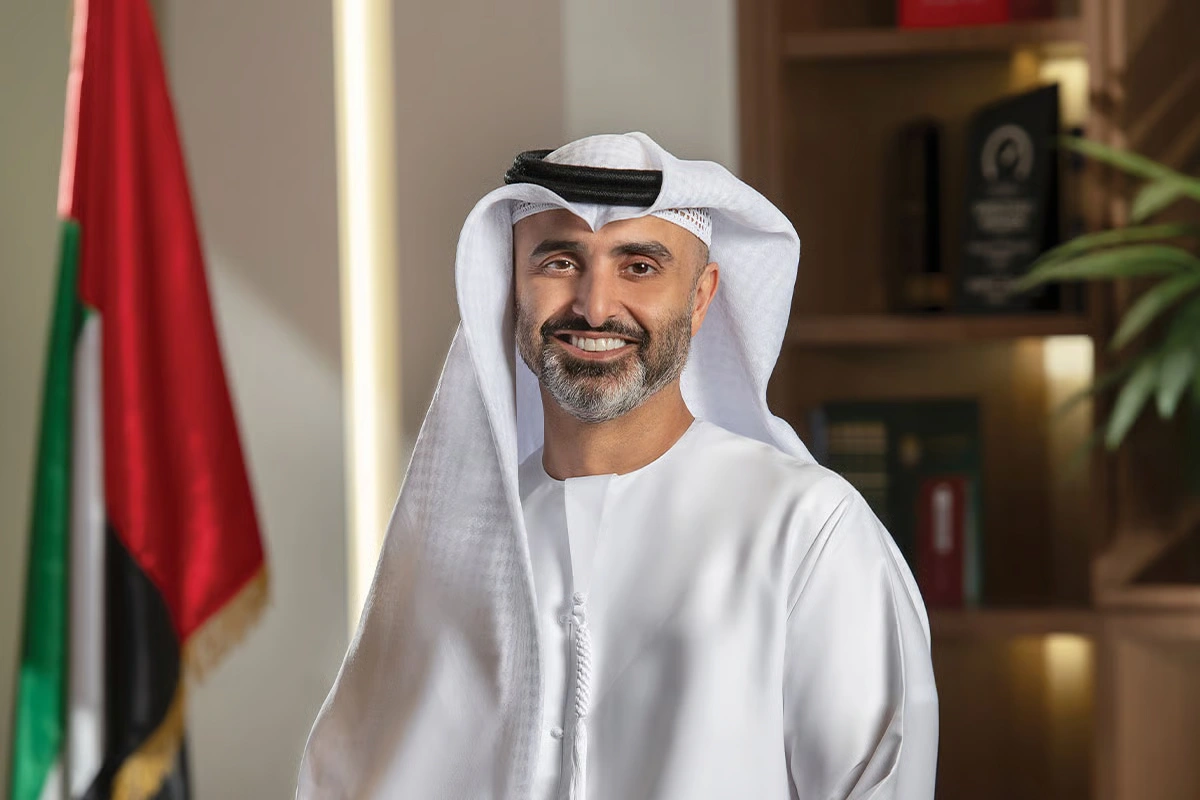
The transfer of leadership within a global enterprise can often be a moment of instability. Markets tend to react cautiously, employees look for reassurance, and stakeholders assess whether strategic direction will shift. Yet the succession from Hatem Dowidar to Masood M. Sharif Mahmood at e& stands as a compelling example of institutional steadiness and disciplined planning.
By announcing the leadership change well in advance of the 31 March 2026 deadline, the organisation delivered a clear signal to global markets, strategic partners, and its 244 million subscribers that its trajectory is guided by a collective vision rather than by the personality of a single executive. The message was unmistakable. The strategy remains intact, the direction is clear, and continuity is paramount.
The process has been transparent and methodical. By maintaining alignment across the senior leadership team, the board, and operational divisions, e& has removed the ambiguity that often accompanies executive change. Mahmood steps into the role not as a disruptor but as a strategic successor equipped with a defined mandate and supported by a synchronised leadership structure.
From Connectivity to Digital Ecosystem
The telecommunications sector rarely stands still. It is shaped by relentless technological evolution, regulatory shifts, competitive pressures, and rapidly changing consumer expectations. The conclusion of Dowidar’s tenure therefore marks more than a routine executive departure. It closes a transformative chapter in the modern history of Middle Eastern telecommunications.
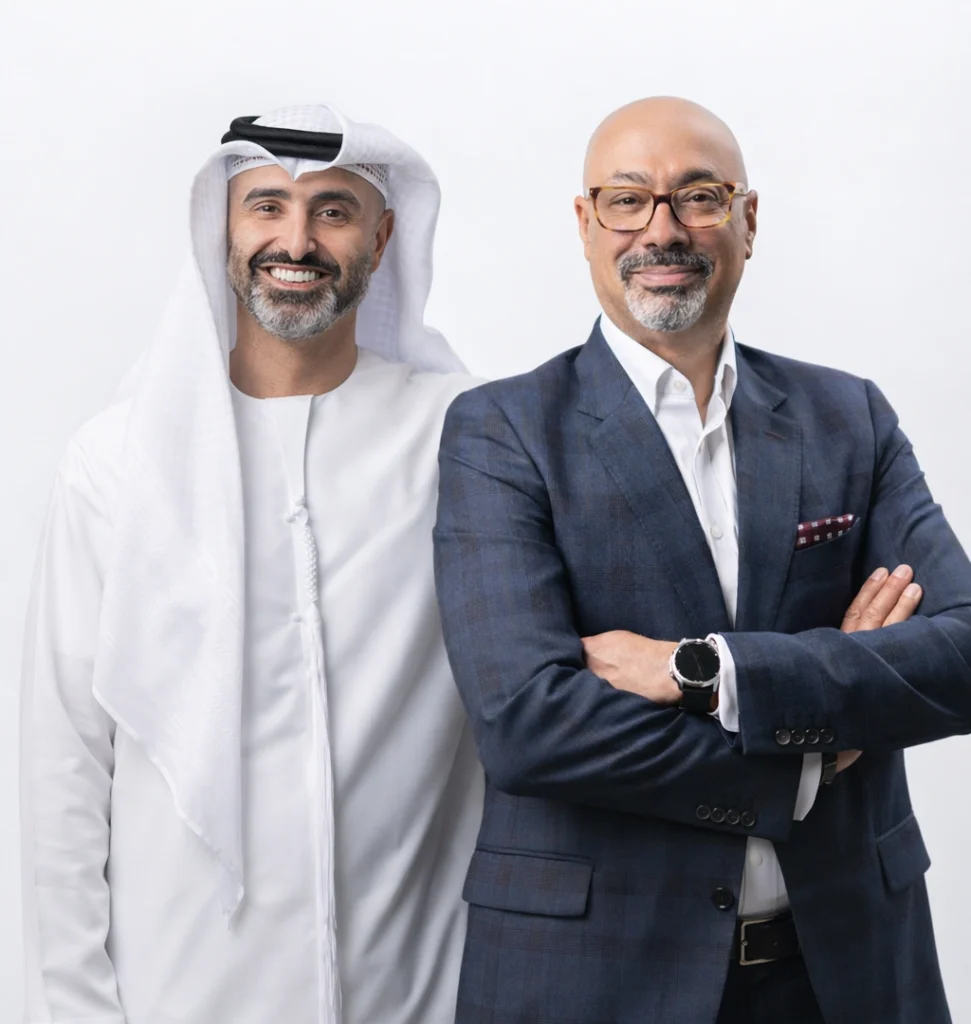
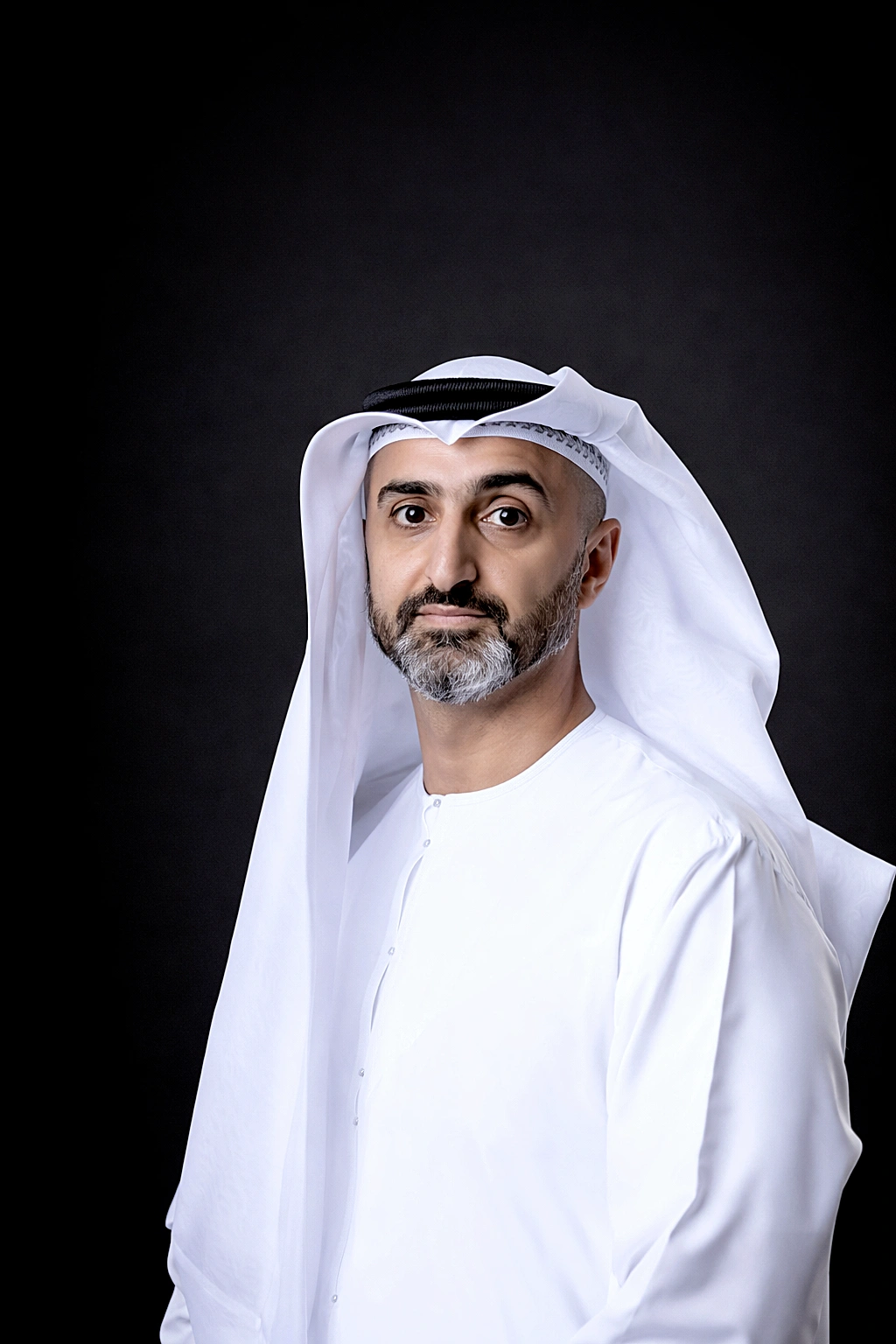
During his decade at the helm, Dowidar oversaw a profound metamorphosis. The transition from Etisalat Group to e& was not merely cosmetic rebranding. It represented a conceptual repositioning. The organisation consciously moved beyond the identity of a traditional telecommunications operator and embraced the ambition of becoming a diversified global technology and investment group.
The shift was strategic rather than symbolic. Under Dowidar’s leadership, e& expanded its international footprint to 38 countries, broadened its portfolio across digital services, enterprise solutions, and fintech, and integrated millions of customers into a wider technological ecosystem. The emphasis moved from selling connectivity to enabling digital lifestyles and financial inclusion.
Financially, the group reached unprecedented heights. Yet Dowidar’s own reflections suggest that subscriber integration into a unified digital and financial environment stands as the more significant achievement. The 244 million customers are not merely users of voice and data services. They are participants in an interconnected ecosystem spanning communications, payments, cloud computing, cybersecurity, and emerging digital platforms.
In this context, Mahmood inherits an entity that has already undergone structural reinvention. The challenge before him is not transformation from scratch, but optimisation of a platform already designed for scale.
The Appointment of Masood M. Sharif Mahmood
The selection of Mahmood as Group Chief Executive reflects continuity of philosophy combined with readiness for the next phase of technological competition. His appointment was neither abrupt nor externally imposed.
It emerged from within the organisation’s own leadership ranks, reinforcing the message of internal strength and strategic coherence. Most recently, Mahmood served as Chief Executive of Etisalat UAE, the group’s largest and most profitable business unit. In that capacity, he stood at the operational forefront of the company’s digital shift. He oversaw infrastructure modernisation, expansion of fibre networks, deployment of advanced mobile technologies, and the integration of digital services tailored to both consumer and enterprise segments.
Prior to joining e&, Mahmood led Yahsat for nearly a decade. Under his stewardship, Yahsat evolved from a regional satellite start up into an internationally recognised satellite communications provider. He guided the company through technological scaling, geographic expansion, and ultimately a successful public listing on the Abu Dhabi Securities Exchange. This experience demonstrated his ability to navigate capital markets, regulatory frameworks, and complex infrastructure investments simultaneously.
His academic background reinforces this dual perspective. With an MBA from McGill University and a Bachelor of Science in Computer Engineering from Khalifa University, Mahmood combines technical literacy with financial acumen. He understands not only the commercial imperatives of shareholder value and return on capital, but also the technological architecture underpinning fibre networks, satellite systems, data centres, and emerging artificial intelligence platforms.
This combination is particularly relevant in an era when telecommunications infrastructure forms the backbone of digital economies. The next competitive frontier will not be defined solely by subscriber numbers, but by the intelligent utilisation of data and platform integration.
The Strategic Mandate
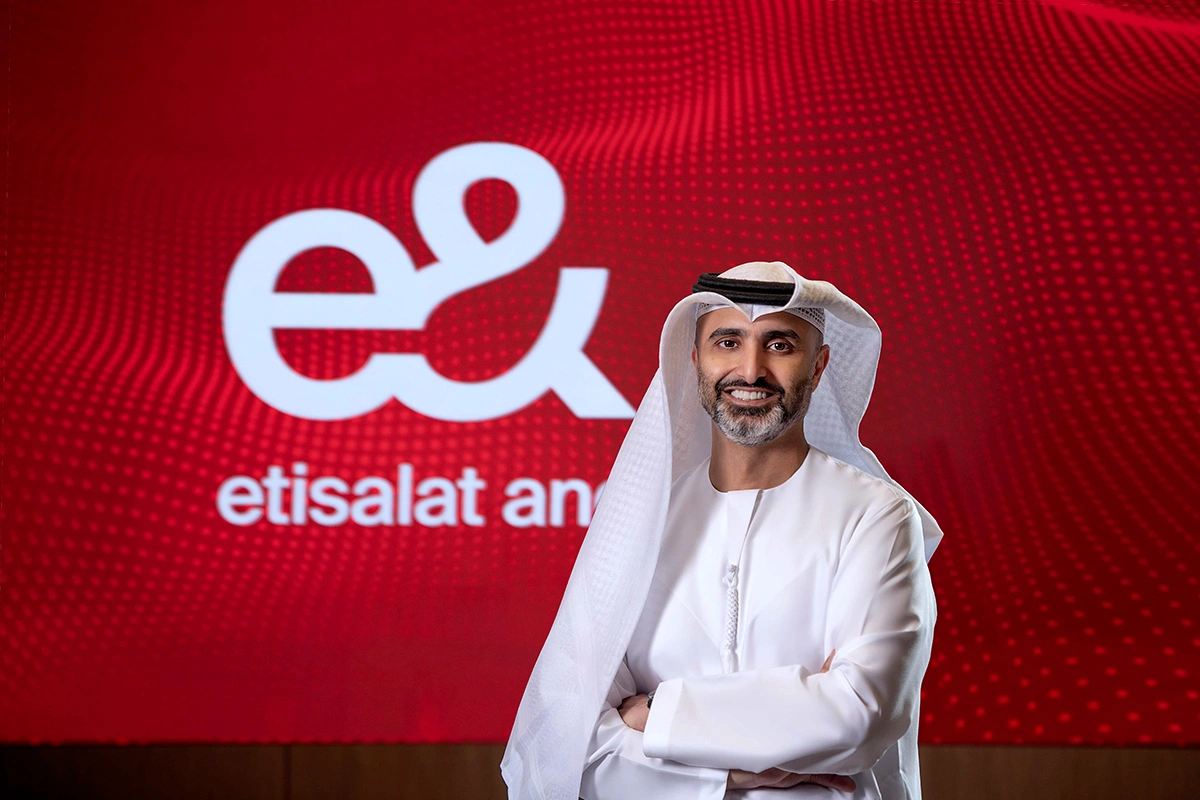
As Mahmood assumes leadership, three interconnected priorities are likely to define his strategic agenda.
The first concerns international synergy. Under Dowidar, e& pursued assertive global expansion, acquiring and investing in assets across Central and Eastern Europe as well as other markets. Expansion, however, is only the initial phase of value creation. Integration determines long term performance. Mahmood’s challenge will be to harmonise systems, governance structures, digital platforms, and brand identity across diverse regulatory environments. Achieving operational coherence while respecting local market dynamics will require disciplined execution.
The second frontier lies in artificial intelligence and data evolution. The scale of e&’s subscriber base constitutes one of its most valuable strategic assets. Data, when ethically managed and intelligently analysed, enables predictive services, personalised customer experiences, fraud detection, enterprise analytics, and smart city integration. Mahmood’s engineering foundation suggests that he will prioritise the shift from providing connectivity infrastructure to delivering intelligent digital solutions. In practical terms, this means leveraging AI to enhance enterprise offerings, automate network optimisation, and create new revenue streams beyond traditional telecommunications services.
The third priority centres on scaling the financial ecosystem. The development of digital financial services, including e& money, has positioned the company as an increasingly significant player in financial inclusion and digital payments. In many emerging markets, mobile operators serve as primary financial gateways. Expanding these capabilities responsibly and securely will deepen customer engagement and diversify revenue. For Mahmood, strengthening regulatory compliance, cybersecurity resilience, and product innovation in fintech will be essential components of sustained growth.
Navigating Industry Headwinds
While the financial foundation he inherits is robust, the external environment presents formidable challenges. The global race towards sixth generation mobile standards is accelerating. Research and standardisation efforts require heavy investment and strategic partnerships. Meanwhile, regulatory scrutiny of technology companies continues to intensify, particularly regarding data privacy, cybersecurity, and cross border digital flows.
Geopolitical uncertainty also shapes infrastructure decisions. Telecommunications networks are now considered critical national assets. Investment choices intersect with national security considerations, spectrum allocation policies, and sovereign digital strategies. Mahmood’s experience operating in both regional and international contexts will be tested as he balances growth ambitions with compliance and risk management.
Additionally, competitive pressures from global technology firms are reshaping the traditional telecom value chain. Over the top platforms, cloud hyperscalers, and fintech disruptors seek direct relationships with customers. For e&, maintaining relevance requires partnership as much as competition. Strategic alliances, joint ventures, and ecosystem collaboration will likely form part of Mahmood’s approach.
The First Hundred Days and Beyond
Attention will inevitably focus on Mahmood’s first hundred days in office. Investors will examine capital allocation priorities, integration milestones, and signals regarding AI investment. Employees will look for cultural continuity combined with renewed ambition. Markets will assess whether the disciplined growth of recent years can be sustained.
Yet the broader significance of this transition extends beyond immediate metrics. It represents a coming of age for e& as a mature global technology enterprise. The organisation has demonstrated that it can plan succession deliberately, communicate transparently, and maintain operational intensity throughout leadership change.
Dowidar leaves behind a legacy of bold transformation. He guided a historic regional telecommunications provider through reinvention into a diversified digital powerhouse. Mahmood now inherits a platform designed for scale and complexity. His task is to refine, integrate, and expand it in an era defined by artificial intelligence, fintech convergence, and borderless digital services.
The seamless nature of this leadership handover reinforces confidence in the institution itself. Strategy is embedded in systems and teams rather than confined to personalities. Governance structures have functioned as intended. Shareholders and partners have been reassured.
As 2026 unfolds, e& stands not as a company reacting defensively to technological change, but as one intent on shaping it. The continuity between Dowidar and Mahmood symbolises more than succession. It reflects an organisation confident in its direction and prepared for the demands of the next digital decade.