
Hanan Al Sammak, Redefining Leadership Through Emotional Intelligence & Sustainable Wellbeing
By Michelle Clark
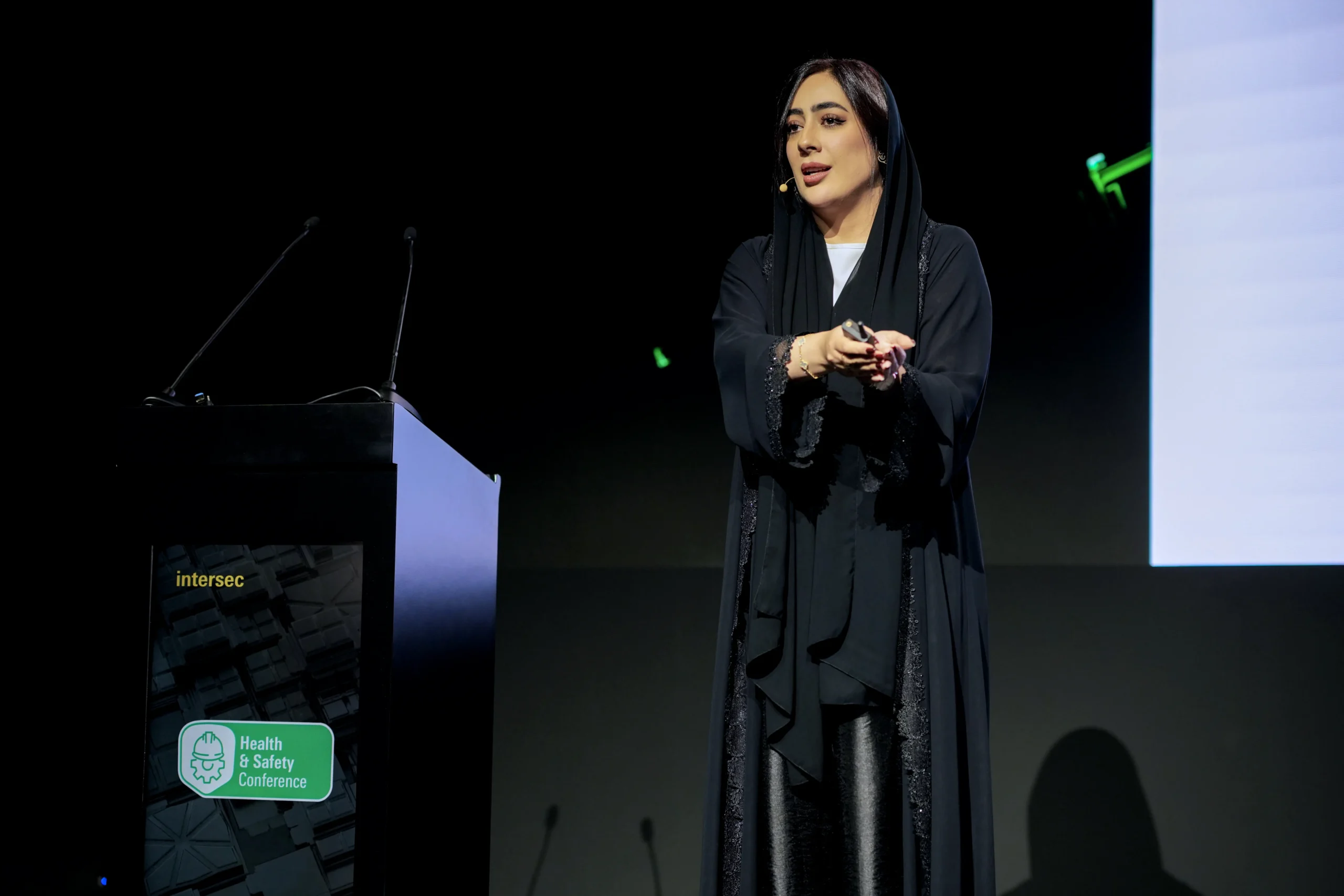
For decades, leadership success was measured almost exclusively through outcomes, growth charts, profitability, scale, and visibility. The internal state of the leader was rarely part of the equation. Stress was normalized, emotional suppression was rewarded, and resilience was defined as the ability to endure without complaint. In fast-growing markets such as the UAE, where ambition has long been synonymous with progress, this mindset shaped corporate culture for years. Mental health, when acknowledged at all, was treated as a private concern rather than a leadership responsibility.
That paradigm is now undergoing a fundamental shift, and few voices articulate this transformation as clearly as Hanan Al Sammak. Working at the intersection of executive leadership, mindset development, and emotional intelligence, Al Sammak has witnessed firsthand how the conversation around wellbeing has evolved, and why it can no longer be separated from performance, culture, or long-term success.
Over the past decade, leaders across the UAE have begun to re-evaluate how they define strength. According to Al Sammak, the most significant change has not been policy-driven but awareness-driven. Mental health is no longer viewed as a soft issue or a secondary HR function. It is increasingly recognized as a strategic factor that directly influences how leaders think, decide, and lead under pressure. The realization is simple yet transformative: organizations cannot outperform the emotional capacity of their leadership.
Where once mental wellbeing was discussed quietly, often reactively and behind closed doors, it is now entering boardrooms and leadership conversations with greater openness. Executives are asking different questions, not only about output, but about sustainability. They are beginning to understand that high performance without emotional stability does not last, and that burnout, disengagement, and volatility are not individual failures but systemic signals.
Central to Al Sammak’s philosophy is the belief that mindset must come before strategy. In traditional leadership models, strategy is often treated as the primary lever of success, while emotional awareness is positioned as a complementary skill. Al Sammak challenges this hierarchy. From her perspective, no strategy exists independently of the person executing it. A leader operating from fear will make different decisions than one operating from clarity. A leader driven by ego will shape culture differently than one grounded in self-awareness. Insecurity, people-pleasing, and emotional reactivity quietly infiltrate decision-making long before they appear in results.

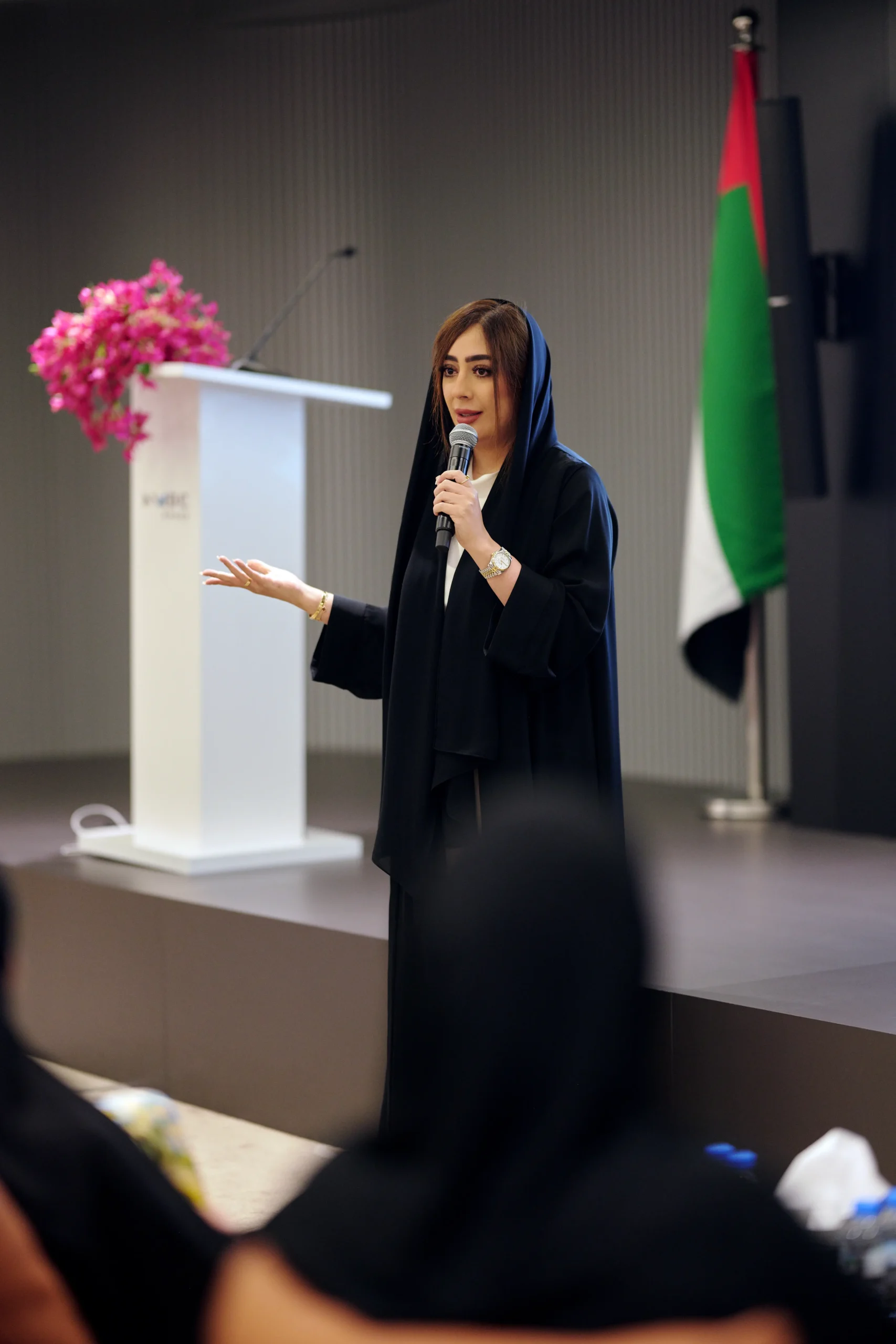
Mindset, she explains, shapes decisions. Decisions shape culture. Culture shapes performance. When leaders neglect their inner world, their outer success becomes fragile. Growth may still happen, but it often feels unstable, driven by constant pressure rather than grounded confidence. Leadership, in this sense, is not merely about actions or competencies. It is about who the leader is internally while navigating complexity, authority, and responsibility.
This internal dimension becomes most visible under pressure. Emotional intelligence has become a widely discussed executive competency, yet Al Sammak draws a clear distinction between leaders who speak about it and those who truly embody it. Anyone can reference empathy or self-awareness in a workshop setting. What separates conscious leadership from performative language is behavior during moments of tension. Difficult conversations, criticism, crisis, and uncertainty expose the depth of a leader’s emotional intelligence more than any formal declaration ever could.
Leaders who genuinely embody emotional intelligence pause before reacting. They listen without immediately defending their position. They take responsibility not only for outcomes, but for impact. They are able to create psychological safety without sacrificing accountability. This does not mean avoiding hard conversations or lowering standards. On the contrary, it means approaching those moments with awareness rather than impulsivity. Emotional intelligence, in high-performance environments, is not about softness. It is about consciousness.
Nowhere is this more critical than in discussions around resilience. In many corporate cultures, resilience has been glorified as endurance, the ability to push through exhaustion, remain constantly available, and absorb pressure without visible strain. Al Sammak cautions that this interpretation blurs a dangerous line. True resilience, she explains, is the ability to recover. Burnout occurs when recovery is absent.
When rest, boundaries, and self-awareness are framed as weaknesses, organizations inadvertently reward self-neglect. Sustainable success, in her view, requires energy management rather than perpetual endurance. Leaders who are constantly proving their worth through overwork are not demonstrating resilience; they are depleting the very capacity that leadership demands. Over time, this depletion manifests as disengagement, poor decision-making, emotional volatility, and attrition, outcomes that no performance metric can justify.
Among senior executives, Al Sammak frequently observes psychological blind spots that remain largely unaddressed. One of the most common is the fusion of self-worth with achievement. When identity becomes overly attached to titles, status, and results, any challenge feels personal. Feedback becomes threatening. Change feels destabilizing. Leaders in this state often experience internal pressure that is invisible to others but deeply influential in how they lead.
Another pervasive blind spot is emotional suppression. Many high performers were conditioned early in their careers to equate strength with stoicism. Vulnerability was discouraged, and emotional expression was seen as a liability. While this approach may have delivered short-term results, unprocessed emotions do not disappear. They resurface through impatience, defensiveness, disengagement, or control. At senior levels, where the ripple effect of leadership behavior is amplified, self-awareness is no longer optional. It is essential.
Despite growing recognition of these dynamics, many organizations still approach wellbeing as a benefit rather than a foundation. Wellness initiatives are introduced, but leadership behavior remains unchanged. Sustainable performance cultures, Al Sammak argues, are built not on programs but on consistency. They are reflected in how leaders model boundaries, how openly stress is discussed, and how coaching is integrated into development as a proactive tool rather than a corrective measure.
When wellbeing is embedded into leadership rather than positioned as a perk, the effects are measurable, though not always immediately quantifiable. Al Sammak encourages organizations to look beyond surface-level engagement metrics. Real impact reveals itself in behavior. Communication becomes clearer. Conflict is handled with maturity rather than avoidance or aggression. High performers stay longer, not because they are pressured to, but because they feel supported enough to sustain their contribution.
Decision-making quality improves. Stability under pressure increases. Team dynamics become healthier. These shifts signal cultural change more accurately than attendance numbers or survey scores ever could.
At the center of all cultural transformation lies executive modeling. Policies, statements, and frameworks cannot compensate for misalignment at the top. Culture mirrors leadership, always. When executives openly model growth, learning, and emotional awareness, they create permission for others to do the same. When they acknowledge challenges rather than masking them behind authority, trust deepens organically.
Conversely, when leaders speak about wellbeing without embodying it, credibility erodes. No initiative can survive the contradiction between words and behavior. People follow what leaders do far more closely than what they say.
While much of Al Sammak’s work focuses on corporate leadership, her vision extends beyond organizational outcomes. She believes that education and coaching have the power to create generational change rather than isolated success stories. When emotional intelligence is taught early, not only in executive settings but within educational systems, it reshapes how people lead, parent, and relate to one another.
Coaching, in this sense, should not exist solely as an intervention for burnout. It should cultivate awareness before burnout occurs. Emotional literacy, when normalized, equips future leaders with skills previous generations were never taught. The long-term impact is not limited to better executives, but to healthier families, workplaces, and communities.
On a personal level, Al Sammak’s philosophy has evolved alongside her own professional journey. Earlier in her career, achievement was the primary driver. Results defined success. Over time, shaped by both personal and professional challenges, that definition shifted. She came to recognize that success without inner peace feels incomplete. External accomplishments lose their meaning when internal alignment is absent.
Today, her guiding principle is alignment, working on the inner world first, regulating emotions, staying aware, and remaining connected to values rather than external validation. From this grounded state, leadership impact becomes not only more powerful, but more sustainable.