Saudi Arabia Builds the Backbone of Its 2034 World Cup
By Hafsa Qadeer
Saudi Arabia has taken another important step toward hosting the 2034 FIFA World Cup by inviting companies to prequalify for the construction and upgrade of 68 sports training sites across the country. The announcement, made by the Ministry of Sport in January 2026, covers both new facilities and the renovation of existing ones. While stadiums usually attract the most attention, this move shows that Saudi Arabia is focusing on the full structure needed to host a global tournament.
These training sites will be used by national teams, referees, officials, and support staff during the World Cup. FIFA rules require host countries to provide training facilities that meet strict international standards. This includes high-quality pitches, medical and recovery areas, changing rooms, media spaces, and offices for tournament operations. Industry reports confirm that the 68 sites are part of a much larger plan that will see more than 130 training facilities built or upgraded before 2034.
The locations of these sites tell an important story. Instead of placing all facilities in major cities, Saudi Arabia is spreading them across many regions. Planned locations include Riyadh, Jeddah, Medina, Taif, Tabuk, Al-Baha, Jazan, Hail, Al-Ahsa, Al-Ula, Umluj, and Buraidah. This approach allows smaller cities to benefit from investment and brings professional-level sports infrastructure closer to local communities.
This project is closely linked to Vision 2030, Saudi Arabia’s long-term plan to grow sectors such as tourism, entertainment, and sport. Over recent years, the Kingdom has hosted major sporting events and invested heavily in football at both club and national levels. The training site programme shows a focus on long-term value. These facilities are not only for the World Cup. They are being designed for use long after the tournament ends.
The prequalification process is aimed at construction companies with strong experience in sports infrastructure. Both local and international firms are expected to apply. The Ministry of Sport has set deadlines in February 2026, showing that work on the ground is expected to begin soon. This early start gives planners time to test and improve the facilities before teams arrive in 2034.
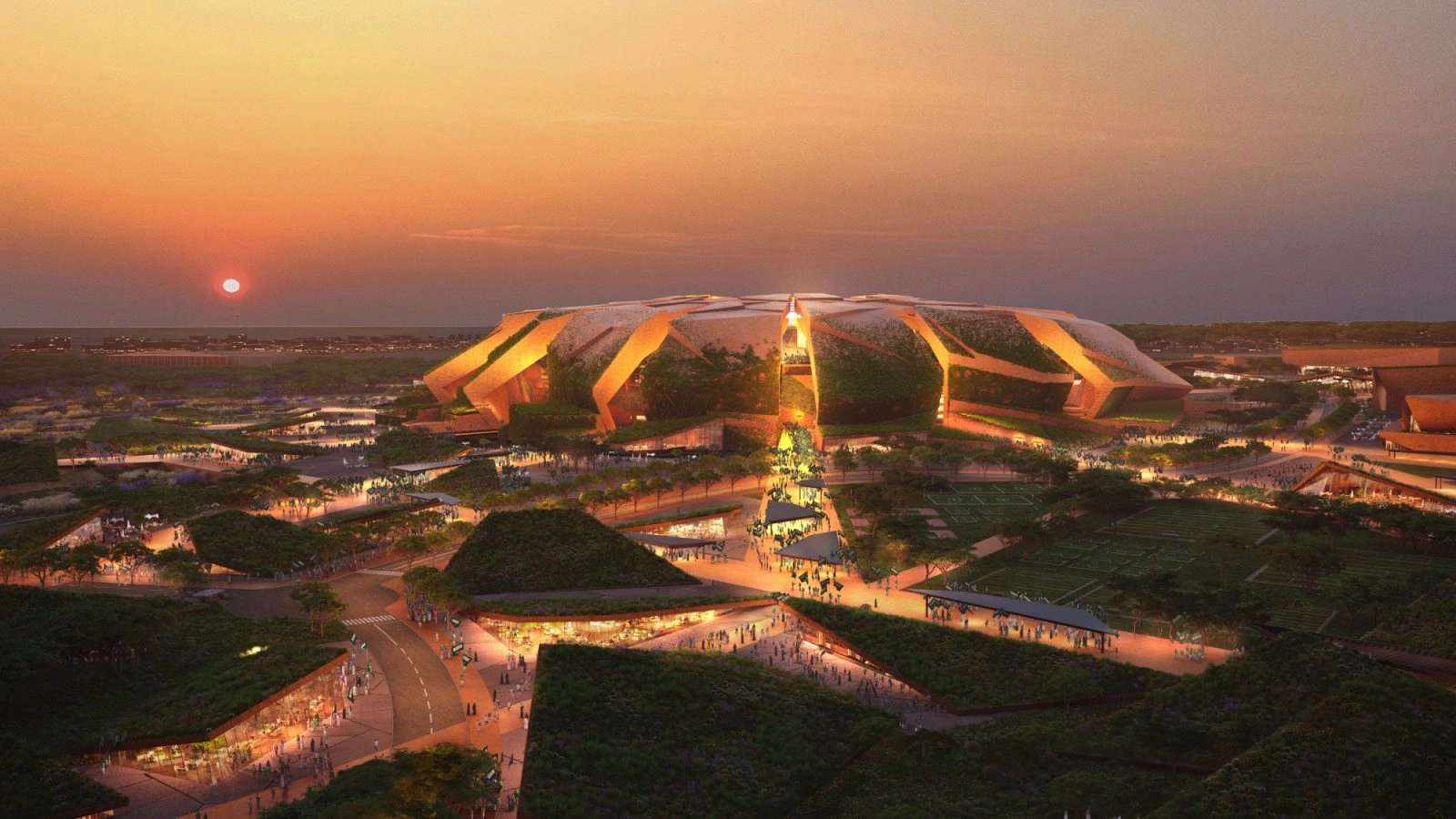
The training sites will support a wider stadium development programme already underway. Riyadh’s King Fahd Sports City Stadium has been renovated in recent years and is expected to host World Cup matches. Prince Faisal bin Fahd Sports City Stadium is also being upgraded. New stadium projects are planned in Jeddah as part of large city development plans, while King Abdullah Economic City is being prepared as another key host location. These venues are designed to serve the public long after the World Cup, hosting sports, cultural events, and community activities.
Training facilities may leave the strongest legacy. Stadiums host big events a few times each year. Training centres are used every day. After the World Cup, these sites can support youth academies, school sports, women’s football, and community programmes. Saudi Arabia has seen rising interest in sports participation, and access to modern facilities plays a key role in keeping that momentum going.
The economic impact of the project is wide. Construction creates jobs for engineers, architects, technicians, and suppliers. Hotels, restaurants, and transport services in host cities are also expected to benefit as teams and visitors arrive. Smaller cities in particular stand to gain from this activity, supporting the Kingdom’s goal of balanced regional development.
Large projects bring challenges. Coordinating dozens of construction sites across different regions requires careful planning and strong oversight. Sustainability is also a key focus. New sports facilities are expected to use energy efficiently, manage water carefully, and keep long-term running costs under control. Saudi authorities have repeatedly stated that sustainability and legacy are central to their World Cup plans.
International attention on Saudi Arabia’s World Cup preparations remains strong. Progress on training facilities shows a practical and structured approach. By focusing early on infrastructure that supports daily operations, the Kingdom is building confidence in its ability to host the tournament at a global standard.
The 68 training sites now entering the prequalification stage may not appear in match broadcasts, yet they form the backbone of the 2034 World Cup. They will shape the daily routines of teams and officials and continue to serve communities long after the final match. This investment shows that Saudi Arabia is treating the World Cup not as a one-time event, but as a long-term national project with lasting impact.