
The Battle for the Garage
Mercedes-Benz vs. the New Chinese Guard
By Paul Smith
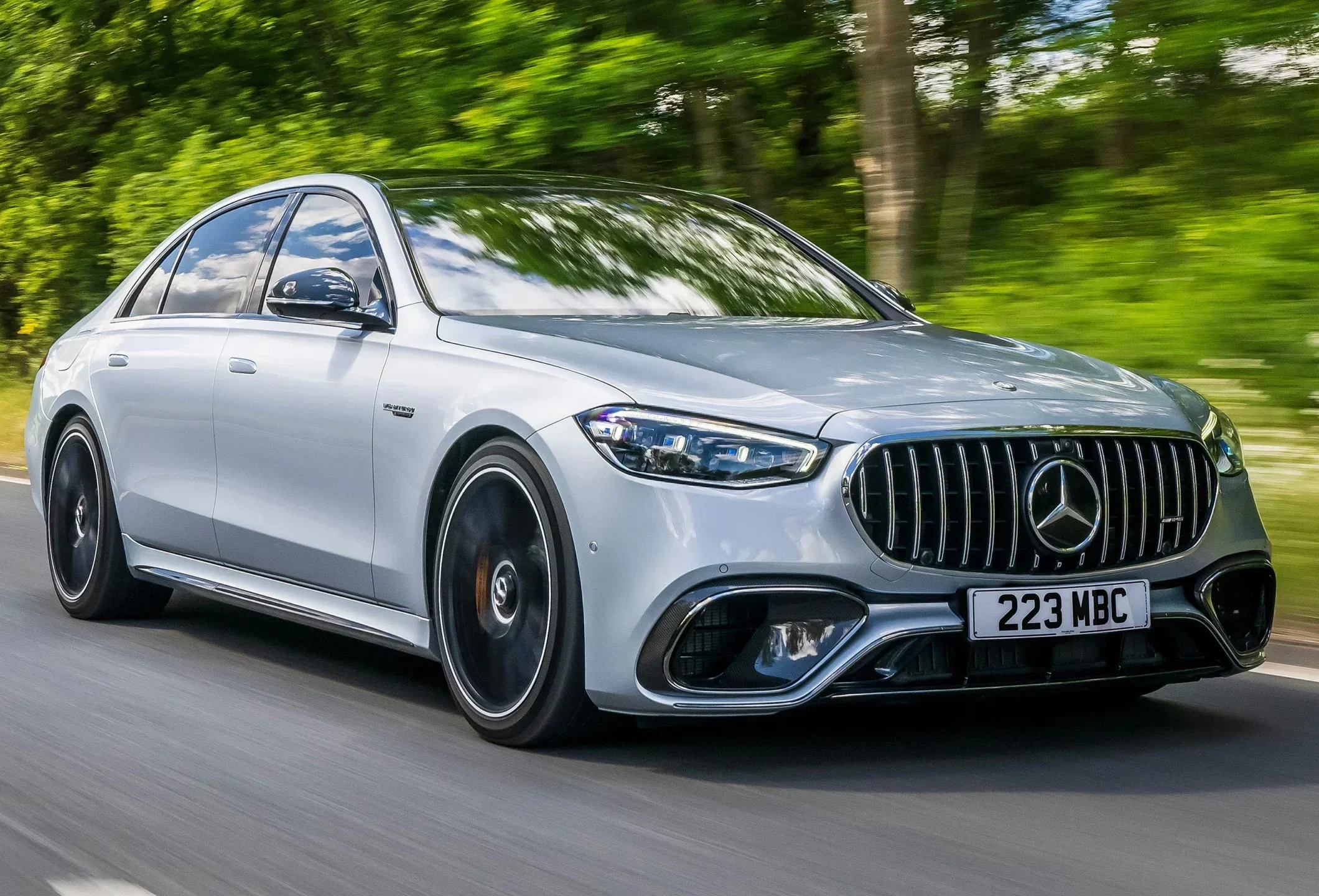
For decades, the name Mercedes-Benz has stood as the undisputed global benchmark for automotive luxury, engineering excellence, and enduring prestige. The three-pointed star has been the ultimate symbol of aspiration for drivers worldwide. However, a seismic shift is rapidly redefining the global automotive landscape, driven by a powerful new wave of Chinese car manufacturers.
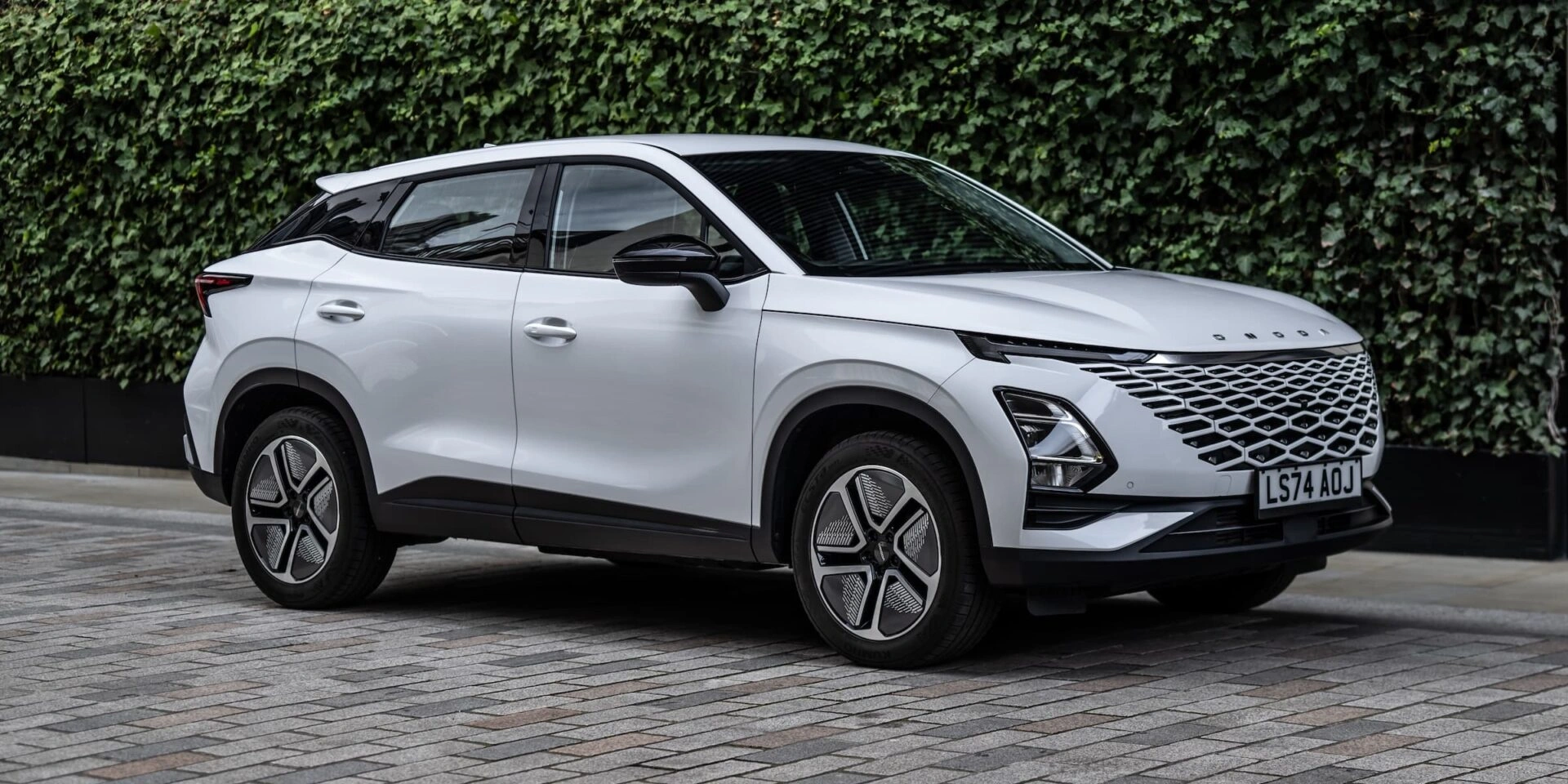
This is more than just a clash of rivals; it’s a redefinition of the modern premium segment. Brands like BYD, Nio, Xpeng, OMODA, and Jaecoo are aggressively challenging the established German order by combining highly competitive pricing, cutting-edge digital technology, and unprecedented ownership assurances. The decision for today’s buyer is no longer solely about heritage, but about a calculated balance between Proven Luxury and Mitigated Risk.
The German Stronghold: Heritage and Refinement
Mercedes-Benz continues to anchor its value proposition on pillars forged over a century of innovation. The inherent prestige of the badge carries instant social currency and retains robust long-term equity. The engineering is defined by a deep track record of developing sophisticated powertrains, refined chassis dynamics, and superior cabin material quality, resulting in a driving experience that has historically been unmatched. Furthermore, a vast, decades-old service and parts network offers crucial peace of mind and easier access for complex, long-term maintenance. For many, this proven stability and the stronger, more predictable resale value are reasons enough to stick with the familiar star.
The Chinese Ascent: Value, Tech, and Warranty
In contrast, the new generation of Chinese automakers is targeting the pragmatic, tech-savvy buyer. Their approach is marked by rapid product cycles and an unrelenting focus on electrification and digital integration. These companies have established a clear lead in integrated digital cockpits and fast, sophisticated infotainment systems—areas where some legacy German rivals have been slower to innovate.
The competitive advantage is built on two key factors: value and assurance. New models are entering markets at aggressive price points, significantly undercutting comparable luxury rivals. This aggressive strategy is often backed by extremely long factory warranties, such as the widely advertised 7-year/100,000-mile cover. This provides a compelling counter-argument to the perceived risk of investing in a new brand, effectively reducing early-ownership anxiety.
The Real-World Comparison: New vs. Used
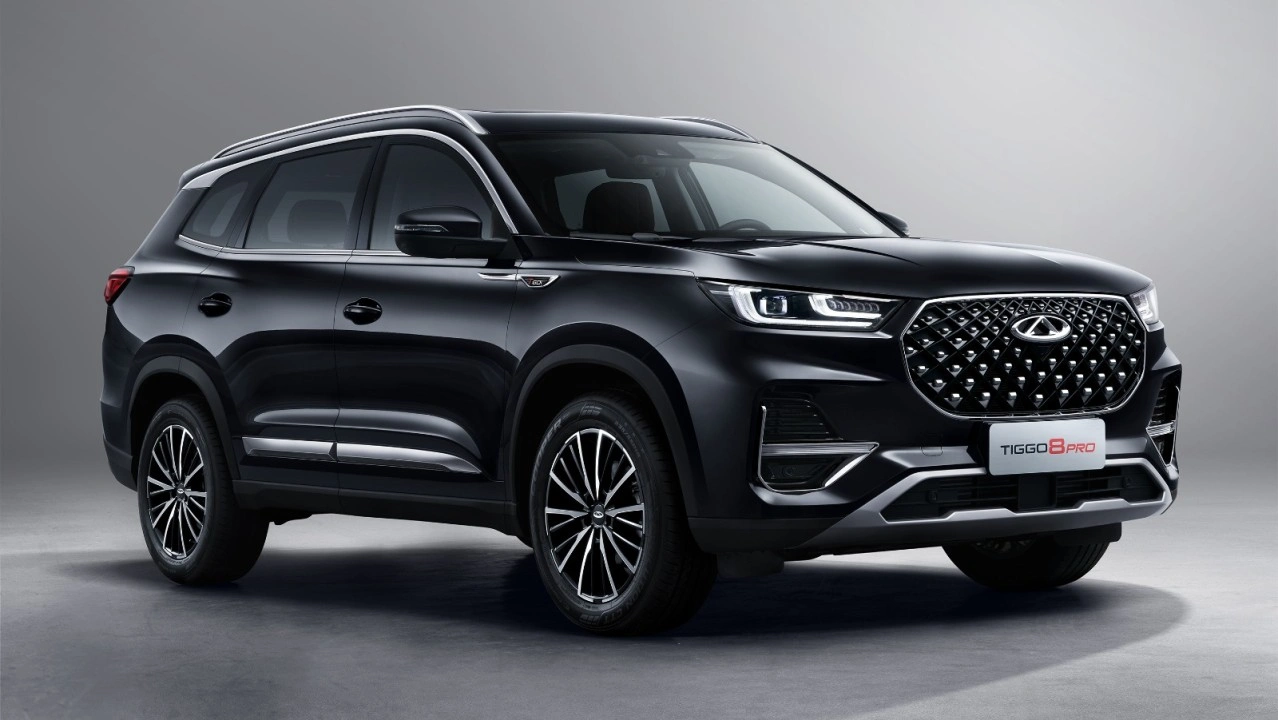
For many buyers, the choice boils down to a well-equipped new Chinese SUV against a carefully selected, approved used Mercedes GLE from just a few years prior (e.g., 2021–2022).
A new Chinese model delivers the lowest upfront cost, a full factory warranty, and the latest hardware and software, often including modern PHEV or EV powertrains that sidestep city emission zone charges. However, real-world long-term reliability remains to be fully established, and its ultimate resale value is still an educated projection.
The used Mercedes, conversely, offers immediate prestige and proven build quality, backed by an extensive dealer network. Yet, its purchase price is often significantly higher than a new rival. Crucially, as a used car, it will lack the comprehensive, multi-year factory warranty of the new challenger. Buyers must budget for higher running costs, insurance, and the potential for expensive post-warranty repairs, such as complex air suspension or sophisticated electronic faults that can be cripplingly expensive to fix.
The Verdict: Prestige or Pragmatism?
The final decision hinges entirely on the buyer’s priorities.
If a driver values undeniable prestige, long-term perceived build quality, and a confident used-car market, the used Mercedes-Benz remains the choice. However, this path demands a higher budget for purchase, maintenance, and insurance, and necessitates a careful, professional pre-purchase inspection to guard against latent issues.
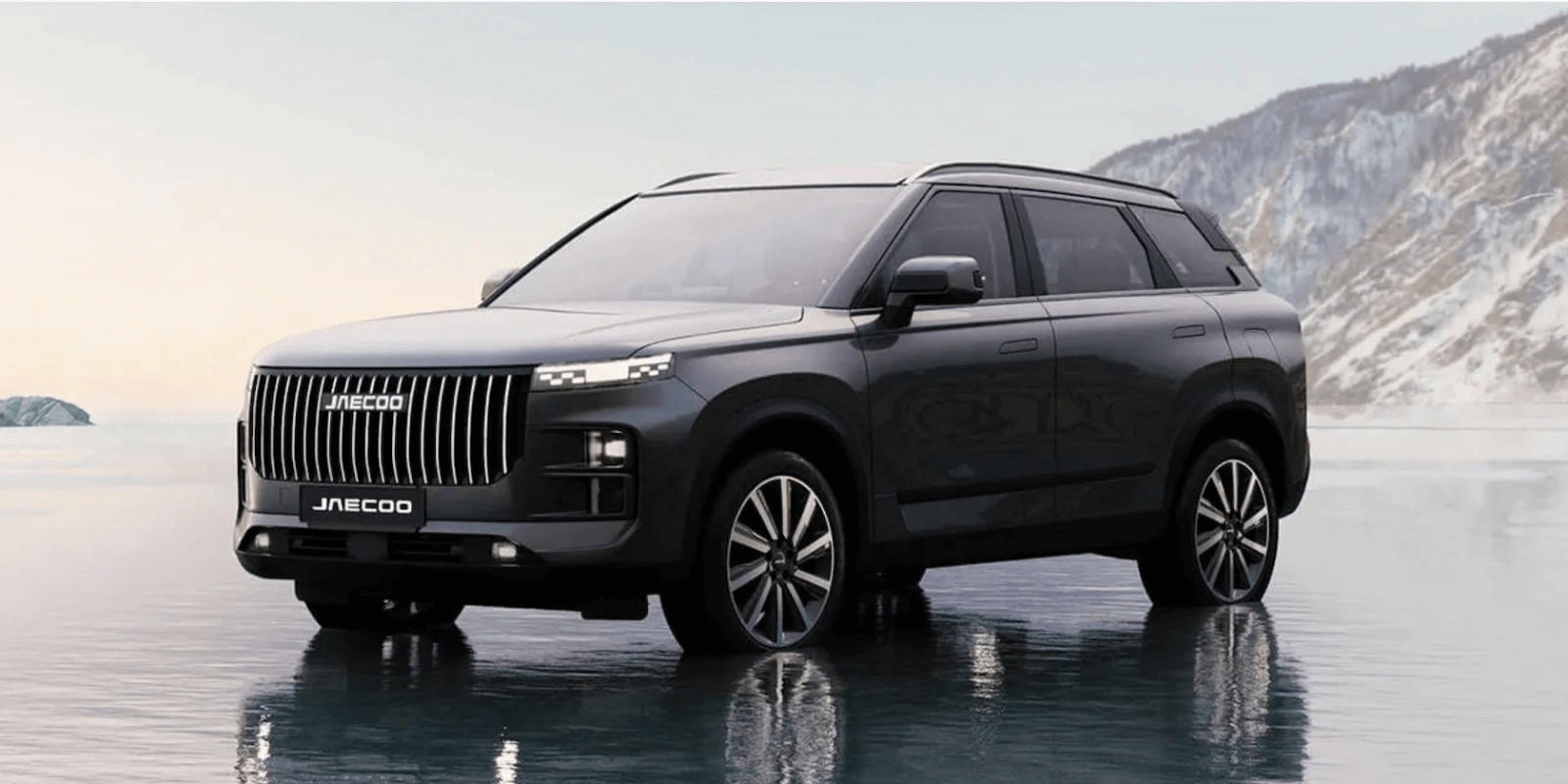
Alternatively, if the goal is the lowest cost of ownership, modern digital technology, maximum assurance against costly early faults, and ULEZ-friendly powertrains (especially PHEV/EV), a new Chinese SUV presents a truly compelling, low-hassle alternative. While its badge may not carry the Mercedes heritage, its practicality and warranty coverage offer a different, modern kind of peace of mind.
The established luxury marques are no longer safe at the top. The battle for the future of the premium segment will be won not just on performance, but on the delicate balance between brand aspiration and ultimate value.