
The Spirit of Ramadan and Eid in the United Arab Emirates
By Sidra Asif
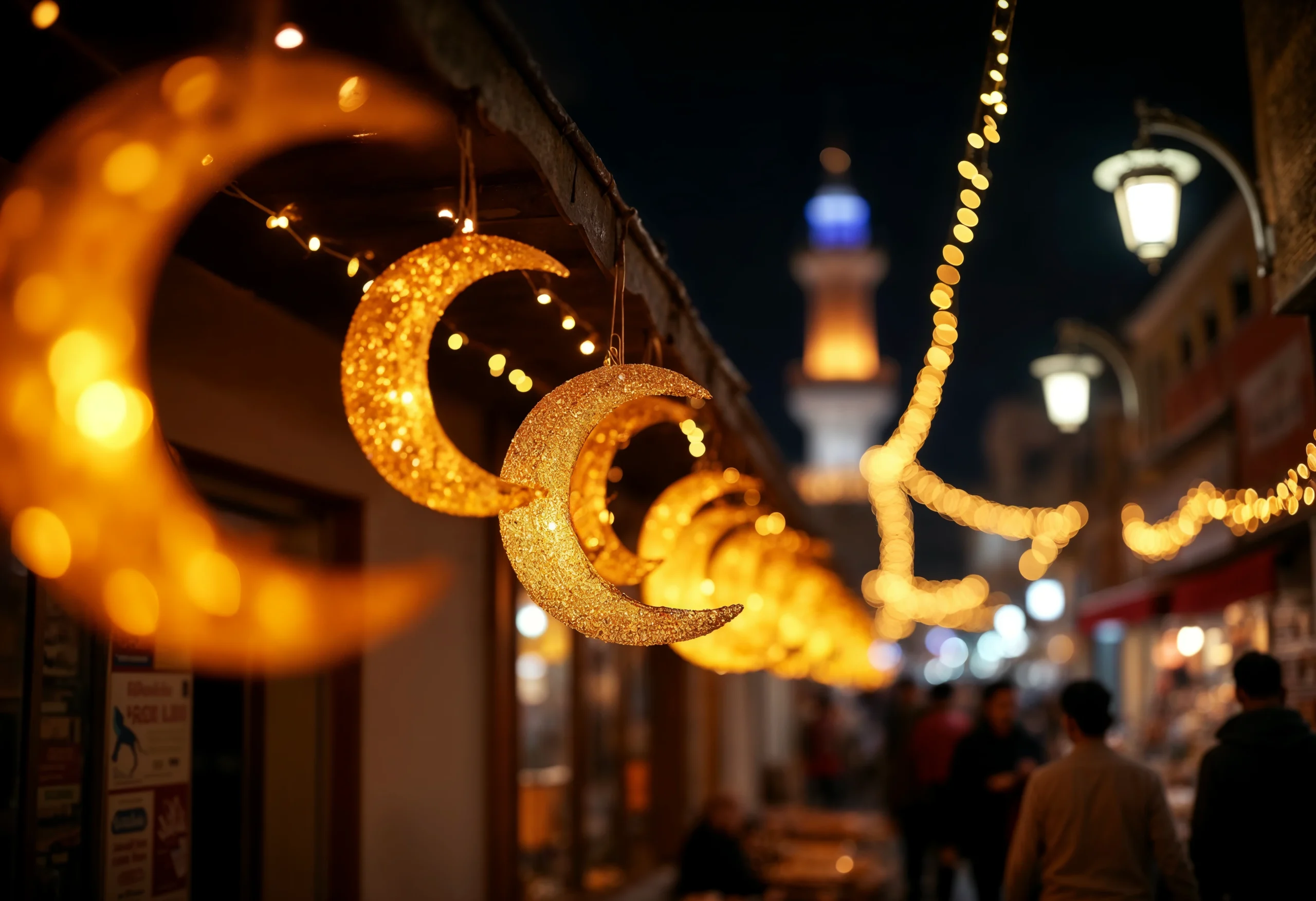
In the United Arab Emirates during February and March 2026 the spirit of Ramadan and the celebration of Eid Al Fitr will unfold in a way that reflects both deep religious devotion and the vibrant cultural life of the Emirates. Ramadan is not merely a period of fasting from dawn until sunset. It is a profound spiritual journey that touches every aspect of life in the UAE and gives shape to how people live, work, interact, and celebrate together. It is a month of reflection patience and compassion that unites Muslims and inspires respect within the diverse communities that make up the Emirates. In 2026 Ramadan is expected to begin around the 19th of February and continue until mid-March with the celebration of Eid expected to fall around the 20th of March 2026 depending on the traditional moon sighting that marks the start and end of the holy month.
When the crescent moon is sighted and Ramadan begins the atmosphere across cities like Abu Dhabi Dubai Sharjah Ajman and Ras Al Khaimah changes. The rhythm of daily life slows in a gentle respectful way as people prepare for the dawn fast and gather in the evenings to break it. The fast itself is one element of Ramadan but the greater meaning goes far beyond abstaining from food and drink. It is a disciplined practice of empathy and self-control intended to deepen consciousness of God and heighten awareness of the needs of others. During this sacred month Muslims engage in increased prayer recitation of the Qur’an and acts of charity. Fasting teaches humility reminding each person of the privilege of daily sustenance and strengthens the bonds of community by sharing with those who are less fortunate.
“Ramadan in the United Arab Emirates is a quiet awakening of the soul, where patience becomes strength, generosity becomes a daily habit, and the simple act of breaking the fast together turns faith into a shared heartbeat across the nation.”
In the UAE this outward expression of spiritual discipline is supported by official rhythms that adapt to the pace of Ramadan. Work hours in both the public and private sectors are adjusted to allow people to rest and focus on spiritual obligations. Schools adopt shorter schedules and businesses often operate with slower midday rhythms to accommodate fasting and prayer. Yet this adjustment does not dampen the energy and engagement of the community. Instead it creates a unique blend of focus and compassion that permeates every city and town. Neighbours greet each other with warmth and openness and even those not observing the fast find themselves touched by the subtle spiritual cadence that envelops streets markets and workplaces.
As the sun sets each day the sound of the call to prayer echoes through mosques and rooftops signaling the time for iftar the meal that breaks the fast. Families and friends gather to share this moment of relief and gratitude. Traditional foods such as dates and refreshing drinks often mark the beginning of the meal followed by hearty soups stews and sweets that vary across the region. Iftar in the UAE is more than a meal. It is a social bond a coming together that reflects the generosity and hospitality at the heart of Ramadan. Mosques host communal iftars while charities and volunteers distribute food to ensure that the less fortunate are not forgotten. Across the Emirates many restaurants and hotels set up special Ramadan tents inviting residents and visitors alike to share in the evening meal and feel part of this collective experience.
Throughout the month the nights retain a special energy as people attend taraweeh prayers reciting longer portions of the Qur’an and engaging in quiet contemplation. In the last ten nights particularly in the period known as Laylat al Qadr or the Night of Power, worshippers seek a deeper connection with the divine. These nights are believed to carry blessings greater than a thousand months and mosques remain filled with devotees seeking forgiveness and spiritual renewal. This search for blessing alongside communal prayer embodies the essence of Ramadan as a time of both personal transformation and shared devotion.
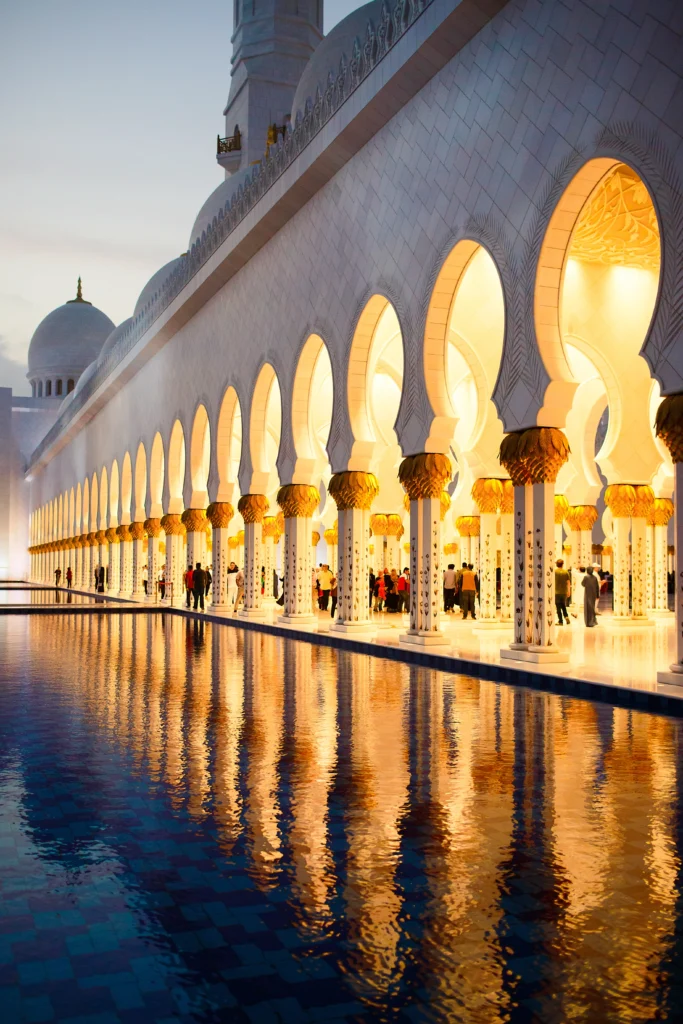
Charity is another central pillar of Ramadan in the UAE where giving is woven into the fabric of the month. Zakat al-fitr a form of alms given before the Eid prayer ensures that those who are vulnerable can fully participate in the feast of Eid. Beyond this obligatory act many individuals and organisations amplify their generosity with food drives iftar programmes and support for families in need. Volunteers from various community groups prepare and distribute meals in public spaces and to less privileged communities reinforcing the ideal that Ramadan is a time for compassion and solidarity. This collective spirit of giving elevates Ramadan from a personal duty to a shared experience of care and responsibility.
In the lead-up to Ramadan a sense of anticipation permeates daily life. Cultural events and markets celebrate tradition and community spirit. In Dubai for example the Ramadan Souq returns each year with cultural exhibits live performances and activities that allow both locals and visitors to engage with the heritage and values of the Emirates. These pre-Ramadan festivities bring people together in anticipation of the holy month creating a community fabric that stretches from the historic souks into the heart of modern city life.
Ramadan also calls for respect and understanding from all who live in the UAE. Although non-Muslims are not required to fast they are asked to be mindful of the observances around them by avoiding eating drinking or smoking in public during fasting hours. This mutual respect reinforces the United Arab Emirates as a place of coexistence and harmony where diverse cultures and beliefs live in mutual understanding.
“Eid in the Emirates is more than a holiday, it is a joyful embrace of family and community, where gratitude fills every home, children’s laughter echoes through the streets, and the blessings of Ramadan bloom into celebration.”
As Ramadan draws to a close the excitement of Eid Al Fitr grows. Eid marks the end of the month of fasting and is one of the most joyful celebrations in the Islamic calendar. The first sighting of the crescent moon of Shawwal signals the beginning of this festive time and is followed by the Eid prayer at dawn. Thousands gather in mosques and open prayer grounds dressed in their finest clothes to offer prayers of gratitude and thanksgiving. The morning is filled with a sense of renewal and unity as families and friends embrace exchanging greetings of Eid Mubarak and sharing sweets and gifts.
The public holiday that accompanies Eid in the UAE offers a welcome pause from daily responsibilities allowing families to travel visit loved ones and share meals that celebrate the end of fasting. Homes fill with children’s laughter as traditional dishes and desserts are prepared and enjoyed by all. The emphasis on togetherness and joy makes Eid not just a religious observance but a cultural celebration that bridges generations and backgrounds. It is an occasion when people honour the bonds of family friendship and community with hospitality and warmth.
Amid the festive activities the spirit of Eid also carries forward the values of Ramadan. Acts of charity and kindness do not cease with the end of fasting but are often amplified as people continue to support those in need and to share their prosperity. The practice of giving reinforces the transformative journey of Ramadan and reminds everyone of the importance of compassion in daily life. In these moments of celebration and reflection the UAE demonstrates its ability to hold together tradition and modernity with grace and purpose.
In February and March of 2026 as Ramadan is ongoing and Eid Al Fitr follows the United Arab Emirates will once again become a place where spiritual devotion cultural tradition and community solidarity converge. It is a time that transcends the physical act of fasting to embrace values of faith, gratitude, compassion and unity that resonate through everyday life. Whether breaking the fast together in an iftar gathering offering a prayer in the quiet of the night or celebrating Eid with family and friends, the spirit of these sacred moments leaves an imprint on both the individual and the broader community.