How Dubai Is Changing Luxury Marketing
By Niusha Sepasian
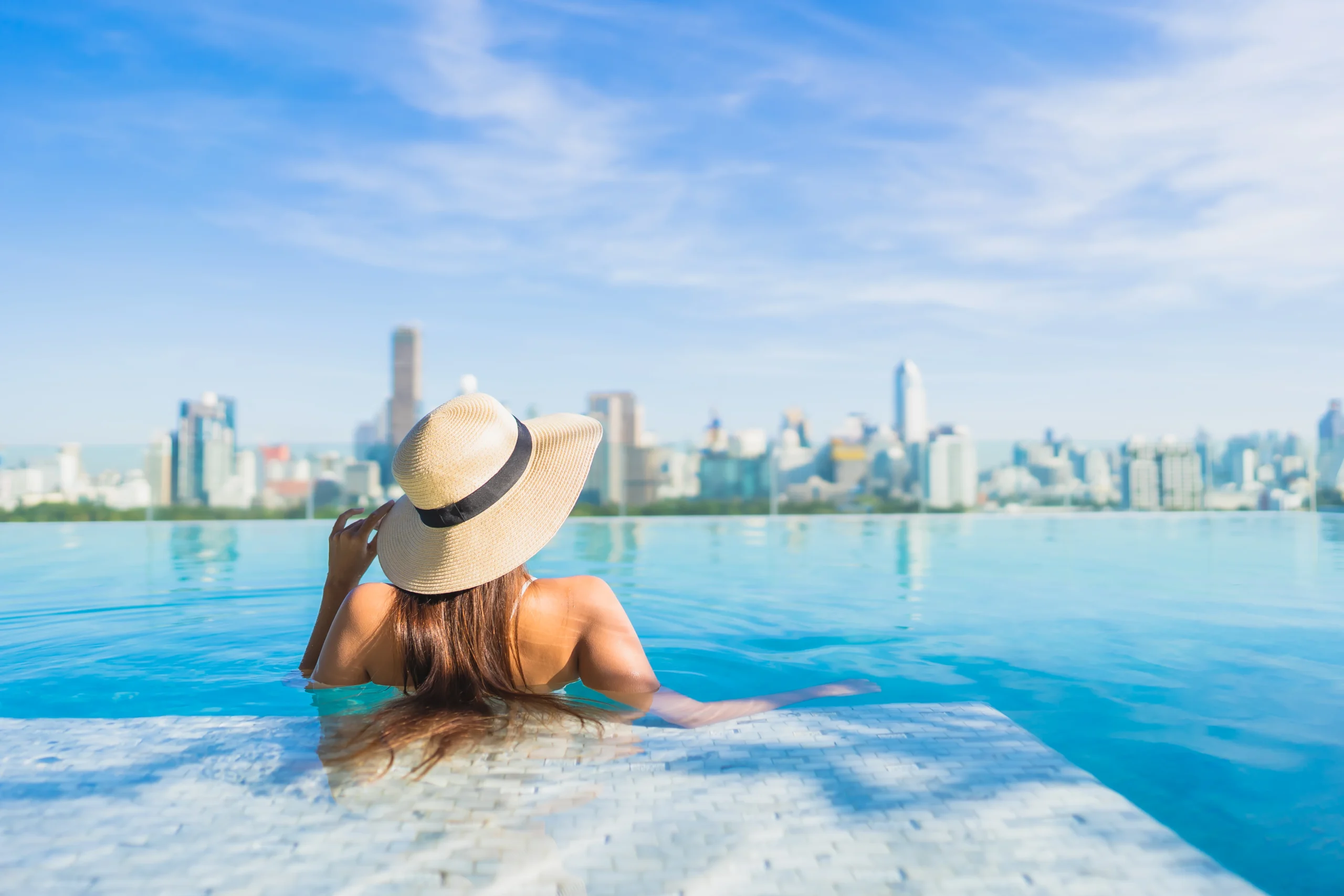
There is something undeniably romantic about luxury as the world has traditionally understood it. A weekend in Paris, wandering past the windows of Avenue Montaigne. An afternoon in Venice, choosing a small, beautiful object from a craftsman whose knowledge has passed through generations. A private room in a historic hotel whose walls seem to carry their own memory. For centuries, luxury was closely tied to heritage, scarcity and the authority of places that had been desirable long before modern marketing existed. Dubai has entered that world from an entirely different direction. It does not possess the centuries of European fashion history associated with Paris, Milan or London, nor the Renaissance heritage that gives Florence or Venice their particular cultural authority. Instead, Dubai has built its luxury proposition around something much more contemporary: scale, internationalism, experience, personalisation and an extraordinary ability to turn attention into aspiration.
That distinction is becoming increasingly important. Dubai welcomed 19.59 million international overnight visitors in 2025, continuing a pattern of record tourism growth and attracting travellers from a remarkably broad collection of markets. Western Europe, South Asia, the Gulf, the Middle East, Africa and Eastern Europe all contribute significantly to the city’s visitor economy, creating an audience that is culturally, economically and generationally diverse. Dubai’s population has also grown into one of the world’s most international urban communities, with residents from across the globe living and working within the same commercial environment.
For luxury marketers, this creates a fascinating challenge. The customer may be an Emirati family shopping for a wedding, a European executive relocating to the Gulf, an affluent South Asian traveller, a young consumer discovering a designer through social media, or a returning resident who already knows exactly what they want. Each arrives with different cultural references, expectations and ideas about what luxury should feel like.
Dubai’s response has increasingly been personalisation rather than uniformity. Global brands can retain their international identity while adapting the experience around the individual customer. Personal shoppers, private appointments, VIP lounges, concierge services, exclusive launches and bespoke retail experiences have become increasingly important parts of the city’s luxury vocabulary. The result is a subtle but important change in the meaning of luxury. It is no longer simply about owning an expensive object.
Increasingly, it is about how individually that object, service or experience can be presented. The luxury customer wants recognition, convenience and a sense that the experience has been created with them in mind. In a city where people from so many different backgrounds intersect, the ability to make luxury feel personal has become a competitive advantage.
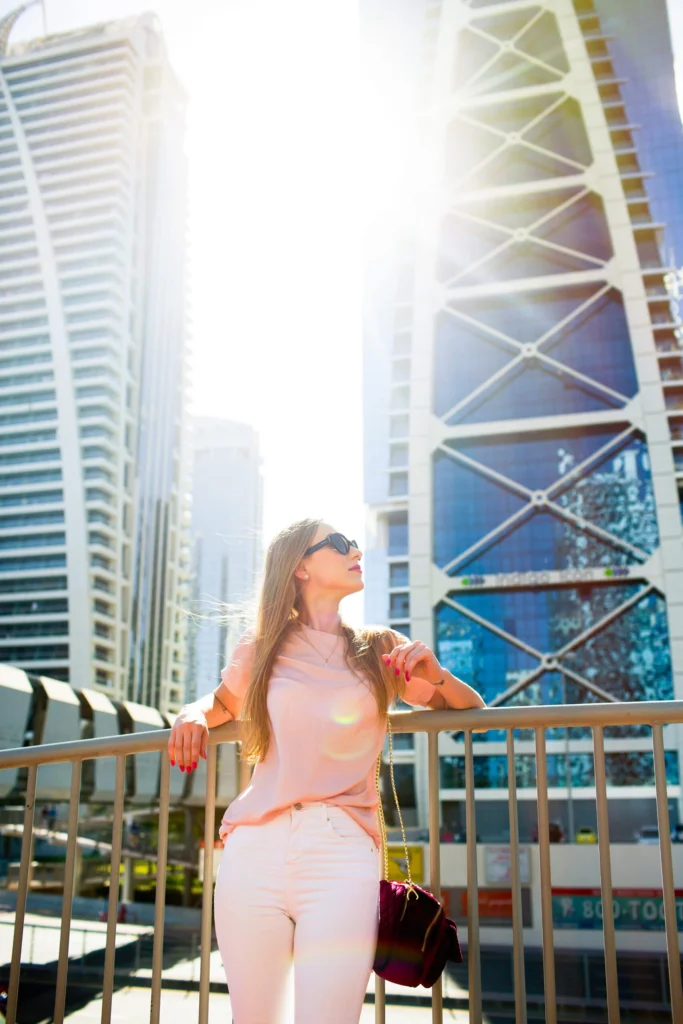

Dubai has also understood something that is becoming increasingly important across the global luxury industry: consumers are no longer buying only products. They are buying experiences, emotions and access to worlds that feel distinctive. This is particularly visible among younger affluent consumers. Recent research into luxury consumption in the UAE has pointed towards a growing appetite for experiences, including fine dining, premium hospitality and highly personalised leisure. Among younger consumers, experiences increasingly form part of how prestige is understood and communicated. The traditional luxury purchase may still matter, but it now exists within a much larger ecosystem of travel, entertainment, hospitality, wellness, food, fashion and social connection.
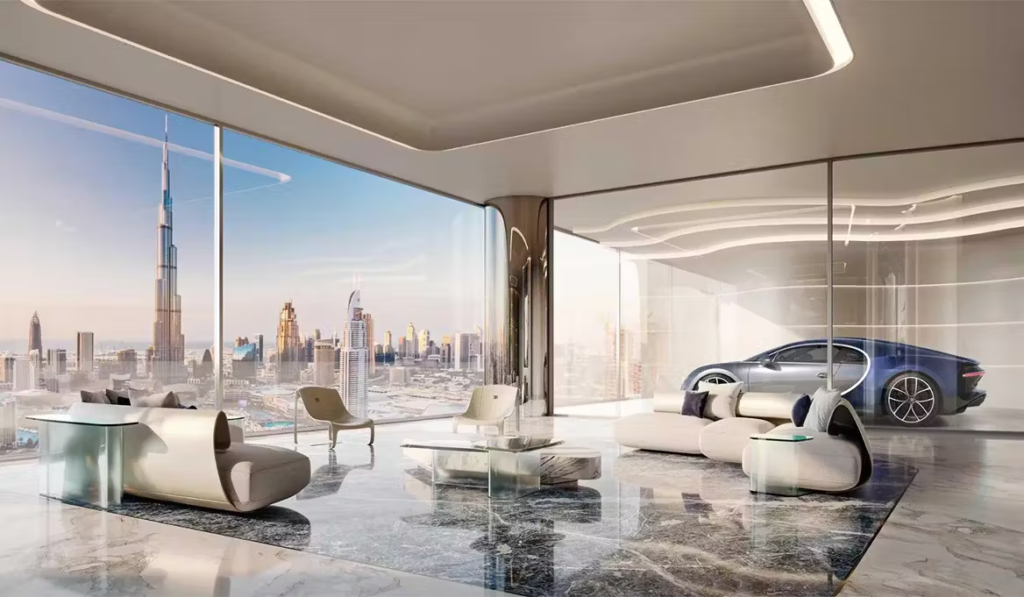
This is where Dubai’s physical environment becomes part of its marketing strategy. Shopping can become entertainment. Dining can become theatre. A hotel can become a destination in its own right. Architecture becomes a backdrop for photography and video. A launch becomes an event, and an event becomes a social media story before the guest has even left the venue. The city’s enormous retail and hospitality infrastructure has created an environment in which consumers are encouraged to move continuously between shopping, dining, entertainment and leisure. Luxury is therefore no longer presented as something static. It is something to enter and experience.
That distinction is particularly relevant in an era dominated by social media. A luxury handbag can be photographed, but so can the restaurant where it is carried. A hotel suite can be photographed, but so can the breakfast, the view, the pool, the entrance and the journey towards it. A fashion launch can become content before it becomes conventional advertising. The experience surrounding the product increasingly becomes part of the product’s perceived value. Dubai’s extraordinary visual landscape makes this process even more powerful because the destination itself is constantly generating imagery.
The city has effectively created an environment in which luxury marketing can move naturally between physical experience and digital storytelling. The influence of younger consumers has accelerated this transformation. Generation Z has grown up in a world where discovery, recommendation and identity are deeply connected to digital platforms. A consumer can discover a designer through a creator, encounter a hotel through a short video, research reviews, watch behind the scenes content and arrive at a boutique already familiar with the brand. Research into Gen Z consumers in the UAE has highlighted the importance of factors such as credibility, authenticity, engagement and relevance in influencer relationships, particularly when brands are attempting to build familiarity and encourage purchase consideration. This has changed the relationship between luxury brands and their audiences. Advertising can tell people what a brand wants them to believe, but creators can demonstrate what that brand looks like within an actual lifestyle.
This is one reason influencer marketing has become such an important part of Dubai’s commercial environment. It would be too simplistic to describe influencers merely as people who post products for money. The creator economy has developed into a sophisticated ecosystem involving agencies, production companies, brand partnerships, hospitality collaborations and increasingly professionalised content strategies. Dubai is particularly suited to this model because the city itself provides an almost endless collection of settings in which lifestyle stories can be created. Restaurants, resorts, beaches, fashion districts, luxury cars, private clubs, desert landscapes, architectural landmarks and major cultural events all provide visual environments in which brands can be experienced rather than simply described.
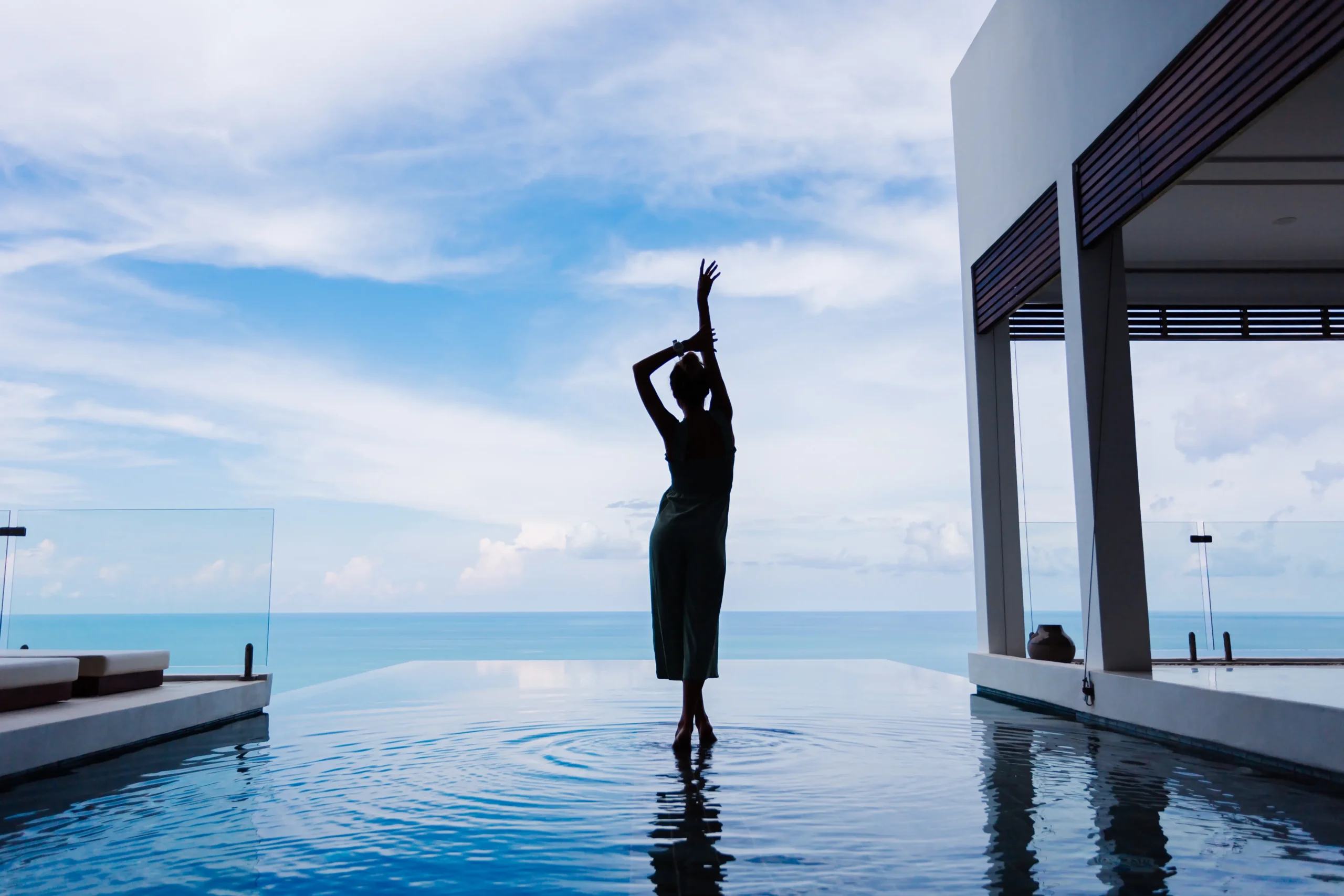
The most effective luxury influencer campaigns therefore often do something more subtle than showing a product. They demonstrate a way of living. A creator does not simply show a hotel room; they show what an entire weekend at that hotel might feel like. They do not merely display a handbag; they place it within a particular wardrobe, destination or social environment. They do not simply visit a restaurant; they create an atmosphere around the experience. The consumer is invited to imagine themselves within the same world.
Marketing becomes less like an announcement and more like an invitation. Yet Dubai’s luxury story is not simply about spectacle. Alongside the maximalism, a quieter definition of wealth has become increasingly visible. Across international luxury markets, consumers have shown growing interest in discretion, craftsmanship, privacy, wellness and experiences that do not necessarily announce their price. Dubai is particularly interesting in this respect because the city has historically been associated with visible abundance.
Its movement towards more understated forms of luxury demonstrates how sophisticated the market has become. The shift is not necessarily a rejection of glamour. Rather, it is an expansion of what glamour can mean. For some consumers, luxury will continue to mean a dramatic entrance, a statement watch, an extraordinary car or a spectacular suite. For others, it may mean a private dining room, highly personalised service, a secluded resort, an intimate wellness experience or simply knowing where to go without having to ask. The appeal of quiet luxury lies partly in this sense of access and knowledge.
It can be less about demonstrating wealth publicly and more about experiencing something privately. In a city that has built much of its international identity around spectacle, the emergence of this quieter side of luxury is revealing. It suggests that Dubai’s consumers are not moving away from luxury, but becoming more sophisticated about how they want it delivered. This creates an unusual duality at the heart of Dubai’s luxury market.
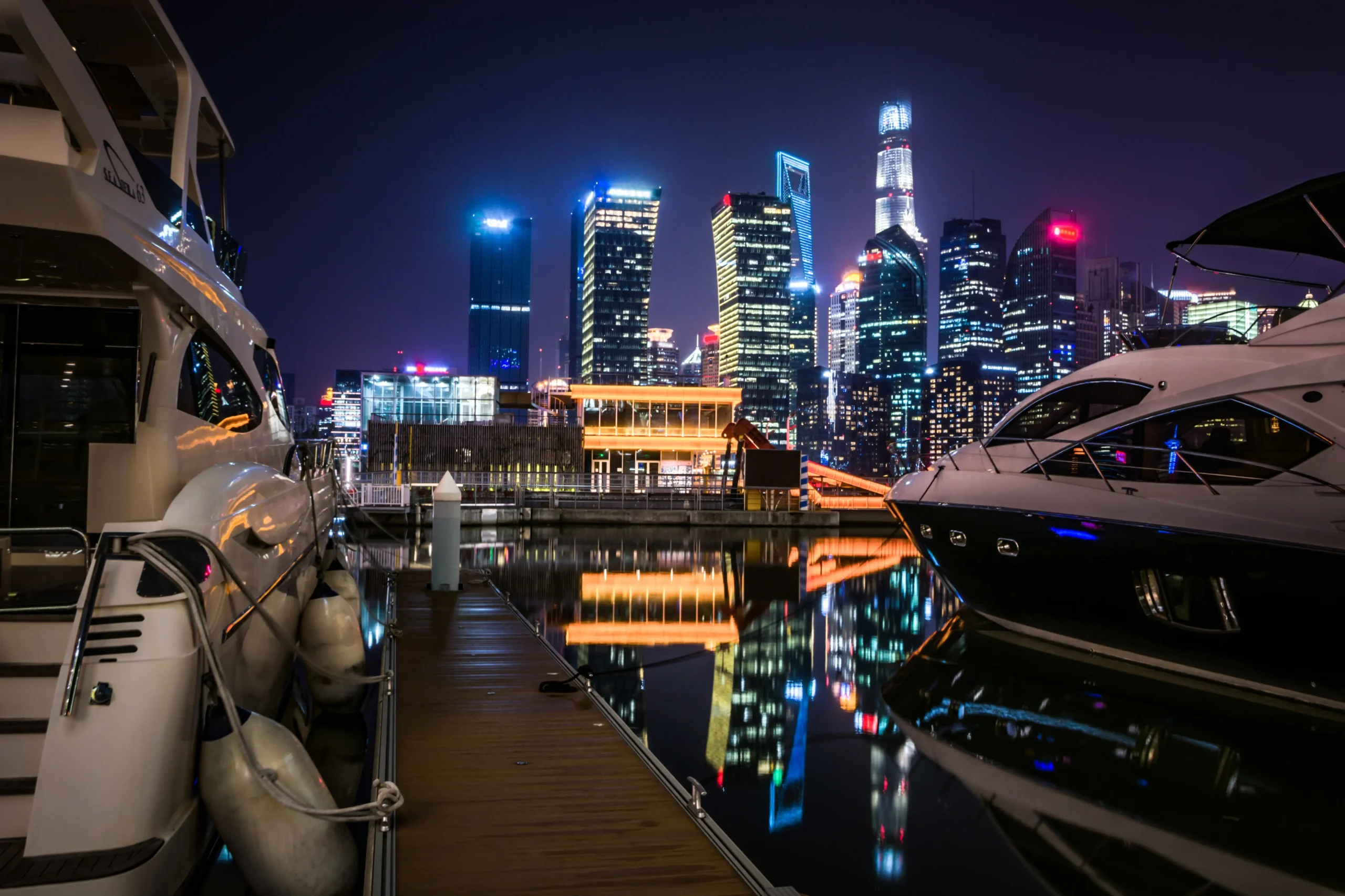
The city can sell extravagance and discretion at the same time. It can create enormous spectacles while also offering intimate experiences. It can attract first time visitors searching for the iconic Dubai moment while catering to long term residents who may be looking for something far more private. The same destination can therefore satisfy very different definitions of luxury without requiring one to replace the other. This flexibility is perhaps Dubai’s greatest marketing strength. Paris can draw upon heritage because heritage is deeply embedded in its identity. Venice can draw upon history because history is part of the physical fabric of the city. Dubai has had to construct its own proposition. Its luxury story has been created through movement, ambition, internationalism and reinvention.
People move between countries, brands move between markets, consumers move between physical and digital worlds, and experiences move seamlessly from reality onto social media. The result is a new kind of luxury capital. Dubai does not ask consumers to choose between spectacle and intimacy, technology and tradition, shopping and entertainment, physical experience and digital discovery. Its marketing increasingly connects all of them.
The city has demonstrated that a luxury destination does not necessarily need centuries of inherited prestige to influence the way luxury is marketed. It can build desirability through experience, relevance, personalisation, accessibility and constant reinvention. Perhaps that is why Dubai has become so significant to the future of luxury marketing. It is not simply competing with established luxury capitals on their traditional terms. It is creating a different set of terms altogether. Luxury in Dubai is increasingly something to enter, experience, personalise and share.
The product remains important, but the world surrounding the product has become equally valuable. In an industry where consumers are becoming more digitally connected, more culturally diverse and increasingly interested in experiences rather than possessions alone, Dubai’s model offers a compelling glimpse into how luxury may be marketed in the years ahead. The city has transformed itself into more than a destination where luxury is sold. It has become a living laboratory for what luxury can look and feel like when heritage is replaced by experience, and when aspiration is created not only through exclusivity, but through the ability to make millions of different people feel that there is a version of the city designed specifically for them.