Soha Mohamed, The Invisible Art of Impact
By Michelle Clark
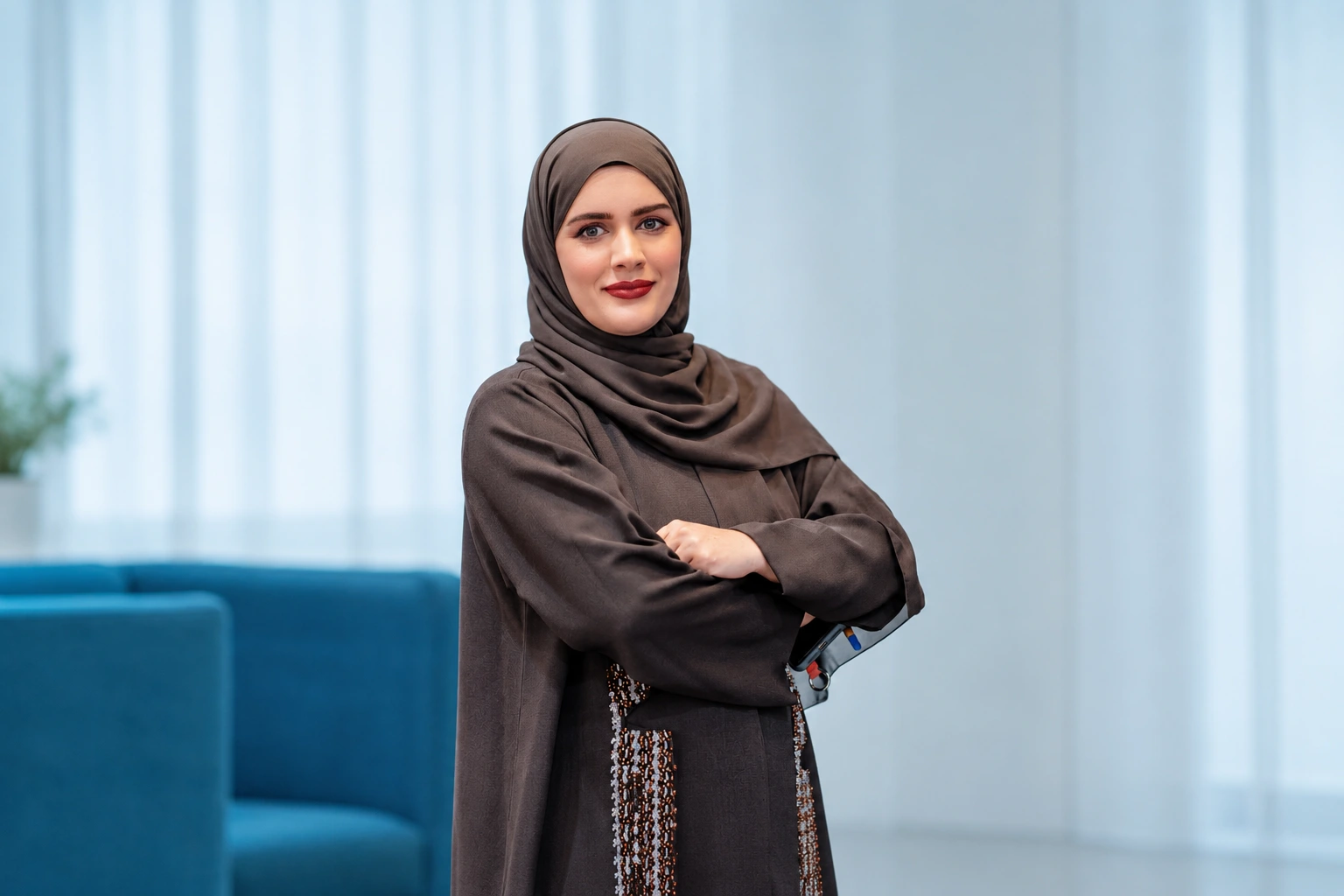
An exceptional event is rarely defined by what happens on stage alone. Its success begins long before the first guest arrives, in the decisions that shape its purpose, the relationships that make it possible and the details that allow an ambitious vision to become a tangible experience. For Soha Mohamed, whose career spans more than a decade in the UAE’s events industry, this intersection of strategy, execution and human connection has become central to her approach to leadership. From government conferences and cultural programmes to educational initiatives with lasting social significance, her work reflects an understanding that the most meaningful events are those that leave something behind.
Her professional journey has taken her across an industry where no two projects demand quite the same approach. A commercial exhibition may be measured through business opportunities, sponsor visibility and return on investment, while a government initiative requires institutional coordination, protocol and alignment with broader national priorities. Cultural programmes introduce another dimension, asking organisers to preserve the integrity of a community’s identity while making its stories accessible to diverse audiences.
Navigating these differences requires more than creativity. Soha draws on her project management background to establish clear operational frameworks, translating organisational ambitions into practical plans while giving specialised teams the freedom to develop engaging experiences. For her, leadership means setting a strategic direction, building trust across functions and making decisive judgements when circumstances change. Operational discipline is not the opposite of creativity; it is what allows creative thinking to flourish without losing sight of the intended outcome.
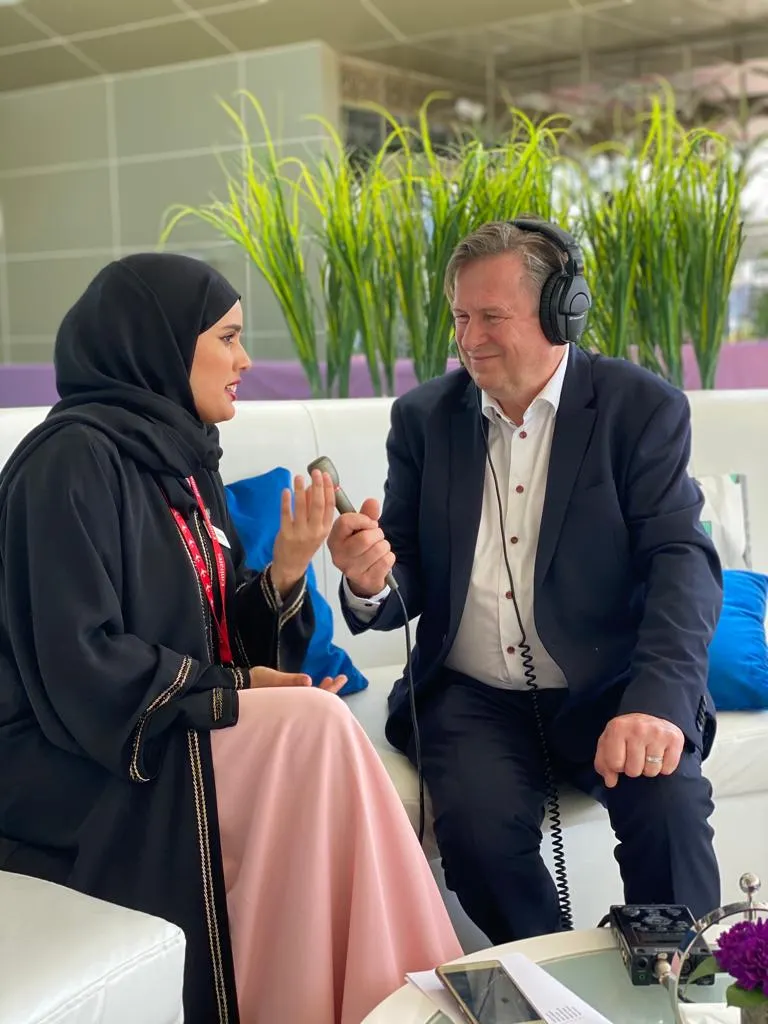
This philosophy is particularly evident in her work with the Emirates Literature Foundation, where she served as Arabic Program Manager for the Emirates Airline Festival of Literature and its year-round initiatives. Her responsibilities included developing Arabic-language programming, curating events for children and young adults, securing speakers and shaping sessions ranging from panel discussions to interactive workshops. Alongside the intellectual demands of programming, she navigated government relations, regulatory approvals and the logistical requirements of international participation.
The role required her to move between the substance of a cultural programme and the complex infrastructure supporting it. A compelling speaker or thoughtfully designed session could establish the intellectual direction of an event, but its successful delivery depended on careful coordination behind the scenes. This ability to connect content with execution became equally valuable when her work extended beyond conventional literary gatherings into initiatives with a more direct social purpose.
Among the achievements that remain closest to her is the publication of Tomorrow, I Will Fly, launched in 2019 under the leadership of the Emirates Literature Foundation’s CEO at the time. Soha led the on-ground operations and execution of a project that brought the personal writing of incarcerated men and women in Dubai’s Central Prison into the public sphere. Working with contributing authors and the Correctional and Punitive Institution Department, she helped navigate institutional approvals, establish the necessary relationships and bring the initiative from concept to publication.
The project demanded sensitivity alongside logistical precision. Working within a correctional environment meant respecting strict procedures while recognising the personal significance of the stories being shared. The resulting book offered participants a platform to express experiences shaped by confinement, hope and the possibility of second chances.
For Soha, witnessing its public launch remains her most meaningful professional achievement. It demonstrated how the infrastructure of event management could serve a purpose beyond bringing people together: it could help create opportunities for expression and contribute to conversations about human dignity and rehabilitation. The experience also shaped her understanding of what a successful project can accomplish when its operational requirements are guided by a clear social intention.
That relationship between institutional purpose and audience experience continued in her work on the Guardians of Heritage conference in Fujairah in 2026. Focused on preserving oral history and encouraging regional collaboration, the conference required careful coordination between experts, historians, moderators and institutional stakeholders. Soha oversaw planning that connected programme development with audience outreach, registration, guest protocols and measurable objectives. Her involvement reflected an approach in which cultural preservation was not treated as an abstract aspiration, but translated into a carefully structured platform for exchange.
Audience expectations, meanwhile, demand their own form of precision. At the Fujairah Children’s Book Fair, where she served on the events committee, Soha helped coordinate speakers, develop programme content and oversee arrangements for international guests. For younger audiences, the emphasis was on short, interactive workshops capable of holding attention and encouraging participation. Corporate and government conferences required a different design, with networking opportunities, carefully planned intermissions and arrangements that enabled sponsors, officials and industry professionals to connect.
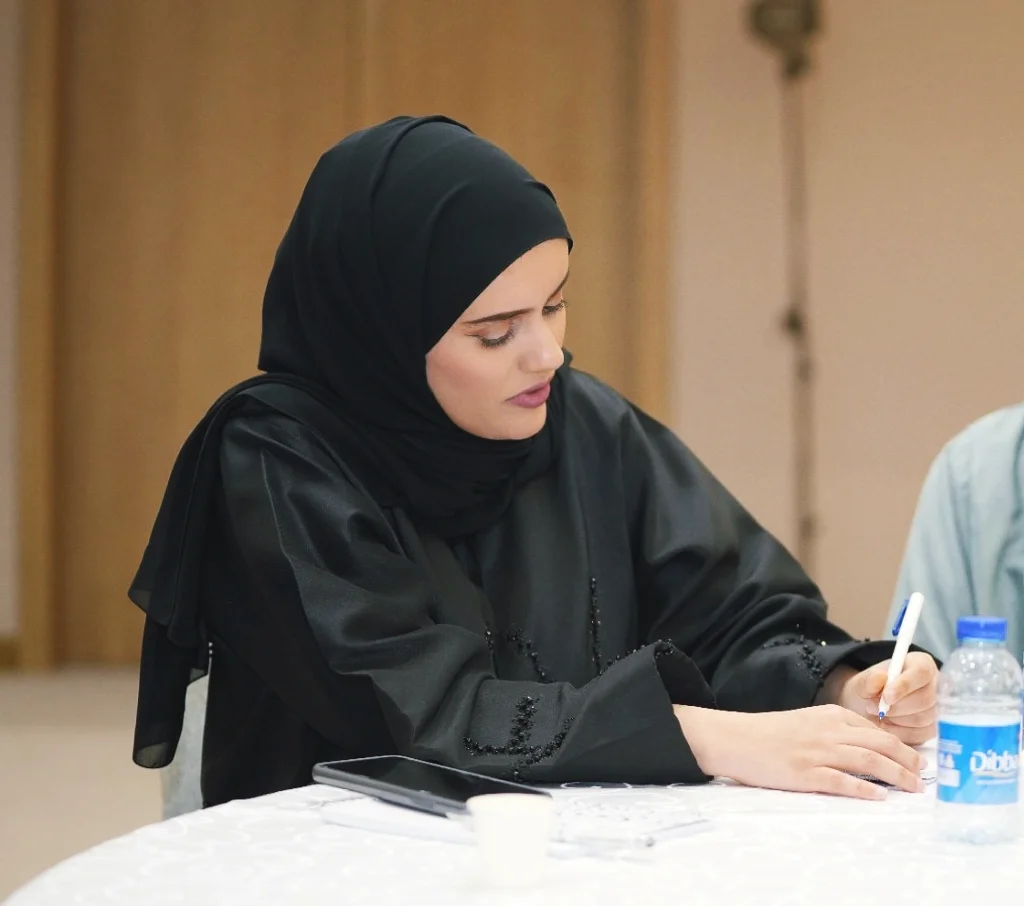
These distinctions reflect a broader shift in how she understands event design. The audience is not simply a group to be accommodated; its needs should influence the structure of the experience from the outset. The same principle informs her view of technology. The pandemic accelerated digital participation, demonstrating that an event could no longer rely exclusively on physical attendance to reach its intended audience. Hybrid formats, digital registration and interactive platforms have since expanded the ways organisers can connect participants across geographical boundaries.
Yet technological sophistication does not automatically produce engagement. Soha believes the traditional conference format must make greater room for active participation, whether through shorter conversations, audience-led discussions or formats that encourage direct exchange. She also sees potential in artificial intelligence, particularly tools that can help match attendees with relevant contacts, summarise discussions and turn information into useful follow-up actions. The objective is not to introduce technology for its own sake, but to direct resources towards elements that make participation more meaningful.
The UAE’s events landscape provides a compelling setting for this evolution. Its international connectivity, established venues, hospitality infrastructure and ability to host business, government and cultural gatherings create opportunities for organisers to bring different communities into conversation. Looking ahead, Soha sees scope for greater sustainability, immersive storytelling and more thoughtful integration of digital tools. In cultural events especially, she believes innovation must remain connected to the heritage and identity that give an experience its meaning.
Underpinning all these responsibilities is her understanding of partnership. Government entities, cultural institutions and commercial sponsors may approach an event with different priorities, but each requires clarity, reliability and respect. Maintaining those relationships means understanding what each stakeholder needs to achieve, communicating potential challenges early, protecting confidential information and delivering on commitments. Trust is established not through promises alone, but through consistent professional conduct.
As Soha looks towards senior project direction and corporate affairs, her ambitions extend towards building platforms that combine strategic partnerships with measurable social and institutional impact. Her experience has shown her that the most successful events are not necessarily those that attract the largest crowds, but those that create meaningful connections and advance a purpose beyond the venue.
For Soha Mohamed, the measure of an event lies in what its careful planning makes possible. A conference can strengthen collaboration, a cultural programme can bring heritage into contemporary conversation, and a book launch can give voice to experiences that might otherwise remain unheard. Each begins with a vision, but its significance emerges through the people it reaches and the opportunities it creates. In an industry often judged by what an audience sees, her work draws attention to the deeper achievement: building the conditions for an experience to matter long after the final guest has departed.