
When a Narrow Waterway Drives Global Prices & Household Budgets
By Marina Ezzat Alfred
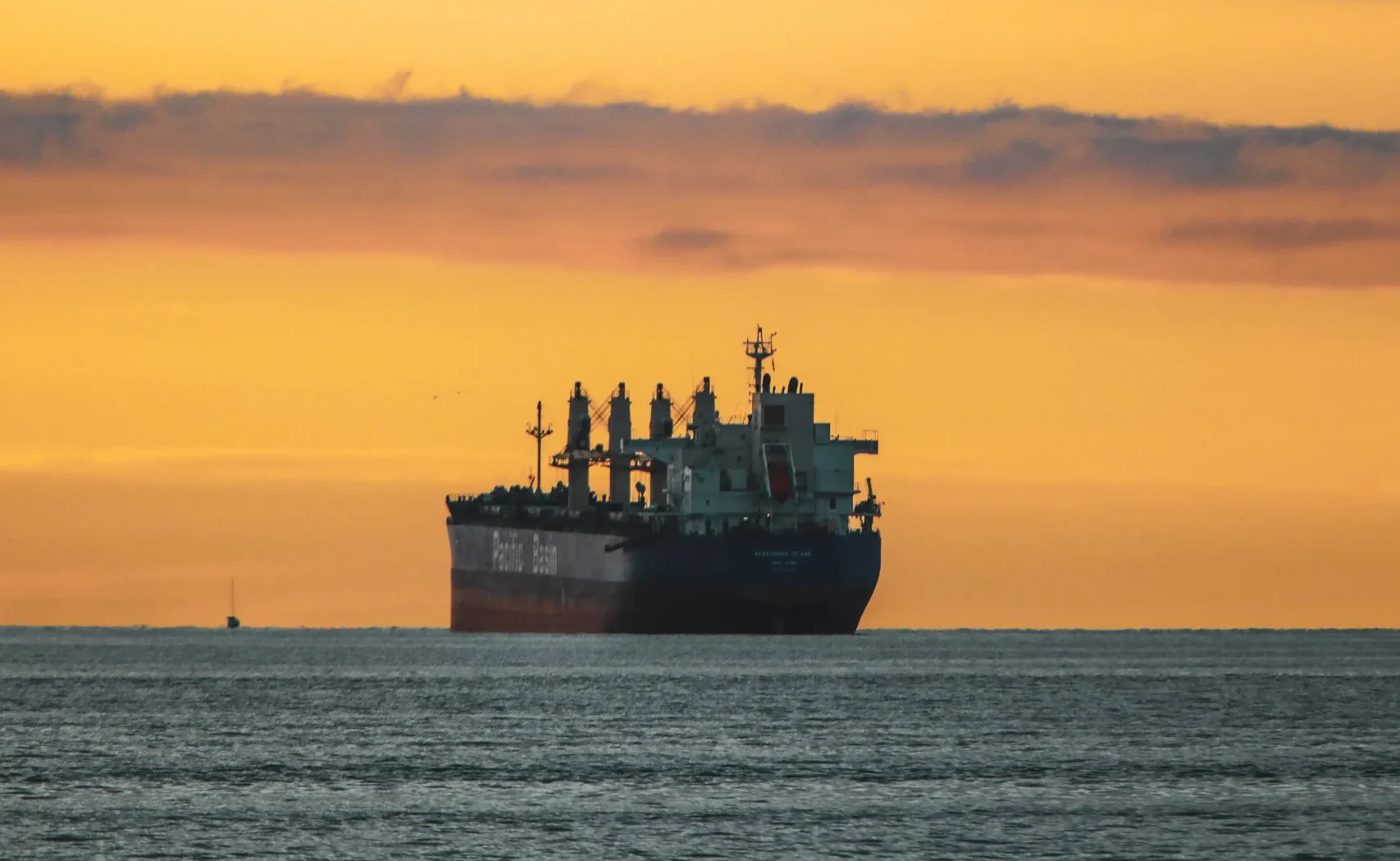
For many people, a distant maritime passage rarely feels relevant to daily life. It exists somewhere far away, out of sight and out of mind, disconnected from routine concerns like rent, groceries, or transport costs. Yet there are certain places in the global economy whose influence is so concentrated that any disruption can ripple outward at remarkable speed. One such passage carries a significant share of the world’s energy supply, and when its stability is questioned, the effects move quickly through markets and into the everyday expenses of millions of people.
A large portion of global oil and natural gas flows through this narrow route. Because so much supply is funneled through a single point, even the perception of disruption can trigger immediate reactions. Markets are highly sensitive to risk, and energy traders respond not only to actual shortages but also to the possibility of them. The result is often a rapid increase in prices, sometimes within hours. This kind of volatility does not remain confined to trading floors. It spreads outward, affecting transportation, production, and ultimately the cost of living.
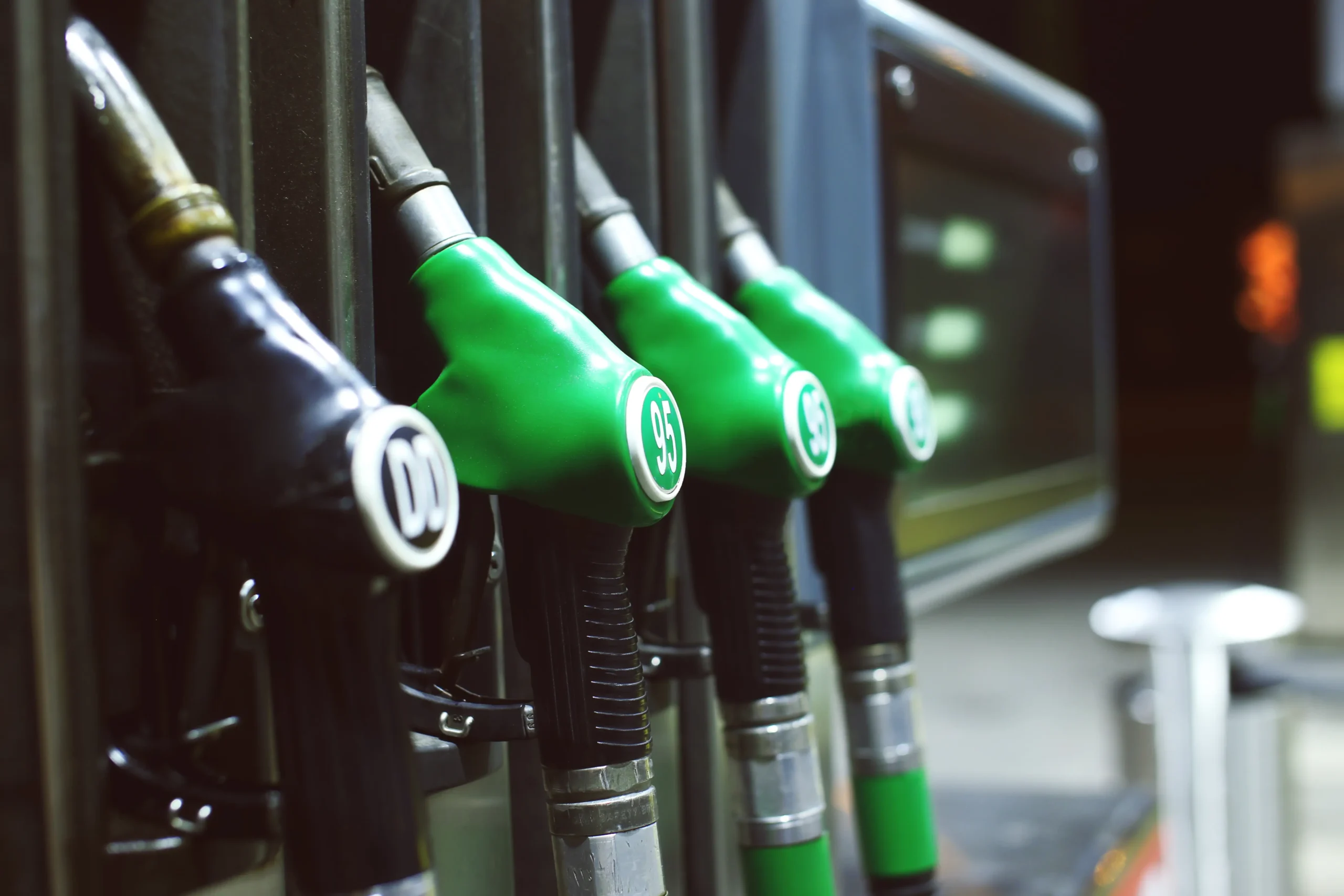
Energy plays a foundational role in modern economies. It powers factories, fuels transportation networks, and keeps homes running. When the price of oil or gas rises, it creates a chain reaction. Higher fuel costs make it more expensive to transport goods. Those increased costs are passed along to retailers, and eventually to consumers. Food prices rise because farming and distribution depend heavily on fuel. Clothing, electronics, and everyday goods become more expensive because they rely on global supply chains that are sensitive to energy costs.
This process often unfolds faster than people expect. A spike in energy prices can begin influencing household expenses within days or weeks. Fuel stations adjust prices quickly, reflecting changes in wholesale costs. Airlines respond by increasing ticket prices or adding surcharges. Delivery services and logistics companies raise their rates, which in turn affects online shopping and retail pricing. What begins as a disruption in one part of the world becomes visible in the receipts and bills of ordinary households.

Businesses tend to feel these pressures before consumers fully notice them. Companies that rely heavily on transportation or manufacturing are particularly exposed. Airlines, for example, operate on tight margins and are highly sensitive to fuel costs. When oil prices rise, they must either absorb the losses or pass them on to passengers. Most choose a combination of both, but over time, higher ticket prices become unavoidable.
Shipping companies face similar challenges. Moving goods across oceans requires large quantities of fuel, and any increase in cost directly affects their operations. These companies typically pass on the additional expense to retailers, who then adjust prices for consumers. Manufacturers also face rising costs, especially those that depend on energy intensive processes or petroleum based materials. As their expenses increase, they are forced to either reduce margins or raise prices.
Small and medium sized businesses often face the greatest difficulties in this environment. Unlike large corporations, they may not have the financial tools or reserves to manage sudden cost increases. They cannot easily hedge against energy price fluctuations or negotiate better rates with suppliers. As a result, they are more vulnerable to sudden changes. Some may delay hiring, postpone expansion plans, or reduce investment. Others may have no choice but to raise prices, even if it risks losing customers.
While many sectors struggle, others experience increased demand. Industries related to energy production, infrastructure, and alternative energy sources may benefit from higher prices. Companies involved in efficiency technologies or renewable energy solutions often see increased interest as businesses and governments look for ways to reduce dependence on volatile fuel markets. This uneven impact highlights how economic shocks rarely affect all sectors in the same way. Instead, they create a landscape where some areas contract while others expand.
Beyond the direct financial effects, there is also a psychological dimension that plays a crucial role. When people expect higher costs, they begin to change their behavior. Households may cut back on discretionary spending, postponing travel, dining out less frequently, or delaying major purchases. Even before price increases fully take hold, the anticipation of higher expenses can lead to reduced consumption.
This shift in behavior has broader consequences for the economy. Consumer spending is a major driver of economic growth in many countries. When people spend less, businesses earn less revenue, which can lead to reduced hiring or investment. Over time, this can slow economic activity. What begins as a reaction to rising fuel costs can evolve into a wider slowdown driven by reduced confidence.

Financial markets also respond to these developments. Investors tend to seek stability during periods of uncertainty, moving their money into assets that are perceived as safer. This can lead to fluctuations in stock markets, changes in bond yields, and shifts in currency values. These movements may seem distant from everyday life, but they can influence pensions, savings, and the overall health of the economy.
One of the most significant concerns during periods of rising energy prices is inflation. When the cost of fuel increases, it contributes to a broader rise in prices across the economy. This type of inflation is particularly challenging because it is driven by supply constraints rather than strong demand. In such cases, traditional tools used to manage inflation may be less effective.
Higher interest rates, for example, can reduce demand by making borrowing more expensive. However, they cannot increase the supply of energy or reduce production costs directly. This creates a difficult situation where efforts to control inflation may also slow economic growth. Policymakers must balance these competing pressures, often with limited options.
The concept of stagflation becomes relevant in this context. This occurs when an economy experiences both slow growth and rising prices at the same time. It is a challenging scenario because the usual solutions for one problem can worsen the other. For households, this means facing higher costs while income growth remains limited. For businesses, it means dealing with rising expenses and weaker demand simultaneously.
The concentration of energy flows through a single route highlights a broader vulnerability in the global economy. Modern supply chains are highly interconnected, and efficiency has often been prioritized over resilience. While this approach has reduced costs in stable conditions, it can amplify the impact of disruptions. When a key link in the chain is threatened, the effects can spread بسرعة across regions and industries.
Efforts to address this vulnerability are ongoing. Some countries are investing in alternative energy sources, while others are building strategic reserves or diversifying supply routes. These measures can reduce dependence on any single point of failure, but they require time and significant investment. In the short term, the global economy remains sensitive to disruptions in critical areas.
For households, the impact of these events is often most visible in everyday expenses. Fuel costs are usually the first sign, followed by increases in transportation and goods. Grocery bills may rise as the cost of production and distribution increases. Utility bills can also be affected, especially in regions that rely heavily on imported energy.
These changes can strain budgets, particularly for those with limited financial flexibility. Families may need to make difficult choices about spending, prioritizing essential expenses over discretionary ones. Over time, this can affect quality of life and financial security.
The connection between global events and personal finances is not always obvious, but it becomes clear during periods of disruption. A change in energy supply in one part of the world can influence prices and economic conditions far beyond its origin. This interconnectedness is a defining feature of the modern economy.
Understanding this relationship can help individuals and businesses prepare for uncertainty. While it is not possible to control global events, being aware of their potential impact allows for better planning. This might include budgeting for higher expenses, diversifying investments, or improving energy efficiency.
In the end, the significance of a distant waterway lies not in its geography but in its role within the global system. It serves as a reminder that the economy is a complex network where local disruptions can have global consequences. When that network is strained, the effects are felt not only in markets and industries but also in the daily lives of people around the world.
What may begin as a distant concern can quickly become a personal one, reflected in the cost of commuting, the price of food, and the stability of jobs and incomes. This reality underscores the importance of resilience, both at the level of global systems and within individual households.