
Bitcoin Value Can Be Zero?
The Thermodynamic Trap, Why Bitcoin Value Must Ultimately Vanish
Steve Keen, A Distinguished US Expert believes Bitcoin value can go to zero.
By Editorial Team
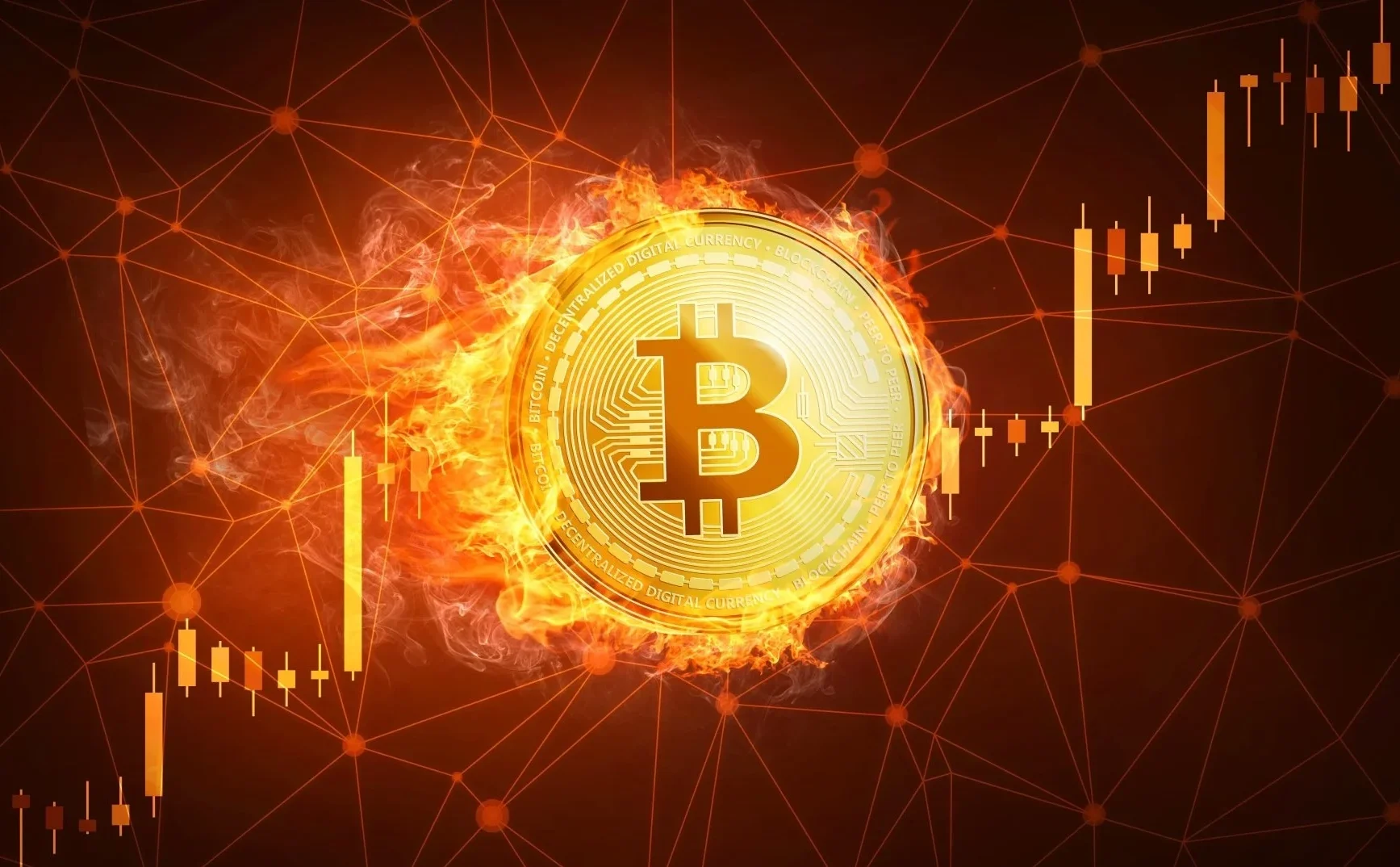
The meteoric rise of Bitcoin from a fringe cryptographic experiment to a trillion dollar asset class has been one of the most remarkable financial phenomena of the twenty first century. To its proponents, it represents a digital gold or a revolutionary hedge against the profligacy of central banks. However, if one applies the cold logic of thermodynamics and the urgent realities of climate science, a different picture emerges. The very mechanism that provides Bitcoin with its security and scarcity is the same mechanism that will ultimately ensure its downfall. When we strip away the speculative fervor and the complex mathematical jargon, we are left with an inescapable conclusion that Bitcoin is a thermodynamic trap that will eventually go to zero.
To understand why this collapse is inevitable, one must first look at the architectural foundation of the Bitcoin network. At its core, Bitcoin relies on a process known as proof of work. This is the system used to secure the public ledger and verify transactions. In a traditional banking system, security is maintained through centralized authority and legal frameworks. In the decentralized world of Bitcoin, security is bought through the sheer expenditure of physical energy. The network is designed such that breaking the ledger or altering the history of transactions would require an individual or entity to possess more computing power than the rest of the network combined. This ensures that the cost of an attack is prohibitively expensive, but it also means that the survival of the currency is inextricably linked to a massive and ever growing consumption of electricity.

When Bitcoin was first introduced, the energy required to mine a block was negligible. A hobbyist could participate using a standard home computer. However, the system is designed with a difficulty adjustment algorithm that ensures blocks are produced roughly every ten minutes, regardless of how much computing power is joined to the network. As the price of Bitcoin rose, it became more profitable for miners to invest in specialized hardware and massive data centers. This created a competitive arms race where miners must constantly increase their energy consumption just to maintain their share of the network. This is not a bug in the system; it is the fundamental feature that makes the ledger immutable. The security of the coin is literally backed by the heat generated by millions of processors running at full capacity around the globe.
From an economic perspective, this creates a bizarre situation where a digital asset requires more physical resources to maintain as it becomes more successful. Unlike traditional technologies which tend to become more efficient over time, Bitcoin’s design forces it to become more energy intensive. This creates a collision course with the physical limits of our planet. We are currently living in an era where climate scientists are warning us that we are reaching a tipping point. The global community is beginning to realize that our current levels of energy consumption are unsustainable and that we must make drastic cuts to our carbon footprint to avoid ecological catastrophe. In a world where we are struggling to find enough clean energy to power our homes, hospitals, and industries, the idea of dedicating a country sized amount of electricity to a digital ledger will become increasingly indefensible.
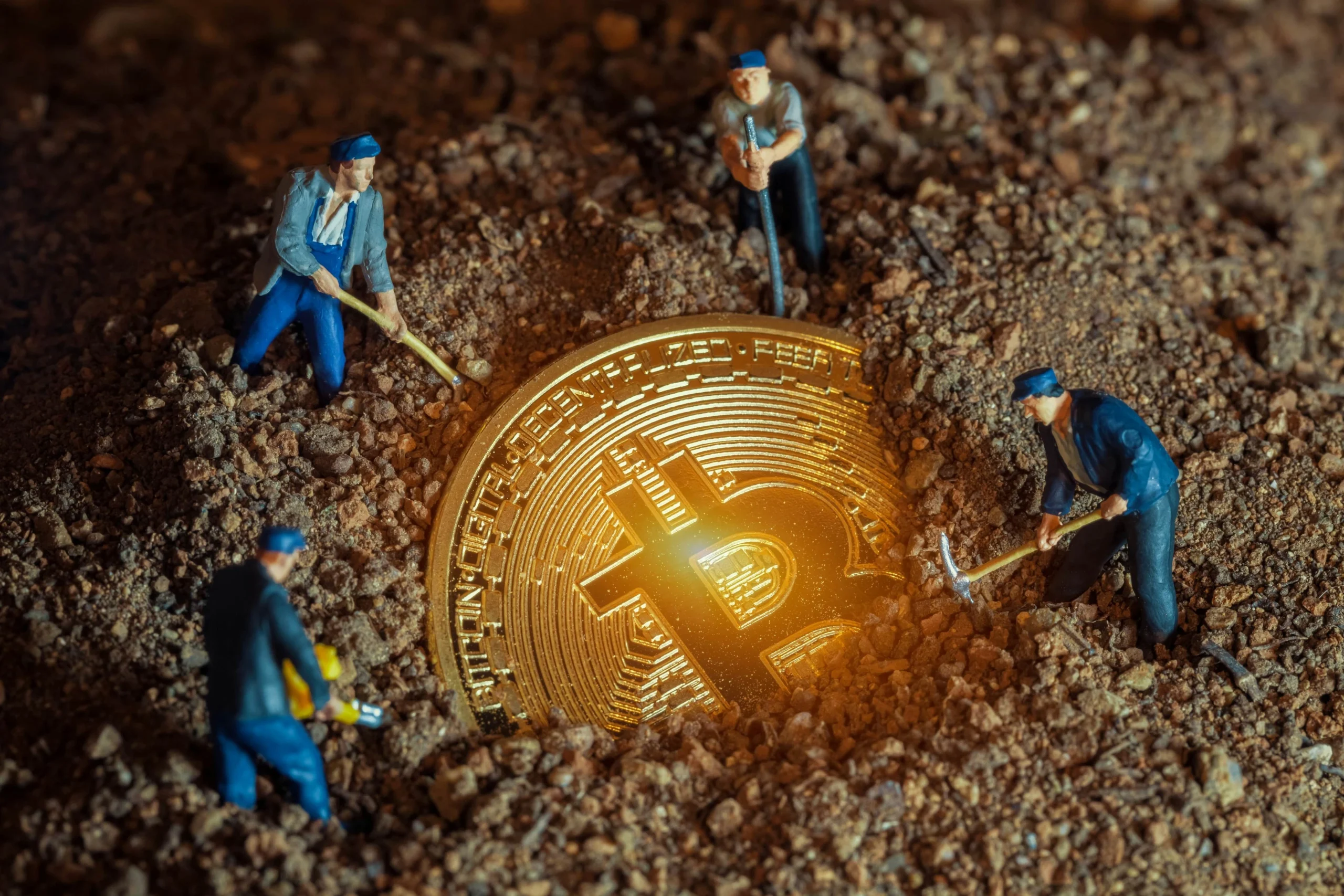
There is a common argument among Bitcoin enthusiasts that the network can transition to renewable energy or that it actually incentivizes the development of green power by using stranded energy. This argument, while clever, misses the broader point of resource allocation. Even if Bitcoin were powered entirely by solar and wind, it would still represent a massive diversion of renewable resources that could be used to decarbonize other sectors of the economy that are essential for human survival, such as transportation, heating, and food production.
>In a resource constrained world, society will eventually be forced to make hard choices about what activities are essential and what activities are luxuries we can no longer afford. When the choice is between maintaining a speculative digital asset and keeping the lights on in our cities, the outcome is predictable. We must look at the hierarchy of energy needs.
If we are to successfully navigate the climate crisis, we will likely see the implementation of strict energy quotas or carbon taxes that reflect the true cost of consumption. Under such a regime, high energy activities that provide low social utility will be the first to be restricted or banned. Cryptocurrencies and frequent international travel are two of the most obvious targets for such measures because they are energy intensive and, in the case of Bitcoin, have alternatives that are orders of magnitude more efficient. Modern digital payment systems and centralized banking ledgers can process millions of transactions with a fraction of the energy that Bitcoin requires for a single block. While these systems lack the decentralized ethos of Bitcoin, they are thermodynamically viable in a way that Bitcoin is not.
The eventual downfall of Bitcoin will not necessarily come from a flaw in its code or a hack of its network. Instead, it will come from a shift in the regulatory and social landscape. As the physical impacts of climate change become more pronounced, the political will to allow such massive energy expenditure for a speculative asset will evaporate. We will likely see governments around the world follow the lead of nations that have already begun to crack down on mining operations. Once the ability to mine is restricted or the cost of energy is adjusted to reflect its true environmental impact, the incentive to maintain the network will disappear.
The security of the Bitcoin ledger is entirely dependent on the continuous participation of miners. If the mining rewards plus transaction fees no longer cover the cost of electricity and hardware, miners will shut down their machines. As the total hashing power of the network drops, the security of the ledger is compromised. This could lead to a death spiral where a lack of security leads to a loss of confidence, which leads to a drop in price, which further reduces the incentive for miners to stay online. Once the perception of Bitcoin as a secure store of value is broken, the speculative bubble will burst.
It is important to acknowledge the psychological aspect of this market. Much of Bitcoin’s current value is driven by the belief that it is a digital gold that will last forever. However, gold has physical properties and industrial uses that exist independently of its status as a currency. Bitcoin has no such physical anchor. It is a purely social construct that depends on the integrity of its network. If that network becomes a political and environmental pariah, its value proposition vanishes. The transition from a trillion dollar asset to a worthless string of code could happen surprisingly quickly once the thermodynamic reality sets in.
Many people point to the historical price increases of Bitcoin as proof of its resilience. They argue that it has survived multiple crashes and always come back stronger. But these historical cycles occurred during a period of relatively cheap energy and a lack of urgent climate policy. We are entering a new era where the external costs of energy use are being internalized. The rules of the game are changing. In the past, Bitcoin could be ignored by policymakers as a niche curiosity. Today, its energy footprint is too large to overlook.
The reason I did not invest in Bitcoin when it was worth a mere pound is the same reason I believe it will eventually return to that value and beyond to zero. The explanation I received years ago about how the ledger is kept safe, by making it too energy expensive to break, was enough to reveal the inherent flaw in its long term survival. It is a system built on the assumption that energy will always be available and that its consumption will never carry a prohibitive social or environmental cost. That assumption is now being challenged by the reality of our planetary limits.
As we move forward, the global conversation will increasingly focus on efficiency and sustainability. Technologies that require massive amounts of waste to function will be replaced by those that can deliver results with minimal impact. Bitcoin, despite its mathematical brilliance and its promise of a decentralized future, is a relic of an era that did not account for the true cost of energy. It is an architectural dead end. When the world finally decides to prioritize its survival over the maintenance of an energy hungry ledger, the price of Bitcoin will reflect its true utility in a resource constrained world. That utility is zero.
The trajectory of human progress has always been toward doing more with less energy. Bitcoin is the first major technology that reverses this trend by design. It is a system that grows more wasteful as it grows more popular. This inversion of technological progress is why it cannot last. We will eventually realize that the planet cannot afford Bitcoin, and when that realization becomes a matter of policy, the digital gold will turn to lead. The speculative mania may continue for a while longer, fueled by those who believe that digital scarcity can override physical reality. But in the end, physics always wins. The energy reliance that currently makes Bitcoin secure will be the very thing that makes it extinct.