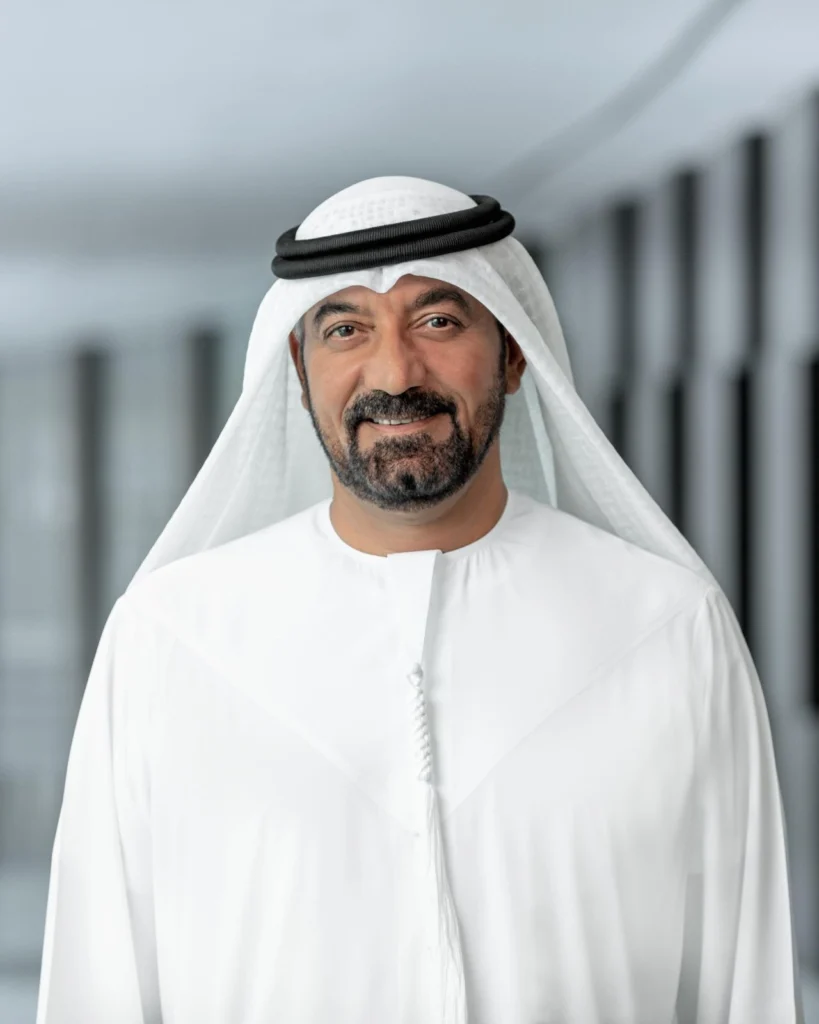
Sheikh Ahmed bin Saeed Al Maktoum
A Quiet Architect of Global Aviation & the Steady Force Behind Dubai’s Enduring Vision
By Editorial Desk
In an industry often defined by turbulence, volatility and relentless competition, few figures have demonstrated the consistency and clarity of vision that have come to define HH Sheikh Ahmed bin Saeed Al Maktoum. His leadership has not only shaped the trajectory of Emirates Airline but has also played a decisive role in positioning Dubai as one of the most important aviation hubs in the modern world. His story is one of patience rather than spectacle, of calculated ambition rather than rapid expansion, and of a deep understanding that aviation, at its core, is both an economic engine and a symbol of global connection.
Born into Dubai’s ruling family, Sheikh Ahmed’s early life unfolded during a period of transformation for the emirate. The discovery of oil had initiated economic change, yet Dubai’s leadership recognised early that long term prosperity would depend on diversification, trade and connectivity. Aviation was not merely a sector to develop but a strategic gateway through which the city could connect itself to the world. It was within this context that Sheikh Ahmed emerged as one of the principal figures entrusted with turning that vision into reality.
When Emirates was established in 1985, it was far from the global powerhouse it is today. The airline began operations with just two aircraft and a small network, operating in a highly competitive regional environment dominated by more established carriers. One of the lesser known yet significant elements of its early days was the operational support it received through arrangements involving Pakistan International Airlines, which provided both aircraft and experienced crew during the airline’s formative period. This collaboration offered Emirates a crucial foundation, allowing it to build capability while maintaining operational continuity.
From the outset, Sheikh Ahmed adopted a philosophy that would set Emirates apart. The airline would not rely on protectionism or sustained financial support but would instead compete on service quality, operational efficiency and global reach. It was a bold stance, particularly at a time when many state owned airlines depended heavily on subsidies. Yet it was precisely this discipline that allowed Emirates to develop into a commercially resilient and internationally respected carrier.
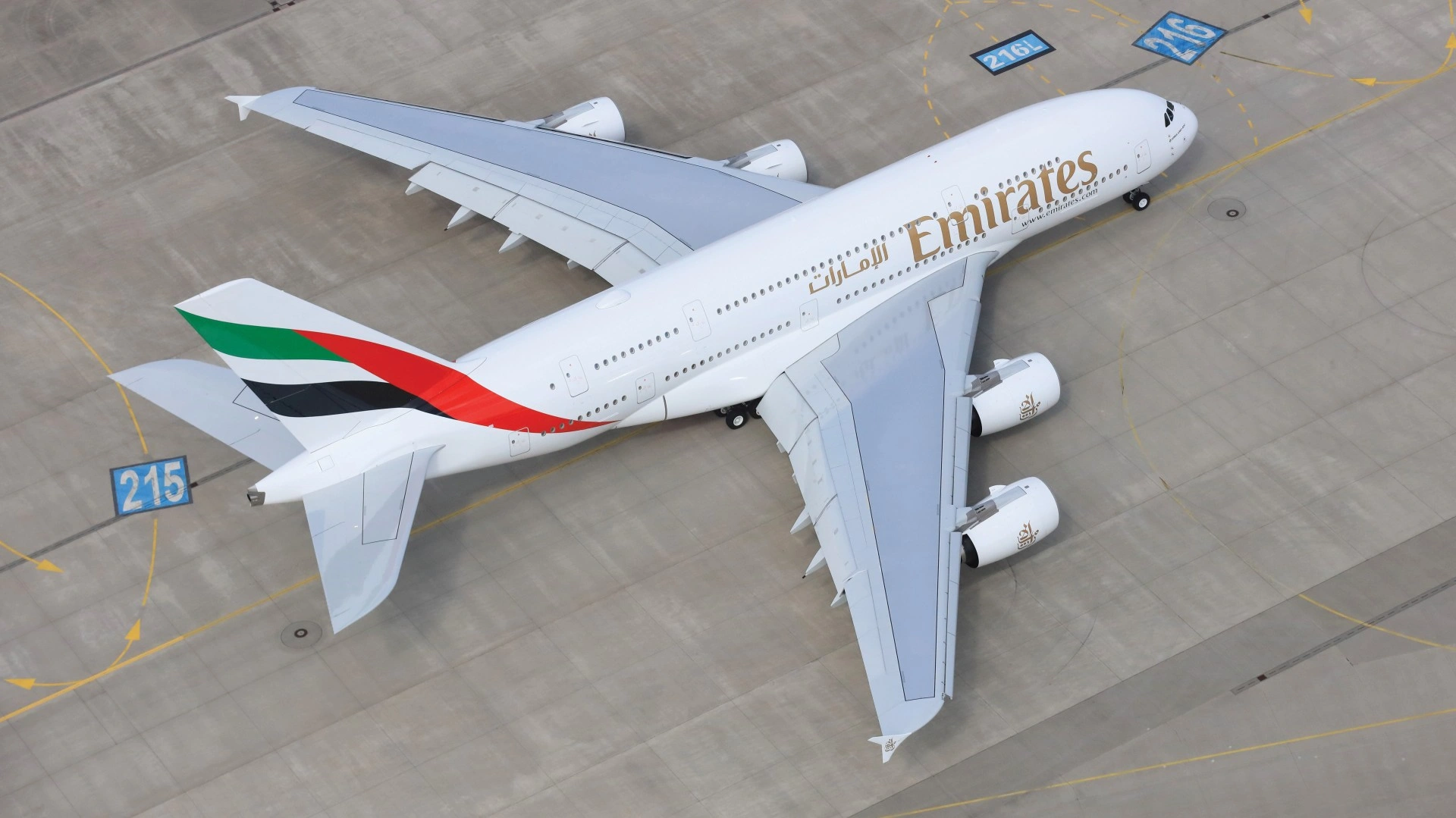
Over the decades, Emirates has expanded into one of the largest long haul airlines in the world. Its fleet, now comprising more than 250 wide body aircraft, includes one of the most significant collections of Airbus A380s and Boeing 777s globally. The airline connects more than 140 destinations across six continents, serving as a bridge between East and West. Prior to the global pandemic, Emirates carried in excess of 58 million passengers annually, generating revenues that exceeded 25 billion US dollars. These figures are not merely indicators of scale but reflect the effectiveness of a long term strategy centred on connectivity, consistency and customer experience.
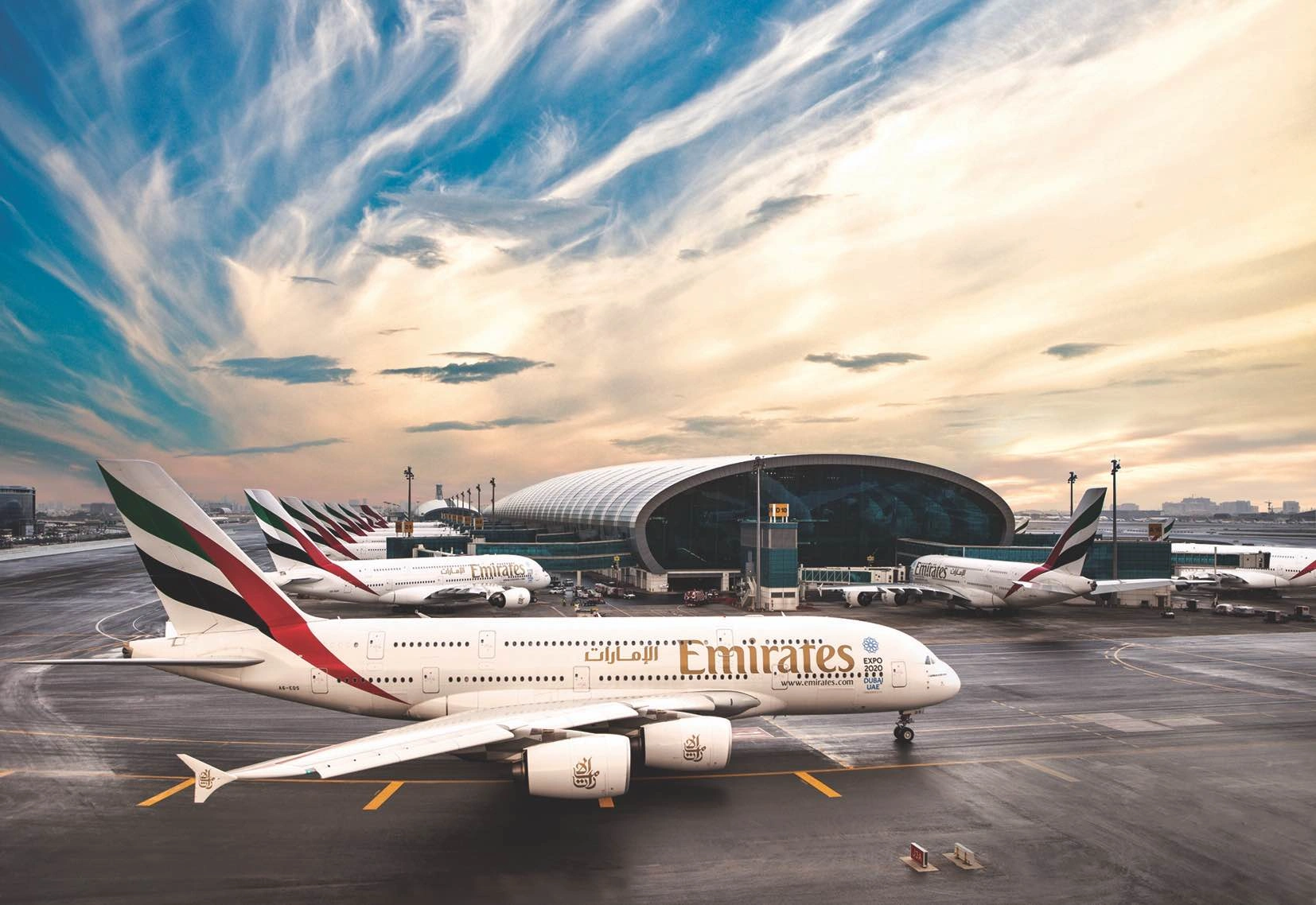
Equally important to the airline’s success has been the development of Dubai’s airport infrastructure. As Chairman of Dubai Airports, Sheikh Ahmed has overseen the evolution of Dubai International Airport into one of the busiest international airports in the world. At its peak, the airport handled more than 80 million passengers annually, a figure that underscores Dubai’s role as a global transit hub. Alongside it, Al Maktoum International Airport represents the future of the emirate’s aviation ambitions, designed to accommodate even greater volumes as demand continues to grow.
The relationship between Emirates and Dubai Airports is symbiotic, each reinforcing the other’s growth. Sheikh Ahmed’s leadership has ensured that this alignment remains precise and forward looking. Capacity expansion has been carefully matched with airline growth, while investments in passenger experience, logistics and operational efficiency have maintained Dubai’s competitive edge. This integrated approach has been instrumental in sustaining the emirate’s position as a preferred global hub.
Beyond aviation, Sheikh Ahmed’s influence extends across a wide network of institutions that form the backbone of Dubai’s economy. His role as Chairman and Chief Executive of Emirates Airline and Group is complemented by his leadership of flydubai, a carrier that has expanded regional connectivity and supported the broader aviation ecosystem. He also serves as President of the Dubai Civil Aviation Authority and Chairman of Dubai Aerospace Enterprise, reinforcing his central role in shaping the sector’s regulatory and financial frameworks.
His responsibilities extend into finance and investment, where he chairs Emirates NBD and contributes to the strategic direction of the Investment Corporation of Dubai. His leadership of Dubai World and Dubai Holding reflects a broader mandate that goes beyond aviation into infrastructure, real estate and global investment.
At the governmental level, Sheikh Ahmed plays a critical role in shaping policy and economic strategy. As Chairman of the Dubai Supreme Council of Energy and the Dubai Supreme Fiscal Committee, he contributes to decisions that influence the emirate’s long term sustainability and financial stability. His involvement in the Dubai Free Zones Council and his position as Second Vice Chairman of the Dubai Executive Council further highlight the breadth of his responsibilities.
Yet what distinguishes Sheikh Ahmed is not merely the scale of his portfolio but the consistency of his leadership style. He is known for his measured approach, his attention to operational detail and his ability to balance ambition with prudence. In an industry often driven by rapid expansion and short term gains, his emphasis on sustainability and discipline has proven to be a defining strength.
This approach has been particularly evident during periods of global disruption. The Covid pandemic presented an unprecedented challenge to aviation, bringing international travel to a near standstill. Airlines across the world faced severe financial strain, with many forced to ground fleets and reduce operations dramatically. Under Sheikh Ahmed’s leadership, Emirates responded with a strategy that combined caution with adaptability. The airline preserved liquidity, restructured operations and gradually restored its network as demand returned. This measured response allowed it to emerge from the crisis with its core strengths intact.
At the same time, Dubai Airports demonstrated remarkable resilience, maintaining essential operations and supporting the gradual recovery of global travel. The ability to adapt quickly to changing circumstances, while maintaining high standards of service and safety, reinforced Dubai’s reputation as a reliable and efficient hub even in the most challenging conditions.
In the current global environment, marked by geopolitical tensions and shifting economic dynamics, the importance of resilience and professionalism has become even more pronounced. Emirates continues to operate a vast international network, navigating complex airspace restrictions and fluctuating demand patterns. Dubai’s airports remain among the most efficient in the world, handling high passenger volumes while maintaining operational excellence.
Sheikh Ahmed’s leadership during these periods reflects a broader philosophy that has guided his career. Challenges are not viewed as disruptions but as opportunities to refine strategy, strengthen systems and reinforce long term objectives. This mindset has enabled both Emirates and Dubai Airports to maintain their positions at the forefront of global aviation.
His contributions also extend into cultural and educational spheres, reflecting a commitment to the broader development of society. Through roles at institutions such as the Dubai World Trade Centre Authority, Expo City Dubai Authority and Emirates Literature Foundation, he supports initiatives that promote knowledge, dialogue and global engagement. His position as Chancellor of The British University in Dubai underscores his interest in education as a foundation for future growth.
What emerges from this extensive body of work is a portrait of a leader who operates with quiet authority. There is little emphasis on personal visibility, yet his influence is evident in the structures, institutions and systems that define Dubai’s global presence. Emirates stands as one of the most recognisable airline brands in the world, while Dubai Airports continues to serve as a vital gateway connecting continents.
Perhaps the most enduring aspect of Sheikh Ahmed’s legacy is the way in which he has aligned aviation with the broader aspirations of Dubai. The airline and the airports are not isolated entities but integral components of a larger economic vision, one that prioritises connectivity, openness and innovation. This alignment has allowed Dubai to transcend its geographical limitations and establish itself as a central node in global trade and travel.
As the aviation industry continues to evolve, facing new challenges and opportunities, Sheikh Ahmed remains at the helm of a system that has proven its resilience time and again. Emirates continues to expand and adapt, while Dubai’s airports maintain their reputation for efficiency and scale. Together, they represent a model of how strategic leadership, disciplined execution and a clear sense of purpose can transform ambition into lasting achievement.
In a world where uncertainty has become a defining characteristic, the steady presence of Sheikh Ahmed bin Saeed Al Maktoum offers a rare sense of continuity. His work has not only shaped an airline or an airport but has contributed to the creation of a global hub that connects people, markets and ideas. It is a legacy built not on momentary success but on sustained excellence, and one that continues to define Dubai’s place in the world.