Andreas Koundourakis
From Viral Moment to Lasting Influence, The Power of Identity, Culture and Connection
By Janhavi Gusani
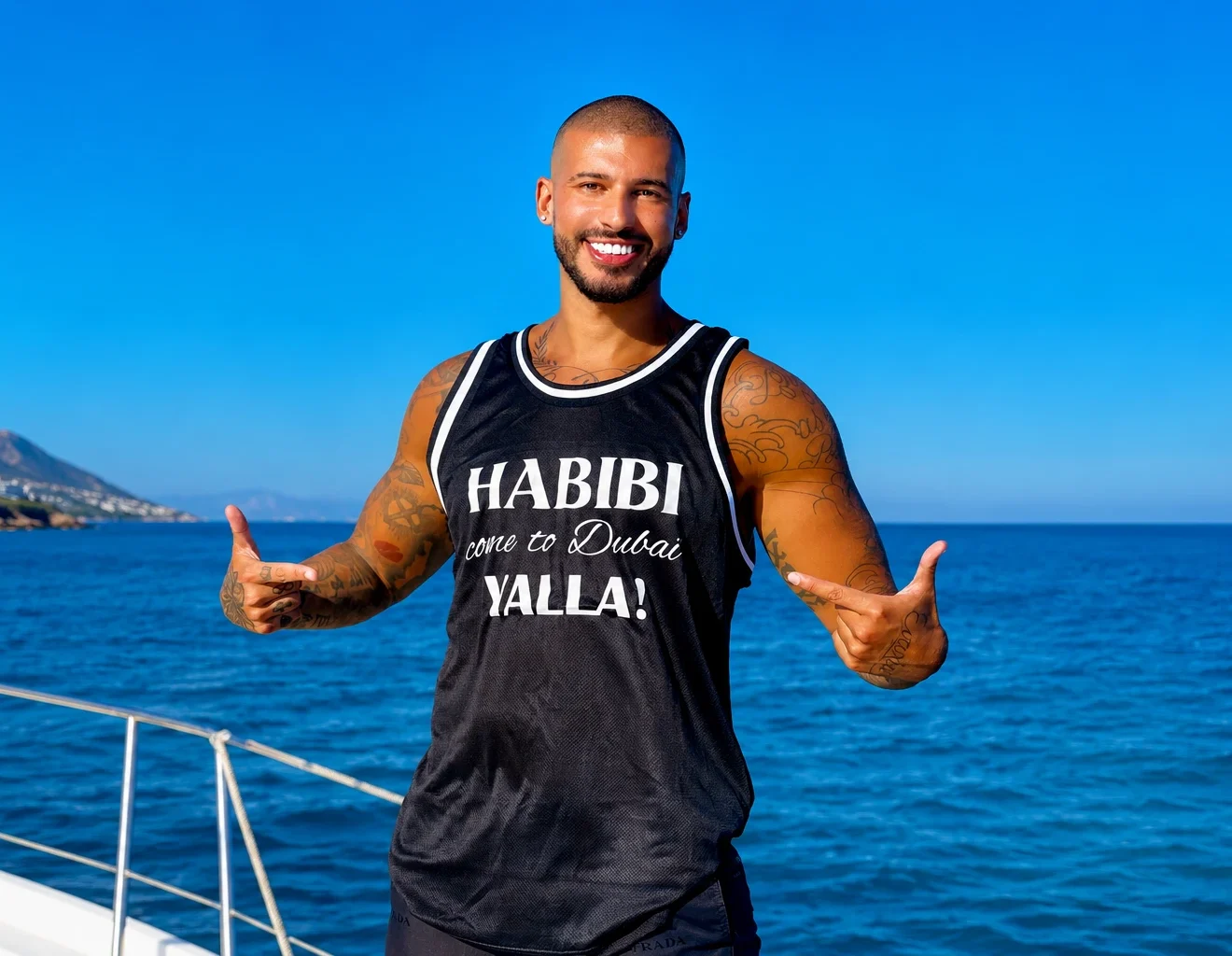
The digital landscape where trends are fleeting and viral fame often fades as quickly as it arrives, creating a lasting identity has become one of the greatest challenges for modern creators. Millions compete for attention, yet only a handful manage to transform online recognition into something that transcends algorithms. Andreas Koundourakis is one of those rare figures. Known worldwide for the now-iconic phrase “Habibi, come to Dubai,” he has evolved far beyond a viral sensation, building a personal brand rooted in confidence, humour, optimism, and cultural connection. His success is not simply the result of social media, but of a worldview shaped by multiple cultures, extensive travel, and an instinctive understanding of how people connect through emotion rather than geography.
Behind the polished visuals and aspirational lifestyle that have become synonymous with his public image lies a story of navigating different worlds. Raised between Greek passion, Belgian discipline, Arabic hospitality, Dubai’s ambition, and a broader European perspective, Andreas grew up understanding that while cultures may differ, human aspirations remain remarkably similar. Regardless of nationality or language, people seek love, respect, success, belonging, and purpose. That realisation became the foundation of his creative philosophy, influencing the way he approaches storytelling and the audiences he speaks to today.
Travel further reinforced this perspective. Moving between Europe and the Middle East exposed him to vastly different ways of living, communicating, and expressing identity. Over time, he realised that creativity extends beyond language; it is ultimately about energy. People remember how content makes them feel more than the words themselves. This understanding has become central to his work, allowing him to create content that resonates across continents. Rather than tailoring his message to one audience, Andreas naturally blends multiple cultural influences into a single narrative. A video may combine Dubai’s luxury lifestyle, Mediterranean humour, Arabic warmth, and European wit, creating content that feels familiar to viewers from remarkably different backgrounds. His ability to communicate across languages only strengthens this connection, transforming multiculturalism into one of his greatest creative advantages.
The phrase that introduced Andreas to the world was never intended to become a global phenomenon. Yet “Habibi, come to Dubai” quickly evolved into one of social media’s most recognisable moments, connecting millions of people through humour and personality. While many creators spend years attempting to manufacture virality, Andreas discovered that authenticity often produces the strongest impact. The unexpected success of that single phrase reinforced an important lesson: audiences respond most powerfully when creators stop performing and simply become themselves.
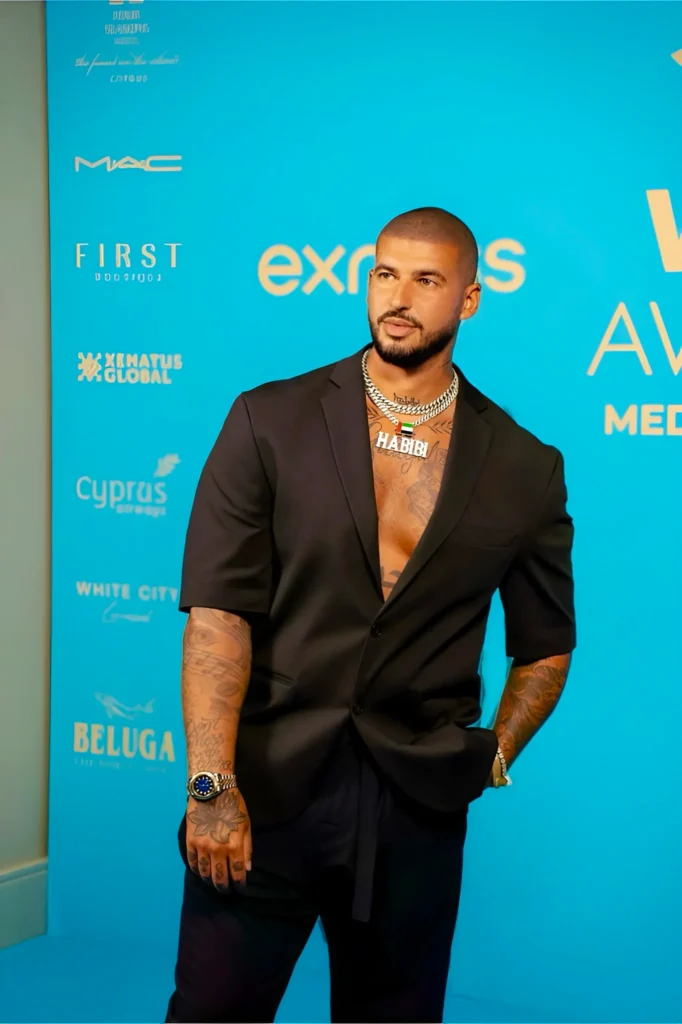
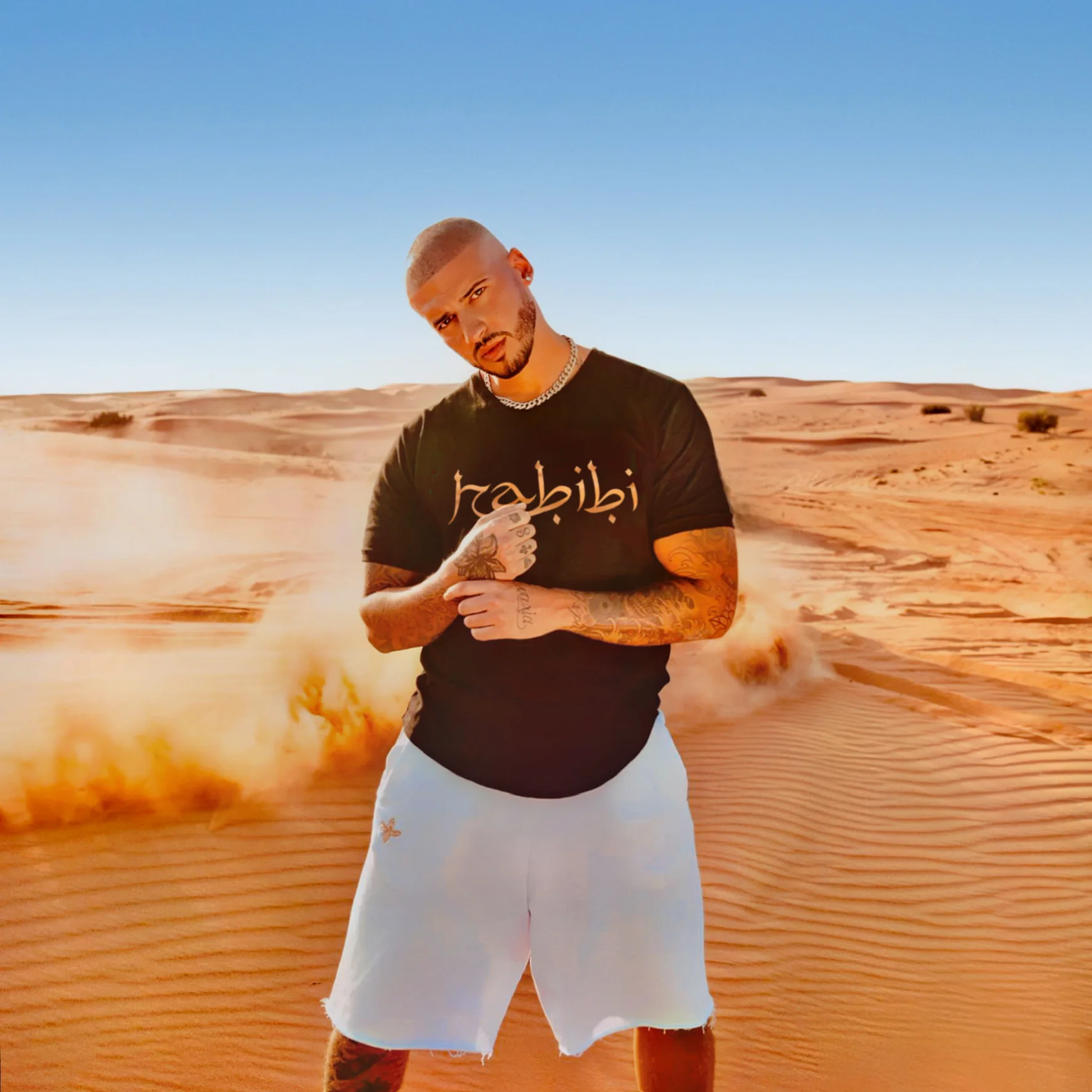
Rather than allowing one viral moment to define his career, he used it as the foundation for building something far more enduring – a recognisable identity capable of evolving far beyond internet trends. Although Andreas’ brand is undeniably global, Dubai has become inseparable from his public persona. More than a backdrop for content, the city represents a mindset that closely aligns with his own ambitions. For Andreas, Dubai symbolises possibility. It is one of the few places where dreaming big is encouraged rather than questioned, where ambition is viewed as motivation instead of arrogance. That culture of optimism has helped transform the city into one of the world’s most dynamic creative and entrepreneurial hubs.
He believes the broader Middle East is experiencing a defining cultural shift. No longer simply consuming global trends, the region is actively shaping them. Fashion, entertainment, hospitality, digital media, and luxury experiences are increasingly originating from the Middle East, combining regional identity with international standards. Rather than imitating established creative industries, local talent is confidently presenting its own voice to the world. Andreas sees this evolution as one of the region’s greatest strengths.
Luxury itself has also changed, becoming less about products and more about experiences – where atmosphere, storytelling, aesthetics, hospitality, and emotion come together to create meaningful memories. This emphasis on experience mirrors the way Andreas approaches his own creative work.
Despite the carefully curated lifestyle that defines much of his online presence, Andreas remains clear about what authenticity truly means. In an age where oversharing is often mistaken for honesty, he believes authenticity is measured not by how much of one’s private life is revealed, but by consistency of character. A creator’s style may evolve, production quality may improve, and trends may change, but the core identity behind the content should remain recognisable. His audience has come to associate him with confidence, positivity, humour, ambition, and what he describes as a distinctly “Habibi gentleman” energy. Those qualities remain constant regardless of where or how the content is produced.
This philosophy extends naturally into his broader approach to storytelling. Andreas views social media not as the final destination, but as the starting point of a much larger creative vision. Rather than focusing on individual posts, he thinks in terms of building an interconnected universe where music, fashion, visuals, humour, lifestyle, and memorable phrases all contribute to one recognisable identity. Every successful piece of content has the potential to evolve into something greater – a song, a live experience, a collaboration, or an entirely new creative project. In this sense, storytelling becomes far more than entertainment. It becomes a way of creating emotional memory, aspiration, and genuine connection.
As social media continues to transform individuals into global brands almost overnight, Andreas believes the distinction between attention and influence has never been more important. Viral fame may generate visibility, but lasting influence is built through consistency and purpose. Anyone can experience a moment of online success, yet very few create an identity capable of surviving changing algorithms and evolving digital platforms.
For Andreas, meaningful influence emerges when audiences associate someone not simply with content, but with a feeling. Whether that feeling is optimism, confidence, humour, or ambition, emotional connection remains the true measure of a personal brand. Longevity, rather than virality, becomes the ultimate test of creative relevance.
Looking ahead, Andreas is increasingly focused on projects that extend beyond social media. Music has become an important creative outlet, allowing him to communicate emotion in ways that transcend language and cultural boundaries. He also hopes to build stronger international brands, produce larger live experiences, and create collaborations that continue connecting people across different cultures. While viral moments remain exciting, they are no longer the goal. His ambition is to create work that retains meaning long after internet trends have faded.
Perhaps the most compelling aspect of Andreas Koundourakis’ journey is the belief that audiences have only seen the beginning. Behind the humour, luxury, and online recognition lies a creator driven by continual reinvention, artistic curiosity, and a desire to build something lasting. The world has met the viral personality, but the artist, entrepreneur, performer, and visionary are still emerging.
In an era where digital attention is increasingly temporary, Andreas represents a different kind of success – one built not merely on visibility, but on identity. His story reflects the evolution of modern influence itself, demonstrating that while a single moment may introduce someone to the world, it is authenticity, cultural understanding, and creative vision that ultimately sustain a legacy.
For Andreas Koundourakis, the phrase that made him famous was never the destination. It was simply the opening line of a much larger story.