
MAGNAV Emirates

Bill Brown

The Secret Beneath the Sand

The Secret Beneath the Sand, The UAE Is Engineering Water Security in a Desert That Offers None

The Secret Beneath the SandThe UAE Is Engineering Water Security in a Desert That Offers None By Marina Ezzat Alfred On the surface, water in the Emirates feels effortless. It appears in hotel lobbies, chilled and filtered, in kitchen taps that run without hesitation, in fountains choreographed in shopping malls, and in green strips of landscape that seem almost defiant against a desert horizon. For residents and the millions who pass through its cities as visitors, water is an integral part of everyday life. It is expected. It is assumed. It is part of the country’s polish, its comfort, its promise of reliability. Yet that sense of ease is one of the great illusions of modern Gulf urbanism. Nothing about it is natural, and nothing about it is simple. The water that arrives so quietly is produced, transported, stored, monitored, and defended by a system that is among the most ambitious in the world. The UAE has had to build that system because geography offered it very little help. It is an arid country with scarce natural freshwater, irregular rainfall, and groundwater that has been under strain for years. The Ministry of Energy and Infrastructure says water is one of the country’s most important national-priority issues precisely because of this scarcity, the climate, and the pressure created by development. Its Water Security Strategy 2036 is meant to ensure sustainable access to water in normal times and emergency conditions, while reducing total water demand by 21 percent, lowering the water scarcity index, and increasing treated-water reuse to 95 percent by 2036. In other words, the UAE is not treating water as a convenience sector. It is treating it as a matter of state continuity. That approach begins with a hard truth: the country depends heavily on non-conventional water. Official figures say desalinated seawater and treated wastewater now contribute 53 percent of the UAE’s water supply. The same source says there are more than 160 wastewater treatment plants in the country, with a total capacity of over 3 million cubic meters a day, and that 73 percent of treated wastewater is reused for irrigation in cities. Those are not the numbers of a country that is casually managing a resource. They are the numbers of a country that has had to turn wastewater, seawater, and engineering into a working civic philosophy. The modern UAE does not wait for freshwater to appear; it manufactures it, recycles it, and plans around its absence. That manufacturing starts at the coast, where desalination has become the backbone of urban life.  Abu Dhabi’s Taweelah Reverse Osmosis plant is described by EWEC as the world’s largest reverse osmosis desalination facility, supplying 909,000 cubic meters a day. That scale matters not only because it is large, but because it marks a change in the kind of desalination the UAE is building.  Abu Dhabi officials say the shift from thermal desalination to reverse osmosis rose by 46 percent between 2020 and 2023, and EWEC’s current portfolio includes major new RO projects such as M2 RO, which will supply up to 546,000 cubic meters a day, Shuweihat 4 RO at up to 318,000 cubic meters a day, and a planned Future RO plant at up to 273,000 cubic meters a day. The country is still leaning on the sea, but it is doing so with newer, lower-carbon technology and larger reserves of capacity. This transition is more important than a simple technology upgrade. It shows that the UAE has moved from asking how much water it can produce to asking how sustainably it can produce it. EWEC says its long-term planning aligns with the UAE Energy Strategy 2050, which aims to raise clean energy’s share in the energy mix to 50 percent by 2050 and reduce the carbon footprint of power generation by 70 percent. That connection is crucial because desalination is only as sustainable as the energy feeding it. A country that depends on desalinated water cannot afford to ignore the electricity behind every litre. So the water story becomes an energy story, and the energy story becomes a climate story. The pipeline, the grid, the plant, and the solar field are no longer separate worlds. They are part of the same sentence. Still, desalination has a weakness that planners in any coastal desert nation understand very well: it is vulnerable. It is concentrated along the shore. It requires continuous operation. It can be disrupted by technical failure, contamination, or broader shocks that are difficult to predict but impossible to ignore. That is why the UAE’s most interesting water project is not its largest plant. It is the hidden reserve in the desert. In Abu Dhabi’s Liwa region, engineers built a strategic water reserve using aquifer storage and recovery. In simple terms, desalinated water is injected underground during normal periods and later withdrawn when needed. The GRIPP case study explains that strategic water reserves are meant to cover seasonal, long-term, emergency, or crisis demands, and that surface reservoirs in GCC countries generally hold only a few days of supply, which is not enough for a prolonged emergency. The Liwa reserve was designed to change that equation by storing desalinated water underground, where evaporation is negligible and surface risk is reduced. The scale of that reserve is what makes it more than an engineering curiosity. The Environment Agency – Abu Dhabi has described Makhzan Al Khair, the shallow aquifer north of Liwa, as the largest groundwater storage project of its kind, serving as a strategic reserve for Abu Dhabi Emirate. The GRIPP case profile says the scheme was developed through more than a decade of testing and implementation and notes that the UAE’s large-scale aquifer storage and recovery experience has been encouraging for arid regions elsewhere. This is one of the quietest major infrastructure projects in the country, and maybe that is exactly why it matters. It does not announce itself with towers or facades. It disappears into geology. Yet it is one of the strongest answers the UAE has found

Pavithra Menon, The Unwritten Side of Dubai Through a Creator’s Eyes

Pavithra Menon, The Unwritten Side of Dubai Through a Creator’s Eyes

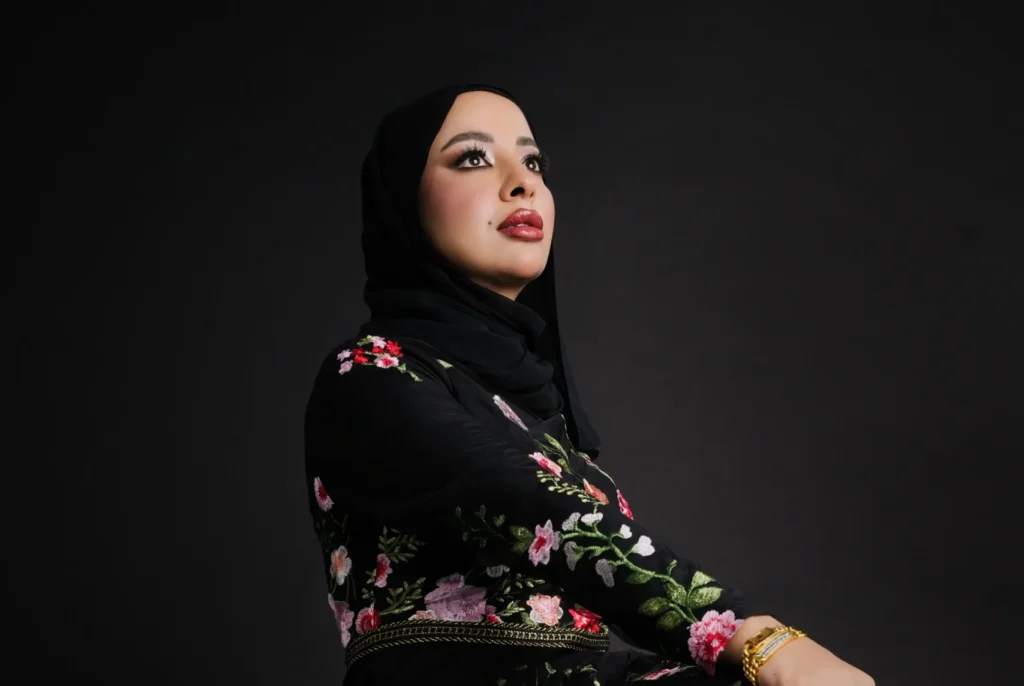
Pavithra Menon, The Unwritten Side of Dubai Through a Creator’s Eyes By Bill Brown Creative identity is something that develops in opposition to the environment. Artists push against structure, influencers react against limitation, and storytellers often define themselves by what a place lacks. But in Dubai, that logic bends slightly. The city does not behave like a fixed backdrop. It behaves more like a moving system, constantly adjusting, expanding, and rearranging itself in ways that make it difficult to separate personal evolution from geographic experience. For Pavithra Menon, that relationship between place and person is not theoretical. It is lived, observed, and embedded in the way she describes her journey since moving to the city in 2014. Her story does not follow a dramatic arc of arrival and success. Instead, it unfolds as a gradual recalibration of identity inside a city that rarely pauses long enough for anyone to remain unchanged. “I moved to Dubai in 2014, and that journey has honestly been one of the biggest defining factors of who I am today,” she says. “Starting from scratch in a new country teaches you resilience in ways nothing else can.” That word, resilience, often appears in migration narratives, but in her case it is less about struggle and more about adjustment. Dubai does not ask for survival in the traditional sense. It asks for adaptability. It requires people to repeatedly reintroduce themselves, not because they have failed, but because the context around them keeps evolving. Careers shift. Communities expand. Creative economies reconfigure. The pace is not just fast; it is non-linear. Over time, that rhythm begins to influence how creators think. In Pavithra’s case, it has shaped not only her career decisions but also her creative perception. She does not approach content as a fixed format or predictable output. She approaches it as a response. “Dubai is a city that inspires you without even trying,” she explains. “One day you are at a luxury hotel, the next you are exploring a cultural district, and then you are discovering a hidden food spot.” What seems like a simple variety is, in reality, structural. Dubai is built on the proximity between extremes. Luxury and local life exist within short distances of each other. Global brands operate alongside independent creators. Cultural districts sit near commercial skylines. This compression of experience produces a specific kind of creative sensitivity. The creator is constantly required to shift tone, framing, and attention. For someone working in digital storytelling, that shift becomes both a challenge and an advantage. Repetition is the enemy of engagement in online spaces, but in Dubai, repetition is naturally disrupted by the environment. That disruption, over time, trains observation. It makes creators more attentive not just to what changes, but to how it changes. Pavithra describes this as an ongoing source of creative fuel. The city, in her words, prevents stagnation. It does not allow storytelling to settle into a habit. There is always something visually or socially distinct enough to interrupt routine thinking. That interruption becomes the beginning of new work. But beyond aesthetics, there is a structural dimension to her experience that speaks to how Dubai functions as a creative economy. Unlike older media capitals where access is often gated by long-established networks, Dubai operates through a more fluid system of entry. Events, collaborations, and brand interactions are frequent and visible. Opportunities are not rare; they are distributed differently. “Dubai stands out because it gives creators access and opportunity at the same time,” she says. “The infrastructure, the events, the brands, and the diversity of people all come together in a way that supports storytelling.” Access, however, does not automatically translate into ease. It creates exposure. And exposure in a city like Dubai comes with heightened expectations. Audiences are not passive. They are globally aware, digitally literate, and accustomed to high production standards. This changes the creative equation. Content is not judged in isolation but in comparison to global benchmarks. That comparison loop produces pressure, but also refinement. Creators who remain in the ecosystem long enough begin to develop a sharper sense of editing, not just in visual terms, but in conceptual clarity. Everything must justify its presence. Pavithra’s approach to content reflects this discipline. She does not begin with trend analysis or algorithmic prediction. She begins with a personal response. If something does not register internally, it does not move forward externally. “My content is very much driven by personal experience first,” she says. “If I do not feel connected to something, it becomes difficult to present it authentically.” This emphasis on internal alignment is often misunderstood in the broader influencer economy, where authenticity is frequently treated as aesthetic rather than process. In her case, authenticity functions as a gatekeeping mechanism. It determines what is allowed into her narrative space. Yet she does not position herself outside audience awareness. Instead, she acknowledges a necessary negotiation between personal interest and public expectation. The work exists in the overlap between the two. “I am very aware of my audience and what they enjoy,” she explains. “So there is always a balance. The key is to find that intersection where what you love and what your audience connects with meet.” That intersection is where most modern digital storytelling now operates. It is not purely expressive, nor purely strategic. It is relational. And in a city like Dubai, where audiences are diverse and transient, that relational space becomes even more complex. Unlike homogenous markets, Dubai’s audience cannot be easily categorized. It is a mix of locals, expatriates, long-term residents, and short-term visitors. Each group carries different cultural expectations and visual literacy. For creators, this means there is no single dominant narrative to satisfy. Instead, there is a layered audience environment that requires constant calibration. This is one reason why many creators in Dubai develop multi-directional content strategies without consciously naming them as such. They learn to speak in multiple tones simultaneously. Fashion content may carry global luxury references while lifestyle content reflects local

Mounir Al Serawan, The Man of Storytelling Exploring Human Emotion Through Film

Mounir Al Serawan, The Man of Storytelling Exploring Human Emotion Through Film

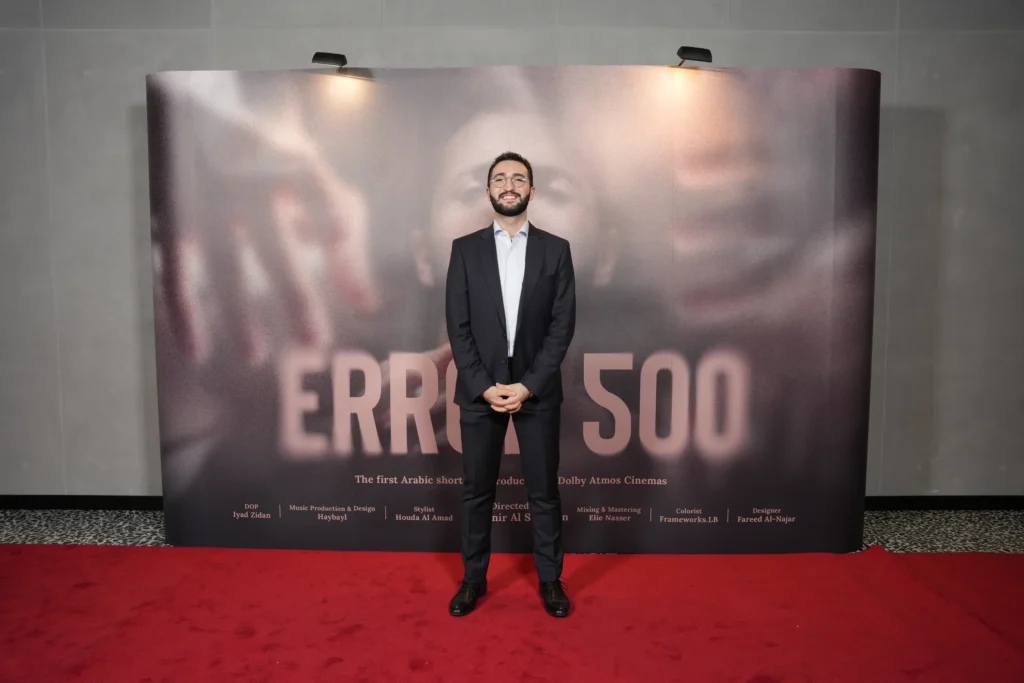
Mounir Al SerawanThe Man of Storytelling Exploring Human Emotion Through Film By Bill Brown Mounir Al Serawan has always approached filmmaking as more than just a career. For him, cinema is a way to explore the human experience, to reflect on emotions we often hide, and to tell stories that leave a lasting impression. His work is rooted in personal history, empathy, and a deep understanding of the power of narrative to transform both the storyteller and the audience. Al Serawan’s connection to films began in childhood. Growing up, he saw cinema as a refuge, a place where he could process feelings and experiences that were difficult to articulate. He quickly realized that films could do more than entertain. They could provoke reflection, provide comfort, and allow people to confront aspects of themselves that everyday life often ignores.  This understanding shaped the way he views his work today. His films focus on the human psyche, trauma, and the journey toward self-acceptance, aiming to create experiences that resonate on a personal and emotional level. The UAE has played a significant role in shaping Al Serawan’s creative perspective. Living in a city where ambition is encouraged and bold ideas are embraced has pushed him to expand the scope of his work. Here, the possibility of achieving something once considered distant, like international recognition or even an Oscar, no longer feels out of reach. The environment has given him the confidence to pursue stories that are both deeply personal and universally relatable. It has allowed him to dream big while remaining grounded in the human truths he wants to explore on screen. A turning point in his career came with the creation of his third short film, ERROR 500. Drawing inspiration from German Expressionism, Al Serawan intentionally crafted a psychological and conceptual story designed to challenge viewers’ emotions. During production, he discovered something unexpected. While guiding actors and shaping scenes, he confronted his own childhood experiences and personal trauma. The process became a form of catharsis, demonstrating that filmmaking could be a deeply human experience that affects both the creator and the audience. When ERROR 500 premiered in a cinema in Dubai, Al Serawan witnessed firsthand the impact a film can have. Audience members approached him in tears, sharing how the film had made them face emotions they had never acknowledged before. That moment affirmed his belief that cinema can be transformative, capable of opening a space for reflection and healing. From that point on, he committed himself to telling stories that not only engage the mind but touch the heart. Al Serawan is optimistic about the UAE’s film industry and the opportunities it presents. In recent years, he has seen a rise in local talent, with filmmakers dedicated to sharing authentic stories with the world. The country’s openness to innovation and willingness to support ambitious projects has created a space for filmmakers to experiment and grow. Al Serawan aims to contribute to this development by creating films that reach international audiences while remaining connected to the UAE’s creative spirit. ERROR 500’s screening in Los Angeles demonstrated that stories made here can travel and resonate across cultures, a small step toward the goal of making films that are both globally relevant and locally rooted. Recognition has followed Al Serawan’s work, but awards have never been his primary motivation. His focus has always been on the emotional resonance of his films. He wants audiences to confront their own experiences, find meaning in the story, and perhaps even discover a sense of healing. Achievements such as official selections and international awards are affirmations of the reach of his work rather than the end goal. They serve as reminders that the responsibility of storytelling is not just to entertain but to create something that endures in the minds and hearts of viewers. Much of Al Serawan’s work carries a social and emotional purpose. He chooses stories by observing people, their struggles, and the emotions they carry. His own childhood, marked by war, migration, and domestic challenges, has influenced the types of narratives he gravitates toward. Films become spaces where viewers who have faced similar experiences can reflect and find a sense of acceptance. Living in the UAE provides a unique perspective, allowing him to encounter diverse cultures and viewpoints, revealing common threads of human emotion that transcend background or circumstance. These encounters often spark the ideas that evolve into his films. For Al Serawan, storytelling is a calling. A story becomes ready to be shared when it demands to be told, when it emerges with urgency from within. He views storytelling as a timeless human practice, something ingrained in daily life. People tell stories to connect, to understand, and to express themselves. For him, the act of sharing a film is an extension of that instinct, a way to connect with people on a profound emotional level. Financial challenges have been a consistent obstacle in his journey as an independent filmmaker. Producing a film requires resources for equipment, crew, and post-production, and most of Al Serawan’s projects are self-funded. Moving a project from concept to screen can take years, and even submitting films to festivals demands considerable investment. Despite these limitations, he continues to create, relying on resilience and support from fellow artists. The struggle to bring his visions to life has reinforced the importance of persistence and dedication, teaching him that the value of a story outweighs the difficulty of its execution. Al Serawan draws inspiration from a wide range of sources, both historical and contemporary. German Expressionism has influenced his exploration of emotion and psychology, while modern directors like Darren Aronofsky have shaped his understanding of intensity in storytelling. Aronofsky’s work, particularly films such as Black Swan and Mother, inspired Al Serawan to approach filmmaking with honesty and courage, unafraid to explore uncomfortable or complex emotions. These influences have guided him toward a filmmaking style that is both conceptual and deeply human. Beyond cinema, Al Serawan engages in other forms of art that shape

Hadil Alkhatib, The Power of Ancestral Nutrition in Modern Wellness

Hadil Alkhatib, The Power of Ancestral Nutrition in Modern Wellness

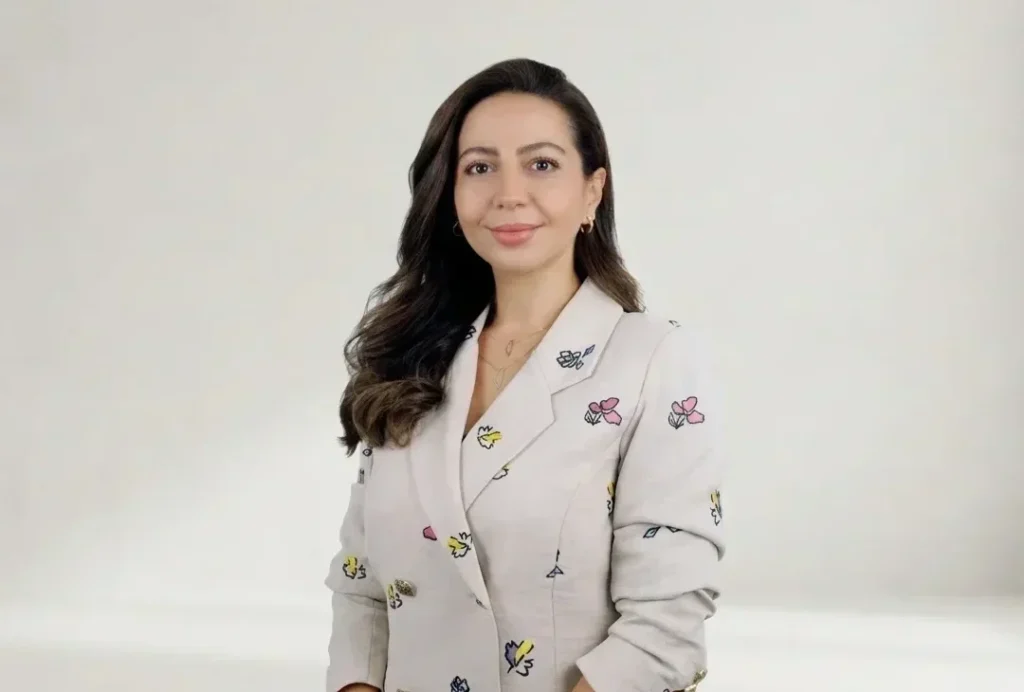
Hadil AlkhatibThe Power of Ancestral Nutrition in Modern Wellness By Bill Brown Hadil Al Khatib’s journey into the world of wellness began not in a boardroom, but in her own body. After giving birth, she faced a difficult postpartum period that left her unexpectedly ill. At the time, she was thriving in a high-profile role in the energy sector, heading human resources, with her career on a steady trajectory. But her health forced her to stop, reflect, and reevaluate what truly mattered. When conventional solutions failed to restore her well-being, Hadil began searching for answers elsewhere. Her exploration led her into nutrition, gut health, and functional medicine, a world that at first seemed distant from her professional life but soon became deeply personal. Through understanding her own body, she uncovered the profound role of traditional, nutrient-rich foods in healing and longevity. Bone broth, fermented foods, and other ancestral staples became her daily medicine. Slowly, her journey of self-recovery evolved into a new purpose: creating wellness experiences and food concepts that could nourish others in the same way. Hadil’s focus on gut health stems from its foundational role in overall wellbeing. She observed firsthand how restoring the gut could influence immunity, mood, hormonal balance, and energy. She also noticed a disconnect between modern eating habits and the time-tested practices of traditional cultures. Across the world, her ancestors relied on foods that were rich in nutrients, prepared with care, and designed to support health naturally. By bringing these practices into a modern context, Hadil believes people can experience lasting change in how they feel day to day. This philosophy is at the heart of the brands she has created: The Broth Lab, The Roost, and Catcha Matcha. Each was born from a simple question: how can nourishing, wholesome food be made accessible, relevant, and enjoyable for people today? The Broth Lab introduces slow-simmered bone broth as a daily wellness ritual, not just a cooking ingredient. With each cup, customers receive nourishment designed to support gut health, collagen production, and overall vitality. When it launched, the concept was unfamiliar to many, requiring education alongside quality. Today, it stands as a symbol of how traditional foods can be integrated into modern life. The Roost embodies a different philosophy: affordable luxury through simplicity. Dubai’s dining culture thrives on variety and experience, yet Hadil saw a gap for restaurants that offered quality, locally sourced ingredients in a format families could enjoy. At The Roost, rotisserie chicken becomes an expression of care, precision, and flavor. Simple, thoughtfully sourced ingredients prepared with attention to detail create a dining experience that feels indulgent without being extravagant. For Hadil, this approach reflects her belief that good food does not need to be complicated, sometimes the simplest combinations yield the most satisfaction. Catcha Matcha represents her commitment to functional beverages that fit naturally into daily routines. Sourced from the volcanic soils of Uji, Japan, the matcha offered through the brand provides sustained energy and antioxidants, blending tradition with modern convenience. The drink captures both the ceremonial heritage of matcha and the practical needs of contemporary consumers. Across all three ventures, the underlying philosophy is consistent: integrity, quality, and nourishment must guide every product, creating a holistic experience that supports health from the inside out. Starting these businesses in the UAE came with its own set of challenges. Introducing unfamiliar concepts such as medicinal bone broth or premium matcha required patience and education. People often misunderstood bone broth as simply a stock replacement rather than a functional food with restorative properties. Maintaining quality at scale posed another challenge, as slow preparation processes and real ingredients require discipline and attention to detail. For Hadil, these challenges reinforced her commitment to values over shortcuts. The process of educating customers and refining her offerings strengthened both the brands and their connection to the community. The UAE itself has been a formative influence on Hadil’s entrepreneurial journey. Growing up in a country that celebrates ambition, innovation, and diversity instilled both courage and vision. Dubai, in particular, is a melting pot of cultures, cuisines, and ideas, a place where the unusual is embraced and innovation is rewarded. This environment inspired Hadil to combine ancestral wisdom with modern techniques, offering products that respect tradition while meeting contemporary demands. She credits the UAE’s openness and entrepreneurial spirit with giving her the confidence to pursue her vision. Reflecting on the growth of wellness in the UAE, Hadil has witnessed a remarkable shift in consumer awareness. When she first launched her ventures, healthy eating was often seen as niche, and investing in wellness was not widely embraced. Today, there is a clear movement toward functional foods, ancestral nutrition, and conscious eating. Consumers are seeking transparency, sourcing integrity, and minimally processed options. For Hadil, this signals an exciting future where wellness is not optional but integrated into daily life. She believes the next wave of growth will focus on making these principles accessible to everyone, ensuring nutrition and nourishment become long-term lifestyle habits rather than temporary trends. Entrepreneurs, in her view, play a crucial role in this transformation. They bridge the gap between scientific research and everyday practice. By introducing products that are approachable, practical, and rooted in real nutrition, entrepreneurs can guide communities toward healthier habits. Hadil sees her work as part of this ecosystem, providing tools and knowledge to help people make informed choices, while fostering a broader culture of wellbeing. Businesses can influence habits, shape expectations, and elevate the quality of daily life through conscious food offerings. Her advice to young entrepreneurs in the UAE emphasizes belief, authenticity, and patience. Building a brand requires more than strategy; it demands passion and unwavering dedication to principles. Quality and integrity cannot be compromised, particularly as consumers today are well-informed and discerning. At the same time, success rarely comes overnight. Hadil encourages emerging entrepreneurs to listen to their customers, learn continuously, and stay consistent in their efforts. Meaningful ventures are built gradually, layer by layer, over time. Looking back, Hadil measures

Aparna Verma

Aparna Verma, Leading Education with Substance in an Age of Noise

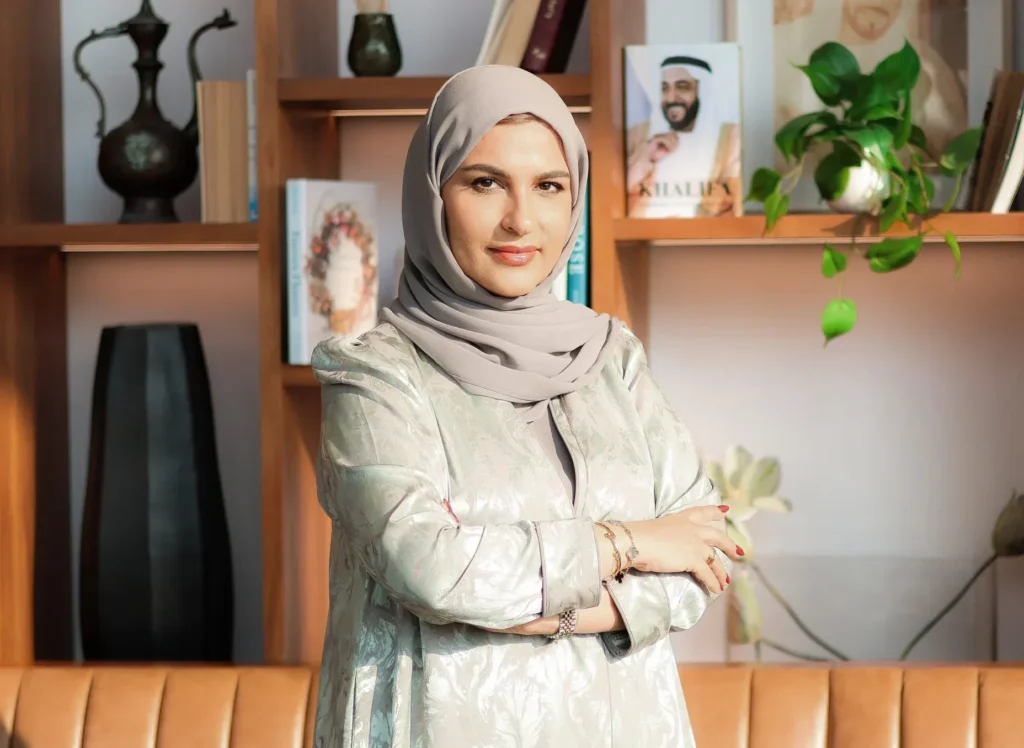
Aparna Verma, Leading Education with Substance in an Age of Noise By Bill Brown In a region where education has become one of the most competitive and fast-moving sectors, clarity is increasingly hard to find. Parents are surrounded by claims of innovation, future readiness, and global excellence, yet many struggle to understand what truly matters for their child. Against this backdrop, Scholars International Group has taken a different approach, one shaped less by momentum and more by measured thinking, long experience, and a quiet confidence in fundamentals. For more than fifty years, Scholars International Group has been part of the UAE’s evolving education landscape. During that time, the country has transformed from a place with limited schooling options into a global hub offering a wide range of international curricula. Choice has expanded, information has multiplied, and expectations have risen. Yet, according to Aparna Verma, CEO of Scholars International Group, the essence of parental decision-making has remained remarkably consistent. Parents, she observes, have always been cautious when choosing a school. The difference today lies in the environment surrounding that choice. Families now navigate constant comparison, heightened competition, and a flood of information that often creates more anxiety than reassurance. In such a climate, schools carry a greater responsibility, not only to educate children, but to offer parents clarity, stability, and trust. Scholars International Group has responded to this reality by resisting the temptation to follow every new trend. Instead, it has focused on disciplined delivery: strong leadership, high-quality teaching, and consistency across its schools. For Aparna, leadership in education is not about visibility or volume of messaging. It is about sustained quality, delivered quietly and reliably over time. This philosophy shaped the launch of The Scholars School, SIG’s latest venture. Rather than beginning with assumptions about what families wanted, the group began by listening. A detailed Parent Insight Study was conducted to better understand how parents perceive education today and where they feel uncertain or unheard. The findings were telling. More than seventy-four percent of parents expressed a desire to be actively involved in their child’s education. Yet involvement did not mean control. Parents wanted understanding, reassurance, and visibility, not daily management of classroom decisions. Perhaps most importantly, they wanted to feel heard before being spoken to. This insight fundamentally shaped how SIG communicates with families. Instead of increasing the frequency of messaging, the group focused on structure and clarity. Clear routines, predictable rhythms of communication, and professional, open dialogue between teachers and parents became central. The aim was to build genuine partnerships, relationships in which parents feel confident and informed, and teachers feel trusted and supported. For Aparna, this balance is critical. Education works best when parents and teachers share responsibility without blurring roles. Trust grows when families understand how learning is delivered and why decisions are made, while teachers are given the space to apply their professional expertise. Consistency, in fact, has emerged as one of the most important markers of quality in the eyes of parents. Research conducted by SIG shows that families judge schools not only on academic outcomes, but on leadership stability and visible teaching quality. In response, Scholars International Group has built shared academic foundations across its schools, with common frameworks, clear expectations, and aligned teaching practices. The Scholars School is not treated as an isolated project. It is an extension of systems refined over decades. Professional development, academic oversight, and leadership presence are embedded across the group. These structures are not hidden; they are visible and accessible, allowing parents to see how quality is sustained in daily practice. Innovation, in this context, is approached carefully. In an era where educational trends emerge quickly and disappear just as fast, SIG has chosen to be guided by evidence rather than fashion. Parents, according to the group’s research, consistently express a preference for strong fundamentals over experimental approaches. This has shaped the way innovation is introduced, not as a headline, but as a tool to deepen learning.  The Scholars School follows a British curriculum, internationally recognised for its rigour and structure. This is enriched by research-based frameworks such as High-Performance Learning and informed by insights from cognitive science. Oversight from an experienced board ensures that research is applied thoughtfully, always with a clear link to student learning. At the centre of this approach are teachers. Aparna is clear that student outcomes and teacher development are inseparable. Parents may speak about results, but what they are really observing is teaching quality and consistency. For this reason, Scholars International Group invests heavily in ongoing professional development aligned with its shared pedagogy. Training is continuous and purposeful, directly connected to classroom practice. Teachers are supported not only to deliver content, but to grow within a shared vision of education. This support, Aparna notes, has a ripple effect. When teachers feel valued and confident, school culture strengthens, motivation rises, and students benefit. Equally important is the way SIG approaches student wellbeing. Academic rigour and emotional safety are not treated as competing priorities. Research conducted by the group shows that parents value structure, predictability, and emotional security, particularly in the early years. These elements create environments in which learning can thrive without anxiety. Classrooms across SIG schools are designed to be calm and structured. Clear routines help children feel secure, build confidence, and develop a sense of belonging. For Aparna, emotional well-being is not an additional programme; it is the foundation that allows academic rigour to be sustained. Operating in the UAE adds another layer of responsibility. The country’s diversity and forward-thinking vision require schools to create inclusive environments that respect cultural context while preparing students for global citizenship. SIG’s research shows that many parents think deeply about how their children develop identity in a highly international setting. The Scholars School delivers the British curriculum in a way that reflects the UAE’s social and cultural fabric, enriched by global best practices drawn from across the group. This emphasis on belonging, stability, and family values aligns naturally with the UAE’s Year of