MAGNAV Emirates

Marina Ezzat Alfred

From Startups to Stability, Inside the UAE’s SME Boom

From Startups to Stability, Inside the UAE’s SME Boom

From Startups to Stability, Inside the UAE’s SME Boom By Marina Ezzat Alfred Not long ago, starting a business in the United Arab Emirates felt like stepping into unfamiliar territory reserved for large corporations and seasoned investors. The process was often perceived as complex and expensive. It seemed designed for companies with legal departments, established networks, and significant financial backing. For individual entrepreneurs or small teams with limited capital, the barriers appeared high and the risks daunting. Today, that perception has changed dramatically. Across the Emirates, a new generation of founders is building companies with confidence and clarity. What once felt intimidating now feels attainable. The environment has shifted from exclusivity to accessibility, and that shift has unlocked a powerful wave of small and medium sized enterprises across the country. This is the new SME gold rush. It is not driven by speculation or hype. It is fueled by practical reforms, streamlined systems, and a mindset that values independence and ownership. Entrepreneurs are no longer waiting for perfect conditions. They are acting, launching, testing, and refining in real time. From Side Projects to Structured Companies One of the clearest indicators of this transformation is the type of businesses being launched. Many of today’s SMEs did not begin as formal companies. They started as side projects. An online store managed in the evenings. A freelance consultant offering services through personal networks. A small creative studio built around individual expertise and reputation. In the past, formalizing such activities into licensed businesses felt like a major leap. Today, that leap is smaller and far less intimidating. Licensing pathways have become more transparent. Costs are easier to calculate. Application processes are faster and more digital. The stigma once attached to starting small has faded. Launching lean is now seen as a smart strategy rather than a sign of weakness. Entrepreneurs across Dubai, Abu Dhabi, Sharjah, Ras Al Khaimah, and Ajman are making decisions based on logic and efficiency rather than prestige alone. They evaluate jurisdictions according to setup speed, visa flexibility, and cost effectiveness. This practical approach has led to a more balanced distribution of company formation activity across the Emirates. Instead of one dominant center, multiple hubs of entrepreneurship are emerging, each offering distinct advantages. A Destination for Global Founders The surge in SME formation is not limited to local entrepreneurs. The United Arab Emirates has positioned itself as a preferred base for international founders seeking stability, connectivity, and regulatory clarity. For many, the appeal lies in predictability. The country offers clear rules, efficient administration, and a business friendly legal framework. Operating in English within a globally connected economy allows founders to engage with clients and partners across continents. From the Middle East to Africa, from Asia to Europe, the UAE serves as a strategic bridge. Combined with advanced digital infrastructure and world class logistics, it enables companies to operate internationally from day one. For solo entrepreneurs and small teams, this matters deeply. The ability to open corporate bank accounts, invoice international clients, sponsor residency visas, and operate transparently transforms ambition into action. It creates an environment where ideas can move quickly from concept to execution without unnecessary friction. Where Momentum Is Strongest While the SME boom spans many industries, certain sectors have shown particularly strong and sustainable growth. E commerce remains highly visible. However, the profile of today’s online businesses differs from earlier waves. Many are niche focused and data driven. They often launch with a global mindset rather than limiting themselves to a single market. Models such as drop shipping, print on demand, and partnerships with third party logistics providers allow founders to scale without heavy upfront investment in inventory or warehousing. Social media platforms and short form video have become powerful growth engines. Influencer collaborations and targeted digital advertising enable small brands to reach audiences quickly and cost effectively. With the right positioning and messaging, a modest operation can gain recognition and traction at remarkable speed. Consulting and professional services have also expanded significantly. Professionals in strategy, marketing, finance, human resources, operations, and technology are increasingly choosing independence over traditional corporate employment. Instead of joining large firms, they establish focused consultancies that address specific challenges for defined client segments. Flexible licensing options allow these consultants to operate legally while maintaining agility. The UAE’s diverse business ecosystem generates strong demand for specialized expertise, both locally and internationally. As companies scale and adapt, they require guidance, and SMEs are well positioned to provide it. Media and creative industries are experiencing renewed energy. Content agencies, production studios, podcast networks, and personal brand driven ventures are flourishing. The region’s growing emphasis on storytelling, digital presence, and cultural identity has created space for smaller, nimble players. The rise of the creator economy has lowered entry barriers, enabling individuals and small teams to compete with established firms through authenticity, speed, and specialization. Technology enabled services form another pillar of growth. Many SMEs are not building massive platforms. Instead, they offer focused solutions such as automation tools, artificial intelligence powered applications, software as a service products, and tailored IT support. These companies often begin with minimal overhead, test their offerings quickly, and refine based on real customer feedback. This iterative approach reduces risk and strengthens resilience. Reforms That Reshaped the Landscape The rapid expansion of SMEs in the United Arab Emirates did not occur by chance. It is the result of deliberate policy reforms and regulatory modernization. The introduction of full foreign ownership across many business activities removed a significant psychological and operational barrier. Entrepreneurs now have greater control over their ventures and clearer long term security. This clarity encourages commitment and sustained investment. Simplified license categories, including instant licenses and freelancer permits, have reduced administrative complexity. Multi activity licenses allow companies to evolve without being constrained by rigid classifications. As business models shift, entrepreneurs can adapt their legal structures more easily. Cost structures have also become more flexible. Lower initial fees, installment payment options, and reduced capital requirements have made entry more accessible. For early

Dubai International Financial Centre 2030, The Next Phase of Dubai as a Global Finance Capital

Dubai International Financial Centre 2030, The Next Phase of Dubai as a Global Finance Capital

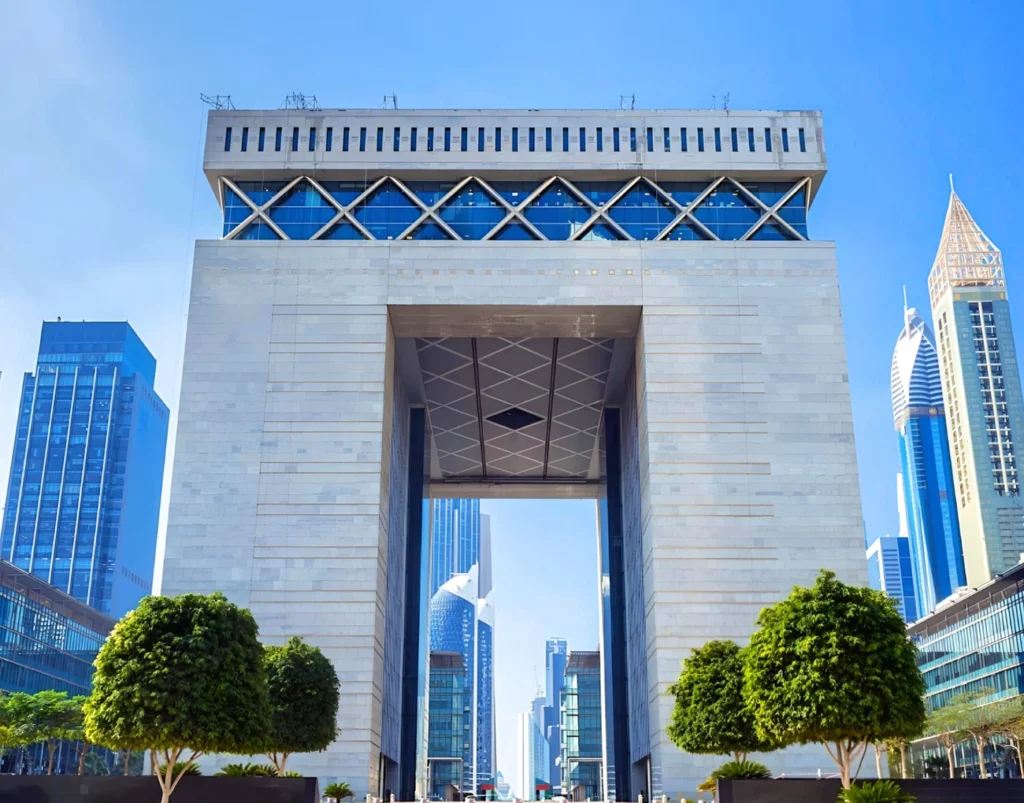
Dubai International Financial Centre 2030, The Next Phase of Dubai as a Global Finance Capital By Marina Ezzat Alfred Imagine standing on the bustling streets of Dubai, where cranes sketch bold lines across the sky and ambition hums in every corner like an electric current. The air carries more than desert warmth; it carries possibility. Glass towers rise from the sand with astonishing speed, symbols of a city that has never been content to wait for opportunity but instead builds it. In the heart of this kinetic landscape stands the Dubai International Financial Centre, widely known as DIFC, a district that is more than a cluster of offices and boardrooms. It is a living expression of Dubai’s daring spirit, a carefully engineered ecosystem designed to channel global capital, ideas, and influence into one concentrated, powerful force. As Dubai advances toward its 2030 ambitions, DIFC is not merely expanding in physical scale; it is redefining what it means to be a global financial capital. The transformation is deliberate and strategic. Every regulatory refinement, every new tower, every initiative to attract global firms forms part of a broader narrative: Dubai does not simply participate in the future of finance; it intends to shape it. In a world where financial power has traditionally been anchored in Western capitals, DIFC represents a confident shift of gravity toward the Middle East, a declaration that the region is no longer peripheral to global finance but central to it. Walk through DIFC’s vibrant corridors and you sense this confidence immediately. Glass façades reflect not only the skyline but also the diverse faces of professionals from every continent. Conversations in multiple languages blend into a steady hum of deals, strategies, and negotiations. Investors and executives operate within a legal framework that is clear, transparent, and internationally respected, providing certainty in a world often defined by volatility. This legal and regulatory clarity has been one of DIFC’s greatest strengths, offering global institutions an environment that mirrors the best international standards while remaining agile enough to evolve with emerging trends. Now imagine that environment expanding—not just in square meters, but in vision. New districts and developments are rising to accommodate banks, fintech innovators, advisory firms, insurers, and asset managers. The growth is not chaotic; it is orchestrated to preserve the interconnected nature of the ecosystem. Within a compact geographic footprint, institutions can collaborate, compete, and innovate, creating a density of expertise that rivals far older financial hubs. At the same time, the regulatory architecture is adapting to accommodate new sectors such as digital assets, sustainable finance, and complex cross-border investment vehicles. The message to the world is clear: global players can operate here with confidence, flexibility, and foresight. DIFC’s expansion also reflects Dubai’s broader mosaic of free zones, each designed to nurture specific industries. Yet within this mosaic, DIFC stands as the beating heart of finance. It weaves together capital markets, private wealth, fintech, and professional services into a single, coherent narrative of growth. The district is not an isolated enclave but a strategic bridge connecting regional wealth with global opportunity. Its time zone position, straddling Asia and Europe, enables seamless interaction between Eastern and Western markets, making it a natural crossroads for international capital flows. Step into a DIFC boardroom and you encounter the pulse of asset management at work. Conversations revolve around structuring funds that span continents, allocating capital into emerging technologies, infrastructure projects, real estate portfolios, and private equity ventures. The Middle East’s expanding pools of wealth intersect with global investors seeking diversification and access to high-growth markets. Under DIFC’s frameworks, asset managers can structure vehicles that appeal to institutional investors, sovereign entities, and high-net-worth individuals alike. The environment encourages innovation while maintaining prudence, allowing managers to navigate shifting global conditions with resilience. Private equity firms explore regional opportunities in sectors ranging from renewable energy to logistics and healthcare. Hedge funds analyze macroeconomic shifts and geopolitical realignments, seeking alpha in markets that are increasingly interconnected. Venture capital funds back startups that aim to disrupt industries from fintech to artificial intelligence. Infrastructure funds channel capital into transformative projects that reshape urban landscapes and energy systems. In this context, DIFC functions as a calm harbor amid global financial turbulence, offering stability, legal certainty, and access to a sophisticated professional services network. Parallel to the rise of asset management is the growing prominence of family offices. Behind the glass façades of DIFC’s towers, generations of wealth are being structured and safeguarded with increasing sophistication. Families from across the region and beyond are choosing Dubai as a base not merely to preserve capital but to craft long-term legacies. They establish family offices that integrate governance, succession planning, philanthropy, and diversified investment strategies under one roof. The frameworks available within DIFC provide clarity on legal structures, dispute resolution, and fiduciary responsibilities, giving families confidence as they transition wealth across generations. The appeal extends beyond financial mechanics. Dubai’s safe streets, world-class healthcare, international schools, and seamless global connectivity make it a compelling home for principals and their families. The lifestyle dimension reinforces the financial rationale. As more family offices cluster within DIFC, a complementary ecosystem flourishes: private banks, legal advisors, tax consultants, and wealth planners establish a presence to serve this growing client base. The result is a virtuous cycle, where concentration of expertise attracts more capital, and more capital attracts deeper expertise. Perhaps the most dynamic frontier within DIFC’s evolution lies in digital assets and financial innovation. Enter one of its innovation hubs and you encounter a different rhythm—developers refining blockchain protocols, entrepreneurs pitching tokenization platforms, compliance specialists crafting frameworks for virtual asset service providers. Servers hum quietly while collaborative spaces buzz with energy. Startups and established global banks operate side by side, exploring how distributed ledger technology can enhance transparency, efficiency, and access within financial systems. Tokenized real estate offerings open property markets to fractional investors. Digital payment solutions streamline cross-border transactions. Fintech platforms leverage artificial intelligence to optimize risk assessment and portfolio allocation. Crucially, this innovation unfolds within a

The Agentic Pivot, How 2026 Rewrote the Value of Time

The Agentic Pivot, How 2026 Rewrote the Value of Time

The Agentic Pivot, How 2026 Rewrote the Value of Time Why speed, autonomy and human judgement now define competitive advantage By Marina Ezzat Alfred As February 2026 unfolds, the global business environment feels as though it has crossed an invisible threshold. This moment does not resemble previous waves of technological change, nor does it mirror the familiar rhythms of industrial revolutions past. Instead, it marks a more profound recalibration: a redefinition of how time itself is valued, measured and deployed within organisations. The speculative enthusiasm that surrounded artificial intelligence in the early 2020s has settled into something far more consequential. AI is no longer an add-on, a productivity booster or a talking point for innovation decks. It has become infrastructure. In this new era, competitive advantage is shaped less by ownership of capital or data, and more by the speed at which ideas are translated into outcomes through autonomous systems. This is the essence of the Time Economy. The Time Economy represents a subtle but radical shift in how businesses think about efficiency. For decades, productivity was framed around optimisation: reducing costs, streamlining processes and extracting incremental gains from human labour. In 2026, those levers still matter, but they are no longer decisive. What matters most is velocity. The ability to sense change, decide quickly and act immediately has become the primary source of value. Time-to-value, rather than scale alone, is now the metric that separates leaders from laggards. At the heart of this transformation lies the rise of agentic artificial intelligence. The distinction between generative and agentic systems is not merely technical; it is philosophical. Generative AI, which dominated discussions in 2023 and 2024, assisted humans by producing content, analysing data or suggesting next steps. Agentic AI, by contrast, operates with intent. These systems are designed to pursue defined goals autonomously, coordinating tasks, making decisions within set parameters and executing workflows end to end. In early 2026, such agents have become embedded across finance, operations, customer service, procurement and marketing, often operating continuously with minimal human intervention. The implications for organisational design are significant. Traditional hierarchies, built to manage flows of human labour, are proving ill-suited to an environment where execution is largely automated. Increasingly, leadership is about outcome orchestration rather than task supervision. Executives define objectives, constraints and values, while agentic systems handle the mechanics of delivery. Human effort shifts upstream, towards framing the right questions, interpreting ambiguous signals and making judgement calls where data alone is insufficient. This reallocation of labour has enabled the emergence of the ultra-lean enterprise. By 2026, it is no longer unusual to see companies generating tens of millions in revenue with only a handful of employees, or even a single founder. Supported by a constellation of AI agents, these businesses operate continuously, scaling output without proportional increases in headcount. What once required large teams, multiple management layers and extensive coordination can now be achieved through well-designed autonomous workflows. The result is a dramatic compression of organisational time, where weeks of effort are reduced to days, and days to hours. This compression has reshaped competitive dynamics across industries. As the cost of specialised expertise continues to fall, barriers to entry have eroded. Sophisticated financial modelling, legal analysis or supply chain optimisation are no longer the exclusive domain of large corporations. Smaller players can access similar capabilities on demand, narrowing the advantage once conferred by size alone. In response, competition has intensified, and markets have become more fluid. Pricing models, product cycles and customer expectations now evolve at a pace that would have been unthinkable even five years ago. Retail and commerce offer a clear illustration of this shift. Agentic pricing systems now adjust prices dynamically in response to real-time signals, including inventory levels, logistics disruptions, local demand patterns and even weather conditions. These changes occur continuously, often without human oversight, optimising margins while maintaining competitiveness. At the same time, innovation cycles have accelerated dramatically. The journey from concept to market-ready product, once measured in quarters or years, is now often counted in days. Companies unable to iterate at this speed risk irrelevance, as faster-moving competitors capture attention and market share before slower firms can respond. Perhaps the most striking development is the rise of agentic commerce. By early 2026, a growing proportion of consumer transactions are initiated by AI agents acting on behalf of individuals. These personal systems understand preferences, budgets and values, and can independently research options, compare prices, assess ethical sourcing and complete purchases. The human role is reduced to setting high-level intentions and approving outcomes, if approval is required at all. This shift is quietly reshaping consumer behaviour, reducing friction while raising new questions about agency, trust and influence. Yet the expansion of autonomy has also produced a counter-movement. As automated systems flood digital spaces with content, interactions and recommendations, consumers have become more discerning. The prevalence of generic, machine-generated material has heightened sensitivity to authenticity. In response, a human premium has emerged. Brands that foreground genuine human stories, craftsmanship and transparency are seeing stronger engagement and loyalty. This is not a rejection of technology, but a recalibration of its role. Automation is increasingly expected to operate behind the scenes, enabling efficiency without eclipsing human presence. Within organisations, this tension has triggered what many describe as an AI reckoning. While agentic systems excel at optimisation and pattern recognition, they remain limited in navigating moral ambiguity, cultural nuance and long-term societal impact. As a result, the value of human judgement has increased, not diminished. Senior leaders are no longer primarily evaluators of performance metrics; they are stewards of intent, responsible for aligning autonomous execution with ethical standards and strategic purpose. This balance between speed and meaning was a defining theme at the World Economic Forum’s January 2026 meeting in Davos. Discussions repeatedly returned to the challenge of maintaining human values in systems designed for relentless efficiency. The so-called velocity paradox encapsulates this dilemma: organisations must move faster than ever to remain competitive, yet unchecked speed risks eroding trust, coherence and

The New Silk Road, Weaving Digital Heritage into Gulf Luxury

The New Silk Road, Weaving Digital Heritage into Gulf Luxury

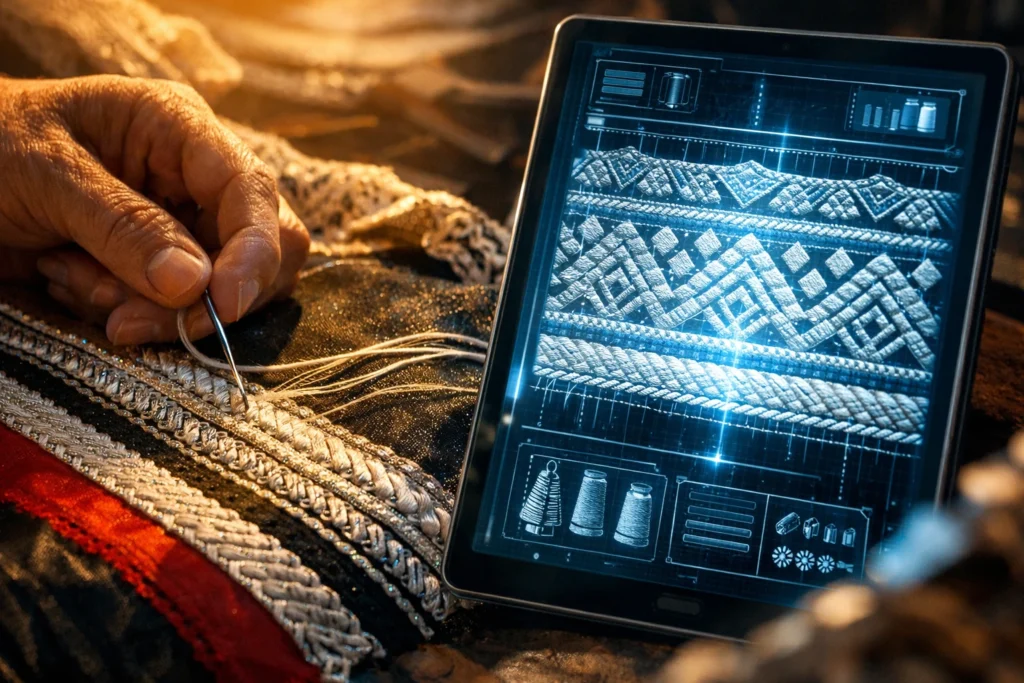
The New Silk Road, Weaving Digital Heritage into Gulf Luxury By Marina Ezzat Alfred At dawn, in a small workshop where sunlight slips through wooden shutters, a woman runs her fingers across a length of fabric her grandmother once embroidered by hand. The stitches tell stories, of long evenings, whispered prayers, and a patience learned from the desert itself. Today, beside her, a screen glows softly. It studies those same stitches, memorizing their rhythm, their imperfections, their quiet beauty. This is the new Silk Road: not a path of caravans, but a meeting point where memory and machine sit side by side, each honoring the other. Craft-Tech was born in moments like this. Not as a rebellion against tradition, but as an act of devotion to it. Technology here does not replace the human hand; it protects it from time, from loss, from being forgotten in a fast-moving world. Every algorithm becomes an archive, every digital pattern a promise that the soul of Arab craftsmanship will continue to travel forward, stitched into fabrics made for the Gulf sun, carried by a generation that wears its heritage with intention and pride. Craft-Tech When Code Learns to Respect the Hand In the ateliers of the Gulf, artificial intelligence moves quietly, almost reverently. It is not invited in as a shortcut, but as a guardian. Designers offer it thousands of hours of human devotion: archival Talli patterns, the precise pull of Zari threads, the gentle geometry passed from mother to daughter across generations. The ambition is never speed. It is fidelity to the hand, the heritage, and the meaning behind every stitch. One Emirati designer describes the process as “teaching a machine to listen before it speaks.” The technology studies how stitches breathe in the heat, how threads respond to movement, how nomadic life once shaped every motif. What emerges is not a replacement for craftsmanship, but its preservation, a living digital memory that can replicate with extraordinary accuracy, while still relying on human hands to give it soul. In this way, Craft-Tech becomes cultural conservation, protecting what might otherwise be lost to time and mass production. Interview Voices Designers as Cultural Stewards Across the region, designers no longer speak like trend forecasters chasing what’s next, but like historians protecting what must endure. In Saudi Arabia, one couturier describes how her studio uses AI to trace the life of a single stitch across decades, how it shifted with migration, softened with climate, and adapted to the rituals of daily life. “The machine doesn’t erase the past,” she says quietly. “It reveals it.” In Bahrain, another designer uses generative tools to test how ancestral embroidery lives on eco-engineered fabrics made for extreme heat. She smiles as she explains, “Our grandmothers worked with what they had. We do the same, but our tools are different.” What binds these voices is a shared belief that technology should extend memory, not overwrite it, becoming a lens that clarifies heritage, rather than a force that turns it into something disposable. Sustainable Luxury for a Desert Reality Luxury in the Gulf has never been indulgence for its own sake. Beneath the shimmer and scale, it has always answered the desert, through flowing silhouettes that move with the wind, breathable textiles that respect the sun, and layers designed for life in shifting heat. Today’s innovation does not break from this wisdom; it continues it, quietly and intelligently. Craft-Tech embroidery now lives on climate-conscious fabrics shaped for this reality: plant-based silks, recycled metallic threads, and textiles engineered to reflect heat while allowing the body to breathe. AI helps designers anticipate how ancestral stitches will respond to modern environmental stress, reducing waste and unnecessary experimentation. This is sustainability born of place, not trend. Conscious couture in the Gulf is not borrowed philosophy, it is ancestral logic, refined for the future. Fashion as Storytelling Along this new Silk Road, garments are no longer created simply to be admired, they are meant to be read. Each piece carries a story close to the body: a hand-embroidered panel whispering of coastal pearl divers and salt-stung mornings, a digitally preserved motif echoing the geometry of Bedouin tents beneath open skies. Through Craft-Tech, designers weave these layers of memory into fabric, allowing the story to travel the world without ever losing its accent. Global audiences are responding not only to beauty, but to meaning. Conscious couture offers a quiet transparency, revealing where the craft was born, who shaped it, and how it honors both people and planet. In this space, luxury slows down. It becomes deeper, more personal, and profoundly intimate, like a story told softly and meant only for those willing to listen. The Global Future Rooted in Sand As Gulf fashion steps onto the world stage, it does so without leaving itself behind. The embrace of AI and advanced technology is not a race to imitate Western production models, but a deliberate choice to offer something different, an approach where innovation lowers its head to heritage, and progress moves at the pace of respect. This new Silk Road is not built on volume, but on value. It proves that the soul of Arab craftsmanship can exist within a digital file, breathe through sustainable fabric, and still feel unmistakably human against the skin. In the soft hum of machines learning ancient stitches, the desert finds its voice once more, speaking quietly, confidently, to a global audience finally ready to listen.

The Scent of Longevity, Ancient Arab Apothecary Leads Wellness 2026

The Scent of Longevity, Ancient Arab Apothecary Leads Wellness 2026

The Scent of Longevity, Ancient Arab Apothecary Leads Wellness 2026 By Marina Ezzat Alfred In 2026, wellness no longer whispers, it remembers. It remembers a grandmother rising before dawn, warming milk over a quiet flame, crushing Sidr leaves with steady hands. It remembers frankincense drifting through a majlis, not as perfume, but as a promise of protection and balance. Across the Middle East, women are returning to these moments not out of nostalgia, but recognition. What once sustained their ancestors is now answering a modern hunger: to live longer, clearer, and more whole. This is the Longevity Movement, and it begins from within. A young woman checks her sleep data on a wearable ring, then reaches for a tonic inspired by ancient apothecaries. Her beauty ritual is no longer about the mirror, it is biological. Camel milk nourishes her gut, frankincense steadies her nervous system, and wisdom passed through generations meets precision science. She is not chasing youth; she is cultivating vitality. Here, beauty is not applied in layers. It is built slowly and intentionally, from the inside out. It is a return to self, guided by memory, strengthened by technology, and led by women who understand that true transformation is not something you fix, it is something you grow into. For years, women were taught to negotiate with the mirror, to smooth, erase, and correct. Beauty became a pursuit measured in surfaces and seconds. But across the Middle East, that conversation is quietly ending. In its place, a deeper question is being asked, one that feels less urgent and more profound: how long can I live well? The focus is no longer on how youth looks, but on how vitality feels, moves, and endures. Longevity wellness reframes beauty as an internal dialogue. Glowing skin becomes a signal of gut balance, strong hair a reflection of hormonal stability, sustained energy a marker of low inflammation, and resilient cells. What appears on the outside is no longer engineered, it is revealed. This is beauty from within, a philosophy born in ancient Arab healing traditions and refined by modern bioscience, where harmony inside the body becomes the most honest expression of beauty outside. Long before shelves were lined with labeled bottles, healing in the Arab world lived in ritual. A healer observed the seasons, the body’s rhythms, and the temperament of the individual. Plants were chosen with intention, resins burned with purpose, milks prepared to nourish both strength and longevity. Wellness was not a reaction to illness, it was a daily practice of preservation. Today, those same ingredients return with new language but familiar soul. Frankincense, Sidr, and camel milk are no longer passed down only through memory; they are studied, refined, and bio-engineered into clinically optimized formulations. What was once instinct is now precision, proving that ancient wisdom was never outdated, it was simply waiting for science to catch up. Frankincense once filled rooms with stillness. Its smoke drifted through homes and sacred spaces, slowing breath, settling the mind, restoring a sense of order. It was never just fragrance; it was protection, grounding, quiet medicine. For generations, its value was felt rather than explained. In 2026, science finally gives language to that feeling. Advanced extraction methods isolate boswellic acids, revealing powerful anti-inflammatory, neuroprotective, and cellular-repair properties. Transformed into precise ingestible compounds, frankincense now supports brain clarity, immune strength, and skin elasticity from within, proving that what once calmed the spirit is actively strengthening the body at its core. Sidr leaves were once gathered with care, soaked, crushed, and used in rituals of cleansing the body, the home, and the spirit. Their role was gentle yet profound, trusted to restore balance and remove what no longer served. Today, Sidr is being rediscovered through a scientific lens. Rich in antioxidants and uniquely supportive of the microbiome, bio-fermented Sidr appears in edible skincare powders and longevity tonics that stabilize blood sugar, improve digestion, and reduce oxidative stress, addressing the true biological foundations of graceful, lasting aging. In the desert, camel milk was never just nourishment, it was survival, strength, and continuity. It sustained travelers through harsh climates and nourished generations with quiet reliability. Its value was understood intuitively: it built resilience in bodies that needed to endure. Today, that ancestral nourishment is refined for modern longevity. Rich in immunoglobulins, bioactive peptides, and natural probiotics, camel milk is freeze-dried and nano-filtered into advanced supplements that support gut integrity, stimulate collagen production, and improve insulin sensitivity, transforming an ancient staple into a precision tool for long-term vitality. The most radical shift in the wellness revolution does not appear on the skin; it begins far deeper. Edible skincare redefines beauty as an internal process, where digestion, hormones, and cellular energy determine what the mirror reflects. By 2026, luxury wellness brands across the Middle East offer ingestible formulations designed to strengthen skin density, reduce systemic inflammation, support hormonal balance, and enhance mitochondrial function. These are not mass-produced solutions, but carefully tailored responses to the body’s unique signals, because true beauty is no longer applied universally, it is nourished personally from within. What truly distinguishes the Middle Eastern Longevity Movement is not technology alone, but how it is used. Smart rings, glucose monitors, sleep trackers, and hormone-mapping wearables collect real-time biometric data, heart rate variability, cortisol patterns, insulin response, circadian rhythm alignment. Yet this data is not treated as cold numbers. It is interpreted through a philosophy shaped by centuries of traditional healing, where rhythm, balance, and timing matter as much as treatment itself. The result is a deeply personal ritual system. Frankincense-based ingestibles are adjusted according to stress biomarkers, Sidr tonics are timed to digestive and glucose cycles, and camel milk peptides are consumed in harmony with sleep and recovery data. Technology does not replace tradition; it sharpens it, allowing ancient wisdom to meet the body exactly where it is today. At the center of this movement stand Middle Eastern women, grounded in heritage, fluent in science, and fully aware of their influence. Highly educated and globally connected,

Beyond Dubai Hidden Cultural & Eco-Tourism Journeys In The Emirates

Beyond Dubai Hidden Cultural & Eco-Tourism Journeys In The Emirates

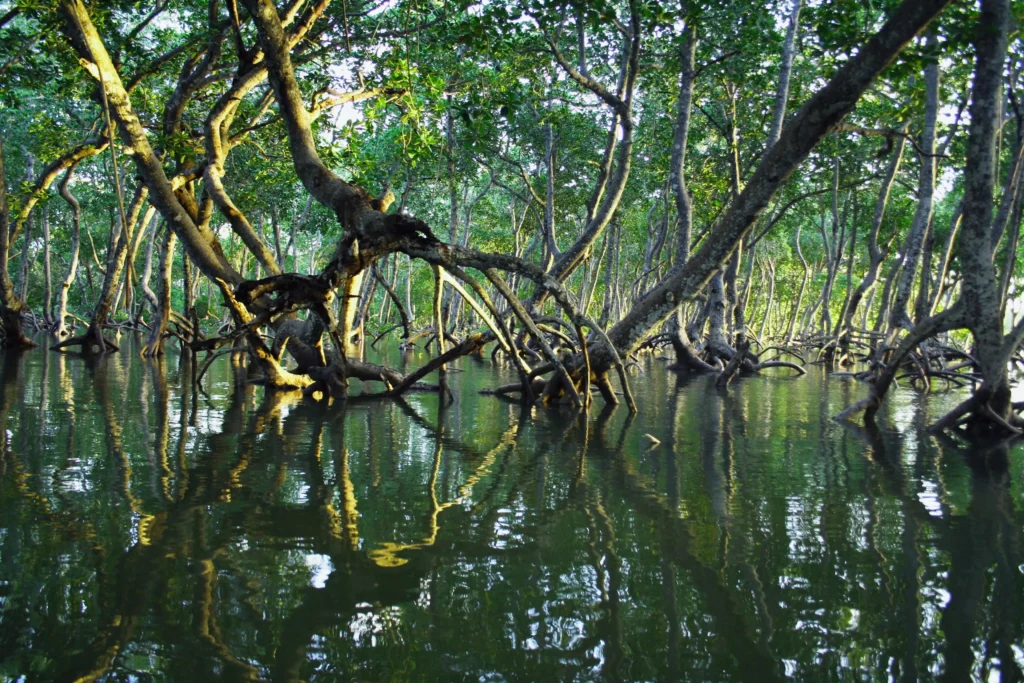
Beyond Dubai Hidden Cultural & Eco-Tourism Journeys In The Emirates By Marina Ezzat Alfred At sunrise, a traveler leaves Dubai behind as the skyline dissolves into open land. The road narrows, the air softens, and the pace of life changes almost immediately. In a mountain village, an elder shares coffee brewed the traditional way, speaking of seasons, falcons, and stories passed down long before highways existed. There are no queues here, no flashing screens, only the quiet rhythm of daily life and the sense of being gently welcomed into something deeply rooted and real. Further east, the sea tells a different story. Mangroves stretch their tangled roots into still water, sheltering birds and marine life that thrive because the land is protected, not exploited. A local guide moves slowly, explaining how conservation became a shared responsibility, not a trend. As the sun sets over the desert or the coast, travelers realize they are no longer just passing through the UAE, they are listening to it, learning from it, and carrying a piece of its living heritage with them. Discovering the Cultural Heart of Sharjah In Sharjah, the story unfolds at a walking pace. A visitor steps into the Heart of Sharjah just as the afternoon light settles on coral-stone walls, their textures shaped by time rather than design trends. Inside a restored home, the scent of old wood and Arabic coffee lingers while a guide speaks softly about families who once lived here. Nothing feels staged; preservation here is an act of respect, a quiet promise to let the past breathe within the present. As the day drifts on, the traveler wanders between a calligraphy house and a small heritage café, pausing not because of a schedule, but because the place invites stillness. Conversations replace crowds, and reflection replaces distraction. In Sharjah, sustainability is not announced, it is lived, through patience, continuity, and the careful passing of identity from one generation to the next. Mountain Life and Community Tourism in Hatta The road to Hatta rises gently, trading glass towers for rugged peaks and cooler air. A traveler arrives just as the mountains reveal their quiet strength, stone, wind, and wide horizons shaped by time. On a narrow trail, footsteps slow naturally, not from effort alone, but from awe. Here, adventure feels respectful, guided by an unspoken agreement to leave the land exactly as it was found. Later, in a small mountain village, the story deepens. A local farmer explains how water is shared, how crops survive thin soil and long summers, how community matters as much as nature. As night falls over an eco-lodge tucked between the hills, the silence feels earned. In Hatta, sustainability is not an idea, it is a way of living, steady and resilient, carved into the mountains themselves. Mangroves and Marine Conservation in Abu Dhabi Just beyond Abu Dhabi’s wide roads, the city softens into water and green. A traveler slips quietly into a kayak, the paddle barely disturbing the surface as mangrove roots rise like guardians from the sea. The guide’s voice is calm, explaining how these trees protect the coast and store carbon, but the lesson truly settles in the stillness, when a bird takes flight, or a fish ripples the water below. As the journey continues, the sense of care becomes unmistakable. Protected islands and wildlife sanctuaries feel less like attractions and more like promises kept. There is no rush, no spectacle to chase, only an invitation to observe, to understand, and to recognize that preservation here depends on humility. In Abu Dhabi’s mangroves, nature leads, and visitors learn to follow. Desert Conservation Beyond the Dunes As night settles over the desert, a small group gathers far from the roar of engines. A guide traces constellations across the sky, weaving stories once used by Bedouins to navigate vast, silent landscapes. By daylight, the same guide points to delicate plants and animal tracks in the sand, revealing how life adapts, survives, and quietly endures in a place many assume is empty. Here, the desert is no longer a thrill ride, it is a teacher. Through slow walks, shared stories, and careful observation, travelers begin to understand how traditional knowledge and modern conservation meet. What remains is not adrenaline, but respect, and the realization that the desert’s greatest gift is the wisdom it offers to those willing to listen. Coastal Heritage and Sustainable Fishing in the Northern Emirates At dawn in a quiet coastal village, the sea is already awake. Fishermen prepare their boats as they have for generations, moving with a rhythm learned from tides rather than clocks. A visitor stands nearby, listening as stories surface, of seasons, handmade vessels, and reefs once memorized like maps. The ocean here is not scenery; it is lineage, labor, and memory. As the day unfolds, the journey moves between old ports and coral restoration sites, where tradition meets responsibility. Conversations replace commentary, and learning happens through presence rather than performance. In Ras Al Khaimah and Fujairah, sustainable travel feels deeply human, rooted in trust, shared knowledge, and the quiet understanding that preserving the sea also preserves the people who live by it. A New Way to Experience the UAE The journey often ends the way it began, on the road, but the traveler is no longer the same. Somewhere between mountains, mangroves, deserts, and coastlines, the UAE has revealed itself not as a destination to consume, but as a place to understand. The rush fades, replaced by moments of listening, learning, and moving at the pace of the land and its people. In choosing these quieter paths, travelers find a different kind of richness. Progress no longer feels separate from preservation; it moves alongside it, carefully and with intent. What stays with them is not a checklist of sights, but a feeling of connection, respect, and a country that invites the world to travel not faster, but wiser.

Future Mobility In Uae 2025

Future Mobility In Uae 2025, Piloted Flying Taxis And Autonomous Transport Are Transforming Urban Travel

Future Mobility In Uae 2025, Piloted Flying Taxis And Autonomous Transport Are Transforming Urban Travel By Marina Ezzat Alfred The United Arab Emirates has entered a new era of mobility. In this era, flying taxis are taking off from urban vertiports. Autonomous vehicles are navigating city streets with precision. Smart infrastructure is connecting all modes of transport smoothly. While many countries are still testing new mobility technologies, the UAE is putting them into action. This effort is fueled by long-term national plans and a clear vision to change how people travel in modern cities. The UAE’s focus on future mobility is based on national plans, like Dubai’s Autonomous Transport Strategy. This strategy aims for 25% of all journeys to be self-driven by 2030. The vision includes advanced transportation systems, such as electric vertical take-off and landing aircraft (eVTOLs), autonomous shuttles, AI-powered ride-hailing fleets, and smart mobility networks that are hyper-connected. These efforts go beyond just upgrading technology. They represent a move toward cleaner cities, less traffic, and a more efficient, sustainable urban way of life. A New Reality for 2025 Flying taxis are no longer just a futuristic dream for the UAE; they are beginning official operations on select routes. These aircraft, developed by top companies like Joby Aviation, Volocopter, and EHang, use eVTOL technology to take off and land vertically, making them perfect for crowded city areas. They can carry two to four passengers and travel at speeds between 90 and 180 km/h, allowing people to cross Dubai in just minutes instead of hours. The rollout has begun with piloted flights, marking an important step before fully autonomous operations become the norm. These piloted journeys give early users confidence, improve overall safety, and help regulators refine long-term policies for urban air mobility. This careful approach shows the UAE’s commitment to responsible, precise, and forward-thinking innovation. Vertiports and Air Lanes For flying taxis to be a regular part of daily transport, infrastructure is key. The UAE is already working on it. Dubai’s initial network of vertiports will be located in strategic areas such as Dubai International Airport, Downtown Dubai, Dubai Marina, and Palm Jumeirah. These hubs will connect with existing transportation systems like the metro, electric buses, and autonomous shuttles, allowing for smooth travel across different modes. Dedicated low-altitude air corridors are also being created to ensure the safe and efficient movement of eVTOL aircraft throughout the city. This complete system, which includes airspace routes, vertiports, charging stations, and digital traffic management, sets Dubai apart as a global leader in urban air mobility. A Parallel Revolution on the Ground Alongside flying taxis, the UAE is developing self-driving transport on the ground. Companies like Cruise in Dubai and TXAI in Abu Dhabi are already running pilot fleets of self-driving taxis and shuttles. These vehicles use AI, high-precision sensors, and 5G connectivity to navigate traffic, spot hazards, and make decisions in real time.  The introduction of self-driving buses and last-mile pods completes the travel loop. This makes every stage of travel,from residential neighborhoods to big business areas, efficient and accessible. With centralized monitoring systems and strict safety measures, the UAE ensures that its autonomous networks meet global standards for reliability and user safety. Benefits for the Economy and Environment The move towards flying taxis and self-driving transport brings significant benefits. For the environment, relying less on traditional vehicles leads to lower emissions and reduced noise pollution. For the economy, the mobility sector opens up new chances in aviation technology, software development, maintenance services, and smart city infrastructure.  Tourism will benefit as well. A flying taxi ride over the Dubai skyline is expected to become a high-end travel experience that enhances the UAE’s global reputation for luxury and innovation. Challenges and the Road Ahead Despite its rapid progress, future mobility in the UAE faces natural and technological challenges. Heat, sandstorms, and visibility issues require strong aircraft designs and improved navigation systems. Expanding the network also needs ongoing investment in charging solutions, vertiport growth, and updates to regulations.  Still, the path forward is clear. After the 2025 piloted phase, the UAE plans to gradually shift toward fully autonomous flying taxis, highly integrated mobility apps, and possibly even inter-city hyperloop systems. With its bold vision, new technology, and hands-on governance, the UAE is changing what the world expects from urban mobility. The 2025 launch of piloted flying taxis and the growth of self-driving transport are just the start of a bigger change. This positions the UAE not only as a user of future mobility but as a country that is actively shaping the future.

Tourism Reimagined, How The Uae’s 2025 Mega-Events Transformed Visitor Experiences

Tourism Reimagined, How The Uae’s 2025 Mega-Events Transformed Visitor Experiences

Tourism Reimagined, How The Uae’s 2025 Mega-Events Transformed Visitor Experiences By Marina Ezzat Alfred The United Arab Emirates has long been recognized as a hub of luxury, innovation, and world-class attractions, drawing travelers from across the globe with its futuristic skyline, opulent resorts, and ambitious infrastructure. In 2025, the country took its tourism vision to a new level, redefining the way visitors experience a destination by hosting a series of major mega-events that captured international attention and set new standards for global tourism. These events, spanning cultural festivals, technological exhibitions, international sports tournaments, and immersive entertainment experiences, transformed how travelers interact with the UAE, creating opportunities to engage, learn, and explore in ways that were previously unimaginable. By combining cutting-edge technology, sustainability, and a deep celebration of local heritage, the nation not only created unforgettable experiences for visitors but also strengthened its economy, bolstered its global image, and cemented a new model for modern tourism worldwide. The 2025 calendar of mega-events in the UAE was both ambitious and diverse, reflecting a carefully designed strategy to appeal to a wide range of visitors. Expansions at Expo City Dubai introduced interactive exhibitions and immersive cultural pavilions, while Abu Dhabi hosted international sports competitions and world-class art festivals that drew top talent and global audiences alike. Government bodies such as Dubai Tourism, Abu Dhabi Tourism, and the Department of Culture & Tourism played a pivotal role in orchestrating these events, ensuring seamless coordination across multiple venues and cities. The overarching goals were clear: attract international visitors, diversify tourism offerings beyond traditional luxury shopping and sightseeing, and showcase the UAE as a modern, dynamic, and visitor-friendly destination. By merging entertainment, culture, and technological innovation, the UAE positioned itself as a pioneer in reimagining tourism experiences, appealing to families, solo travelers, and adventure seekers alike. A defining feature of the UAE’s 2025 events was the integration of advanced technology to create personalized and immersive experiences. Augmented reality, virtual reality, and artificial intelligence were incorporated into exhibitions, museums, and festival spaces, allowing visitors to explore cultural heritage digitally, interact with exhibits in real time, and embark on virtual tours of historical landmarks from their smartphones. Beyond digital engagement, the concept of the smart city enhanced convenience and connectivity, with mobile applications providing real-time navigation, event schedules, ticketing services, and AI-driven recommendations. Tourists could receive curated suggestions tailored to their interests, guiding them toward attractions, dining experiences, or interactive shows that matched their preferences. This fusion of technology and personalization transformed traditional tourism into an engaging, multi-sensory adventure, where the physical and digital worlds seamlessly intersected. Cultural experiences were central to the UAE’s strategy, and the 2025 events offered abundant opportunities for visitors to connect with Emirati heritage. Festivals celebrating local art, music, food, and traditions allowed tourists to immerse themselves in the region’s rich cultural tapestry. Contemporary art exhibitions, live performances by international musicians, and heritage parades provided experiences that resonated with both locals and international visitors. The careful curation of these events ensured authenticity while remaining accessible and entertaining, offering travelers a chance to gain a deeper understanding of the UAE’s history and evolving identity. Entertainment experiences complemented this cultural immersion, with concerts, theater productions, and large-scale multimedia shows featuring global stars captivating audiences of all ages. Collaborative efforts with renowned curators, creative directors, and international artists ensured that every performance, exhibition, or show was innovative while remaining true to the country’s cultural roots. Sustainability emerged as a critical focus during the 2025 mega-events, reflecting a commitment to environmentally responsible tourism. Event organizers implemented eco-friendly practices across venues, including the use of renewable energy, comprehensive waste reduction measures, and carbon offset initiatives. Many sites achieved green certifications, showcasing the UAE’s dedication to reducing environmental impact while maintaining world-class standards. Visitors were encouraged to participate in sustainable activities, from exploring eco-conscious exhibitions and utilizing electric transport to engaging with nature-based experiences. By integrating sustainability into tourism at every level, the UAE demonstrated that rapid growth need not come at the expense of the environment. This approach aligned with global trends toward responsible travel and strengthened the nation’s reputation as a forward-thinking destination that balances development with environmental stewardship. The economic impact of the 2025 mega-events was substantial. Hotels in Dubai, Abu Dhabi, and other major cities reported record occupancy rates, while restaurants, retail establishments, and transportation services experienced unprecedented demand. The influx of visitors generated employment opportunities across hospitality, tourism, and event management, contributing to job creation and GDP growth. Simultaneously, investments in infrastructure—such as expanded airport facilities, new museums, upgraded public spaces, and improved transportation networks—enhanced the long-term appeal of the UAE as a destination. By creating a sustained ecosystem of attractions and amenities, the country ensured that tourism growth would extend beyond the duration of individual events, providing ongoing economic and cultural benefits for years to come. Marketing strategies for the 2025 mega-events were as innovative as the events themselves. International campaigns leveraged social media, influencer partnerships, and virtual tours to showcase the UAE’s diverse offerings to audiences worldwide. Branding emphasized the nation’s identity as a hub of luxury, innovation, and cultural richness, appealing to travelers with a broad range of interests. Strategic collaborations with travel agencies, airlines, and global event organizers enhanced accessibility, simplified travel logistics, and increased international visibility. The combined effect of media coverage, digital marketing, and interactive promotional campaigns successfully positioned the UAE as a leader in tourism innovation, demonstrating that modern marketing can be as immersive and engaging as the experiences themselves. Hosting large-scale mega-events inevitably presented challenges. Coordinating logistics, managing crowds, ensuring transportation efficiency, and maintaining safety protocols required meticulous planning and execution. Balancing international expectations with the preservation of local cultural authenticity was also critical, ensuring that visitors could enjoy memorable experiences while respecting Emirati heritage. Despite these challenges, the 2025 events provided valuable lessons in event management, sustainable tourism, and visitor engagement. Insights gained from these experiences will inform future initiatives, helping the UAE refine its approach and maintain its competitive edge in global tourism.

Building the Digital Backbone Data Centers & Green Tech

Building the Digital Backbone Data Centers & Green Tech

Building the Digital Backbone Data Centers & Green Tech By Marina Ezzat Alfred Across the Gulf, there’s this whole new kind of infrastructure race unfolding. But it’s not about flashy skyscrapers or oil fields this time around; nope, it’s all centered on the silent powerhouses of our digital age, data centers. Honestly, from the outside, they don’t look like much. Yet, nestled inside those unassuming buildings? That’s where you find the real guts of AI, cloud computing, and all that digital transformation stuff, literally forming the backbone of what their future economy’s gonna be built on. From Riyadh all the way to Abu Dhabi, Doha, and even Muscat, they’re pouring billions into these vast facilities, designed specifically to store and keep our data super secure. What’s truly fascinating, though, is that unlike those big industrial booms of the past, today’s digital surge? It’s actually driven by a totally new priority: sustainability. So, the big challenge isn’t just building more data centers, you know? It’s about making them smarter, way cleaner, and, well, definitely greener. The Gulf’s New Digital Hubs These days, data centers? Man, they’ve turned into these super strategic assets. I mean, they’re absolutely vital for… well, everything, really, from helping run e-government stuff and powering autonomous vehicles, all the way to handling AI-driven healthcare and finance. And here’s the thing: keeping all that data safe and sound right here, locally? That’s what gives a country its digital sovereignty. Honestly, these places are becoming just as crucial as the old ports or oil terminals used to be back in the day. So, it’s no wonder you’re seeing this massive surge in places like the Gulf, right? Their huge AI ambitions are just totally fueling a boom in these ‘hyperscale’ data centers, basically, these giant facilities built to host huge cloud providers and, you know, whole national digital platforms. But here’s the real kicker: it’s not just about how big they are or how much stuff they can hold anymore. What truly sets the leaders apart now? It’s all about how efficient and sustainable they can be. Sustainability as Strategy You know, data centers really chew through a lot of power, so it’s no surprise that being energy-efficient has become a huge competitive edge for them. Especially in places with extreme heat, like, imagine the Gulf, operators are getting pretty clever. They’re actually using things like liquid cooling, smart modular airflow designs, and even AI systems, which are pretty much just constantly tweaking things to optimize energy use. And it’s not just the operators; governments are stepping in too. They’re tying these data centers right into renewable energy sources, especially solar power. Think about it: they’re taking the Gulf’s best natural asset, all that incredible sunlight, and turning it into the actual fuel for their digital future. How cool is that? Honestly, this whole green push really lines up perfectly with what the nations there are trying to do, cutting down carbon and diversifying their energy. I mean, when data centers plug into renewables like this, they’re not just growing the economy; they’re also being seriously responsible for the environment. It’s a win-win, really. Green Tech and Digital Resilience When we talk about “green tech” today, especially in places like the Gulf, it’s honestly way more than just efficient power. It’s about sustainable materials, smart waste management, and serious water conservation. You see it in their modern facilities: they’re using tons of recyclables, opting for air or liquid cooling to really cut down on water waste, and powering backups with hydrogen or biofuels. Pretty impressive, right? Then there’s the AI, which is brilliant. It constantly monitors and predicts power demand, actually rerouting workloads to completely avoid those energy spikes. What do you get? Data centers that pretty much think for themselves, adapting and sustaining, truly set a new bar for digital resilience. From Oil to Algorithms You know, it’s pretty wild to see the Gulf, a place we always just kinda thought of for its fossil fuels, really pivoting. They’re actually taking all that energy wealth they’ve built up and, get this, they’re pouring it into a super clean, digital future. It’s like, suddenly, data isn’t just data anymore – it’s the new oil, right? And managing all that data in a really sustainable way? That’s become this huge national mission for them. I mean, think about it: by building these awesome data centers powered by renewables, they’re not just being green. They’re actually creating their own digital independence. No more relying on some foreign cloud provider way out there; now they’ve got local control over their own critical economic data. It’s smart, really smart. The Human Factor You know, it’s funny how we often get so wrapped up in the machines themselves, but really, at the heart of all those incredible contraptions? It’s always people. And this region? They totally get that. They’re genuinely investing in the future, pouring resources into training up a whole new crew: the sharp engineers who’ll build what’s next, the brilliant data scientists who’ll make sense of our world, and, honestly, those absolutely crucial sustainability experts. Because, let’s be real, building that strong human foundation isn’t just about digital bells and whistles; it ensures our growth isn’t just some cold, hard tech thing. It’s got to be social, intellectual, and, well, fundamentally human too. Challenges Ahead Look, this whole journey? It’s riddled with challenges. We’re wrestling with massive energy and water needs, fending off constant cybersecurity threats, and honestly, the immense pressure to balance lightning-fast growth with genuine long-term resilience. The real kicker, the make-or-break test, is how we actually stay sustainable while exploding in size. A Sustainable Digital Future Imagine this: what you’ll see taking shape across the Gulf are these incredible, AI-managed, solar-powered data centers. And these aren’t just buildings, you know? They’re going to be the absolute core, the anchors, for whole networks of innovation, cutting-edge research, and those truly smart cities we’ve all been talking about. Honestly, what we’re

The Robotics Renaissance

The Robotics Renaissance, Visionary Policies Are Powering Regional Innovation

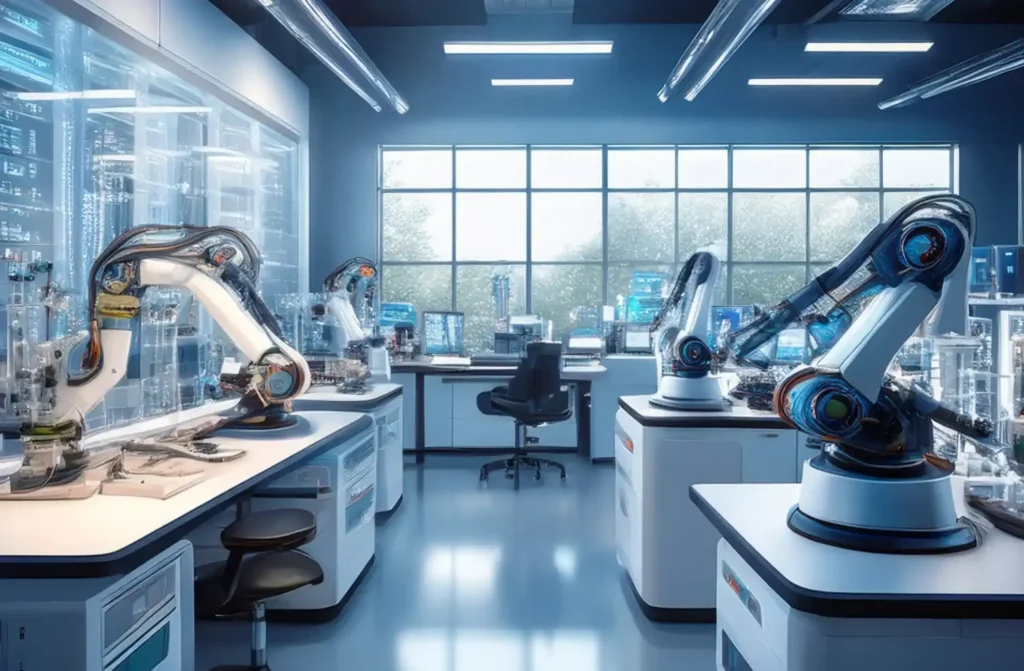
The Robotics Renaissance Visionary Policies Are Powering Regional Innovation From Abu Dhabi to Oman, Building the Region’s New AI Frontier By Marina Ezzat Alfred Imagine this, the Gulf’s future landscape, right? It’s going to be dotted with these amazing AI-managed, solar-powered data centers. But they won’t just be big, sterile buildings; they’ll be the beating heart, the anchor, for whole networks of innovation, research hubs, and our smart cities. And you know, this isn’t just some fancy tech upgrade. We’re talking about a whole new industrial revolution unfolding there, one that’s powered by algorithms and clean, renewable energy. Forget the old images of smoke stacks and steel mills; this is something totally different. A data center boom in the Gulf? It tells a much deeper story than just raw processing power. It’s a huge commitment to progress – progress that’s totally digital, truly sustainable, and fiercely self-reliant. Picture it: a future running on pure sunlight, kept cool by cutting-edge intelligence, and held together by sheer, incredible vision. It’s pretty inspiring, if you ask me. Abu Dhabi The Core of Intelligent Machines So, get this: Abu Dhabi, right? They’re totally spearheading the whole robotics and AI revolution in the region. And they’re not just dabbling; they’re pouring serious money into these research centers, specifically focused on, well, making sure those big ideas actually work in the real world. Inside their labs, it’s like something out of a sci-fi movie, honestly. They’re cooking up everything from actual humanoid robots and self-driving cars to those smart automation systems that are, you know, seamlessly slipping into things like our transport networks, hospitals, and even how packages get from A to B. Plus, they’ve got this really smart setup where government bigwigs and private companies actually team up. That means these wild prototypes don’t just sit around in a lab; they’re getting pushed out into the real world, fast. Ultimately, what they’re really aiming for is to just weave all this intelligent tech right into the fabric of daily life, making the whole city this incredibly efficient, adaptive, and, well, self-learning urban organism. Oman Innovation Through AI Zones You know, Oman’s actually making some incredibly smart moves right now. They’re really pushing forward with these dedicated AI and tech zones, and it’s all about pulling in top-tier global talent and exciting new startups. What’s super cool is that these aren’t just fancy offices; they’re like experimental playgrounds. Think about it: they’re letting folks test out cutting-edge robotics in energy, logistics, and manufacturing, and guess what? Way fewer regulatory hurdles to slow things down. And it’s not just about importing tech. Oman’s being really strategic about this: they’re trying to build a genuine knowledge-based economy from the ground up, linking universities with industries. That means they’re growing their own tech wizards right there at home, cultivating that expertise internally. It’s a pretty clever approach, if you ask me. Why the Region Leads the Next Frontier? You know, when you really think about it, the Middle East has actually become this fascinating global testbed for all things AI and robotics. Why? Well, there are a few big reasons. For starters, you’ve got genuinely visionary leadership there, pushing incredibly clear, national AI strategies. I mean, they’re not just dabbling; they’ve got a real plan, which is pretty impressive, honestly. And what helps them really move things along? They’ve set up these special technology zones with super flexible regulations. It means innovation isn’t getting bogged down in endless red tape, allowing things to just kinda take off. Then, of course, let’s not forget the sheer amount of investment they can pump into this. We’re talking massive capacity, backed by some seriously advanced infrastructure already in place. Plus, they’re not doing it all in a vacuum. They’re really smart about it, building strong global partnerships with leading universities and top-tier tech firms around the world. It’s all about collaboration, isn’t it? Ultimately, it all ties back to economic diversification. They’re using automation, AI, and robotics as a crucial tool for long-term sustainability and to stay competitive globally. It’s not just about what was; it’s about building what’s next. Pretty forward-thinking, if you ask me. Transforming Key Sectors You know, it’s pretty mind-blowing when you think about how fast things are evolving around us. I mean, take our cities, for instance, they’re essentially becoming these super-intelligent systems. We’re talking AI that’s practically running the show, managing traffic so it flows better, keeping utilities humming along, and even optimizing how we handle waste. It’s like something out of a sci-fi movie, right? Then there’s healthcare, and honestly, that’s where things get really wild. We’ve got robotic surgeons doing incredibly precise work, smart diagnostics catching things earlier, and entire hospital systems getting automated. It’s just making everything way more efficient, and more importantly, getting care to folks who need it, faster. And manufacturing? Totally reshaped. Robots aren’t just doing the heavy lifting anymore; they’re working alongside predictive systems that are cranking out goods with insane output and pinpoint accuracy. It’s a whole new ball game there. Even something as fundamental as energy is getting a massive upgrade. AI is constantly monitoring our power grids, making sure everything’s stable. Plus, we’ve got robots out there, literally maintaining pipelines and those massive renewable installations. Keeps the lights on, you know? Finally, think about agriculture and logistics, huge pieces of the puzzle for all of us. Drones are flying over fields, autonomous fleets are hitting the roads, and AI is orchestrating entire supply chains. It’s making everything so much tougher and more resilient, which, at the end of the day, means we can count on our food and the things we need. It’s pretty wild to see it all come together. Challenges and the Road Ahead Honestly, the biggest headaches? It’s always a struggle finding the right folks; that talent shortage is a huge one. Then you’re wrestling with all those ethical and regulatory questions, which are just tricky. And don’t even get me started

Local Voices: The UAE’s Emerging Entrepreneurs

Local Voices The UAE’s Emerging Entrepreneurs

Local Voices The UAE’s Emerging Entrepreneurs By Marina Ezzat Alfred The UAE has long been recognized as a global business hub, attracting multinationals and international investors. Today, a new generation of local entrepreneurs is reshaping the nation’s economy with bold ideas and innovative startups, signaling a shift from dependency on foreign enterprises to homegrown solutions. These forward-thinking individuals are transforming traditional industries and paving the way for a more self-sustaining and tech-driven future. A Supportive Ecosystem for Innovation Fuelled by strategic government initiatives such as the UAE Vision 2021 and the National Innovation Strategy, the entrepreneurial landscape has flourished. These programs have cultivated a dynamic environment that empowers both Emiratis and expats to bring their business ideas to life. With streamlined regulations, access to funding, and a strong push for innovation, the UAE is becoming one of the most startup-friendly nations in the region. Success Stories Leading the Way Notable examples have set a powerful precedent. Careem, founded by Mudassir Sheikha, Magnus Olsson, and Abdulla Elyas in 2012, evolved from a ride-hailing service into a tech ecosystem encompassing food delivery, payments, and car rentals. Its $3.1 billion acquisition by Uber in 2019 remains a landmark achievement in the region’s startup history. Souq.com, founded by Ronaldo Mouchawar in 2005, revolutionized e-commerce in the Middle East and was acquired by Amazon in 2017. Similarly, Talabat, launched by Abdulaziz Al-Loughani in 2004, has grown into the GCC’s leading food delivery platform, reflecting the rapid shift in consumer behavior toward convenience and digital services. Environments that Spark Creativity Creative and tech hubs across the country have become incubators for talent and innovation. Dubai Design District (d3) nurtures creative industries by hosting collaborative events, workshops, and exhibitions. Abu Dhabi’s Hub71, launched in 2019, supports startups in fintech, AI, and health tech through funding, mentorship, and global connectivity. Meanwhile, The Cribb in Dubai provides a collaborative co-working space that fosters entrepreneurial growth through community engagement and expert guidance. Revitalizing Traditional Sectors The impact of local entrepreneurship extends beyond tech. In agriculture, Pure Harvest Smart Farms, founded by Sky Kurtz, uses climate-controlled greenhouses to address food security with sustainable solutions that reduce water usage. Other agri-tech startups are leading the shift toward vertical farming and hydroponics, tackling the challenges of climate change and resource scarcity. In education, institutions like Hult International Business School are equipping future leaders with practical, innovation-focused curricula. Online platforms such as Almentor and Nabbesh are also bridging the skills gap, offering accessible training tailored to regional workforce needs. Healthcare is undergoing a digital transformation led by platforms like YAPILI, which connects patients with healthcare providers across Africa and the Middle East. Regional startups such as Healthigo and DabaDoc are streamlining patient care with services like telemedicine, digital records, and online appointment systems, improving both access and outcomes. Looking Ahead The UAE’s entrepreneurial future is bright. With a strong focus on sustainability, innovation, and digital transformation, startups are tackling challenges that are both local and global in scope. Continued government support through initiatives like the Mohammed Bin Rashid Innovation Fund and a growing network of angel investors will be critical to sustaining this momentum. The rise of local entrepreneurs marks a transformative era for the UAE. These visionary leaders are not only redefining business norms but are also shaping the region’s cultural and economic identity. As they push boundaries and inspire future generations, their voices will continue to lead the conversation in the region’s innovation journey.