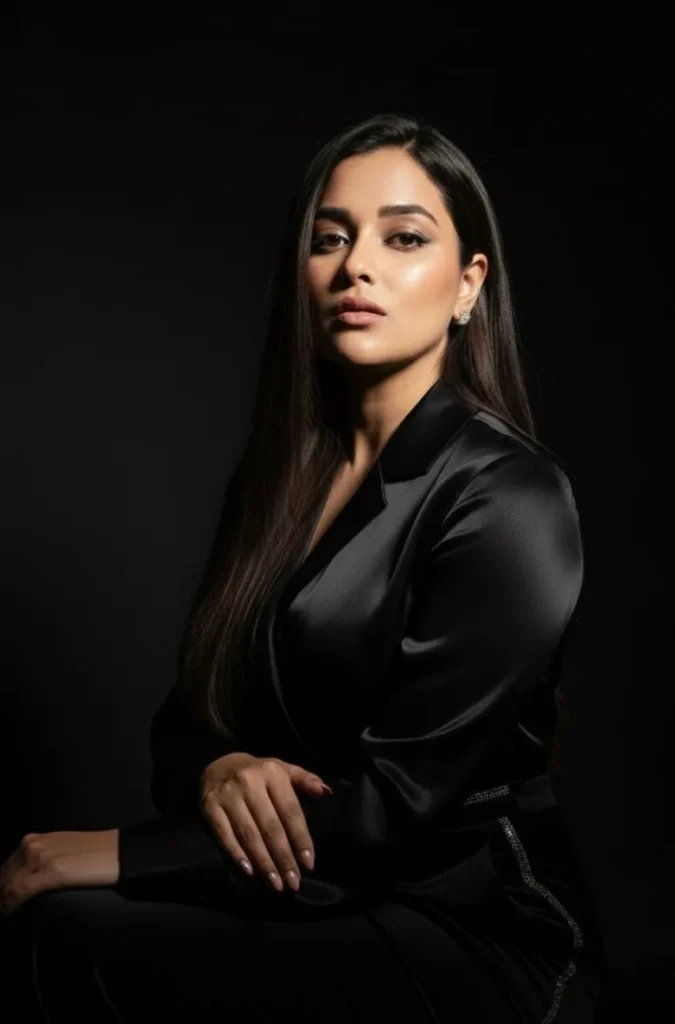


Karen Wazen Bakhazi, Founder & CEO, Karen Wazen Eyewear, Through Her Lens, The Global Rise of Dubai’s Minimalist Fashion Powerhouse
Karen Wazen Bakhazi Founder & CEO, Karen Wazen Eyewear, Through Her Lens, The Global Rise of Dubai’s Minimalist Fashion Powerhouse By Poulami Kundu In a city that thrives on vision, velocity and reinvention, Karen Wazen Bakhazi stands as one of Dubai’s most compelling modern style authorities. Entrepreneur, content creator and founder of the globally recognized brand Karen Wazen Eyewear, she has built an empire rooted in intuition, aesthetic precision and a deep understanding of what contemporary women aspire to wear, see and experience. With over eight million followers across platforms and a digital presence that bridges continents, Karen is more than a fashion personality. She is a cultural force shaping the language of minimalist luxury from the Middle East to the world. February finds her exactly where she belongs, at the epicenter of global fashion. From the front rows of New York to the ateliers of Paris, Karen moves seamlessly through the international fashion week circuit, embodying a distinctly modern Arab elegance. Her presence is not merely about attendance. It is about representation. In an industry once dominated by Western voices, Karen has carved out space for Middle Eastern creativity and entrepreneurship, proving that Dubai is not just a consumer of luxury but a creator of it. Her style philosophy is deceptively simple. Clean lines. Neutral palettes. Tailoring that speaks softly but with authority. Karen’s wardrobe rarely shouts, yet it commands attention. She gravitates toward sculptural silhouettes, fluid fabrics and architectural shapes that elevate everyday dressing into something intentional. This approach has become her signature and, in many ways, the blueprint for a new generation of Gulf women who want sophistication without excess. What distinguishes Karen from many digital influencers is the clarity of her brand. Scroll through her feed and a cohesive narrative unfolds. Sun drenched terraces in Capri. A sleek black ensemble against the skyline of Dubai Marina. A quiet moment with her children on a Maldivian beach. Each frame feels curated yet lived in, aspirational yet accessible. She has mastered the art of visual storytelling, creating a world that followers do not simply observe but long to step into. At the heart of this world is Karen Wazen Eyewear, the brand she founded in 2018. What began as a passion project quickly evolved into a global business stocked by leading retailers including Harvey Nichols and Bloomingdale’s. The concept was clear from the outset. Offer high fashion sunglasses with luxury design sensibility at an accessible price point. The response was immediate. Statement frames with bold acetate rims and sharp cat eye angles became instant bestsellers, spotted on celebrities and style insiders across Europe, the United States and the Middle East. This February, as she navigates fashion month, Karen is also unveiling new additions to her eyewear collections. The latest designs reflect an evolution of her aesthetic. Think refined metal detailing, softer oval shapes and oversized silhouettes that channel a subtle 1990s nostalgia while remaining thoroughly modern. There is a confidence to these pieces, a sense that they are not chasing trends but anticipating them. Karen’s instinct for what women want to wear before they know they want it has become one of her strongest business assets. Behind the polished imagery and global travel lies an intensely hands on founder. Karen is deeply involved in the creative direction of her brand, from initial sketches to campaign shoots. She understands her customer intimately because she is her customer. A working mother balancing meetings, school runs and long haul flights. A woman who wants her accessories to transition effortlessly from a morning coffee in Jumeirah to an evening event in Downtown Dubai. This lived experience informs every design decision. Her ability to merge entrepreneurship with authenticity is perhaps why her audience remains fiercely loyal. In an era saturated with sponsored posts and fleeting collaborations, Karen has built trust. She shares not only her successes but the realities of running a business and raising three children with her husband. Family is not a backdrop to her brand. It is woven into its identity. Whether documenting a ski trip in Switzerland or a summer escape to the South of France, Karen presents luxury travel as a shared family experience rather than a solitary indulgence. Dubai plays a central role in her narrative. The city’s skyline, desert landscapes and evolving cultural scene frequently appear in her content, positioning it as both playground and power base. Karen embodies a generation of Emirati and Arab entrepreneurs who have grown alongside the city’s meteoric rise. Like Dubai, her brand is ambitious, globally minded and unapologetically modern. Her presence at international fashion weeks this season underscores that global outlook. Seated among editors and designers, Karen represents a new kind of fashion authority, one born online yet validated offline. She understands the mechanics of digital engagement as fluently as she understands the cut of a blazer. When she steps out in a monochrome look paired with her latest eyewear design, the impact is immediate and measurable. Within hours, images circulate across social platforms and pieces begin to sell out. Yet for all the scale of her success, there is a remarkable consistency to her image. She has resisted the temptation to constantly reinvent herself for relevance. Instead, she has refined her core message season after season. Minimalist luxury. Empowered femininity. Effortless glamour. These pillars anchor her brand whether she is collaborating with a couture house in Paris or hosting an intimate launch event in Dubai. There is also a subtle cultural diplomacy in her work. Karen moves fluidly between East and West, often styling modest silhouettes with contemporary flair. In doing so, she challenges outdated stereotypes about Middle Eastern fashion. Her looks are cosmopolitan yet rooted, glamorous yet grounded. For young Arab women watching her journey, she offers a powerful example of how to honor heritage while embracing global ambition. As the eyewear industry becomes increasingly competitive, innovation will be key. Karen appears ready for the challenge. Recent teasers hint at expanded product categories and bolder design experimentation.