MAGNAV Emirates

Ruba Al Sarahneh

Ghazi Yaman

Ghazi Yaman, The Conqueror’s Mindset From Viral Influence to Visionary Impact

Ghazi Yaman The Conqueror’s Mindset From Viral Influence to Visionary Impact By Paul Smith In a world where speed defines success and innovation blurs with instinct, Ghazi Yaman stands as a modern architect of transformation, a strategist who has turned disruption into an art form. From boardrooms at Red Bull and Nestlé to building creator-driven empires, his journey reflects not just ambition but evolution, the evolution of mindset, momentum, and meaning. For Ghazi, walking away from the corporate world wasn’t rebellion, it was revelation. “I hit a point where I felt like I was living in a box, structured, polished, but limited,” he shares. “Big corporations move slow, and I’ve always been wired for speed.” He didn’t want to manage someone else’s vision; he wanted to create his own. That was the moment he realized his competitive edge, the ability to create, pivot, and execute at a pace few could match. That drive led him to engineer global influence. Ghazi played a defining role in transforming his brother Ayman Yaman’s viral platform into a powerful personal brand, a case study in turning digital fame into business sustainability. “The formula I created is Tease, Please, Seize,” he explains. “You tease by sparking curiosity, please by delivering value, and seize by converting that attention into trust or action. Every post, every campaign, all designed with purpose. That’s how you turn a creator into a rising star.” With Bottle Flip Investments, Ghazi introduced a new era in the creator economy, one powered by what he calls contentpreneurs. “A creator makes content, a contentpreneur builds a business around it,” he says. “We take influence and turn it into infrastructure.” For him, the goal is clear, to help creators evolve from monetizing moments to building scalable, long-term brands. “The future belongs to those who don’t just create content but create companies powered by their audience.” That same philosophy fueled The Brand Me Summit, now recognized as the world’s largest personal branding event. Ghazi’s conviction is that personal branding is not a luxury, it’s leverage. “In the next five years, the people with the strongest personal brands will become the next billionaires,” he asserts. “Social media is the new TV, except now, the power is in our pockets. Personal branding is no longer optional, it’s the foundation of influence, business, and leadership in the next decade.” His insights into brand longevity are simple yet profound, “Exposure means nothing without emotion. Anyone can buy attention, very few can earn it. The brands that last are the ones that make people feel something, every single time.” But perhaps the most surprising side of Ghazi’s empire is Disconnect Clothing, a brand that promotes digital mindfulness in an age of constant connectivity. “Disconnect isn’t anti-digital, it’s pro-awareness,” he says. “It’s a reminder to pause, be present, and live intentionally. I built my career online, but I protect my peace offline. Balance is about control, knowing when to connect and when to truly live.” When evaluating new ventures, Ghazi’s approach is both analytical and intuitive. “I look at alignment, adaptability, and authenticity,” he explains. “Before investing in a creator-led idea, we test it. If it aligns with their values and audience response is strong, that’s when it becomes scalable.” But the real test lies in conviction. “I ask one question, are they all in, or is it a side hustle? Because real brands aren’t built halfway.” Through his motivational series Your Dose of Vitamin G, Ghazi distills his philosophy into a single, powerful mantra, “I’m not done until I win.” He shares candidly, “I’ve gone bankrupt three times, and each time I came back bigger and better. Success isn’t luck, it’s resilience. If you can’t find a door, build one. And if you can’t build one, knock down the entire wall.” What drives him to keep evolving across industries, from proptech and fashion to events and digital branding, is not greed, but growth. “I’m not built to stay in one lane,” he says. “Everything starts with content, it’s the common language across all industries. We collaborate with the best in each field, bring the creativity and culture, and that’s how we scale. I don’t chase comfort, I chase momentum.” And when asked what legacy the name Ghazi Yaman should carry, his answer is deeply reflective. “The name Ghazi means conqueror, but not in the traditional sense. I want people to conquer themselves first, their mindset, their emotions, their fears. Because once you master yourself, you naturally start conquering everything else.” For Ghazi, true success isn’t measured by followers, fame, or fortune; it’s self-mastery. “Greatness doesn’t start with winning,” he concludes. “It starts within. If everything I’ve built inspires even one person to become better by just one percent, then I’ve done my job.” Through his ventures, vision, and voice, Ghazi Yaman continues to redefine the meaning of influence, proving that the future belongs not to those who chase attention but to those who command it with purpose, passion, and authenticity.

Beyond Qualification: UAE Is Redefining Its Football Future Ahead of 2026

Beyond Qualification UAE Is Redefining Its Football Future Ahead of 2026

Beyond QualificationUAE Is Redefining Its Football Future Ahead of 2026 By Ruba al Sarahneh More than three decades after their first and only World Cup appearance in 1990, the United Arab Emirates continues to chase the dream of returning to football’s biggest stage. The journey toward the 2026 FIFA World Cup has become more than a qualification campaign it is a reflection of national ambition, strategic rebuilding, and the evolution of Emirati football identity. A New Era and Renewed Ambition With the expansion of the 2026 World Cup to 48 teams, Asia’s qualification landscape has changed dramatically. The continent now has eight direct qualification spots and an additional playoff berth, offering renewed hope to teams that once hovered at the edge of the world stage. For the UAE, this expansion has breathed new life into an old dream. The appointment of Romanian coach Cosmin Olăroiu marked a turning point. Known for his disciplined systems and pragmatic approach, Olăroiu has emphasized mental focus, tactical structure, and physical consistency. Under his guidance, the UAE has adopted a more balanced playing philosophy, one that values patience, collective movement, and intelligent transitions rather than relying solely on individual brilliance. While the path has not been without setbacks, the sense of direction has become clearer. The team’s style today reflects maturity less, emotional, more methodical, suggesting that Emirati football is learning to play the long game. Performance and Progress Throughout their qualification journey, the UAE has achieved a record that reflects steady progress. Their attack remains their biggest strength. With Fábio Lima and Ali Mabkhout leading the front line, the team continues to find creative solutions in the final third. Behind them, emerging talents like Harib Abdalla, Khalifa Al Hammadi, and Abdullah Ramadan bring youthful dynamism and hunger. Defensively, challenges remain particularly in set-piece organization and concentration during crucial moments. As sports analyst Bakhit Saad observed on Sharjah Sports TV, the UAE’s long-standing difficulties with defending set pieces have been a recurring issue, exposing tactical gaps that stronger teams exploit. Yet, the squad has shown greater tactical awareness in recent matches, a sign of the gradual progress taking place behind the scenes. More than the numbers, what stands out is the team’s evolving character. There is a noticeable improvement in communication, work rate, and on-field unity, small details that point to a more confident and mature footballing culture. Regional Context  A New Arab Football Era The current World Cup cycle has witnessed a historic milestone for Arab football. For the first time, seven Arab nations have earned their place on the global stage, a record that signals a collective rise in competitiveness and ambition across the Arab world. From Asia, Saudi Arabia, Qatar, and Jordan represent the region’s growing strength, while from Africa, Morocco, Tunisia, Algeria, and Egypt continue to uphold their legacies. Together, they embody a golden era for Arab football, one built on years of investment in youth academies, infrastructure, and coaching education. For the UAE, the motivation runs deeper. The national team’s pursuit of World Cup qualification is intertwined with the country’s broader vision for sports excellence. Football in the UAE has long been more than a game; it is a source of national pride, community spirit, and international identity. Each match played becomes a statement that Emirati football belongs in the global conversation and continues to evolve through patience, planning, and passion. The Human and Cultural Dimension Behind every campaign lies a wider story  one that extends beyond the pitch. In the UAE, the fan culture surrounding the national team has grown significantly. Whether in stadiums, fan zones, or online platforms, the connection between supporters and players remains heartfelt. Media coverage, too, reflects this evolving relationship. Sports networks and social platforms amplify every victory, analyze every setback, and sustain public engagement through lively debates and analysis. This ecosystem of fans, journalists, and analysts plays a vital role in maintaining the emotional heartbeat of the game ensuring that football continues to unite the country beyond club rivalries and regional lines. The sense of national identity that comes with wearing the UAE shirt is powerful. For players, it is about representing a nation that has invested deeply in its youth and continues to believe in their ability to compete with the best. For fans, it is a source of pride that transcends results  an ongoing narrative of effort, belief, and belonging. Strengths, Weaknesses, and Identity The UAE’s current squad embodies a blend of experience and renewal. Its strengths lie in technique, creativity, and tactical adaptability traits rooted in the domestic league’s development. The country’s continued investment in youth academies and coaching infrastructure is slowly bearing fruit, producing players with both technical finesse and professional discipline. Still, the team’s main challenge is mental resilience, the ability to sustain performance under pressure. The balance between ambition and composure often determines the outcome in crucial fixtures. In many ways, this is the heart of the UAE’s football journey: learning how to turn potential into consistent success. The Road Ahead The upcoming playoff phase will test everything the team has built discipline, chemistry, and belief. It is the kind of challenge that defines not only qualification hopes but also long-term identity. Whether they reach the World Cup or not, this campaign already represents progress. Compared to previous qualification cycles, the UAE now displays a more structured approach, a clearer tactical identity, and a deeper pool of young talent ready to carry the flag forward. What remains essential is consistency, maintaining the same hunger and humility beyond individual matches. For players and fans alike, the dream is no longer distant. The 2026 qualifiers have reignited belief that the UAE’s return to the world stage is not a matter of “if,” but “when.” Editorial Reflection From an editorial perspective, the UAE’s World Cup pursuit transcends sport itself. It mirrors the nation’s broader philosophy, a belief in growth through persistence and excellence through preparation. The story of this team is not defined by one campaign or one result; it is defined by evolution. The UAE’s football journey reminds us

Football Future Ahead

Global Football Academies in the United Arab Emirates: Building the Future of Football Excellence

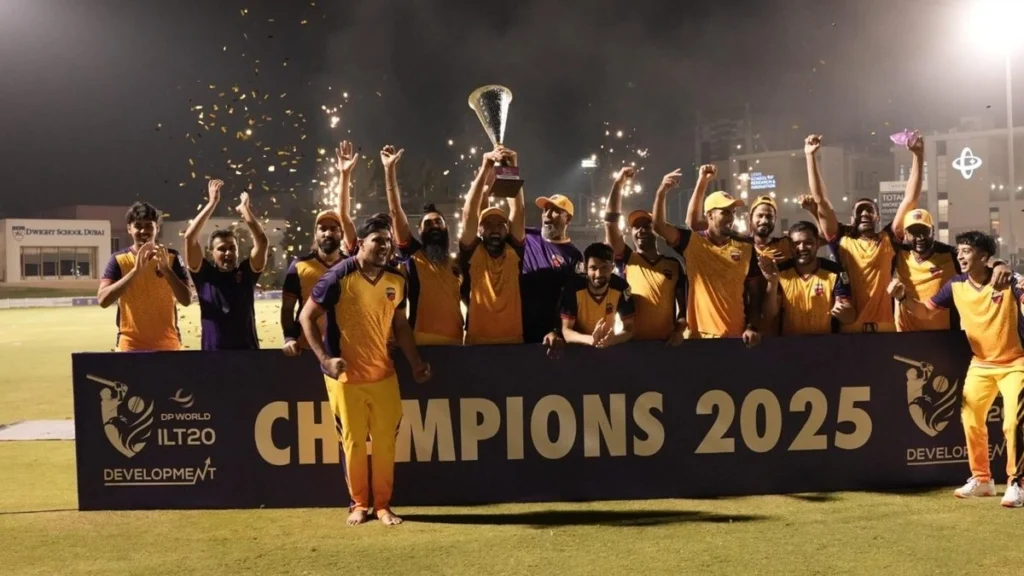
Global Football Academies in the United Arab Emirates Building the Future of Football Excellence By Ruba al Sarahneh Over the past two decades, the United Arab Emirates has proudly emerged as a vibrant hub for global football academies, uniting international expertise with local passion. From FC Barcelona and Manchester City to Juventus, AC Milan, and Real Madrid, some of the world’s most iconic football clubs now call Dubai and Abu Dhabi their home away from home. These academies have become beacons of opportunity, bringing world-class training, advanced methodologies, and the dream of international success to thousands of young talents across the nation. A Vision of Global Collaboration The UAE’s strategic location, exceptional infrastructure, and growing enthusiasm for sports have made it a natural destination for global football expansion. Establishing academies in Dubai and Abu Dhabi enables leading European clubs to connect with a diverse, dynamic community while aligning perfectly with the UAE’s vision to become a global leader in sports development. Real Madrid’s academy proudly brings its “La Fábrica” philosophy to the Gulf, shaping hundreds of aspiring players with discipline, teamwork, and technical mastery. FC Barcelona’s celebrated “La Masia” methodology, which produced legends like Xavi, Iniesta, and Messi, now inspires young athletes in Dubai to think, train, and play like the world’s best. Each of these academies contributes to a larger story, one of growth, opportunity, and cultural exchange through the universal language of football. Empowering Young Talent At their heart, these academies are about opening doors. They introduce local and resident children to the same elite coaching, tactical education, and modern training methods that define Europe’s top leagues. From Manchester City’s focus on modern athleticism to Juventus’ emphasis on tactical awareness, young players in the UAE are developing with international standards in mind. Many promising Emirati talents have even been invited to train in Europe through exchange programs, creating exciting pathways for global exposure and personal growth. Such experiences nurture ambition and strengthen the bridge between the UAE and the world’s football capitals. Impressive Growth and Participation The numbers tell a remarkable story. The UAE now hosts academies from FC Barcelona, Manchester City, Juventus, AC Milan, Real Madrid, and LaLiga, among others. Dubai alone is home to more than 11 international football academies, highlighting the country’s commitment to youth development. The Juventus Academy, for instance, trains over 1,500 players every year across multiple locations in Dubai and Sharjah. The LaLiga Academy UAE reached a record of 1,000 registered players in 2022, showcasing growing enthusiasm for structured football education. And the Dubai Open Football Academies Championship 2025, featuring 12,000 young players from 600 teams, stands as a testament to how deeply football has taken root in the Emirates. A Model for Youth Development While global comparisons highlight different approaches, the UAE’s model stands out for its inclusive and forward-thinking nature. Qatar’s Aspire Academy and Saudi Arabia’s grassroots initiatives offer lessons in structured growth, but the UAE’s approach uniquely combines international expertise with a multicultural, community-driven environment. Here, every child, Emirati or expatriate finds an opportunity to learn, grow, and compete at high levels, making the UAE a true melting pot of football innovation and collaboration. Beyond the Game: Building Character and Community For many families, enrolling their children in football academies is about much more than sport. It’s about developing discipline, teamwork, respect, and leadership—values that extend far beyond the pitch. These programs also promote healthy lifestyles, friendship, and cultural understanding, reinforcing football’s power as a tool for unity and education. Parents across the UAE increasingly recognize the importance of structured sports programs, not only for potential careers but for shaping confident, balanced, and socially responsible young individuals. Elevating Grassroots Football There’s no denying the profound impact these academies have had on grassroots football in the Emirates. By introducing advanced coaching philosophies and training standards, they have significantly elevated the technical and tactical level of young players. Many local coaches and clubs have also benefited from knowledge exchange and partnerships, ensuring that the benefits reach the broader football ecosystem. A Bright Future for Emirati Football The UAE’s journey in football development is one of determination, collaboration, and vision. The presence of global academies is already bearing fruit—raising the level of competition, nurturing homegrown potential, and positioning the nation as a future exporter of talent. With continued investment in youth programs, integration with local clubs, and unwavering support from families and communities, it is only a matter of time before a young player from a UAE-based academy shines on the international stage. The UAE’s Winning Goal The arrival of Real Madrid, Barcelona, Manchester City, Juventus, and others in the UAE is more than a branding milestone. It’s a statement of confidence in the nation’s sporting future. These academies symbolize progress, opportunity, and unity through the beautiful game. The UAE is not just hosting football academies, it’s building the foundation for a new generation of champions. From the training fields of Dubai to the stadiums of tomorrow, the spirit of ambition, excellence, and teamwork continues to define the nation’s journey toward football greatness.

Al Shindagha Museum – Preserving Dubai’s Heritage for the Future

Al Shindagha Museum Preserving Dubai’s Heritage for the Future

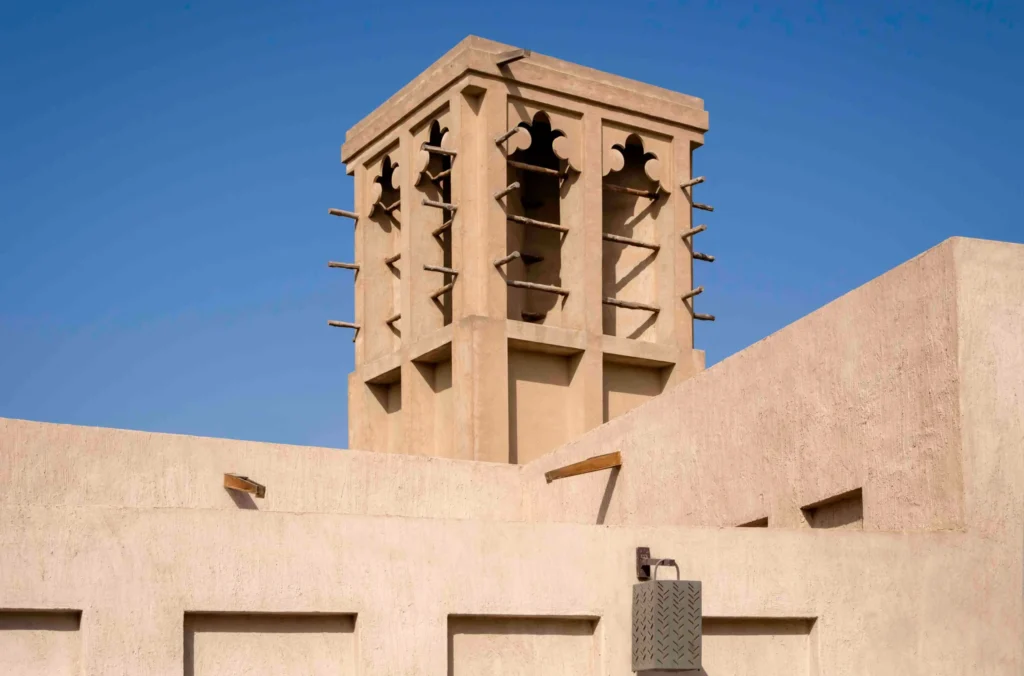
Al Shindagha Museum Preserving Dubai’s Heritage for the Future By Ruba Al Sarahneh On the banks of Dubai Creek, where wooden dhows once carried pearls and spices and wrote the first chapters of the emirate’s story, stands Al Shindagha Museum  a living witness to a city’s journey that bridges past and present. Here, visitors do not merely view historical artifacts; they immerse themselves in an experience that transports them into the homes of rulers and merchants, hearing the voices of generations that shaped Dubai’s identity. In an age where the emirate is often defined by skyscrapers and technology, Al Shindagha Museum reminds us that Dubai’s true strength begins with its roots. The Historical Significance of Al Shindagha Al Shindagha district occupies a special place in Dubai’s history. It was once the seat of the Al Maktoum ruling family in the late 19th and early 20th centuries, and from this place, Dubai began its transformation from a small trading port into a global hub. According to Dubai Culture, the restoration project has converted more than 180 historic houses into cultural venues, turning the area into the emirate’s largest open-air museum. This scale reflects Dubai’s ambition to preserve heritage while making it accessible to millions of visitors. Layout and Thematic Pavilions Al Shindagha Museum is not a single building but a district of museums, each housed in restored heritage homes with a thematic focus. Collectively, they form a mosaic of cultural narratives. Perfume House: Chronicles the history of fragrances in the UAE, highlighting traditional ingredients like oud and frankincense, and showcasing how perfumes are interwoven with Emirati identity. Culture and Living Pavilion: Dedicated to social traditions, family structures, and Emirati customs, offering an intimate look at how people lived, celebrated, and preserved their values. Governance and Society Pavilion: Focuses on law, leadership, and governance, honoring the ruling family’s role in shaping Dubai’s path of development. Trade and Innovation Exhibits: Shed light on Dubai’s long-standing commercial heritage, especially in pearls, spices, and textiles, and connect these roots to the emirate’s current role as a global trade hub. Storytelling through Innovation What sets Al Shindagha Museum apart is its blend of heritage and innovation. The museum doesn’t rely solely on static displays but leverages immersive storytelling through: Interactive digital screens displaying historical maps and documents. 3D films recreating scenes from Dubai’s early days. Audio narratives where Emiratis recount their ancestors’ experiences. This ensures that new generations and international visitors engage with history in an accessible, captivating way. It reflects Dubai’s philosophy: preserving heritage doesn’t mean freezing it in time but re-telling it in ways that resonate with the modern world. Cultural and Social Impact Al Shindagha Museum is more than a tourist attraction; it is a cultural and educational platform. In 2023, Dubai welcomed 17.15 million international visitors (Dubai Tourism data), and cultural sites like Al Shindagha are increasingly central to this experience. The Dubai Historic District Project aims to attract 12 million visitors annually by 2025, positioning heritage as a cornerstone of the tourism economy. For Emiratis, the museum strengthens identity and pride, allowing families and students to reconnect with their roots. For expatriates and international visitors, it provides an authentic perspective on Emirati culture that goes beyond skyscrapers and luxury. Education and Community Engagement: Keeping Heritage Alive Beyond its role as a heritage landmark, Al Shindagha Museum functions as a living classroom where history becomes tangible for new generations. In a city where futuristic skylines and cutting-edge technologies often dominate the narrative, the museum plays a crucial role in reminding residents and visitors alike that the foundations of Dubai’s global success are rooted in culture, memory, and human experience. For schools and universities across the UAE, Al Shindagha has become an essential destination for experiential learning. Instead of reading about history in textbooks, students can walk through authentic heritage houses, feel the cool shade of barajeel wind towers, and visualize how families once gathered in open courtyards. This direct engagement with heritage creates an educational experience that is not only informative but also deeply emotional. Teachers report that visits to the museum spark curiosity among students, encouraging them to ask questions about how their ancestors lived, traded, and governed. Such interactions strengthen a sense of national pride while ensuring that cultural identity remains relevant in a rapidly globalizing society. The museum also offers specially designed educational programs and workshops tailored for young learners. These include storytelling sessions where Emirati elders share oral histories, craft workshops that teach children traditional skills such as weaving and pottery, and digital activities that blend interactive media with historical content. By combining tradition with innovation, these initiatives make heritage accessible to a generation raised in the digital age. For many Emirati children, the museum provides the first opportunity to understand the sacrifices and values that shaped their country, anchoring their identity in a fast-changing world. Al Shindagha’s role, however, extends beyond the classroom. It actively engages the wider community by serving as a space where Emiratis and expatriates can connect through shared cultural experiences. Community events, seasonal festivals, and public lectures bring together people of different backgrounds to celebrate the richness of Emirati traditions. For expatriates, who make up the majority of Dubai’s population, the museum offers an authentic entry point into the local culture, allowing them to develop a deeper appreciation of the society they live in. This inclusive approach positions the museum not just as a cultural institution but as a bridge fostering dialogue between communities. One of the most impactful aspects of Al Shindagha’s community role is its collaboration with local artisans and cultural practitioners. By hosting demonstrations of traditional crafts, from pearl diving techniques to textile weaving, the museum ensures that intangible heritage is passed down to younger generations. These demonstrations are not staged performances but genuine efforts to keep fading traditions alive. Many artisans see the museum as a platform to showcase their skills, generate income, and inspire apprenticeships. In this sense, the museum not only preserves the past but also sustains living heritage for the future. The museum’s educational and