Eid al-Itihad
The UAE’s National Day
Unity, Culture and A Promise of Prosperity
Honouring the past, uniting the present, and imagining a future built on hope and togetherness
By Janhavi Gusani
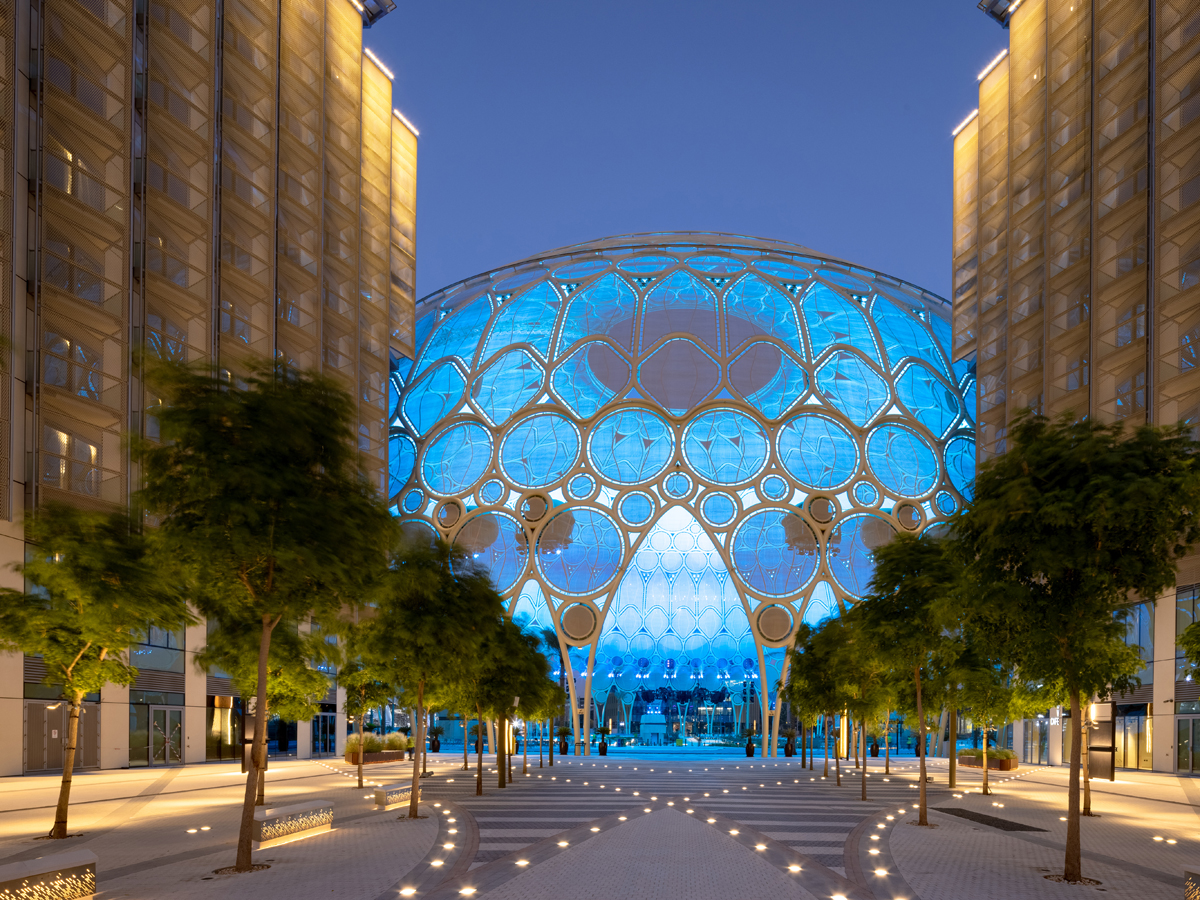
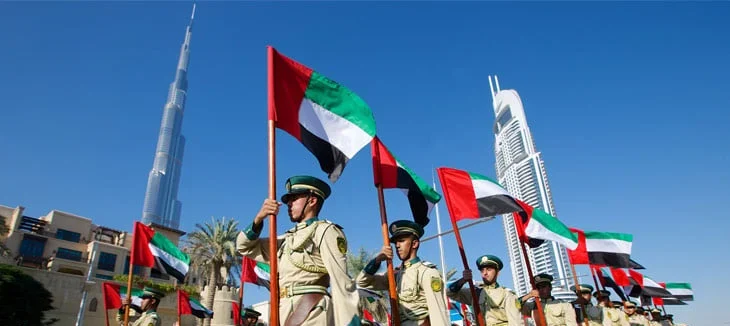
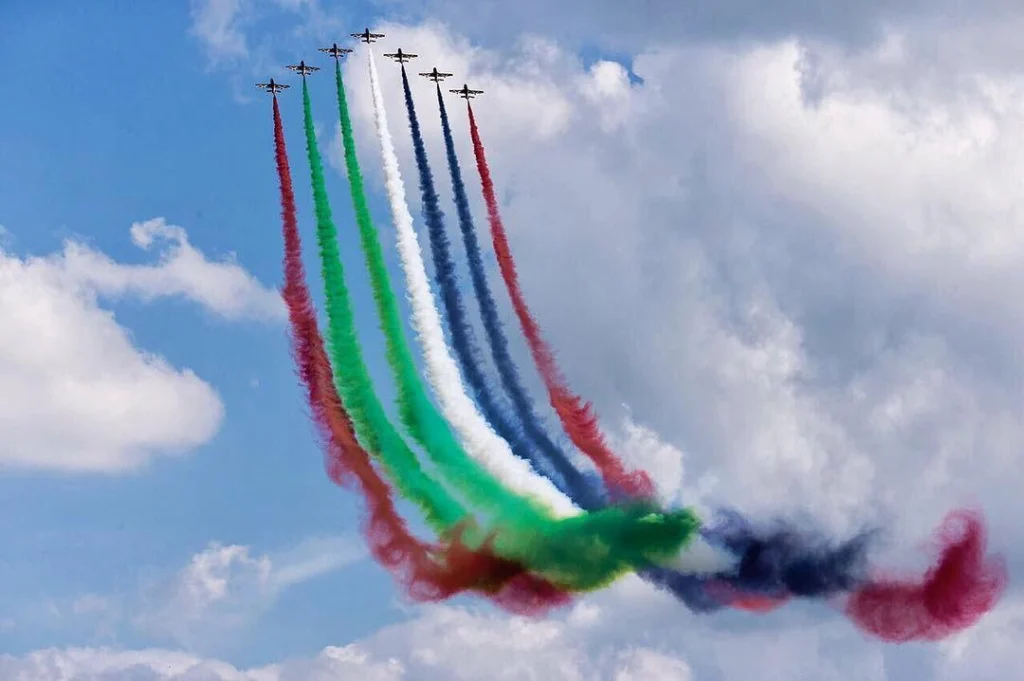
Every December 2 the United Arab Emirates pauses to celebrate a story that reads like a modern fable: seven emirates each with its own history, leadership and traditions choosing union over fragmentation and building, within a single lifetime, one of the most dynamic countries in the world. National Day is both a commemoration and a living manifesto: a ritual that connects the UAE’s foundational values to the ambitions of a future built on tolerance, safety and shared prosperity. As the dawn of 2nd December nears, the nation is wrapped in pride, patriotism, and the vibrant colours of its flag. Eid Al Ittihad is more than a national holiday, it is a commemoration of the UAE’s history, its vision, and its enduring resilience. From the dunes of the Arabian Gulf to the wings of aircraft soaring across the sky, the country prepares to celebrate 54 years of unity this year.
A union born of pragmatic idealism
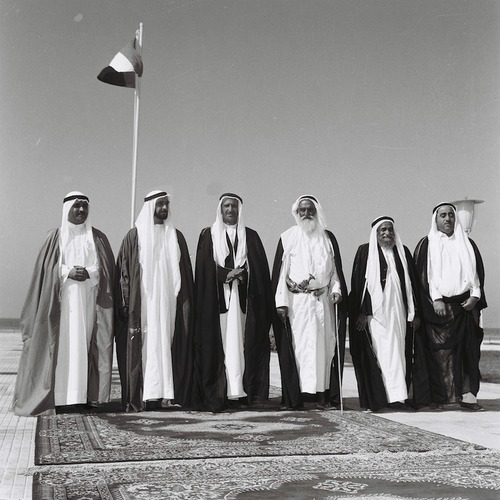
The formation of the UAE in 1971 was a practical, visionary response to the needs of a small, disparate region at a moment of rapid change. That strategic choice to bind together for defense, development and dignity remains central to National Day’s meaning.
What started as a pragmatic union has been enshrined as a national ethic: collective responsibility, sensible governance and an emphasis on long-term nation-building. The National celebration starts right from a month ahead as the country celebrates Flag Day on November 3rd.
This occasion was established by H.H Sheikh Mohammed bin Rashid Al Maktoum in 2013 as a mark of Sheikh Khalifa bin Zayed al Nahyan’s presidential rise (in 2004) – by quoting it as a “renewed commitment to the values of the UAE, along with a sense of belonging, loyalty and gratitude to the homeland and its leaders”
Core values, the moral code behind the momentum
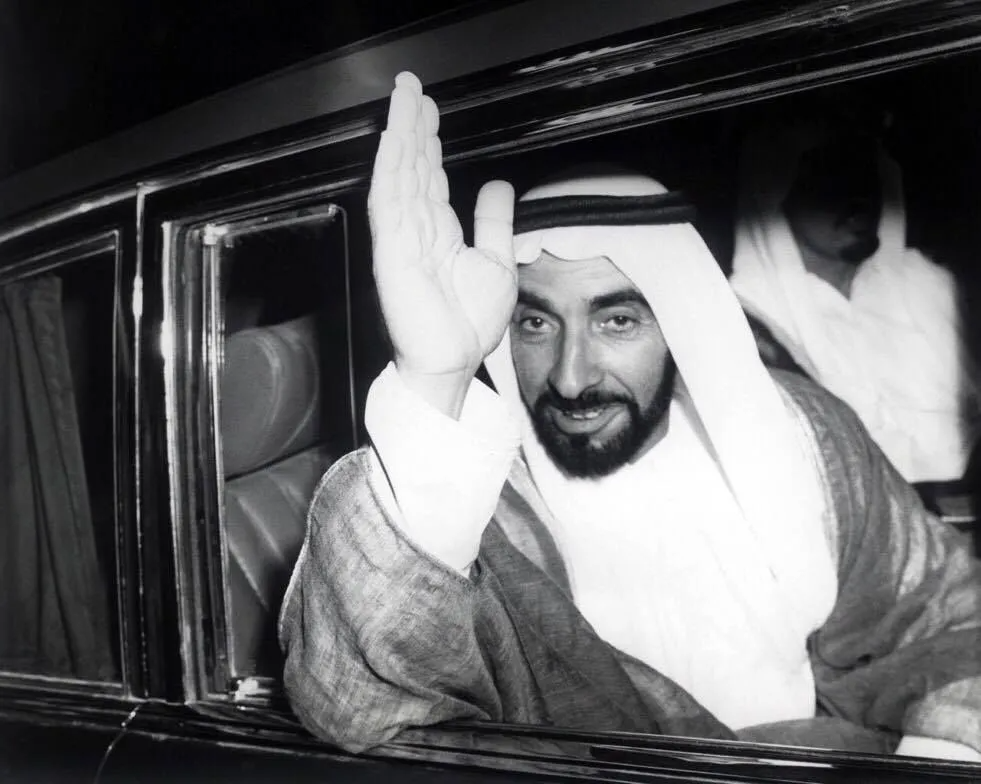
At the heart of the UAE’s public narrative are a handful of repeated, powerful values: generosity, tolerance, dignity and service. These are not abstract slogans. The UAE’s founding generation explicitly anchored policy in moral maxims notably the words of the late Sheikh Zayed bin Sultan Al Nahyan, who urged that “to treat every person, no matter what his creed or race, as a special soul, is a mark of Islam.” Those lines have been translated into institutions and public programmes that prize inclusion and community welfare.
Multiculturalism, the city-state effect
The UAE’s society is unusually cosmopolitan. Official figures and long-running demographic trends show the country hosts residents from more than 200 nationalities, and expatriates make up the overwhelming majority of residents a fact that shapes everything from festivals to cuisine to the labour market. Rather than flat-line assimilation, the UAE cultivates a model of negotiated multiculturalism: public celebration of diverse cultures alongside civic initiatives that promote workplace equality, religious freedom and cross-cultural exchange. National Day has become an occasion to showcase that mosaic Emirati heritage alongside Indian, Filipino, Egyptian, Pakistani, European and African traditions that are all woven into daily life.
Culture and identity, rooted innovation
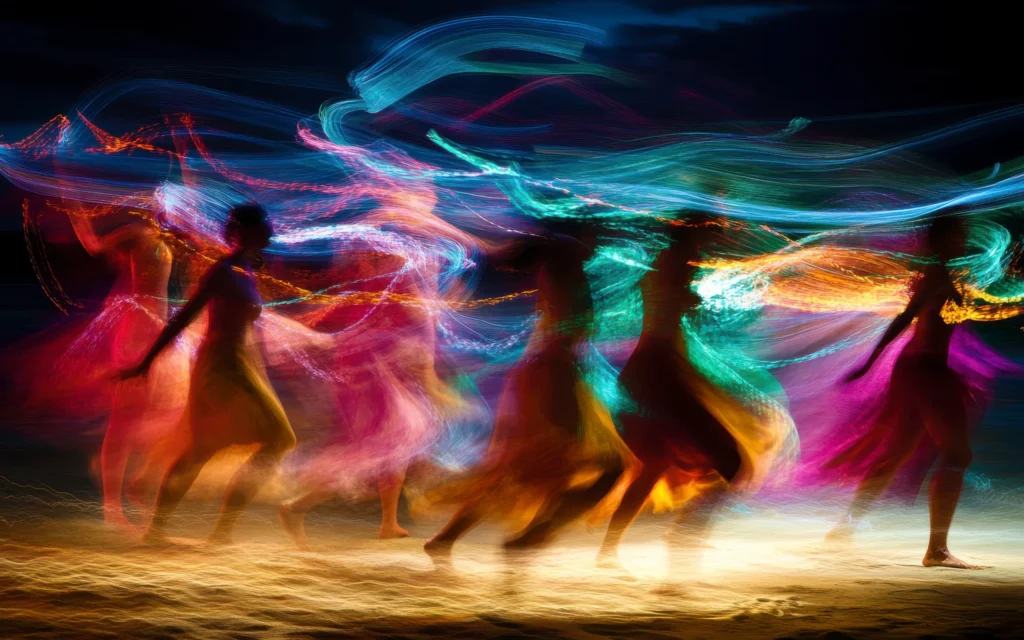
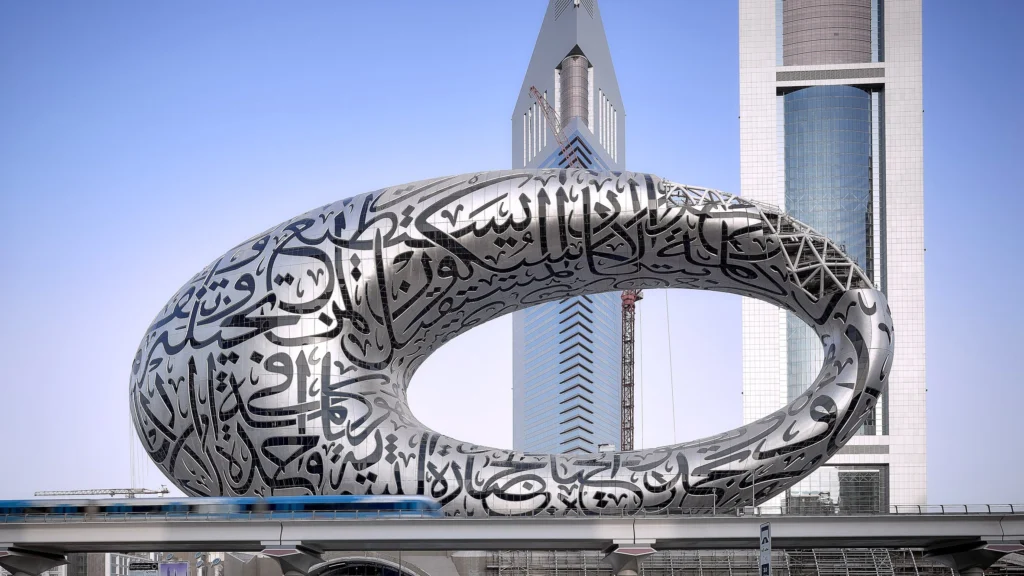
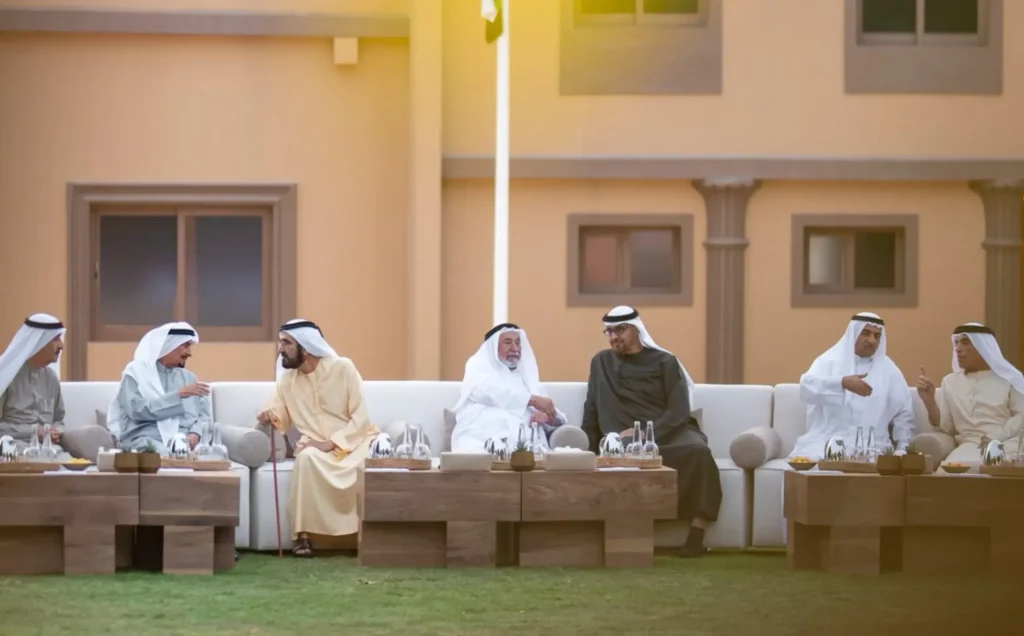
The UAE’s cultural scene during National Day is instructive: traditional arts (poetry, falconry, pearl-diving stories, majlis gatherings) are deliberately staged alongside contemporary music, large-scale public art, and avant-garde design. This duality — rooted tradition plus bold innovation is intentionally cultivated by national cultural strategies and festivals. It frames the UAE not as a place that abandoned the past for the future, but as one that uses its past as a platform for creative reinvention.
Prosperity with an eye to sustainability
Economic success has been central to the UAE’s post-1971 story. The government’s national strategies from Vision 2021 to “We the UAE 2031” and the Centennial 2071 roadmap explicitly link prosperity to diversification, talent attraction, and high-value knowledge sectors. The message of National Day is therefore both celebratory and aspirational: to honor what has been built, and to articulate the economic targets that will define the next decades. These policy goals double GDP, stronger innovation ecosystems, and a global-talent magnet shape the public conversation around wealth, opportunity and inclusion.
Safety and trust, an asset for everyday life
Public safety and order are often taken for granted by residents and visitors alike, but they are a deliberate pillar of statecraft. Recent international indices show notable improvements in the UAE’s peacefulness and safety scores in the past few years, reflecting investments in policing, diplomacy and crisis preparedness. Safe streets, predictable services and stable institutions are part of what makes the UAE an attractive place to live, work and invest and that sense of security becomes more palpable during national festivities, when public spaces fill with families and visitors.
Love and belonging, how National Day feels on the ground
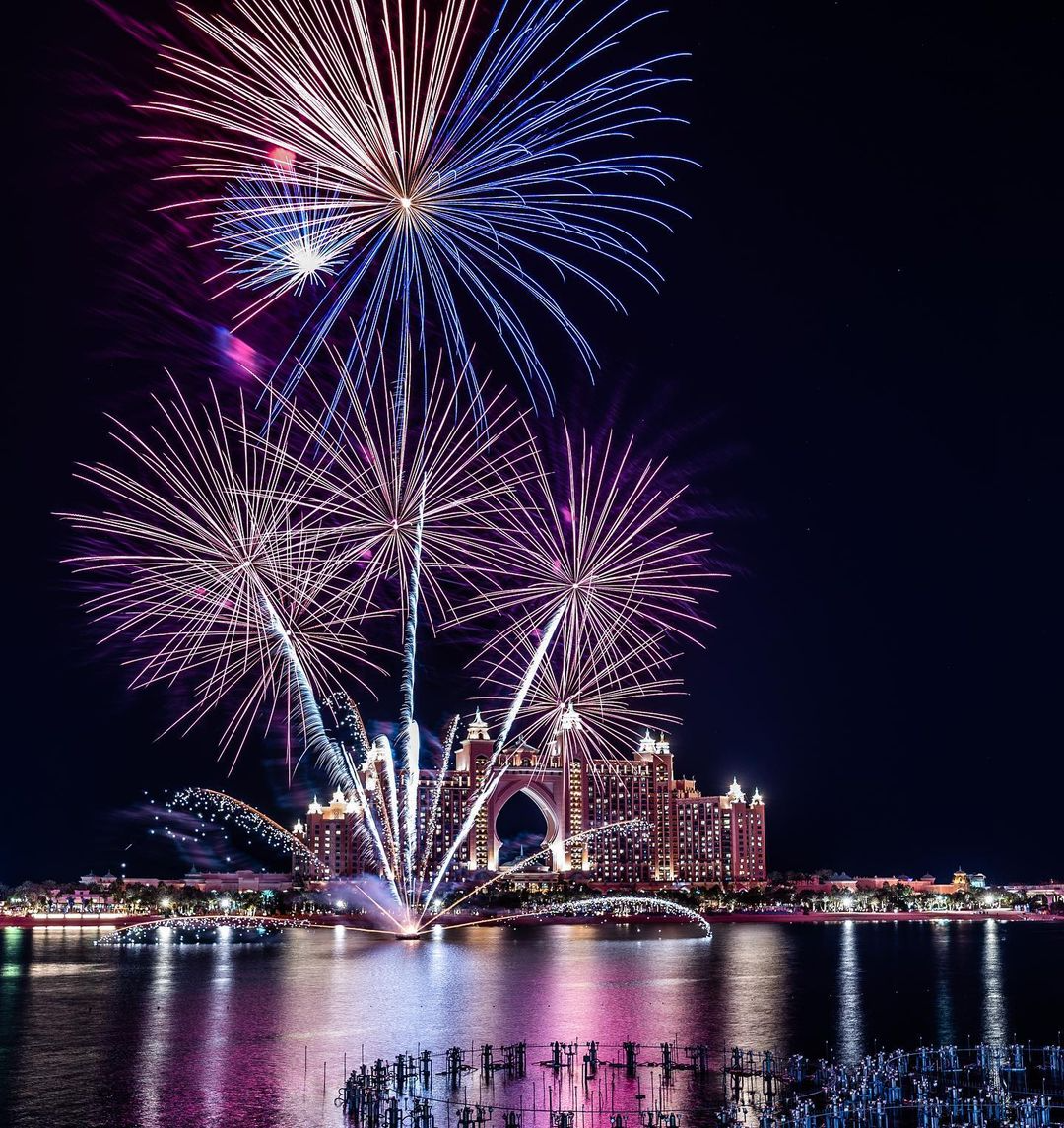
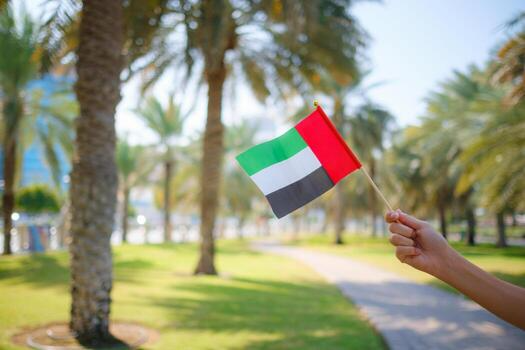
On the ground, National Day’s aesthetic is intimate and exuberant. Flags drape office towers and balconies; children learn national songs in school; food festivals and Emirati hospitality create moments of cross-cultural exchange. The tone is one of affection rather than performative patriotism: a civic love that’s nurtured by visible public goods (healthcare, transport, public parks) and the rituals that connect people to the state and to one another.
A day that builds the year
National Day is not merely a public holiday. It is a calibrated civic ritual that performs the UAE’s identity back to itself: a blend of unity and plurality, heritage and invention, stability and ambition. For readers of Magnav Emirates, the day is a reminder that the UAE’s social contract has been repeatedly renewed through legislation, through culture, and most importantly, through everyday acts of hospitality and cooperation.
As the country stages ever larger visions for its future, National Day will continue to be the moment when those visions are both celebrated and translated into the small, practical choices that actually build a society.