History Did Not Forget Women by Accident
It Forgot Them by Design
By Bisma Ijaz
Imagine waking up in the world as a woman, trying to find your way to understand who you are. You engross yourself in research for meaning, spending hours gaining “self-awareness,” only to find out that what you relate to is always written by a male figure. How strange, right? You do hours of retrospection through reading and thinking, trying to connect with your own being intellectually, but you always end up aligning with the male experience, again. Trapped within hegemonic ideas of masculinity and femininity in our minds, any woman who strives to be self-aware, educated, and possess a nuanced political conscience goes through the same vicious cycle every day.
This question has always triggered me: how is it possible that what I am feeling is labelled “unfeminine,” interrupted with, “You are behaving like a man,” just because I cannot be otherwise? You want to study? Go into soft topics, beauty, fashion, teaching, not as a scholar or expert, or in nursing. Don’t think beyond that. But what about the woman who loves astronomy, politics, history, economics, international affairs, and all these hardcore topics that have been “unfairly” reserved for men for thousands of years because masculinity is associated with power, strategy, resilience, and discipline? Ironically, women equally possess these qualities, but access to power often compels us to backslide.
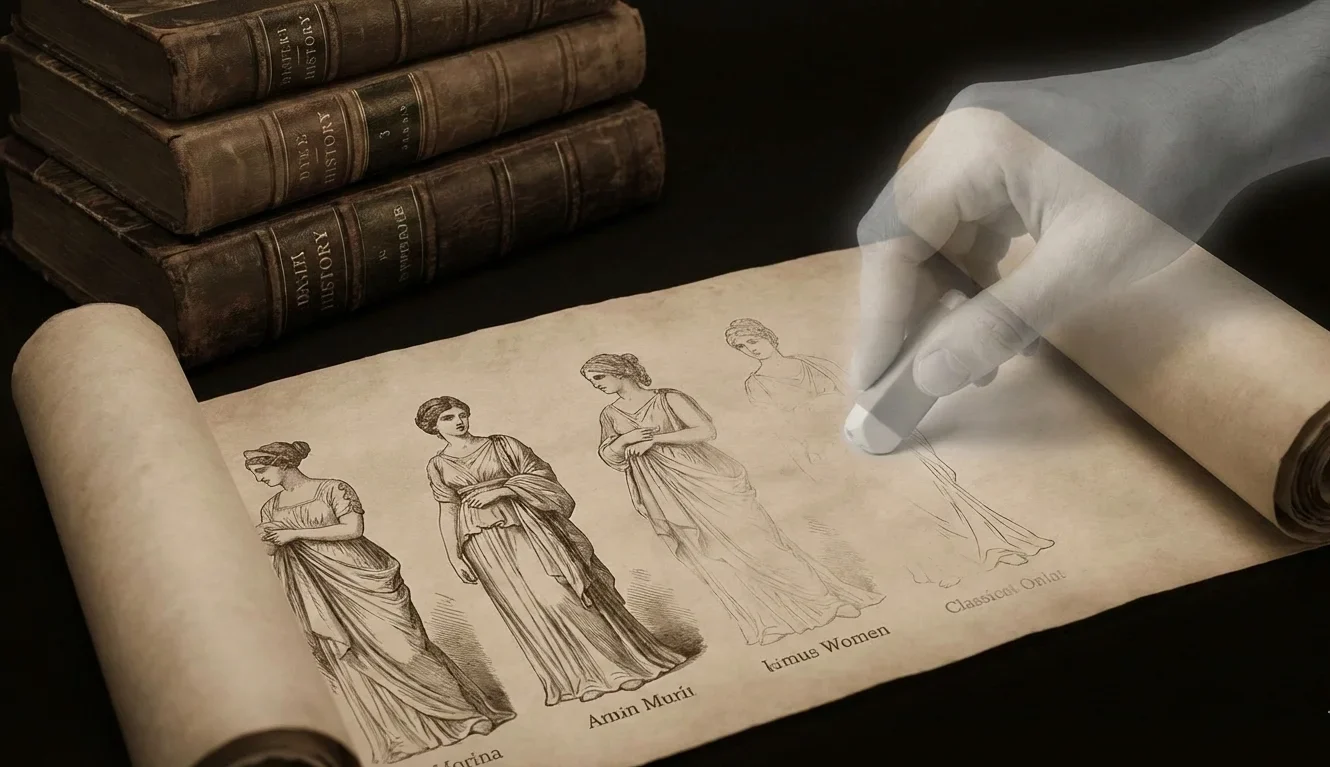
These rogue definitions of masculinity and femininity have eroded a thought that every human should ask: what if history is missing its 50 per cent, the other half of the population? Women. For several years, we have been listening to champions of human rights, the West, telling us how they have always stood for women’s rights. However, they often forget to mention that it was colonialism that deliberately eroded the great women of history. It was its innate sexism that labelled women as naïve, uneducated, emotional, and much more.

For instance, Socrates holds immense importance in the foundation of Western philosophy, but male historians did not mention that his teacher was a woman named Aspasia. Science fiction, which is supposed to be a genre for men, guess what? The first-ever science fiction novel, Frankenstein, was written by a woman, Mary Shelley.
In science, this phenomenon is known as the “Matilda Effect.” U.S. suffragist and abolitionist Matilda Joslyn Gage observed this deliberate suppression of the contributions of female scientists within research work and the common practice of women researchers crediting their work to male counterparts. In response, Margaret W. Rossiter, a U.S. science historian who coined the term in 1993, pointed out that some male historians who were willing to write about female scientists and their achievements quickly made women’s work invisible after their deaths, even if they were recognised during their lifetimes. This hypocrisy of male historians clearly manifests on the pages of history.
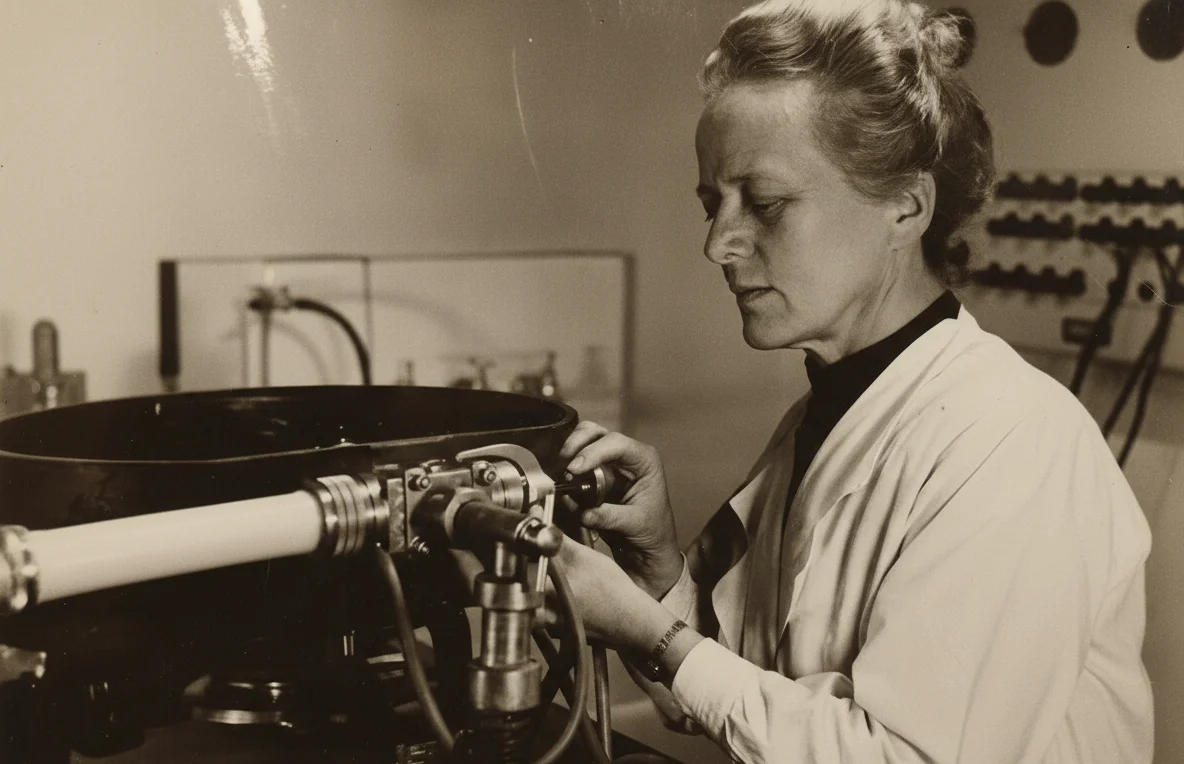
Ida Noddack, who first proposed the concept of nuclear fission, was dismissed at the time. Similarly, Lise Meitner, who co-discovered nuclear fission, was denied recognition when the Nobel Prize was awarded only to her male colleague, Otto Hahn. Another example is Katherine Johnson, a NASA mathematician whose calculations enabled spaceflight success but were overshadowed by her male contemporaries. Ada Lovelace, the first computer programmer, was dismissed for a century as merely a translator.
One of the most evident space mysteries, dark matter, had its existence proven by American astronomer, Vera Rubin. However, she was never awarded the Nobel Prize, potentially due to historical biases against women in science. What makes this erasure even more troubling is that Muslim societies, despite holding a rich history of women working alongside men, also allowed these legacies to be forgotten.
Instead of researching and reclaiming these histories, Muslims confined women inside their bedrooms, removing all their significant roles and reducing them to a “shell” shaped by distorted interpretations of religion, often driven by superiority complexes and sexual control.
Khadija bint Khuwaylid, the first wife of Prophet Muhammad (PBUH), was a businesswoman. What Muslim historians often ignore is her wisdom and conscience, directly linked to her being a successful, wealthy businesswoman and trader. Not only as a successful individual, she was also able to console and be equally emotionally present for her husband when the Apostle received his first revelation. It was her profound experience that gave her the emotional intelligence to seek guidance from a prominent Christian scholar, Waraqa ibn Nawfal.
Fatima bint Muhammad al-Fihriya is ranked as one of the most influential Muslim women in history for founding the world’s first university. It is believed that Pope Sylvester II, an alumnus of the University of Al-Qarawiyyin, brought the use of zero and Arabic numerals to Europe following his studies there.
Mariam “Al-Astrulabi” al-Ijliya was the only female astronomer of her era recognized as an eminent authority in astronomy. She crafted astrolabes, which were widely used to predict the positions of stars, planets, and the sun, and were also used by Muslims to accurately determine the direction of the qibla, required for prayer while facing Mecca.
The list is so extensive that a single piece cannot contain it. This alone reveals how easily one’s gender, despite being a foundational pillar of society, can be erased simply for being a woman. This is not a debate of men versus women. It is about constructing a certain identity for women and confining them within a rigid shell governed by rules, while ignoring the fact that women hold equal identity and individuality.
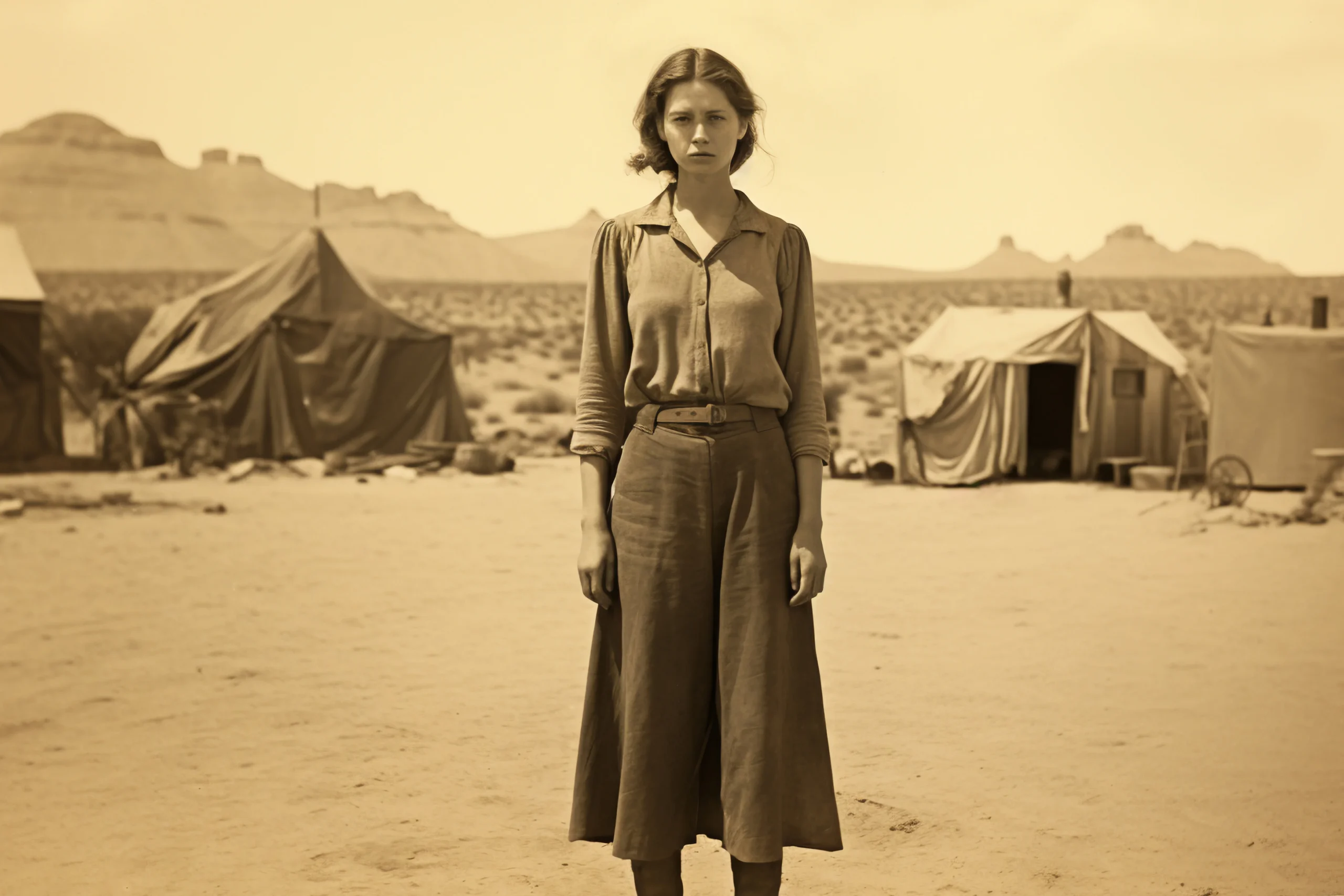
Let us pause for a moment. Women are repeatedly told they are born solely to be mothers. Yet how can we expect them to be great mothers if they are denied the opportunity to develop conscience, awareness, and an understanding of a rapidly evolving world? Every debate that seeks to confine women to a fixed identity ultimately exposes the reality of gendered privilege.
It is time to recognize women as full individuals, navigating life for the first time, just like men do. If remarkable women in history managed to achieve greatness and made extraordinary discoveries without proper opportunities, imagine the heights humanity could reach if they had access to the same privileges as men.