
Prof. Nancy Ip
The Responsibility of Knowledge
A Life in Neuroscience Leadership & the Pursuit of Science That Serves Humanity
By Paul Smith
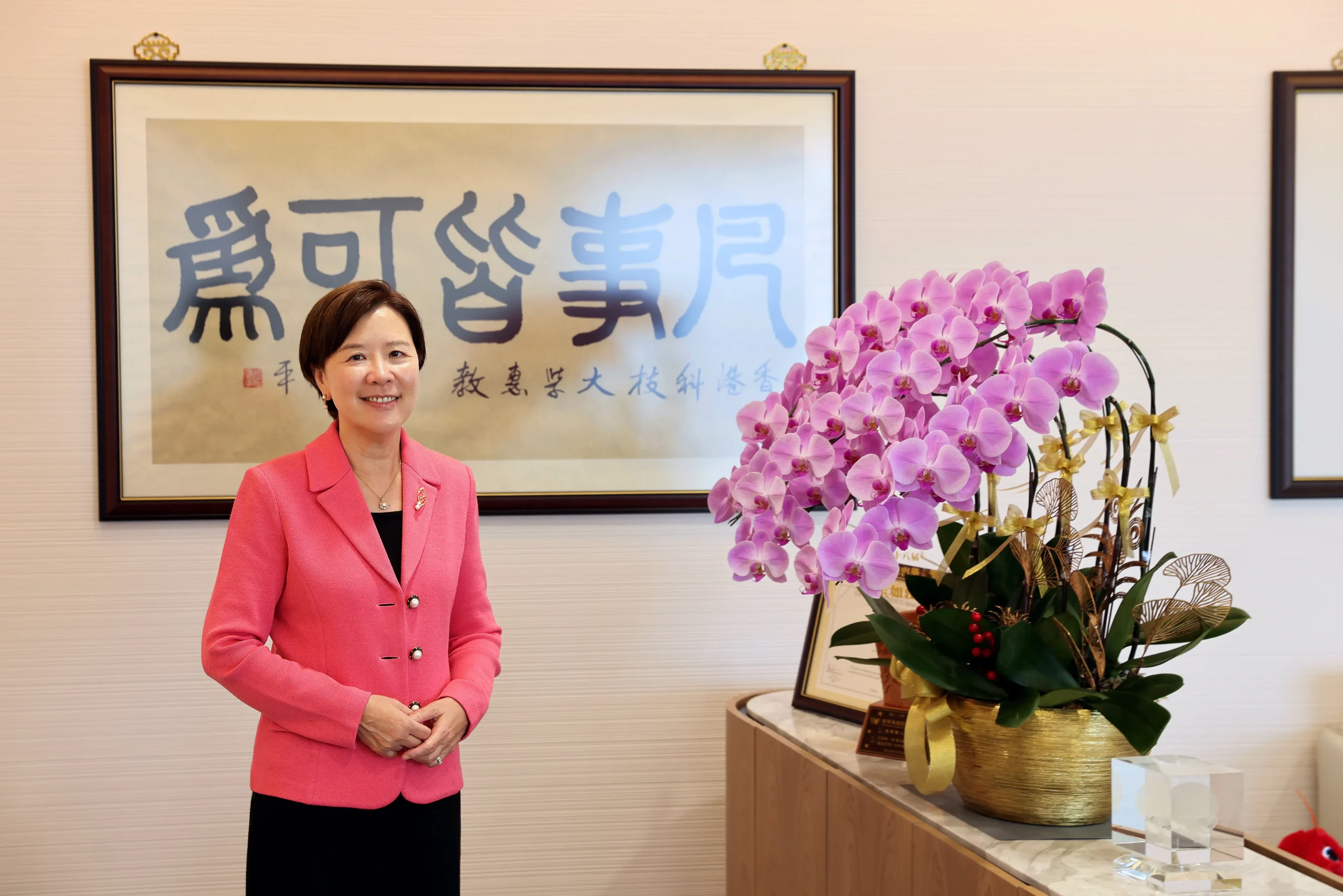
For Nancy Ip, the pursuit of knowledge has always carried a deeper meaning. Scientific discovery, in her view, is not only about understanding the world. It is also about improving it.
As President of The Hong Kong University of Science and Technology in Hong Kong, Prof Nancy Ip stands among the most influential figures shaping scientific research and higher education in Asia. Her career bridges two worlds that often seem distant from one another. One is the careful, methodical environment of neuroscience research. The other is the complex landscape of global education, innovation, and leadership. Yet for her these worlds are inseparable because knowledge carries a responsibility that extends far beyond academic walls.
The modern era presents challenges that no single discipline can solve alone. Climate change affects ecosystems, economies, and public health simultaneously. Technological advances are transforming industries and social structures with remarkable speed. Aging populations around the world are placing new pressures on healthcare systems and scientific research

In such a world, universities cannot limit themselves to producing research papers and graduates. Institutions of higher learning must become places where knowledge meets society. Scientists must help people understand change, guide policymakers with evidence, and develop innovations that address real problems.
Prof Nancy Ip believes that open collaboration remains one of the most powerful tools available to science. Progress accelerates when ideas move freely across disciplines and borders. Partnerships between universities, governments, industries, and communities ensure that discoveries do not remain confined to laboratories but reach the people who need them most.
Education plays a central role in this mission. The challenges of the twenty first century require thinkers who are comfortable working across multiple fields. Solving complex biomedical problems may involve physicians who understand patients, molecular biologists who study cellular processes, engineers who design new technologies, and data scientists who analyze enormous datasets.
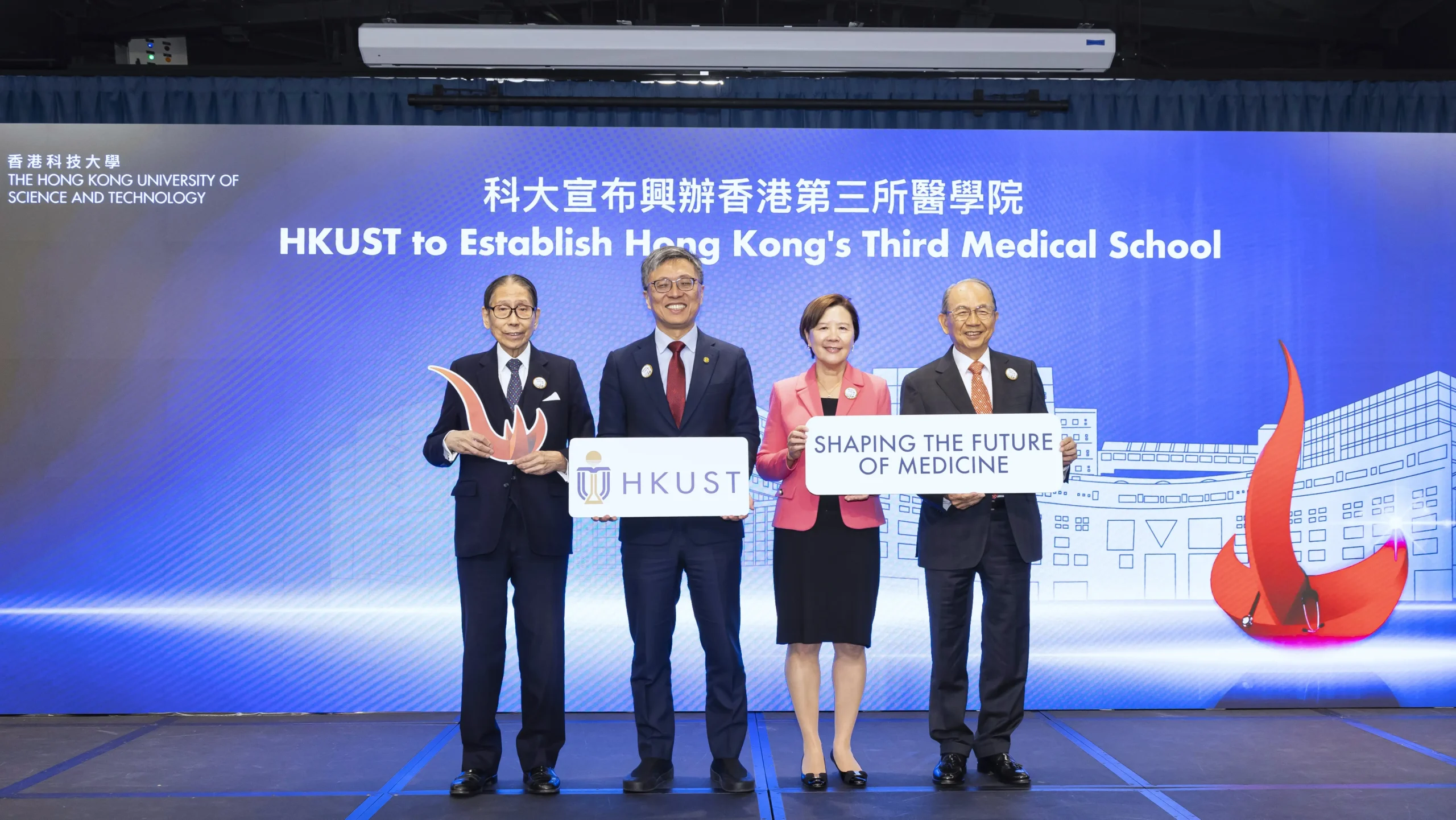
Recognizing this reality, The Hong Kong University of Science and Technology has embraced interdisciplinary learning as a defining part of its academic culture. Students are encouraged to explore connections between science, engineering, technology, and the humanities. The goal is to cultivate curiosity and creativity rather than narrow specialization.
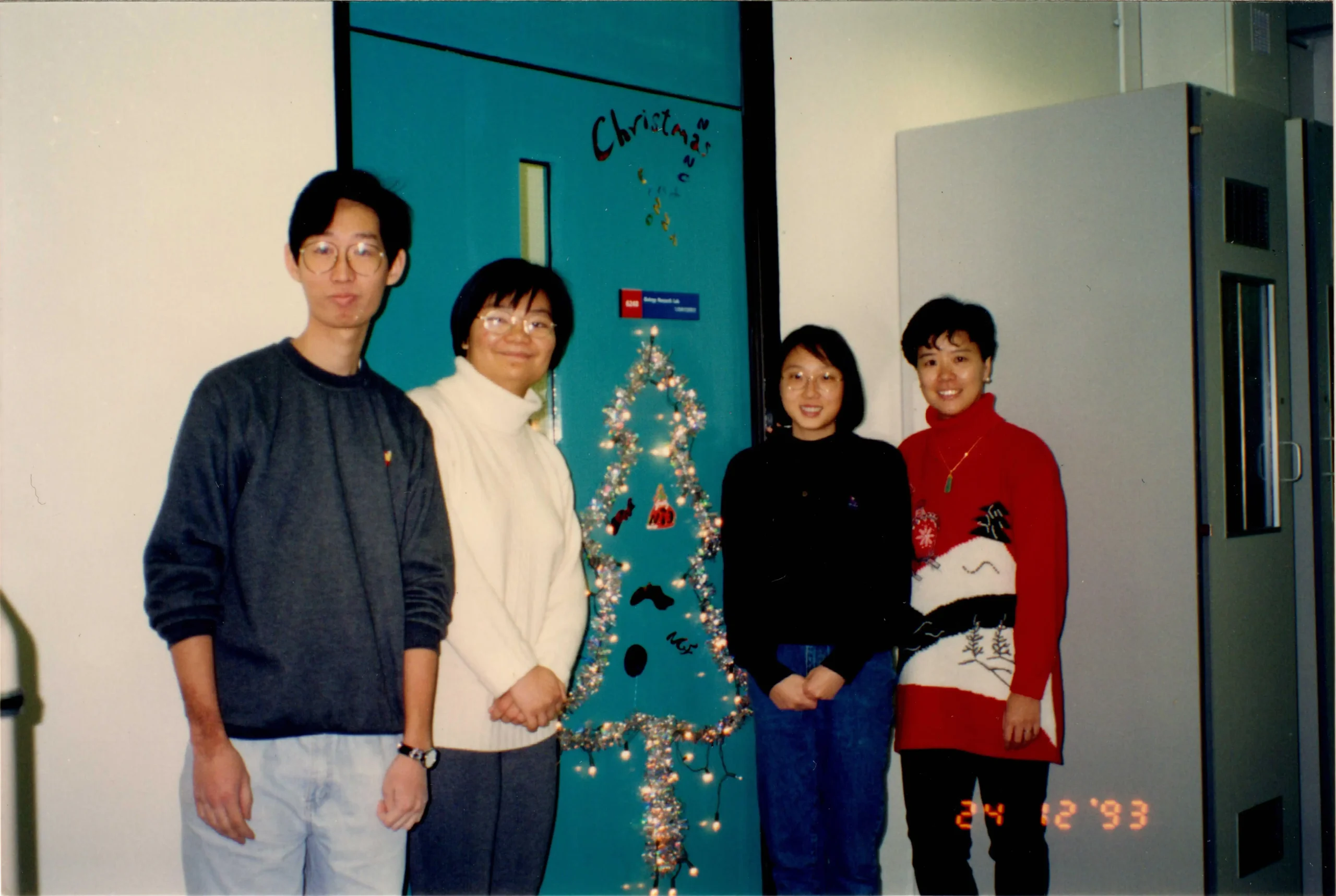
The belief that institutions must invest deeply in people is something Prof Nancy Ip learned early in her career. When she joined the university in the early nineteen nineties, she worked closely with its founding president, Woo Chia-Wei. His leadership left a lasting influence on the university and on those who worked alongside him.
Prof Woo held a simple but powerful conviction. Great universities are built by great scholars. Recruiting exceptional faculty members and giving them the freedom to pursue ambitious research would create an environment where talent could flourish. That philosophy helped transform a young institution into one of Asia’s leading centers of research within just a few decades
Another lesson from those early years concerned the importance of visionary thinking. Long before regional integration became widely discussed, Prof Woo recognized the potential for collaboration between Hong Kong and neighboring cities in southern China. His ideas anticipated the rise of the Greater Bay Area, an ambitious region linking innovation, finance, manufacturing, and research across multiple cities.
The experience reinforced an enduring principle. Leadership requires the courage to pursue ideas that may not yet be widely understood. Institutions grow when they invest in people and maintain a long term vision.
Despite the many responsibilities of leading a major university, scientific research remains central to Prof Nancy Ip’s life. Internationally recognized for her work in neuroscience, she has devoted decades to understanding the biological mechanisms that govern the human brain.
One of the most pressing challenges in this field is the global rise of Alzheimer’s disease. As populations age, the number of people affected by dementia continues to grow rapidly. Families across the world confront the emotional and practical consequences of a condition that gradually erodes memory and cognitive ability.
For many years, scientists struggled to find effective ways to diagnose and treat Alzheimer’s. One difficulty lies in the nature of the disease itself. Biological changes begin developing in the brain long before symptoms appear. By the time memory problems become noticeable, significant neurological damage may already have occurred.
Prof Nancy Ip’s research focuses on identifying these early biological signals. Advances in biotechnology now allow scientists to analyze the molecular composition of the human body with remarkable precision. Proteins circulating in the bloodstream can reveal subtle changes associated with neurological conditions.
Researchers at the university have developed a blood based diagnostic test capable of detecting Alzheimer’s related changes with remarkable accuracy. By examining a group of protein biomarkers, the test can identify individuals who may be at risk even before symptoms appear.
Such discoveries represent an important step toward earlier intervention. If doctors can identify the disease in its earliest stages, treatments may be more effective and patients may have better chances of maintaining cognitive health.
The future of medical research also depends on understanding how diseases affect different populations. For decades much of the global biomedical data used in research was drawn largely from Western populations. Yet genetic diversity, lifestyle patterns, and environmental factors can influence how illnesses develop in different communities.
To address this gap, researchers in Hong Kong established a comprehensive biobank containing biological samples and clinical data from thousands of Chinese Alzheimer’s patients. This resource provides scientists with valuable information for studying genetic risk factors and disease progression within this population.
The insights gained from such research contribute to the growing field of personalized medicine. Instead of applying identical treatments to every patient, doctors can tailor therapies according to individual biological characteristics. Precision medicine promises more effective care and improved patient outcomes.
Scientific discovery rarely occurs in isolation. Progress depends on cooperation between institutions, industries, and governments. Prof Nancy Ip has spent many years building partnerships that connect academic research with real world innovation.
Effective collaboration begins with a shared understanding of the challenges being addressed. Governments may focus on public welfare and policy goals. Companies may seek sustainable technologies that can reach markets. Universities pursue knowledge and educational opportunities.
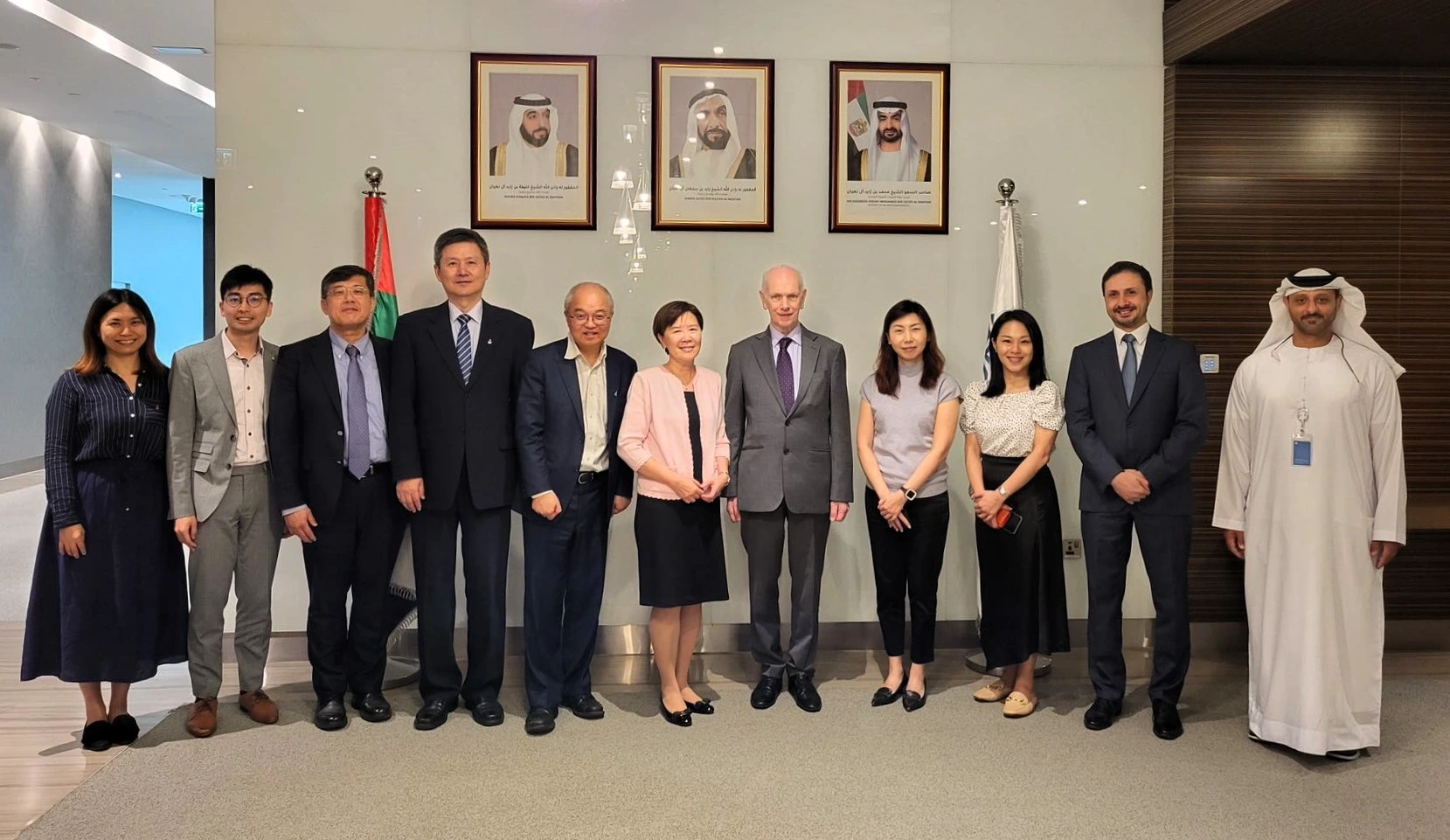
When these motivations align around a common objective, collaboration becomes a powerful force for progress. Partnerships with organizations such as Microsoft, Huawei, NVIDIA, Samsung Biologics, and J.P. Morgan demonstrate how academic research can move more quickly from discovery to practical application.
These relationships also provide opportunities for students and young researchers to participate in global networks of innovation.
Mentorship remains another deeply meaningful part of Prof Nancy Ip’s work. Over many years she has guided generations of scientists as they begin their own journeys in research. Observing their progress has revealed the qualities that distinguish those who produce lasting contributions.
Integrity forms the foundation of meaningful science. Reliable discoveries depend on honesty, rigorous methods, and careful verification. Without trust in the scientific process, even the most exciting findings lose their value.
Resilience is equally essential. Scientific progress often involves setbacks, failed experiments, and unexpected questions. The researchers who persist through these challenges with curiosity and determination are the ones who ultimately expand human understanding.
One figure whose life continues to inspire Prof Nancy Ip is Rita Levi Montalcini. Known for discovering nerve growth factors, the Nobel laureate continued her research well into her later years. Her lifelong dedication demonstrated that curiosity and purpose can sustain a scientific career for decades.
Young scientists today face a research environment transformed by technology. Artificial intelligence and advanced data analysis tools are allowing researchers to examine biological systems at unprecedented scale. Massive datasets generated by genetic sequencing and molecular profiling reveal patterns that would once have remained invisible.
To succeed in this environment, future scientists must combine deep expertise in their chosen disciplines with the ability to collaborate across fields such as engineering, computational biology, and data science.
Even in a world marked by geopolitical tension, science retains the capacity to bring people together. Through her involvement with organizations such as the World Economic Forum and the World Dementia Council, Prof Nancy Ip has witnessed how research collaboration can continue even when political relationships become strained.
Universities often serve as neutral spaces where scholars from different nations can exchange ideas and pursue common goals. These partnerships strengthen global cooperation and help address challenges that affect humanity as a whole.
Another issue receiving increasing attention within academia is the advancement of women in scientific leadership. Although more women are entering scientific careers than ever before, leadership positions remain unevenly distributed.
Efforts within the university aim to create supportive environments where talented women can thrive. Mentorship initiatives, scholarships, and family friendly policies have contributed to a steady rise in female representation among students and faculty.
Diversity enriches the scientific community by bringing different perspectives and experiences into the research process. When institutions encourage inclusion, innovation flourishes.
Looking ahead, Prof Nancy Ip sees enormous potential in the development of the Greater Bay Area as a global center of innovation. The region connects Hong Kong’s research strengths with the technological dynamism of neighboring cities such as Shenzhen and Guangzhou.
Together these cities form an ecosystem capable of advancing fields such as artificial intelligence, biotechnology, and clean energy.
Yet even as technological possibilities expand, the fundamental purpose of science remains constant. Knowledge must serve people.
For Prof Nancy Ip, the future she hopes to witness involves a deeper understanding of the root causes of major human diseases. Discovering those mechanisms would allow doctors to detect illnesses earlier and develop treatments tailored to individual patients.
Education also remains central to that vision. Universities must prepare students not only with technical expertise but with integrity, curiosity, and the determination to address real world problems.
In the end, the work of science is not simply about accumulating knowledge. It is about applying that knowledge wisely. Through research, leadership, and mentorship, Prof Nancy Ip continues to demonstrate how scientific discovery can become a force for human progress.