Nouf Al Qadi
A New Generation Of Emirati Climate Voices
Bringing People Back Into The Climate Conversation
By Sidra Asif
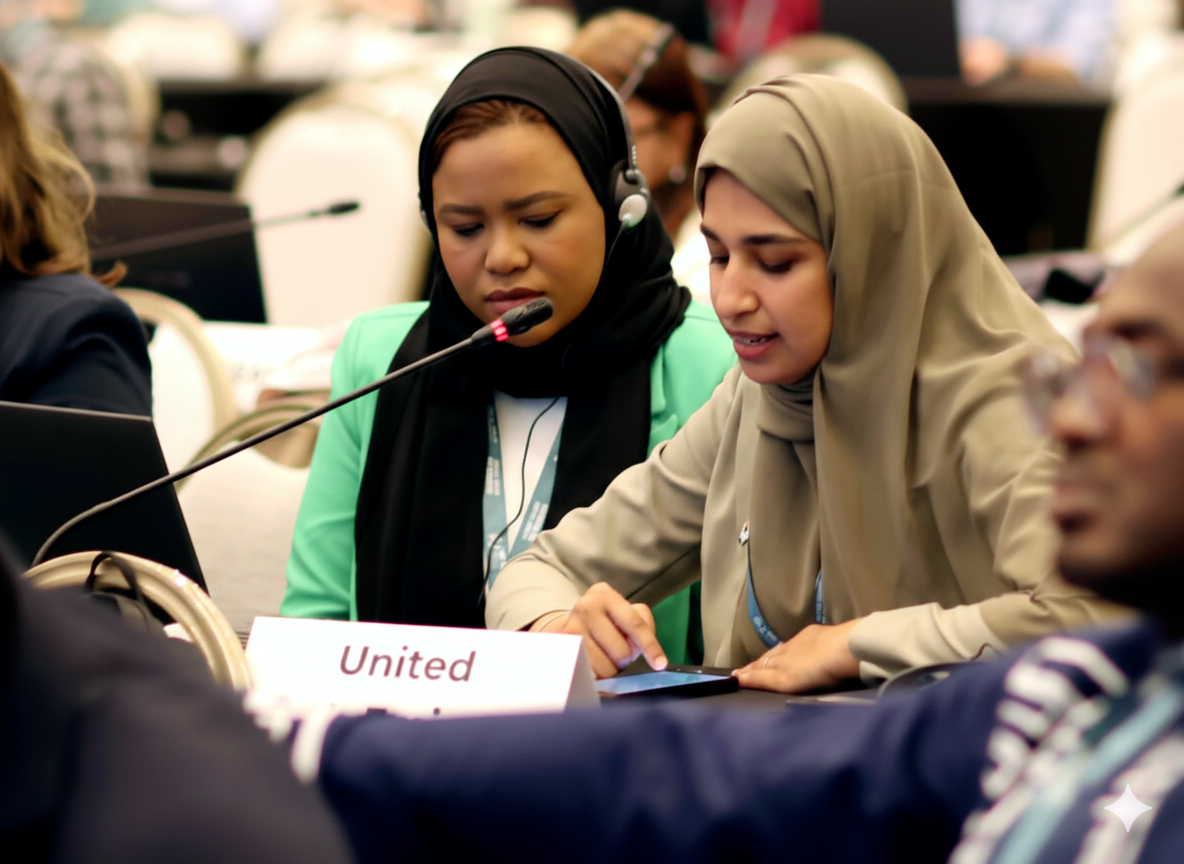
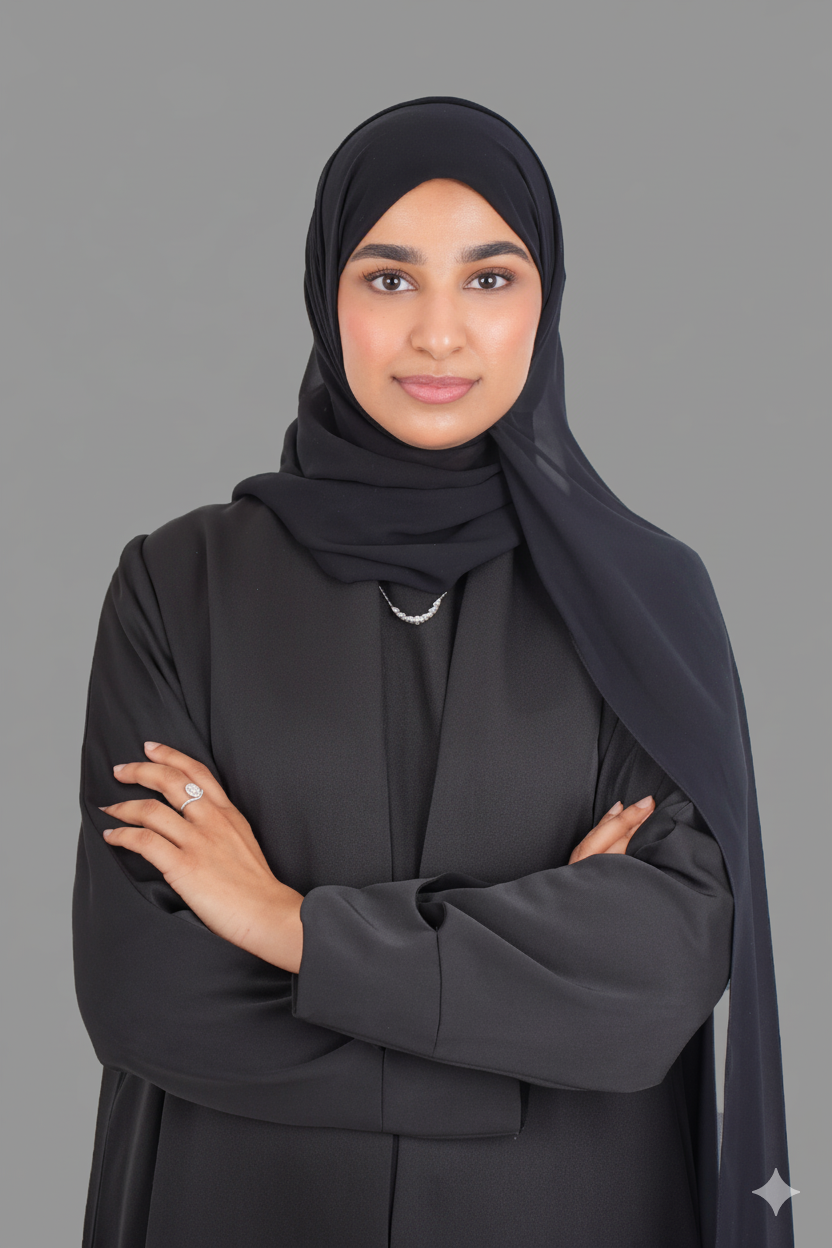
Across the UAE, climate conversations are evolving. For years, they were shaped mainly by data, policy language, and global agreements. Today, a new kind of voice is emerging in the country’s sustainability space: young Emiratis who believe that environmental action begins with human connection. Among these voices is Nouf Al Qadi, a young environmental professional whose approach blends scientific knowledge with community-driven awareness.
Nouf does not position herself as an activist in the traditional sense. She does not speak in slogans or alarmist tones. Instead, she believes that the most powerful environmental progress happens when people feel a direct emotional bond with the land and sea around them. For her, climate action is not only about meeting targets. It is also about understanding heritage, valuing place, and recognizing the deep cultural relationship Emiratis have always shared with nature.
Young Emiratis are bringing heart back into the conversation, she explains, highlighting a shift away from purely technical communication. We are sharing lived experiences and real stories, not only numbers. Sustainability in the UAE is part of who we are, not just a policy goal.
Her approach reflects an important moment in the region. As the UAE expands its renewable energy programs, conservation projects, and sustainability initiatives, individuals like Nouf are ensuring that public engagement grows along with them.
The Role of Storytelling in Science
Nouf’s background gives her a strong foundation in environmental research, but she is equally committed to storytelling. She believes that climate action becomes meaningful only when people personally relate to it. Data alone does not move people, she says. Stories do. Science gives me the facts, but storytelling gives those facts a soul.
Her method is straightforward: translate technical knowledge into everyday language so people understand why environmental protection is necessary, not just what it requires. This combination of clear communication and scientific accuracy is increasingly valuable in the UAE, where sustainability is now a key pillar of national strategy.
Youth Initiatives Turn Awareness Into Action
For many, youth involvement in climate discussions is still associated with awareness campaigns and educational workshops. Nouf sees something much stronger happening. According to her, young people in the UAE are not only learning about environmental responsibility. They are actively shaping it.
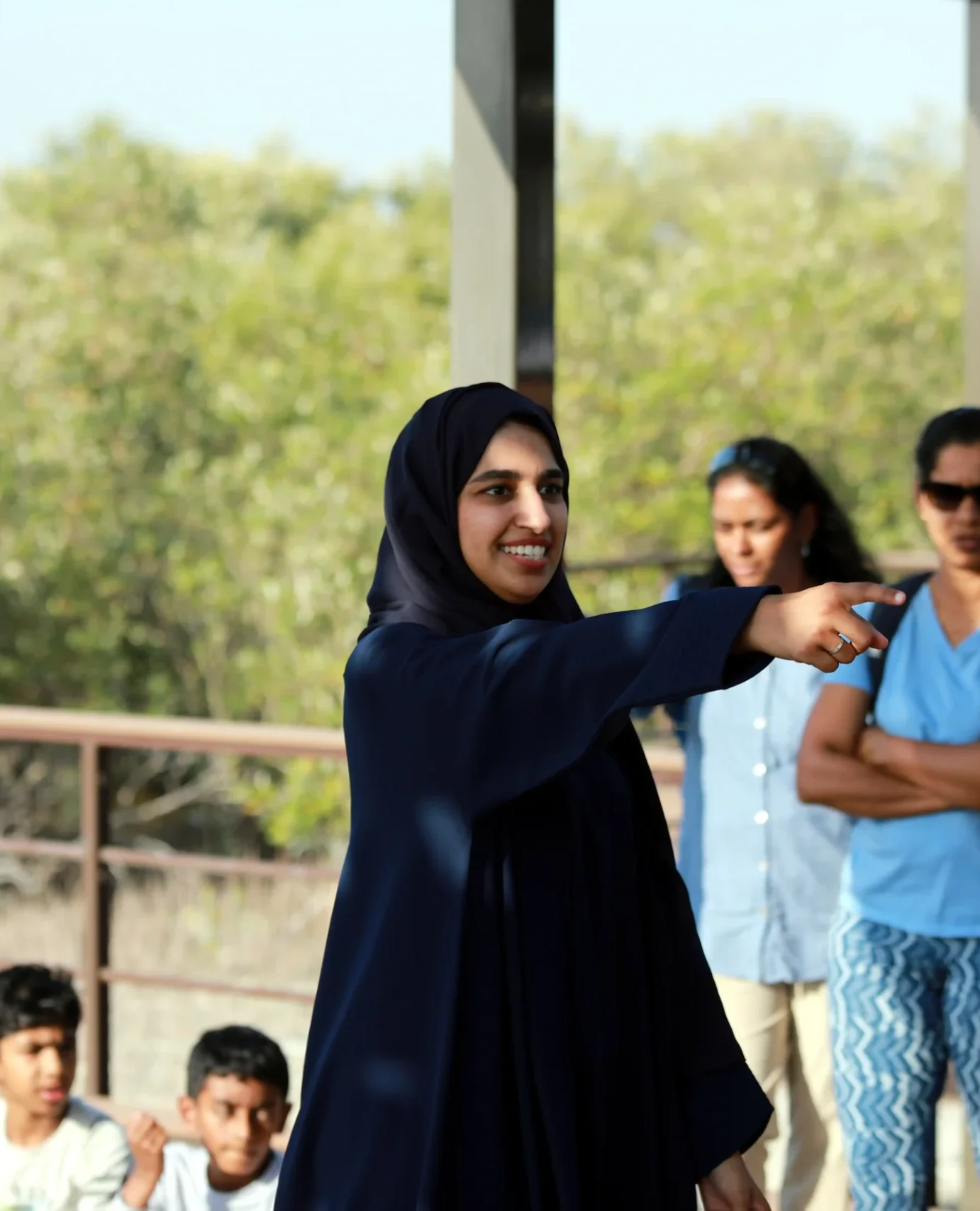
She points to initiatives such as mangrove restoration projects, zero-waste community programs, and nature-focused content platforms run by young Emiratis. Youth-led initiatives are now catalysts for real on-ground action, she notes. We are showing that creativity and collaboration can drive climate efforts, not only policy directives.
This perspective reflects a broader national movement. The UAE has created platforms for youth voices in government, business, and science. Nouf represents the spirit of that involvement: practical, informed, and consistent.
Building Connections Across Generations
One of the strongest ideas in Nouf’s approach is the need to connect generations. She believes sustainable progress is not possible without learning from those who lived closer to nature in the past. The wisdom of older generations and the innovation of youth must meet in the middle, she says.
This concept is especially relevant in the UAE, where previous generations survived through resource awareness, limited consumption, and deep respect for natural surroundings. Their lived knowledge, Nouf notes, can guide modern approaches to environmental planning and sustainable resource use.
Her work emphasizes dialogue rather than division. She sees elders as partners in climate understanding, not as voices of a different era. This balanced view strengthens her credibility among diverse audiences, from professional environments to youth circles and community groups.
Lessons From Environmental Fieldwork
While many young climate voices focus on advocacy or communication, Nouf’s grounding in field research shapes her ideas. Her work with seabirds offered valuable insight into environmental adaptation and ecological sensitivity. Seabirds navigate land, water, and sky. Observing how they respond to changing conditions taught me what resilience really means.
This experience did not lead her to dramatic conclusions. Instead, she gained a practical understanding of environmental balance: ecosystems shift, species adjust, and survival depends on awareness and flexibility. She applies this perspective to human systems as well, believing that societies must stay informed and adaptive in order to protect natural heritage.
Responsibility in Development and Infrastructure
One of the most impactful parts of Nouf’s professional journey is her role at GHD, where she works as a terrestrial ecologist. Her responsibility involves assessing land ecosystems and sharing environmental considerations with developers and infrastructure teams. Her goal is not to slow development, but to guide it responsibly.
We cannot care about something we do not know exists, she explains. She believes awareness drives better decisions, especially in rapidly developing regions. By introducing stakeholders to local species, land characteristics, and ecosystem needs, she supports thoughtful planning. This reflects a growing belief in the UAE: sustainable progress does not mean choosing between nature and growth. It means understanding both and making informed decisions.
Ithra by Nouf
Like many impactful ideas, Ithra by Nouf began quietly. It was a personal outlet for sharing environmental experiences and reflections. Over time, it attracted people who felt the same desire to reconnect with nature in everyday life. The platform soon became a space for shared learning, appreciation, and simple sustainable habits.
Ithra did not require a formal campaign to gain attention. It succeeded by being genuine, inclusive, and grounded in accessible language. Followers recognized themselves in the content, and a community formed naturally. In a digital era, where environmental messaging can often feel heavy or urgent, Ithra stands out for its calm, encouraging tone.
Youth Impact Without Spotlight
Among the many moments in her journey, one stands out. Nouf recalls watching young volunteers lead mangrove cleanups and restoration without waiting for formal direction, recognition, or media attention. To her, this represented the true spirit of environmental responsibility: quiet, sincere, and motivated by care rather than visibility.
She believes change often begins in silence — through steady actions rather than dramatic declarations. This mindset aligns closely with the UAE’s long-term sustainability goals, which emphasize stability, planning, and collective responsibility.
A Practical Vision of the Future
When asked to describe her vision for a sustainable future, Nouf focuses on human values before technology or policy. She imagines a society where people understand the environment around them, treat natural spaces with respect, and act with empathy. A sustainable future is one where humans live with awareness, respect for nature, and a shared sense of purpose.
Her outlook is hopeful, yet grounded. She believes progress is possible, not only through innovation but through everyday decision-making.
A New Chapter for Climate Leadership in the UAE
Nouf represents a new generation of environmental thinkers in the UAE. They are informed, engaged, and deeply connected to the identity and values of their country. Their work combines science with storytelling, global awareness with cultural pride, and professional discipline with community-driven passion.
She shows that climate action in the UAE does not need to mirror models from other regions. It can grow from local culture, shared responsibility, and genuine care for land and sea. In her voice, we hear clarity, purpose, and a strong belief that sustainable development depends as much on people as it does on policy.
As the UAE continues to position itself as a global sustainability leader, voices like hers will help shape not just strategies, but mindsets. And in that shift, real transformation begins.