Priti Malik, A Voice That Found Its Way Into Millions of Lives
By Janhavi Gusani
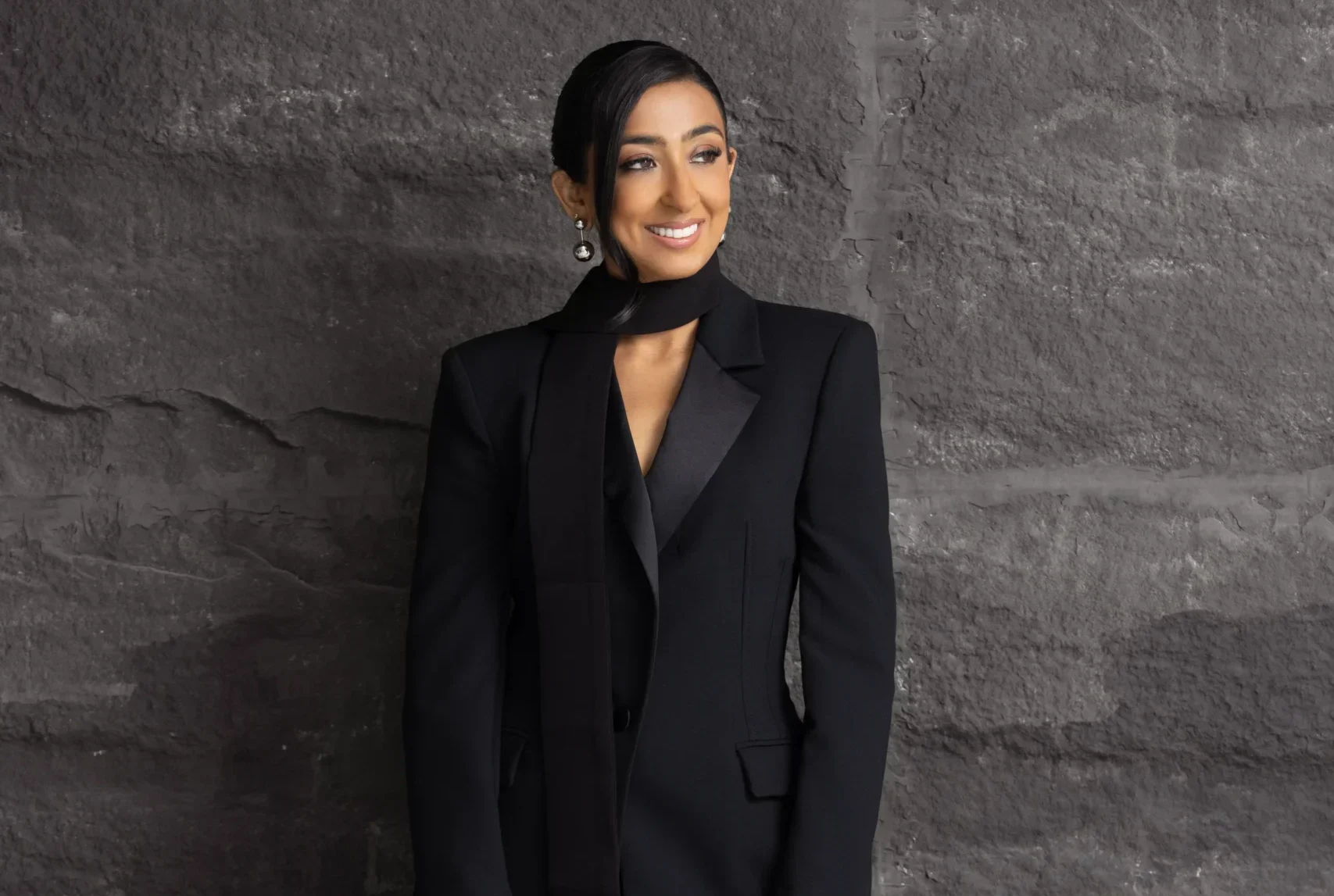
Screens and constant digital consumption have taken the world by storm but Priti Malik’s career offers a compelling reminder that communication has always been, at its heart, deeply human. From the energy of live radio to the discipline of dance and the curiosity of journalism, her work has consistently revolved around one essential idea: connection.
Raised in Queens, New York, by Indian-American parents, Malik grew up at the intersection of cultures. New York’s intensely independent character gave her the confidence to find her own direction, while its extraordinary diversity exposed her from an early age to different communities, perspectives and ways of understanding the world. Her Indian heritage remained an important part of that foundation, but so did the multicultural environment surrounding her. Together, they gave her a perspective shaped less by a single identity than by an openness to many.
Her parents played an equally important role. Encouraged to be bold, social and willing to explore different possibilities, Malik developed an early confidence that would later become central to her career in media. Storytelling, however, was not the only form through which she learned to communicate.
Dance became an important creative education in its own right. As captain of her Bollywood dance team during college, Malik experienced the discipline required to master a craft while simultaneously learning how to lead, collaborate and communicate with an audience without words. Preparation for competitions demanded dedication and organisation, while leading a team taught her the responsibilities that accompany bringing different personalities together around a shared goal.
That understanding of communication would later translate naturally into broadcasting.
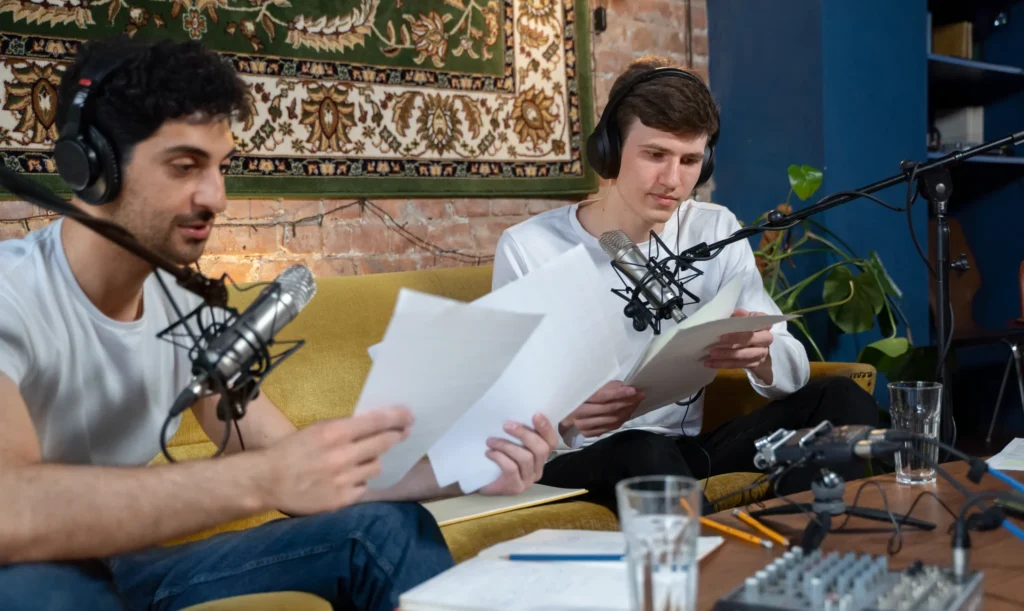
For Malik, radio possesses a quality that remains difficult for any digital platform to replicate: immediacy. Unlike highly produced content, live radio leaves room for the unexpected. A conversation can shift direction in a second, a listener can respond in real time, and an unplanned exchange can become the moment audiences remember.
It is precisely that unpredictability that she values.
Radio, she believes, remains powerful because it creates a direct relationship between voice and listener. There are no visuals to carry the conversation and no opportunity to hide behind elaborate production. The connection has to be created through presence, personality and the ability to respond in the moment.
That principle extends into her approach to interviewing. Preparation is essential, but Malik believes that listening is equally important.


A journalist may enter an interview with carefully considered questions and talking points, yet the most compelling part of the conversation may emerge from an answer that was never anticipated. The ability to recognise that moment — and follow it rather than rigidly returning to the prepared script — is what can transform an interview from a sequence of questions into a genuine exchange.
For Malik, listening is therefore not simply a professional skill. It is a way of understanding people.
Years of hearing stories from individuals across different backgrounds have reinforced one lesson above all: kindness matters. Every person carries experiences that may not be immediately visible, and assumptions rarely reveal the full picture. Her work has taught her the importance of extending grace not only to people within her own circles but also to strangers whose circumstances may be unknown.
It is a deceptively simple philosophy, but one that feels increasingly relevant in an era where communication has become easier while understanding can sometimes feel harder.
The UAE has provided another dimension to that perspective. Living in a country where cultures and traditions coexist so closely has allowed Malik to recognise an environment that feels familiar rather than foreign. In many ways, it echoes the multicultural landscape in which she was raised in New York.
That familiarity has shaped the way she approaches both her work and the people she encounters. Cultural diversity, for Malik, is not simply a characteristic of the UAE; it is part of what makes communication richer. Different backgrounds bring different interpretations, and understanding those differences becomes essential when creating conversations intended for broad audiences.
This becomes particularly significant as media itself continues to change.
Digital platforms have dramatically expanded the ways stories can be created, distributed and consumed. Audiences are no longer limited to scheduled broadcasts, and creators can reach people across geographical boundaries almost instantly. Yet Malik does not see digital media as replacing traditional communication. Instead, she sees the two existing alongside one another.
Technology can extend reach. It can make information more accessible and create new opportunities for discovery. But the desire for genuine human interaction remains.
That distinction is also central to her view of authenticity.
In a world where audiences encounter carefully constructed identities across social media every day, Malik believes people have become increasingly perceptive about what feels genuine and what does not. Maintaining a version of yourself that is fundamentally disconnected from reality requires constant effort. Authenticity, by contrast, does not need to be performed indefinitely.
For Malik, creativity and authenticity therefore remain two of the most enduring forces in media. Platforms may change, formats may evolve and technology may continue to transform the industry, but audiences will continue to respond to voices that feel real.
Her perspective is also informed by the broader changes taking place in the media landscape, particularly the growing visibility of women and the stories they are bringing into public conversation. One of the most significant developments she sees in social media is the ability to amplify stories that may previously have remained unseen.
Across digital platforms, communities now exist specifically to highlight women’s achievements across industries and disciplines. For Malik, that visibility represents a meaningful shift in whose stories are recognised and whose experiences become part of the larger cultural conversation.
It is a progression that mirrors her own understanding of media: communication is not simply about having a platform. It is about what that platform allows people to hear, discover and understand.
From the discipline of dance to the spontaneity of live radio, from the multicultural foundations of New York to the diverse environment of the UAE, Malik’s career has been shaped by different forms of connection. Each has contributed something distinct — confidence, discipline, curiosity, empathy and the ability to listen.
Together, they form a philosophy that feels particularly relevant to the future of media.
The technologies may become more sophisticated. The platforms may become faster. The formats may continue to change. But the fundamental reason people turn toward stories remains remarkably constant: they want to recognise something of themselves, understand someone else, or simply feel connected.
For Priti Malik, that human element is not an old-fashioned idea competing with the future of media. It is the part of the future that will remain.