
Richard Mofe-Damijo, Some Stories Outlive Us
By Jane Stevens
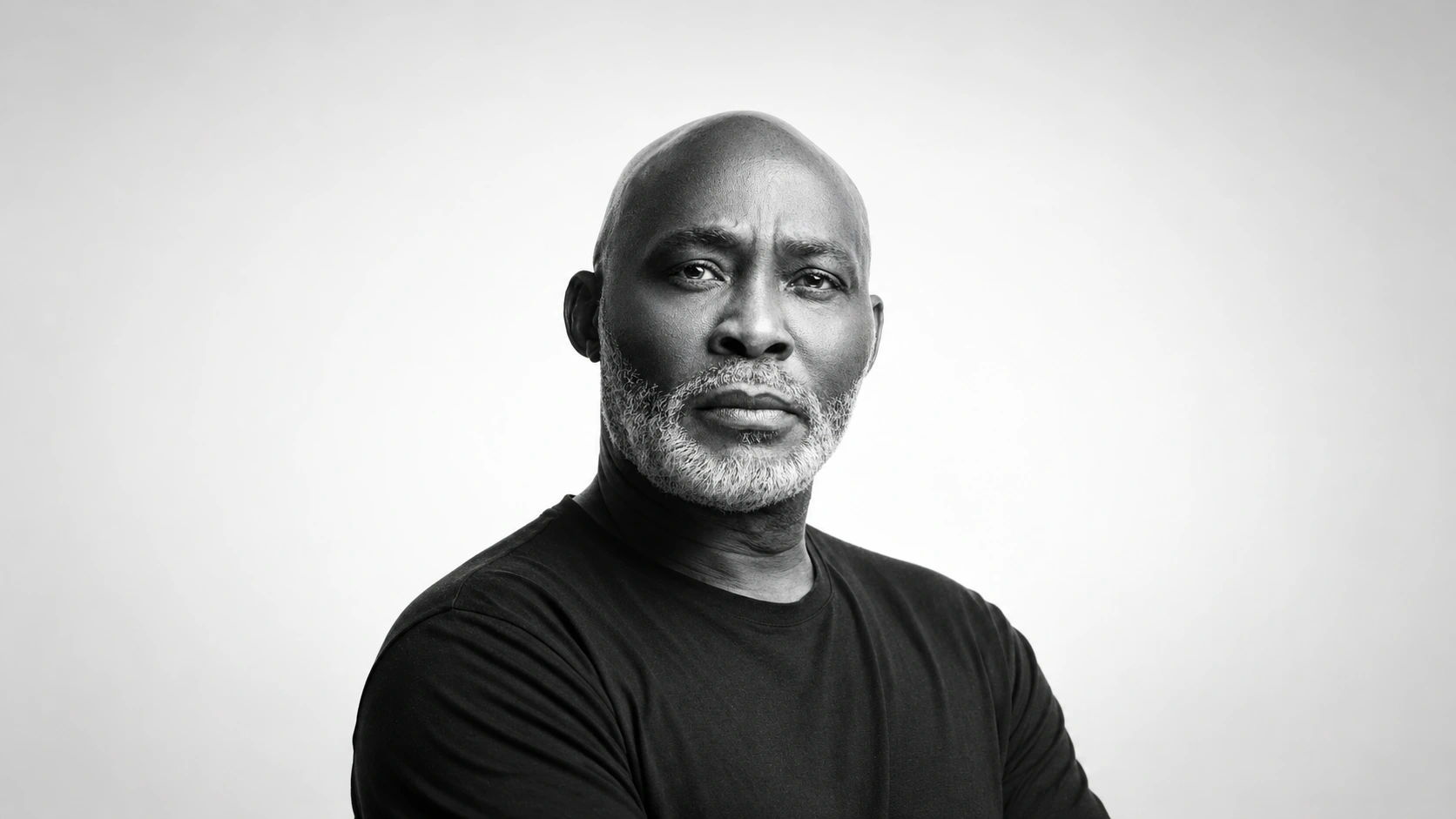
For Richard Mofe-Damijo, cinema has never been solely about the characters an actor inhabits or the recognition that follows a memorable performance. It is an exploration of human nature, a means of examining the contradictions that define people, and an opportunity to tell stories that leave something meaningful behind. Across a career shaped by acting, writing and an expanding interest in film production, his perspective has increasingly turned towards a question that reaches beyond individual achievement: what can storytelling contribute to the world, and what remains when the performance ends?
Richard’s relationship with acting began before his work in journalism, a distinction that offers an important insight into the way he approaches his craft. Journalism and writing did not replace his original creative ambitions; they complemented them, sharpening his awareness of the people and circumstances that inform a compelling narrative. Observing human behaviour, following events and making informed judgements are as relevant to understanding a character as they are to interpreting the world outside the screen. For an actor, the ability to notice what people say, what they conceal and how their circumstances influence their decisions can become an essential part of building a believable performance.
This attention to human behaviour informs the characters Richard finds most compelling. Rather than approaching a role through the simplicity of good and evil, he is drawn to the psychological complexities that exist between them. No individual is entirely virtuous or wholly corrupt, and it is often within this uncertainty that the most revealing stories emerge. His understanding of character rests on the interplay between flaws and redemptive qualities, the opposing forces that can exist within a single person.
Such a perspective resists the temptation to make characters predictable. A person capable of generosity may also be driven by selfishness; someone who has caused harm may still possess the capacity for remorse. These contradictions do not necessarily weaken a character. They make that character recognisable. The grey areas between light and darkness are where motivations become complicated, choices carry greater weight and audiences are invited to look beyond their first impressions.
For Richard, this complexity is central to the work of interpreting a role. An actor must do more than reproduce dialogue or communicate an emotion convincingly. The task involves understanding the psychological landscape from which a character’s actions emerge, including the weaknesses, convictions and experiences that shape their decisions.
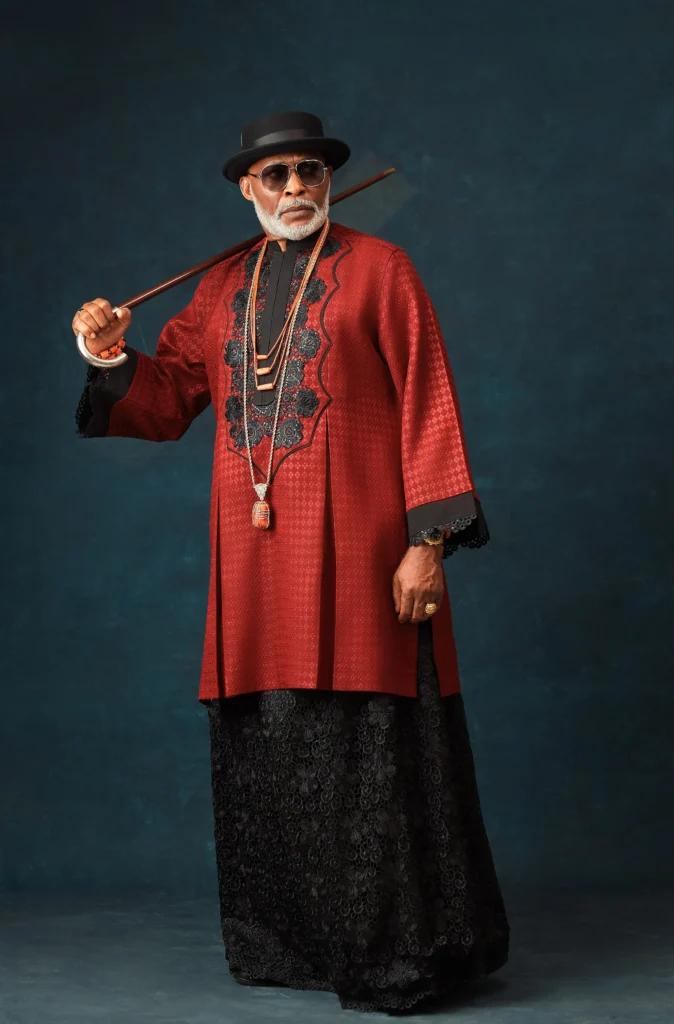
The result, at its best, is a performance that encourages audiences to consider not only who a character is, but what has made them that way.
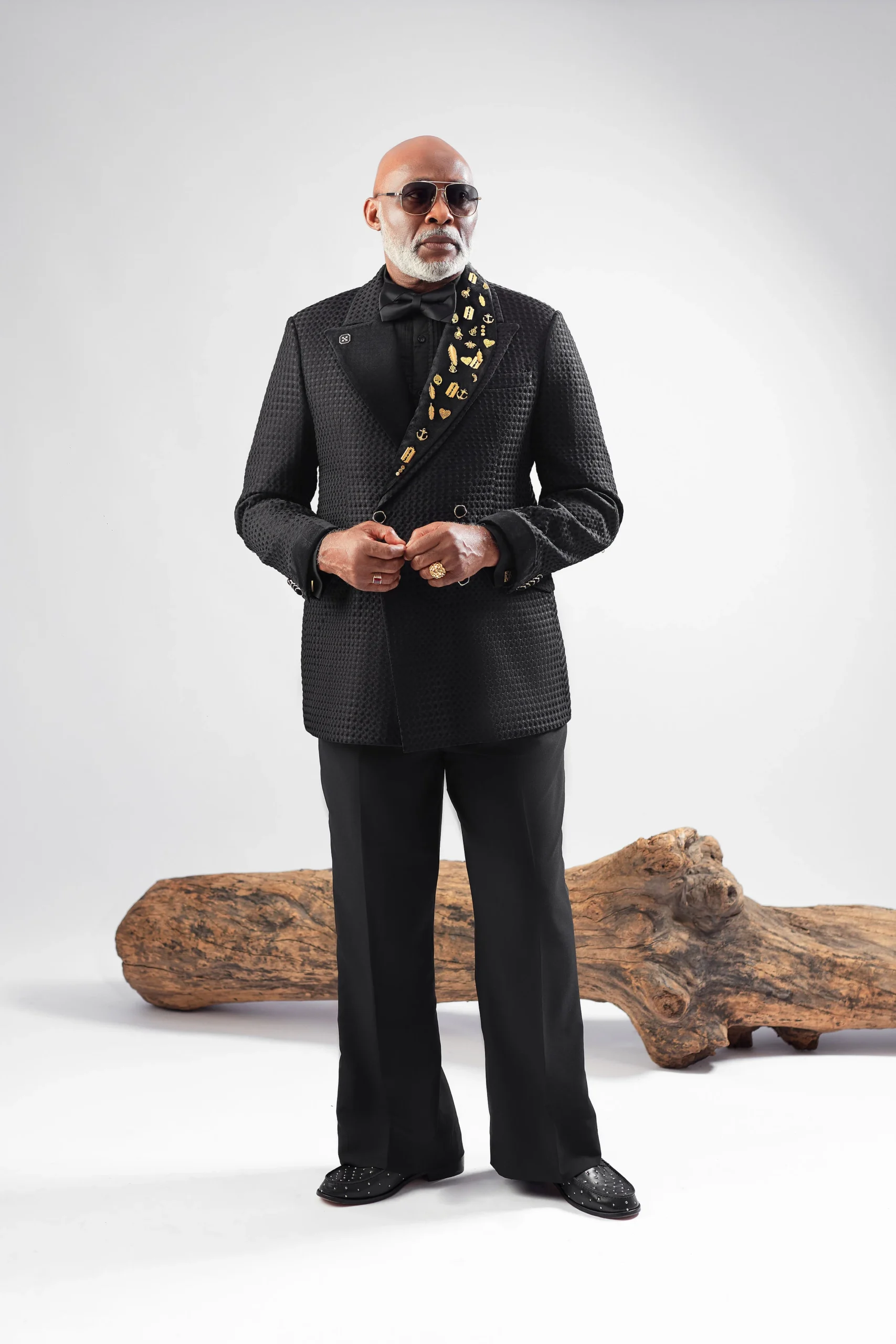
His reflections on life have also reinforced the importance of approaching both work and personal growth with a sense of perspective. Not every turning point arrives as a dramatic event or an unmistakable change in direction. Sometimes, the experiences that alter one’s understanding of life are deeply personal: a birth, a death or a moment of recognising just how fragile human existence can be. Richard describes such experiences as occasions for reflection, prompting him to strive towards becoming a better person and to portray characters capable of inspiring others.
There is a quiet significance in this distinction. Rather than treating personal transformation as a single defining moment, he recognises it as something that can emerge through repeated encounters with the realities of being human. These experiences influence how a person sees the world, what they value and the responsibilities they choose to embrace. For an actor, they can also deepen the emotional understanding brought to a role, allowing a performance to draw on something more substantial than technique alone.
That sense of responsibility has become particularly relevant as Richard turns his attention towards producing. While acting allows him to explore stories through individual characters, producing offers a different kind of creative agency: the ability to help determine which stories reach an audience in the first place. He is increasingly interested in projects that might otherwise remain unrealised, particularly those with something important to communicate. The question is no longer only how to bring a character to life, but how to create the conditions in which a story can exist at all.
It is a meaningful shift for an established performer. Experience within the industry can reveal not only the possibilities of cinema, but also the limitations that determine which projects receive attention, resources and support. Some stories may struggle to find a place within familiar commercial expectations, even when their cultural or social significance deserves consideration.
Producing creates an opportunity to engage with that challenge directly, bringing creative vision and practical decision-making into the same process.
For Richard, the motivation is closely connected to legacy. At this stage of his life and career, he is interested in working with younger people and nurturing a generation of committed creatives who recognise that art can contribute to social transformation. The emphasis is not simply on creating more films, but on encouraging a deeper understanding of why those films matter. Creative work, in this view, carries responsibilities beyond the completion of a project or the immediate response it receives.
Mentorship becomes part of that vision. Every generation enters an industry shaped by the achievements, limitations and lessons of those who came before it. Experience can be valuable when it is shared, allowing emerging filmmakers to develop their own judgement while learning from the paths already travelled. Yet nurturing new talent also requires room for fresh perspectives, different methods and ideas that challenge established conventions. A meaningful legacy is not built by asking the next generation to reproduce the past, but by helping it develop the confidence and capability to create something of its own.
This commitment to the future of filmmaking also informs Richard’s perspective on artificial intelligence. He recognises that AI is already expanding creative possibilities and may continue to do so in the hands of people who genuinely care about the craft. At the same time, he remains conscious of the potential for misuse and damage. His position acknowledges both the promise of technological progress and the uncertainty surrounding its consequences.
The distinction is important in an industry where new tools can reshape the relationship between imagination and execution. Advances in artificial intelligence and visual effects may allow filmmakers to explore environments, visual concepts and production approaches that were previously difficult to realise. But technical capability alone cannot determine whether a film has something meaningful to say. The presence of increasingly sophisticated tools does not remove the need for judgement, emotional understanding or a clear creative purpose.
For Richard, the question is therefore not simply whether technology can make filmmaking more ambitious, but how it is used by those responsible for shaping the finished work. The same technology that opens new avenues for expression can also be employed without sufficient consideration of its wider implications. Its value ultimately depends on the intentions and decisions of the people directing it. As filmmaking continues to change, the responsibility to preserve its artistic integrity remains with the people who make it.
That responsibility is equally evident in his understanding of the producer’s role. Delivering a film is one achievement; contributing to the development of cinema as a craft is another. Richard distinguishes between treating a production as an isolated assignment and approaching it as part of a continuing commitment to filmmaking. The latter requires a willingness to honour the discipline, explore its possibilities and push against the boundaries of what has already been accomplished.
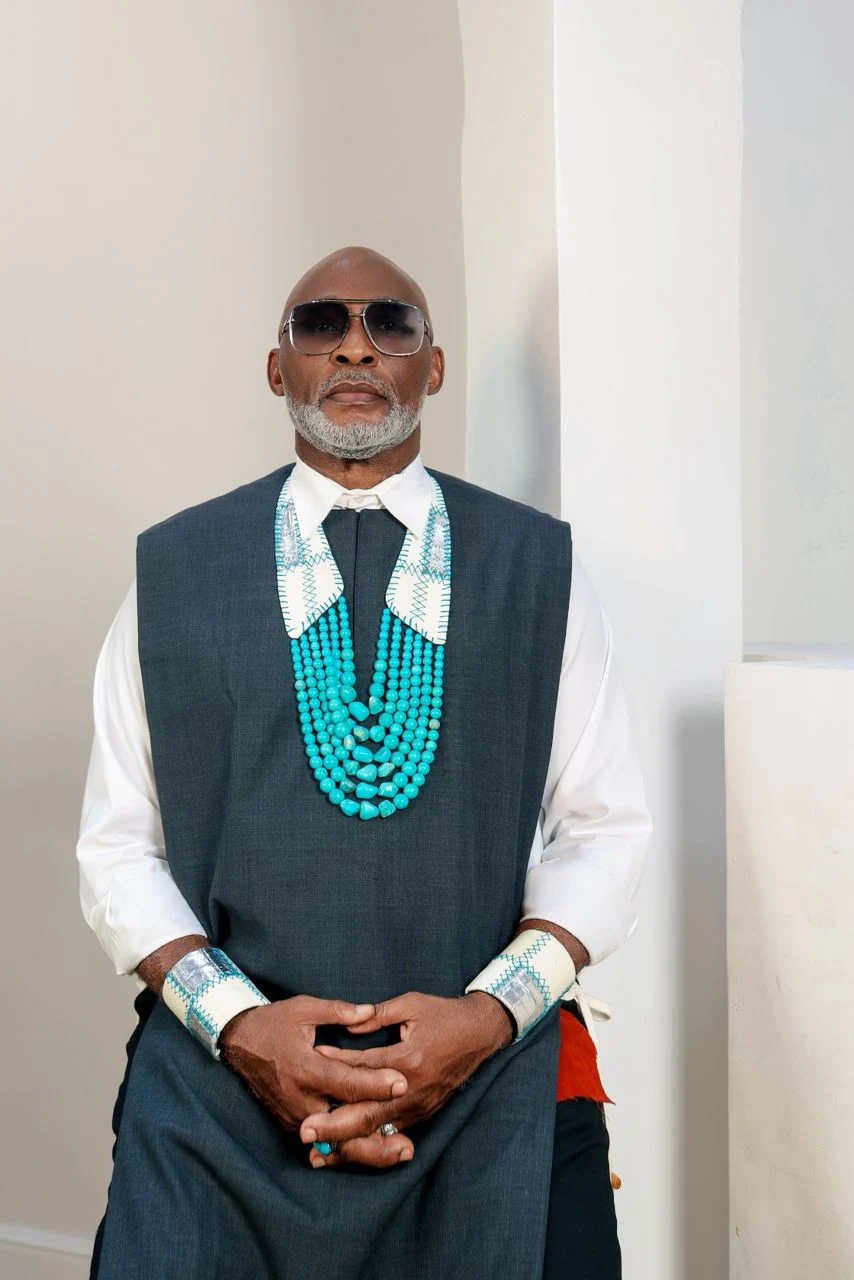

This approach places individual projects within a broader creative vision. A film may be completed, released and followed by another, but a sustained body of work reveals something about the values guiding the person behind it. Consistency does not necessarily mean repeating a successful formula. It can mean remaining committed to experimentation, taking creative risks and finding new ways to serve a story without losing sight of the craft itself.
Nor does a film’s significance end with its release. Commercial performance and critical recognition can offer useful indications of how a project has been received, but neither fully captures its relationship with an audience. What allows a film to endure is its ability to resonate with people, creating a connection that extends beyond the circumstances of its production. Some stories remain present because they offer a new way of understanding an experience; others stay with audiences because they give expression to feelings or questions that are difficult to articulate.
This lasting connection is not something that can be guaranteed through scale or spectacle. It emerges from the encounter between a story and the people who recognise something of themselves, their communities or their world within it. A film may entertain in the moment, but its deeper significance can become apparent much later, when a character’s dilemma or a story’s central question continues to occupy the viewer’s thoughts.
Such an understanding brings Richard’s reflections on acting, producing and mentorship into a single perspective. Each involves a different relationship with storytelling, yet all depend on recognising its capacity to influence how people see themselves and others. The actor gives a character emotional presence; the producer helps determine which stories are brought into existence; and the mentor contributes to the future of the people who will tell stories next.
Asked which of these contributions matters most to him now, Richard does not choose one at the expense of the others. He sees value in furthering the craft, opening opportunities for others and building a legacy that the next generation can carry forward and, in turn, pass on. It is an understanding of achievement that extends beyond personal recognition, placing individual success within a longer continuum of creative possibility.
For an industry continually negotiating the relationship between commercial demands, technological change and artistic purpose, that perspective offers a useful reminder. Cinema is shaped not only by the films that reach audiences, but also by the decisions made before production begins, the talent given room to develop and the creative principles that guide the work. The future of filmmaking will depend, in part, on whether those involved remain willing to invest in stories that matter and in the people capable of telling them.
Richard Mofe-Damijo’s evolving focus on production reflects this broader ambition. His interest lies in stories that deserve to be told, in young creatives who can carry the craft forward and in work that contributes something beyond the immediate moment of its release. The legacy he describes is not a finished monument to an established career, but an ongoing process of creation, encouragement and renewal.
Long after the final scene and the closing credits, a film’s influence may continue through the people it moves, the conversations it begins and the perspectives it leaves behind. For Richard, the opportunity to contribute to that enduring connection is part of what makes storytelling worth pursuing. The work is not complete when a story reaches the screen. Its possibilities continue in the lives of those who encounter it, and in the generations of storytellers who will carry its lessons into narratives yet to be imagined.