Shaima Rashed Al Suwaidi
Supporting Dubai’s Cultural Sovereignty in a Global Age
By Hafsa Qadeer
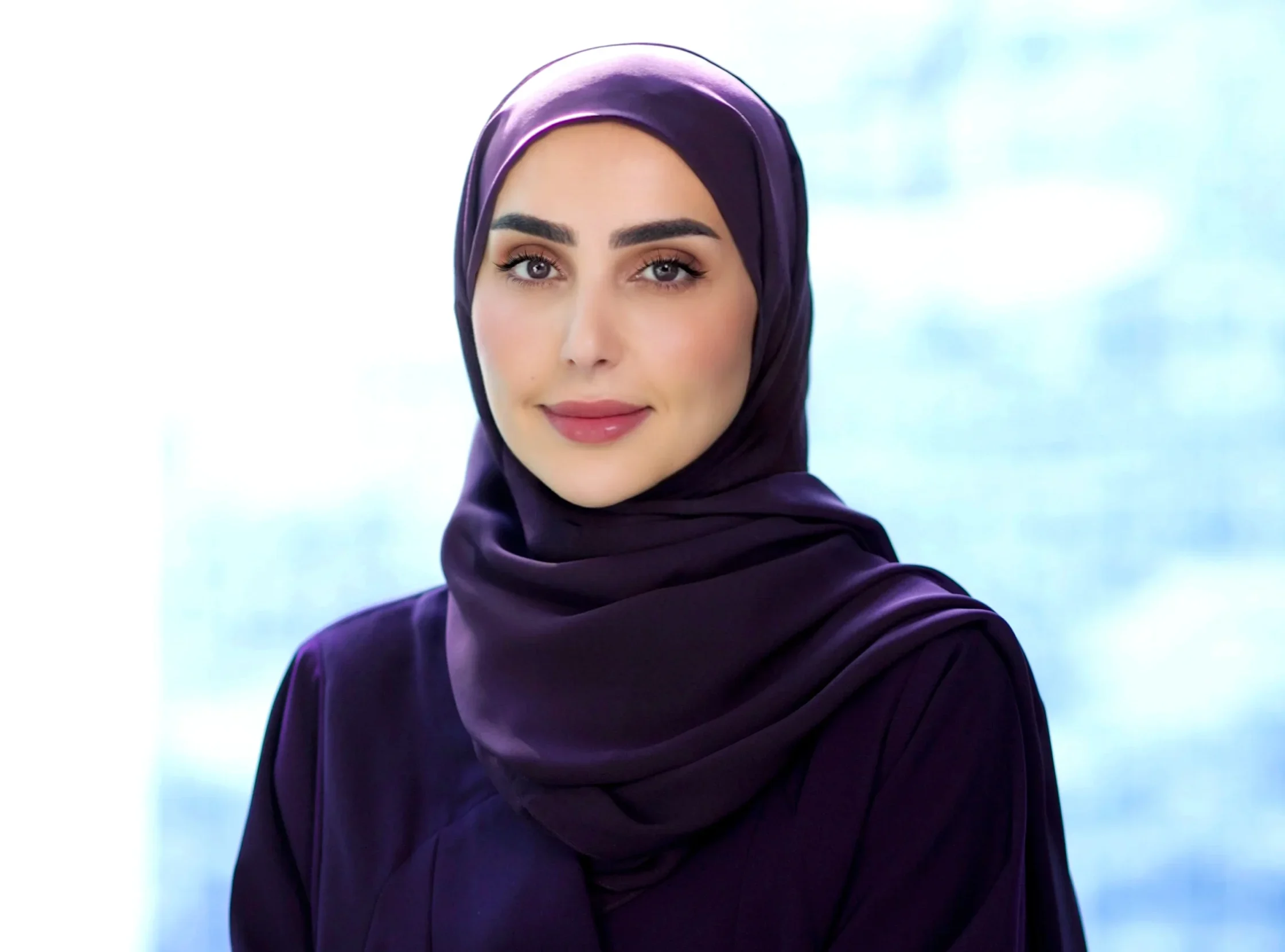
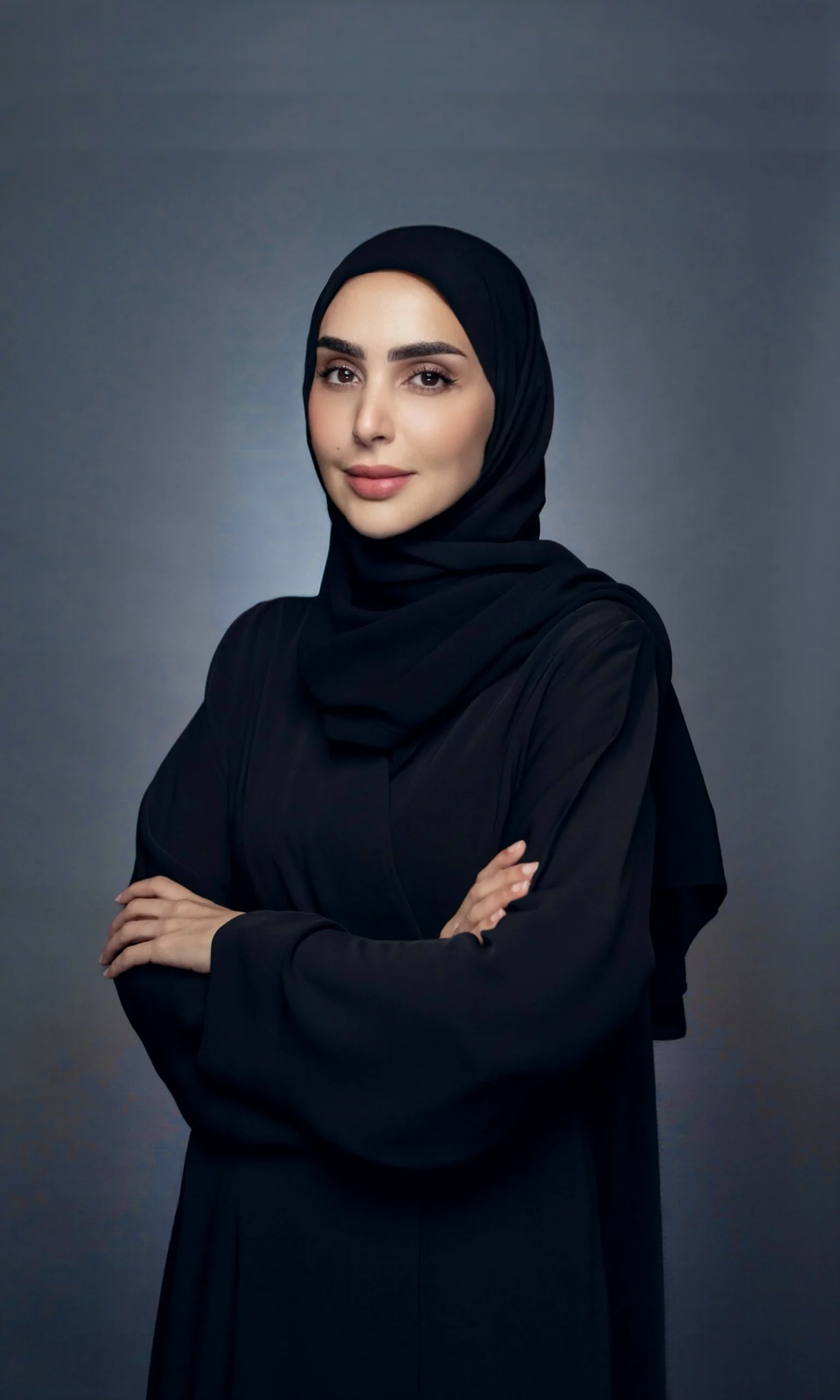
Shaima Rashed Al Suwaidi stands at the centre of Dubai’s cultural transformation as both custodian and architect of its creative direction. In her capacity as the official authority overseeing arts, design and literature, she has guided the city beyond the optics of rapid urban expansion toward a deeper, more enduring cultural consciousness. Her work has helped reposition Dubai as a place where creativity is not incidental but structural, not decorative but civic.
Born and raised in Dubai at a moment when the city was still defining its cultural self image, Shaima grew up witnessing change as a lived experience. Neighbourhoods evolved, communities arrived from across the world, and traditions were preserved alongside ambition. Family gatherings, public festivals, exhibitions and citywide celebrations were not peripheral moments but formative ones. They offered early lessons in belonging, memory and the unspoken language through which culture binds a society together.
From an early age, she understood culture not as a static inheritance but as something lived and continuously shaped. Storytelling, calligraphy, architecture and craft were not simply aesthetic forms but carriers of history and intention. As Dubai modernised, she observed how cultural expression adapted without severing its roots. Every exhibition and festival carried with it both remembrance and aspiration. This duality became central to her philosophy and later her leadership.
Her professional foundation in communications and marketing proved instrumental rather than incidental. These disciplines trained her in narrative clarity, audience engagement and strategic vision. She recognised early that culture requires translation as much as creation. Artists and writers need not only space to work but frameworks that allow their work to be seen, understood and valued. Through storytelling, she helped bridge the distance between creators and audiences, between local practice and global visibility.
At the core of Shaima’s leadership is an ethic of listening. She does not approach the creative community as an abstract sector but as a network of individuals with specific needs and ambitions. Some require affordable studios, others guidance through regulation and licensing, and many seek reassurance that their work holds meaning within the broader cultural landscape. Her response has never been uniform. Instead, she has prioritised dialogue, shaping initiatives that respond to lived realities rather than theoretical models.
This approach is reflected in the Al Quoz Creative Zone, conceived as a working ecosystem rather than a symbolic district. It is a space where studios, workshops and commercial activity coexist, encouraging collaboration across disciplines and generations.
Emerging creatives work alongside established practitioners, fostering exchange rather than hierarchy. The zone embodies her belief that cultural vitality cannot be imposed. It must be cultivated through proximity, access, and trust.
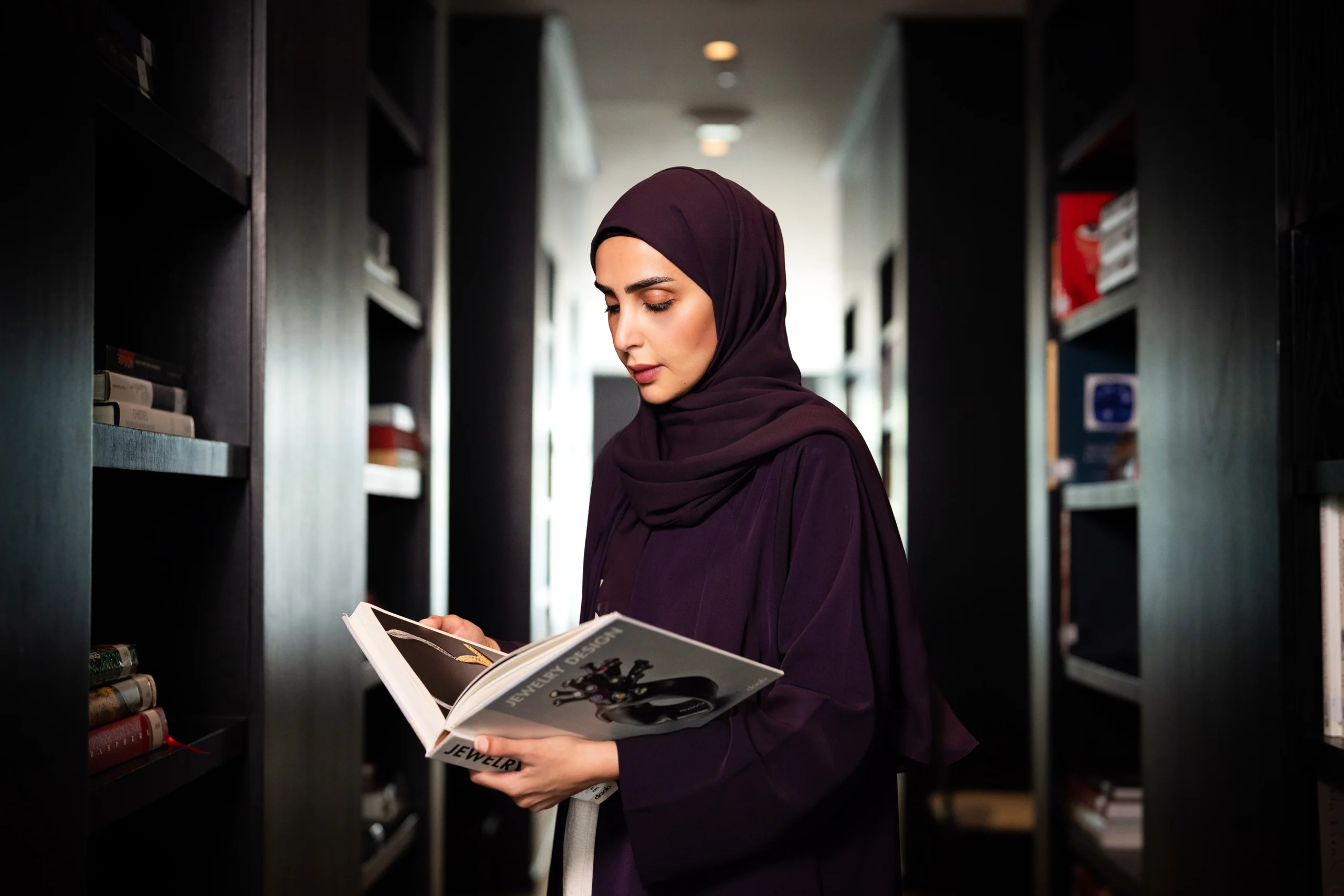
Complementing this infrastructure is the Dubai Cultural Grant, which supports creatives at the most vulnerable stage of development. The grant extends beyond financial assistance, pairing funding with mentorship and visibility. Programmes such as Talent Atelier create sustained pathways for professional growth, transforming ideas into practice and potential into sustainable careers. These initiatives reflect Shaima’s conviction that creativity flourishes when opportunity is structured and support is consistent.
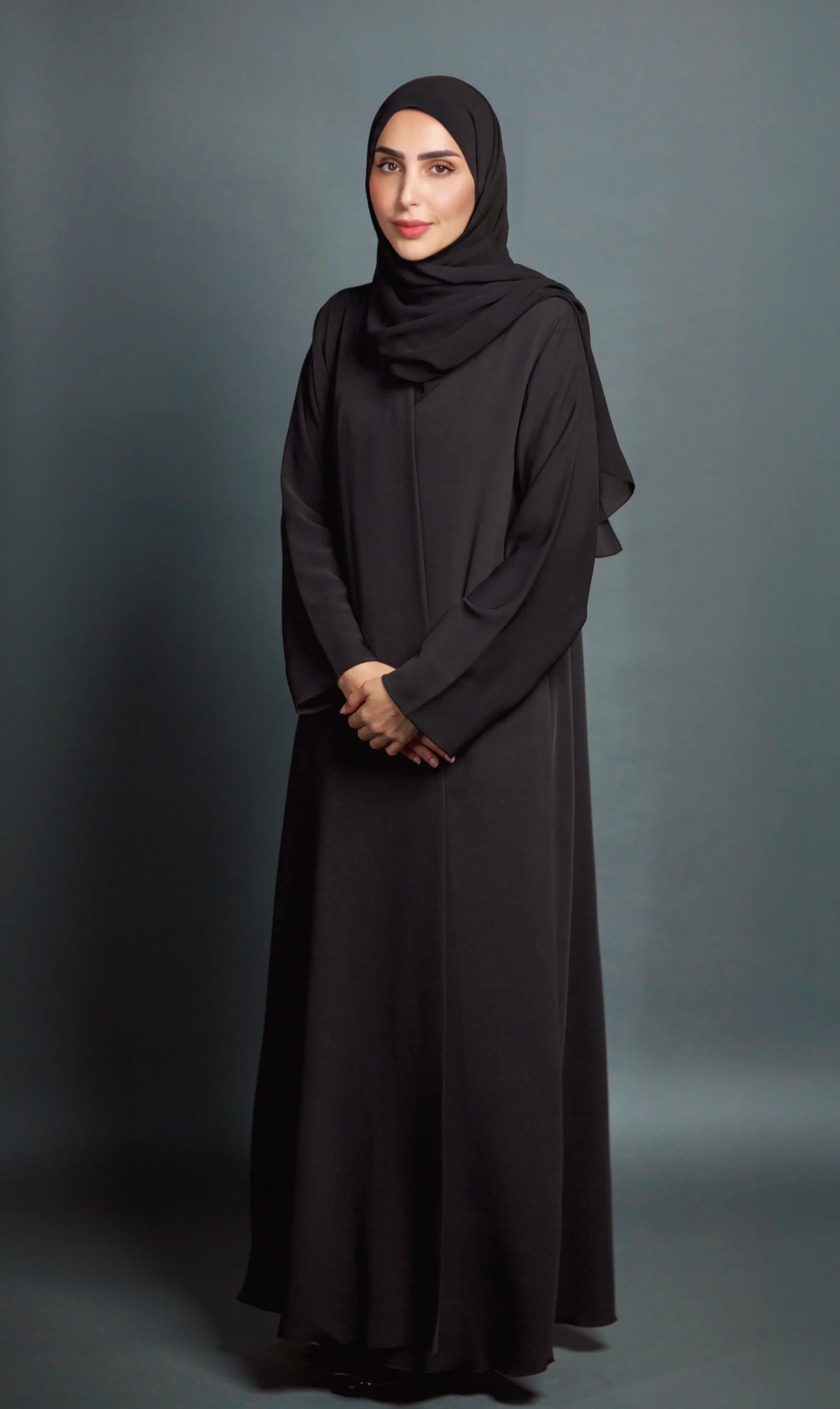
Her vision consistently rejects the false opposition between heritage and innovation. Emirati culture, in her view, is both anchor and catalyst. The Sikka Art and Design Festival exemplifies this principle. Set within the historic fabric of Al Shindagha, the festival transforms courtyards and alleyways into spaces of contemporary expression. Artists reinterpret local references through modern forms, creating work that is rooted yet exploratory. The result is a living cultural dialogue rather than a curated nostalgia.
Literature occupies a similarly vital place within her remit. Shaima recognises storytelling as a vehicle of identity and a bridge to global conversation. Through initiatives that support writers, translation and public dialogue, she has expanded the reach of Emirati voices beyond linguistic and geographic boundaries. Programmes such as Library Talks provide spaces for learning and exchange, ensuring that literary culture remains accessible and participatory.
Technology also plays a strategic role in her cultural framework. She views digital tools and artificial intelligence not merely as utilities but as emerging artistic languages. By hosting international platforms dedicated to electronic and emerging art, she has positioned Dubai as a meeting point for discussions on creativity, data and the future of expression. These engagements ensure that Emirati creatives are not passive observers of global change but active contributors to it.
Under her stewardship, Dubai’s cultural calendar has become layered and interconnected. Major international events coexist with grassroots platforms, creating continuity rather than spectacle. Art fairs, literature festivals and emerging art initiatives collectively shape a narrative that reflects the city’s complexity and ambition. Dubai is no longer simply hosting culture. It is producing it with intent and coherence.
Shaima is acutely aware of the generational responsibility embedded in cultural leadership. She invests in young creatives not as future participants but as present voices. Mentorship is treated as essential infrastructure, ensuring that knowledge circulates and innovation remains grounded.
By encouraging experimentation alongside discipline, she fosters resilience within the creative community.
Despite the scale of her influence, she remains notably focused on systems rather than personal recognition. Her concern lies in durability. Whether the frameworks she has helped establish will continue to support artists long after individual leadership cycles pass. Her broader ambition is to recalibrate global perceptions of Emirati culture as living, adaptive and intellectually rigorous.
Shaima Rashed Al Suwaidi’s trajectory is inseparable from the city she serves. Dubai’s evolution toward cultural maturity mirrors her own approach to leadership. Both are rooted in heritage yet unapologetically forward looking. Through her work, culture has become a defining civic force rather than a peripheral ambition.
In her hands, Dubai’s creative sector functions as a living organism, responsive, evolving and interconnected. Funding structures, creative zones, festivals and international exchanges are not isolated initiatives but components of a coherent cultural architecture. They ensure that the UAE is not merely consuming global culture but shaping it.
Looking ahead, Shaima envisions a cultural landscape where artists move freely across disciplines, where literary voices travel across languages, and where technology amplifies rather than dilutes creative intent. Heritage remains a source of strength, not limitation. Through policy, infrastructure and sustained engagement, she continues to transform this vision into reality.
Ultimately, Shaima Rashed Al Suwaidi exemplifies a rare form of cultural leadership that balances authority with humility and vision with pragmatism. Under her stewardship, Dubai has emerged not only as a city of ambition but as a city of meaning. Culture is no longer an adjunct to progress. It is its measure.