
The Great Supply Chain Reshuffle, Fragmented Trade in 2026
By Marina Ezzat Alfred
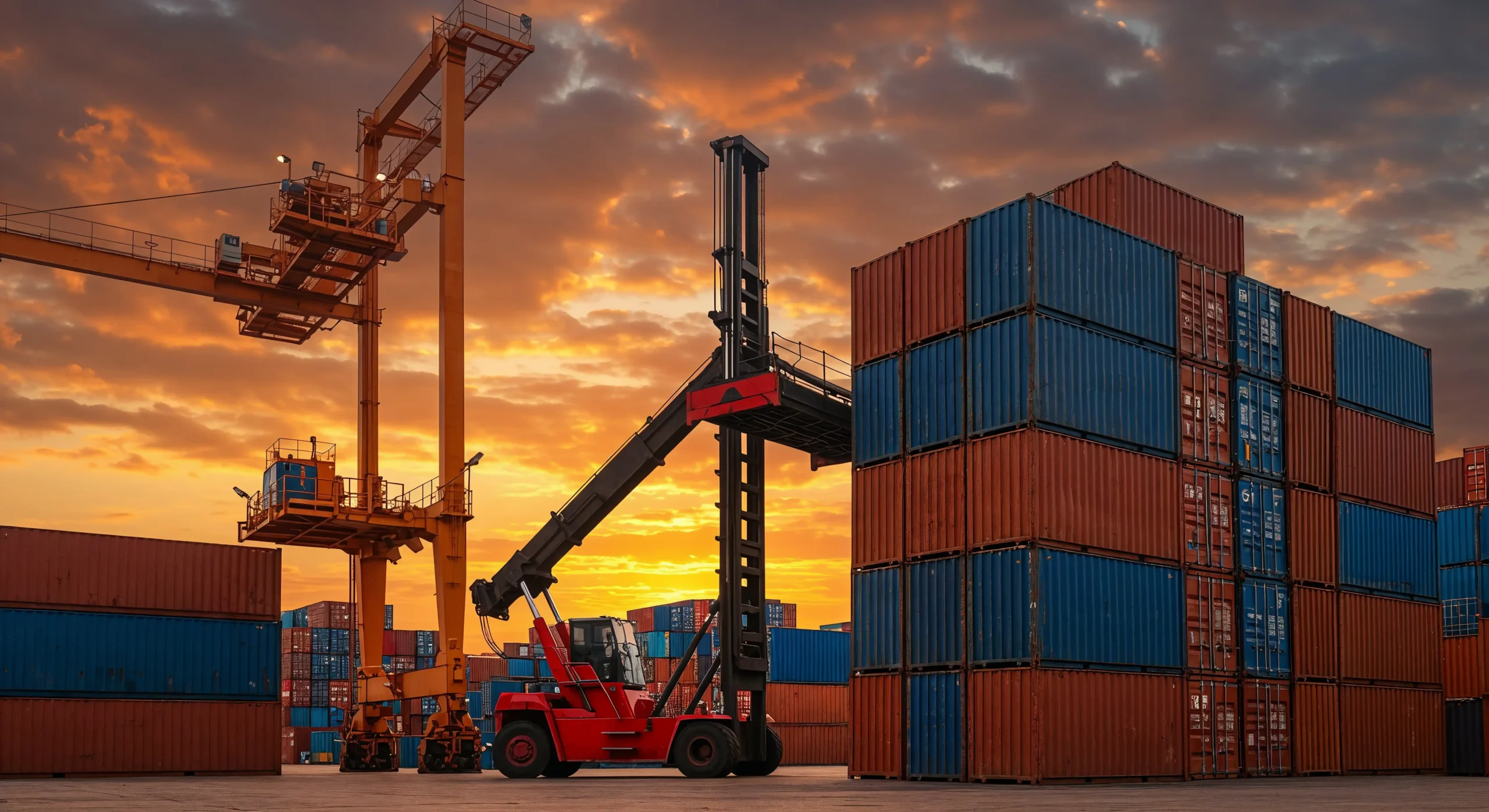
If you walk through a factory floor in 2026, you can feel it, something fundamental has changed. The conversation is no longer just about speed, cost, and efficiency. It’s about resilience. It’s about risk. And increasingly, it’s about politics.
For decades, global trade operated like a finely tuned machine. A component might be designed in one country, manufactured in another, assembled in a third, and shipped worldwide, all timed perfectly to arrive “just in time.” That system delivered lower prices and impressive corporate margins. It also created deep interdependence.
Today, that model has been reshaped. The global economy is no longer one seamless web. Instead, it resembles a patchwork of economic blocs, clusters of countries aligned not just by trade interests, but by strategic and security priorities. This is not a temporary reaction to recent crises. It is a structural shift. National security now influences commercial decisions in ways that would have seemed extraordinary just a decade ago.
From Efficiency at All Costs to Strategic Reliability
Globalization once rewarded whoever could produce at the lowest cost. Businesses built supply chains optimized down to the minute. Warehouses were lean. Inventory was minimal. If everything worked perfectly, the system was brilliant.But perfection proved fragile.
When disruptions hit, whether from health crises, geopolitical tensions, or trade disputes, entire industries stalled. A shortage of one critical input could halt production across continents. Companies that once celebrated lean inventory began asking a different question: What happens if the supply stops?
By 2026, governments and corporate leaders alike have absorbed that lesson. Trade policy now overlaps heavily with national security. Export controls, technology restrictions, and investment screening have become standard. Strategic industries, semiconductors, energy systems, pharmaceuticals, advanced materials, are treated not just as commercial sectors but as pillars of sovereignty.
The result is a world organized around strategic alignment. Trade still flows, but increasingly within trusted networks.
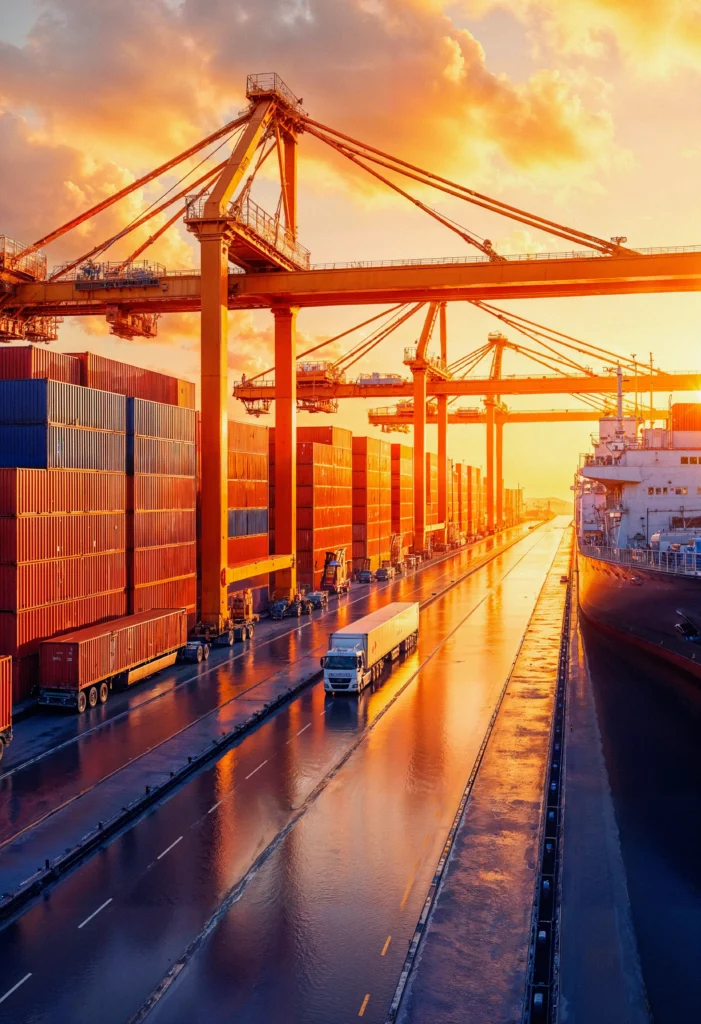
A New Playbook
Inside boardrooms, the conversation has shifted. Efficiency is no longer the sole benchmark. Resilience has entered the equation.
Instead of relying on a single global production base, companies are building regional ecosystems. A firm might now operate separate manufacturing hubs in North America, Europe, and Asia, each capable of serving its local market independently.
This reduces exposure to border disruptions or political tensions. But it comes at a cost. Duplicate facilities mean higher capital expenditure. Maintaining multiple supply chains increases operational complexity.
What used to be a streamlined network has become a web of parallel systems.
The reshuffle requires investment, serious investment. Building new factories, securing alternative suppliers, and developing domestic capacity in strategic industries demands billions of dollars.

Governments are stepping in with subsidies and incentives, recognizing that supply chain resilience is a national priority. For companies, this means redirecting capital toward infrastructure and long-term stability rather than short-term gains.
The return on investment may be slower. But the value lies in durability.
Managing supply chains across multiple blocs is no simple task. Companies must navigate different regulations, compliance requirements, and geopolitical risks. Legal and risk management teams are no longer back-office functions, they are central to strategy.
Executives now monitor political developments with the same intensity they once reserved for quarterly earnings.
Uneven Growth in a Divided Landscape
Not all countries are experiencing this shift in the same way. Some nations have positioned themselves as stable, reliable bridges between economic blocs. By maintaining diplomatic balance and offering predictable business environments, they are attracting record levels of foreign direct investment.
For these countries, fragmentation has created opportunity. They become regional manufacturing hubs, logistics gateways, or strategic intermediaries. Jobs follow. Infrastructure expands. Technology transfer accelerates.
Other economies face tougher adjustments. Those heavily dependent on a single export market may find access narrowing. Fragmentation reduces the scale advantages that once fueled rapid growth.
When markets segment, efficiency declines. And when efficiency declines, productivity growth can slow.
Governments are playing a more active role in shaping economic outcomes. Subsidies, tax breaks, and strategic investments are being deployed to secure domestic capacity in key industries.
Industrial policy, once controversial in many advanced economies, is now mainstream. Yet it carries risks: misallocation of capital, political favoritism, and competitive distortions can all undermine long-term efficiency.
Still, in 2026, few governments are willing to leave strategic industries entirely to market forces.
Paying the Price of Resilience
One of the clearest consequences of this reshuffle is inflation. For years, consumers benefited from what might be called the “globalization discount.” By sourcing goods from the lowest-cost producers worldwide, companies kept prices low. Competition across borders restrained inflation.That era is fading.
Building duplicate facilities, paying higher wages in reshored locations, and complying with diverse regulations all increase production costs. Prioritizing reliability over the cheapest option inevitably raises the baseline price of goods.
These costs do not disappear. They move through the supply chain and reach the consumer. Unlike a temporary commodity spike, this inflationary pressure is structural. Even if raw material prices stabilize, the global production model has changed. Efficiency has been partially sacrificed for security.
Central banks now face a more complicated environment. Not all inflation stems from demand. Some of it reflects a fundamental reorganization of how the world produces and trades.
Living in the New Trade Era
The Great Supply Chain Reshuffle is not the end of globalization. Goods still cross borders. Investment still flows internationally. But the spirit has shifted. The defining value of the previous era was optimization. The defining value of 2026 is resilience.
Businesses are learning to operate in a world where alliances matter as much as cost structures. Governments are recalibrating openness with strategic autonomy. Consumers may notice slightly higher prices, but behind those price tags lies a deliberate choice: stability over vulnerability.
This new landscape is more complex, and in many ways more expensive. Yet it reflects a deeper recognition that economic systems do not exist in isolation from politics and security.
The global trade machine has not stopped. It has simply been rebuilt, with thicker walls, shorter links, and stronger safeguards. And in 2026, that is the price of certainty in an uncertain world.