
Revolutionizing Wanderlust
The Cutting Edge of Tourism & Hospitality Innovation
By Peter Davis

Jey and Moe did not begin as a “brand,” nor did they step into the world of content creation with the language that now defines it. There was no announcement, no deliberate unveiling of a public journey. It started, as many contemporary digital lives now do, with fragments, small, unguarded pieces of everyday life that were never initially meant to carry meaning beyond the moment they existed in. A shared laugh at the end of a long day. A quiet routine captured without intention. A family rhythm that felt too ordinary to be anything other than personal. And yet, in that ordinariness, something unexpected began to form.
What distinguishes their story from countless others who document their lives online is not spectacle, but recognition. People did not arrive because something extraordinary was being shown; they arrived because something familiar was being reflected back at them. The digital world is often defined by extremes, louder, faster, more polished versions of life, but what Jey and Moe offered, even unintentionally at first, was something softer. A sense of presence that did not feel performed. A family that did not appear constructed for attention, but one that existed regardless of it.
As their audience began to grow, so did a quiet awareness that their private world had developed an unexpected second layer. It is a peculiar experience, being watched in fragments by people you will never meet, where your ordinary moments are interpreted, replayed, and attached to lives far beyond your own. For Jey and Moe, this shift did not transform who they were, but it did transform how they moved within their own reality. Nothing became artificial, but everything became more considered. The simple act of sharing stopped being instinctive and became intentional.
Yet, even with this awareness, their foundation did not shift away from what it had always been: family life in its most unembellished form. There is a tendency, especially in the digital space, to assume that what is seen is the entirety of what exists. But behind every shared moment is a structure that is not visible, the routines that are not filmed, the conversations that remain private, the everyday responsibilities that never translate into content. Their life, as they describe it, is not organized around the camera. It is organized around each other.
This distinction matters, because it challenges one of the most persistent misconceptions about family creators: the assumption that life is constantly curated for visibility. In reality, what reaches the public is only a narrow selection of time, carefully chosen not for perfection, but for alignment. Not everything is shared, and not everything is meant to be.
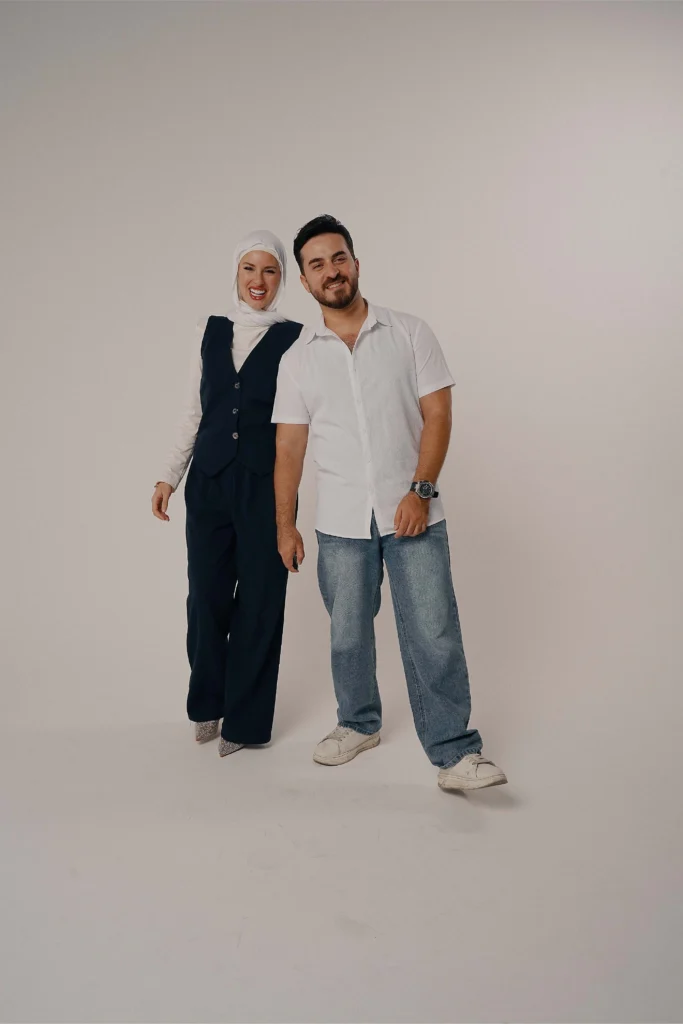
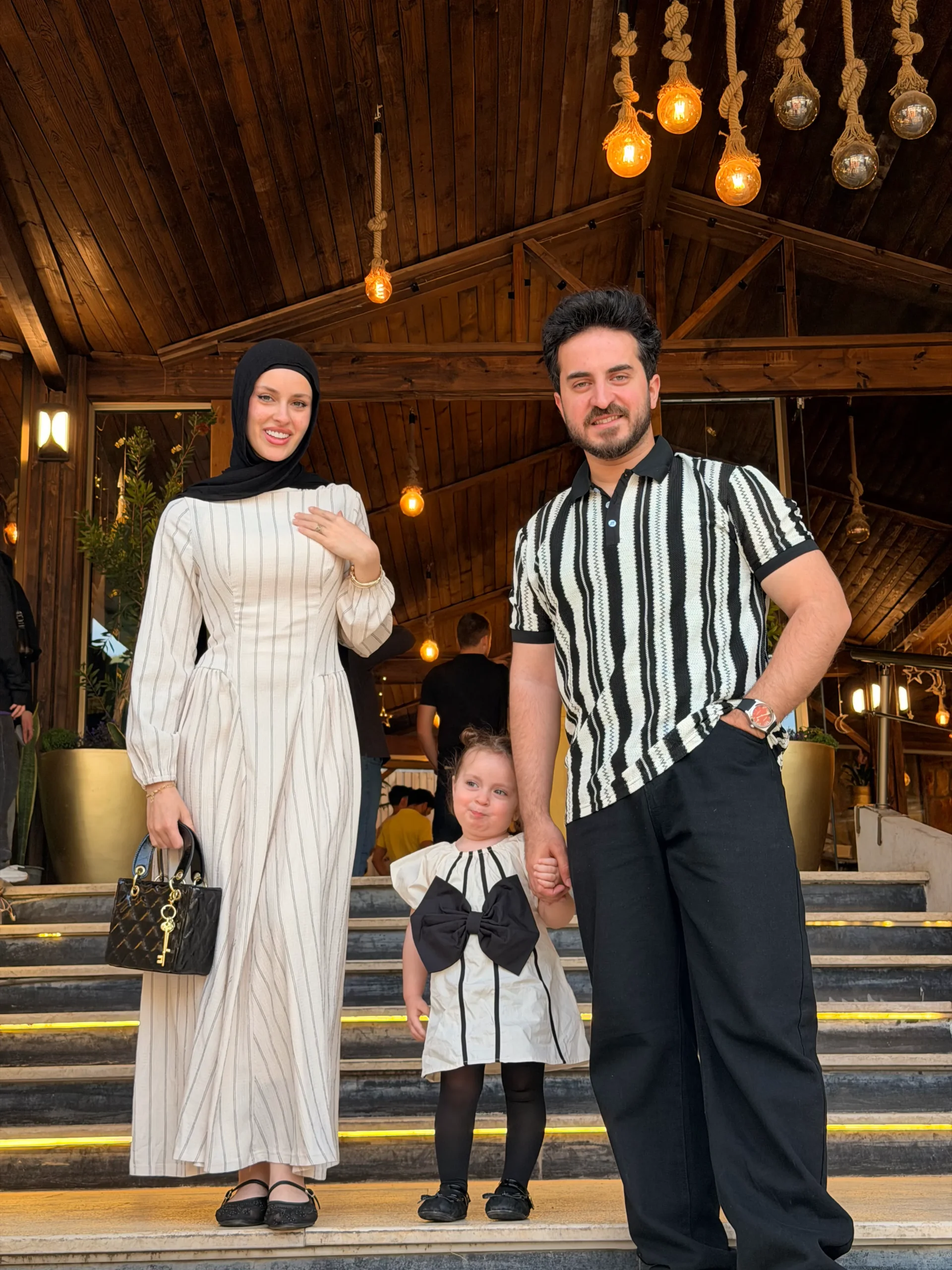
Some moments are withheld not because they lack meaning, but because their meaning belongs entirely to the family itself. In a culture where oversharing often passes for authenticity, their restraint becomes its own form of clarity.
There is, of course, work behind what appears effortless. The rhythm of content creation does not erase the rhythm of daily life; it runs alongside it. Schedules must be coordinated, responsibilities balanced, and time negotiated between presence and production. But even within this structure, they resist the idea that content defines their existence. Instead, it is fitted around what already exists. Family time is not an afterthought, it is the framework that everything else is built around.
What has allowed them to navigate this space with consistency is not strategy in the traditional sense, but alignment. A quiet, continuous decision-making process that asks not what will perform, but what feels true. In an environment where attention often rewards exaggeration, this approach requires discipline. It also requires clarity about what is non-negotiable. For them, that line is clear: if something does not sit comfortably within their values or lifestyle, it does not enter their public world. The cost of visibility is never allowed to outweigh the integrity of their private life.
Living in the UAE adds another layer to this dynamic, not as a decorative backdrop but as an active influence. It is a place defined by contrast, tradition and innovation moving alongside each other, rapid development existing within deeply rooted cultural frameworks. For a family navigating visibility, this environment becomes both opportunity and mirror. It reflects ambition, but it also demands grounding.
It exposes them to global rhythms while reminding them of personal ones. In that intersection, their identity as both a family and creators continues to evolve.
Still, what remains most consistent in their reflection is a refusal to romanticize the life they lead online. There is no attempt to present it as effortless or uninterrupted. The misconception that content creation is simply a sequence of happy, polished moments is one they quietly push back against through how they live rather than what they say. Behind the scenes, there are days of fatigue, logistical strain, and the ordinary unpredictability that comes with any household. The difference is not the absence of difficulty, but the decision to not let difficulty define what is shared.
That decision extends into how they understand influence itself. Visibility, for them, is not a personal achievement to be owned, but a responsibility to be carried carefully. Every piece of content becomes part of a broader impression that people absorb in ways they cannot fully control. This awareness does not create distance between them and their audience; instead, it creates caution. Not fear, but consideration. A recognition that what is shared does not end at the moment of posting, it continues to exist in the perceptions it shapes.
Perhaps what makes their presence resonate most strongly is the absence of performance in their tone. There is no attempt to elevate their life into something aspirational or unattainable. Instead, what emerges is recognizability. Viewers do not necessarily see a lifestyle they wish to enter; they see reflections of their own. Family dynamics that feel familiar. Interactions that resemble their own households. Small, shared human rhythms that do not require translation. In a digital environment often driven by distance and comparison, this sense of proximity becomes rare.
It is also why their growth does not feel defined by spectacle. There are no sudden reinventions or dramatic repositionings. Instead, there is continuity. A steady accumulation of moments that remain anchored in the same tone they began with. Even as their audience expands, the center of gravity remains unchanged. Family is not positioned as part of the content, it is the origin of it.
When they speak about advice for others hoping to enter the same space, their response avoids the language of ambition and replaces it with something more grounded. Patience, consistency, and honesty are not framed as strategies, but as conditions for sustainability. Trends, platforms, and formats will continue to shift, but the ability to remain authentic within those shifts is what determines longevity. What they emphasize, without embellishment, is that audiences are increasingly sensitive to what feels constructed. And once that sense of construction enters the perception of a creator, it is difficult to undo.
There is a quiet maturity in the way they understand this ecosystem. They do not appear to be negotiating with it or resisting it, but moving alongside it with awareness. The balance they maintain is not static; it is constantly adjusted through small decisions made in real time.
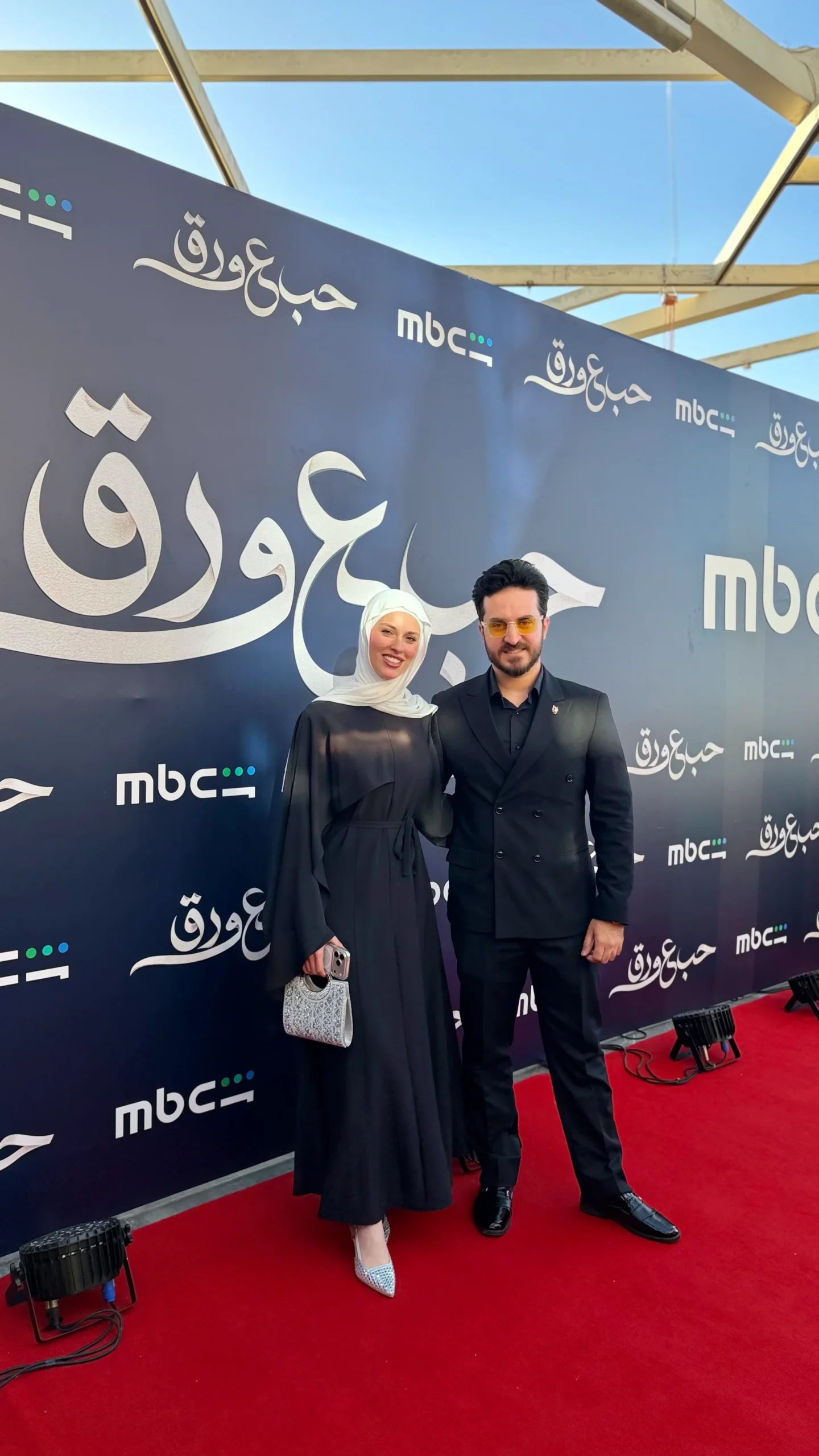
What to share. What to hold back. When to step forward, and when to remain within the private rhythm of their own household.
At the center of it all is a concept that remains unchanged regardless of growth or visibility: family as the primary structure, not the secondary theme. Everything else exists around it, never above it. Content is something that emerges from life, not something that replaces it. And in a digital environment where the boundaries between the two are increasingly blurred, that distinction carries weight.
Jey and Moe’s story, then, is not one of transformation from ordinary to extraordinary. It is something quieter and arguably more enduring. It is the story of what happens when ordinary life is not abandoned in the pursuit of visibility, but carried into it with care. When presence online does not replace presence at home, but exists in careful negotiation with it. And when, despite the reach of a global audience, the center of gravity remains exactly where it began, in the simple, unrecorded reality of being a family first, and everything else second.