The Longevity Boom, UAE Residents Are Investing in Living Better, Not Just Longer
By Marina Ezzat Alfred
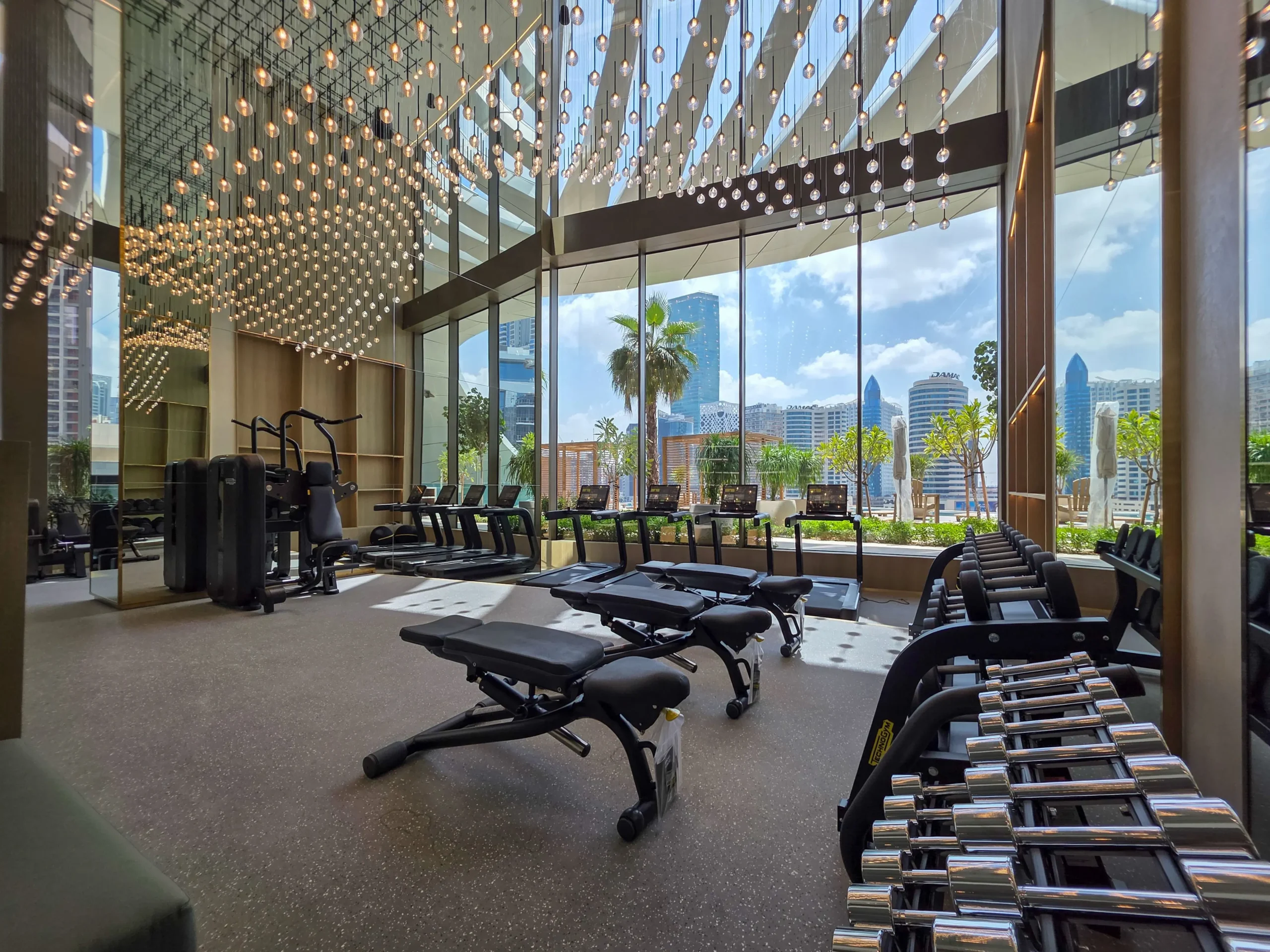
A few years ago, wellness looked very different. For many people, being healthy meant fitting in a workout before work, drinking enough water throughout the day, and perhaps trying the latest diet trend making waves on social media. The focus was often on appearance, losing weight, building muscle, or reaching a fitness milestone.
Today, a new mindset is taking over. Across the UAE, residents are becoming increasingly interested in something much bigger than fitness: longevity. It’s a concept that goes beyond looking healthy and focuses instead on staying healthy for as long as possible. Rather than asking how to get in shape for summer, people are asking how they can maintain their energy, mobility, mental sharpness, and overall wellbeing well into their later years.
For decades, healthcare was largely reactive. People visited doctors when they felt sick. They sought treatment after symptoms appeared. Prevention was important, but it wasn’t always the primary focus.
That approach is changing rapidly. Today’s consumers are treating health the same way they treat financial planning. Instead of waiting for problems to arise, they’re making investments now that could pay off years, or even decades, into the future.
Many residents are booking comprehensive health assessments, advanced blood screenings, hormone evaluations, and genetic tests not because they are ill, but because they want a clearer picture of their current health and potential future risks.
The goal isn’t simply to avoid disease. It’s to create a lifestyle that supports vitality, productivity, and independence for as long as possible. For busy professionals, entrepreneurs, and families balancing demanding schedules, longevity has become less of a trend and more of a strategy.
Not long ago, the word “biohacking” sounded futuristic and somewhat intimidating. It was associated with elite athletes, Silicon Valley founders, and health enthusiasts willing to experiment with cutting-edge technology in pursuit of peak performance.


In 2026, biohacking has entered the mainstream. Walk into a café in Dubai, Abu Dhabi, or Sharjah, and chances are you’ll overhear conversations about sleep scores, recovery metrics, intermittent fasting, glucose monitoring, or personalized supplements.
People are becoming fascinated by the data their bodies generate. Smartwatches and wearable devices now provide detailed insights into heart rate variability, stress levels, sleep quality, activity patterns, and recovery times. Instead of relying solely on how they feel, individuals are using real-time information to make decisions about exercise, nutrition, and daily routines.
The appeal is simple. Most people aren’t trying to become superhuman. They simply want to feel better. They want more energy in the morning, better focus at work, improved sleep at night, and greater resilience to the physical and mental demands of modern life. Technology is helping them pursue those goals with a level of precision that wasn’t possible just a few years ago.
Perhaps one of the most surprising developments within the longevity movement is the transformation of social life itself.
For generations, socializing often revolved around food, drinks, and nightlife. While those activities remain popular, a growing number of residents are seeking alternatives that align with their wellness goals.
This has led to the rise of what many are calling “social wellness. “Across the UAE, wellness clubs are becoming gathering places for like-minded individuals who want to prioritize health without sacrificing community.
Instead of meeting friends at a bar, people are connecting through cold plunge sessions, infrared saunas, guided breathwork classes, meditation circles, recovery lounges, and wellness workshops.
These experiences combine self-care with social interaction, creating spaces where people can recharge physically and mentally while building meaningful relationships.
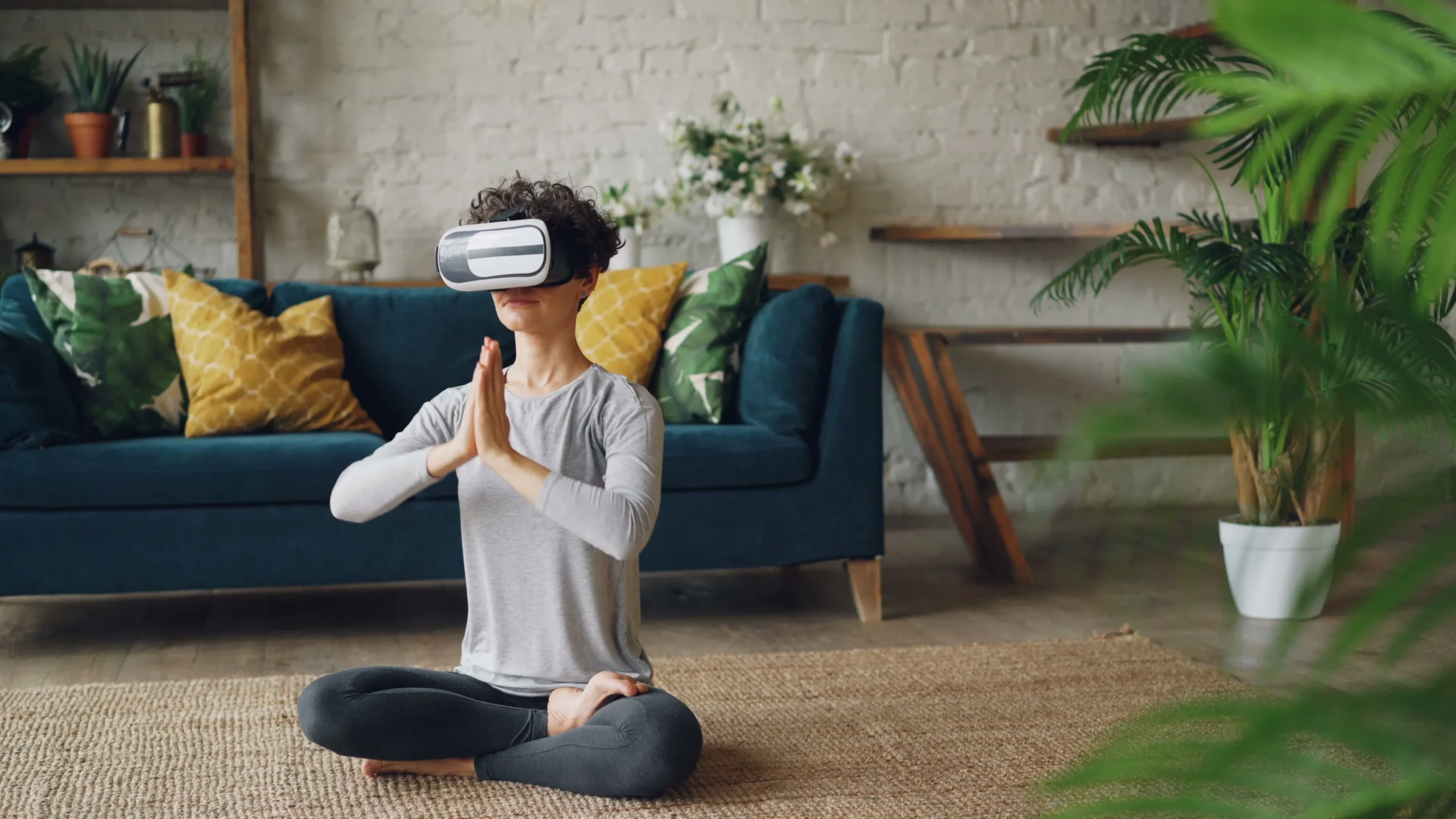
For many young professionals, this shift feels natural. After spending long hours at work and navigating increasingly busy lives, the idea of waking up refreshed after a wellness-focused evening has become more appealing than recovering from a late night out.
The popularity of these clubs reflects a broader cultural change. Wellness is no longer viewed as an individual pursuit. It’s becoming part of how people socialize, network, and spend their free time. One reason longevity is resonating with so many people is that it places significant emphasis on recovery.
For years, wellness culture celebrated hustle, productivity, and pushing limits. Today, recovery is receiving equal attention. Sleep quality, stress management, mobility, and mental wellbeing are increasingly recognized as essential components of long-term health.
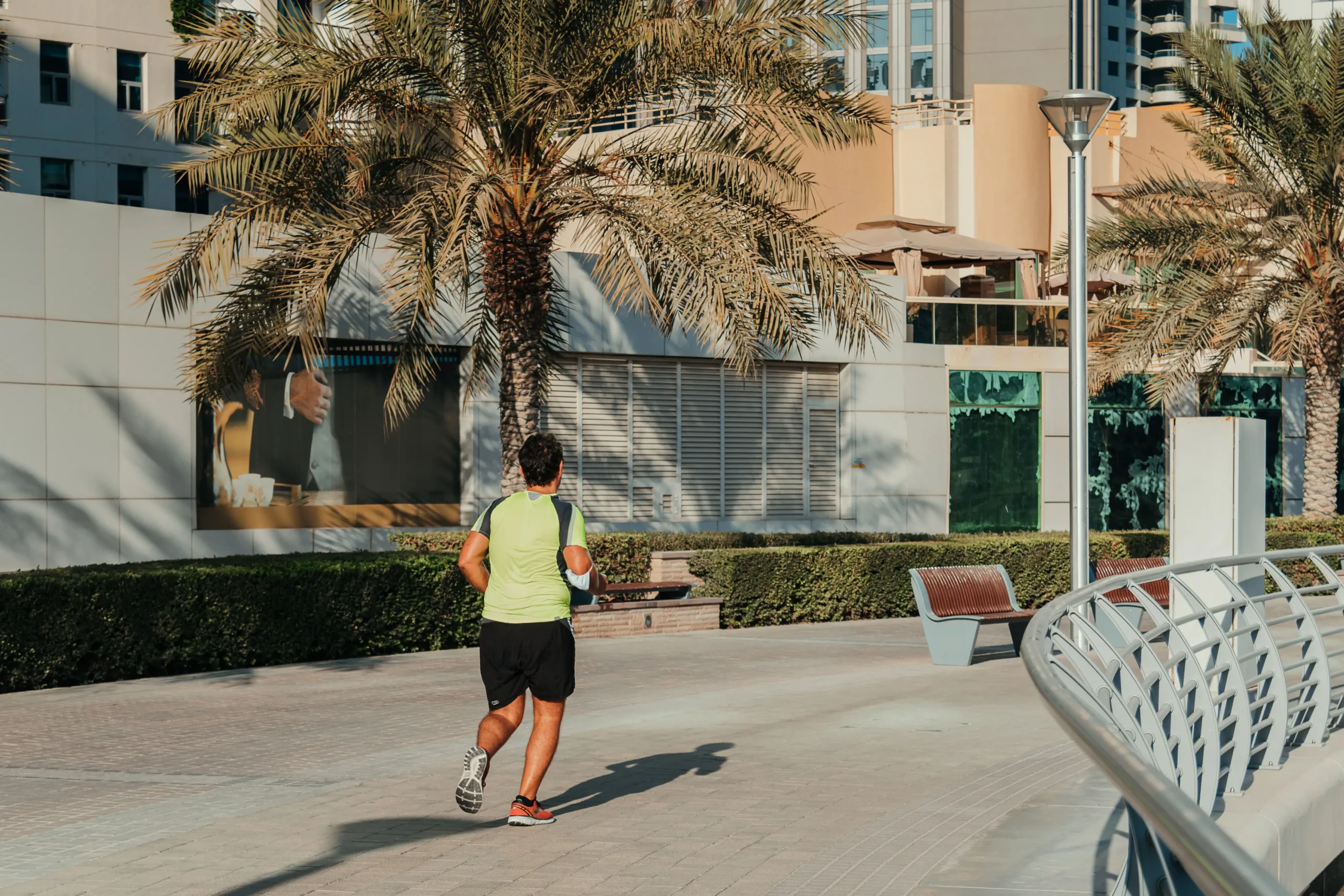
Residents are investing in therapies and experiences designed to help the body recover more effectively. Infrared saunas, cryotherapy, physiotherapy, massage treatments, and mindfulness practices are becoming common parts of wellness routines.
This shift reflects a deeper understanding that health isn’t just about what happens during exercise or work. It’s also about what happens afterward. People are learning that rest, recovery, and stress reduction play a crucial role in maintaining energy levels, preventing burnout, and supporting healthy aging.
The longevity boom is creating new opportunities across the healthcare sector, particularly for specialized clinics focused on preventative care. Unlike traditional healthcare facilities that primarily treat illness, these clinics are designed around the idea of keeping people healthy.
Many offer a combination of services that include physiotherapy, nutrition counselling, mental health support, hormone optimization, advanced diagnostics, and lifestyle coaching.
Patients are increasingly drawn to these personalized experiences. Instead of receiving generic recommendations, they work with healthcare professionals who help create individualized plans based on specific goals, health histories, and lifestyle factors.
This approach resonates strongly with today’s consumers, who expect personalization in nearly every aspect of their lives. Healthcare is no exception. As demand continues to grow, boutique clinics are becoming an increasingly important part of the UAE’s healthcare landscape.
Another defining feature of the longevity movement is the growing recognition that mental wellbeing is just as important as physical health.For many years, conversations around health focused primarily on exercise and nutrition.
Today, the conversation is much broader. Stress, anxiety, burnout, sleep quality, and emotional resilience are increasingly viewed as critical components of long-term wellness. As a result, demand for mental health services has risen significantly. Therapists, wellness coaches, mindfulness practitioners, and mental health specialists are becoming integral parts of preventative healthcare ecosystems.
People are beginning to understand that longevity isn’t only about adding years to life. It’s also about ensuring those years are fulfilling, meaningful, and emotionally healthy.
The UAE’s diverse population is also influencing how healthcare providers approach wellness. With large South Asian and Arab expatriate communities, there is growing demand for healthcare experiences that feel culturally relevant and familiar.
Patients often feel more comfortable with practitioners who understand their dietary habits, family dynamics, cultural values, and lifestyle expectations. In response, many clinics are developing services specifically tailored to these communities.
From culturally informed nutrition guidance to multilingual mental health support, providers are recognizing that personalized care extends beyond medical treatment. It also involves understanding the people behind the patients. This focus on cultural familiarity is helping create stronger relationships between healthcare providers and the communities they serve.
The business impact of the longevity movement is impossible to ignore. The UAE healthcare sector is currently experiencing a remarkable $22 billion boom in MedTech and biotech research, driven by growing consumer demand and significant investment in healthcare innovation.
From AI-powered diagnostic tools and wearable technologies to advanced biotechnology solutions and personalized medicine, companies are racing to develop products and services that support healthier, longer lives.
Investors see enormous potential in the longevity economy. Healthcare providers see an opportunity to transform patient outcomes. Consumers see a chance to take greater control of their futures. Few trends manage to align the interests of businesses, governments, and individuals quite so effectively. Longevity is proving to be one of them.
The popularity of longevity reflects a profound shift in how people think about health. Instead of viewing healthcare as something they need only when problems arise, residents are increasingly treating wellbeing as an ongoing, lifelong commitment.
They’re tracking their health, investing in prevention, prioritizing recovery, and embracing technologies that help them understand their bodies better than ever before. In many ways, the longevity movement isn’t about living forever.
It’s about living well. It’s about having the energy to pursue passions, the strength to remain active, the clarity to stay engaged, and the resilience to enjoy life at every stage. And as the UAE continues to invest in healthcare innovation, wellness experiences, and preventative care, one thing is becoming increasingly clear: The future of health is no longer focused on treating illness. It’s focused on helping people thrive long before illness ever begins.