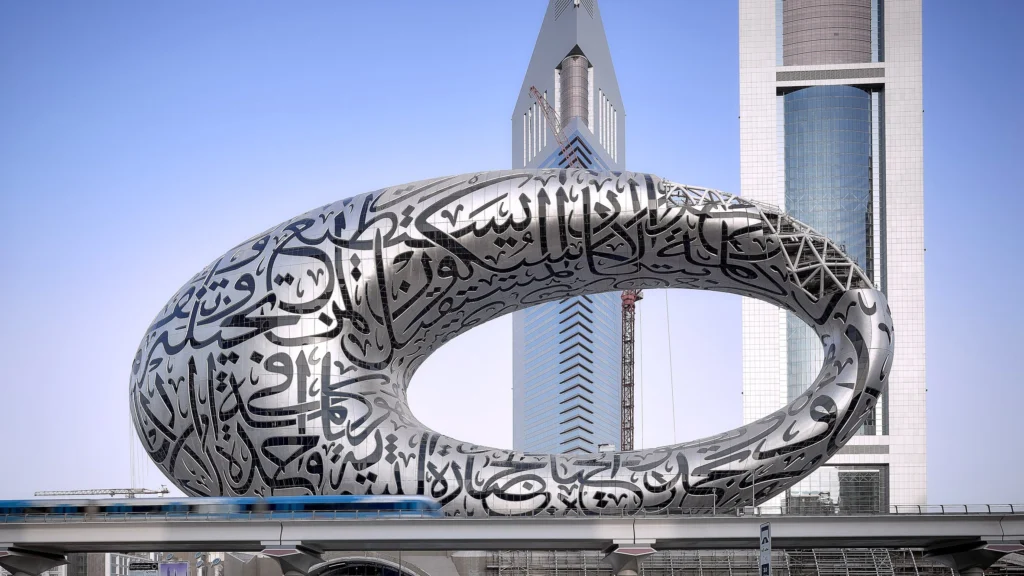
The Revival of Gulf Pearl Harvesting
By Sidra Asif
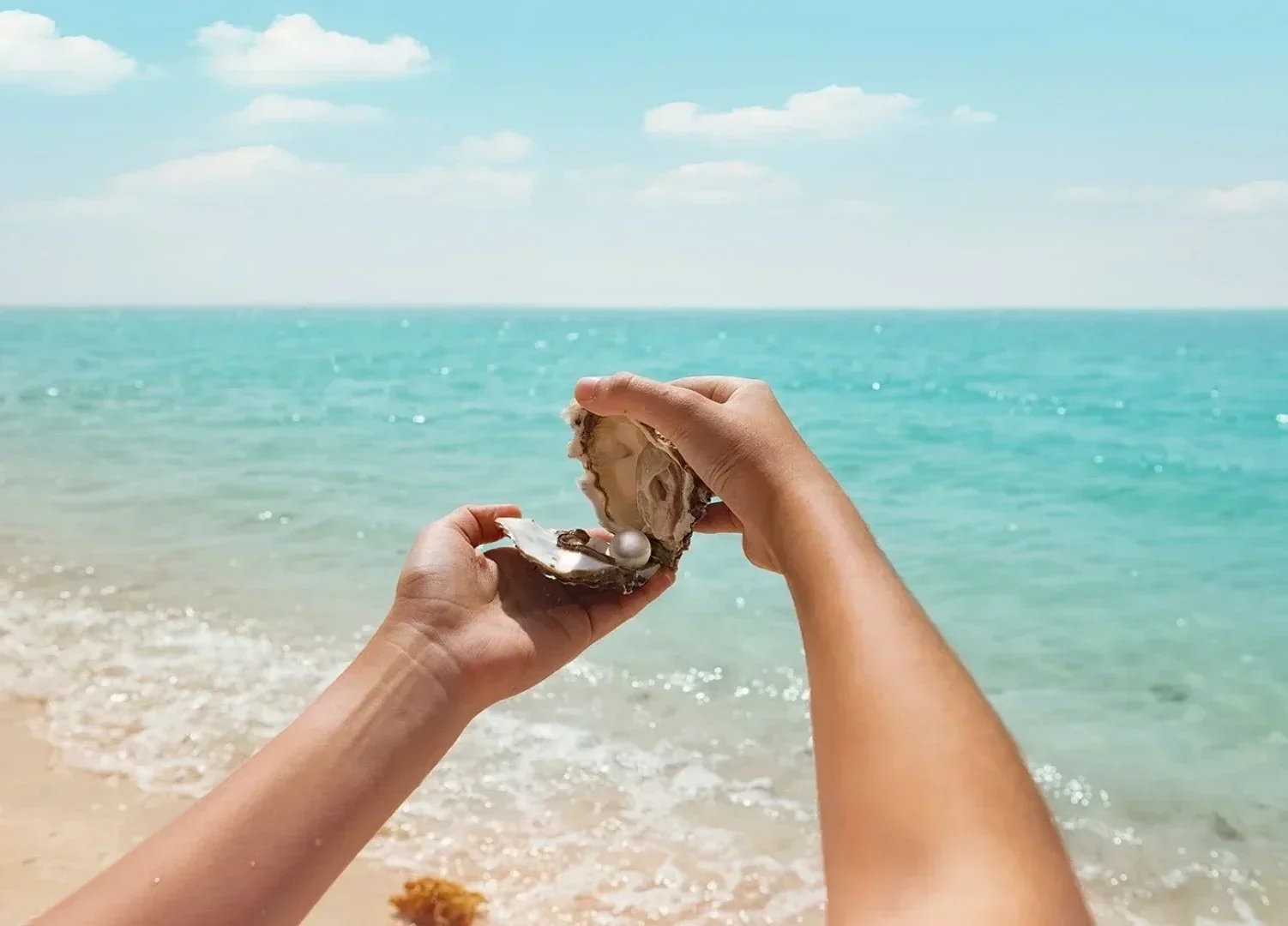
One family’s determination is preserving the UAE’s most treasured maritime heritage, proving that the greatest wealth of a nation is not always found beneath the ground, but within its history.
Long before the discovery of oil transformed the Arabian Gulf into one of the world’s most dynamic regions, another treasure sustained its people. It was not hidden beneath the desert, nor extracted from deep beneath the sea. It was created patiently by nature itself—one pearl at a time.
For centuries, the Gulf’s economy revolved around the sea. Every summer, fleets of wooden dhows sailed into open waters carrying crews of pearl divers whose livelihoods depended on courage, endurance and faith. Their search for natural pearls built communities, supported families and connected the Arabian Peninsula to international markets stretching from India to Europe. Pearls from the Gulf were among the most prized in the world, admired for their exceptional lustre and natural beauty.
Yet behind every precious pearl was a story of extraordinary sacrifice.
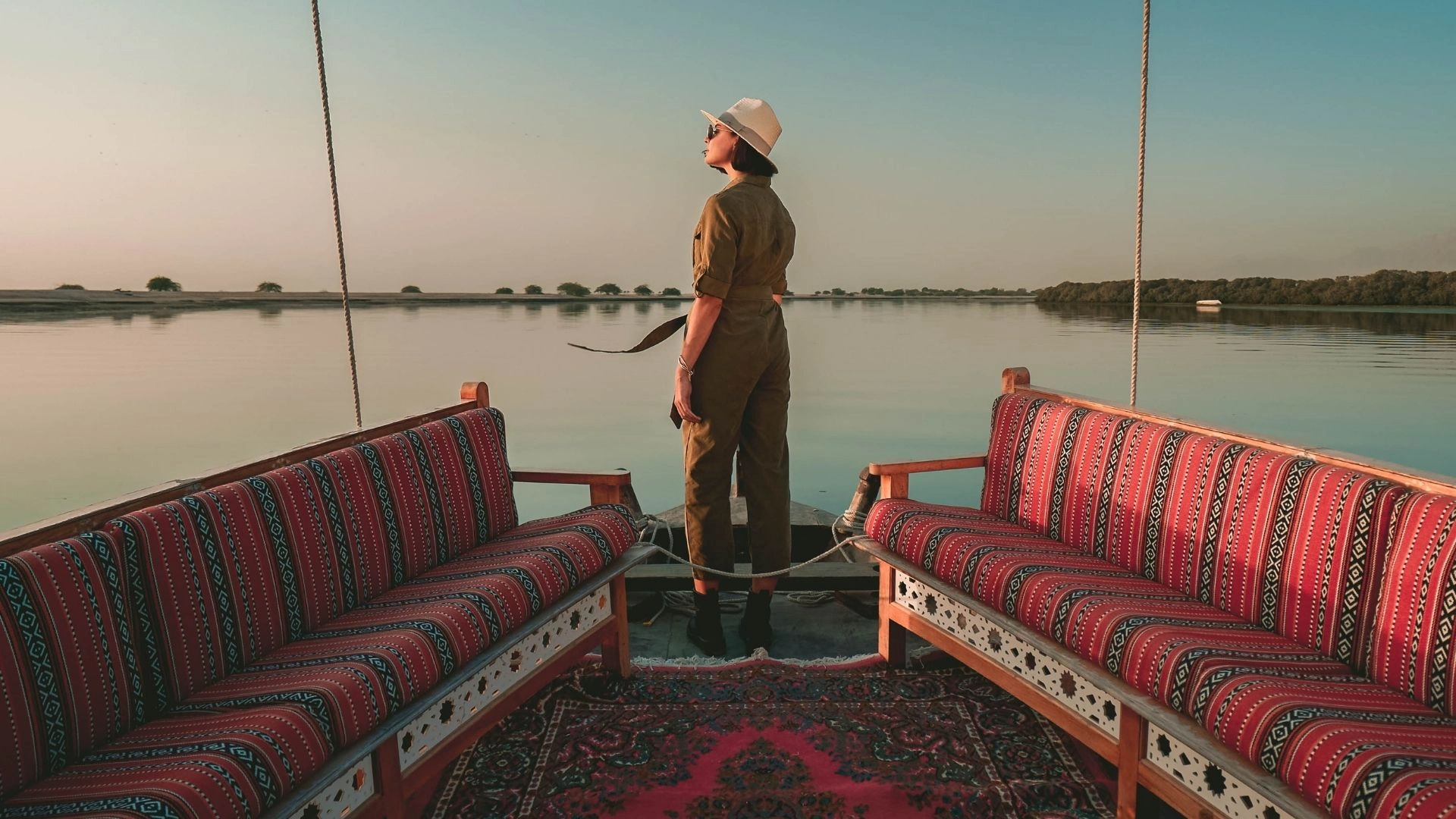
Pearl diving was one of the most demanding professions imaginable. Divers plunged into the depths without modern equipment, carrying only a nose clip, a woven finger guard and a rope connecting them to the boat above. With every breath held, they descended into the unknown, searching the seabed before returning to the surface within minutes. The work was relentless, repeated dozens of times each day under the scorching Gulf sun. Sharks, strong currents, exhaustion and the constant risk of drowning were accepted as part of everyday life.
These men were not simply searching for pearls.
They were searching for survival.
When the global pearl market changed during the twentieth century, particularly with the rise of cultured pearls and the emergence of new industries, the Gulf’s traditional pearl trade declined rapidly. As oil reshaped the region’s economy, pearl diving slowly disappeared from daily life. The songs sung aboard the dhows grew quieter, the diving boats became fewer and an ancient profession that had defined generations risked becoming nothing more than a chapter in history books.
Yet some stories refuse to disappear.
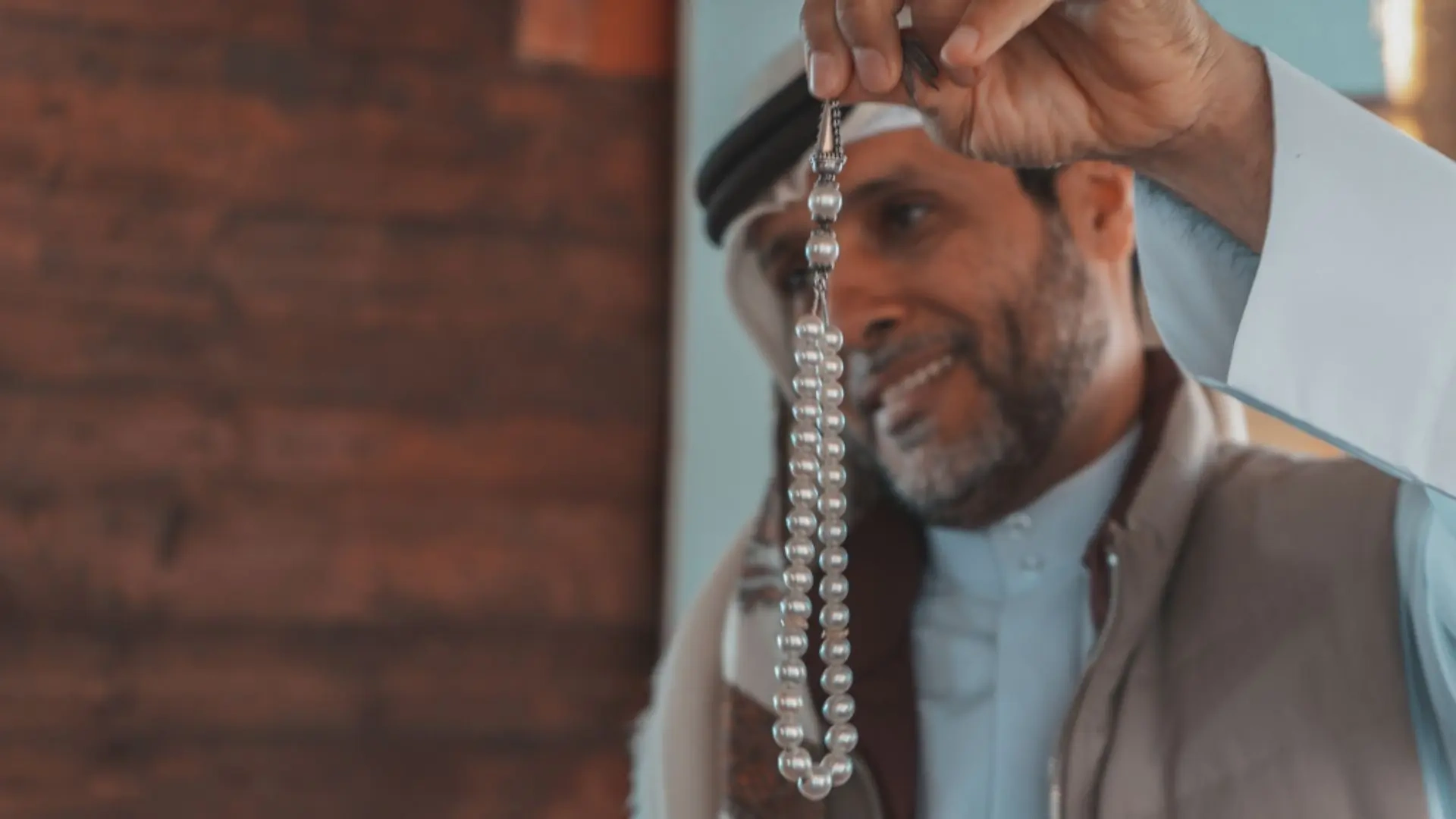
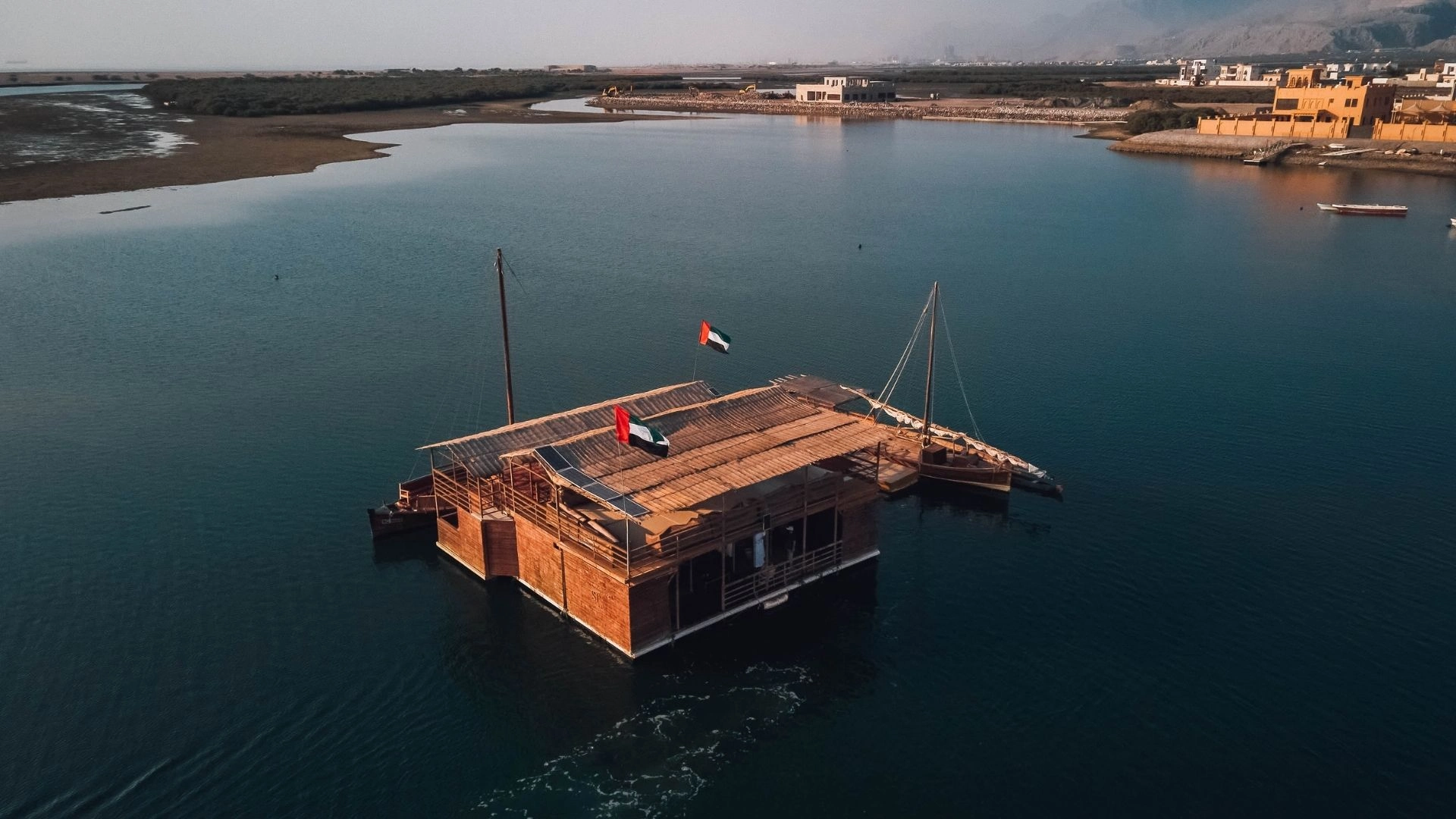
In the tranquil waters of Ras Al Khaimah, the legacy of Gulf pearl harvesting has found new life through the vision of Abdulla Al Suwaidi, grandson of one of the UAE’s last active pearl divers. Determined that future generations should experience this remarkable heritage rather than simply read about it, he established Suwaidi Pearls, the Arabian Gulf’s only traditional pearl farm, situated on a floating pontoon within a protected natural lagoon.
His mission extends far beyond producing pearls.
It is about preserving identity.
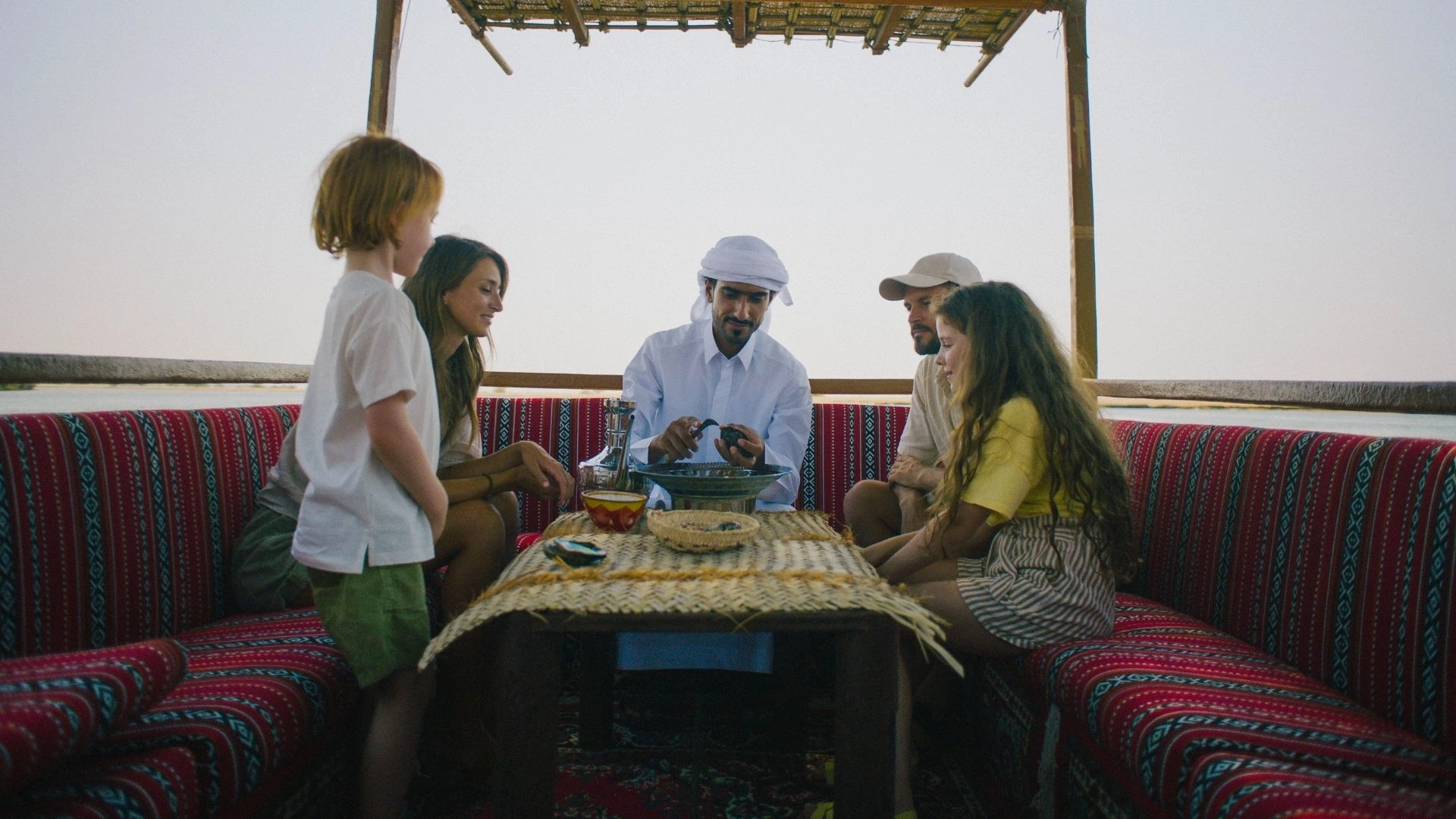
Visitors arriving at the pearl farm do not merely witness a business in operation; they step into a living museum where history remains active rather than preserved behind glass. Traditional boats, authentic diving stories and centuries-old techniques bring the Gulf’s maritime culture vividly to life, allowing people to understand the extraordinary relationship between Emiratis and the sea long before modern prosperity arrived.
What makes this revival especially meaningful is that it honours tradition while embracing sustainability.
The pearl divers of the past relied entirely upon nature, often risking their lives for uncertain rewards. Today’s pearl farming follows a different path. Using carefully managed ecological practices, oysters are cultivated within their natural environment, allowing marine ecosystems to remain healthy while continuing a heritage that once seemed destined to disappear. The lagoon itself becomes more than a workplace—it becomes a sanctuary where conservation and culture exist side by side.
This transformation reflects a broader philosophy that has become increasingly important throughout the UAE: preserving the past does not require living in it. Instead, heritage can evolve, finding new ways to remain relevant without losing its authenticity.
The story of Suwaidi Pearls is therefore not one of nostalgia.
It is one of renewal.
Every pearl harvested today carries echoes of generations who once depended upon the sea for their survival. Every visitor who hears the stories of the divers gains a deeper appreciation for the resilience that shaped the Emirates long before the nation’s remarkable modern development. These experiences remind us that prosperity did not begin with oil; it was built upon centuries of perseverance, trade, craftsmanship and an intimate understanding of the natural world.
Perhaps that is why pearls continue to hold such powerful symbolism in Emirati culture.
Unlike gemstones mined from the earth, pearls are created slowly through patience and resilience. A tiny grain of irritation, surrounded layer by layer with care, eventually becomes something precious. In many ways, the story mirrors the journey of the UAE itself—a nation that transformed challenges into opportunity through vision, determination and unwavering belief in the future.
For Abdulla Al Suwaidi, preserving pearl harvesting is also about honouring those who came before him. It is a tribute to his grandfather and to every diver whose courage sustained coastal communities through generations of hardship. Their legacy deserves more than remembrance; it deserves continuation.
As the UAE continues to embrace innovation, space exploration and advanced technologies, projects like Suwaidi Pearls serve as an important reminder that progress is strongest when it remains connected to its roots. A nation’s future is enriched not only by what it builds, but also by what it chooses to protect.
Today, the calm waters of Ras Al Khaimah tell a different story from those of the past. The danger has given way to education, sustainability has replaced uncertainty and cultural preservation has become as valuable as the pearls themselves. Yet the spirit remains unchanged—a deep respect for the sea, for heritage and for the generations whose sacrifices laid the foundations of modern Emirati society.
The revival of Gulf pearl harvesting is therefore about far more than pearls.
It is about memory.
It is about resilience.
It is about ensuring that one of the UAE’s oldest maritime traditions continues to inspire future generations, not as a forgotten relic of history, but as a living heritage carried forward with pride.
For in every carefully cultivated pearl lies a timeless reminder that a nation’s greatest treasures are often the stories it refuses to let fade beneath the tides.