The New Love for Old Things,
Rediscovering the Romance and Beauty of Another Era, Longing for a Time We Never Knew
By Hifza Ehtisham
In a world full of algorithms, artificial intelligence, and instant everything, Gen Z is finding beauty in the things that once felt conventional: handwritten letters, old films, vintage clothes, slow music, and the romance of a life lived offline.
We are living in an era consumed by the need for speed. Artificial intelligence can create an image in seconds, a message can travel across the world instantly, and social media gives us an endless stream of new trends before we have even had time to comprehend the last one. We have grown accustomed to a world where everything is just a click away.
Yet, strangely enough, the generation growing up in this digitally fast world seems to be looking backwards.
Across fashion, music, travel, and popular culture, there is a growing fascination with another kind of life, one that embraces simplicity, authenticity, and the beauty of imperfection. Young people dress like characters from another decade, collect film cameras, listen to old classic songs, visit historic cities, and romanticize handwritten letters. It is almost as if we are nostalgic for a world we never actually lived in.
Perhaps that is the point.
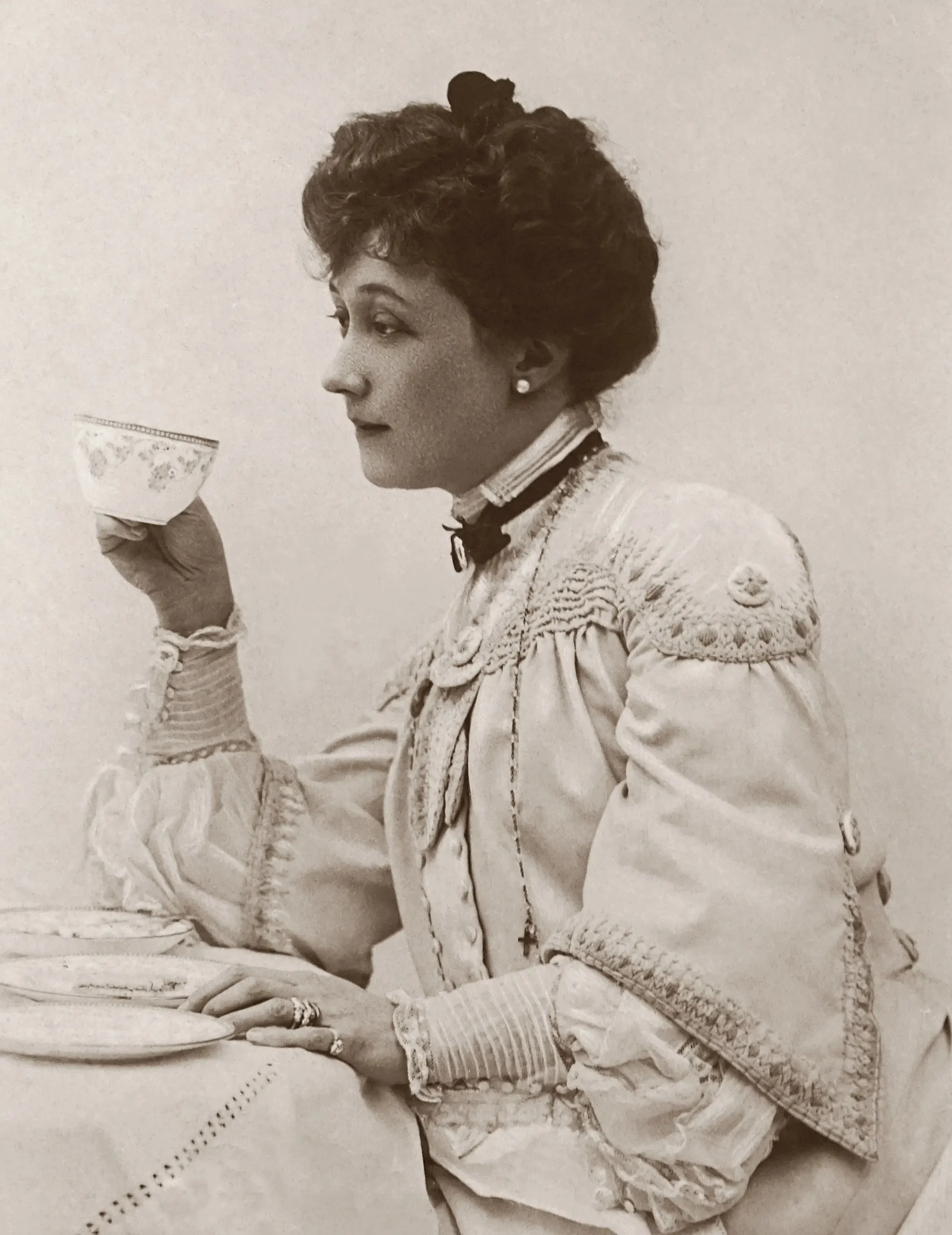
Fashion has become one of the most pronounced ways to express this nostalgia, with aesthetics such as Old Money, Dark Academia, and Victorian gaining attention. From tweed jackets and tailored trousers to corsets and lace details, people wearing these pieces look as though they could belong in a photograph from decades ago. These styles bring the elegance of earlier eras into modern wardrobes, celebrating individuality and understated charm.
There is something so powerful about clothing that does not immediately announce its brand. A well-cut coat or a simple cream blouse can communicate more than a large logo ever could. The appeal is not necessarily about looking wealthy; it is about looking intentional. Dressing well becomes almost like stepping into a different version of yourself.
Think of the way people dress in films such as Little Women. The clothes are not simply costumes. They tell us who the characters are, where they come from, and what kind of world they inhabit. Even Bridgerton and The Crown have contributed to our fascination with historical fashion, reminding modern audiences that clothing can have atmosphere, weight, and meaning.
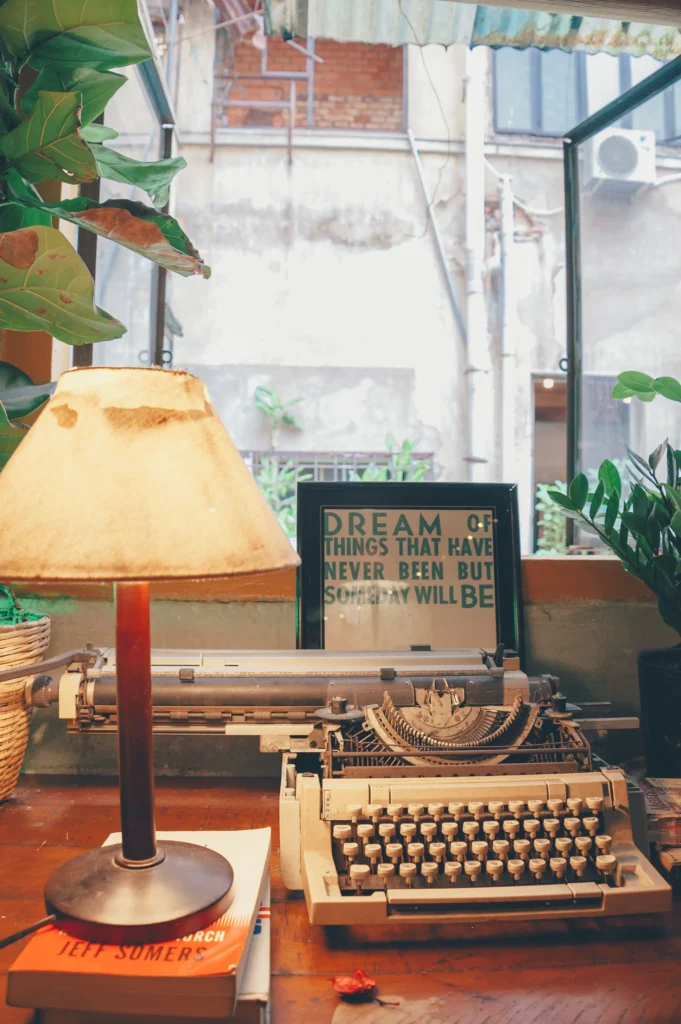
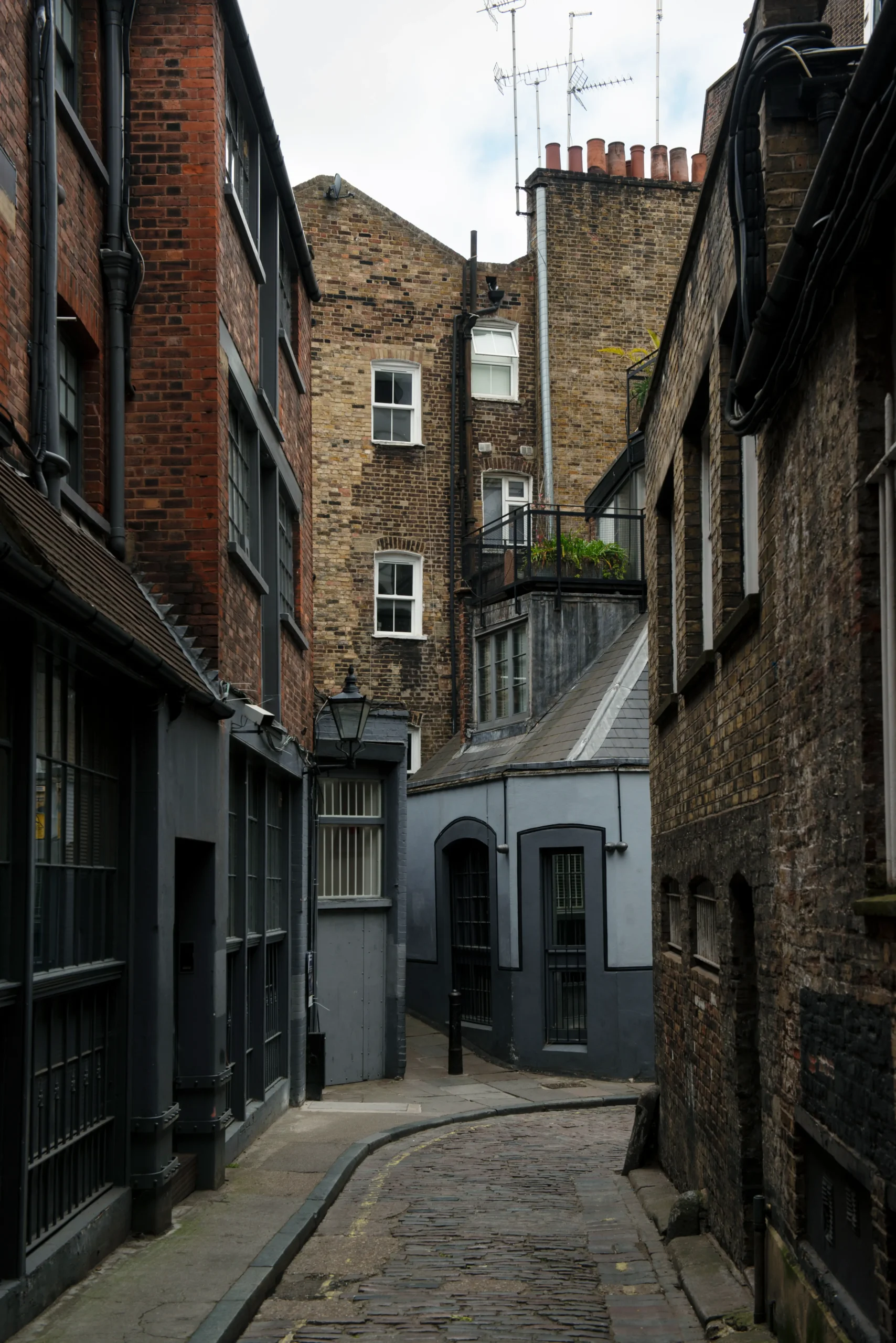
Then there is the influence of the screen itself. Television and cinema have become time machines. Stranger Things, for example, brought audiences into the texture of the 1980s, denim, graphic sweatshirts, analogue technology, bedrooms filled with posters and, most importantly, a world without smartphones constantly demanding attention. The past holds a certain charm, making us long for a time we can only imagine.
Perhaps the strangest part of nostalgia is longing for a time we never lived.
We romanticize the stories our parents and grandparents tell us, of long days that seemed to stretch endlessly, simple joys that meant everything, and a life that felt less like a race and more like something to be lived. There was a certain innocence in not knowing everything, a quiet peace in being unaware of what we now spend so much time worrying about. Their world had its own struggles, but in the stories passed down to us, there is a warmth that makes us wonder if, sometimes, knowing less allows us to appreciate more.
The feeling of romanticizing the past can be heard in music too. Artists such as Lana Del Rey have built entire worlds around vintage Americana, old Hollywood glamour, tragic romance and melancholia. Songs such as The Night We Met by Lord Huron or Love Story by Taylor Swift continue to resonate because they feel emotional rather than disposable. Even older songs like Golden Brown by The Stranglers have found new audiences through social media.
We seem drawn to music that sounds as though it belongs to a memory.
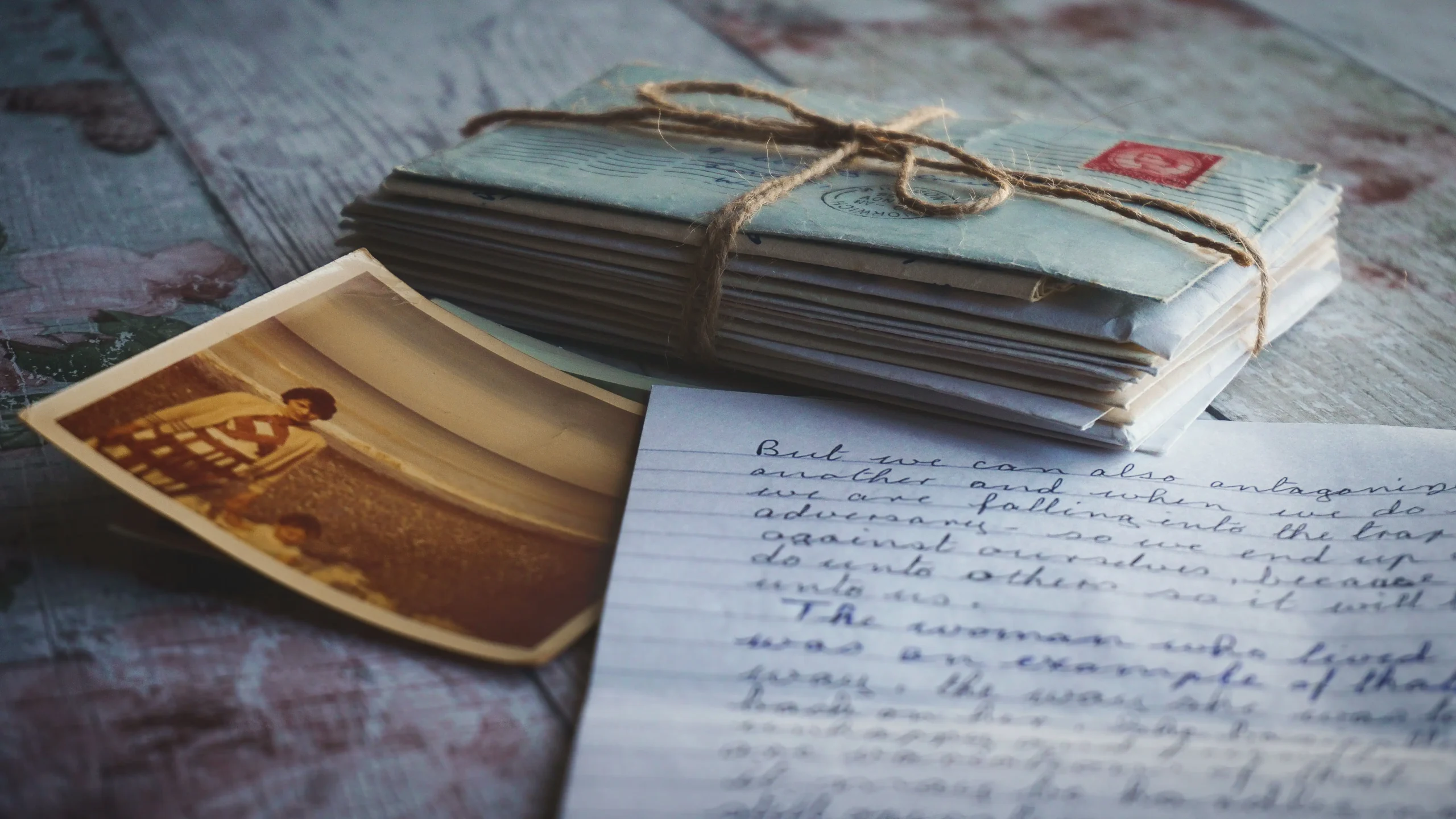
And perhaps that explains why the handwritten letter has become almost whimsical in a world of instant messages. In an age where a conversation can consist of disappearing messages, typing indicators, and a string of emojis, the idea of someone sitting down with a pen and taking the time to write several pages feels almost extraordinary.
A handwritten letter carries the evidence of a person’s time, handwriting, and imperfections, which cannot be replicated with copy-and-paste text.
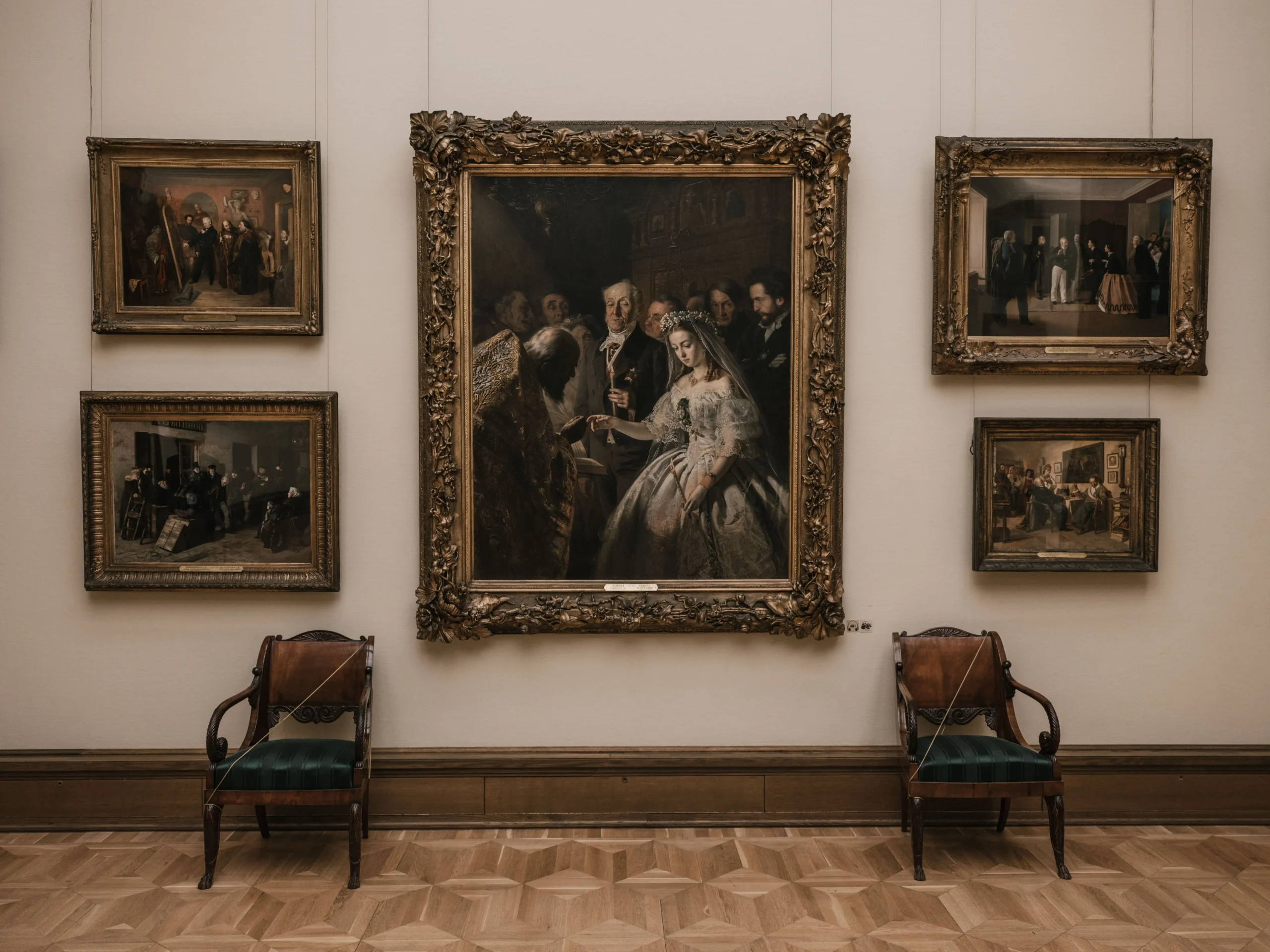
The same appreciation is appearing in photography and art. Film cameras, old paintings, physical books, vinyl records, calligraphy, and handmade objects have gained a new kind of value. When artificial intelligence can produce a polished image almost instantly, something created slowly by a human hand begins to feel more meaningful.
A slightly imperfect or blur photograph may feel more alive than a perfectly edited one.
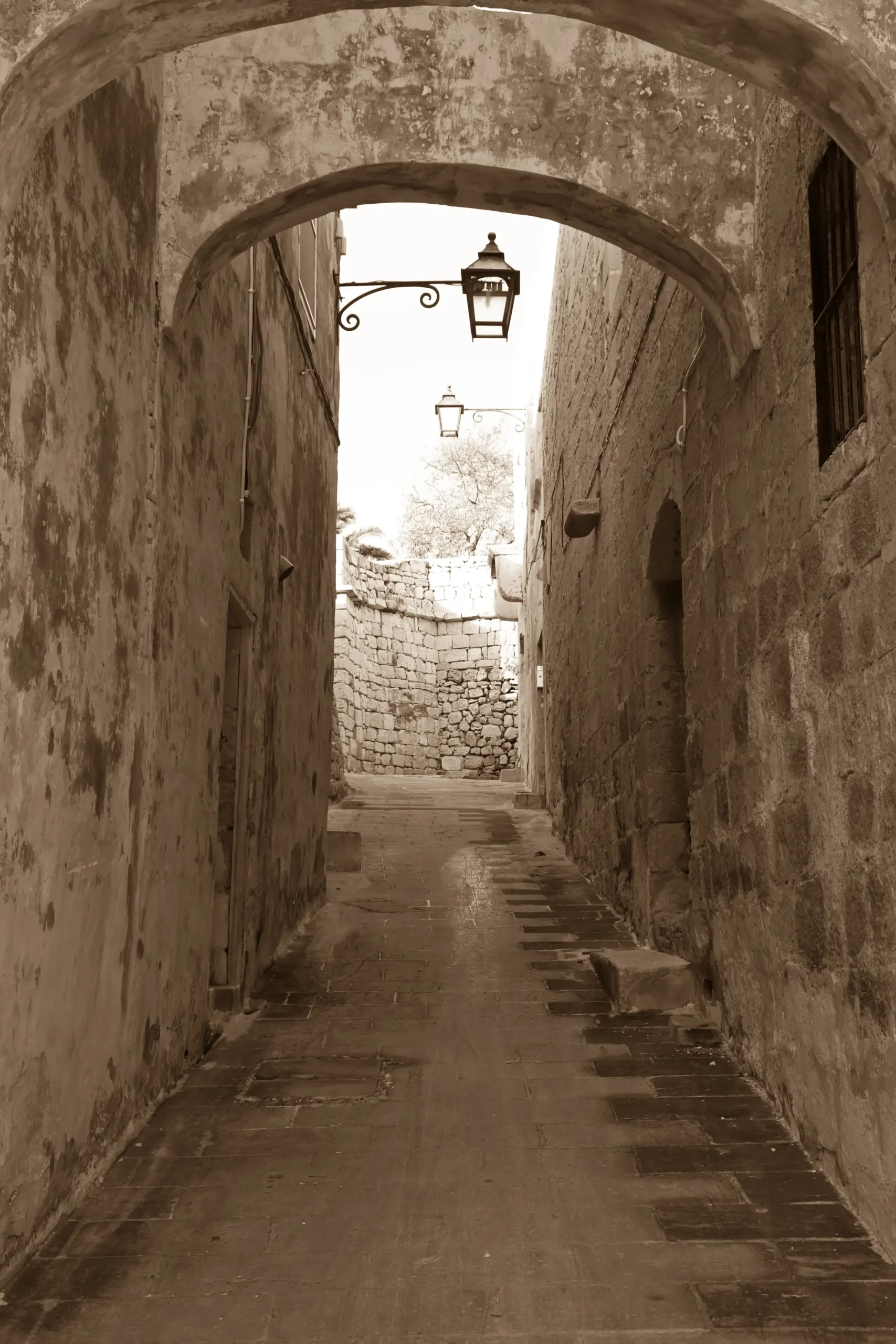
This desire for the tangible is also changing the way people travel. Instead of searching only for the most modern destinations, travelers are drawn towards places that feel as though they belong to another era. Edinburgh, with its stone buildings, narrow streets and Gothic atmosphere, can feel like stepping into a novel. Old European towns, quiet museums, libraries, countryside cottages and wooden cabins offer something that a five-star resort sometimes cannot: a sense of escape.
People are not necessarily trying to escape technology forever. They are simply searching for moments when technology is not the center of everything.
That may be why the idea of “dressing for the plot” has become so appealing. It is more than putting on a vintage dress or a tailored blazer. It is about treating ordinary life as though it deserves a little more imagination.
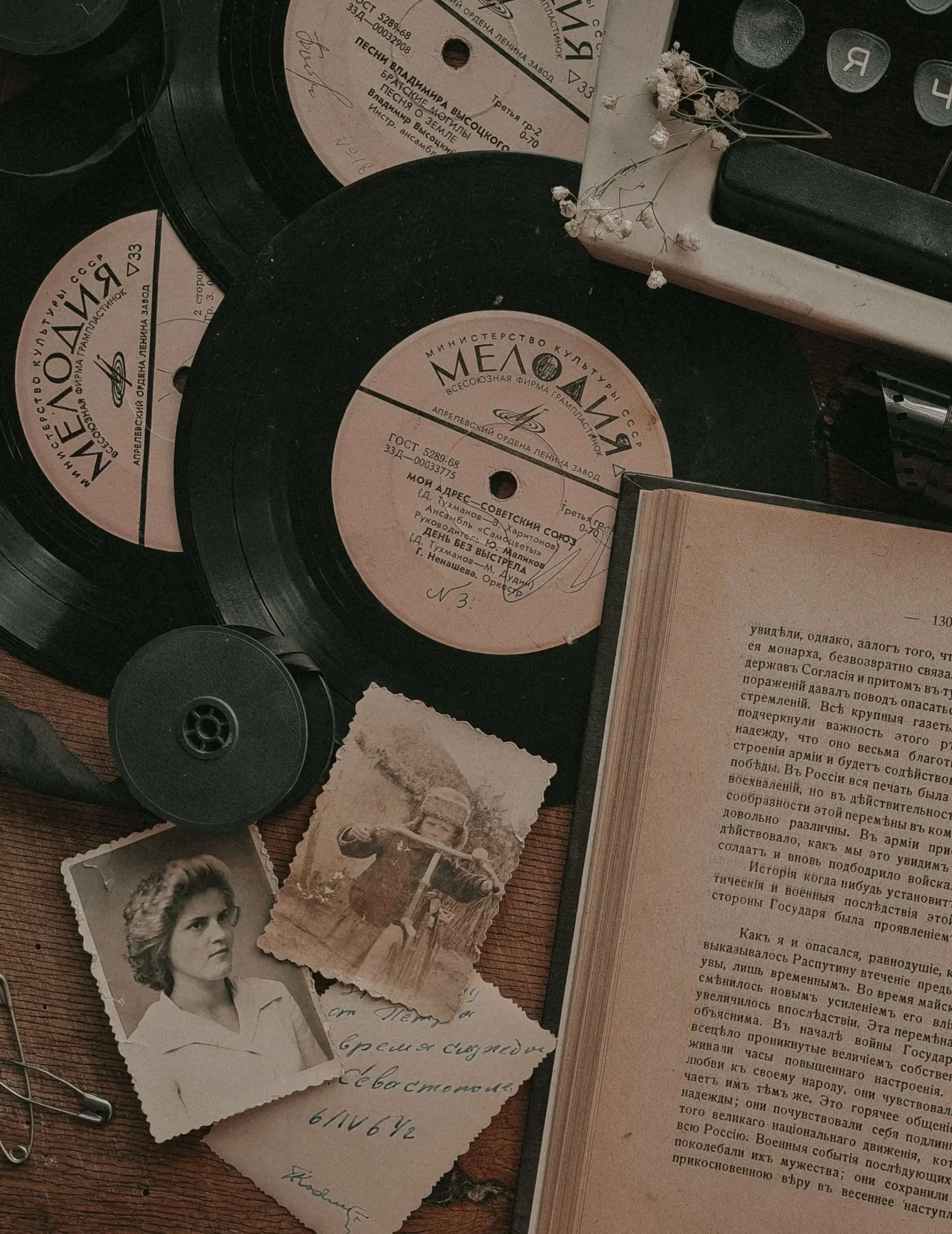
Wearing perfume before going to a café. Putting on a coat and walking through the city with headphones playing an old song. Writing in a journal or reading a novel instead of immediately reaching for a phone. Visiting an art gallery simply because it is beautiful.
All these small choices create the feeling that life is not just something happening to us through a screen.
Maybe the fascination with the past is not really about wanting to live in the 1950s, 1980s, or 1990s. Every era had its problems, and the past was certainly not as perfect as our carefully curated feeds make it appear. What we are really searching for is something that feels increasingly rare: slowness, uniqueness, beautiful flaws, and human connection.
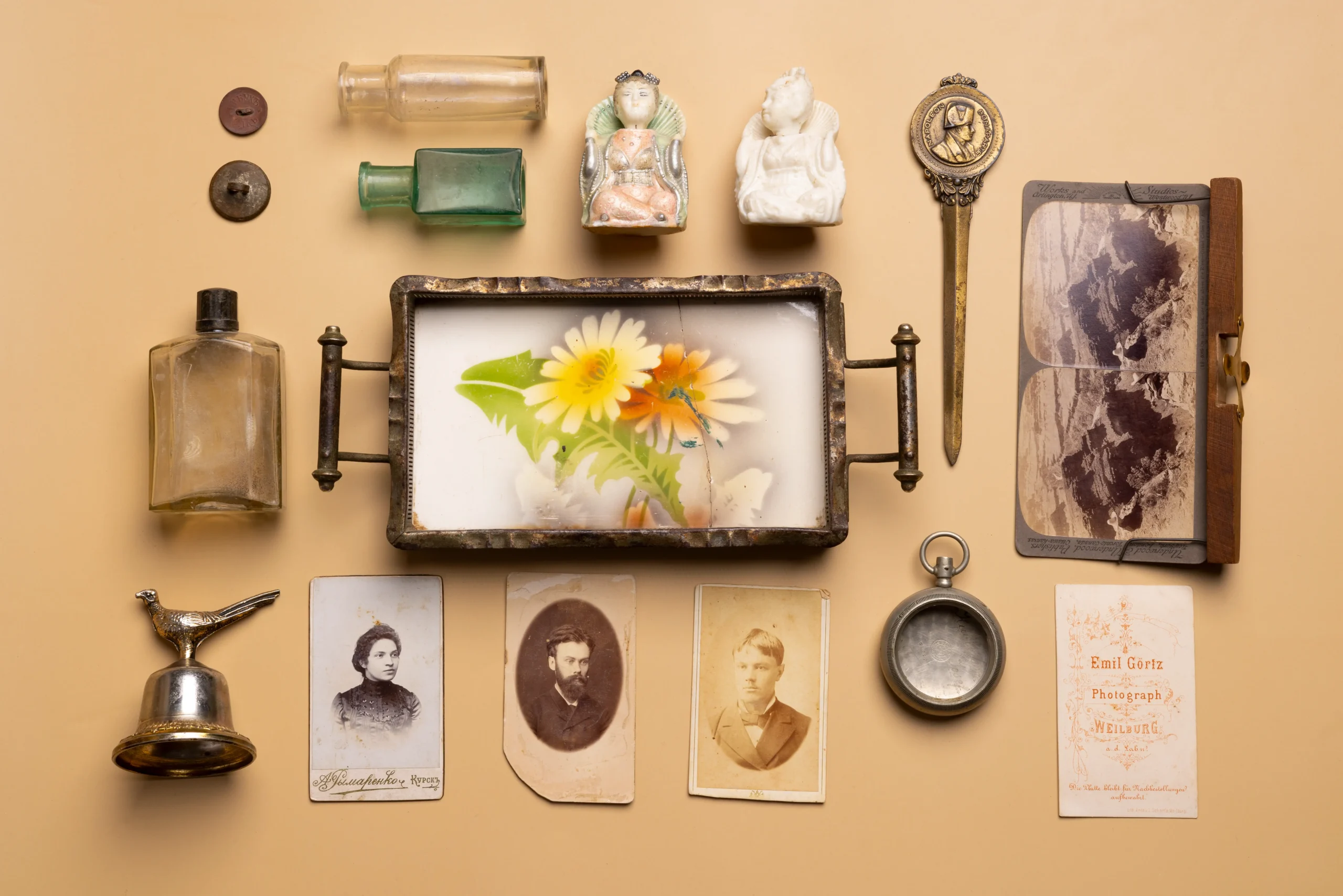
In a world where everything can be generated, filtered, and delivered instantly, taking your time becomes an act of rebellion.
So wear the long coat. Carry the old camera. Listen to the song that sounds like it belongs to another lifetime. Write the letter instead of sending another text. Walk through an old street and let yourself imagine who might have walked there before you.
Perhaps the new love for old things is not about going backwards at all.
It is simply about remembering that, even in a digital age, there is still something beautiful about living as the story matters.
“Longing for a time we never knew.”
“Perhaps life was never meant to be rushed.”