Moeen Ali, The Heartbeat of the Gulf Giants and the Soul of the Modern Game
By Paul Smith

Down on the emerald turf, a figure moves with a calmness that seems to slow down the frantic pace of T20 cricket. He isn’t shouting orders or gesturing wildly. Instead, he’s sharing a quiet laugh with a young UAE bowler before moving back to his mark. This is Moeen Munir Ali, a man whose career has been defined by elegance, but whose true impact is found in the quiet moments between the wickets.
As the Vice-Captain of the Gulf Giants, Moeen (or “Mo” to his teammates) has become the emotional anchor of a franchise that is rapidly carving out its own history in the ILT20. For Moeen, this chapter isn’t just about another league trophy; it’s about a deeper connection to the game and the people who play it.
Moeen has spent over a decade living out of a suitcase, traveling from the roaring colosseums of the IPL to the high-voltage atmosphere of the PSL. You might think a veteran of his stature would be tired of the “franchise grind,” but when he talks about the Gulf Giants, his eyes light up with the curiosity of a debutant.
He wasn’t just looking for another contract when he signed with the Giants. He was looking for a project. The ILT20 is a league still in its infancy, finding its feet and its voice. To Moeen, the chance to be part of that formative journey was irresistible. He saw a league where international stars rub shoulders with local talent who possess a “raw hunger” to learn, a hunger that reminds him of why he picked up a bat in Birmingham all those years ago.
Working alongside Jonathan Trott, a man he has known since his early days, and a captain like James Vince, the environment at the Giants felt right. It’s a balance of professional excellence and a relaxed, human atmosphere. For Moeen, that balance is the secret sauce to playing good cricket at this stage of his life.
In the world of T20, players are often put into boxes: the “Power Hitter,” the “Death Bowler,” the “Anchor.” Moeen Ali refuses the box. As a genuine all-rounder, he lives in the “in-between” spaces of the game.
When he walks onto the field, he doesn’t have a pre-set script. He doesn’t think, Today I am a batsman, or Today I am a bowler. Instead, he listens to what the match is telling him. If the team needs a steady hand to navigate the middle overs, he provides it with his silky left-handed drives. If the pitch offers a bit of turn, he’s ready to squeeze the life out of the opposition’s scoring rate with his off-breaks.
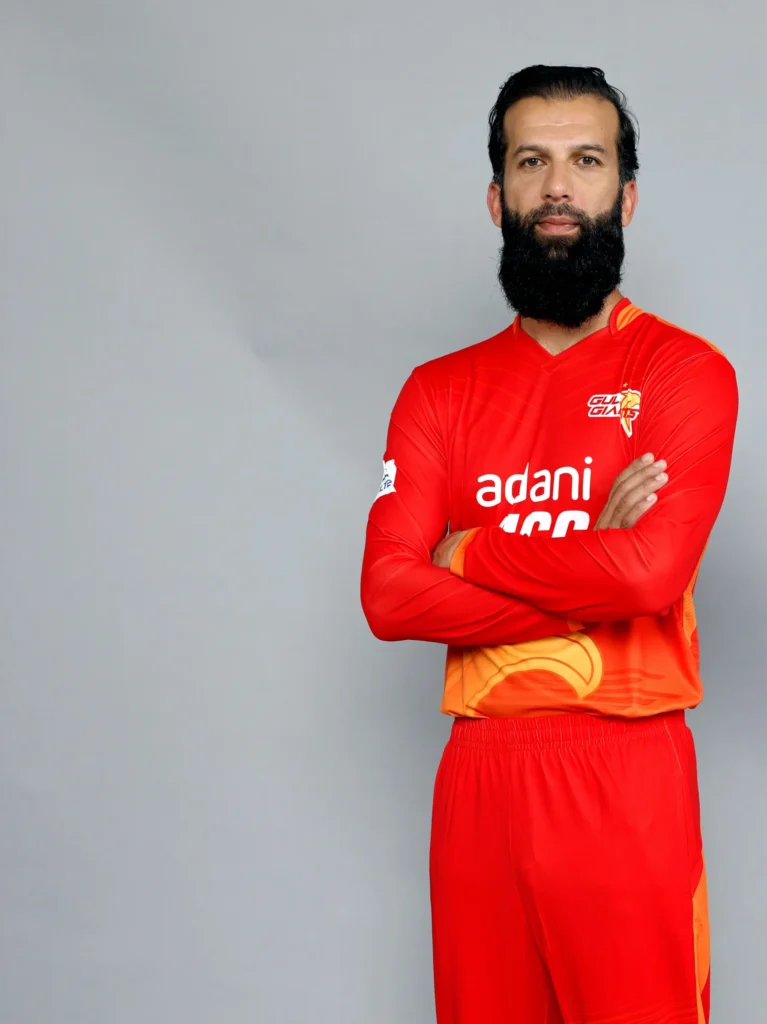
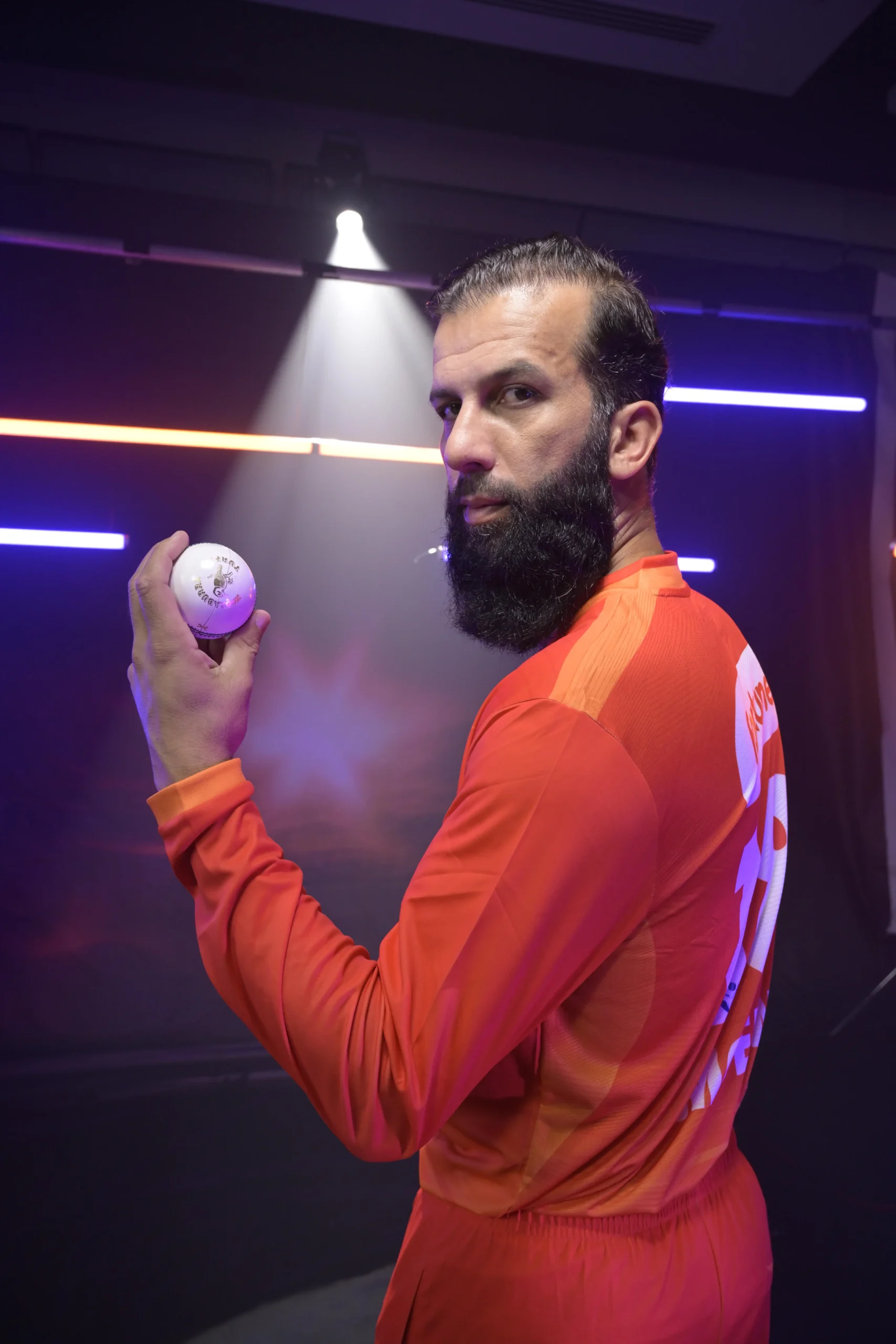
“I try not to overthink it,” he says, embodying the philosophy of being “present.” To Moeen, being an all-rounder is about being the ultimate teammate, flexible, reactive, and always ready to fill whatever gap the team needs.
If you walk into the Gulf Giants’ dressing room, you’ll notice that Moeen doesn’t treat the younger players like “juniors.” He treats them like equals. His approach to mentorship is radically simple: Empathy.
He knows that these young cricketers already have the talent, they wouldn’t be in the ILT20 if they didn’t. What they often lack is the mental clarity to handle the pressure. Moeen sees his role as a bridge. He spends his time having conversations, sharing the “war stories” of his career, and making sure the younger guys feel comfortable enough to express themselves.
“Before anything else, we’re all human beings,” he reminds us. In an era of data-driven coaching and biomechanics, Moeen is a champion of the human heart. He believes that a happy, understood player is a successful player.
Every cricket season is a rollercoaster, and the Giants’ recent campaign has been no different. They started like a house on fire, clinching three wins in their first four outings. But as the season progressed, the results became harder to come by.
For many teams, a string of losses leads to finger-pointing and fractured dressing rooms. But Moeen noticed something different happening with the Giants. Instead of pulling apart, the group pulled together. He watched as the pressure of the losses actually brought the players closer. To him, those moments of struggle revealed the “special” character of the squad. It wasn’t about the wins; it was about the fact that they stayed a team even when they weren’t winning.
Moeen Ali knows what it feels like to stand on a podium with gold around his neck. He has won the biggest titles England has to offer, and he brings that “World Cup wisdom” to every game he plays for the Giants.
His biggest takeaway from those global triumphs? Focus on the controllables. Big tournaments aren’t won by the team with the most “star power” on paper; they are won by the team that handles the pressure of the “big moments” with the most composure. He teaches the Giants that trust and a positive environment are just as important as a good cover drive. If you can keep the dressing room light and focused, the results eventually take care of themselves.
Even for a veteran, cricket can be a cruel game. A bad performance can stay with you, haunting your sleep and affecting your next game. Moeen has learned the hard way that you cannot let the sport consume your entire identity.
When he has a tough outing, he doesn’t dwell on the replays. He looks for perspective. He honestly reflects on what went wrong, but then he intentionally switches off. He spends time with his family, disappears into the “real world,” and reminds himself that one match doesn’t define who he is as a man. This ability to “reset” is what has allowed him to play at the highest level for so long.
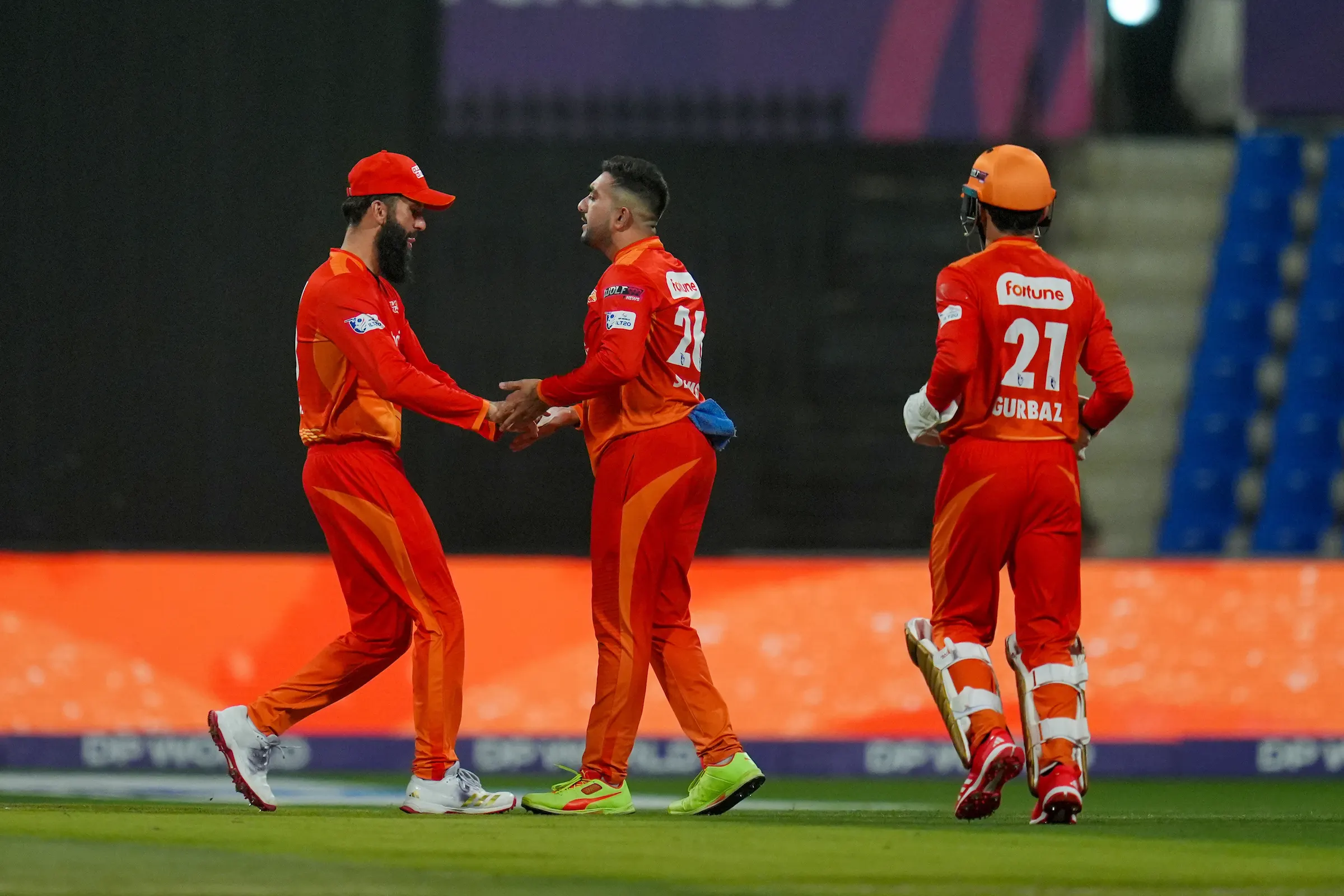
In a sport that tracks every run and every wicket with obsessive detail, Moeen’s stance on personal milestones is refreshing. He truly doesn’t care about the numbers next to his name.
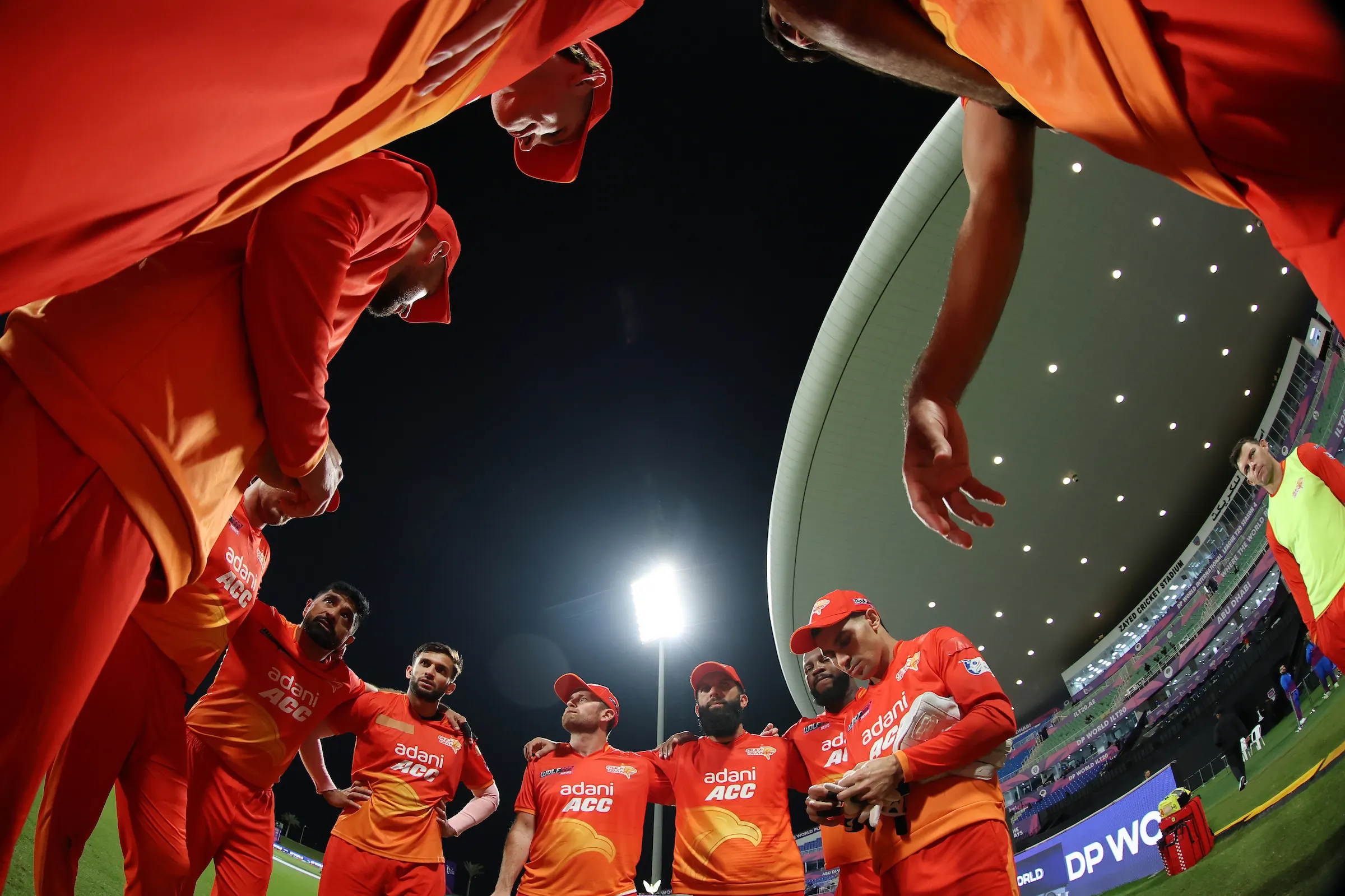
For him, the only satisfaction that matters is team success. He would rather score a gritty 20 that helps the team win than a flashy century in a losing cause. The most memorable moments of his career aren’t the personal awards; they are the moments in the huddle when the job is done and every player knows they contributed.
As cricket continues to explode across the Gulf region, thousands of young kids are looking at the ILT20 and dreaming of being the next Moeen Ali. His advice to them is simple: Be patient.
The opportunities in the region are growing faster than ever before, but Moeen warns that success rarely comes overnight. He urges young players to stay disciplined, to work on their craft when no one is watching, and, most importantly, to stay true to their own style of play. “Your own game is your biggest strength,” he says.
The Moeen Ali Legacy
When the day finally comes for Moeen Ali to walk off the field for the last time, what will people say? If you ask him, he doesn’t want to be remembered as the guy with the most elegant “beard that’s feared” or the most wickets for England.
He wants to be remembered as a good human being.
“If people say I was a good teammate, helped bring people together, and gave my best wherever I played, I’d be very happy with that,” he smiles. In the high-stakes, big-money world of modern cricket, Moeen Munir Ali remains a reminder that at the end of the day, it’s still just a game played by people. And as long as he’s in the Gulf Giants’ colors, that game will always have a heart.