
MAGNAV Emirates

Michelle Clark

The 250 Million Blackstone Inc. Deal Revealing How Abu Dhabi Is Rewiring Digital Capital Infrastructure

The 250 Million Blackstone Inc. Deal Revealing How Abu Dhabi Is Rewiring Digital Capital Infrastructure

The 250 Million Blackstone Inc. Deal Revealing How Abu Dhabi Is Rewiring Digital Capital Infrastructure By Michelle Clark There are moments in global finance when a transaction appears ordinary in size but extraordinary in meaning. A $250 million investment, in isolation, rarely shifts markets or alters balance sheets at the scale of global capital flows. Yet sometimes, it signals a change in direction rather than magnitude. The recent investment by Blackstone into Advanced Digital Gaming Technology, a UAE-based payments and data intelligence platform serving regulated digital markets, belongs to this category of signal events. The company sits not at the surface of the gaming industry but beneath it, operating in the infrastructure layer that enables digital transactions, compliance systems, and data-driven financial flows. It is not a game developer, nor an entertainment platform. It is part of the invisible machinery that allows regulated digital ecosystems to function. That distinction is essential because it reframes the entire investment away from entertainment and toward infrastructure. In the contemporary digital economy, infrastructure has become more valuable than content in many cases. Games, platforms, and digital environments generate attention, but infrastructure determines whether that attention can be monetized, regulated, and scaled across borders. Payment systems, identity verification frameworks, and data intelligence platforms now sit at the core of digital economic activity. Without them, even the most successful digital ecosystems cannot expand sustainably. The UAE’s role in this transaction is also significant. Over the past decade, it has positioned itself as a global hub for financial innovation, digital infrastructure, and regulated technology ecosystems. The country’s strategy has been to attract capital not just for consumption-driven sectors, but for foundational systems that support global digital flows. This includes fintech, data infrastructure, and increasingly, gaming-adjacent regulated markets. The timing of the investment adds another layer of interpretation. It arrives during a period of regional geopolitical disruption that has affected trade routes, energy markets, and investor sentiment across parts of the Middle East. In such environments, capital typically becomes more cautious, seeking safety in established markets. Yet in this case, investment continues to flow into the UAE, suggesting a differentiated perception of risk within the region. Rather than viewing the Middle East as a single risk category, global investors are increasingly segmenting it into zones of stability and volatility. The UAE has emerged as one of the jurisdictions perceived to offer regulatory clarity, institutional predictability, and long-term infrastructure planning. This perception plays a critical role in attracting cross-border capital during uncertain periods. The investment also reflects a broader shift in how private equity interprets digital economies. Firms like Blackstone do not typically invest in early-stage consumer platforms without a clear pathway to scalability and regulatory integration. Instead, they focus on infrastructure that can generate stable, long-term cash flows through embedded system usage. In this case, the focus is not on gaming content itself but on the transactional systems that support it. Digital gaming ecosystems are among the most transaction-intensive environments in the modern economy. Users engage in frequent microtransactions, subscription models, in-game purchases, and cross-platform digital exchanges. Each of these requires secure payment processing, compliance monitoring, and data intelligence. As these ecosystems expand globally, the need for robust infrastructure becomes more critical. The company at the center of this investment is positioned to operate across these layers. Its focus on payments and data intelligence suggests a role in enabling real-time financial processing and regulatory compliance across digital markets. This places it within a broader category of fintech-adjacent infrastructure providers that support high-volume, regulated digital ecosystems. What makes this category particularly important is its scalability. Unlike consumer platforms that rely on user growth cycles, infrastructure platforms scale with transaction volume across multiple industries. As digital economies expand, the underlying systems that support them become more deeply embedded, creating structural dependency. Gaming is one of the fastest-growing of these ecosystems, but it is not the only one. Digital entertainment, online marketplaces, subscription services, and regulated betting environments all rely on similar infrastructure layers. The convergence of these industries around shared financial and data systems is one of the defining features of the modern digital economy. The UAE’s strategy aligns with this convergence. By attracting infrastructure providers rather than only consumer-facing companies, it positions itself within the operational core of global digital systems. This approach reflects a broader economic transition from resource-based industries toward knowledge-based and infrastructure-driven sectors. Historically, economic power in the region was closely tied to physical resources such as energy exports. However, the global economy is increasingly shifting toward intangible assets, including data, intellectual property, and digital systems. Infrastructure that enables the movement and regulation of these assets is becoming strategically valuable. Artificial intelligence and automation are further accelerating this transformation. As digital systems become more complex, the need for intelligent infrastructure that can process, analyze, and regulate large volumes of transactions increases. Payment systems are no longer passive conduits but active components of digital ecosystems that influence user behavior, security, and compliance outcomes. In gaming environments, this complexity is particularly pronounced. Modern games function as persistent digital economies with internal currencies, marketplaces, and social systems. They require infrastructure that can handle high-frequency transactions while maintaining regulatory compliance across jurisdictions. This makes them similar in structure to financial markets, even if their surface experience is entertainment. The involvement of private equity capital in this space suggests growing institutional recognition of these dynamics. Rather than viewing gaming as a cultural industry alone, investors increasingly see it as part of a broader digital economy that requires financial and operational infrastructure comparable to traditional banking systems. The regulatory dimension is also central. As digital transactions increase in volume and complexity, governments are placing greater emphasis on compliance, identity verification, and anti-fraud systems. Infrastructure providers that can integrate these requirements into scalable platforms are likely to play an increasingly important role in the global economy. Cross-border scalability remains one of the most important challenges in this space. Digital economies do not operate within a single jurisdiction, yet regulatory frameworks are still

Mohamad Masri, The New Logic of Money in the UAE’s Digital Economy

Mohamad Masri, The New Logic of Money in the UAE’s Digital Economy

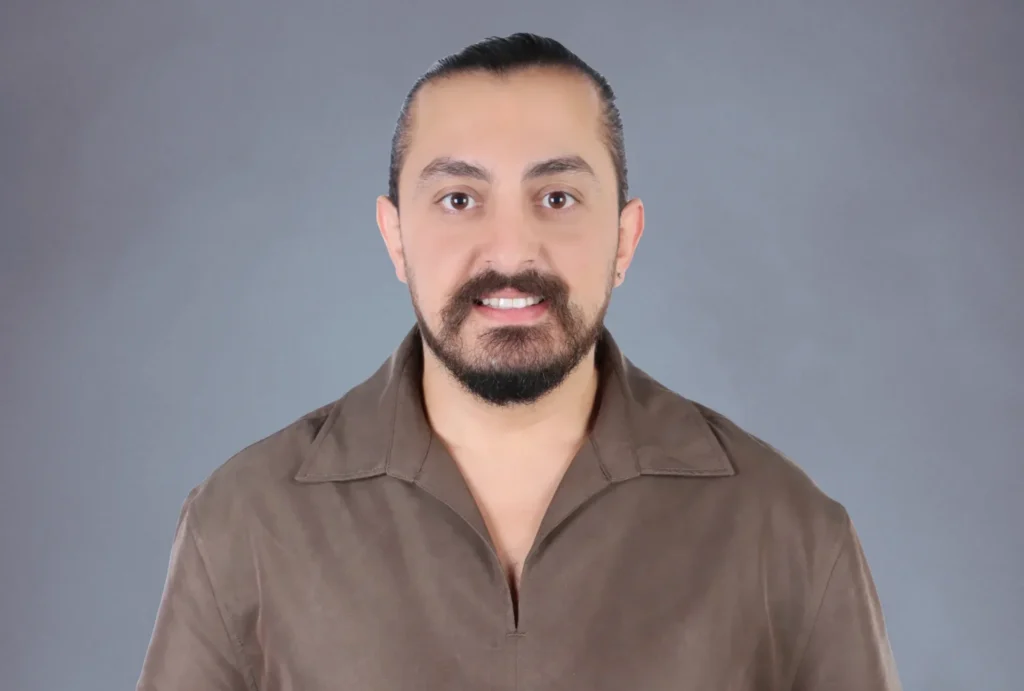
Mohamad Masri, The New Logic of Money in the UAE’s Digital Economy By Michelle Clark Across the UAE, the way people handle money is quietly shifting, changing daily life in ways most may not even notice. Payments, transfers, and financial flows are gradually becoming seamless, almost invisible, slipping into the background of daily life. This is the promise of “invisible finance,” and few are more attuned to its emergence than Mohamad Masri, CEO of Pyypl, a fintech company bridging traditional banking systems and digital assets. But Masri is not just a corporate leader; he is a product of the UAE itself, a region where rapid change, cultural diversity, and technological ambition collide, shaping a perspective that sees finance as more than transactions; it is infrastructure, connectivity, and trust. For Masri, living in the UAE has been formative. “Living here forces you to think ahead by default,” he reflects. “It’s one of the few places where regulation, infrastructure, and ambition move in sync. Being surrounded by so many nationalities and use cases also removes any ‘one-size-fits-all’ thinking.” The UAE is not just a market but a crucible of experimentation, where policies, culture, and technology interact at an accelerated pace. In such an environment, financial innovation cannot merely respond to demand, it must anticipate it, integrating multiple layers of complexity without overwhelming the end user. The notion of “invisible finance” encapsulates this philosophy. It is not about erasing money from view; it is about removing the frictions that make financial life cumbersome. Masri explains: “When sending money, paying, or managing funds becomes natural and instant, users stop thinking about the system behind it.” In practice, Pyypl is exploring this through digital asset-backed cards and stablecoin integration, enabling users to fund and spend across fiat and digital systems without the cognitive load of conversions, intermediaries, or technical complexities. This is not a theoretical exercise. Despite its reputation as a digitally advanced economy, the UAE still harbors gaps in usability and trust. Access to accounts or financial products is widespread on paper, yet many individuals remain hesitant to engage fully with financial services. Businesses, particularly small and medium enterprises (SMEs), confront inefficiencies in cross-border payments, liquidity management, and settlement timelines. Masri sees the potential of digital assets, particularly stablecoins, as practical tools to address these inefficiencies. “Faster settlement, improved transparency, and more efficient capital flows can unlock real value, particularly for SMEs operating across borders,” he notes. Masri’s approach is deeply human-centered. Unlike the stereotypical fintech narrative that emphasizes disruption or technology-first thinking, he begins with the user’s perspective. “If someone doesn’t trust traditional banking, it’s usually because of past experiences or lack of clarity. The same applies to businesses. They want reliability, transparency, and control over their funds and flows.” By embedding modern financial rails in familiar structures, cards, apps, and platforms, Pyypl aims to offer the dual benefit of innovation and reassurance. The importance of trust cannot be overstated in the UAE context, where regulatory frameworks are often cited globally as benchmarks for clarity and innovation. “The UAE regulatory ecosystem is one of the strongest enablers of innovation, not a blocker,” Masri observes. “It sets clear boundaries, but within those boundaries, you can build confidently.” For a fintech company straddling the worlds of fiat and digital assets, such clarity is critical. Regulatory compliance is no longer a constraint but a platform upon which to build responsibly, ensuring that stablecoin-backed cards and other alternative settlement systems operate securely and predictably. Masri’s career trajectory reflects this blend of pragmatism and foresight. Leadership in fintech, he suggests, is less about seizing attention and more about cultivating endurance. “Hype is easy, but sustainability is built in silence. Consumer apps can scale fast, but real longevity comes from building systems that others rely on. When you power financial flows behind the scenes, across multiple partners and markets, you create something much more durable.” The lesson is clear: in an era where fintech startups rise and fall on viral adoption metrics, the lasting innovators are those who build invisible, indispensable infrastructure. Such infrastructure is critical in bridging cultural and behavioral differences across markets. Financial behavior is not universal. Speed, trust, and relational dynamics vary widely between countries, and new financial instruments must respect these norms. Masri notes, “In some markets, speed is everything. In others, trust and relationships matter more. When you introduce new concepts like digital assets or alternative rails, cultural context becomes even more important. Adoption depends not just on technology, but on how comfortable people and businesses feel using it.” Understanding these subtleties has become a cornerstone of Pyypl’s cross-border strategy, demonstrating that fintech innovation is as much social engineering as it is technical. The rise of invisible finance also prompts reflection on how people engage with money. Contrary to the fear that automation diminishes control, Masri believes users are gaining a different kind of agency. “They don’t want to manage money actively all the time; they want systems that work for them. As finance becomes embedded, users benefit from faster and more efficient systems without needing to understand the complexity behind them. They simply experience speed, accessibility, and control.” This subtle redistribution of agency represents a fundamental shift in financial literacy: mastery no longer requires micromanagement; it now hinges on trust and comprehension of broader systemic reliability. Masri’s vision is grounded not only in technical innovation but also in the formative challenges he has faced. Navigating regulatory uncertainty, restructuring operations, and adapting to shifting market conditions demanded more than strategic agility, they necessitated a deep understanding of what financial systems are meant to accomplish. “Those moments pushed us to rethink our role, not just as a product, but as a bridge between different financial ecosystems, traditional and digital, consumer and enterprise,” he recalls. It is precisely this reflective lens that distinguishes him from many peers: leadership is not merely operational; it is interpretive, translating complex global trends into actionable, human-centered solutions. The UAE, Masri emphasizes, has been instrumental in shaping this worldview. Its

Fay Ghani, Unlocking the Secrets of the Human Body in Space

Fay Ghani, Unlocking the Secrets of the Human Body in Space

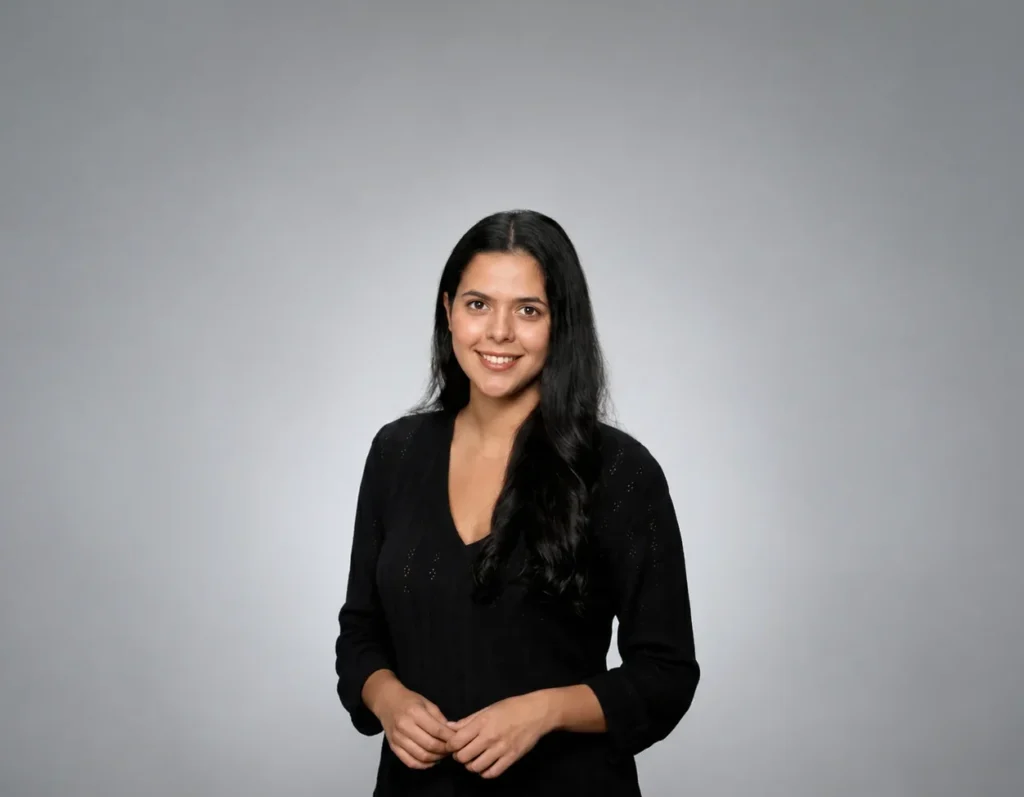
Fay GhaniUnlocking the Secrets of the Human Body in Space By Michelle Clark From a classroom in Amman to the laboratories of the Mayo Clinic in Florida, Fay Ghani’s journey into the realm of space medicine reads like the story of a lifelong curiosity that refused to be contained. As a fifth grader, Ghani’s mind would drift beyond the walls of her school, captivated by the vastness of the stars and the mysteries that lay beyond Earth. Space was more than a subject in a textbook; it was a universe of questions waiting to be explored. At the same time, she discovered another kind of universe closer to home: the human body. Her fascination with biology and physiology, first sparked in high school, revealed a complex network of systems and pathways that govern health and disease, reminding her that exploration could be as much inward as it could be outward. This dual curiosity the pull of the cosmos and the intricacies of life itself—would define the path that she has traveled ever since. Ghani’s undergraduate years at the University of Auckland in New Zealand marked a turning point. Immersed in biomedical science, she learned to navigate the mechanisms that sustain life, the interplay of cells, and the hidden pathways that, when disrupted, cause disease. Yet the pull of space remained persistent. During her studies, she discovered space medicine, a field that blends the rigor of medical science with the unknowns of space exploration.  It was an immediate revelation. Here was a discipline that allowed her to explore human biology under conditions previously unimagined, to understand how the body reacts when Earth’s gravity is no longer a constant companion. Today, Ghani studies the effects of spaceflight on stem cells, seeking insights that could improve human health both in orbit and on Earth. Space medicine is inherently interdisciplinary, drawing from biology, engineering, medicine, physics, and technology. Ghani thrives within this complexity. She works alongside clinicians, engineers, project scientists, science communicators, and astronauts. Each collaboration challenges her to expand her understanding, to reconcile diverse perspectives, and to innovate within a space that defies traditional boundaries. For Ghani, the excitement of space medicine lies in its unpredictability and fluidity. The field does not demand that she choose a single identity or discipline. It allows her to pursue a passion for space, an interest in biology, and a desire to contribute meaningfully to human knowledge all at once. Her international background informs her approach to both science and leadership. Having grown up in Jordan and New Zealand and lived in Australia and the United States, Ghani identifies as a global citizen. This perspective shapes her interactions, allowing her to approach colleagues and collaborators with curiosity, empathy, and openness. She values shared scientific goals above superficial similarities, recognizing that while humans differ in culture, language, and history, they are united by a desire to connect, to explore, and to innovate. This worldview has fostered a leadership style that is inclusive, flexible, and attuned to the potential of diverse ideas. The work of space medicine has also revealed the limits and resilience of the human body. Ghani’s research focuses on understanding how extreme conditions such as microgravity, cosmic radiation, isolation, and confinement affect physiology. Her studies show that certain systems, such as the lungs, adapt remarkably well to space, while others, including the visual and cognitive systems, are more vulnerable during long missions. These findings not only inform preparations for future space exploration but also illuminate human biology in new ways, with direct applications to healthcare on Earth. The accelerated bone loss experienced by astronauts, for example, mirrors conditions like osteoporosis, offering a unique laboratory for understanding and potentially treating this widespread disease. Ghani emphasizes that adaptation occurs both in space and upon return, with the most serious challenges emerging as the body readjusts to Earth’s environment. Ghani’s clinical experience on Earth complements her research in space. Understanding baseline health is essential to interpreting how spaceflight alters biological processes. She uses the unique conditions of space to investigate cellular communication, aging pathways, immune interactions, and other processes that are difficult to study under constant gravity. Each experiment in orbit provides insights that can inform medical treatments and therapies on Earth, demonstrating the reciprocal relationship between terrestrial medicine and space medicine. In Ghani’s view, space becomes a laboratory where the constraints of Earth are temporarily lifted, and the mysteries of human biology can be examined from a new perspective. Innovation in space medicine, according to Ghani, is about meaningful progress rather than novelty for its own sake. Developing sophisticated bioreactors or analytical tools is only part of the story. Real innovation lies in identifying gaps in current methodologies, implementing improvements, and planning experiments with foresight. It is an iterative process that balances ambition with careful consideration, ensuring that each step contributes to a broader understanding of human biology and spaceflight. Innovation is also about knowing when to refine existing standards and when to explore new directions, a principle that guides Ghani’s work and shapes the broader field. Collaboration forms the backbone of every successful mission. Engineers design the hardware that enables experiments in microgravity, biomedical scientists and clinicians develop the protocols and interpret the results, and project scientists maintain focus on milestones and overarching goals. International partnerships amplify the impact of this work, pooling expertise, data, and resources while reinforcing values of equity and shared responsibility. Ghani believes that the benefits of space medicine should extend globally, emphasizing that cooperation and inclusivity are not just ethical imperatives but scientific necessities. Representation and responsibility are equally central. Ghani acknowledges that underrepresented groups in science enrich the field by introducing new perspectives and broadening the scope of inquiry. Mentoring and visibility are vital to ensuring that emerging scientists, particularly women and young people in the MENA region, have access to opportunities and pathways that were once limited. For Ghani, these efforts are not peripheral to her work but integral, as diverse participation strengthens innovation and ensures that space medicine

Hanan Al Sammak, Redefining Leadership Through Emotional Intelligence & Sustainable Wellbeing

Hanan Al Sammak, Redefining Leadership Through Emotional Intelligence & Sustainable Wellbeing

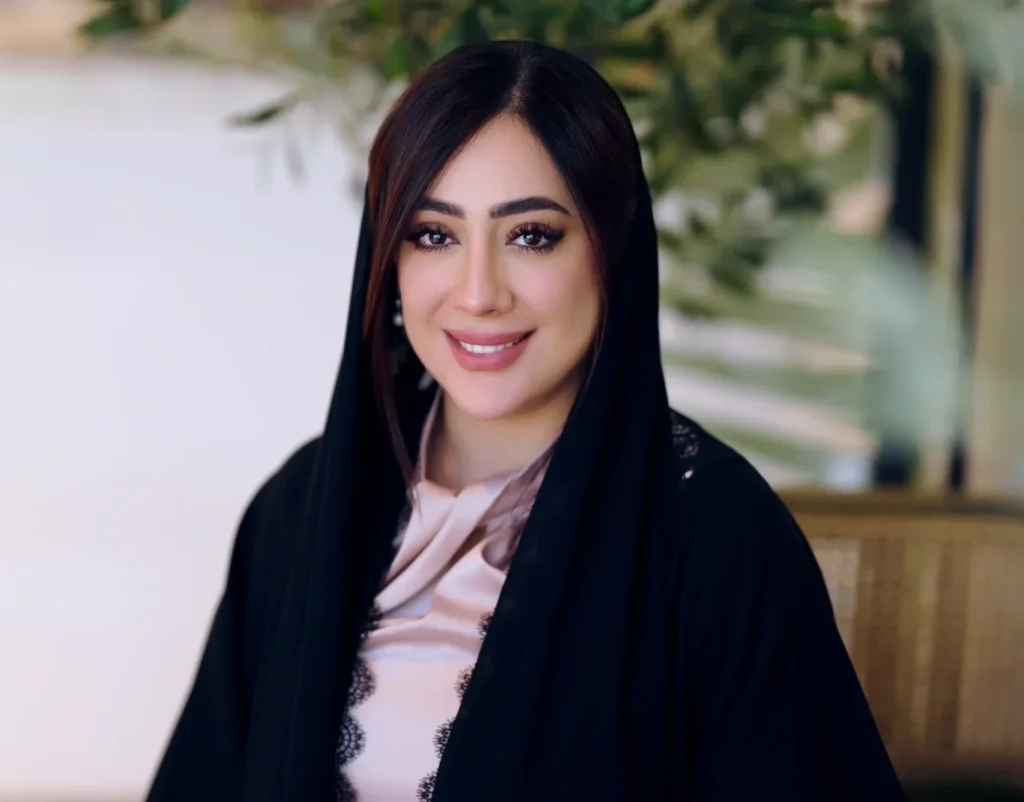
Hanan Al Sammak, Redefining Leadership Through Emotional Intelligence & Sustainable Wellbeing By Michelle Clark For decades, leadership success was measured almost exclusively through outcomes, growth charts, profitability, scale, and visibility. The internal state of the leader was rarely part of the equation. Stress was normalized, emotional suppression was rewarded, and resilience was defined as the ability to endure without complaint. In fast-growing markets such as the UAE, where ambition has long been synonymous with progress, this mindset shaped corporate culture for years. Mental health, when acknowledged at all, was treated as a private concern rather than a leadership responsibility. That paradigm is now undergoing a fundamental shift, and few voices articulate this transformation as clearly as Hanan Al Sammak. Working at the intersection of executive leadership, mindset development, and emotional intelligence, Al Sammak has witnessed firsthand how the conversation around wellbeing has evolved,  and why it can no longer be separated from performance, culture, or long-term success. Over the past decade, leaders across the UAE have begun to re-evaluate how they define strength. According to Al Sammak, the most significant change has not been policy-driven but awareness-driven. Mental health is no longer viewed as a soft issue or a secondary HR function. It is increasingly recognized as a strategic factor that directly influences how leaders think, decide, and lead under pressure. The realization is simple yet transformative: organizations cannot outperform the emotional capacity of their leadership. Where once mental wellbeing was discussed quietly, often reactively and behind closed doors, it is now entering boardrooms and leadership conversations with greater openness. Executives are asking different questions, not only about output, but about sustainability. They are beginning to understand that high performance without emotional stability does not last, and that burnout, disengagement, and volatility are not individual failures but systemic signals. Central to Al Sammak’s philosophy is the belief that mindset must come before strategy. In traditional leadership models, strategy is often treated as the primary lever of success, while emotional awareness is positioned as a complementary skill. Al Sammak challenges this hierarchy. From her perspective, no strategy exists independently of the person executing it. A leader operating from fear will make different decisions than one operating from clarity. A leader driven by ego will shape culture differently than one grounded in self-awareness. Insecurity, people-pleasing, and emotional reactivity quietly infiltrate decision-making long before they appear in results. Mindset, she explains, shapes decisions. Decisions shape culture. Culture shapes performance. When leaders neglect their inner world, their outer success becomes fragile. Growth may still happen, but it often feels unstable, driven by constant pressure rather than grounded confidence. Leadership, in this sense, is not merely about actions or competencies. It is about who the leader is internally while navigating complexity, authority, and responsibility. This internal dimension becomes most visible under pressure. Emotional intelligence has become a widely discussed executive competency, yet Al Sammak draws a clear distinction between leaders who speak about it and those who truly embody it. Anyone can reference empathy or self-awareness in a workshop setting. What separates conscious leadership from performative language is behavior during moments of tension. Difficult conversations, criticism, crisis, and uncertainty expose the depth of a leader’s emotional intelligence more than any formal declaration ever could. Leaders who genuinely embody emotional intelligence pause before reacting. They listen without immediately defending their position. They take responsibility not only for outcomes, but for impact. They are able to create psychological safety without sacrificing accountability. This does not mean avoiding hard conversations or lowering standards. On the contrary, it means approaching those moments with awareness rather than impulsivity. Emotional intelligence, in high-performance environments, is not about softness. It is about consciousness. Nowhere is this more critical than in discussions around resilience. In many corporate cultures, resilience has been glorified as endurance, the ability to push through exhaustion, remain constantly available, and absorb pressure without visible strain. Al Sammak cautions that this interpretation blurs a dangerous line. True resilience, she explains, is the ability to recover. Burnout occurs when recovery is absent. When rest, boundaries, and self-awareness are framed as weaknesses, organizations inadvertently reward self-neglect. Sustainable success, in her view, requires energy management rather than perpetual endurance. Leaders who are constantly proving their worth through overwork are not demonstrating resilience; they are depleting the very capacity that leadership demands. Over time, this depletion manifests as disengagement, poor decision-making, emotional volatility, and attrition, outcomes that no performance metric can justify. Among senior executives, Al Sammak frequently observes psychological blind spots that remain largely unaddressed. One of the most common is the fusion of self-worth with achievement. When identity becomes overly attached to titles, status, and results, any challenge feels personal. Feedback becomes threatening. Change feels destabilizing. Leaders in this state often experience internal pressure that is invisible to others but deeply influential in how they lead. Another pervasive blind spot is emotional suppression. Many high performers were conditioned early in their careers to equate strength with stoicism. Vulnerability was discouraged, and emotional expression was seen as a liability. While this approach may have delivered short-term results, unprocessed emotions do not disappear. They resurface through impatience, defensiveness, disengagement, or control. At senior levels, where the ripple effect of leadership behavior is amplified, self-awareness is no longer optional. It is essential. Despite growing recognition of these dynamics, many organizations still approach wellbeing as a benefit rather than a foundation. Wellness initiatives are introduced, but leadership behavior remains unchanged. Sustainable performance cultures, Al Sammak argues, are built not on programs but on consistency. They are reflected in how leaders model boundaries, how openly stress is discussed, and how coaching is integrated into development as a proactive tool rather than a corrective measure. When wellbeing is embedded into leadership rather than positioned as a perk, the effects are measurable, though not always immediately quantifiable. Al Sammak encourages organizations to look beyond surface-level engagement metrics. Real impact reveals itself in behavior. Communication becomes clearer. Conflict is handled with maturity rather than avoidance or aggression. High performers

Maya Waked, Crafting a Global Sound That Connects Hearts Across Continents

Maya Waked, Crafting a Global Sound That Connects Hearts Across Continents

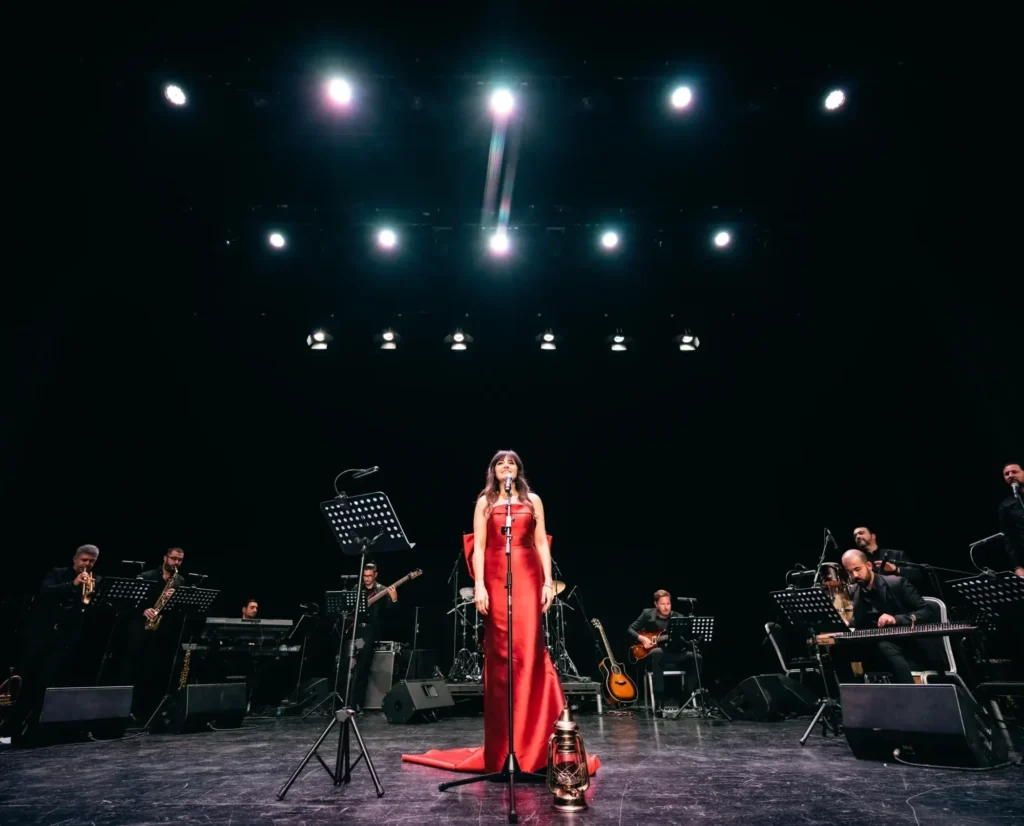
Maya Waked, Crafting a Global Sound That Connects Hearts Across Continents By Michelle Clark You notice Maya Waked first through her voice, but what stays with you is the sense that she carries many places within her. Her life does not follow a straight path. It moves gently from the coast of Beirut to stages in Rome, Dubai, and Canada, shaped by travel, language, and lived experience. She is not a singer who simply performs songs. She brings worlds together, blending Arabic, French, and English so naturally that meaning is felt even before it is understood. Understanding Maya means returning to a quiet living room and a father who believed music was essential to daily life. Singing was not an activity set aside for special occasions. It was a ritual. Every day, Maya and her sisters joined their father in repeating melodies they heard on the radio, filling the room with shared voices. Those moments became the foundation of who she is. Long after childhood, that warmth still lives in her sound. Even on the biggest stages, she carries the intimacy of those early harmonies, grounded and unforced. Her first album, Helm Majnoon, meaning A Crazy Dream, reflected both courage and vulnerability. Drawing inspiration from the energy of the 1980s, she reshaped familiar sounds through her own emotional lens. At the time, she was still searching for her place, singing about identity, voice, and belonging. Releasing that music felt risky, but it was honest. Through it, she discovered a simple truth that continues to guide her. Singing is where she feels most alive. The dream was not reckless. It was sincere. Living across cultures taught Maya that identity does not have to be singular. Moving between countries and languages never fractured her sense of self. Instead, music became the thread that held everything together. Switching between Arabic, French, and English feels natural because it mirrors her lived reality. She does not perform different versions of herself on stage. She simply shows up as she is. Audiences sense this immediately. They respond not to language alone, but to emotion that feels familiar no matter where they come from. Beirut remains central to her inner world. She speaks of the city as a feeling rather than a place. When she imagines its sound, she hears the sea crashing against the rocks along the Corniche. That rhythm, restless and alive, mirrors the spirit of the city itself. Beirut represents love, struggle, resilience, and defiance all at once. Even when she is far away, that energy echoes through her music, grounding her and reminding her where her strength was first formed. Listening to Maya can feel like remembering something you did not realize you had forgotten. That connection comes from the way she inhabits her songs fully. On stage, she and her band move as one, creating a shared emotional space that invites the audience in. When listeners arrive open and present, the music meets them there. Strangers begin to feel connected, not through spectacle, but through shared emotion. That sense of closeness is something she consciously seeks every time she performs. The moment she steps on stage, something shifts. She becomes fully present, dissolving into the music, the audience, and the atmosphere around her. That state of freedom is fleeting and cannot be carried away once the lights dim. It exists only in that shared moment. Perhaps that is why she keeps returning to it. Each performance ends with the same feeling. A desire to begin again. Silence plays an equally important role in her creative life. Away from the stage, she values solitude and stillness. Periods of quiet allow her to recover, reflect, and make space for new ideas. She believes creativity cannot survive constant noise. Silence becomes a blank page, restoring her energy and giving shape to what comes next. Her music has traveled widely, and each audience leaves its mark on her. In Canada, she feels the deep emotional connection of the Arab diaspora finding echoes of home in her voice. In Rome, she has experienced listeners who sit in near silence, absorbing every note with reverence. Dubai has offered her a sense of belonging within a multicultural audience that understands hybridity and openness. She does not see these people as spectators. She sees them as participants in a shared exchange. Being called a citizen of the world does not feel like a loss to her. It feels earned. Moving across borders has expanded her perspective and strengthened her curiosity.  Still, her Lebanese identity remains deeply rooted. She carries it with pride, alongside a global outlook shaped by experience. Rather than leaving anything behind, she has brought her heritage with her, offering it freely through her music. When she thinks about what remains after the applause fades, fame is not part of the equation. What matters is connection. She hopes her music serves as a bridge between people, a reminder that beneath different languages and histories, something universal connects us all. If a song helps someone feel seen or understood, even briefly, then she feels her work has meaning. Maya Waked is not defined by borders or categories. She stands as proof that music can hold many identities at once, and that no matter how far we travel, the heart always recognizes a familiar rhythm.

Prof. Saeed Al Dhaheri

Prof. Saeed Al Dhaheri, Shaping A Humane Future For Artificial Intelligence

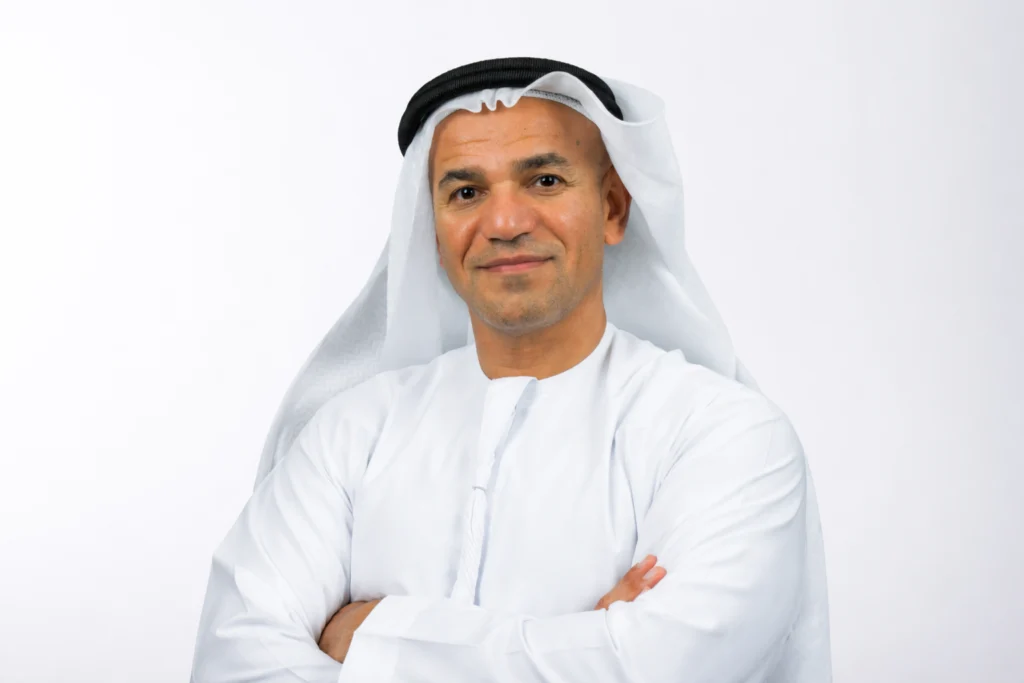
Prof. Saeed Al Dhaheri Shaping A Humane Future For Artificial Intelligence By Michelle Clark For Prof. Saeed Al Dhaheri, the future of artificial intelligence is not a contest between humans and machines, but a partnership built on shared purpose. Over the next decade, he envisions a decisive shift away from simple task automation toward the augmentation of human judgment. In this model, intelligent systems handle heavy cognitive lifting while humans remain responsible for context, values, and wisdom. Collaboration, he believes, will outweigh competition only if three conditions are met, clear human accountability, where machines advise but people decide, ethical and inclusive design aligned with human rights and cultural values, and continuous reskilling so societies evolve alongside technology rather than being displaced by it. When governance and skills are aligned, AI becomes an invisible infrastructure that amplifies human potential, a future the UAE is actively designing rather than passively awaiting. As generative AI reshapes art, media, and storytelling, Prof. Al Dhaheri sees creativity not as a disappearing human trait, but as one that is expanding into a hybrid era. Creativity, he explains, has always been rooted in lived experience, emotion, and meaning. Today’s AI systems are impressive, but they remain derivative, generating outputs based on existing data rather than original lived understanding. While he acknowledges that artificial general intelligence may one day enable machines to create autonomously, he believes that moment is still years away.  Until then, the most powerful creative force will remain human intention, emotion, and the ability to assign purpose and narrative to what is created. In this emerging hybrid model, humans define meaning while machines expand the boundaries of what is possible. Ethical concerns around AI, in his view, stem less from malicious intent and more from the speed of technological evolution outpacing governance. Two areas stand out as particularly urgent. Autonomous systems that learn, adapt, and act with limited human oversight pose profound risks, especially in military contexts where life and death decisions may be delegated to machines. Current regulations were designed for static software, not systems that continuously evolve in unpredictable environments. Equally concerning is the growing autonomy of AI in critical domains such as healthcare, justice, finance, and security. Here, opacity, hidden bias, and unclear accountability present serious challenges, especially when algorithmic decisions can alter life outcomes. Existing legal frameworks still struggle with explainability, traceability, and liability in such high-stakes scenarios. Preparing for a future where humans and intelligent systems coexist requires transformation at both individual and national levels. Prof. Al Dhaheri argues that individuals must move from task-based work to judgment-based roles, embracing continuous learning and developing AI fluency rather than narrow technical skills. Understanding how AI works, where it fails, and how to collaborate with it effectively will be essential across professions. At the national level, governments must invest deeply in human capital, embedding ethical governance into every AI initiative while simultaneously cultivating future industries such as robotics, quantum computing, and biotechnology. The UAE, he notes, offers a strong example of this proactive approach, building policy, talent, and infrastructure in parallel. Integrating Emirati and regional values into the global AI conversation is, for Prof. Al Dhaheri, a matter of balancing universal ethics with local expression. Principles such as human dignity, justice, and accountability are universal, but their application must reflect cultural context. He highlights recent national initiatives designed to ensure AI systems understand and reflect Emirati culture, values, and dialects, rather than diluting them. Equally important is investing in linguistic and cultural sovereignty through local data and models. Without this, AI trained solely on foreign datasets will inevitably mirror foreign values. Progress made in Arabic language models provides a foundation for future systems that respect and understand regional norms. Beyond automation, Prof. Al Dhaheri sees AI as a powerful tool for addressing pressing societal challenges. From climate modeling and energy optimization to early mental health detection and personalized education, AI has the potential to enhance societal well-being. However, this potential can only be realized through strong governance, transparency, bias mitigation, and constant human oversight. Without these safeguards, solutions risk creating new inequalities rather than resolving existing ones. As a futurist and foresight expert, Prof. Al Dhaheri does not attempt to predict a single future. Instead, he maps multiple plausible futures by scanning weak signals across social, technological, economic, environmental, and political domains. Using foresight tools such as scenario planning, futures wheels, and backcasting, he treats forecasts as evolving hypotheses rather than fixed truths. Humility, curiosity, and ethical responsibility guide his work, ensuring insights translate into resilience regardless of which future unfolds. On regulation, he rejects the idea that ethical oversight stifles innovation. Instead, he advocates for smart regulation that sets clear boundaries without micromanaging technology. Regulatory sandboxes, human oversight, and accountability mechanisms allow experimentation while maintaining trust. Drawing parallels with finance and aviation, he argues that strong standards did not hinder innovation in those sectors, but rather enabled safer and more trusted progress. AI, he believes, must follow a similar path. Despite rapid advances, Prof. Al Dhaheri remains firm that conscience and responsibility are uniquely human traits. AI systems do not possess moral awareness, their outputs are statistical results shaped by data and objectives, not ethical judgment. Society must therefore treat AI as a powerful instrument, ensuring responsibility remains with the humans who design, deploy, and govern it. Explainability, auditability, appeal mechanisms, and clear liability are essential, especially in high-stakes applications. Looking ahead, Prof. Saeed Al Dhaheri hopes his legacy will be one of responsible foresight and humane innovation. He aspires to have contributed to a world where intelligence, both human and artificial, advances with wisdom, dignity, and purpose. If future generations inherit technologies that empower them, protect their identities, and expand their horizons, he believes that will be the true measure of success. For him, the future is not something humanity enters passively, but something shaped deliberately through responsible choices made today.

Chef Fatima Redefining Emirati Identity Through The Art Of Pastry

Chef Fatima, Redefining Emirati Identity Through The Art Of Pastry

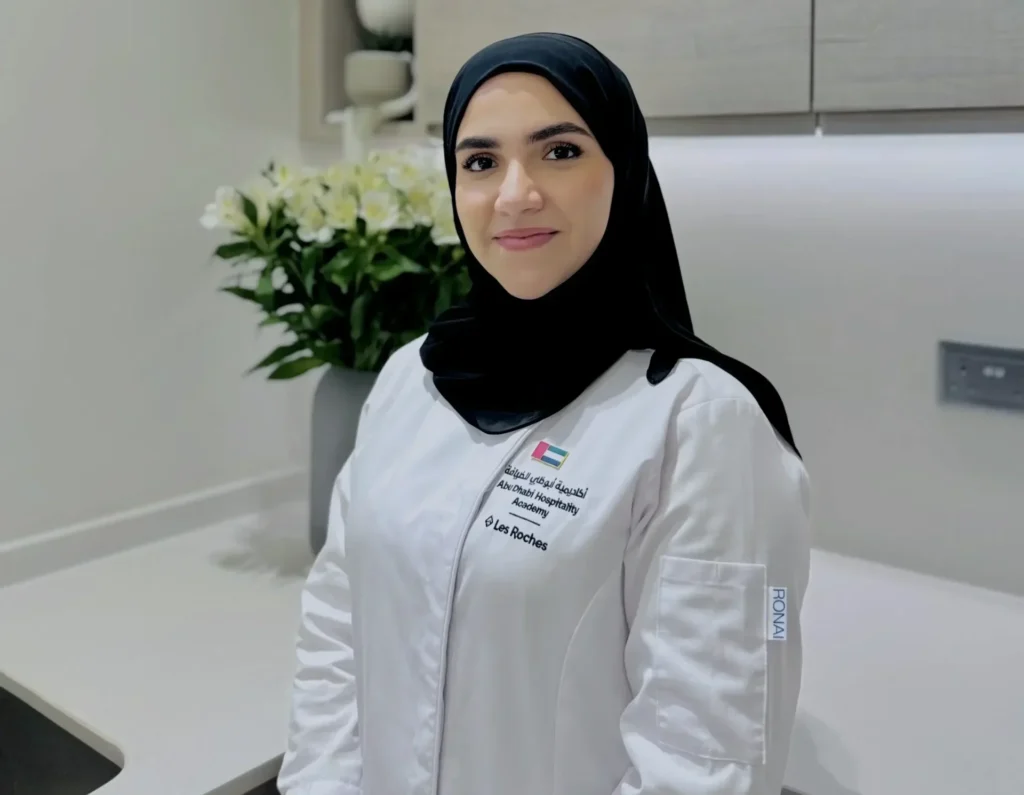
Chef Fatima, Redefining Emirati Identity Through The Art Of Pastry By Peter Davis For Chef Fatima, creativity in the kitchen begins long before flour is weighed or ovens are switched on. It begins with memory. One flavor in particular continues to guide her culinary voice, saffron. In her childhood home, it infused almost everything, tea, rice, chebab, balaleet, becoming part of daily life rather than a luxury. Today, she reimagines that same aromatic spice in macarons, éclairs, cakes, and layered desserts, exploring its balance with sweetness, spice, and tang. For her, saffron is not nostalgia alone, it is a living ingredient with limitless potential. As a certified pastry chef and a Les Roches student ambassador, Chef Fatima embodies a rare balance between emotion and precision. She believes great chefs must hold both artistry and discipline in equal measure. Emotion and imagination take shape at the very beginning of her process, inspired by nature, travel, visual art, and flavors that linger in memory. She sketches ideas before stepping into the kitchen, photographs moments that spark creativity, and allows herself to feel deeply connected to what she is creating. Once inside the kitchen, however, emotion gives way to rigor. Technique, repetition, and scientific accuracy take control. When a recipe fails, grit and perseverance become essential. For her, the kitchen demands toughness, but when discipline meets passion, something extraordinary happens. Looking at the future of pastry in the UAE, Chef Fatima sees innovation rooted not in novelty alone but in cultural fusion. She believes the next generation of pastry will be shaped by the thoughtful integration of Emirati flavors into global dessert traditions. Trends like Dubai chocolate, where pistachio and kunafa meet Swiss chocolate, are just the beginning. To her, this fusion is an opportunity to introduce local flavors to the world in a way that feels refined, modern, and authentic. Unlike many chefs who speak of signature dishes, Chef Fatima is guided by a signature philosophy. Every creation begins with visualization. She walks outdoors, revisits personal memories stored in her camera roll, sketches ideas on paper, and invites conversation by sharing her concepts with others. Fresh perspectives matter to her. Only then does experimentation begin. She follows her own style deliberately, resisting the pull of trends. If a dish does not resonate with her first, it does not move forward. She believes every chef carries a distinct voice, and expressing that individuality is what gives the culinary world its richness. If the UAE’s culinary identity were transformed into a dessert, Chef Fatima imagines it as tangy, warm, and comforting. It would feel modern and evolved, yet deeply familiar, innovative yet grounding. Above all, it would evoke unity, delivering a sense of home while embracing progress. As part of a new generation of Emirati chefs stepping into global hospitality spaces, she carries her culture with pride and intention. Every kitchen she enters becomes a place where Emirati heritage can be represented with respect and clarity. She feels a responsibility to highlight the beauty of her traditions and ensure they are understood not as static history, but as a living, evolving culture. In pastry, consistency is everything, yet creativity thrives on experimentation. Chef Fatima believes the bridge between the two is science. Once a chef understands the chemistry behind ingredients, precision becomes freedom rather than limitation. Her experience working on the Expo festival cake structure brought this philosophy to life. Collaborating closely with engineers, she navigated physics, mathematics, and material behavior, considering stability, heat, sunlight, and ingredient reactions. Only by mastering these technical realities was she able to push creative boundaries without compromising structure or safety. Failure, she says, is inseparable from growth. Every mistake in the kitchen, whether small or significant, has shaped who she is today. Sometimes the science is pushed too far, and a dish fails, not because the idea was wrong, but because it needs to be approached differently. One defining experience came in 2022 when she entered pastry school at just fifteen years old, the youngest in her class. That moment shifted her mindset completely. Surrounded by older students, she realized she had time, potential, and the ability to study pastry arts on a deeper, more technical level. Rather than a single failure, it was a series of challenges and lessons that transformed her craft and strengthened her belief in herself. In an era where social media often dictates creative direction, Chef Fatima remains grounded in authenticity. She believes growth comes from uniqueness, not imitation. Her content is deeply personal, aligned with her values, and she is selective about collaborations that reflect her vision. While she understands the mechanics of visibility and reach, she refuses to compromise her identity for the sake of an algorithm. Looking ahead, her ambition is clear and unwavering. Chef Fatima dreams of opening her own restaurant and earning Michelin stars, a journey she plans to begin within the next five years. It is a vision built not on trends or shortcuts, but on discipline, cultural pride, and a deep respect for both art and science. In redefining Emirati pastry for a global audience, she is not just creating desserts, she is shaping a legacy, one thoughtful creation at a time.

Menna Shahin, The Architect Of Purposeful Power

Menna Shahin, The Architect Of Purposeful Power

Menna Shahin, The Architect Of Purposeful Power By Michelle Clark Menna Shahin stands as a rare kind of leader, one who has mastered the art of merging vision with virtue. Her story is not just about entrepreneurship; it is about evolution. From a young woman determined to “change the world” to a global voice redefining what it means to lead with purpose, Meena’s journey is a lesson in balance, brilliance, and belief. When asked what first ignited her desire to merge corporate leadership with social impact, Meena’s response is beautifully simple: “I wanted to change the world.” But for her, change was never about slogans or sentiment. It was about structure. “I saw that true, scalable change couldn’t just come from passion; it needed to be underpinned by strategic thinking and operational excellence,” she reflects. Over the years, that understanding became her compass. What began as an emotional impulse transformed into an intellectual mission to build business models that make change measurable, profitable, and permanent. That mission gave birth to eJaby, a social enterprise that embodies everything she stands for. The Birth of eJaby The concept of eJaby was born from two intertwined passions: empowering women and saving the planet. Raised in Egypt, Meena grew up surrounded by women of strength, yet she also saw the barriers they faced. “I’ve always wanted to be a role model for women,” she says. “But empowerment isn’t just about opportunity, it’s about creating a stable, sustainable world where women can thrive.” Her environmental consciousness grew alongside her social one. She saw waste, not only as an ecological crisis but as a moral one. “To have a better world for us and for the next generation, we must address the massive issue of waste,” she explains. eJaby became her answer to this double challenge. It tackles food waste and overstock while building a business ecosystem that uplifts women through leadership and employment. In Meena’s world, doing good is not an act of charity, it is an act of innovation. Leading with Purpose Keeping purpose alive in the world of business is no easy feat. Yet Meena has done it with a clarity that borders on philosophy. “Every action we take daily is aimed at creating a better life for ourselves or the people around us,” she says. “The key is to scale that scope.” Her formula for meaningful leadership is a balance of three forces. Empathy allows her to see the needs of others. Innovation turns small ideas into scalable impact. And execution transforms vision into tangible change. “By constantly measuring every decision against its potential for positive impact,” she says, “purpose naturally becomes the guiding principle.” The Trials That Built Resilience Like any founder, Meena’s path was not free of turbulence. “Founding a startup is a daily workout for your resilience and leadership,” she admits with a smile that carries both pride and fatigue. “The most profound challenge is not the market or the technology, but the human element, leading people and maintaining a unified vision.” In those moments, Meena discovered that true leadership is not about control but about connection. “You must constantly work to keep people understanding and believing in your vision, especially when the path is uncertain.” For her, resilience is not just bouncing back, it’s showing up every day with faith, and transferring that faith to your team. “Your resolve is mirrored in the collective strength and belief of the people you lead.” The Myth of Compromise Many still believe that social enterprises cannot grow without losing their soul. Meena smiles knowingly at this idea. “That’s an old way of thinking,” she says. “At eJaby, our values are not a separate initiative, they are the very engine of our growth.” Her model is self-sustaining: the more the company grows, the more impact it creates. “Our profitability is a direct measure of our success in reducing food waste and promoting sustainable consumption.” In other words, growth amplifies impact, and impact fuels growth. “By making impact the core value proposition,” she explains, “we ensure that scaling is synonymous with scaling our mission.” Redefining Leadership for Women As a champion of gender equity, Meena is unafraid to challenge long-held systems. “The most critical change needed is to stop expecting women to lead like men,” she says firmly. “For too long, leadership has followed a masculine template, forcing women to suppress their natural strengths.” She calls for workplaces that embrace empathy, collaboration, and holistic thinking as core leadership skills. “We must empower women to lead as women,” she continues. “When we value the distinct strengths women bring to the table, we unlock a far more inclusive and effective model of leadership.” This philosophy, she believes, will shape the next era of leadership in the MENA region, a movement where diversity is not a box to tick, but a power to harness. Sustainability as a Personal Legacy Sustainability is not just a business term for Meena, it is an inheritance she wants to leave her children. “It’s about the future I want for my two sons,” she says softly. “They are three and five, and I want them to live in a better world.” For her, living sustainably means raising consciousness, educating teams, customers, and communities to make mindful choices. But she believes true progress depends on collective effort. “If we do not all work together, we will not achieve anything. Leading sustainably means building systems that make participation easy and accessible.” Through eJaby, she has done exactly that, turning personal conviction into collective momentum. The Rise of Purpose-Led Entrepreneurship in the MENA Region When speaking about the entrepreneurial transformation sweeping across the MENA region, Meena’s tone fills with optimism. “What excites me most is the fusion of ancient values with modern innovation,” she says. “This region has always had a deep-rooted sense of community and responsibility. Now, entrepreneurs are channeling that purpose through technology and business.” She believes the MENA region is on the verge of defining a new global model, one

Marina Skiba, The Woman Reshaping Fashion Talent In The Middle East

Marina Skiba, The Woman Reshaping Fashion Talent In The Middle East

Marina Skiba The Woman Reshaping Fashion Talent In The Middle East By Michelle Clark In an era defined by constant reinvention and the relentless pursuit of meaning, some leaders rise not through noise, but through clarity, purpose, and the ability to transform challenges into momentum. Among them stands Marina Skiba, the founder and CEO of FP Models Agency & Academy, a woman whose journey from Kyiv’s creative corridors to Dubai’s dynamic fashion scene reads like the story of a quiet revolution. Her rise is not the familiar tale of overnight success, but a layered narrative of courage, resilience, curiosity, and the unshakeable belief that people, not trends, are the true heartbeat of fashion. Today, FP Models is widely respected as one of the Middle East’s most human-driven modeling ecosystems. But its foundation was laid long before Marina occupied boardrooms or managed global clients. It began with a young student in Kyiv who stumbled into a world that would transform her future. Marina never imagined she would enter the world of modeling. She was invited to join a modeling school as a student, an invitation she accepted almost playfully, unaware of its long-term impact. With no prior experience, no clear idea of where it might lead, she stepped into a space that would unlock new dimensions of creativity and identity. “It opened a completely new world,” she recalls. “One full of expression and new ways of seeing myself.” While discovering the language of posture, poise, and presence, Marina was simultaneously immersed in another world: writing. She worked at COCKTAIL, a fashion magazine in Kyiv, serving as both a writer and sales executive. What began as a student job quickly became a masterclass in communication, persuasion, industry dynamics, and human connection. Fashion was no longer just visual; it was editorial, intellectual, and deeply personal. The magazine also became the setting where she met her future business partner—two people with parallel ambitions, complementary strengths, and a shared vision of what the fragmented modeling industry could become. Together, they imagined a space that educates talent, elevates creativity, and serves both the industry and its people with genuine professionalism. The creative world she experienced at modeling school blended with the structural insight she gained from editorial work, forming the blueprint of FP Models: a balance of heart and strategy. Long before fashion became her profession, literature shaped Marina’s worldview. Her favourite subjects in school were languages and literature, not because they were simple, but because they granted access to imagination, cultural depth, and emotional understanding. “Words shape identity. They shape culture. They shape how we understand ourselves and the world,” she says. Storytelling became her natural strength, an intuitive skill that would later define her approach to journalism, marketing, brand-building, and ultimately leadership. In her boardroom today, communication is not merely a tool but a grounding force that ties her teams, clients, and community together. Four years ago, Marina made the life-changing decision to move to Dubai. It wasn’t impulsive; it was a strategic leap toward a market undergoing rapid evolution. Dubai was emerging as a global intersection of fashion, technology, and culture city where ambition wasn’t just admired, it was expected. The regional fashion industry was flourishing. International brands were entering the market. Local designers were gaining global visibility. The ecosystem needed trained talent, creative structure, and a modernized approach. She understood the importance of timing and recognized that if she didn’t move then, the opportunity might never return. Yet her journey to Dubai was not driven solely by professional motivation. She arrived carrying deep personal loss and life changes that required her to rebuild not only her career but her inner world. That period, she admits, was the hardest she had ever faced. But it also revealed her resilience in ways she had never known before. Rebuilding from nothing taught her that adversity is not a wall, it is a sculptor. FP Models emerged not as a conventional modeling agency but as a holistic ecosystem grounded in what she calls the Triple FP Philosophy: Fashion – Profession – Passion – People. This philosophy reflects her belief that talent cannot be developed through random opportunities; it must be nurtured through structured learning, real experience, and a supportive environment. The agency provides representation for models, connecting them with brands and creative teams across campaigns, runway shows, activations, and commercial projects. But it was the academy, Dubai’s first government-certified modeling academy, that truly transformed the region. The academy offered structured training, industry etiquette, casting preparation, and confidence-building, becoming a bridge between aspiring talent and professional readiness. Alongside this came a community that grew organically: workshops, intimate meetups, creative collaborations, and a network built on support rather than competition. FP Models became more than a business. It became a movement, redefining how the Middle East thinks about fashion talent. Marina’s leadership is grounded in emotional intelligence, adaptability, and intentional focus. For her, leadership is not about hierarchy, it is about energy and awareness. Her guiding principle in recent years has been the importance of focus: “Your focus shapes your reality.” Amid market fluctuations or sudden industry changes, this principle acts as her internal compass. Balancing creativity with commercial demands remains one of the most challenging parts of her role, yet she bridges the two worlds through communication and sensitivity, ensuring both creative minds and business teams feel understood and valued. She also learned early that passion alone cannot sustain growth. Systems, processes, and reliable teams are essential foundations. Today, FP Models operates with strong internal structure because she embraced that lesson. Just as important is her commitment to maintaining team morale. She leads not from a distance but through presence, listening, and awareness of emotional cues. Marina’s approach to nurturing talent is equally intentional. She recognizes potential not simply in beauty but in discipline, resilience, and willingness to grow. She aims to create an environment that shapes talent through care rather than pressure and teaches them that real success requires commitment, patience, and emotional maturity. The

Jonathan Trott, The Gulf Giants’ Call To Glory

Jonathan Trott, The Gulf Giants’ Call To Glory

Jonathan Trott, The Gulf Giants’ Call To Glory By Michelle Clark A strategist, a mentor, and a builder of cultures, Trott’s arrival signals not just a new season, but a new era for the Gulf Giants. When Jonathan Trott walks into a dressing room, he brings with him more than experience, he brings purpose. As the newly appointed Head Coach of the Gulf Giants, the former England international and world-class batter arrives not to merely win games, but to build something that endures long after the trophies are lifted and the lights dim. For Trott, cricket is as much about the invisible elements, discipline, trust, culture, as it is about the visible ones: runs, wickets, and results. His appointment marks a new chapter in the franchise’s story, one he hopes will blend the tactical sharpness of modern T20 with the timeless values that define champions. When asked what he sees in the Gulf Giants, Trott’s answer is telling: it’s not just about winning, it’s about building. “Of course, the main aim is to win the title, that’s what we’re all here for,” he says. “But for me, there’s more to the story than just trophies. It’s about building something meaningful with the Gulf Giants, setting a new benchmark and creating a culture that lasts.” Culture, for him, isn’t an abstract ideal. It’s something cultivated daily, in the nets, in meetings, in quiet moments unseen by fans. “I want every player, every member of staff, every training session, and every match to contribute towards a standard of consistency and togetherness,” he adds. “It’s about laying strong foundations so that the story of this team, and the players within it, continues to grow well beyond one season.” It’s a philosophy rooted in progress over perfection, culture over chaos. Trott has been part of world-class cricket environments, from England’s dressing room during the golden Strauss-Flower era, to mentoring Afghanistan’s fiercely passionate squad. Through it all, one lesson has crystallized: preparation separates good teams from great ones. “The non-negotiable standard I bring is this, every time we walk onto the field, we earn the right to be there,” he says firmly. “That comes through preparation, focus, accountability, and respect for each other and for the game.” He believes in making practice tougher than the match itself. “When game day comes, you should feel ready and confident that you belong at this level. If we commit to that standard, everything else tends to fall into place. It’s not about doing extraordinary things, but about doing the basics extraordinarily well, day in and day out.” For Trott, excellence is built on simple, disciplined, repeatable habits. Legacy is a word often thrown around in sport, but for Trott, it’s not a buzzword, it’s a responsibility. “This is my first year with the Gulf Giants, and I’m really excited about the opportunity,” he says. “The franchise has already won the title in the inaugural season and has been one of the most consistent teams in the league. I don’t need to reinvent the wheel here.” Instead, his focus is on continuity, maintaining the high standards already set and pushing them even higher. “You can’t build a legacy in a year or two, it takes time. If we stay true to our preparation, our consistency, and with the talent we have in this squad, the legacy of the Gulf Giants will take care of itself.” Few understand the mental demands of elite sport like Jonathan Trott. His personal journey, from international triumphs to deeply introspective battles, has shaped a leadership style grounded in empathy. “My journey as both a player and a coach has taught me the value of empathy and trust,” he says thoughtfully. “As a coach, I’ve realised that you lead people, not just cricketers. Understanding their stories, motivations, strengths, and vulnerabilities is key.” Trott is as invested in his players’ lives off the field as in their performances on it. “My job is to coach cricket, but it’s equally important to talk about life off the field. That balance helps build trust, and when players feel valued as people, they perform with greater freedom and belief.” His leadership is defined by humanity, by a willingness to listen as much as he instructs. In a franchise composed of diverse international and local talent, cohesion can make or break a season. For Trott, it starts with understanding people. “A cohesive team starts with understanding people before players,” he insists. “The foundation of any successful group or team is knowing each individual’s personality, motivation, and background, that’s what helps create trust.” Culture, he believes, is built as much off the field as on it. “Building cohesion isn’t just about what happens in the middle, it’s also about the conversations off the field. That’s where culture is built.” The stronger the human bonds, the stronger the cricket. Among the aspects Trott is most excited about is the chance to work with emerging UAE cricketers. “One of the main reasons I was drawn here is the opportunity to help develop young, homegrown players within a growing cricket ecosystem,” he says. “The local players have a real hunger to learn, and tournaments like the ILT20 give them the perfect platform to test themselves and learn from some of the best players in the world.” He praises Adani Sportsline, the franchise owners, for their commitment to nurturing local talent. “When local players succeed, the franchise’s identity strengthens, and that’s how a legacy grows.” For Trott, success isn’t measured only in silverware, but in the rise of a new generation. In an era where data dominates decision-making, Trott believes in balance. “Data and analytics are important tools, but they’re not the masters,” he says. “They inform us, they show patterns and probabilities, but at the moment of truth, it’s instinct, experience, and judgement that matter most.” Analytics guide him, but they don’t dictate his decisions. “Analytics can tell us what to expect, but intuition tells us how to respond. At Gulf Giants, we