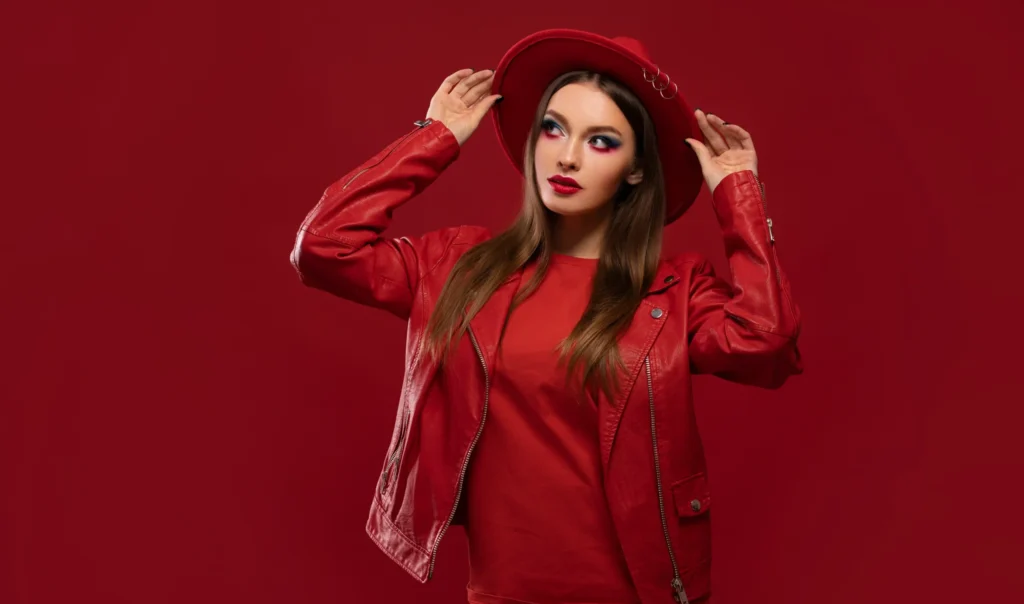
Beyond Trends
How AI Is Redefining Global Fashion Design
By Zulaikha Bi

Fashion has always reflected the rhythm of society, its culture, aspirations, and creativity. From the hand-stitched garments of ancient civilizations to the fast-paced production lines of the 20th century, fashion has evolved alongside every major technological and cultural shift. Today, a new force is transforming this ever-changing industry, artificial intelligence.
AI is more than a modern buzzword; it is becoming a powerful creative and strategic asset. Once confined to logistics and data analysis, it now influences how clothes are designed, produced, and experienced. The boundaries between creativity and computation are blending, opening up a new dialogue between human intuition and digital intelligence.
Traditionally, fashion design has been an emotional and intuitive art form, guided by personal inspiration, cultural influences, and imagination. Now, AI is entering this space as a collaborator rather than a competitor. Using vast amounts of data from fashion shows, social media, and consumer preferences, AI tools can suggest new colors, styles, and fabrics.
Designers can experiment with thousands of variations on a single concept in just a few clicks. Companies like The Fabricant have even taken this innovation to a digital level, creating clothing that exists only in the virtual world. By removing the physical limits of material and production, such tools offer designers a new level of freedom.
Design software like Adobe Sensei and CLO 3D allows creators to visualize designs in three dimensions, test fits, and make changes instantly. This shortens the design process, reduces material waste, and supports sustainability. Rather than replacing human touch, AI frees designers to focus on storytelling, emotion, and creativity while technology manages repetitive tasks and data-driven insights.
In production, AI is addressing one of fashion’s biggest challenges — inefficiency. Overproduction, long lead times, and unsustainable manufacturing have plagued the industry for decades. Now, AI systems analyze purchasing behavior, market trends, and even weather to forecast demand with remarkable accuracy. Brands like Zara and H&M rely on this technology to manage inventory and reduce waste, ensuring they produce only what customers actually want.
Automation in factories is also transforming the manufacturing process. AI-driven machines handle fabric cutting, stitching, and quality control with precision, minimizing errors and allowing greater customization. Some manufacturers are using AI to develop sustainable textiles, optimizing raw materials and creating eco-friendly alternatives that reduce environmental harm.
Perhaps the most exciting shift comes in the way AI personalizes the shopping experience. With virtual try-ons and augmented reality, customers can now see how clothes look on them before buying. Brands like Gucci, Nike, and ASOS use these features to enhance convenience and reduce returns.


Services such as Stitch Fix combine AI with human stylists to curate personalized fashion boxes tailored to each customer’s size, taste, and lifestyle. Advances in AI body-scanning technology have also made made-to-measure clothing more accessible and inclusive. Customers can upload a few photos, and AI calculates precise measurements, offering custom fits without traditional tailoring costs or delays. AI is also democratizing fashion globally.
No longer limited to fashion capitals like Paris or Milan, creativity is flourishing everywhere. A designer in Nairobi, Jakarta, or Bogotá can now create and market a full collection using AI tools for trend analysis, virtual modeling, and logistics. Platforms such as Fashwell and Vue.ai provide advanced design tagging and image recognition, giving small and independent brands access to tools once reserved for large corporations. AI is also inspiring cultural fusion. Designers are now able to explore influences from across the globe, blending traditional aesthetics with modern forms.
Indian startups are reinterpreting heritage textiles like Bandhani and Kanjivaram, while African designers are using AI to celebrate Afro-futurism and share indigenous fashion with international audiences. Despite these advancements, AI’s growing role in fashion raises important ethical questions. What does originality mean in an age when algorithms can mimic artistic styles and brand aesthetics?
Intellectual property laws are still adapting to these new realities. There are also concerns about bias in AI models, which often reflect the data they are trained on. If that data lacks diversity, it can exclude certain body types, skin tones, or cultural styles. To build a more inclusive industry, brands must ensure that the data guiding these systems represents a wide range of human experiences and identities.
Automation also affects the workforce. Millions of people in countries like Bangladesh, Vietnam, and Ethiopia rely on textile and garment jobs. As machines become more capable, there is a risk of widespread job displacement. A fair and responsible transition requires investment in retraining programs, ethical sourcing, and policies that protect vulnerable communities. Another critical contribution of AI is in promoting sustainability. Fashion remains one of the world’s most polluting industries, but AI is helping change that. It assists in selecting durable, eco-friendly materials and enables digital prototyping to reduce fabric waste.


Even digital fashion garments created only for virtual use is becoming a sustainable option for influencers, gamers, and digital consumers. By predicting demand more accurately, AI reduces overproduction and waste. It also helps consumers make conscious choices by offering transparent information about a product’s origins, materials, and environmental impact through smart tags and traceable digital labels.
Fashion is more than just clothing. It is a language of culture, identity, and emotion. AI is not replacing this language; it is helping us rewrite it with greater imagination and responsibility. From sketch to shop floor, from luxury runways to online wardrobes, artificial intelligence is making design more inclusive, production more efficient, and experiences more personal. Yet, this technological progress must remain guided by human values, creativity, empathy, and ethics.
The future of fashion will not belong solely to algorithms or to humans, but to the collaboration between both. When intelligence meets imagination, fashion becomes not only smarter but also more meaningful, sustainable, and human.
In a conversation with a young woman about fashion, she shared a refreshing perspective. “Personally, I prefer simple and casual dressing, mostly in light colors,” she said. “Simplicity always wins. Casual clothes save time and reduce confusion.
I think in Pakistan we should follow international fashion trends too, where people choose simple and elegant clothes because they don’t have time for complicated selections. Heavy dresses with beads and embroidery are going out of style. People want to look decent and comfortable, and with more education around the world, simplicity has become a sign of elegance and taste.”
She added with a smile, “When it comes to food, nothing compares to Pakistani cuisine. Our land is fertile, our ingredients are fresh, and our food has an unmatched flavor. It’s not just about eating, it’s about celebrating who we are.”