MAGNAV Emirates

Entertainment

K-Drama Takeover

K-Drama Takeover How South Korea’s Cultural Exports Are Dominating Global Screens

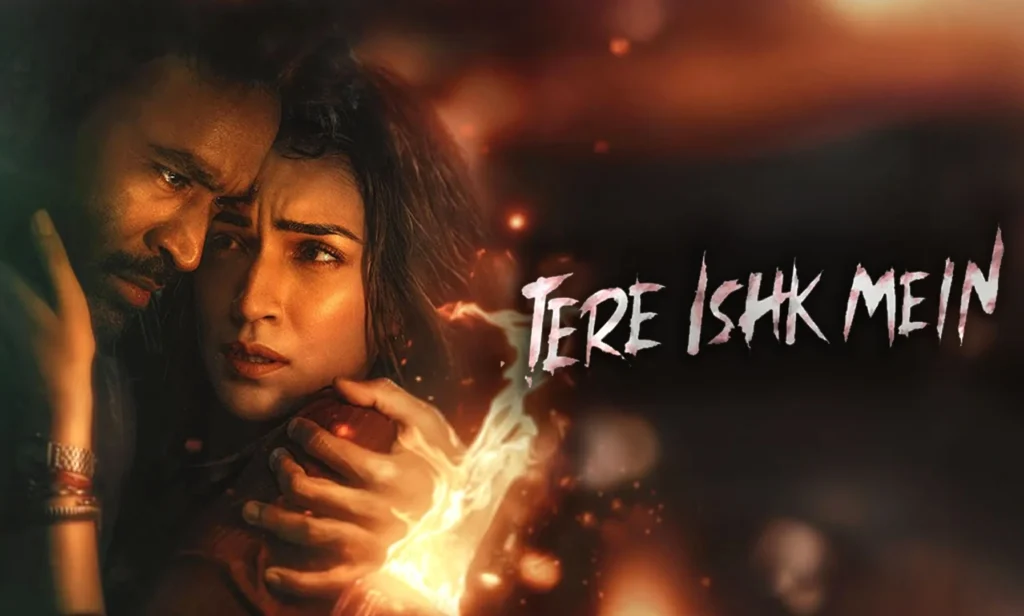
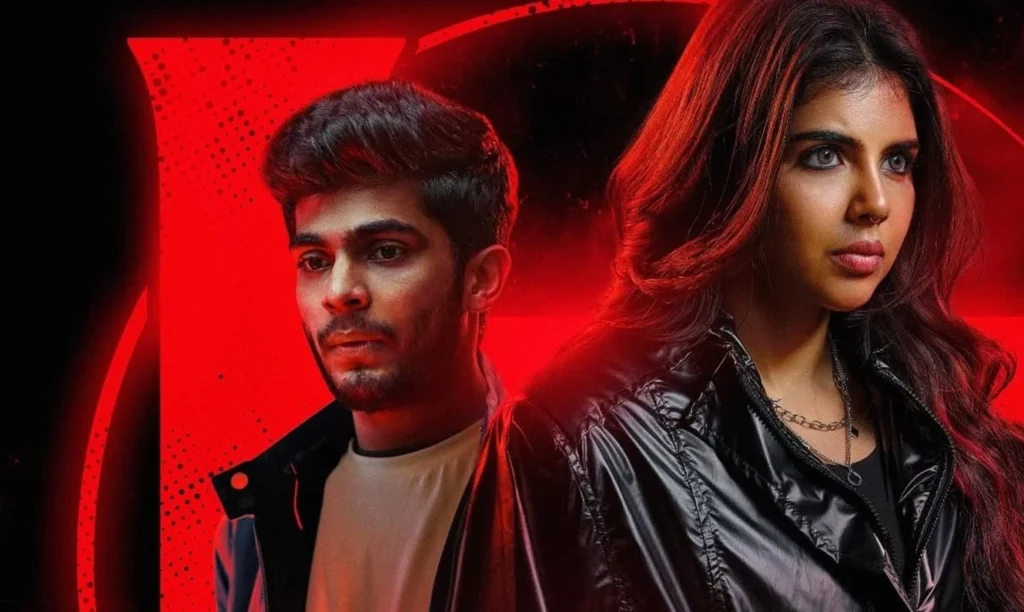
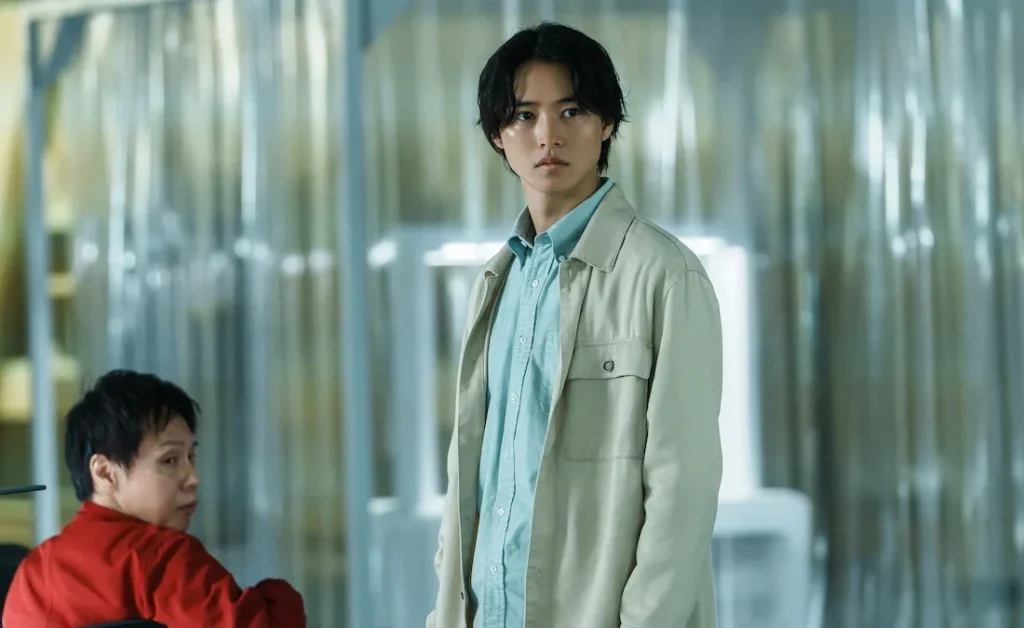
K-Drama Takeover How South Korea’s Cultural Exports Are Dominating Global Screens By Sidra Asif South Korean dramas, or K-dramas, have rapidly evolved from niche regional content into a global cultural force. What began as a modest form of entertainment within South Korea has become a multibillion-dollar phenomenon, reshaping global entertainment and influencing everything from fashion and beauty to cuisine and tourism. The appeal of K-dramas now spans continents, languages, and demographics, underscoring the profound cultural and economic impact of South Korea’s soft power. One of the biggest endorsements of this growing wave comes from Netflix, which has heavily invested in Korean content. Co-CEO Ted Sarandos revealed that “more than 60% of Netflix’s 270 million subscribers have watched at least one Korean film or series,” amounting to over 162 million viewers globally. To capitalize on this momentum, Netflix has pledged a $2.5 billion investment in South Korea’s entertainment industry over the next four years. This is double what it spent from 2016 to 2022 and will fund a variety of productions, including dramas, films, and unscripted content. “South Korea now ranks among the top five content-producing countries for Netflix globally,” joining the ranks of the U.S., U.K., India, and Spain. The foundation of this global phenomenon is rooted in decades of cultural development. K-dramas trace their origins back to 1962, when the first television drama aired in South Korea. Early content, produced by public broadcasters like KBS and MBC, was grounded in Confucian values and family-oriented storytelling. These dramas helped foster a sense of national identity and unity during South Korea’s post-war rebuilding years. In the late 1990s and early 2000s, the South Korean government began to see culture as an exportable commodity. As part of the “Hallyu” or Korean Wave strategy, the Ministry of Culture, Sports, and Tourism funneled millions into the creative industries. This included subsidies, public-private partnerships, and global outreach initiatives. The goal was clear: “to enhance South Korea’s global image and economic standing through cultural soft power.” The international rise of K-dramas accelerated in the 2010s with the global proliferation of streaming platforms. Services like Viki, DramaFever, Disney+, Amazon Prime, and especially Netflix made Korean content easily accessible worldwide. High production values, multilingual subtitles, and genre-blending narratives allowed K-dramas to transcend linguistic and cultural boundaries. The COVID-19 pandemic further fueled this trend. Global audiences, confined at home, turned to Korean series such as Crash Landing on You, Itaewon Class, Kingdom, and It’s Okay to Not Be Okay for emotional connection and escapism. Netflix originals like Sweet Home, All of Us Are Dead, and Squid Game reached staggering milestones. Squid Game alone amassed 111 million views in its first 28 days, becoming the most-watched Netflix series debut of all time. The global obsession with K-dramas can be attributed to several key factors. First, their “emotionally rich storytelling” and complex characters appeal to a broad range of viewers. Whether it’s romance, thriller, or fantasy, K-dramas masterfully blend genres, offering something for everyone. Their visual storytelling is equally compelling. Meticulous cinematography, fashionable wardrobes, and elegant styling turn each episode into a showcase of contemporary Korean aesthetics. Iconic looks from shows like My Love from the Star and Descendants of the Sun have influenced fashion trends far beyond Asia. Culturally, K-dramas resonate deeply with audiences by portraying universal themes through a distinctly Korean lens. Elements such as filial piety, communal meals, respect for elders, and personal sacrifice not only educate international viewers about Korean culture but also create emotional connections based on shared values. A particularly appealing feature for many international fans, especially women, is the portrayal of male leads. These characters often exhibit high emotional intelligence and respectful behavior, “challenging Western romantic stereotypes and offering a refreshing model of partnership.” But K-dramas are more than storytelling, they are a powerful economic engine. Their global success has created a ripple effect across several industries. The “Korean consumption effect” refers to the phenomenon where exposure to Korean content drives international demand for Korean products and experiences. The K-beauty industry, for instance, has grown to over $10.2 billion USD in 2023, thanks in large part to its frequent appearances in dramas. Similarly, Korean cuisine has seen a global surge in popularity. Traditional dishes like kimchi and bibimbap, showcased on-screen, have helped propel food exports to a record $12 billion, a 15.5% increase in just one year. Tourism has also benefited immensely. Iconic filming locations from shows such as Winter Sonata and Goblin have become pilgrimage sites for fans. In 2022, the Korea Tourism Organization noted that “over 80% of foreign visitors cited Korean pop culture as a major motivation for their trip.” Education is another area of growth. Korean language courses have seen a 50% rise in global enrollment since 2019, driven largely by fans eager to connect more deeply with their favorite content. As South Korea moves forward, it is positioning itself not just as a cultural influencer but as a major player in the global digital economy. Analysts project that the worldwide K-content industry could surpass $35 billion by 2030. The country’s success in this domain stems from a strategic combination of “state support, global collaboration, high production standards, and an intuitive grasp of audience emotions.” From Seoul to Los Angeles, from streaming platforms to skincare routines, the influence of K-dramas continues to expand. What started as localized storytelling has become a global takeover. And if current trends are any indication, South Korea’s cultural exports are not just riding a wave, they are shaping the tide.

Nayla Al Khaja The Storyteller Shaping Emirati Cinema Breaking Barriers, One Frame at a Time

Nayla Al Khaja The Storyteller Shaping Emirati Cinema Breaking Barriers, One Frame at a Time

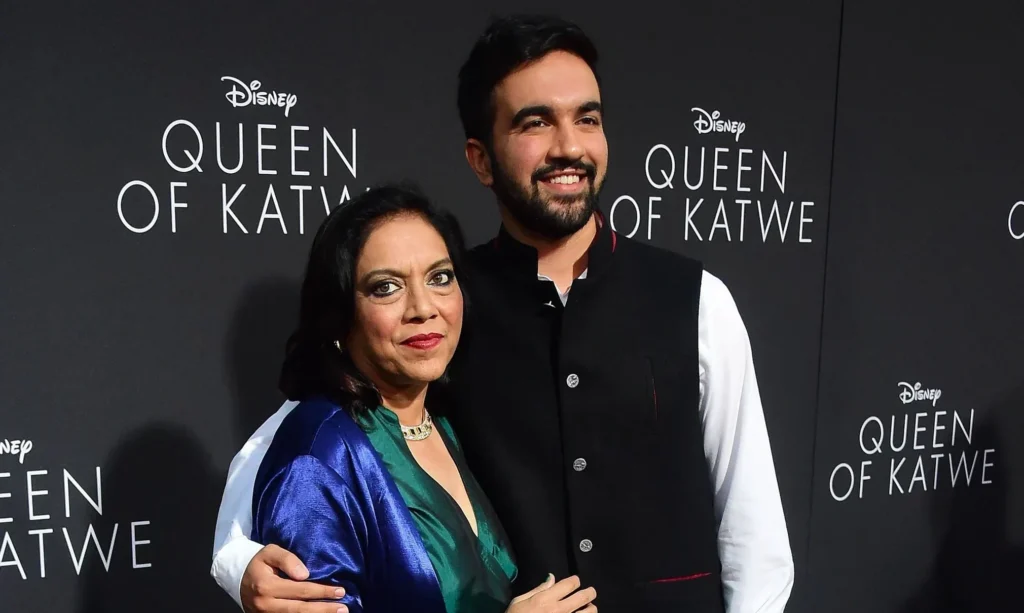
Nayla Al Khaja The Storyteller Shaping Emirati Cinema Breaking Barriers, One Frame at a Time By Jane Stevens In the ever-evolving landscape of global cinema, Nayla Al Khaja stands out as a powerful voice from the Middle East, a pioneer, a visionary, and above all, a storyteller. As the UAE’s first female film director, she has reshaped the narrative of Emirati cinema, paving the way for new voices in a region where filmmaking was once a rarity, especially for women. With multiple award-winning films and international recognition, including releases on Netflix, Nayla continues to inspire a generation of creatives who dare to dream. Her work confronts social taboos, elevates untold stories, and brings nuanced portrayals of Arab identity to the global stage. In this exclusive feature, Nayla opens up about her personal journey, creative process, and the human stories behind the camera. At the start of her career, Nayla’s greatest challenge was being taken seriously. As a woman in a male-dominated space, she was often dismissed before she even spoke. With no role models or clear path to follow, she created her own momentum, self-funding, writing, directing, producing, doing everything until people had no choice but to take notice. Having two of her films featured on Netflix marked a breakthrough not only for herself but for Emirati cinema as a whole. It demonstrated that stories from the region, told authentically and unapologetically, could resonate with global audiences. Her hope is that her work leaves behind stories that confront taboos and spark honest conversations about identity. When Nayla is in production mode, her life becomes a marathon. She rises before dawn, juggling logistics, team dynamics, creative decisions, and emotional performances, all while keeping her vision intact. It’s exhausting, but electrifying. There is no room for ego, only focus and adaptability. What kept her going in an industry where women were almost invisible was the knowledge that she was building something larger than herself. Every “NO” fueled her determination. The thought of future Arab women not having a voice on screen was unbearable. That is what kept her fighting. Her storytelling has evolved significantly over the years. Early in her career, her films were cautious as she searched for her voice. Over time, she stopped trying to please everyone and leaned into stories that made people uncomfortable. She began to trust silence, ambiguity, and mood. Today, her films carry deeper emotional weight, cultural tension, and cinematic confidence. While social media often shows only the glamorous side, the moments that define her journey are deeply human. Once, during a shoot, her lead actress broke down while filming a scene that mirrored her real-life trauma. Production stopped. Nayla sat with her, and they rewrote the moment together. That scene became the most powerful in the film and reminded her that filmmaking is human work first. Of all her projects, BAAB is closest to her heart. It channels her personal experience with tinnitus, unresolved grief, and the deep bond between twins. Shot in the mountains of Ras Al Khaimah, a place rarely seen on screen, it felt like she was finally telling her story without compromise. To young Arab women dreaming of working in film, she says, you don’t need permission. Start with your phone, your voice, your truth. Learn to be resourceful and resilient. This industry won’t always welcome you, but your story is your superpower. Tell it, even when it’s hard ,especially when it’s hard. Nayla never dilutes culture to appeal to international audiences. She shows it as it is, with all its contradictions. Her approach uses grounded, specific storytelling framed through universal emotions like love, loss, and fear, bridging local authenticity with global relatability. Currently, she is in post-production on BAAB, a dark fantasy rooted in Emirati myth, with music composed by the legendary A.R. Rahman. She is also developing a new series, though details remain under wraps. The future feels wide open, and she is ready. A Vision Beyond the Frame Nayla Al Khaja is not only a trailblazer for women in the Arab world, she is a force of creative revolution. With each frame she directs, she challenges the status quo, redefines Emirati storytelling, and makes space for voices long unheard. Her journey is far from over, but her impact is already deeply etched in the narrative of Arab cinema. As Nayla continues to break boundaries and elevate regional stories to international platforms, she carries with her the hopes of a new generation of filmmakers, especially Arab women, who now dare to dream, create, and be heard.

Interactive Arts Arenas

Interactive Arts Arenas When Concerts, Installations, and Gaming Collide

Interactive Arts Arenas When Concerts, Installations, and Gaming Collide By Hafsa Qadeer The crowd doesn’t just watch, it participates. Gone are the velvet-rope barriers of old-world entertainment. In the UAE, the stage is melting into the screen, the screen into the audience, and the audience into the art. From Alserkal Avenue to Abu Dhabi’s immersive domes, the new arena is one where concerts meet gaming, installations breathe with AI, and the line between spectator and performer blurs into pixels and participation. This is entertainment 3.0, and it’s deeply interactive. Suppose, A DJ spins under a digital sky programmed to respond to the crowd’s collective heartbeat. A holographic dancer joins an Emirati rapper mid-performance. Nearby, gamers in VR suits co-create a live narrative projected on a 360° dome, while an AI-generated orchestra swells to match their pace. We are no longer just viewers. We are the co-authors of the spectacle. The UAE’s cultural institutions are not merely adapting, they are pioneering. Expo City Dubai now moonlights as a live gameworld arena. Saadiyat Island’s future-forward performance halls are being designed with modular walls that shift with the tempo. Even Sharjah’s biennials now host playable exhibitions, soundscapes you can walk through, digital poems that answer back. At the heart of this evolution is convergence. Art meets tech. Music meets code. Theatre meets game engines. It’s not about distraction, it’s about immersion. And in a region where storytelling has always been sacred, this new format revives the majlis spirit in unexpected ways. Only now, the storytellers speak in shaders and scripts, and the guests wear headsets or hold NFC-enabled wristbands. The goal? Presence. In a world fatigued by screens and passivity, these interactive arenas remind us what it means to feel something together. The collective gasp when a projection reacts to your movement. The adrenaline rush when your decision shifts a storyline mid-play. The quiet awe when a digital dervish spins only for you. This is not just next-gen entertainment, it is emotional architecture. As boundaries dissolve between genres, mediums, and realities, the UAE finds itself uniquely positioned. With its appetite for innovation and reverence for story, the country becomes not just a host, but a heartbeat of global interactive culture. Here, art is no longer something we watch. It’s something we enter.

How the UAE Is Curating the Soul of the Internet

How the UAE Is Curating the Soul of the Internet

How the UAE Is Curating the Soul of the Internet By Hafsa Qadeer In the land where oral tradition once passed from lips by firelight, the stories have found new stages, glowing screens, social feeds, and streaming platforms. Yet the soul remains unchanged. Welcome to the UAE’s newest creative frontier: a cultural renaissance that’s not confined to books or galleries, but one that unfolds in pixels, podcasts, and poetic hashtags. This is not entertainment for entertainment’s sake. This is a nation telling its story its own way, digitally native, deeply rooted. The Rise of Neo-Majlis Media There’s a new kind of majlis emerging, not built from cushions and incense, but from comment threads and camera lenses. Young Emiratis gather not only in salons but in live streams and Twitter Spaces, where ideas swirl like cardamom in coffee. The UAE’s creators aren’t just making content, they’re reviving form. TikTok poets deliver verses in Khaleeji dialects. Filmmakers shoot on iPhones but edit like calligraphers. Even meme pages carry the cadence of folklore. In a world scrolling faster than thought, the UAE’s digital creatives offer something rare: reflection. Streaming the Story of Us What do you get when heritage meets high definition? A wave of Emirati-led productions that bring history, humor, and humanity to global screens. From period dramas set in pearl-diving villages to futuristic thrillers echoing climate anxieties, local storytelling is finding its stride. Abu Dhabi’s twofour54 and Dubai Studio City are no longer just infrastructure; they are incubators of identity. Actors trained in theater now voice characters in virtual reality. Scriptwriters consult historians before algorithms. Even gaming studios are embedding falconry, desert lore, and ghaf tree symbolism into open-world maps. This isn’t escapism. This is digital memory-making. Podcasts as the New Poetry Scroll through the UAE’s audio landscape and you’ll find voices that sound like home. Podcasts have become modern-day diwans, spaces where thinkers, artists, and comedians explore the stories beneath the skyline. One week, it’s a deep dive into Nabati verse, the next, a conversation on mental health in Arabic. These shows are archived emotion, a way for culture to breathe in earbuds and across borders. And in a region where silence often cloaks vulnerability, these conversations are a reclamation of voice. Influence with Intention In an era where virality is often mistaken for value, Emirati influencers are redefining what it means to “go viral.” Many use their platforms not for trend-chasing, but for trend-setting, promoting sustainability, preserving dialects, and spotlighting local artisans. A beauty vlogger ends every tutorial with a dua. A travel influencer maps spiritual landmarks instead of just brunch spots.  Even comedy sketches incorporate old proverbs, the laughter is always followed by a lesson. Digital Isn’t Disposable, It’s Archival Where some nations fear the digitization of culture, the UAE embraces it, with caution and care. AI is used not only to enhance content, but to preserve endangered dialects and catalog oral histories. The Ministry of Culture funds initiatives that turn family recipes into interactive apps and folk dances into motion-captured experiences. It’s not about nostalgia. It’s about ensuring that the future knows where it came from. A Soft Power, Strongly Felt The UAE understands that storytelling is powerful. Not the loud, flashy kind, but the soft power of nuance and identity. And by fusing tradition with technology, it’s creating a cultural model few nations can replicate. In the age of attention, this country has chosen intention. And perhaps that is the UAE’s greatest plot twist of all:  That in a world of filters and feeds, its truest influence lies not in the content it creates, but in the meaning it preserves.

Stage of Stories: The New Renaissance in Emirati Entertainment

The New Renaissance in Emirati Entertainment

Stage of Stories The New Renaissance in Emirati Entertainment By Hafsa Qadeer Once seen as a market for international spectacles, the UAE is now shaping its own stage, rich with narrative, nuanced with heritage, and alive with modern rhythm. Entertainment in the Emirates has entered a new chapter, rooted in identity and resonant far beyond its borders. Cinema with an Accent of Truth Emirati cinema has evolved from quiet experimentation into a voice of cultural introspection. It’s no longer about imitation, but illumination. Films like City of Life by Ali F. Mostafa, which tackled the human mosaic of Dubai, and Scales by Shahad Ameen, the first Saudi-Emirati fantasy screened at Venice Film Festival, have shattered stereotypes and stirred international interest. Director Nawaf Al Janahi, often referred to as a pioneer of UAE film, creates cinematic experiences that echo with psychological depth and social commentary. Nujoom Al Ghanem, one of the UAE’s most celebrated female filmmakers, blends poetry, memory, and oral history to craft stories that are at once personal and political. What unites them is not just technique, but truth. Their work does not shy away from contradictions. It leans into them, mirroring a society where ancient traditions meet rapid urban transformation. The Festival Fever Cultural festivals in the UAE have expanded from seasonal gatherings into full-blown ecosystems that foster creative talent and community dialogue. The Sharjah Fringe Festival, the first of its kind in the region, brings international street performers, musicians, and comedians into the heart of the cultural capital, engaging families and youth alike. Meanwhile, the Mother of the Nation Festival in Abu Dhabi blurs the lines between entertainment, wellness, and social innovation. With zones dedicated to art installations, poetry, comedy, and local entrepreneurship, it reflects the UAE’s multidimensional identity. At Al Dhafra Festival, traditional competitions like camel beauty pageants are placed alongside live music and Bedouin storytelling, proving that authenticity still draws a crowd. These aren’t events built only for tourists; they are mirrors for a nation in motion. Digital Performers, Real Roots The digital stage is now as vital as any concert hall. Emirati content creators are not just entertaining, they’re archiving culture in real time. TikTok performers act out family skits in Gulf dialects. YouTube comedians like Khalid Al Ameri use satire to reflect generational shifts, often addressing themes of marriage, social etiquette, or cultural pride. Even influencers, decked in kanduras or abayas, lip-sync to Khaliji pop, perform comedic monologues about Ramadan, or vlog from falconry centers. Their followers span continents, but their content remains unmistakably local. Because in this renaissance, being rooted is the new relevance. And the UAE, once a consumer of global culture, is now one of its most creative contributors.

Emirati Beats Resonate Globally

Emirati Beats Resonate Globally

Emirati Beats Resonate Globally By Desk Reporter Dubai’s entertainment scene is pulsating in 2025, with the inaugural Emirates Music Festival at Dubai Media City Amphitheatre showcasing local talent. Emirati artist Hamdan Al Maktoum, known as Desert Echo, captivated 20,000 fans with his blend of khaleeji rhythms and electronic beats. His chart-topping single Horizon, inspired by the UAE’s deserts and skyscrapers, weaves oud melodies with modern synths, embodying the nation’s cultural fusion. The festival’s energy reflects Dubai’s ambition to become a global entertainment powerhouse. Backed by the Department of Culture and Tourism, the festival incorporated virtual reality concerts, allowing global audiences to experience the event via the metaverse. This tech-forward approach, paired with new studios in Dubai Production City, is nurturing Emirati artists while attracting international performers. Young locals and expats alike filled the amphitheater, dancing to music that bridges tradition and innovation. Dubai’s investment in creative platforms ensures its cultural influence extends far beyond its borders, amplifying the UAE’s voice on the world stage.

Khaleeji Trap and Podcast

Khaleeji Trap and Podcast Renaissance Identity in Sound

Khaleeji Trap & Podcast Renaissance Identity in Sound By Hafsa Qadeer It begins with a beat. A slow, low hum laced with oud samples and a hint of auto-tune. Then comes the voice, half Arabic, half English, fully rooted in the Gulf. This is not just music. It’s a movement. Across the UAE and its sister states, Khaleeji Trap has erupted from underground playlists into cultural currency. It’s a sound stitched from contradictions, ancestral rhythms layered with synths, verses that glide between dialect and diaspora. More than sonic fusion, it’s the language of a generation negotiating heritage and modernity, past and platform. And they’re not just rapping. They’re podcasting. From the souqs of Sharjah to studios in Alserkal, a renaissance is underway, bilingual podcasts that dissect identity, comedy series that blur satire and sociology, and deep-dive interviews where creators unravel what it means to be Khaleeji in a hyperconnected, hyper-curated world. It’s sound, yes. But it’s also self-definition. In this new audio frontier, platforms are stages. Spotify charts feature Emirati rappers who once uploaded demos on Telegram. Apple Podcasts recommends Gulf hosts once told their voices weren’t “marketable.” TikTok, ironically, has become the place where long-form thoughts first go viral, one clipped mic at a time. What distinguishes this renaissance is its rootedness. The artists don’t mimic Western flows, they morph them. A track might open with the maqam of a Nabati poem, then dive into trap drums. A podcast episode might feature a mother’s folk song alongside a debate about Gulf futurism. Sound is no longer background. It’s a battleground for belonging. And the youth are curating their identities one track, one episode at a time. In Dubai’s music studios and Riyadh’s coffee podcasters’ corners, Khaleeji creatives aren’t just shaping a trend. They’re archiving emotion. Displacement, pride, love, rebellion, all wrapped in verses and voice memos. Some drop EPs. Others drop truth bombs in 15-minute rants. There’s an urgency here. Not just to be heard, but to define who gets to narrate the region’s story. This is not mimicry. This is a reclamation of rhythm. The Gulf’s youth aren’t waiting to be invited to global stages. They’re building their own, with beats, bandwidth, and a mic. And the world is finally listening.

Creative Awakening Art

The UAE’s Creative Awakening Art with a Global Pulse

The UAE’s Creative Awakening Art with a Global Pulse By Desk Reporter The arts scene in the UAE has transformed from niche to international, attracting creatives from every corner of the globe. Once considered a commercial capital, the Emirates are now carving out a reputation for culture. Events like Art Dubai, which hosted over 100 galleries from 40 countries in 2024, are turning the spotlight onto both established and emerging voices in visual arts. Meanwhile, the Sharjah Biennial, known for its intellectual depth, continues to earn global praise for championing non-Western perspectives in contemporary art. The growth extends to music, film, and digital media. Platforms like the Dubai International Film Festival and Abu Dhabi’s warehouse421 have given local storytellers a place to shine. Indie filmmakers now explore bold themes, often blending Arabic narrative with global cinematic styles. Virtual galleries and NFT exhibitions are also growing in popularity, making the Emirates a unique blend of ancient storytelling and modern platforms. As creative freedom grows, so does the UAE’s cultural footprint. It is proving to be not just a marketplace but a maker of meaning.