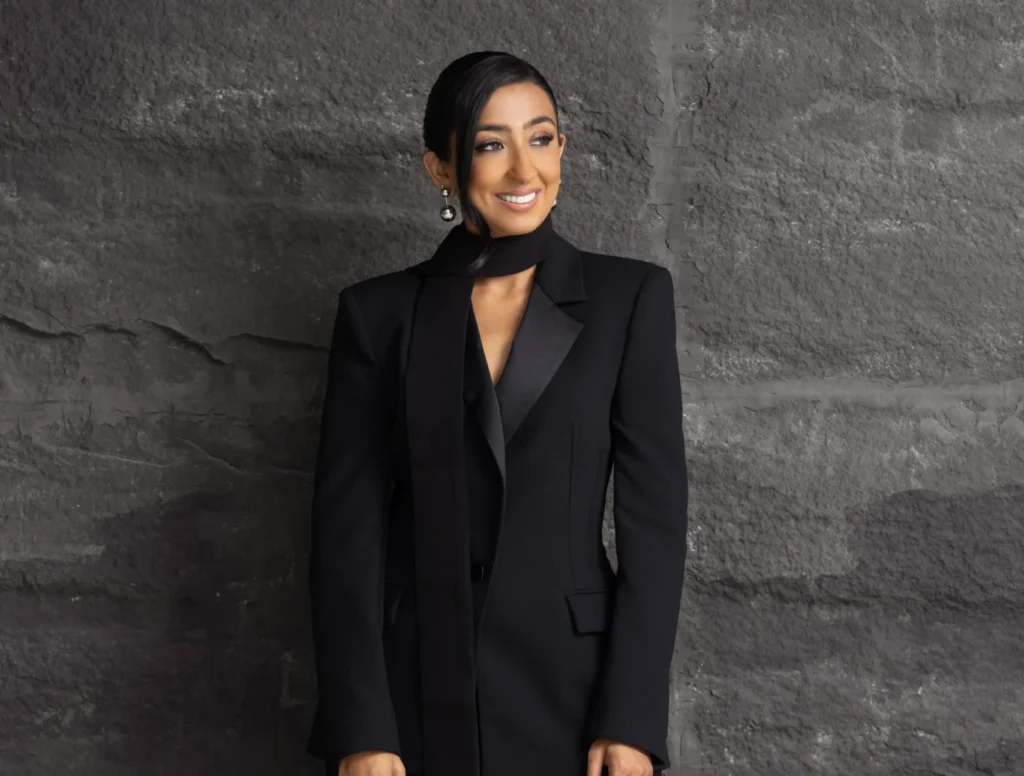
Dalal Aldoub, The Story From Influence Into Enterprise
Rizwan Zulfiqar Bhuttarizbhutta@hotmail.comEdit Profile Dalal Aldoub, The Story From Influence Into Enterprise By Janhavi Gusani Long before the creator economy became a defined industry, Dalal Al Doub was already building a relationship with audiences through fashion, beauty, and makeup. When she began sharing content in 2012, there was no established roadmap for becoming a creator, nor a clear understanding of what a digital presence could eventually become. What began as a genuine love for beauty gradually evolved into a community, a personal brand, and ultimately a business with ambitions beyond the region. As one of the early creators in the GCC sharing fashion and beauty content while wearing the hijab, Dalal also offered a form of representation that was still relatively uncommon online. Women could see someone who looked like them, dressed like them, and shared their interests. That familiarity helped create a relationship with her audience that felt personal from the beginning. As the community expanded beyond the GCC, she began to recognise that she was no longer simply sharing what she loved; she was building a community with the potential to become something much larger. That evolution has remained central to the way she approaches creativity and entrepreneurship. Dalal’s online journey has never been about presenting an untouched version of perfection. Her content has reflected both the rewarding moments and the challenges that accompany growth. For her, beauty begins from within, but it is also shaped by the life a person chooses to build. Over time, she learned that creativity, personal branding, and business are not separate worlds. They are extensions of the same journey: remaining curious, continuing to evolve, and transforming lived experience into something meaningful. At the centre of that journey is trust. Since she began creating content, Dalal has remained selective about what she shares and the brands she chooses to associate with. Her recommendations are grounded in genuine familiarity rather than simply commercial opportunity. That principle has become even more important as she has moved into entrepreneurship. When someone purchases a DALALID product, they are not only buying makeup. They are placing their trust in Dalal’s taste, standards, and vision—the same qualities that shaped her relationship with her audience long before she became a founder. The transition into beauty entrepreneurship therefore feels less like a departure from her creator career and more like its natural progression. After years of discovering, testing, and learning about beauty, Dalal began thinking about what she would create if she could address the gaps she encountered herself. Often, the starting point was personal: a particular texture, shade, finish, or product she wished existed. Her thinking was straightforward—if she was searching for something, there were likely other women searching for it too. That philosophy became the foundation of DALALID. Yet the brand is more than formulas, shades, and high-quality products. It has become a creative space through which Dalal can express her ideas, emotions, personal growth, and evolving perspective on beauty and culture. Product names, shade names, campaigns, and the stories surrounding them all contribute to a larger identity. DALALID is ultimately a reflection of its founder—not because every product is autobiographical, but because the standards and perspective behind it are deeply personal. That distinction is increasingly important in a global beauty industry where differentiation is difficult. Products can compete through performance, packaging, formulation, and innovation, but a brand with a distinct cultural point of view can create a deeper connection. For Dalal, that point of view is firmly rooted in the GCC. The Middle Eastern beauty industry is experiencing a significant transformation, with regional entrepreneurs increasingly shaping rather than simply participating in global conversations. Their advantage lies partly in proximity: they understand the consumer because they are part of the culture. They understand regional beauty standards, lifestyle, climate, purchasing habits, and the role beauty plays in everyday life. For DALALID, thinking globally has been part of the vision from the beginning. Dalal wants the brand to reach women across both East and West while retaining the cultural perspective that makes it distinctive. She sees an opportunity for someone discovering DALALID anywhere in the world to experience not only its products, but something of Kuwait, the GCC, and the Middle East through its story, inspiration, and cultural references. In that sense, beauty becomes a form of cultural dialogue. The experience is not only sensory. It can also introduce audiences to where a brand comes from and the perspective that shaped it. This reflects a broader confidence emerging among Middle Eastern founders. Global relevance no longer requires regional identity to be diluted. Increasingly, culture itself can become a source of distinction. Dalal has also witnessed the transformation of social media from a space for personal expression into a sophisticated business ecosystem. Today, the digital landscape is more crowded than ever, but it also provides unprecedented freedom. Creators can define their own paths, build communities around their interests, and develop businesses from their individual strengths. Yet that freedom comes with pressure. The constant presence of trends, algorithms, views, and engagement can make creators lose sight of the identity that initially made people connect with them. For Dalal, the answer lies in having a clear “why.” Why create? What should people feel, learn, or take away? What impact should the work ultimately leave? She recognises that financial success is a legitimate part of building a business. But longevity requires something deeper than commercial ambition. Purpose gives creativity direction, while authenticity gives it staying power. That same philosophy informs how she approaches product development. Her process often begins with personal experience, followed by careful attention to her community. She listens to feedback, reactions, comments, and conversations to understand what women feel is missing, then combines those insights with her own creative vision. A strong team supports the research, development, and execution, but the underlying idea remains personal. It is this balance between instinct and insight that allows a personal brand to evolve into a business without losing its original character. The journey also reflects