
MAGNAV Emirates

Fashion And Lifestyle

Chef Nouel Catis,

Chef Nouel Catis, The Architect of Edible Memory

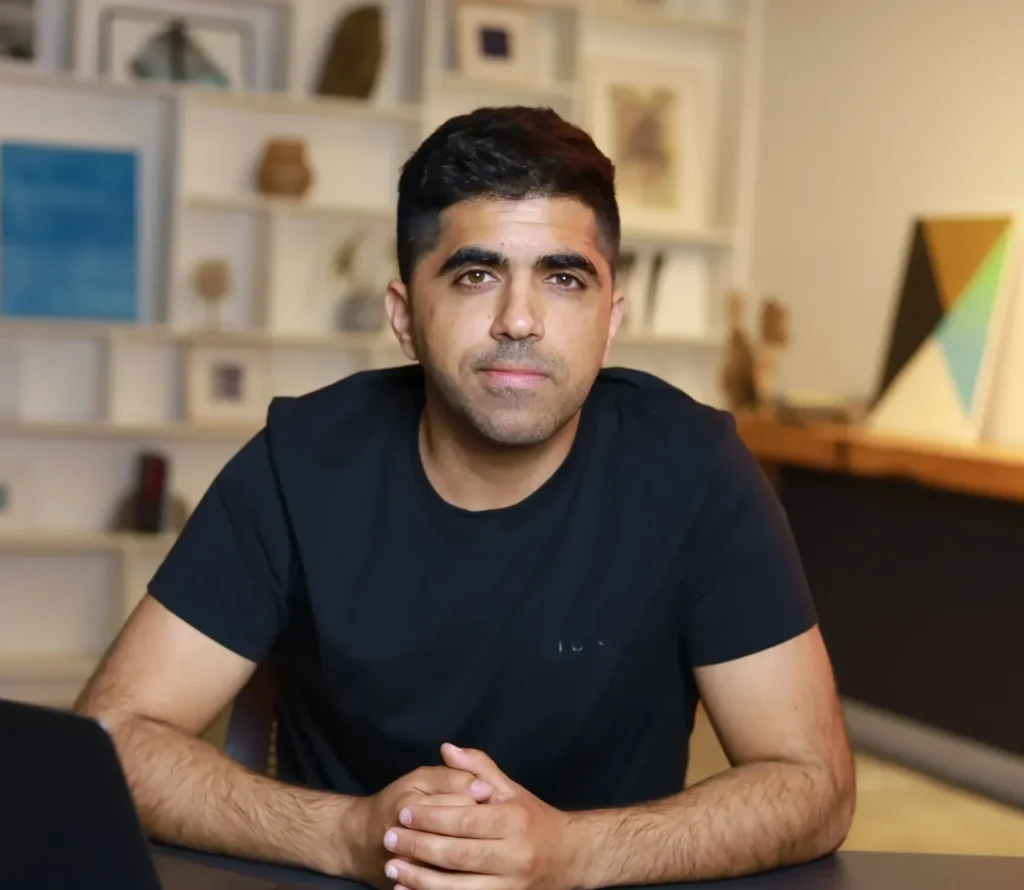
Chef Nouel Catis, The Architect of Edible Memory By Paul Smith A city obsessed with speed and spectacle rarely pauses for sweetness, yet tucked within Dubai’s ever evolving culinary landscape is a kitchen guided by memory rather than momentum. Chef Nouel Catis works quietly with sugar, flour, and chocolate, not to impress but to reconnect. While his creations are globally recognised, his true craft lies in something more intimate. He designs desserts that feel personal, familiar, and deeply human, resisting the industry’s fixation on novelty in favour of emotion and meaning. For Catis, innovation has never meant abandoning who he is. Creativity begins with looking inward, drawing from heritage, childhood, and lived experience. Where many chefs chase surprise for its own sake, he finds power in the familiar, transforming known flavours into something quietly extraordinary. Every dessert must carry a story, a feeling, or a memory. Without that emotional anchor, he believes it has no place on the plate. His approach to creativity is patient and reflective. Rather than racing toward trends, he treats the past as a source of untapped ideas. The flavours and textures that shaped his early life become the foundation for modern techniques, allowing his work to feel both progressive and grounded. Each dessert becomes a narrative, inviting diners to feel something before they analyse anything. Identity guides every decision, ensuring the person behind the pastry is never lost. Ingredients play a central role in this philosophy. Catis listens to them before attempting to reshape them. Fruits, spices, and cacao are chosen for their history and character, not just their visual appeal. When encountering a local or unfamiliar ingredient, his instinct is not to manipulate it but to understand it. He allows its natural qualities to lead the creative process, stepping back so the ingredient itself can speak. his respect extends to sustainability, which he treats as an ethical responsibility rather than a trend. Every recipe is designed with intention, from sourcing to yield. Years of working in environments where resources were limited taught him to value every element. Waste is not simply avoided, it is reimagined. High quality ingredients are central to this mindset, as integrity in sourcing leads to better flavour, longer shelf life, and less excess. For Catis, true luxury lies in restraint and respect. Technology has its place in his kitchen, but it is never allowed to replace intuition. Precision tools support consistency, especially at scale, yet the soul of the dessert comes from touch, smell, and instinct. He trusts human senses over machines, believing that emotion cannot be programmed. A dessert should feel crafted, not processed, and diners can sense the difference. Collaboration is another cornerstone of his work. Local farmers and producers shape his menus, grounding global techniques in regional identity. Working with seasonal ingredients in a desert climate demands creativity and flexibility, challenges he embraces. Dates, pistachios, and saffron are treated not as symbols but as storytelling tools, allowing his desserts to feel rooted in the UAE while remaining globally relevant. He also reimagines the role of dessert itself. Rather than a heavy conclusion, he sees it as a moment of pause. His creations are designed to slow diners down, offering a sensory experience that lingers beyond the final bite. Presentation becomes part of the story, inviting curiosity and emotional connection before taste even enters the conversation. Success is measured not in photographs but in memory. The project widely known as the Dubai Chocolate reflects this philosophy perfectly. What became a global sensation began as a simple attempt to express regional flavour through an accessible format. Its impact revealed something deeper: people crave authenticity and a sense of place. The chocolate bar proved that heritage, when shared honestly, resonates far beyond borders and fine dining rooms. As a mentor, Catis encourages young chefs to build foundations before chasing visibility. Mastery, patience, and discipline matter more than followers or hype. Leadership, in his view, is quiet and consistent, rooted in listening and humility. Growth should be meaningful before it becomes large. Looking ahead, he envisions a dessert culture shaped by intention rather than excess. One that values story, sustainability, and emotion as much as technique. The future of pastry, as he sees it, belongs to chefs who remember where they came from and why they began. Chef Nouel Catis reminds us that progress does not require abandoning the past. Through his work, dessert becomes a bridge between memory and modernity, culture and craft. In a city that rarely slows down, he offers something rare and lasting: truth, served sweetly.

Ayman Yaman, The Architect of Attention

Ayman Yaman, The Architect of Attention

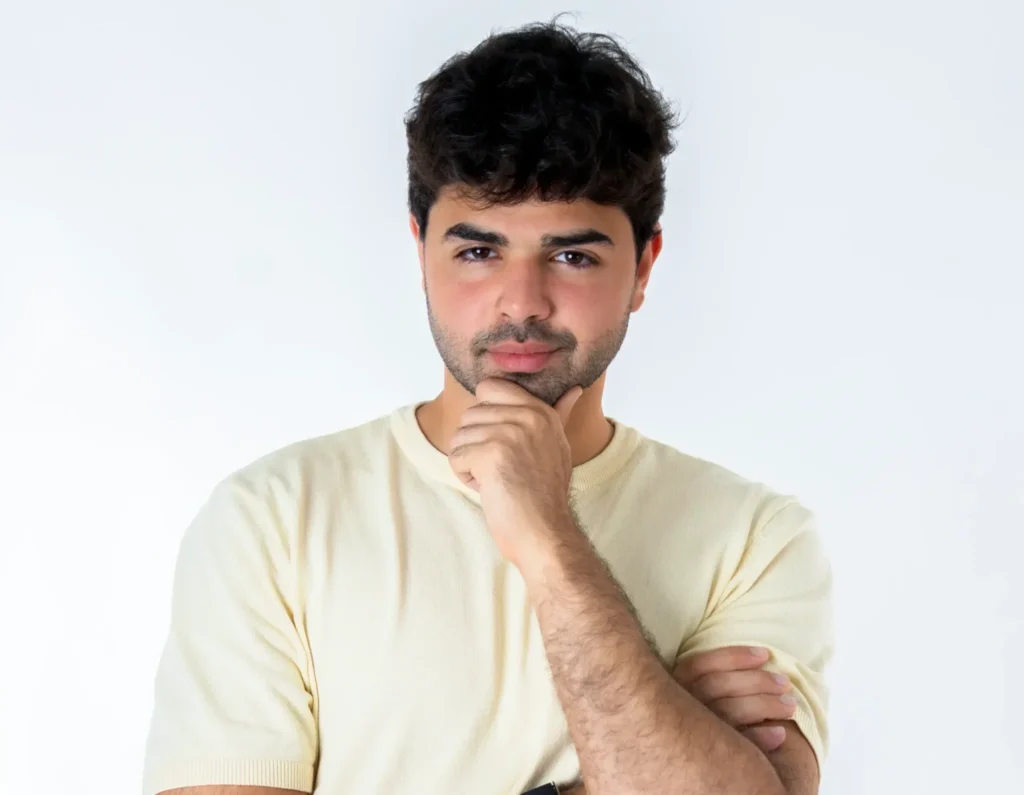
Ayman Yaman, The Architect of Attention and the Radical Blueprint for a New Era of Digital Influence By Natalia Davis Digital culture moves fast, burning bright and disappearing just as quickly. Against that restless backdrop, Ayman Yaman has built something rare: work with weight, shape, and intention. His journey reads less like a viral fairytale and more like a slow, deliberate evolution, from a teenager experimenting with content to a founder quietly reshaping how the creator economy thinks about influence, structure, and longevity. While many are still searching for direction, Yaman has already started redefining the ground beneath it. His rise was never about sudden fame or lucky timing. What sets him apart is far less glamorous and far more powerful: consistency. It began at sixteen, in the ordinary setting of a bedroom, with a camera and the habit of showing up every day. There was no master plan, no talk of impact or scale, just repetition, curiosity, and a willingness to keep going. Over time, something changed. The posts stopped feeling like messages sent into the void. People returned. They recognized a tone, a rhythm, a point of view.  What started as a pastime slowly revealed itself as a form of connection. Yaman understood early that presence, sustained long enough, turns into trust. Rather than getting swept up in numbers, he leaned into observation. The internet became his classroom, and his audience, his teachers. He paid attention to what people responded to, what moved them, what they scrolled past without a second thought. That quiet study of human reaction shaped everything that followed. For Yaman, growth was never just about data or reach; it was about understanding emotion. That belief became the backbone of his work, informing the creation of Bottle Flip Agency and later initiatives like Brand Me and Just Disconnect. Strategy, in his world, begins with psychology. Choosing authenticity in a trend-driven environment came with its own risks. While others chased formats and algorithms, Yaman made a deliberate decision to stay rooted in his own voice, even when it meant sounding blunt or falling out of sync with what was popular. He saw early on that trends deliver attention, not loyalty. By letting go of the need to please everyone, he attracted a smaller but deeply invested audience. Influence, as he sees it, isn’t about mass approval; it’s about resonance that lasts. Authenticity isn’t branding language for him, it’s how relevance survives. As Bottle Flip grew, so did his perspective. The shift didn’t arrive with a single breakthrough moment. It showed up gradually, in the kinds of conversations creators started having with him. They stopped asking for exposure and started asking for direction. Visibility was no longer enough; they wanted sustainability, systems, something that could outlive a platform or a phase. Yaman realized his role had changed. He wasn’t managing content anymore, he was helping build ecosystems where influence could turn into businesses, ideas into infrastructure. Hosting conversations with high-performing thinkers through his podcast sharpened that understanding even further. Across industries and disciplines, he noticed the same pattern: people who create lasting impact think in systems. They move slowly when it matters, ignore noise, and place their energy with intention. Success, at that level, tends to be quiet. It doesn’t announce itself. It compounds. He saw reflections of that mindset in peers like Ghazi, who transformed influence into something cultural and enduring rather than fleeting. One of the most unexpected elements of Yaman’s philosophy is his commitment to silence. Just Disconnect emerged from a very personal need to step away from constant visibility and pressure. He speaks openly about the importance of unplugging, not as an escape, but as a reset. Distance, for him, creates clarity. Time offline sharpens his voice rather than dulling it. The initiative reflects a belief that creativity needs space, and that constant access eventually erodes intention. Disconnecting, in his view, is what makes meaningful return possible. When young creators look to him for advice, he doesn’t offer shortcuts or motivational soundbites. He talks about discipline. About doing the unglamorous work every day. About paying attention to the people on the other side of the screen and building structures that turn attention into something useful. He warns against rushing, against copying, against confusing visibility with value. Real growth, he insists, comes from patience and focus, not hacks. Looking ahead, Yaman doesn’t frame his legacy around status or distance. He wants to be remembered as accessible, as someone whose work felt human and grounded. The platforms he has built—Brand Me, Bottle Flip, Just Disconnect—matter to him because they create space for others to grow. Influence, in his eyes, only counts if it opens doors for more than one person. If he could speak to his sixteen-year-old self, the advice would be simple and calm. Ignore the numbers. Study people. Learn how attention works, how connection is built, how systems sustain what talent starts. Fame fades. Structure lasts. Build the system and let time do its work. Ayman Yaman’s story ultimately circles back to something timeless. Even in an age shaped by algorithms and automation, human response remains the most powerful force online. He hasn’t learned how to manipulate it, but how to respect it. What he’s built isn’t just influence, it’s a space where creativity, business, and sincerity can exist together. Sometimes, the most meaningful part of the message is found not in the post itself, but in the quiet between them

MO Vlogs

MO Vlogs, Behind the Lens of Dubai’s Most Iconic Storyteller

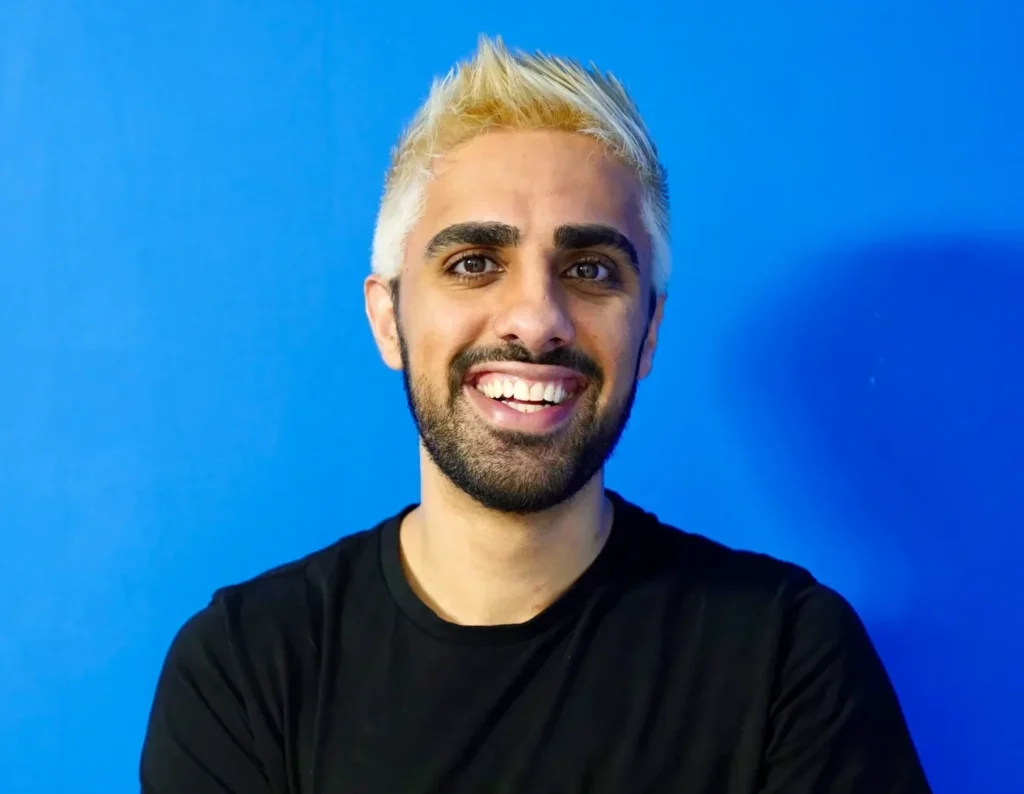
Mo Vlogs, Behind the Lens of Dubai’s Most Iconic Storyteller By Jane Stevens Long before Dubai became shorthand for global spectacle, Mohamed Beiraghdary, widely known as Mo Vlogs, was quietly documenting its rhythm. What began as a personal habit of filming daily life grew into something far more influential, a living record of a city and a generation finding their voice online. More than a content creator, Mo became a witness to change, capturing Dubai not as a destination, but as a place lived in, argued with, celebrated, and understood. His videos were never about display alone. Luxury cars and iconic skylines appeared naturally, but they were never the point. What mattered was the feeling beneath the visuals, the conversations, the energy of the streets, the ordinary moments that revealed character. Viewers did not just watch Dubai through Mo’s lens, they felt it. That sense of intimacy is what set his work apart from the beginning. Recognition came gradually. The first time strangers stopped him in public, it was not the attention that stayed with him, but the realization that his presence carried meaning for others. People were not responding to a persona, they were responding to perspective. That awareness shaped everything that followed. Instead of chasing trends or engineering virality, Mo leaned into honesty. He kept filming his life as it was, trusting that sincerity would travel further than performance. As the city expanded and transformed, so did his audience. Dubai was often misunderstood from the outside, reduced to headlines or clichés. Mo’s work offered a different narrative. His camera moved through cafés, streets, events, and everyday encounters with the ease of someone who belonged there. He was not presenting a polished fantasy, but a lived reality shaped by diversity, ambition, humor, and contradiction. The city felt human because the storyteller was. What makes Mo Vlogs enduring is his instinct for simplicity. His content does not rely on heavy scripting or spectacle. It works because it mirrors how people actually experience life. A conversation, a reaction, a shared laugh. He understands intuitively that if a moment feels engaging to a stranger, it holds value. That clarity has allowed his work to remain relevant even as platforms, formats, and attention spans continue to change. The early years were not without resistance. Social media once carried a stigma, especially for those openly sharing their lives online. What is now considered normal was once dismissed as unserious or embarrassing. Mo persisted anyway. He sensed that documenting life was not a distraction from reality, but a new form of storytelling. Time proved him right. What was once questioned became cultural habit, and Mo stood among those who helped normalize that shift. Consistency has always been the quiet engine behind his success. Showing up daily, filming without shortcuts, and staying curious about people has shaped both his work ethic and his relationships. Whether meeting fans or strangers, he approaches each interaction with respect. He understands that how you treat people off camera matters just as much as what you show on it. At the center of his philosophy is a simple belief. Humanity comes before popularity. Kindness builds connection. Curiosity creates meaning. His videos reflect an ongoing fascination with people, not just their highlights, but their nuances. By documenting small moments alongside bigger ones, he invites viewers to slow down and notice the texture of everyday life. As technology continues to evolve, Mo remains grounded in principles that do not expire. Platforms change. Algorithms shift. Human nature does not. People still want to feel seen, entertained, and understood. That understanding allows him to adapt without losing himself, maintaining trust with an audience that has grown alongside him. Success, for Mo, has never been about numbers alone. Views and followers matter less than impact. The real measure lies in the joy he brings, the curiosity he sparks, and the sense of connection he creates across cultures. His work reflects a belief that storytelling should leave people lighter, more engaged, and more open than before. His journey has no single defining moment. It is a collection of days, conversations, risks, and reflections that together form a narrative still unfolding. Dubai has been both setting and collaborator, evolving as he does. Through his lens, the city feels less like a symbol and more like a shared experience. Today, Mo Vlogs stands as more than a digital figure. He is a storyteller who built trust by staying human. His archive is not just content, but memory. A record of a city growing, a medium maturing, and a life lived openly. By choosing honesty over performance and connection over spectacle, he has created a legacy that extends beyond platforms and trends, one grounded in presence, curiosity, and the simple power of showing up.

Mahdi Al Shafiei

Mahdi Al Shafiei, The Visionary Who Turned Rejection Into Possibility

Mahdi Al Shafiei, The Visionary Who Turned Rejection Into Possibility By Eman Sultan Some entrepreneurs build companies while others build movements. Mahdi Al Shafiei belongs firmly to the latter. His journey was never about chasing titles or validation. It was about redefining ambition for a new generation. Long before his name became associated with billions of views and global expansion, he was simply a young boy growing up in Dubai, watching a city rise from sand to skyline at an unprecedented pace. In that environment, reinvention was not an exception but a rule. For Mahdi, it became a way of life. Between cranes, construction, and constant transformation, a quiet belief took shape that he, too, could create something meaningful and lasting. His foundations were formed long before investors or business plans entered the picture. Raised by Iranian Emirati parents, Mahdi grew up with discipline, responsibility, and a strong sense of identity. Dubai added another layer by offering imagination and the belief that possibilities had no limits. That balance between structure and vision became the core of his personality and later the backbone of his success. At Sheffield Private School, Mahdi was never the loudest voice in the room, but he was always the most observant. He studied people closely, noticing patterns in behavior and influence. At Canadian University Dubai, where he studied communication and advertising, that curiosity deepened into an obsession with understanding why people listen, why ideas spread, and why certain stories resonate. These questions shaped not only his education but his future direction. As he puts it, “I was always fascinated by why some ideas catch fire and others just fade away.” The defining moment of his career came through rejection. While working as an employee filled with belief in an idea he pitched, the response he received was a simple no. What seemed like a closed door became a moment of clarity. “If I truly believed in it, I had to make it happen myself. Looking back, that rejection was the best thing that ever happened to me. It forced me to create something on my own terms, and that’s exactly why I’m here today.” That moment marked the transition from employee to builder. At just 24 years old, Mahdi founded what would later become Trifid Media. The early days were far from polished. He entered entrepreneurship believing passion and online research could solve everything, only to be met with the realities of contracts, failed deals, financial mistakes, and constant uncertainty. Instead of being discouraged, he treated every setback as a lesson. Step by step, he built systems and structures that eventually became the foundation of Trifid’s global operations. As the company grew, so did attention around his leadership style. Unlike traditional executives, Mahdi deliberately built a young team, seeing fearlessness and optimism as assets rather than risks. He placed trust in people before they believed in themselves, and that trust often transformed them. At Trifid Media, creativity is not constrained by hierarchy. Youth is viewed as speed, courage, and a direct connection to the future. “I want my team to think like owners, not employees,” he says, a philosophy that defines the culture he has created. Despite the scale Trifid Media has reached, Mahdi remains deeply involved in the work. He continues to record, edit, and mentor, driven more by passion than ego. He rejects the idea of work life balance, seeing it as limiting, and instead embraces what he calls work life harmony, where purpose and profession are aligned. Trifid Media’s expansion across the GCC and into Australia reflects this mindset. What began as a simple holiday evolved into a major turning point when casual social media content sparked conversations, inquiries, and partnerships. Within months, the company established a presence on a new continent. “Marketing in Australia is still practiced in a very traditional way. There’s a huge opportunity for content virality, and that’s exactly what we do.” Today, Trifid Media operates as a global network of more than 250 professionals, producing hundreds of videos daily and managing creators across multiple regions. Now at 30, Mahdi Al Shafiei stands at the forefront of a global creative empire, yet his definition of success remains deeply personal. It is measured not by numbers alone, but by the lives he has impacted and the young professionals he chose to believe in before anyone else did. “I’m not racing toward a finish line, I’m savoring the journey.” That quiet conviction, born from rejection and fueled by vision, continues to shape everything that lies ahead.

Chef Fatima Redefining Emirati Identity Through The Art Of Pastry

Chef Fatima, Redefining Emirati Identity Through The Art Of Pastry

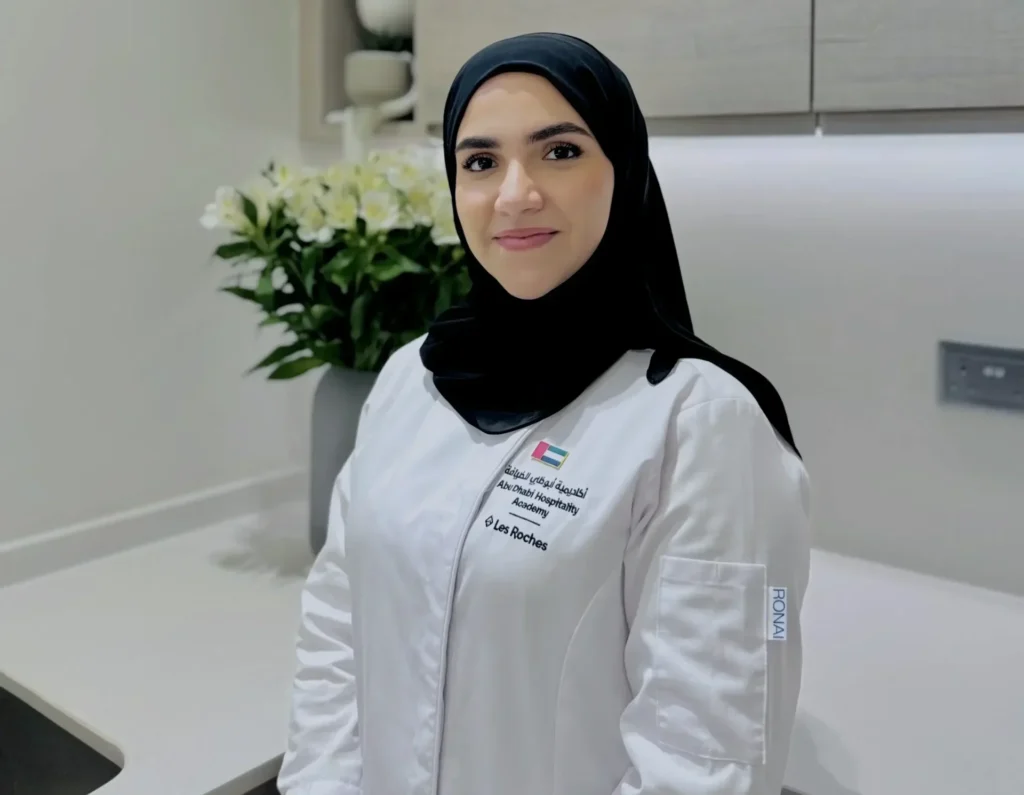
Chef Fatima, Redefining Emirati Identity Through The Art Of Pastry By Peter Davis For Chef Fatima, creativity in the kitchen begins long before flour is weighed or ovens are switched on. It begins with memory. One flavor in particular continues to guide her culinary voice, saffron. In her childhood home, it infused almost everything, tea, rice, chebab, balaleet, becoming part of daily life rather than a luxury. Today, she reimagines that same aromatic spice in macarons, éclairs, cakes, and layered desserts, exploring its balance with sweetness, spice, and tang. For her, saffron is not nostalgia alone, it is a living ingredient with limitless potential. As a certified pastry chef and a Les Roches student ambassador, Chef Fatima embodies a rare balance between emotion and precision. She believes great chefs must hold both artistry and discipline in equal measure. Emotion and imagination take shape at the very beginning of her process, inspired by nature, travel, visual art, and flavors that linger in memory. She sketches ideas before stepping into the kitchen, photographs moments that spark creativity, and allows herself to feel deeply connected to what she is creating. Once inside the kitchen, however, emotion gives way to rigor. Technique, repetition, and scientific accuracy take control. When a recipe fails, grit and perseverance become essential. For her, the kitchen demands toughness, but when discipline meets passion, something extraordinary happens. Looking at the future of pastry in the UAE, Chef Fatima sees innovation rooted not in novelty alone but in cultural fusion. She believes the next generation of pastry will be shaped by the thoughtful integration of Emirati flavors into global dessert traditions. Trends like Dubai chocolate, where pistachio and kunafa meet Swiss chocolate, are just the beginning. To her, this fusion is an opportunity to introduce local flavors to the world in a way that feels refined, modern, and authentic. Unlike many chefs who speak of signature dishes, Chef Fatima is guided by a signature philosophy. Every creation begins with visualization. She walks outdoors, revisits personal memories stored in her camera roll, sketches ideas on paper, and invites conversation by sharing her concepts with others. Fresh perspectives matter to her. Only then does experimentation begin. She follows her own style deliberately, resisting the pull of trends. If a dish does not resonate with her first, it does not move forward. She believes every chef carries a distinct voice, and expressing that individuality is what gives the culinary world its richness. If the UAE’s culinary identity were transformed into a dessert, Chef Fatima imagines it as tangy, warm, and comforting. It would feel modern and evolved, yet deeply familiar, innovative yet grounding. Above all, it would evoke unity, delivering a sense of home while embracing progress. As part of a new generation of Emirati chefs stepping into global hospitality spaces, she carries her culture with pride and intention. Every kitchen she enters becomes a place where Emirati heritage can be represented with respect and clarity. She feels a responsibility to highlight the beauty of her traditions and ensure they are understood not as static history, but as a living, evolving culture. In pastry, consistency is everything, yet creativity thrives on experimentation. Chef Fatima believes the bridge between the two is science. Once a chef understands the chemistry behind ingredients, precision becomes freedom rather than limitation. Her experience working on the Expo festival cake structure brought this philosophy to life. Collaborating closely with engineers, she navigated physics, mathematics, and material behavior, considering stability, heat, sunlight, and ingredient reactions. Only by mastering these technical realities was she able to push creative boundaries without compromising structure or safety. Failure, she says, is inseparable from growth. Every mistake in the kitchen, whether small or significant, has shaped who she is today. Sometimes the science is pushed too far, and a dish fails, not because the idea was wrong, but because it needs to be approached differently. One defining experience came in 2022 when she entered pastry school at just fifteen years old, the youngest in her class. That moment shifted her mindset completely. Surrounded by older students, she realized she had time, potential, and the ability to study pastry arts on a deeper, more technical level. Rather than a single failure, it was a series of challenges and lessons that transformed her craft and strengthened her belief in herself. In an era where social media often dictates creative direction, Chef Fatima remains grounded in authenticity. She believes growth comes from uniqueness, not imitation. Her content is deeply personal, aligned with her values, and she is selective about collaborations that reflect her vision. While she understands the mechanics of visibility and reach, she refuses to compromise her identity for the sake of an algorithm. Looking ahead, her ambition is clear and unwavering. Chef Fatima dreams of opening her own restaurant and earning Michelin stars, a journey she plans to begin within the next five years. It is a vision built not on trends or shortcuts, but on discipline, cultural pride, and a deep respect for both art and science. In redefining Emirati pastry for a global audience, she is not just creating desserts, she is shaping a legacy, one thoughtful creation at a time.

Mariam Mohamed

Redefining Representation, Mariam Mohamed, An Emirati Voice On The Global Miss Universe Stage

Redefining Representation, Mariam Mohamed, An Emirati Voice On The Global Miss Universe Stage By Sidra Asif Making history as the first Emirati woman to represent the United Arab Emirates at Miss Universe 2025, Mariam Mohamed embodies a moment of profound pride, purpose, and possibility. For Mariam, this achievement is not merely the fulfillment of a personal dream but the beginning of a larger responsibility to her community and her nation. Standing on one of the world’s most visible stages means carrying her values, her culture, and her aspirations with intention and grace. She sees this milestone as an opportunity to uplift others, especially young women, reminding them that their ambitions are valid, achievable, and worth pursuing. Beyond the crown and the spotlight, Mariam is eager to showcase the UAE’s extraordinary creative talent, from designers to artisans, and to share the beauty, innovation, and cultural richness of her country with a global audience. Mariam’s journey is shaped by a rare blend of disciplines. With an academic foundation in Economics from the University of Sydney and ongoing fashion studies at ESMOD Dubai, she seamlessly bridges analytical thinking with creative expression. Economics fuels her curiosity about how the world works and how systems can be improved, while fashion provides her artistic outlet and lifelong passion. Together, these worlds inform her approach to leadership and advocacy.  Mariam envisions building a fashion business rooted not only in creativity but also in impact, one that gives back through charity, empowers others, addresses abuse in all forms, including online harassment, and contributes to reducing global poverty. As a self-described voice for Emirati women, Mariam is determined to challenge outdated perceptions. On the Miss Universe stage, she wants the world to see Emirati women as strong, ambitious, educated, creative, and deeply grounded in their values. She represents a generation that is modern and forward-thinking while remaining proudly connected to its cultural identity. Her message is clear: women can lead, innovate, and dream boldly without losing sight of who they are. Emirati women support one another, uplift their communities, and excel across education, business, fashion, and humanitarian work. Mariam’s sense of identity is deeply rooted in traditional Emirati pastimes such as falconry and camel riding. These experiences connect her to her heritage and instill values of patience, discipline, resilience, and respect for nature. Rather than seeing these traditions as relics of the past, she embraces them as sources of strength in global spaces, providing clarity about where she comes from and grounding her presence on international stages. This connection to heritage is powerfully expressed through her introductory Miss Universe costume, inspired by the falcon. A symbol of courage, freedom, and pride, the falcon reflects the spirit Mariam hopes to embody and project. Through this design, she sought to portray Emirati women as fearless, ambitious, and deeply proud of their culture. It also serves as a modern artistic celebration of her passion for falconry. Like the falcon, Mariam believes that success requires movement and courage. Dreams can only be reached when one dares to fly rather than remain still. Sustainability is another key pillar of Mariam’s advocacy, particularly within the fashion industry. She views the UAE as a leader in shaping a future where innovation and environmental responsibility go hand in hand. From sustainable materials to supporting local artisans, she believes the region has the potential to redefine responsible fashion. Her ambition is to collaborate with brands and designers to create collections that are glamorous yet ethical, creative yet community-focused. Through her platform, she also aims to spotlight local designers internationally, champion Arab fashion, and show that Arab women can thrive and lead in the global fashion industry. Mariam’s vision extends beyond fashion into tangible social impact. As her Miss Universe journey unfolds, she hopes to launch a business that celebrates Arab creativity while directing a portion of its profits toward charitable causes, particularly those addressing poverty and supporting women in developing communities. She is also committed to using her platform to advocate for kindness, self-confidence, and digital safety. Having witnessed the harm caused by cyberbullying, Mariam aspires to help create online spaces that inspire people to uplift one another rather than tear each other down. Balancing modern ambition with cultural heritage comes naturally to Mariam, as both are integral to her identity. Raised with values such as respect, generosity, and pride in her roots, she carries these principles into every aspect of her life. At the same time, the UAE’s culture of ambition has taught her that dreaming big is something to embrace, not suppress. For Mariam, tradition provides strength while ambition offers direction, together shaping the woman she is becoming. As she prepares to stand alongside contestants from more than 130 countries, Mariam believes the most resonant part of her story is her personal growth. Choosing to rise above challenges, find her voice, and build confidence from within has defined her journey. Her message to a global audience is one of courage and self belief. Confidence begins when you stop listening to negativity and start trusting yourself. Dreams, she believes, do come true when pursued with determination, authenticity, and heart. Looking beyond Miss Universe 2025, the legacy Mariam hopes to leave is rooted in kindness, empowerment, and unity. She wants future pageant hopefuls in the UAE and young Arab women everywhere to know that success does not require fitting into a stereotype or changing who you are. As a natural introvert, she has proven that courage is not about being loud, but about believing in yourself and stepping outside your comfort zone when it matters. Her message is simple yet powerful. Stand tall, be yourself, protect your confidence, and never allow anyone to diminish your worth. Uniqueness is not something to hide. It is something to celebrate, because it is what makes every woman truly special.

Stitching Identity How Emirati Women Designers Are Redefining Modern Luxury

Stitching Identity How Emirati Women Designers Are Redefining Modern Luxury

Stitching Identity How Emirati Women Designers Are Redefining Modern Luxury By Eman Sultan Stitch by stitch, a new generation of Emirati women designers is reshaping the language of luxury. Rooted in heritage yet confidently global, their work reflects a powerful dialogue between tradition and modernity, modesty and innovation, individuality and collective memory. Across the Emirates, fashion is no longer merely an aesthetic pursuit; it has become a cultural statement, a narrative form, and a declaration of identity. From fluid abayas reimagined with architectural precision to minimalist silhouettes informed by Scandinavian restraint and Japanese philosophy, Emirati women designers are carving out a distinct space on the international fashion stage. Their creations honour the past while speaking fluently to the present, transforming fabric into stories that resonate far beyond the region. Over the past decade, the UAE’s fashion ecosystem has undergone a remarkable evolution. Emirati women have emerged as influential voices in both luxury and modest fashion, seamlessly merging ancestral roots with cosmopolitan sensibilities. Their collections are positioning the Emirates as a rising hub of fashion excellence, where authenticity and innovation coexist. As one designer aptly puts it, fashion is not about following directions, but about translating emotion into form. This new wave of designers does more than create clothing. They craft meaning. Through daring prints, inventive silhouettes, essential classics, and majestic gowns, they articulate a vision of contemporary Emirati womanhood that is confident, thoughtful, and deeply expressive. Each piece stands as a testament to artistic skill, cultural pride, and the dynamic transformation of fashion in the Emirates. Azzalia Quiet Confidence, Reimagined Born and raised in Dubai, Sheikha Amal Al Maktoum grew up at the intersection of tradition and modernity. Surrounded by the understated elegance of Emirati heritage and inspired by the ever-evolving global fashion landscape, she developed an early understanding of balance: where strength meets delicacy, and respect for the past fuels bold reinvention. The name Azzalia carries intimate meaning, inspired by the names of her daughters and infused with notions of familial love, continuity, and grace. For Amal, the brand is a living legacy, one she hopes every woman who wears Azzalia will embody. With a background in business and design management, she approaches fashion with equal parts creativity and strategy, recognising clothing as both an artistic and cultural medium. Founded in 2015, Azzalia was born from a desire to redefine modern Arab luxury. Amal observed how women in the region used fashion to express identity and empowerment, and she saw an opportunity to elevate modest fashion beyond convention. Each collection begins with a story, blending fluid abayas and capes with precise tailoring, soft organza with architectural lines, and timeless craftsmanship with forward-thinking sustainability. Ethical practice is central to the brand’s ethos. Responsibly sourced fabrics, limited production runs, and collaboration with local artisans ensure that each garment carries intention and integrity. Azzalia has grown into more than a label; it is a platform for empowerment, offering versatile, luxurious pieces that celebrate individuality while remaining deeply rooted in cultural identity. Featured in leading regional publications and showcased at fashion weeks across the Middle East, Azzalia has become a creative movement. As Amal herself reflects, she does not simply design garments; she crafts stories that women can wear, rooted in heritage and shaped for the future. Madiyah Al Sharqi Elegance Beyond Time Raised in the tranquil landscapes of Fujairah, Sheikha Madiyah Al Sharqi’s aesthetic was shaped by the poetic contrast between ancestral palaces and modern architecture. Filigree windows, saffron dunes glowing at dawn, and the quiet majesty of her surroundings left an indelible mark on her creative vision, one that balances tradition with contemporary refinement. Her formal fashion journey began at ESMOD Paris, where she immersed herself in couture discipline and atelier craftsmanship. While Paris taught her precision and structure, her inspiration always remained rooted in home. In 2012, she returned to the UAE to launch her namesake label, initially focusing on bespoke pieces before expanding into ready-to-wear collections. Craftsmanship sits at the heart of Madiyah’s work. Delicate embroidery, featherwork, and hand-pleating define her designs, each piece reflecting hours of meticulous refinement. Her aesthetic is unmistakably feminine, with pastel-hued silks, whisper-light chiffons, and soft organza forming fluid, romantic silhouettes. Tailoring is precise yet gentle, prioritising movement and wearability over rigidity. Madiyah’s brand celebrates timeless elegance and cultural authenticity. From ethereal bridal gowns to refined everyday pieces, her collections tell stories of understated luxury and modern femininity. Proudly bearing the “Made in the UAE” label, she collaborates closely with local artisans and ateliers, ensuring that each garment carries the spirit of place. For Madiyah, true elegance transcends trends; it is a spirit that endures beyond seasons. Twisted Roots Where Utility Meets Poetry Latifa Al Gurg’s life has always been a conversation between cultures. Raised between Copenhagen and Dubai, with an Emirati father and Danish mother, she grew up immersed in Scandinavian minimalism and Middle Eastern tradition. This duality became the foundation of her design philosophy, weaving two worlds into a singular, purposeful vision. Her path to fashion was unconventional. With a degree in electrical engineering and a career in tech consulting, Latifa developed a deep appreciation for structure, function, and problem-solving. It was during her work on construction sites that she confronted a practical challenge: the lack of clothing that was both modest and functional. This experience sparked the idea behind Twisted Roots, launched in 2014. Approaching fashion as an engineered system, Latifa designs garments where form follows function and every seam serves a purpose. Twisted Roots merges minimal Scandinavian aesthetics with the expressive fluidity of Middle Eastern dress, creating pieces that are versatile, comfortable, and elegant. Her collections are designed to transition seamlessly across professional, social, and spiritual settings. Adaptability lies at the core of the brand’s philosophy. Modesty, for Latifa, is not a limitation but a form of freedom. Ethical production, small-batch manufacturing, and sustainable sourcing further reinforce the brand’s intentional approach. Twisted Roots is more than clothing; it is a cultural map, stitched with purpose and worn with confidence.

Nouf Al Qadi

Nouf Al Qadi, A New Generation Of Emirati Climate Voices Bringing People Back Into The Climate Conversation

Nouf Al Qadi A New Generation Of Emirati Climate Voices Bringing People Back Into The Climate Conversation By Sidra Asif Across the UAE, climate conversations are evolving. For years, they were shaped mainly by data, policy language, and global agreements. Today, a new kind of voice is emerging in the country’s sustainability space: young Emiratis who believe that environmental action begins with human connection. Among these voices is Nouf Al Qadi, a young environmental professional whose approach blends scientific knowledge with community-driven awareness. Nouf does not position herself as an activist in the traditional sense. She does not speak in slogans or alarmist tones. Instead, she believes that the most powerful environmental progress happens when people feel a direct emotional bond with the land and sea around them. For her, climate action is not only about meeting targets. It is also about understanding heritage, valuing place, and recognizing the deep cultural relationship Emiratis have always shared with nature. Young Emiratis are bringing heart back into the conversation, she explains, highlighting a shift away from purely technical communication. We are sharing lived experiences and real stories, not only numbers. Sustainability in the UAE is part of who we are, not just a policy goal. Her approach reflects an important moment in the region. As the UAE expands its renewable energy programs, conservation projects, and sustainability initiatives, individuals like Nouf are ensuring that public engagement grows along with them. The Role of Storytelling in Science Nouf’s background gives her a strong foundation in environmental research, but she is equally committed to storytelling. She believes that climate action becomes meaningful only when people personally relate to it. Data alone does not move people, she says. Stories do. Science gives me the facts, but storytelling gives those facts a soul. Her method is straightforward: translate technical knowledge into everyday language so people understand why environmental protection is necessary, not just what it requires. This combination of clear communication and scientific accuracy is increasingly valuable in the UAE, where sustainability is now a key pillar of national strategy. Youth Initiatives Turn Awareness Into Action For many, youth involvement in climate discussions is still associated with awareness campaigns and educational workshops. Nouf sees something much stronger happening. According to her, young people in the UAE are not only learning about environmental responsibility. They are actively shaping it. She points to initiatives such as mangrove restoration projects, zero-waste community programs, and nature-focused content platforms run by young Emiratis. Youth-led initiatives are now catalysts for real on-ground action, she notes. We are showing that creativity and collaboration can drive climate efforts, not only policy directives. This perspective reflects a broader national movement. The UAE has created platforms for youth voices in government, business, and science. Nouf represents the spirit of that involvement: practical, informed, and consistent. Building Connections Across Generations One of the strongest ideas in Nouf’s approach is the need to connect generations. She believes sustainable progress is not possible without learning from those who lived closer to nature in the past. The wisdom of older generations and the innovation of youth must meet in the middle, she says. This concept is especially relevant in the UAE, where previous generations survived through resource awareness, limited consumption, and deep respect for natural surroundings. Their lived knowledge, Nouf notes, can guide modern approaches to environmental planning and sustainable resource use. Her work emphasizes dialogue rather than division. She sees elders as partners in climate understanding, not as voices of a different era. This balanced view strengthens her credibility among diverse audiences, from professional environments to youth circles and community groups. Lessons From Environmental Fieldwork While many young climate voices focus on advocacy or communication, Nouf’s grounding in field research shapes her ideas. Her work with seabirds offered valuable insight into environmental adaptation and ecological sensitivity. Seabirds navigate land, water, and sky. Observing how they respond to changing conditions taught me what resilience really means. This experience did not lead her to dramatic conclusions. Instead, she gained a practical understanding of environmental balance: ecosystems shift, species adjust, and survival depends on awareness and flexibility. She applies this perspective to human systems as well, believing that societies must stay informed and adaptive in order to protect natural heritage. Responsibility in Development and Infrastructure One of the most impactful parts of Nouf’s professional journey is her role at GHD, where she works as a terrestrial ecologist. Her responsibility involves assessing land ecosystems and sharing environmental considerations with developers and infrastructure teams. Her goal is not to slow development, but to guide it responsibly. We cannot care about something we do not know exists, she explains. She believes awareness drives better decisions, especially in rapidly developing regions. By introducing stakeholders to local species, land characteristics, and ecosystem needs, she supports thoughtful planning. This reflects a growing belief in the UAE: sustainable progress does not mean choosing between nature and growth. It means understanding both and making informed decisions. Ithra by Nouf Like many impactful ideas, Ithra by Nouf began quietly. It was a personal outlet for sharing environmental experiences and reflections. Over time, it attracted people who felt the same desire to reconnect with nature in everyday life. The platform soon became a space for shared learning, appreciation, and simple sustainable habits. Ithra did not require a formal campaign to gain attention. It succeeded by being genuine, inclusive, and grounded in accessible language. Followers recognized themselves in the content, and a community formed naturally. In a digital era, where environmental messaging can often feel heavy or urgent, Ithra stands out for its calm, encouraging tone. Youth Impact Without Spotlight Among the many moments in her journey, one stands out. Nouf recalls watching young volunteers lead mangrove cleanups and restoration without waiting for formal direction, recognition, or media attention. To her, this represented the true spirit of environmental responsibility: quiet, sincere, and motivated by care rather than visibility. She believes change often begins in silence — through steady actions rather than dramatic declarations.

Menna Shahin, The Architect Of Purposeful Power

Menna Shahin, The Architect Of Purposeful Power

Menna Shahin, The Architect Of Purposeful Power By Michelle Clark Menna Shahin stands as a rare kind of leader, one who has mastered the art of merging vision with virtue. Her story is not just about entrepreneurship; it is about evolution. From a young woman determined to “change the world” to a global voice redefining what it means to lead with purpose, Meena’s journey is a lesson in balance, brilliance, and belief. When asked what first ignited her desire to merge corporate leadership with social impact, Meena’s response is beautifully simple: “I wanted to change the world.” But for her, change was never about slogans or sentiment. It was about structure. “I saw that true, scalable change couldn’t just come from passion; it needed to be underpinned by strategic thinking and operational excellence,” she reflects. Over the years, that understanding became her compass. What began as an emotional impulse transformed into an intellectual mission to build business models that make change measurable, profitable, and permanent. That mission gave birth to eJaby, a social enterprise that embodies everything she stands for. The Birth of eJaby The concept of eJaby was born from two intertwined passions: empowering women and saving the planet. Raised in Egypt, Meena grew up surrounded by women of strength, yet she also saw the barriers they faced. “I’ve always wanted to be a role model for women,” she says. “But empowerment isn’t just about opportunity, it’s about creating a stable, sustainable world where women can thrive.” Her environmental consciousness grew alongside her social one. She saw waste, not only as an ecological crisis but as a moral one. “To have a better world for us and for the next generation, we must address the massive issue of waste,” she explains. eJaby became her answer to this double challenge. It tackles food waste and overstock while building a business ecosystem that uplifts women through leadership and employment. In Meena’s world, doing good is not an act of charity, it is an act of innovation. Leading with Purpose Keeping purpose alive in the world of business is no easy feat. Yet Meena has done it with a clarity that borders on philosophy. “Every action we take daily is aimed at creating a better life for ourselves or the people around us,” she says. “The key is to scale that scope.” Her formula for meaningful leadership is a balance of three forces. Empathy allows her to see the needs of others. Innovation turns small ideas into scalable impact. And execution transforms vision into tangible change. “By constantly measuring every decision against its potential for positive impact,” she says, “purpose naturally becomes the guiding principle.” The Trials That Built Resilience Like any founder, Meena’s path was not free of turbulence. “Founding a startup is a daily workout for your resilience and leadership,” she admits with a smile that carries both pride and fatigue. “The most profound challenge is not the market or the technology, but the human element, leading people and maintaining a unified vision.” In those moments, Meena discovered that true leadership is not about control but about connection. “You must constantly work to keep people understanding and believing in your vision, especially when the path is uncertain.” For her, resilience is not just bouncing back, it’s showing up every day with faith, and transferring that faith to your team. “Your resolve is mirrored in the collective strength and belief of the people you lead.” The Myth of Compromise Many still believe that social enterprises cannot grow without losing their soul. Meena smiles knowingly at this idea. “That’s an old way of thinking,” she says. “At eJaby, our values are not a separate initiative, they are the very engine of our growth.” Her model is self-sustaining: the more the company grows, the more impact it creates. “Our profitability is a direct measure of our success in reducing food waste and promoting sustainable consumption.” In other words, growth amplifies impact, and impact fuels growth. “By making impact the core value proposition,” she explains, “we ensure that scaling is synonymous with scaling our mission.” Redefining Leadership for Women As a champion of gender equity, Meena is unafraid to challenge long-held systems. “The most critical change needed is to stop expecting women to lead like men,” she says firmly. “For too long, leadership has followed a masculine template, forcing women to suppress their natural strengths.” She calls for workplaces that embrace empathy, collaboration, and holistic thinking as core leadership skills. “We must empower women to lead as women,” she continues. “When we value the distinct strengths women bring to the table, we unlock a far more inclusive and effective model of leadership.” This philosophy, she believes, will shape the next era of leadership in the MENA region, a movement where diversity is not a box to tick, but a power to harness. Sustainability as a Personal Legacy Sustainability is not just a business term for Meena, it is an inheritance she wants to leave her children. “It’s about the future I want for my two sons,” she says softly. “They are three and five, and I want them to live in a better world.” For her, living sustainably means raising consciousness, educating teams, customers, and communities to make mindful choices. But she believes true progress depends on collective effort. “If we do not all work together, we will not achieve anything. Leading sustainably means building systems that make participation easy and accessible.” Through eJaby, she has done exactly that, turning personal conviction into collective momentum. The Rise of Purpose-Led Entrepreneurship in the MENA Region When speaking about the entrepreneurial transformation sweeping across the MENA region, Meena’s tone fills with optimism. “What excites me most is the fusion of ancient values with modern innovation,” she says. “This region has always had a deep-rooted sense of community and responsibility. Now, entrepreneurs are channeling that purpose through technology and business.” She believes the MENA region is on the verge of defining a new global model, one

Abdul Wahab Darwich, Crafting Elegance With 1937 Bespok

Abdul Wahab Darwich, Crafting Elegance With 1937 Bespok

Abdul Wahab Darwich, Crafting Elegance With 1937 Bespok By Sara Hammoud Abdul Wahab Darwich, the creative force behind 1937 Bespoke, is a designer whose work merges tradition with modernity, precision with artistry, and personal heritage with global influence. From his early fascination with fashion to walking the runway with his own creations, Abdul Wahab has carved a path defined by dedication, innovation, and an unwavering commitment to elegance. For him, the Dynasty Runway Show was more than a milestone, it was a dream realized. “Seeing my ideas come to life on the runway was incredibly emotional,” he shares. “It allowed us to connect with people who truly admire fashion, and it opened doors for future collaborations.  Walking alongside my models, I felt proud of what we had achieved, grateful for my team, and excited for all the possibilities ahead.” While coordinating the distance between their villa and the runway posed challenges, Abdul Wahab credits the Dynasty team’s support for making the show seamless, allowing every detail to shine. The name 1937 Bespoke carries deep personal meaning, reflecting the year his grandfather opened his first tailor shop and symbolizing an era of elegance and innovation. Abdul Wahab’s passion for fashion began in his teens, when he gravitated toward timeless, elegant styles rather than the early 2000s hip-hop trends, devouring fashion magazines, studying art, and learning the craft alongside his father and grandfather.  After gaining invaluable experience with high-end fashion maisons including Giorgio Armani, YSL, and Dior, he followed his dream and opened his first tailor shop, bringing with him a philosophy grounded in precision, quality, and attention to detail. The 1937 Bespoke collection draws inspiration from British elegance and the classic tailoring of Savile Row, blending traditional techniques with contemporary influences. “Every tailored suit is a one-of-one piece, crafted to respect the wearer’s body morphology and proportions,” Abdul Wahab explains. “It boosts confidence, makes a man feel powerful and unique, and leaves a strong impression of professionalism.”  He believes the transformative effect of tailoring extends to women as well, enhancing their silhouette, highlighting their best features, and instilling a sense of strength and sophistication. His approach follows what he calls the 80/20 rule, balancing tailored pieces with casual elements to create versatile, elegant looks for any occasion. Abdul Wahab attributes his perseverance to a love for creating something truly unique. “Even when things got tough, the dream of bringing my ideas to life kept me going,” he says. “I focus on action, problem-solving, connecting with people, and maintaining a positive mindset.” Family plays an equally vital role in 1937 Bespoke’s success, with his brother Omar handling sales and client relations. Their shared goals and mutual support, he says, bring out the best in the brand. While his heart remains closely tied to Lebanon, and he dreams of having a base or studio there, Abdul Wahab also envisions a global future for 1937 Bespoke. “In five to ten years, I want the brand to be recognized worldwide, with studios in major fashion cities, collaborations with other designers, artists, luxury cars, and brands, and a lasting reputation for craftsmanship.” He advises anyone building their personal style to start with timeless, well-fitting pieces, focusing on quality rather than quantity, and seeking guidance from tailors or stylists when needed. When asked about modern style icons, Abdul Wahab highlights Wael Kfoury, a symbol of classic elegance. “If he wore a 1937 Bespoke creation, it would be an exciting blend of classic and contemporary fashion, combining his charm with vintage design,” he notes. Abdul Wahab Darwich’s journey with 1937 Bespoke is a testament to the power of heritage, dedication, and creativity, creating timeless pieces for modern clients and redefining what bespoke fashion can mean in today’s world.