Maram Al-Rumailat, From Vision to Influence, Building a Beauty Legacy Rooted in Passion, Purpose, and Female Empowerment
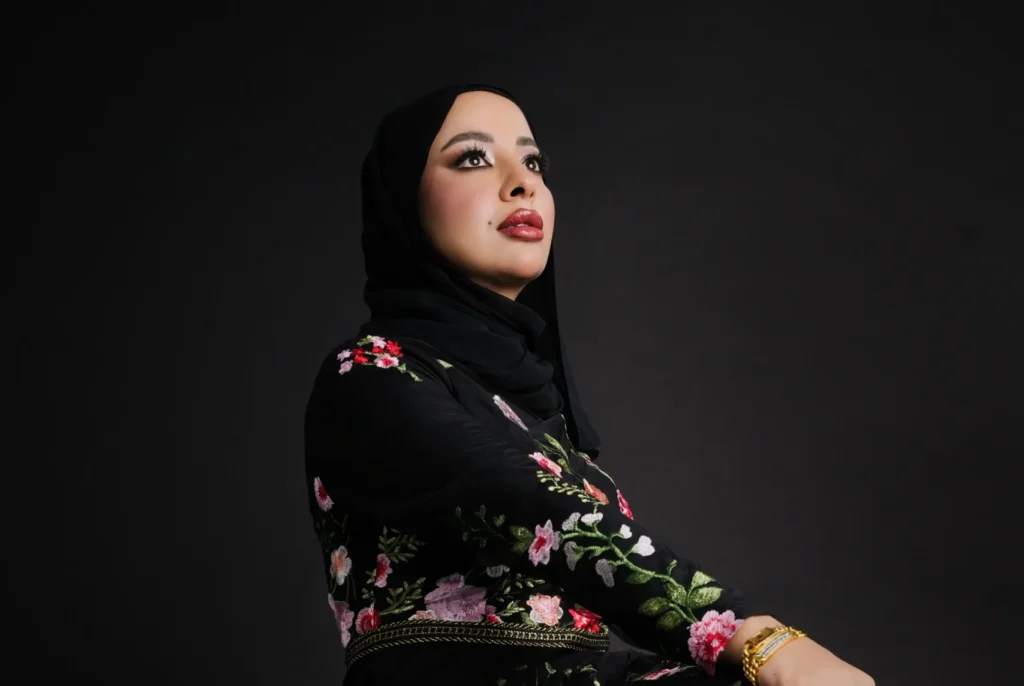
Maram Al-Rumailat, From Vision to Influence, Building a Beauty Legacy Rooted in Passion, Purpose and Female Empowerment By Bill Brown Success stories are often portrayed as moments of opportunity, yet the most enduring achievements rarely begin in the spotlight. They are born from conviction, nurtured by persistence and sustained by a vision that refuses to fade, even when the safer path appears more practical. For Maram Al-Rumailat, success began with a deeply rooted belief that beauty is far more than appearance. To her, beauty has always been connected to confidence, self expression and empowerment. It is the ability to help women see their own potential and carry themselves with greater assurance. That philosophy would eventually become the foundation of a flourishing entrepreneurial journey. Today, Maram stands among the emerging business leaders shaping the Gulf’s beauty industry. As the founder of Touq Al Yasmeen Beauty Salon and the creator of her own growing range of beauty products, including the increasingly recognised Maram Perfume, she represents a new generation of women transforming passion into enterprise. Her story is not one of overnight success or fortunate circumstance. It is a testament to courage, calculated risk, resilience and an unwavering commitment to a dream that many might have considered too ambitious. From an early age, Maram viewed beauty through a different lens. While others often regarded it as a luxury or aesthetic pursuit, she recognised its emotional impact. She understood that when a woman feels beautiful, she feels stronger, more confident and more capable of pursuing her ambitions. This understanding remained with her throughout her professional life and would ultimately influence the decisions that defined her future. Like many aspiring entrepreneurs, Maram began her career in a conventional role that offered stability and security. Yet despite the comfort of a predictable path, she found herself increasingly drawn towards the beauty industry. It was not simply the creativity of the sector that appealed to her, but its ability to positively influence people’s lives. The decision to leave a secure job was neither simple nor without risk. For many entrepreneurs, the greatest obstacle is not financial uncertainty but the fear of stepping into the unknown. Maram understood that pursuing her vision would require sacrifice, determination and a willingness to embrace setbacks as part of the journey. What distinguished her approach was the belief that growth rarely occurs within the boundaries of comfort. Confident in her vision and determined to create something meaningful, she chose to invest in herself and pursue her entrepreneurial ambitions. That decision would become the cornerstone of everything that followed. In 2023, Maram opened Touq Al Yasmeen Beauty Salon. More than a commercial venture, the salon represented the culmination of years of planning, passion and dedication. Like every new business, the early days brought challenges. The beauty industry is fiercely competitive, and establishing credibility requires far more than attractive branding or ambitious marketing. Clients place immense trust in beauty professionals, and earning that trust demands consistency, professionalism and genuine care. Maram approached these challenges with clarity and purpose. Rather than focusing solely on expansion, she concentrated on creating an experience. Every service, every interaction and every detail within the salon was designed to ensure that clients felt welcomed, valued and confident. This commitment quickly became the defining characteristic of Touq Al Yasmeen. Clients were not simply visiting for treatments. They were entering an environment built upon personal attention, exceptional standards and authentic hospitality. The salon’s rapid success was no coincidence. It was the result of a business philosophy centred on listening to clients, investing in continuous improvement and maintaining uncompromising standards of quality. While many businesses focus on chasing trends, Maram concentrated on something far more enduring: trust. In an industry where reputation is everything, trust became the foundation upon which Touq Al Yasmeen built its growing success. One of Maram’s greatest strengths lies in her understanding that sustainable success requires a careful balance between creativity and discipline. The beauty industry evolves constantly, with new techniques, innovations and consumer expectations emerging every year. Remaining relevant requires continuous learning and adaptation. At the same time, meaningful growth depends upon structure, organisation and strategic decision making. Maram has consistently demonstrated an ability to navigate both worlds, combining creative vision with sound business management. This balance enabled her to expand beyond salon services and move into product development. Among the most significant milestones in her entrepreneurial journey was the launch of products carrying her own name. Maram Perfume emerged from a desire to create something that reflected the same values of quality, elegance and sophistication that define her salon experience. Rather than attaching her name to existing concepts, she sought to develop products that genuinely embodied her personal standards and brand identity. The response from clients was overwhelmingly positive. The growing popularity of her products demonstrated that customers were not simply purchasing beauty items. They were embracing a philosophy built upon authenticity, excellence and trust. This connection between brand and consumer has become one of the defining features of Maram’s success. As her business expanded, so too did her appreciation for the importance of people. Maram firmly believes that every successful organisation is built upon its team. Throughout her journey, she has prioritised creating a supportive and empowering workplace culture where employees are encouraged to develop professionally and feel genuinely valued. Rather than viewing staff as employees alone, she sees them as partners in success. This people centred philosophy has contributed significantly to the salon’s continued growth, creating an environment where excellence becomes a shared objective. In today’s digital age, Maram has also recognised the transformative power of social media. Modern beauty brands are no longer built solely within physical spaces. They are shaped online through engagement, storytelling and transparency. Through carefully curated digital content, Maram has been able to showcase her work, strengthen her brand identity and connect directly with clients. Social media has allowed Touq Al Yasmeen to reach wider audiences while reinforcing the values of elegance, professionalism and authenticity that define the