
MAGNAV Emirates

Fashion And Lifestyle

Marisse Aranas: Cultivating Change Through Education, Soil, and Sustainability

Marisse Aranas, Cultivating Change Through Education, Soil, and Sustainability

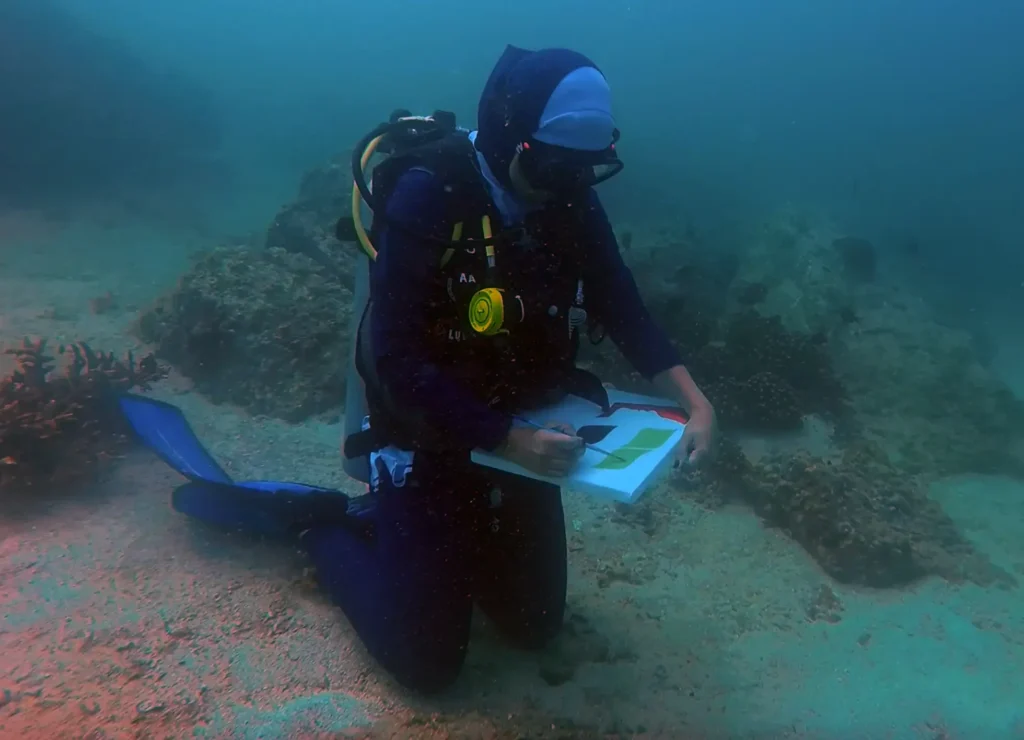
Marisse Aranas, Cultivating Change Through Education, Soil, and Sustainability By Sidra Asif There is something quietly sacred about the act of planting. To touch the soil, to feel its grain slip between your fingers, to watch something small and fragile push through it toward the light, it is a ritual that speaks of patience, hope, and connection. For Marisse Aranas, an educator and sustainability advocate at the Higher Colleges of Technology, this ritual is more than a metaphor; it is the foundation of a philosophy, one where education is not just instruction, but cultivation. “I still remember the soil between my fingers,” she recalls softly. “Cool, dark, and full of promise.” As a child, Marisse spent afternoons beside her grandmother’s garden wall, filling seedling bags of pepper plants with her cousins. What seemed like play at the time, rewarded with snacks and laughter, was, in truth, her first classroom. “She never told us we were learning,” Marisse smiles. “But through those moments, she taught patience, care, and the quiet power of nurturing life.” Years later, as an educator, Marisse returned to that memory. The lessons from her grandmother’s garden became the blueprint for a deeper kind of learning, one that connects classrooms to farms, and minds to soil. In her world, sustainability isn’t a chapter in a syllabus; it’s a lived experience that begins with the earth itself. Learning Beyond Walls In the heart of her campus community garden, the usual hierarchies dissolve. Professors kneel beside students, puzzling over yellowing tomato leaves. Administrators discover the meditative calm of harvesting herbs between meetings. Faculty and staff trade cuttings and growing tips like neighbors swapping recipes. The garden becomes a living metaphor, a space where titles blur, where everyone becomes a grower, a learner, a caretaker. “Someone once asked me why this mattered so much,” Marisse recalls. “I told them, because it brings me peace. And because the best things I’ve learned in life came from someone who made me feel joy while learning them.” That philosophy that joy is the root of transformation defines her work. For Marisse, education becomes a movement when it stops feeling like instruction and starts feeling like an invitation; when learning is not imposed, but discovered through community, care, and connection. From Soil to Soul: Linking Minds with the Land Her passion for linking classrooms with farms is both scientific and spiritual. “Someone once told me, ‘Plants are like your children, you nurture them from the womb and watch them grow.’ Those words stayed with me,” she says. In her teaching, Marisse draws powerful parallels between tending soil and cultivating the mind. “Your mind is the soil where everything begins,” she explains. “If it’s too acidic with doubt, too depleted with stress, nothing will grow there, no matter how many opportunities you plant.” In her community gardens, students learn this truth through their own hands. They test soil pH, balance nutrients, and watch their seedlings transform from frail stems into flourishing plants. In that transformation, something profound takes root within them. “They realize that just as soil can be adjusted and renewed, so can they,” Marisse says. “They learn that conditions, whether in nature or within themselves, can always be changed.” It’s this intersection of ecology and empathy that fuels her mission. When a student’s lettuce finally grows after weeks of tending, or a staff member finds calm after an hour among the plants, she witnesses what she calls “education in its purest form.” It’s not about grades or lectures, but about creating conditions for growth, of both food and faith in oneself. “The ecosystem beneath the soil mirrors the ecosystem within communities,” she reflects. “We grow better together. When the conditions are right, when there’s support, patience, and shared purpose, extraordinary things can grow.” Rediscovering Roots in a Modern World For young Emiratis, Marisse believes the path to sustainability begins with rediscovery, of heritage, of ancestral wisdom, of balance. “During one of my sessions, a student said, ‘Ms., that’s how my father used to do it.’ That simple line reminded me, this is more than gardening; it’s remembering identity,” she says. Before cities rose from the sands, Emiratis lived in harmony with the desert, reading winds, mastering falaj irrigation, coaxing life from arid soil. Farming wasn’t just labor; it was faith in nature’s rhythm. Today, when students touch the soil, they’re not just learning sustainability; they’re reconnecting with a legacy. “To return to the soil is to return to self,” Marisse explains. “Progress and tradition are not opposites, they are roots and branches of the same tree.” In her view, modern innovations like hydroponics and smart irrigation are simply contemporary expressions of ancestral resilience. “Technology doesn’t erase tradition,” she says. “It amplifies it.” Cultivating Leadership: A Woman’s Journey Marisse’s own journey has been one of perseverance. Entering a field dominated by technical expertise, she faced her share of skepticism. “There were times my ideas were called too idealistic,” she admits. “But the soil taught me resilience. Growth takes time. Roots must struggle before they find depth.” Her leadership philosophy is grounded, literally and figuratively. “When projects fail, I look to the earth,” she says. “Even the richest soil needs rest; even the strongest roots need renewal.” What keeps her grounded are the faces of her students and colleagues, their laughter during planting sessions, their pride when they harvest their first lettuce. “Leadership, like farming, isn’t about control,” she reflects. “It’s about cultivation.” Each time she steps into the garden, Marisse finds herself reminded of what truly matters: not perfection, but persistence; not instruction, but inspiration. Turning Awareness into Action In an age of digital learning, Marisse insists that true sustainability cannot be taught; it must be experienced. “Awareness begins in conversation, but transformation begins in practice,” she says. Through her projects at HCT, students grow, harvest, and share food, bridging theory with tangible impact. Many have launched start-ups rooted in upcycling and sustainable business innovation. “They don’t just meet academic requirements, they become changemakers,” she explains. By connecting innovation
A Visionary Founder Profile on Onur Kece

A Visionary Founder Profile on Onur Kece THE REFRESHMENT CLUB Where Disruption Becomes Culture

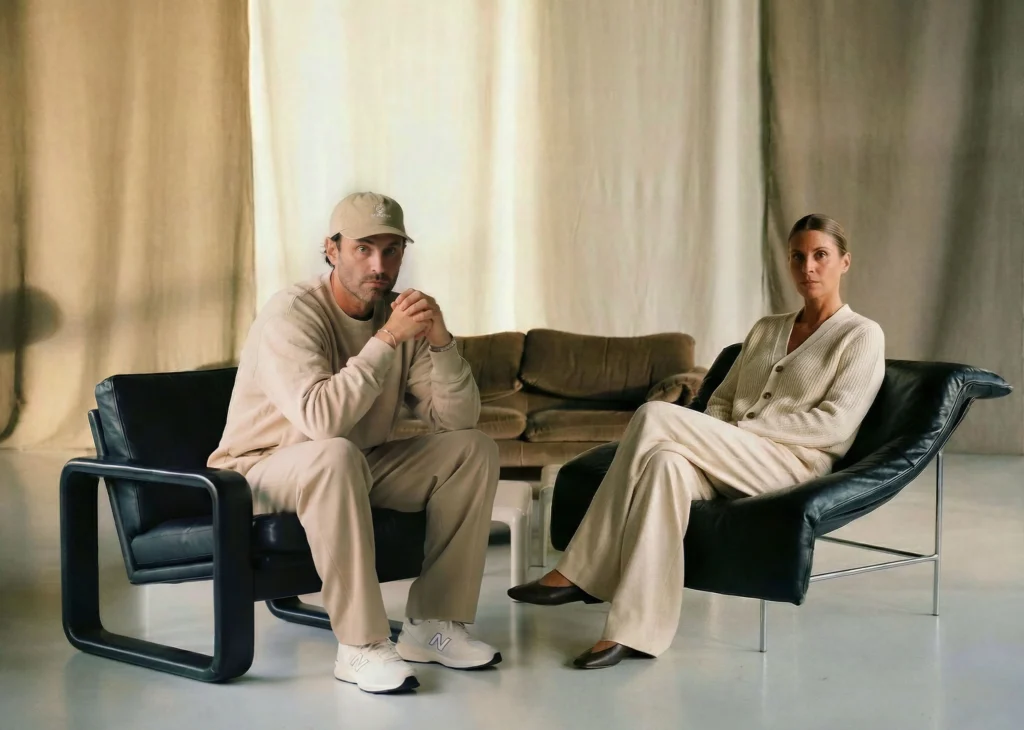
THE REFRESHMENT CLUB Where Disruption Becomes Culture A Visionary Founder Profile on Onur Kece Onur Kece, Founder & Creative Director of The Refreshment Club, and Alix Petit Kece, Design Director Disrupting the familiar: The Refreshment Club’s bold Arrival in Dubai Forget conventional campaigns and glossy taglines. The Refreshment Club (TRC) isn’t here to fit in Dubai landscape – it’s here to rewrite it. Founded in Paris and now rooted in Dubai, the agency bridges art, culture, and technology to craft ideas that challenge, connect and endure. “Disruption for us isn’t noise,” says Onur Kece, founder and Chief Creative Officer. “It is about simplifying what others complicate – finding emotion in precision, and meaning in boldness.” The philosophy: Clarity as a Creative Weapon TRC’s philosophy is built around disruption through clarity. In a world oversaturated with content, Onur emphasizes the danger of “visual content pollution,” where brands lose identity in the endless stream of social feeds. “Producing more content doesn’t build a brand. Producing meaningful ideas does, he says. TRC flips this script, crafting work that earns its place in culture, not just on screens. The agency’s DNA integrates strategy, human insights and emotions, allowing them to create campaigns that sweeps audience off their feet rather than simply populate feeds. “In a world flooded with visuals, the real disruption is creating ideas people can actually feel,” Onur explains. When AI Meets Emotion TRC doesn’t treat AI as a shortcut – but as a collaborator, not a replacement. | “You won’t lose your job to AI – you will lose it to the person who knows how to use it,” Onur points out. The agency merges machine precision with human instinct, enabling fast, agile, and precise execution without sacrificing creativity. This AI powered approach supports strategy, ideation, and production, while always placing humans at the center of decision- making. The result? Ideas that were previously impossible due to cost or complexity now become feasible. Teams are empowered to push boundaries, exploring “impossible ideas” that redefine the creative landscape. The Topical Approach: Culture before Content One of TRC’s most defining principles is this: A global brand entering a new culture, this can’t be copy- pasted. Onur calls it a topical approach – a deep dive into the cultural nuances, behaviors, symbols, and emotional cues of the audience a brand wants to speak to. “A brand introduced to a new culture must be handled differently,” he explained. “We need to understand the cultural fabric before we create anything for it.” Relating this approach to TRC’s new chapter in the Middle East, let’s differentiate: As global brands enter the Middle East, many fall into the same trap; exporting a creative idea built for another culture and expecting it to land unchanged. The Refreshment Club sees this as the biggest missed opportunity in modern branding – and the starting point of their most innovative work’ For TRC introducing a brand is not a translation; it is a transformation. “We believe every audience deserves creative that speaks their language – not just their market,” Onur explains. This belief powers TRC’s topical approach: a deep dive into the cultural fabric, social rhythms, emotional cues, and historical context of each new audience. So, this is where TRC’s methodology becomes unique. Instead of relying on assumptions or generic playbooks, they use AI as a catalyst to explore culture- specific insights faster and more intelligently. Ai helps them map emerging behaviors, surface micro- trends, and brainstorm culturally resonant ideas at unprecedented speed. Disruption in Action TRC’s philosophy isn’t a theory – it’s visible in their work. Heimstone Public Pool – SaintTropez  A retail space transformed into a sideways swimming pool. Not a store – an installation. The result? 25M impressions. Sold- out drops. Global editorial buzz. It didn’t go viral because it goes loud – but because it turned retail into emotion.  Saint- Peres Paris Experiential design inspired by the inside of a kiln. A poetic bridge between heritage and modernity – anda Vogue Paris Fashion Week must- see. A brand reborn through culture storytelling. Elie Saab x Vogue An AI-driven campaign film created before the dress even existed physically. Here, Al wasn’t the star – emotion was. Technology simply enabled the impossible. Westfield A global campaign system powered by AI, creating culturally relevant visual expression across diverse markets – proving that culture-first thinking Each project is proof of TRC’s thesis: An embodiment of TRC’s philosophy of meaningful disruption, strategic creativity, and cultural scale. relevance. Each project is proof of TRC’s thesis: An embodiment of TRC’s philosophy of meaningful disruption, strategic creativity, and cultural relevance. Dubai: A Playground for Creative Rebels With their Dubai presence, TRC isn’t just entering a new market; they are redefining how global trends belong here. The bring a model built on agility, cultural intelligence, and region- specific creativity – a model designed for a region where nuance isn’t optional, it’s everything. By this, TRC is one of the few creative houses treating the Middle East’s culture not as a backdrop, but as the brief. Quality over Quantity While other agencies produce content like factories, TRC focuses on impact. “You can’t cook a five- hour Italian Ragu in five minutes – and you can’t move people with fast content,” Onur asserts. This meticulous approach ensures campaigns are strategic, identity driven and designed to resonate deeply, reducing media spend while maximizing ROI. The Creative Duo Leading the Refreshment Club In September 2025, The Refreshment Club enters the Middle East, and at the helm of this new chapter are two forces shaping TRC’s identity: Founder & Creative Director Onur Kece and Design Director Alix Petit. Together, they embody the rare blend of visionary strategy and redefine the agency. Onur brings over two decades at the intersection of advertising, design, and brand strategy, and Alix complements this by bringing more than 15 years of leadership in fashion and brand building. This dual leadership is not about titles – it’s about balance. Strategic disruption and crafted beauty. Together they lead the Dubai team with a shared mission: to build work that isn’t just seen,

Affordability vs Ethics

Affordability vs Ethics, Overcoming the Barriers to Sustainable Women’s Fashion in the UAE

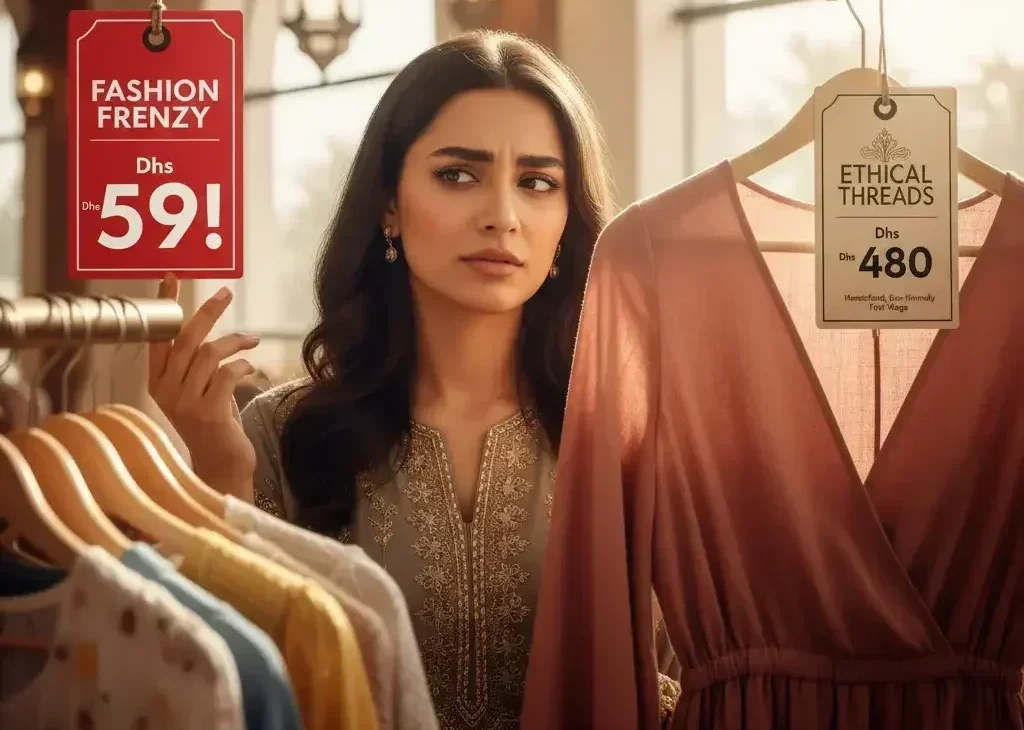
Affordability vs Ethics Overcoming the Barriers to Sustainable Women’s Fashion in the UAE By Zulaikha Bi In recent years, sustainability has evolved from a niche concern into a mainstream movement, influencing industries from energy and construction to food systems. The UAE has been at the forefront of this transformation, championing eco-friendly initiatives across multiple sectors. Women, who play a central role in household decision-making, are increasingly conscious of their fashion choices. Surveys by regional fashion consultancies indicate that over 60% of young female consumers in the UAE express concern about the environmental impact of their purchases. Yet, despite growing awareness, sustainable women’s fashion remains far from mainstream. Ethical clothing often carries a premium price tag, while fast fashion, cheap, accessible, and constantly refreshed, continues to dominate. At the core of the challenge lies an economic reality, sustainable fashion costs more to produce and therefore more to buy. Ethical brands that emphasize fair wages, responsible sourcing, and environmentally friendly materials often operate on smaller scales, which drives up production costs. In the UAE, many sustainable women’s fashion brands position themselves in the premium or luxury market, accessible primarily to high-income consumers. For middle and low-income groups, including a large expatriate population, these prices remain out of reach. Fast fashion thrives in this affordability gap. For the cost of one ethically made outfit, shoppers can often purchase several trendy pieces from global chains like Zara, H&M, or Shein. While many women aspire to shop consciously, their budgets make it a difficult choice to sustain regularly. Beyond affordability, fast fashion’s cultural appeal keeps it deeply embedded in the UAE’s style landscape. In an image-conscious society where social events and online visibility are frequent, the pressure to showcase new looks is immense. Each gathering or Instagram post often demands a fresh outfit, fueling a constant cycle of consumption. Moreover, fast fashion brands have mastered digital marketing through influencer collaborations, AI-driven personalization, and accelerated trend cycles, creating a sense of immediacy and excitement that sustainable brands struggle to match. Until ethical fashion can compete with fast fashion’s speed, variety, and convenience, or until consumer mindsets shift, fast fashion will likely continue to dominate wardrobes. However, there are meaningful steps that can bridge the affordability gap and bring sustainable fashion closer to mainstream acceptance. Government action can significantly influence both consumer and business behavior. The UAE, known for its forward-thinking policies, has the potential to lead the region sustainably by reducing import taxes on eco-friendly textiles, offering grants for ethical fashion startups, or providing subsidies for sustainable manufacturing. With national strategies such as the UAE Vision 2030 and Dubai’s Clean Energy Strategy already promoting sustainability, expanding these frameworks to include fashion could help make conscious clothing both accessible and affordable. Some brands are also reimagining their production models to balance ethics with affordability. Techniques such as on-demand manufacturing, digital prototyping, and the use of recycled or upcycled materials are helping reduce waste and production costs. Encouraging local sourcing and regional manufacturing hubs could further minimize shipping expenses and carbon footprints. Strengthening domestic fashion infrastructure would not only support emerging designers but also make sustainable fashion more competitive in pricing. Equally important is how sustainable fashion is communicated. Fast fashion sells immediacy, while sustainable fashion must sell longevity. Brands that succeed in the UAE market are those that position sustainability as an investment, offering garments that last longer, transcend trends, and align with personal values. This shift in narrative, from guilt-driven messaging to empowerment, helps consumers see sustainability as a form of self-expression and status. Collaborations with trusted influencers, transparent storytelling, and educational campaigns can reshape perceptions and inspire conscious buying behavior. Despite current challenges, the tide is slowly turning. In Dubai and Abu Dhabi, secondhand fashion platforms, clothing rental services, and thrift events are becoming increasingly popular among younger consumers. Minimalist wardrobes, capsule collections, and slow fashion movements are also gaining momentum, especially with Gen Z’s preference for authenticity and sustainability. Events like Fashion Forward Dubai and initiatives such as The Sustainable City are further amplifying awareness of ethical designers and practices. However, for true impact, sustainable fashion must evolve from a niche lifestyle to a cultural norm that is accessible, aspirational, and widely adopted. To reach wider audiences, sustainable brands must rethink how they connect with women. Instead of focusing solely on saving the planet, they should emphasize personal benefits such as durability, comfort, health, self-expression, and long-term investment. When sustainability becomes associated not just with ethics but also with elegance and empowerment, it will naturally appeal to the modern UAE woman who values both beauty and purpose. The road to widespread adoption of sustainable fashion in the UAE is not without challenges. Yet the nation’s blend of affluence, innovation, and visionary leadership offers fertile ground for transformation. The question is no longer whether women in the UAE care about sustainability, they clearly do. The true challenge lies in making ethical fashion accessible, stylish, and practical enough to inspire consistent loyalty. If affordability meets ethics, and if sustainability becomes a symbol of sophistication rather than sacrifice, the UAE could set a global benchmark for a new fashion era, one that allows women to look good, feel good, and do good. The promise of sustainable women’s fashion in the UAE is undeniable, but its potential remains constrained by economic and cultural barriers. Overcoming these challenges will require collaboration between governments, brands, and consumers, combining affordability with ethics, and innovation with tradition. When sustainability is no longer an alternative but the default, the UAE will redefine what it means to dress with both conscience and style. In my opinion, the future of women’s fashion in the UAE will not be a choice between affordability and ethics, it will be the harmony of both.

Beyond Trends, How AI Is Redefining Global Fashion Design

Beyond Trends, How AI Is Redefining Global Fashion Design

Beyond Trends How AI Is Redefining Global Fashion Design By Zulaikha Bi Fashion has always reflected the rhythm of society, its culture, aspirations, and creativity. From the hand-stitched garments of ancient civilizations to the fast-paced production lines of the 20th century, fashion has evolved alongside every major technological and cultural shift. Today, a new force is transforming this ever-changing industry, artificial intelligence. AI is more than a modern buzzword; it is becoming a powerful creative and strategic asset. Once confined to logistics and data analysis, it now influences how clothes are designed, produced, and experienced. The boundaries between creativity and computation are blending, opening up a new dialogue between human intuition and digital intelligence. Traditionally, fashion design has been an emotional and intuitive art form, guided by personal inspiration, cultural influences, and imagination. Now, AI is entering this space as a collaborator rather than a competitor. Using vast amounts of data from fashion shows, social media, and consumer preferences, AI tools can suggest new colors, styles, and fabrics.  Designers can experiment with thousands of variations on a single concept in just a few clicks. Companies like The Fabricant have even taken this innovation to a digital level, creating clothing that exists only in the virtual world. By removing the physical limits of material and production, such tools offer designers a new level of freedom. Design software like Adobe Sensei and CLO 3D allows creators to visualize designs in three dimensions, test fits, and make changes instantly. This shortens the design process, reduces material waste, and supports sustainability. Rather than replacing human touch, AI frees designers to focus on storytelling, emotion, and creativity while technology manages repetitive tasks and data-driven insights. In production, AI is addressing one of fashion’s biggest challenges — inefficiency. Overproduction, long lead times, and unsustainable manufacturing have plagued the industry for decades. Now, AI systems analyze purchasing behavior, market trends, and even weather to forecast demand with remarkable accuracy. Brands like Zara and H&M rely on this technology to manage inventory and reduce waste, ensuring they produce only what customers actually want. Automation in factories is also transforming the manufacturing process. AI-driven machines handle fabric cutting, stitching, and quality control with precision, minimizing errors and allowing greater customization. Some manufacturers are using AI to develop sustainable textiles, optimizing raw materials and creating eco-friendly alternatives that reduce environmental harm. Perhaps the most exciting shift comes in the way AI personalizes the shopping experience. With virtual try-ons and augmented reality, customers can now see how clothes look on them before buying. Brands like Gucci, Nike, and ASOS use these features to enhance convenience and reduce returns. Services such as Stitch Fix combine AI with human stylists to curate personalized fashion boxes tailored to each customer’s size, taste, and lifestyle. Advances in AI body-scanning technology have also made made-to-measure clothing more accessible and inclusive. Customers can upload a few photos, and AI calculates precise measurements, offering custom fits without traditional tailoring costs or delays. AI is also democratizing fashion globally.  No longer limited to fashion capitals like Paris or Milan, creativity is flourishing everywhere. A designer in Nairobi, Jakarta, or Bogotá can now create and market a full collection using AI tools for trend analysis, virtual modeling, and logistics. Platforms such as Fashwell and Vue.ai provide advanced design tagging and image recognition, giving small and independent brands access to tools once reserved for large corporations. AI is also inspiring cultural fusion. Designers are now able to explore influences from across the globe, blending traditional aesthetics with modern forms.  Indian startups are reinterpreting heritage textiles like Bandhani and Kanjivaram, while African designers are using AI to celebrate Afro-futurism and share indigenous fashion with international audiences. Despite these advancements, AI’s growing role in fashion raises important ethical questions. What does originality mean in an age when algorithms can mimic artistic styles and brand aesthetics? Intellectual property laws are still adapting to these new realities. There are also concerns about bias in AI models, which often reflect the data they are trained on. If that data lacks diversity, it can exclude certain body types, skin tones, or cultural styles. To build a more inclusive industry, brands must ensure that the data guiding these systems represents a wide range of human experiences and identities. Automation also affects the workforce. Millions of people in countries like Bangladesh, Vietnam, and Ethiopia rely on textile and garment jobs. As machines become more capable, there is a risk of widespread job displacement. A fair and responsible transition requires investment in retraining programs, ethical sourcing, and policies that protect vulnerable communities. Another critical contribution of AI is in promoting sustainability. Fashion remains one of the world’s most polluting industries, but AI is helping change that. It assists in selecting durable, eco-friendly materials and enables digital prototyping to reduce fabric waste. Even digital fashion garments created only for virtual use is becoming a sustainable option for influencers, gamers, and digital consumers. By predicting demand more accurately, AI reduces overproduction and waste. It also helps consumers make conscious choices by offering transparent information about a product’s origins, materials, and environmental impact through smart tags and traceable digital labels. Fashion is more than just clothing. It is a language of culture, identity, and emotion. AI is not replacing this language; it is helping us rewrite it with greater imagination and responsibility. From sketch to shop floor, from luxury runways to online wardrobes, artificial intelligence is making design more inclusive, production more efficient, and experiences more personal. Yet, this technological progress must remain guided by human values, creativity, empathy, and ethics. The future of fashion will not belong solely to algorithms or to humans, but to the collaboration between both. When intelligence meets imagination, fashion becomes not only smarter but also more meaningful, sustainable, and human. In a conversation with a young woman about fashion, she shared a refreshing perspective. “Personally, I prefer simple and casual dressing, mostly in light colors,” she said. “Simplicity always wins. Casual clothes save time and reduce confusion.

Mira Abou Jaoudé

A Conversation With Mira Abou Jaoudé, The Soul Behind the Style

A Conversation With Mira Abou Jaoudé The Soul Behind the Style By Cynthia Mansour Mira Abou Jaoudé, a survivor, businesswoman, and influencer, carries a presence that radiates strength, warmth, and authenticity. From her earliest days on digital platforms, she has captivated audiences with her genuine smile, resilience, and unwavering support for those facing similar battles. A cancer survivor, Mira transformed her personal journey into a beacon of hope. Through her content, followers witnessed not only her recovery but also her remarkable transformation, one that extended beyond the physical to reveal emotional depth, maturity, and an unshakable sense of gratitude. Mira has been an integral part of Rami Kadi’s team for as long as many can remember. As a luxury brand marketer and PR professional specializing in strategy, marketing, and communications, her work reflects deep loyalty to the fashion industry and a genuine dedication to the creative community she calls home. Her commitment goes beyond tasks, it is a form of love for art, storytelling, and the people behind it. Throughout her health journey, Mira opened a window into her world, sharing moments from hospital corridors to everyday routines, and offering heartfelt reflections on how illness reshaped her perception of strength, beauty, and presence. Her honesty brought comfort to many, patients fighting the same battle and loved ones seeking understanding and hope. After overcoming her illness, Mira began sharing a new chapter rooted in transformation, healing, and mindful living. Whether she is offering time management tips, book recommendations, or fitness motivation, her message remains consistent, to help others grow and to remind them that life is a gift worth cherishing. What makes Mira truly stand out is not just her style or influence, but her ability to turn life into meaning. She reminds us daily that nothing is worth sacrificing our mental peace, that health is a privilege never to be taken for granted, and that every day should be lived fully, with gratitude, not regret. For all these reasons, her authenticity, her influence in fashion, and her inspiring impact on mental wellness, it felt only natural to sit down with Mira for a conversation that captures her essence, a dialogue on fashion, healing, and the art of living beautifully. For Mira, fashion has never been just about aesthetics, it is an emotional language, a mirror of the soul. “Fashion is my way of expressing everything,” she shares. “My knowledge in fashion helped me navigate this journey in a way where I could turn scars into beauty. It is no longer about how I look, but how deeply I feel through what I wear.” Through her evolution, she has turned style into self-expression, transforming pain into presence and design into healing. In a world built on appearances, Mira stands firmly rooted in truth. “Authenticity is my luxury,” she says with conviction. “I have learned that perfection does not inspire, but truth does. I bring both worlds together by staying honest, even in glitter, because why not?” Real elegance, she believes, lies not in perfection but in transparency, in being bold enough to be human in an industry that often hides behind polish. To Mira, fashion is more than fabric, it is storytelling in motion. “Fashion today should tell stories of resilience, identity, and consciousness, not just beauty,” she explains. “It should remind people that style is energy, not ego.” Her perspective highlights a shift within the industry, one that values emotion, diversity, and authenticity over surface glamour. When asked about her work with Rami Kadi and the legacy of Lebanese designers, Mira’s pride shines through. “Lebanese designers create from emotion, not formula,” she reflects. “There is a heartbeat in every stitch, a fusion of pain, passion, and poetry that speaks beyond trends. Lebanon just tells a different story.” It is this emotional craftsmanship, she believes, that sets Lebanese couture apart, artistry that carries both heritage and heart. If fashion were a language, Mira’s would be fluid and free. “Flow, freedom, and feeling,” she says. “A mix of strength and softness, like silk over steel.” Her fashion choices embody balance, power with grace, resilience with femininity. In a digital world that never stops demanding more, Mira has learned to slow down. “By choosing presence over pressure,” she says. “I pause, breathe, and remind myself that being grounded is what navigates me through life.” It is a philosophy that keeps her centered, staying authentic even in a space that often glorifies constant performance. Having faced illness, loss, and renewal, Mira’s definition of beauty has evolved profoundly. “Beauty, to me, is truth unfiltered,” she reflects. “It is the light that appears when you have been through darkness and still choose to shine. Your inner glow, I call it that.” For her, beauty begins where filters end, it is the courage to be seen as you are. Once driven by achievement, Mira now defines success through presence and peace. “Success used to mean doing more, now it means being more, more peaceful, more purposeful, more myself.” This redefinition reflects the growth of someone who has lived through change and chosen depth and alignment. For Mira, fashion is not only creative, it is therapeutic. “Clothes can heal,” she affirms. “When we dress with intention, we reconnect with the part of us that still believes in magic. You need to feel good in your skin, always.” Perhaps her most powerful belief is that fashion can be a form of mental health advocacy. “Fashion can normalize honesty,” she explains. “It can remind women that it is okay to show up as they are, style is about expression, not perfection.” Her message is simple but profound, what you wear should never hide who you are. Fashion is not a mask, but a reminder that true style begins with self-acceptance. Through her work, her story, and her words, Mira Abou Jaoudé continues to redefine what it means to be a woman in fashion today, graceful, grounded, and unapologetically real. Her journey proves that fashion is not only about beauty

Maisoon Al Saleh: Reimagining Heritage Through a Contemporary Lens

Maisoon Al Saleh, Reimagining Heritage Through a Contemporary Lens

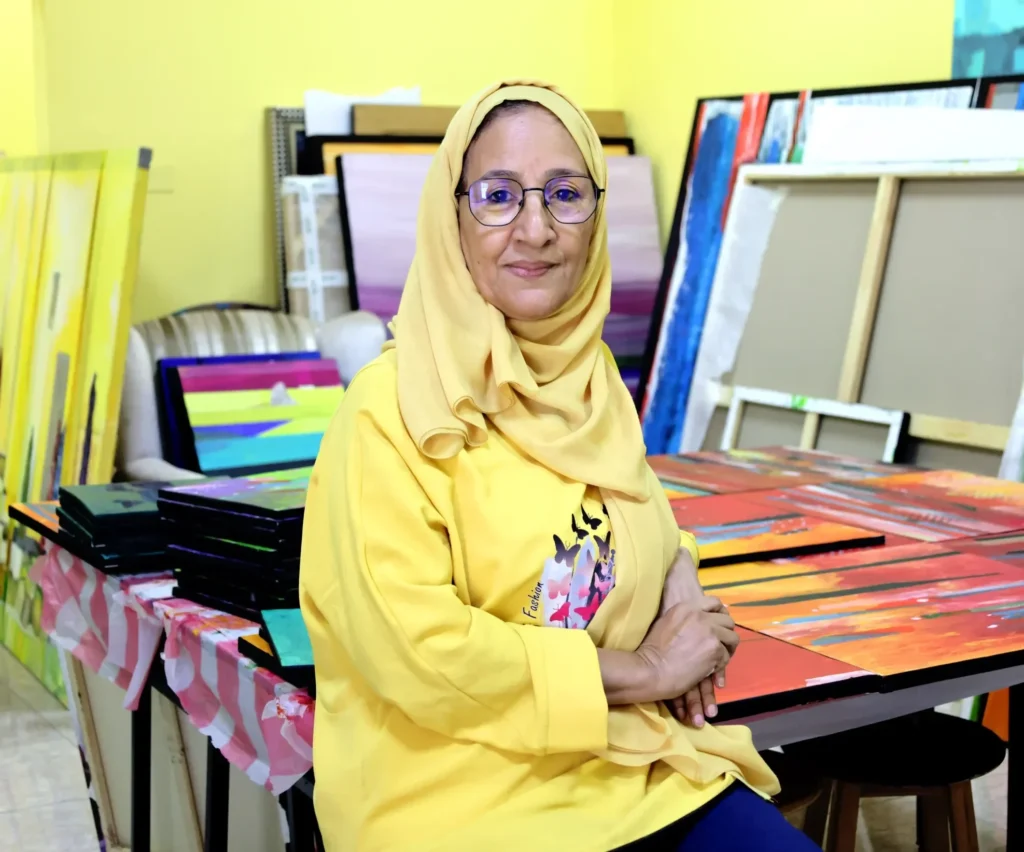
Maisoon Al Saleh Reimagining Heritage Through a Contemporary Lens By Jane Stevens To encounter the art of Maisoon Al Saleh is to step into a dialogue between past and future, memory and imagination. Her work feels at once grounded and transcendent, weaving threads of Emirati heritage with modern narratives that challenge and expand the visual language of identity. Born in 1988, Maisoon belongs to a generation of Emirati artists who have witnessed their country’s cultural awakening and, through creativity, have helped shape its evolving artistic landscape. A graduate of Zayed University with a Bachelor’s degree in Arts and Design, she has exhibited across more than 25 countries, from Paris and Vienna to Miami and Basel. Her pieces have appeared in major international venues such as the Carrousel du Louvre in Paris, the Contemporary & Fine Art Basel Biennale, and the Art Cannes Biennale, while locally, her presence at Art Dubai, Abu Dhabi Art, and Emirati Expressions has positioned her as a powerful voice within the UAE’s cultural movement. Beyond her exhibitions, she is also the founder of The Paintly Store, a creative platform that merges art, design, and entrepreneurship, extending her influence from gallery walls to community spaces. Maisoon’s art is unmistakably her own, a synthesis of surreal forms, cultural symbolism, and bold reinterpretations of tradition. For her, heritage is not a relic of the past, but a living language that evolves with time. “Tradition is the foundation,” she explains, “but innovation is what lets it grow in new directions.” Her process often begins with sketches and stories rooted in Emirati culture, which she reimagines through modern techniques, futuristic colors, and layered symbolism. The result is work that speaks to continuity as much as change — a visual conversation between origin and possibility. Storytelling lies at the heart of Maisoon’s creative practice. Each piece is a narrative, often revealing hidden histories or reinterpreting cultural memory through striking imagery. Her recurring use of skeletal motifs has become one of her signatures, not as a reference to mortality but as a metaphor for shared humanity. “Bones and skulls are not about death,” she notes, “they are a reminder that beneath our differences, we are all equal.” This philosophy reached its most powerful expression in a ten-meter panoramic painting that captures the essence of Dubai’s evolution, traditional dhows drifting alongside futuristic skyscrapers, construction cranes reaching upward, and communities of every nationality coexisting in harmony. All the figures in the scene are rendered as skeletons, uniting the diverse faces of the city through a message of equality and connection. Having exhibited for more than a decade, Maisoon has witnessed the UAE’s art community transform from a small, close-knit circle into a global cultural hub. She speaks of this growth with admiration and optimism. “When I began exhibiting, the scene was intimate,” she recalls. “Now it’s vibrant and fearless, with artists blending disciplines and creating bold new dialogues.” What excites her most is the confidence of emerging Emirati artists who are redefining the country’s visual narrative not just preserving heritage but reinventing it for a global audience. Maisoon’s entrepreneurial journey through The Paintly Store is an extension of her belief that art should exist beyond galleries. By bringing creative tools and educational experiences into people’s daily lives, she bridges the gap between artist and audience. “Launching The Paintly Store allowed me to merge entrepreneurship with artistry,” she explains. “It deepened my connection to the community and helped me see how people experience art in everyday life.” This initiative also reflects her commitment to mentorship; through workshops and creative sessions, she helps nurture the next generation of Emirati artists, encouraging them to experiment, take risks, and find their authentic voices. In the digital age, where algorithms often shape visibility, Maisoon approaches social media with intention and restraint. She uses online platforms not as performance spaces but as storytelling tools. “Authenticity resonates more than algorithms,” she says. “I prefer to share the process, not just the polished image. It’s about creating genuine connections with people who respond to the spirit of the work.” Collaboration, for Maisoon, is another form of storytelling, an exchange that broadens the vocabulary of art. She envisions future projects that merge visual and spatial design, particularly collaborations with architects and musicians. “Architecture and music share something with art: rhythm, emotion, and narrative,” she reflects. “By merging these worlds, we can create experiences that transcend boundaries and bring Emirati heritage to life in new dimensions.” In her view, Emirati artists carry a responsibility that extends beyond their canvases. “We are cultural ambassadors,” she says. “Through art, we can offer the world a deeper understanding of who we are, not through stereotypes, but through authenticity, innovation, and dialogue.” Each Emirati artist, she believes, contributes a unique note to a broader symphony that defines the UAE’s modern identity: proud of its roots, yet open to global conversation. To emerging artists, Maisoon offers wisdom that feels both practical and poetic. “Trust your voice, even when it feels unconventional,” she advises. “Don’t imitate trends — explore your heritage, learn your craft, and stay curious. Art is not a race but a reflection of who you are. Growth comes from community, not competition.” Her words echo the same balance she seeks in her art — courage rooted in tradition, creativity guided by self-awareness. Looking ahead, Maisoon’s focus is expanding toward immersive and multisensory art experiences works that invite viewers to step inside her world rather than observe it from a distance. She envisions installations that blend physical and digital realities, exploring themes of memory, transformation, and belonging. “Art is not just to be seen,” she says. “It should be felt, experienced, lived. I want to create environments where people don’t just look at my work, they become part of it.” As her career continues to evolve, one constant remains: a deep reverence for the Emirati spirit that shaped her. Every brushstroke, sculpture, or digital composition carries traces of her heritage reinterpreted, reimagined, but never forgotten. In Maisoon Al

Najat Makki

Dr. Najat Makki, The Colour of Heritage, the Light of a Nation

Dr. Najat Makki, The Colour of Heritage, the Light of a Nation By Jane Stevens There is something luminous about Dr. Najat Makki not merely in her art, but in the way she speaks of it. Her words move like her brushstrokes, deliberate yet fluid, filled with emotion, memory, and light. One of the UAE’s most celebrated artists and a pioneering Emirati woman to pursue formal art education, Najat has spent her life transforming the essence of her homeland into colour, rhythm, and form. Through decades of work, she has not only defined her own artistic language but also helped shape the identity of Emirati contemporary art itself. Her journey began in the heart of old Dubai, where every street corner seemed to whisper stories and every texture of daily life found its way into her imagination. She recalls her childhood in Bur Dubai with tender nostalgia  the creek shimmering under sunlight, the murmurs of the souk, and the quiet beauty of faces crossing from one shore to another. “I was born into a world rich with visual stimuli,” she often says, “and from those early days, colour became my language.” When the UAE opened the door to international scholarships in the early years of the Union, Najat saw her path clearly. Against family expectations and social convention, she chose to study art  a decision that demanded courage and conviction. “I knew it was my destiny,” she reflects. With determination, she left for Cairo and entered the Faculty of Fine Arts, immersing herself in sculpture, where she discovered the tactile poetry of form and mass. Those years in Egypt were transformative, filled with experimentation and self-discovery. She recalls the thrill of standing before a blank canvas or raw stone, feeling her pulse quicken as each work took shape. When she graduated in 1982, she returned to the UAE with a heart full of dreams and a mind sharpened by exploration. Her first exhibition in Dubai, held at Al Wasl Club in 1987, marked the beginning of a lifelong dialogue with colour and light. The local environment  the rhythm of the desert, the pulse of the sea, and the serenity of everyday life  became an unending source of inspiration. In her work, the dunes glow with golden warmth, the waves shimmer with turquoise calm, and the air seems alive with unseen movement. Dubai taught her how to see beauty not as an abstraction but as something woven into the very soul of life. The path to becoming one of the first Emirati women to formally study art was not without resistance. At a time when creative careers were not widely accepted, Najat faced skepticism, both cultural and personal. Yet her perseverance became her greatest strength. “When a person possesses true willpower, they can reach their goal,” she says. Her journey to Cairo was an act of faith in herself, in her identity, and in the belief that art could be a voice of both individual freedom and national expression. These challenges gave her work emotional gravity and depth, strengthening her resolve to portray the Emirati woman as a symbol of determination and grace. In her art, Najat has always sought harmony between tradition and modernity. She draws from her surroundings, the desert, the sea, the city, translating their textures and rhythms into abstract forms and bold colour palettes. Her paintings capture the motion of sand, the pulse of light, and the serenity of vast horizons. The influences of Al Sadu weaving and Bedouin crafts find their way into her brushwork, while natural pigments like henna and saffron ground her art in the earth itself. For Najat, the act of painting is a dialogue between heritage and the present, a way of transforming old patterns into new visual languages. Her reflections on the evolution of Emirati art reveal both gratitude and vision. She recalls the early cultural foundations that shaped the UAE’s artistic identity, the establishment of the Emirates Fine Arts Society in Sharjah, the Cultural Foundation in Abu Dhabi, and the International Art Center in Dubai. These institutions nurtured a generation of artists who brought Emirati creativity into the global conversation. Over the years, events such as Art Dubai, the Sharjah Biennial, and Art Basel have carried the country’s talent to international stages, affirming the UAE’s place in the world of contemporary art. For Najat, these achievements symbolize not only progress but also a deepening of national identity. Emirati art, she believes, thrives in its ability to balance modernity with emotion, technology with spirit. Even as digital media, artificial intelligence, and virtual exhibitions reshape the creative landscape, she insists that true art must remain human at its core. “Art should never become just a display,” she says. “It must carry the pulse of life, the voice of a people, and the memory of a place.” When asked what defines the “Emirati aesthetic,” Najat describes it as something far greater than visual motifs or stylistic signatures. It is, in her words, “a complex fabric woven between memory and modernity, between the material and the spiritual, between stillness and openness to the world.” She sees this aesthetic as an interplay of collective memory, landscape, spirituality, and nostalgia, all bound by a search for identity in a rapidly changing world. It is the quiet of the desert, the rhythm of the sea, and the glow of the city lights, all speaking in the same visual tongue. To young artists, especially women, Najat offers advice born of experience and grace. “Stay true to your heritage and emotions,” she urges. “Experiment, explore, and take risks, but let authenticity guide you.” She encourages them to see art as a means of storytelling through one’s own lens, not as a mirror of online trends. For her, the greatest danger of the digital age is imitation; the greatest power is sincerity. “Use social media to share, not to define,” she advises, believing that the truest art comes from curiosity, reflection, and faith in one’s inner world. If she

Eveningwear & Couture New Luxury Narratives Shaped by Middle Eastern Craft

Eveningwear & Couture New Luxury Narratives Shaped by Middle Eastern Craft

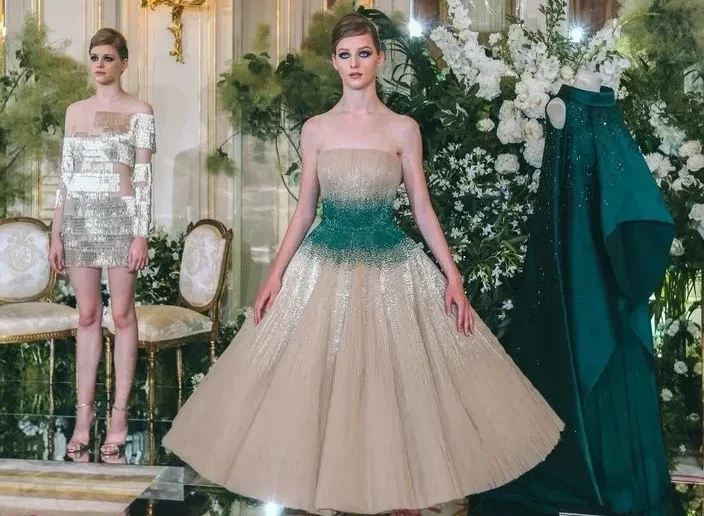
Eveningwear & Couture New Luxury Narratives Shaped by Middle Eastern Craft By Raveena Parmar In a world where fashion trends cycle faster than ever, couture remains one of the rare art forms that resists time. And nowhere is this resistance more poetic, and more powerful than in the Middle East. Here, eveningwear is more than glamour: It is memory, heritage and devotion stitched into silk. Today, a new generation of Middle Eastern designers is rewriting the meaning of modern luxury: one that balances structure and softness, opulence and restraint, heritage and innovation. Couture from the region is no longer content to be admired, but it demands to be felt. Threads of Memory, Sculpted in Modernity The soul of Middle Eastern couture lies in craftsmanship. Not as marketing rhetoric but as an inherited tradition. Generations of master artisans have perfected the sacred language of needle and thread, passing down hand-embroidery, beading, crystal placement, and metallic threadwork as forms of storytelling. Lebanese couturier Elie Saab, the undisputed poet of eveningwear, once said, “Elegance is not about being noticed, it’s about being remembered.” His gowns, often drenched in constellations of Swarovski crystals and moonlit sequins, feel like preserved fragments of beauty. They whisper rather than shout. This reverence for handwork echoes across ateliers from Beirut to Dubai, from Marrakech to Riyadh. Zuhair Murad turns embroideries into entire universes,star maps, baroque florals, and celestial motifs that seem destined for red carpet mythology. Georges Hobeika breathes softness into couture through feathers and silk petals that sway like poetry in motion. Rami Al Ali fuses Arab geometry with couture minimalism, proof that embellishment and purity can coexist.These designers are guardians of a legacy but they are also architects of a new future. The Rise of Wearable Opulence Once upon a time, couture was purely spectacle as it was beautiful but distant, untouchable beyond gala carpets and editorial fantasy. Today, Middle Eastern couture is evolving toward emotional wearability. Eveningwear now moves, adapts, and transforms to the rhythm of modern women. Designers are responding to a new generation, to the one that wants clothes they can feel themselves in, not disappear beneath. The gowns are still breathtaking, but now they hold ease and softness. Structure is still celebrated, but it serves the body instead of restricting it. Shapes sculpt rather than suffocate; corsetry is lighter, and silhouettes embrace fluidity. Even modesty, which is a key element in Middle Eastern fashion, has become a dimension of modern couture. Capes replace bare shoulders. Draping replaces deep cuts. Coverage becomes elegance rather than limitation. A new visual language is emerging: sensuality through silhouette, not exposure. Craft Meets Innovation The future of couture doesn’t abandon tradition; it transforms it. The growing demand for function in luxury has birthed modular eveningwear: gowns with detachable trains, adjustable sleeves, and removable crystal harnesses. Convertible couture allows a woman to wear a dramatic runway gown as both a red-carpet statement and a more intimate soirée look. It is an emotional and intelligent design. In Dubai and Riyadh, experimental houses like Ashi Studio are redefining eveningwear through sculptural minimalism, using architectural structure and innovative materials to craft gowns that look like moving art. Meanwhile, designers from North Africa like Maison Sara Chraibi are infusing couture with symbolism, embedding Amazigh patterns, calligraphy, and spiritual geometry into contemporary shapes. Technology has also entered the atelier: laser-cut silks, 3D floral appliqué, and AI-assisted embroidery mapping are quietly shaping the future. Yet the heart of couture remains deeply human. Hours of labor. Devotion by hand. A relationship between maker and garment. Red Carpet Power: The Middle Eastern Takeover You can trace the power of Middle Eastern couture not only through ateliers but through pop culture itself. From Beyoncé’s golden tour gowns by Nicolas Jebran to Jennifer Lopez’s ethereal Zuhair Murad cape in Cannes, from Priyanka Chopra’s crystal-encrusted Elie Saab moment to Bella Hadid’s sculptural Ashi Studio gowns, the influence is global and undeniable. The Middle East isn’t just participating in the red carpet; it is defining its visual language. Celebrities now turn to these designers not just for spectacle but for storytelling. These gowns carry meaning, drama, and identity. They are wearable art and full of soul. LUXURY WITH PURPOSE Fashion Beyond Fantasy A quiet revolution is also happening behind the seams. Many Middle Eastern designers are championing ethical luxury and artisan preservation. Instead of outsourcing production, they keep ateliers local, passing on artisanal skills to young generations. Couture becomes a way to preserve heritage rather than commercialize it. Even sustainability, which was once seen as incompatible with couture, is now finding its way in. Rami Kadi experiments with recycled sequins along with other young Arab designers who are upcycling vintage fabrics from souks. Future couture is not only stunning but also conscious. A New Luxury Narrative The world once looked to Paris for couture, and today it looks East, too. Because in the Middle East, couture is not just a business,it is also a living legacy. Eveningwear is treated with emotion, and gowns are made to carry identity. Luxury is not excess, but it’s an expression. The next chapter of couture belongs to designers who balance heritage and innovation, those who dare to imagine gowns that transcend time but move with the world. Designers who build cathedrals of embroidery and allow a woman to dance in them. Middle Eastern couture is not just rising: It is redefining the global language of elegance, one handcrafted masterpiece at a time. As someone who observes this industry not just with admiration but curiosity, I believe the true future of couture lies in honesty. Luxury today is not defined by price, but by purpose. What makes Middle Eastern couture stand out to me is not only its beauty, but its emotional depth, as it is one of the few fashion movements that still carries a soul. Yet I also think couture must continue evolving beyond fantasy. I want to see more designers embrace storytelling that resonates with real women, not just muses, but

Seif El Hakim – Awakening the Alpha Within

Seif El Hakim Awakening the Alpha Within

Seif El Hakim Awakening the Alpha Within By Michelle Clark Leadership today is constantly being redefined, yet Seif El Hakim has carved out a voice that transcends trends and titles. Known to many as “The Alpha,” Seif embodies more than a name. He represents a movement built on discipline, authenticity, and purpose. From Cairo to Dubai, from the corporate boardroom to the global stage, his journey is a testament to courage and vision. For Seif, being an Alpha is not about dominance, it is about responsibility. It begins with self-mastery, discipline over the mind, control over emotions, and clarity of vision. “True leadership today isn’t about having followers, it’s about creating more leaders,” he reflects. “The Alpha is not a crown you wear, it’s a standard you live by.”   That philosophy has guided Seif through his journey of building an empire that bridges business, media, and influence. But he doesn’t see himself as simply a CEO or a creator. “I see myself as a movement in motion,” he explains. “Businesses can scale, but movements shift generations. That’s what I’m building.” With millions following him online, authenticity is at the core of his brand. He refuses to draw lines between the personal and professional, instead choosing transparency as his guiding principle. “My brand is me, and I am my brand,” he says. “People don’t want perfection, they want truth. That’s why I share both the wins and the scars. If the audience sees me fall and rise again, they don’t just follow the Alpha, they connect with Seif, the human being. That’s where trust is born.” Yet, behind the spotlight lies a story of grit. Few see the nights he spent sleeping on the floor after leaving his corporate career, or the isolation of lying in a hospital bed in a foreign country. Fewer still saw the struggles of navigating corporate politics, racism, and self-doubt while leading billion-dollar businesses. “Those invisible battles shaped me more than any spotlight,” he admits. “Success is built in silence, long before it’s celebrated in public.” Seif’s identity has been sculpted by the cities he has called home. Cairo gave him resilience and hunger, while Dubai offered scale and vision. Moscow instilled toughness, Seoul taught discipline, and Istanbul showed him how to bridge cultures. “Each city added a layer to who I am, sharpening not only my entrepreneurial instincts but also my ability to tell stories that connect across worlds,” he says. For Seif, leadership is rooted in balance, power aligned with purpose. “Power without purpose is destruction. Purpose without power is just a dream,” he explains. “Being Alpha is not standing above people, it’s standing in front of them, taking the hit first, and pulling them forward. Dominance builds fear. Purpose builds legacy.” In a world where attention is the new currency, Seif distinguishes between temporary sparks and lasting fire. “Attention is a spark. Impact is fire. The secret is consistency with depth. Influence only matters if it moves someone to act, to think bigger, to build something, to change their life. That’s how you turn noise into movement and followers into future leaders.” Perhaps the most defining moment of his journey came when he walked away from a secure, multimillion-dollar role as Regional CMO at Samsung to start from scratch. “Everyone thought I was crazy,” he recalls. “But freedom has a price, and I was willing to pay it. That was the true Alpha move, betting on myself when no one else would.” If the younger Seif could see him now, he believes the message would be simple: “You made it, but you didn’t lose yourself.” That commitment to authenticity, even in the face of success, remains his proudest achievement. And as for his legacy, Seif hopes to be remembered in one sentence, “He awakened the Alpha in others.” For him, true success lies not in building empires but in building people, leaders, and generations who will carry the torch forward. Or, in his own words, “Nobody on earth could twist his arm.” A man unshaken in principles, unwavering in values, and resolute in awakening the Alpha spirit in everyone he meets. Seif El Hakim is more than an entrepreneur, more than a media personality, and more than a leader. He is a movement, one that challenges people across the world to rise, to lead, and to live with both power and purpose. His story is not simply about success, but about resilience, integrity, and the courage to bet on oneself. Above all, his mission is clear, to awaken the Alpha within us all.

rayana masri

Rayana Masri On How Gen Z Communicators Are Reshaping Leadership Narratives Across the Middle East

Rayana Masri On How Gen Z Communicators Are Reshaping Leadership Narratives Across the Middle East By Afef Yousfi The communications landscape of the Middle East is transforming at an unprecedented pace. From digital acceleration to cultural shifts, a new generation is stepping forward not quietly, but with clarity, courage, and conviction. Among the most inspiring voices in this evolution is Rayana Masri, a rising Gen Z communicator whose career reflects the resilience, creativity, and collaborative leadership her generation is known for. Rayana’s journey began early. At just 18, she found herself walking into boardrooms surrounded by CEOs, producers, and directors who had decades of experience over her. Many would have kept quiet, but Rayana refused to shrink herself. She spoke up, offering bold perspectives that ultimately shaped the final cut of a major talent show on Abu Dhabi TV. That pivotal moment revealed something important: leadership is not about age or hierarchy, but about creating space for ideas, no matter where they come from. For Rayana, this became the foundation of her career and the ethos of Gen Z leadership, a model that is collaborative, empathetic, and authentic. Still, being a young voice in the region wasn’t easy. Early on, Rayana often felt compelled to hide her real age, telling clients and colleagues she was 28 instead of 18 to be taken seriously. The fear of being underestimated taught her an important lesson about perception. Too often, youth was equated with inexperience, and fresh ideas were dismissed before they were even heard.  Yet, rather than retreat, she leaned into opportunities, once even leading a full pitch from planning to execution. That experience proved that capability is not measured in years, but in initiative, creativity, and results. This drive carried her into public relations, where she joined Bates Pan Gulf straight out of university and quickly managed accounts for international names like Michelin Guide, Uber, Mindvalley, and Evian. Within just seven months, she rose from account executive to senior account executive—a testament to her ability to deliver impact, challenge expectations, and prove that Gen Z can thrive in industries still dominated by hierarchy. What sets Rayana apart is her ability to merge creativity with strategy. Her background in production sharpened her instinct for audience insight and storytelling, while PR allowed her to transform those insights into powerful campaigns. For her, success lies at the intersection of vision and execution: knowing what makes an idea resonate, then bringing it to life with precision and authenticity. This blending of creativity and strategy, she believes, is fast becoming the hallmark of Gen Z leadership. Recognition soon followed, with Campaign ME’s 30 Under 30 and PRCA Young Lions finalist adding weight to her portfolio. Yet even with accolades, Rayana realized awards alone don’t shift power dynamics. What truly changes the narrative is when young professionals are trusted with responsibility, empowered to lead, and allowed to shape outcomes. Her perspective is also deeply rooted in purpose. She sees GeZ as the most values-driven generation, one that doesn’t just craft campaigns to sell but to connect meaningfully. When working on Uber’s campaign, for example, she insisted on ensuring influencer content reflected authentic experiences rather than hollow promotion. For Rayana, purpose is the bridge between brand goals and community needs, and authenticity is what ensures stories resonate. In a region undergoing massive digital, cultural, and social change, she sees her peers making the boldest impact through social media. Platforms like Instagram and TikTok are no longer just tools for marketing—they are town squares where culture is shaped, ideas spread, and communities gather. And with AI accelerating how content is produced, Rayana believes Gen Z’s greatest strength is ensuring storytelling remains human, relatable, and emotionally engaging. But perhaps the most profound aspect of her philosophy is her call for mentorship and allyship. She is quick to credit leaders who trusted her with responsibility early in her career, allowing her originality to flourish. She emphasizes that mentorship should not be about molding young voices into replicas of the past but about creating space for them to lead in their own way. Looking ahead, Rayana hopes her story inspires leaders across the region to stop measuring capability by age and start valuing creativity, perspective, and impact. Her message is clear: Gen Z is not here to follow old playbooks, but to write new ones, ones grounded in empathy, collaboration, and authenticity. Rayana Masri is more than a rising voice in communications. She embodies the narrative of a generation that is redefining leadership in the Middle East. Her career is proof that boldness, resilience, and purpose can break barriers, and that the future of leadership is not only younger but also more human, more inclusive, and more connected than ever before.