MAGNAV Emirates

Fashion And Lifestyle

Exclusive Interview with Maya Nassar Maalouf

Exclusive Interview with Maya Nassar Maalouf

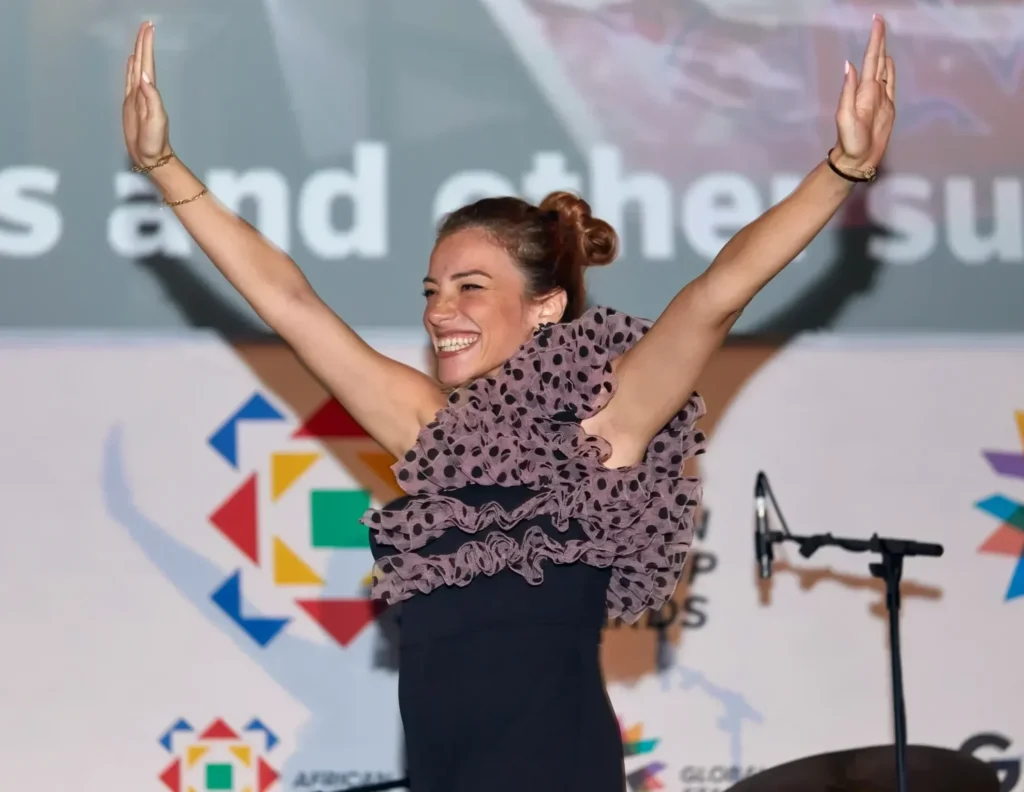
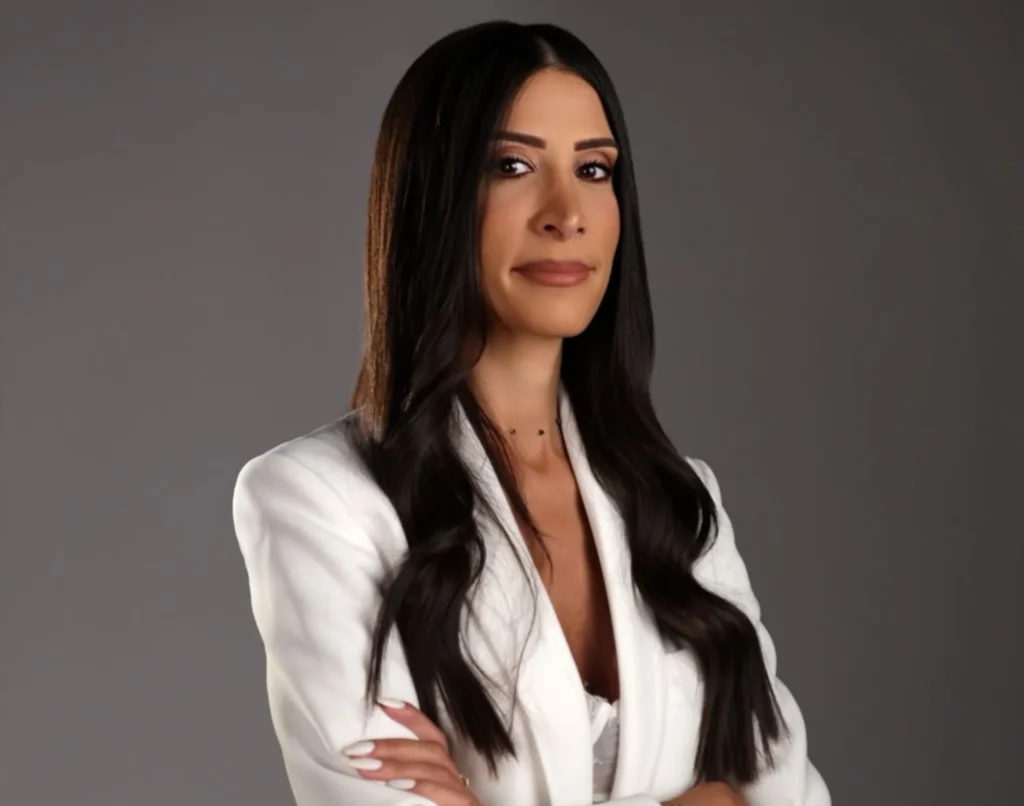
Exclusive Interview with Maya Nassar Maalouf Ms Fitness Universe 2025 | International Fitness Model | Virgin Radio Host | Founder of Start Living Right By Hafsa Qadeer Maya Nassar Maalouf, crowned Ms Fitness Universe 2025 in Las Vegas, is more than a global champion, she is a pioneer in Arab fitness, a successful entrepreneur, and a powerful voice on the airwaves. As a mother of four, international athlete, and media personality, her journey continues to inspire a generation of women across the Middle East and beyond. Having lived in the United States, Nigeria, England, and Lebanon, Maya’s outlook on fitness and discipline has been deeply shaped by her global experiences. Each culture brought a unique philosophy toward health and lifestyle, broadening her understanding of fitness beyond physical appearance. The variety of environments taught her how to adapt, remain motivated, and stay disciplined no matter the circumstances. Her fitness journey began in 2010 during a time of personal challenge, which sparked a desire for transformation. What started as a personal goal soon turned into a passionate pursuit of bodybuilding. Through this process, she discovered not just physical strength, but deep mental resilience. Competing was a natural next step, allowing her to push her limits and redefine her sense of self. A defining moment came when she became the first Lebanese athlete officially endorsed by the government to compete in an international bodybuilding event. That endorsement represented more than personal recognition, it marked a breakthrough for Lebanese women in sport. It was a proud, symbolic moment, signalling to women across the region that they, too, could claim space on global athletic stages. Winning first place at the 2014 Pure Elite UK Championships was a pivotal achievement that validated years of dedication and sacrifice. It established Maya’s credibility in the international fitness community and opened the door to further success. Most recently, she added another crowning glory to her career, being named Ms Fitness Universe 2025 in Las Vegas. That moment was especially meaningful, a culmination of years of commitment achieved while raising four children. Her platform, Start Living Right, was born out of a desire to empower others. The goal was to make fitness accessible and enjoyable, offering structured resources and expert guidance. Today, it stands as one of the region’s top-ranked fitness apps, with official endorsement from the Ministry of Youth and Sports. The app’s success is a testament to its positive impact on the community and the growing appetite for credible wellness solutions in the Arab world. Transitioning from athlete to entrepreneur was not without its challenges. Navigating the business world required Maya to learn about operations, marketing, and finance, territories she hadn’t explored as a competitor. Running a business meant shifting her mindset and embracing continuous growth, all while staying connected to her roots in fitness. Balancing that with motherhood and media responsibilities has been demanding, but rewarding. Maintaining personal motivation and consistency amidst so many commitments comes down to prioritisation. Maya treats her workouts like any essential meeting and sets realistic, achievable goals. Finding joy in the process has helped her stay grounded and committed to her own wellbeing, even when time is scarce. Media has played a vital role in expanding Maya’s platform. Her features in publications such as Women’s Health, Oxygen Magazine, and Muscle & Fitness have helped reshape perceptions of Middle Eastern women in fitness. Through her visibility, she continues to challenge outdated stereotypes, showcasing the strength, capability, and ambition of Arab women. Her work in broadcasting, most notably as a radio host on Virgin Radio, gives her the opportunity to reach an even wider audience. Through on-air discussions and community engagement, she spreads awareness about health and wellness in a way that’s both relatable and inspiring. Media, in this context, becomes a catalyst for cultural change, encouraging people across the Arab world to adopt healthier lifestyles. As Maya continues to grow and evolve, her ambitions remain rooted in impact. She is exploring new business ventures and community-based wellness initiatives designed to reach more people, particularly women seeking empowerment through health. Personal development remains a constant focus, as she seeks to refine her leadership skills and continue inspiring others to pursue their own journeys toward balance, fitness, and self-belief. Maya Nassar Maalouf’s journey is not just a story of success, but of transformation, leadership, and purpose. She continues to inspire, not only through her achievements, but through her unwavering commitment to helping others start living right.

Turning Wellness into a Way of Life

How the UAE Is Turning Wellness into a Way of Life

How the UAE Is Turning Wellness into a Way of Life By Hafsa Qadeer In the heart of the UAE, where skyscrapers mirror the stars and the pulse of commerce never rests, there is a quieter revolution underway. It doesn’t shout or shimmer. It hums, like the sound of breath in a yoga dome, the whisper of incense in a majlis, the slow pour of saffron tea. Welcome to the Mindful Majlis, a new way of living that fuses ancient hospitality with modern wellness. In a nation known for its pace, stillness is becoming a power of its own. Wellness Reimagined, Culturally Rooted Forget the imported notions of self-care found in glossy Western magazines. The UAE’s wellness movement draws from deeper wells, falaj systems that taught flow, majlis traditions that taught presence, and desert silence that taught listening. Wellness here is not escapism. It is homecoming. In Abu Dhabi’s mangrove retreats and Dubai’s desert sanctuaries, Emiratis and residents alike are redefining what it means to be well, not just physically, but spiritually and culturally. Mental health clinics are designed like majlises. Retreat centers serve dates alongside adaptogens. Camel milk is offered not as trend, but as tradition. Urban Serenity Even in the cities, mindfulness is no longer a niche. Offices now have prayer pods and aromatherapy lounges. Corporate wellness programs include Qur’an recitation breaks and guided visualizations through sand dunes. Digital detox cafes are on the rise, spaces where phones are surrendered at the door and conversations flow face-to-face, like they once did in moonlit tents. And from Jumeirah to Sharjah, parks and beaches now host community sound baths, full moon meditations, and morning qigong by the sea. The fast lane, it seems, is learning to pause. From Mosques to Mindfulness Spiritual wellness, long woven into the rhythm of daily life through prayer, is now converging with contemporary practices. In places like the House of Wisdom in Sharjah, reading nooks double as wellness corners. In Al Ain, Sufi poetry sessions are being revived as emotional healing circles. Here, mindfulness isn’t imported. It is remembered. Well-Tech and the Rise of Smart Wellness True to its tech-savvy DNA, the UAE is infusing its wellness renaissance with innovation. AI wellness coaches, smart abayas that monitor hydration, and virtual prayer mats are just the beginning. Startups are combining biometric data with traditional healing practices. Apps recommend personalized meditation routines based on heritage and lunar cycles. There’s even a metaverse mosque in development, offering guided inner journeys that transcend physical borders. But for all the tech, the heart of this movement remains profoundly human. Healing the Community, Not Just the Individual What makes the UAE’s wellness wave unique is its collective ethos. This is not just about yoga retreats for the few. It’s about mental health education in schools, trauma-informed therapy for refugees, and inclusive design that considers people of all abilities. Even traditional healers, herbalists, hijama practitioners, and dream interpreters are being integrated into modern healthcare systems, not as relics, but as respected allies in the care of the soul. A Cultural Blueprint for Global Wellness In a world seeking balance, the UAE offers a compelling model: one that honors its spiritual roots while embracing global well-being. Where wellness is not indulgence, but inheritance. It is in the way a guest is offered water before words. In the fragrance of oud that lingers like memory. In the pause between call to prayer and action. This is the Mindful Majlis, not a place, but a way of being. And as more people gather within its circle, it becomes clear: the UAE’s greatest luxury may not be what it builds, but how it helps us simply be.

Ras Al Khaimah Wellness Haven

Ras Al Khaimah Wellness Haven

Ras Al Khaimah Wellness Haven By Desk Reporter Ras Al Khaimah is emerging as the UAE’s wellness capital in 2025, with Al Wadi Desert Resort leading the charge. Its Bedouin Bliss program offers yoga amid the dunes, paired with traditional ghawa coffee rituals and frankincense aromatherapy, attracting urbanites seeking serenity. The resort’s falconry sessions, followed by guided meditation, create a unique blend of adrenaline and calm, rooted in Emirati heritage. These experiences cater to a growing demand for holistic escapes that honor the UAE’s cultural legacy. The emirate’s tourism board reports a 20% increase in wellness visitors this year, with the Hajar Mountains hosting mindfulness hikes through ancient wadis. Small retreats are sprouting across the region, offering farm-to-table dining and stargazing sessions that celebrate Ras Al Khaimah’s natural beauty. This wellness boom reflects the UAE’s modern lifestyle, balancing rapid progress with moments of reflection. By weaving tradition into rejuvenating experiences, Ras Al Khaimah invites residents and travelers to reconnect with nature and themselves.

Designing a Wardrobe for the Climate-Conscious Gulf

Designing a Wardrobe for the Climate-Conscious Gulf

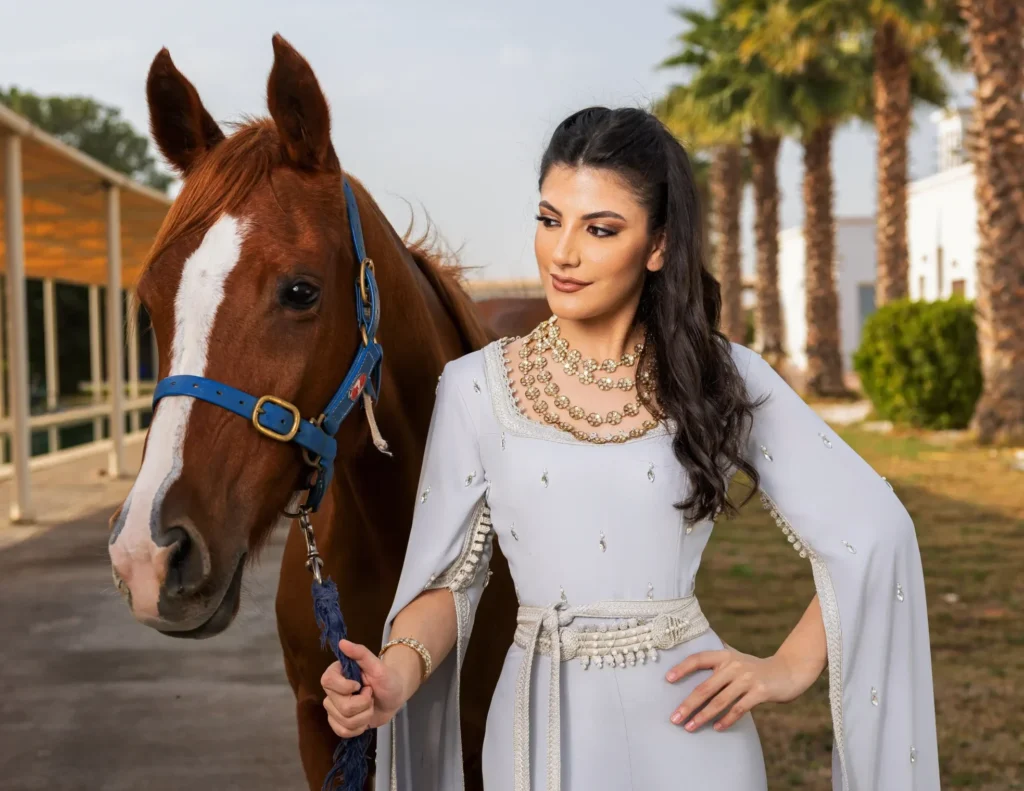
Designing a Wardrobe for the Climate-Conscious Gulf By Hafsa Qadeer In the shimmering heat of the Gulf, style has always been a statement of wealth, of modesty, of power. However, today, as the UAE transitions from an oil-based economy to a knowledge-driven, eco-conscious society, its fashion narrative is evolving. A new aesthetic is emerging from the sand and steel: post-oil fashion, characterized by minimalism, mindfulness, and a deep-rooted connection to identity. This isn’t a rejection of glamour. It is a recalibration. The Fabric of Responsibility Step into a boutique in Alserkal Avenue or scroll through a digital showroom from a Dubai-based label, and you’ll see it: natural fibers replacing synthetics, camel wool blended with organic cotton, and garments dyed with desert herbs instead of chemicals. Young Emirati designers are ditching fast fashion in favor of conscious couture. Labels like Twisted Roots, Nafsika Skourti, and Bouguessa are leading the charge, blending architectural silhouettes with ethical sourcing, creating clothes that whisper sustainability without sacrificing elegance. Here, sustainability is not a trend. It is a promise. Climate as Couture’s Muse The Gulf sun, once tamed only by tinted glass and air-conditioned malls, is now a design influence. Flowy cuts, loose tailoring, breathable layers, these are more than cultural staples; they’re becoming climate-responsive design principles. In Abu Dhabi, a new generation of fashion students is experimenting with UV-protective fabrics. In Sharjah, modestwear brands are innovating with cooling textiles and desert-adaptive dyes. Traditional dress forms like the abaya and kandura are being reimagined with zero-waste patterns and biodegradable threads. This is not just about looking good. It’s about feeling in harmony with the land. Minimalism with Meaning Post-oil fashion in the UAE is also a quiet rebellion against excess. The days of logo-heavy luxury may not be gone, but there’s a rising appetite for subtler statements, heirloom jewelry passed down generations, tailored jalabiyas made by local artisans, and capsule wardrobes curated for purpose, not spectacle. The color palettes mirror the land, sands, silvers, date-palm greens, and dusky rose. It’s not monotony. It’s restraint. A new kind of opulence that speaks softly. Modesty Meets Innovation In this region, fashion has always walked a fine line between modesty and extravagance. But today, that dance is choreographed with tech. AI-powered fittings, blockchain for supply chain transparency, and fashion lines optimized for low-carbon shipping are redefining modest wear as futuristic. Digital runways in the metaverse showcase abayas that shimmer with virtual light, and NFTs are being paired with physical garments to prove authenticity and sustainability. This isn’t just fashion. It’s philosophy in fabric. Cultural Threads, Global Weave What sets the UAE apart is how deeply its post-oil fashion remains rooted in cultural memory. From the hand-stitched embroidery of Fujairah’s mountains to the gold-threaded weaves of old Dubai, heritage is not lost, it’s repurposed. In a world drowning in overproduction, the UAE’s emerging designers are looking inward, not outward, for inspiration. They are not mimicking Paris or Milan. They are building something new, a wardrobe for the desert future. The Aesthetics of What Comes Next As the UAE reimagines its economy beyond oil, it is also reimagining its aesthetic. Fashion here is not just adornment; it is adaptation, identity, and a gentle yet firm declaration that style can be sacred, sustainable, and still stunning. Post-oil aesthetics are not defined by what they discard, but by what they choose to carry forward. The threads of tradition. The spirit of innovation. The warmth of climate wisdom. In the end, perhaps that is what real elegance is: knowing how to dress for tomorrow, without forgetting where you began.

Modest Elegance of Dubai

The Modest Elegance of Dubai Redefines Global Trends

The Modest Elegance of Dubai Redefines Global Trends By Desk Reporter Dubai’s 2025 Modest Fashion Week at Dubai Design District (d3) has solidified the emirate’s role as a global leader in values-driven style. Emirati designer Noor Al Suwaidi’s Elegance by Noor collection, featuring abayas with Swarovski crystals and hand-stitched Bedouin motifs, blends tradition with luxury. Her designs, available at high-end boutiques such as Ounass, resonate with women who seek sophistication without compromise. The event’s focus on cultural pride has elevated Dubai’s status as a modest fashion hub, drawing designers from Paris to Jakarta. Sustainability took center stage, with Ajman-based Green Thread showcasing hijabs and dresses made from recycled silk sourced locally. Recent industry reports project Dubai’s fashion market to grow 15% by 2026, fueled by its blend of innovation and heritage. Local designers are leveraging the UAE’s global connectivity to reach international markets, while eco-conscious practices resonate with a growing consumer base. Dubai’s fashion scene is proving that modesty, sustainability, and high style can coexist, setting a new benchmark for the industry.

The Aesthetic Rebellion Against Maximalist Luxury

The Aesthetic Rebellion Against Maximalist Luxury

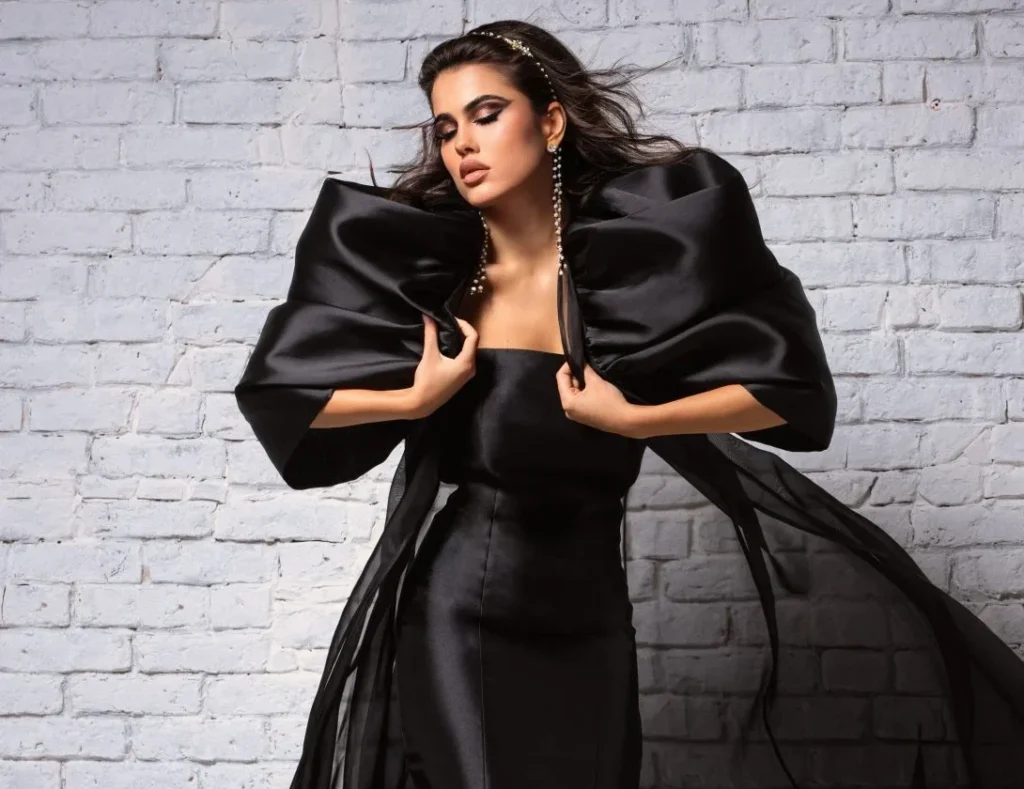
The Aesthetic Rebellion Against Maximalist Luxury By Hafsa Qadeer In a country known for gold-laced skylines and couture-lined avenues, a quieter movement is unfolding. Gone are the layers, the excess, the embellished bravado. In their place: breathable neutrals, clean lines, and fabric that speaks of desert stillness rather than downtown flash. Across the UAE, a new aesthetic has emerged, Desert Minimalism, a style born not in defiance of luxury, but in refinement of it. This is not austerity. It is intentional restraint. A Climate of Clarity Fashion in the UAE has long reflected its global ambitions. But as the world turns toward sustainability, and the Emirates positions itself as a climate-conscious state, young designers are turning inward. They are inspired by the landscape, not just in color but in philosophy. The endless dunes. The silent geometry of falaj systems. The silhouettes of abayas flowing like desert winds. Their designs are calm. Their palette is sand, date-palm green, salt-white. Each piece whispers: enough. Local Fabric, Global Form Emirati labels like Qasimi, The Orphic, and Endemage are redefining elegance. They champion organic cotton, handwoven linen, and locally sourced silks. They produce in l batches. They cut with empathy. Their garments honor the past, traditional cuts, tribal motifs, but never imitate it. They are rooted in heritage but designed for a borderless future. These aren’t outfits for red carpets. They’re for airports, art galleries, classrooms, everyday iconography. The Abaya Reborn Nowhere is this minimalism more radical than in the reimagining of the abaya. Once black and boxy, it now drapes like a sculpture, monochrome, belted, unstitched. It floats without a statement. It leads without loudness. In this reimagining, modesty is not a limit; it’s a language. Less is the New Luxe Across concept stores in Alserkal Avenue and boutiques in Abu Dhabi’s Saadiyat district, consumers are no longer looking for brand logos. They’re seeking meaning, garments that are ethically made, seasonless, and enduring. And designers are responding with pieces that breathe, that belong, that last. Minimalism, here, is not just aesthetic; it is economic, environmental, and emotional clarity. A Philosophy in Motion Desert minimalism is not just fashion. It is part of a wider movement in Emirati life toward wellness, intentional living, and cultural reclamation. It asks: What do we need? And what beauty exists when we remove everything else? In a world addicted to more, the UAE’s designers are choosing less, but better. And perhaps, in that silence, they are echoing something ancient,  Something the dunes have always known.

Algorithmic Aesthetics: When AI Becomes Your Stylist

Algorithmic Aesthetics When AI Becomes Your Stylist

Algorithmic Aesthetics When AI Becomes Your Stylist By Hafsa Qadeer In an age of scrolling fatigue and overflowing wardrobes, fashion in the UAE is undergoing a silent transformation. Not with louder prints or faster runways, but with quieter, smarter code. Welcome to the world of AI-driven style, where algorithms know your mood before you do. Where fashion doesn’t just follow trends, it predicts your lifestyle. “Fashion has always been about storytelling,” says Mariam Al Bastaki, founder of the Dubai-based fashion-tech platform Zayna AI. “Now we have a tool that lets each person’s story be heard, not just seen.” In the UAE, where tradition threads through every hemline, AI is not just disrupting fashion, it’s realigning it with purpose. Smart wardrobes track weather patterns from Fujairah to Abu Dhabi, your daily calendar, and even your prayer times to make nuanced clothing suggestions. A soft abaya for the cooler majlis evenings. UV-blocking fabrics for the Dubai Marina strolls. AI is learning your context and reflecting it back with elegance. But this is more than convenience. It’s a redefinition of luxury. “In the past, luxury was about excess, now it’s about intention,” says Dr. Ayesha Kareem, sustainability strategist and textile technologist. “AI helps us reduce waste by designing only what we actually wear. That’s not just smart. That’s ethical.” Designers, once wary of artificial intelligence, are beginning to treat it not as a competitor but as a collaborator. Algorithms generate infinite variations of a silhouette, but human instinct filters them through cultural lenses. From Sharjah’s modest fashion collectives to Dubai’s high-tech ateliers, the pattern is clear: AI assists, humans decide. And amid this evolution, personalization is becoming powerful. In a region where style is a subtle expression of identity, AI allows Emiratis and residents alike to reclaim authorship. Your digital stylist remembers that you prefer pastels for Ramadan nights or that you never repeat an outfit at family events. It learns from you, not the other way around. This is fashion that adapts to faith, formality, and feeling. “Technology doesn’t erase our identity,” Mariam adds. “It enhances it. For women in the Gulf, that’s especially powerful. We no longer have to choose between cultural integrity and cutting-edge design.” The result? A new aesthetic is emerging: quiet luxury, powered by intelligent design. One where minimalist tailoring meets maximal personalization. One where tech doesn’t scream, it listens. And perhaps, that’s the most stylish thing of all. Because in this algorithmic age, fashion’s future isn’t louder, it’s smarter. And most importantly, it’s finally about you.

Emirati Designers

How Emirati Designers Are Sewing the Future

Threads of Memory How Emirati Designers Are Sewing the Future By Hafsa Qadeer In the quiet of an Abu Dhabi studio, a young designer runs her fingers across raw silk embroidered with a pattern her grandmother once stitched by hand. In this moment, the past is not distant. It is design. This is the new language of Emirati fashion, one that speaks not only of aesthetics, but of ancestry. Modernity in Modesty The global fashion world has turned its gaze eastward, not just for trends, but for truth. Modest fashion, once niche, now walks runways in Milan and New York. But in the UAE, it never needed reinvention. It simply evolved. Designers like Huda Al Nuaimi and YNM Dubai are merging contemporary cuts with cultural silhouettes. The abaya, long misunderstood as uniform, is now a canvas of creativity, hand-painted, crystal-draped, or minimal and modern. Fabric as Identity What you wear in the UAE often says who you are. Not in luxury logos, but in heritage markers. The Talli stitch from Sharjah. The Al-Sadu weave of the Bedouins. Patterns once whispered between generations are now declared on global stages. Here, fashion is not fleeting. It’s familial. Sustainable by Soul Unlike fast fashion’s churn, many Emirati labels are returning to slow craft, reviving artisanal dyeing, upcycling vintage fabrics, and collaborating with local seamstresses. It’s not just about green trends. It’s about gratitude, for the land, the craft, the legacy. The Global Emirati Today’s Emirati designer lives between worlds. One foot in tradition, the other in tech. They sketch with one hand and swipe Pinterest with the other. They know that true elegance lies in balance, and their clothes carry that wisdom. Because in the UAE, style is not what changes. It is what continues.

Style Rewritten UAE’s New Fashion Identity

Style Rewritten UAE’s New Fashion Identity

Style Rewritten UAE’s New Fashion Identity By Desk Reporter Fashion in the UAE is undergoing a cultural shift, an evolution where tradition isn’t replaced but reinvented. Local designers are pushing creative boundaries, transforming the abaya from a symbol of modesty into a canvas for artistic expression. Global fashion weeks now feature UAE-based talent who blend Emirati heritage with contemporary cuts, bold colors, and sustainable fabrics. The UAE’s textile and apparel market is projected to reach $7.6 billion by 2026, driven largely by rising local demand for homegrown fashion that speaks to both identity and individuality. Creative districts like Alserkal Avenue and Dubai Design District are hotbeds of fashion experimentation, where high-end boutiques sit next to independent concept stores. Events like Dubai Fashion Week and Arab Fashion Week are increasingly spotlighting young designers from across the region. Influencers and stylists from the UAE are also playing a crucial role, sharing daily style diaries that combine streetwear with cultural motifs and drawing global attention to the Emirati fashion scene. The result is a style movement that’s not just trendy but rooted in a deep sense of place and pride.

luxury meets ambition

Luxury Meets Ambition How the UAE Masters Modern Living

Luxury Meets Ambition How the UAE Masters Modern Living By Desk Reporter In the UAE, ambition doesn’t come at the cost of well-being. Life here moves fast, but it’s never without elegance and ease. Across the Emirates, professionals are redefining what balance looks like, spending weekdays in high-rise offices and weekends in beachside resorts or tranquil desert escapes. The UAE government’s progressive policies, such as the new Monday to Friday workweek, have aligned public and private sectors with global markets. This enables smoother international collaboration while giving residents more meaningful weekend time. It’s a lifestyle where success is measured not just by career growth but by quality of life. Wellness is now part of daily life. From sunrise yoga sessions on Dubai’s rooftops to retreats in Ras Al Khaimah that blend nature with mindfulness, health has become a priority, not a luxury. According to the Global Wellness Institute, the UAE’s wellness tourism market is expected to grow annually by 6.8%, reflecting a strong public interest in mental and physical well-being. As skyscrapers light up the skyline, they also symbolize how the UAE merges drive with self-care, proving that here, ambition and serenity complement each other.