The Timeless Allure of Liwa as the UAE’s Ultimate Sanctuary for Heritage and Silence
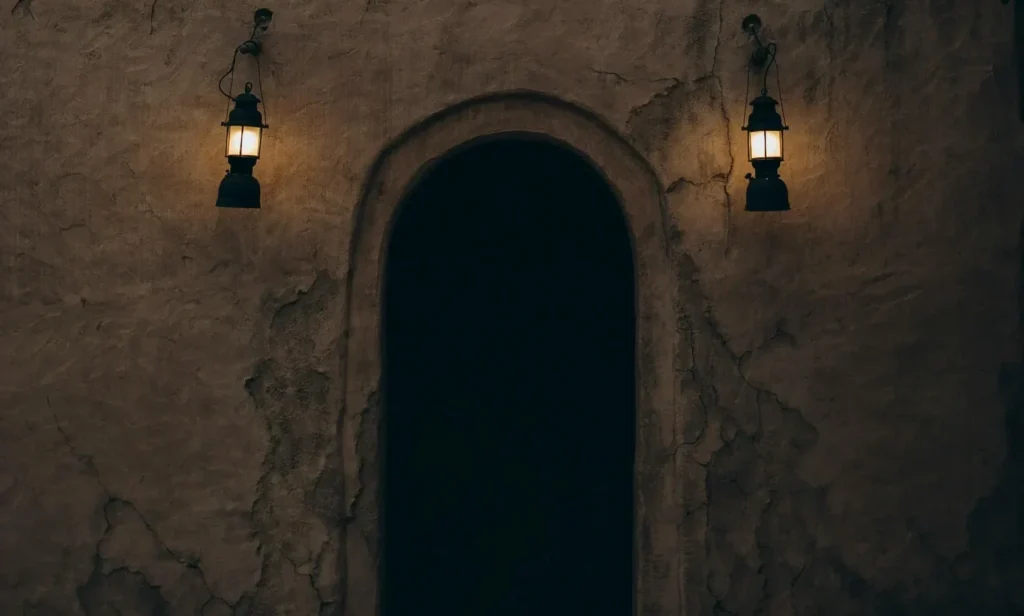
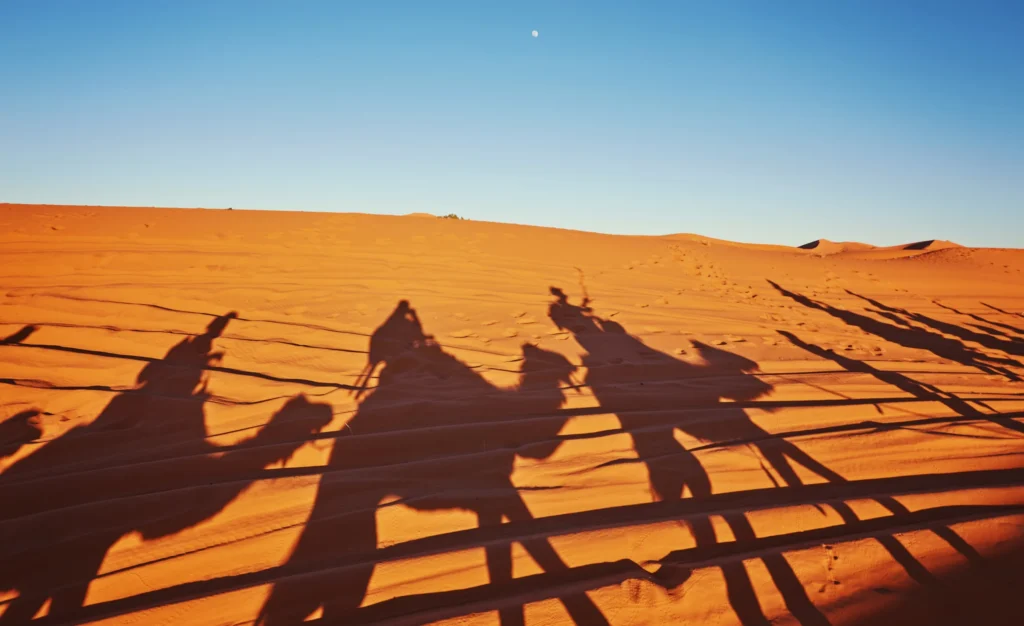
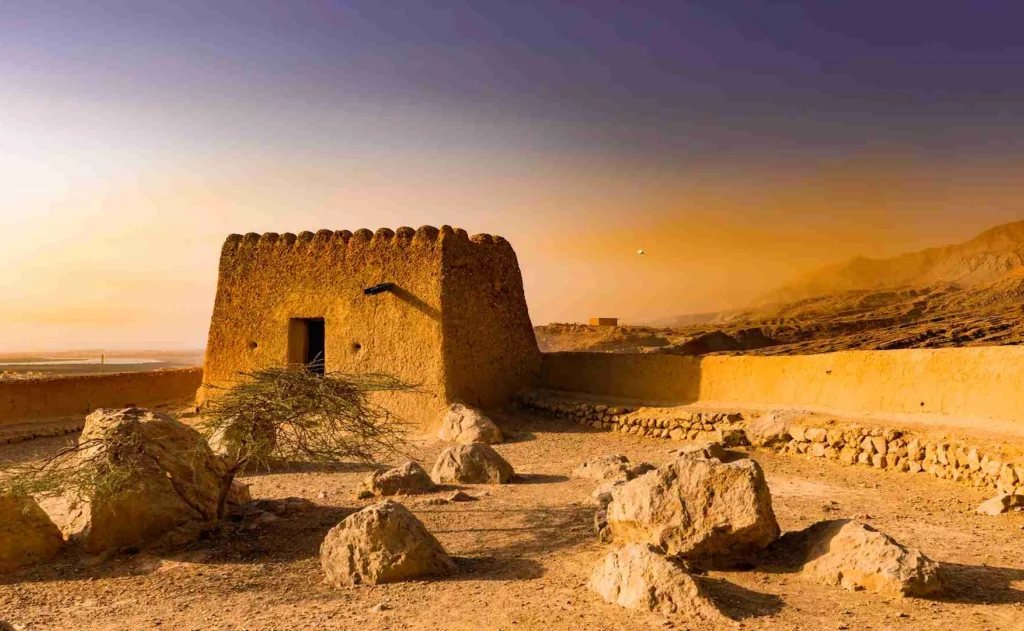
The Timeless Allure Of Liwa As The UAE’s Ultimate Sanctuary For Heritage And Silence By Hafsa Qadeer Some places demand attention through spectacle, while others command reverence through restraint. Liwa Oasis belongs firmly to the latter. Stretching along the northern edge of the Rub’ al Khali, the Empty Quarter, Liwa is not merely a destination on the map of the United Arab Emirates. It is a place of origin, memory, and meaning. In a nation celebrated globally for speed, scale, and ambition, Liwa remains the UAE’s quiet counterpoint: a sanctuary where heritage is not curated, but lived, and where silence is not emptiness, but presence. To understand Liwa is to understand the emotional geography of the UAE itself. Where the Story of the UAE Began Long before oil reshaped the destiny of the Emirates, Liwa was already shaping lives. The crescent-shaped chain of oases owes its existence to underground freshwater reserves that allowed date palms to thrive amid one of the harshest deserts on Earth. This natural miracle transformed Liwa into a cradle of settlement, sustaining communities for centuries and anchoring tribal life in an otherwise unforgiving landscape. Crucially, Liwa is the ancestral homeland of the Bani Yas tribal confederation, from which the ruling families of Abu Dhabi and Dubai emerged. The migration of Sheikh Shakhbout bin Dhiyab Al Nahyan from Liwa to the coast in the late 18th century ultimately led to the founding of Abu Dhabi city itself. In this sense, Liwa is not peripheral to the UAE’s story; it is foundational. Every palm grove, falaj channel, and mudbrick structure here carries echoes of survival, adaptation, and leadership forged in adversity. Liwa is where the ethos of endurance that defines Emirati identity was first tested and refined. A Landscape of Profound Contrasts What strikes visitors to Liwa most forcefully is not its vastness, though the dunes are among the tallest in the world, but its contrasts. Dense clusters of palm trees suddenly give way to sweeping sandscapes that stretch beyond the horizon. Life and barrenness coexist in intimate proximity, each heightening the impact of the other. The dunes of the Empty Quarter are not static. They shift, breathe, and reshape themselves with the wind, creating a constantly evolving canvas of light and shadow. At dawn and dusk, the sands glow in hues of gold, copper, and deep crimson, lending the desert an almost spiritual dimension. Yet despite this grandeur, Liwa never overwhelms. Instead, it humbles. The desert imposes a slower rhythm, compelling visitors to observe rather than consume, to listen rather than speak. In a world saturated with noise and urgency, Liwa offers a rare and increasingly precious experience: stillness. Silence as a Cultural Experience Silence in Liwa is not merely the absence of sound; it is an immersive state. At night, when temperatures cool and the stars emerge in startling clarity, the desert becomes a vast amphitheater of quiet. There are no city lights to compete with the cosmos, no mechanical hum to intrude upon thought. This silence has long shaped desert life. For Bedouin communities, attentiveness to subtle sounds, wind direction, animal movement, and shifting sands was essential for survival. Silence sharpened awareness and fostered introspection. Today, that same silence offers modern visitors something different but equally vital: relief from constant stimulation. Liwa has increasingly drawn artists, writers, photographers, and thinkers seeking creative clarity. The desert does not distract; it reveals. In Liwa, ideas have room to breathe. Fortresses of Memory Scattered across the oasis are historic forts and watchtowers, built primarily in the 19th and early 20th centuries. Constructed from mudbrick and palm timber, these structures were designed not for grandeur but for protection, against rival tribes, raiders, and the relentless elements. Their thick walls and elevated towers speak of vigilance and communal defense, of a time when survival depended on cooperation and foresight. Today, many of these forts have been carefully restored, not as museum pieces, but as living reminders of desert ingenuity. Standing beside these structures, one feels the continuity between past and present. They are physical manifestations of resilience, a reminder that the UAE’s modern stability was forged through centuries of hardship and perseverance. Living Heritage What sets Liwa apart from many heritage destinations is that its traditions are not staged or ornamental. Date farming, for example, remains a central pillar of life in the oasis. The cultivation of dates is both an economic activity and a cultural inheritance, passed down through generations with meticulous care. The annual Liwa Date Festival has become one of the most significant heritage events in the region. It celebrates agricultural excellence, honors farmers, and reinforces the cultural importance of the date palm, often referred to as the “tree of life” in desert societies. Competitions, exhibitions, and auctions attract participants from across the UAE, ensuring that traditional knowledge continues to thrive in a modern context. Similarly, desert sports and gatherings held around landmarks such as Tel Moreeb, one of the world’s tallest sand dunes, reflect the evolving relationship between people and landscape. While high-performance vehicles now climb dunes once traversed by camels, the spirit of challenge and mastery remains deeply rooted in desert culture. Modern Comfort and Ancient Soul Liwa’s engagement with modern tourism has been deliberate and restrained. Luxury desert resorts in the area draw architectural inspiration from traditional forts and Bedouin settlements, blending seamlessly into the landscape rather than dominating it. The emphasis is not on excess, but on immersion, allowing visitors to experience the desert’s majesty without erasing its character. This approach reflects a broader Emirati philosophy: progress need not come at the cost of identity. In Liwa, development enhances appreciation rather than replacing tradition. The desert remains the protagonist. Why Liwa Matters Now At a time when global travel is increasingly defined by speed, spectacle, and digital validation, Liwa offers an alternative narrative. It is not a place for hurried itineraries or constant documentation. It asks something different of its visitors: patience, humility, and presence. For the UAE, Liwa serves as a cultural