MAGNAV Emirates

Tourism

UAE Is More Than the Content You See From Salespeople and Influencers

UAE Is More Than the Content You See From Salespeople and Influencers

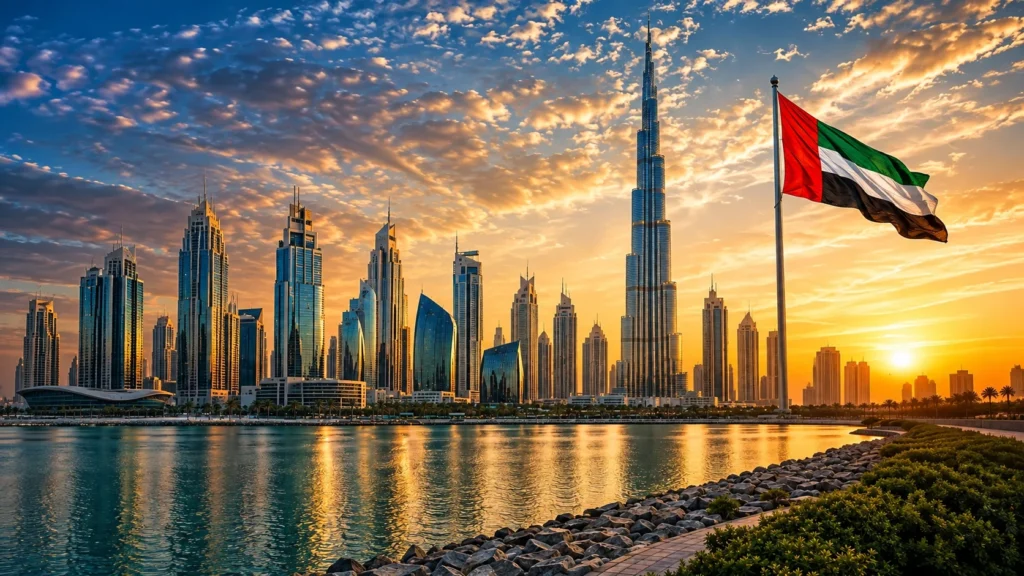
UAE Is More Than the Content You See from Salespeople and Influencers By Rizwan Zulfiqar Bhutta A nation shaped by visionary Rulers, resilient people, and a shared ambition that unites Emiratis and expatriates alike. Spend just a few minutes scrolling through social media and you could easily believe that the United Arab Emirates is defined by luxury cars, iconic skyscrapers, glamorous lifestyles and promises of overnight success. Every day, influencers and salespeople present a carefully curated version of the UAE that often seems too perfect to be real. They showcase the rewards, but rarely the journey. They celebrate the destination, but seldom the years of perseverance required to reach it. There is nothing wrong with celebrating success. The problem is that these polished snapshots often overlook the true story of the UAE. The real United Arab Emirates was not built on viral videos or marketing campaigns. It was built on vision, resilience and extraordinary leadership. Every skyline that captures the world’s attention began as an ambitious idea. Every thriving business started with uncertainty, determination and countless hours of hard work. Behind every successful entrepreneur, executive, artist and professional are years of sacrifice, setbacks and unwavering commitment. The UAE has never promised an effortless path. Instead, it offers something far more valuable, an environment where talent, discipline and perseverance have the opportunity to thrive. The country’s remarkable success is rooted in the vision of its Rulers, whose long-term leadership transformed a young nation into one of the world’s most dynamic economies. Their commitment to stability, innovation and opportunity has created an environment where both citizens and expatriates can build meaningful futures. Alongside this leadership are laws and regulations that protect society, preserve order and foster confidence. While adapting to these systems may require adjustment, they are among the key reasons the UAE enjoys exceptional levels of safety, security and economic stability. These foundations have created a nation where businesses can grow with confidence, families can build secure lives and communities can flourish in an atmosphere of trust and opportunity. Perhaps the UAE’s greatest achievement is the balance it has maintained between preserving its national identity and embracing global diversity. Emiratis remain deeply connected to their heritage while welcoming people from every corner of the world to contribute to the country’s remarkable journey. Today, more than 200 nationalities live and work side by side, bringing different cultures, perspectives and ambitions. Despite these differences, there is a shared understanding that everyone is contributing to something greater than themselves. That collective purpose is what truly makes the UAE unique. Walk through any city across the Emirates and you will witness thousands of dreams unfolding every day. An entrepreneur is launching a new business. A teacher is shaping future generations. A healthcare professional is caring for patients. An engineer is designing tomorrow’s infrastructure. A delivery rider is working tirelessly to support loved ones thousands of miles away. A government employee is helping develop policies that will shape the country’s future. Their journeys may be different, but together they form the heartbeat of a nation that continues to grow through the collective efforts of its people. The UAE rewards those who approach life with purpose. It is far more than a place to earn an income—it is a place to create value. Those who arrive expecting shortcuts often discover that meaningful success cannot be purchased or borrowed. Those who embrace discipline, continuous learning and resilience frequently uncover opportunities beyond anything they imagined. Here, success belongs not only to the most talented, but to those who consistently demonstrate integrity, patience and determination. One characteristic appears time and again in every inspiring success story across the UAE: the courage to dream. Dreaming is often dismissed as wishful thinking, yet every great achievement begins with someone imagining a future that does not yet exist. The UAE has become home to countless individuals who arrived with little more than ambition and determination. Over time, many transformed modest beginnings into successful careers, small businesses into international enterprises and uncertain futures into inspiring achievements. Their accomplishments were not built on luck alone. They were built on vision supported by relentless action. Manifestation is frequently misunderstood as simply wishing for success. In reality, it is about creating a clear vision, committing to it every day and continuing to move forward even when progress seems slow. The UAE provides fertile ground for those willing to combine ambition with discipline. It opens doors, but it expects people to walk through them with courage, responsibility and hard work. Perhaps that is why those who truly succeed here often speak more about gratitude than glamour. They understand that lasting success is not measured solely by luxury or status. It is reflected in building a secure future, supporting family, creating opportunities for others and contributing positively to the society that welcomed them. The greatest achievements are often the quiet ones—the businesses built with integrity, the families raised with stability and the communities strengthened through kindness, collaboration and mutual respect. The story of the UAE continues to be written every day. It is written by Emirati citizens preserving the values that shaped this nation while embracing innovation and progress. It is written by expatriates who arrive carrying hope, determination and the courage to begin again. It is written by people who understand that meaningful accomplishment requires patience, resilience and unwavering belief in tomorrow. Beyond every polished photograph, luxury advertisement and perfectly edited social media reel lies a far richer reality. The UAE’s greatest wealth is found not only in its skyline, but in its people, its visionary Rulers, and the values that have guided its extraordinary journey. It is a nation where strong leadership provides direction, laws provide stability, diversity creates strength and resilience becomes the common language spoken by millions pursuing their aspirations while contributing to a shared future. The United Arab Emirates is far more than the content you see online. It is a country where dreams are not simply imagined—they are built, one determined step at
The Paleolithic Secrets of the Sharjah Desert

The Paleolithic Secrets of the Sharjah Desert

The Paleolithic Secrets of the Sharjah Desert By Rizwan Zulfiqar Bhutta How the silent sands of Mleiha are rewriting the story of humanity, revealing that the Arabian Peninsula was not a barrier to civilisation—but one of its earliest crossroads. When people think of the United Arab Emirates, their minds are naturally drawn to futuristic skylines, thriving ports and world-class infrastructure. It is a nation celebrated for innovation, ambition and rapid transformation. Yet beneath the modern landscape lies another story—one that stretches back not decades or centuries, but more than 130,000 years. Long before skyscrapers rose above the horizon, before oil transformed economies and before trade ships crossed the Arabian Gulf, the deserts of Sharjah were already witnessing extraordinary human journeys. The vast landscape of Mleiha, nestled in the heart of Sharjah’s interior, has become one of the Middle East’s most remarkable archaeological treasures. Here, scientists have uncovered compelling evidence that early humans walked these desert plains approximately 130,000 years ago, making the region one of the most significant chapters in the story of human migration beyond Africa. For generations, historians believed the Arabian Peninsula was little more than an unforgiving barrier separating continents. Today, archaeology is telling a very different story. Rather than an obstacle, Arabia was a bridge. As climate patterns shifted thousands of years ago, periods of increased rainfall transformed parts of the Arabian Peninsula into landscapes far greener than those we know today. Lakes formed, wildlife flourished and early human communities travelled through regions that are now covered by endless dunes. These discoveries suggest that the UAE occupied a strategic position in one of humanity’s earliest migrations, connecting Africa with Asia and eventually the rest of the world. It is a remarkable reminder that history is constantly evolving. Every archaeological excavation has the power to challenge long-held assumptions, and every artefact uncovered beneath the desert sands becomes another sentence in humanity’s unfinished story. Yet Mleiha offers far more than evidence of prehistoric life. It reveals that this landscape continued to thrive for thousands of years, becoming a vibrant centre of civilisation long before the emergence of the modern Gulf states. Archaeologists have uncovered Bronze and Iron Age settlements, sophisticated irrigation systems, monumental tombs, ancient coin mints and fortified settlements that speak of a society deeply connected to regional and international trade. Far from being isolated, this corner of Arabia was part of an extensive network linking Mesopotamia, Persia, India and the Mediterranean world. Merchants crossed deserts with caravans carrying incense, precious stones, metals, textiles and spices, while ideas, languages and cultures travelled alongside them. The desert was never empty. It was alive with movement. The discovery of Bedouin tombs scattered across the landscape provides an intimate glimpse into communities that lived, travelled and buried their loved ones in these challenging environments. Every burial site tells a story of belief, family and identity, while every recovered object reveals another fragment of daily life thousands of years ago. Together, they paint a portrait of resilient societies that adapted not despite the desert, but because of it. Perhaps nowhere is human resilience more evident than in the ability of these ancient communities to flourish in one of the world’s most demanding environments. The desert has always tested those who call it home. Temperatures soar, water is scarce and survival depends upon knowledge passed from one generation to the next. Yet rather than resisting nature, these early inhabitants learned to understand it. They followed seasonal patterns, mastered scarce resources and developed settlements that reflected remarkable ingenuity. Their success was never accidental; it was built upon observation, adaptation and cooperation. In many ways, the resilience displayed by these ancient communities mirrors the spirit that continues to define the UAE today. Modern cities may now rise where caravans once travelled, but the determination to overcome challenges, embrace opportunity and innovate in demanding conditions remains deeply woven into the nation’s identity. One of the most fascinating aspects of archaeology is that it constantly reminds us how little we truly know. Every excavation at Mleiha uncovers new questions alongside new answers. Stone tools, animal remains, pottery fragments, ancient inscriptions and forgotten structures continue to emerge from beneath the sand, each discovery reshaping historians’ understanding of Arabia’s place in world history. These are not simply relics of the past. They are conversations across time. They remind us that the people who lived here thousands of years ago shared the same hopes that define humanity today: to build communities, protect families, trade with neighbours and leave something meaningful behind. Although separated from us by millennia, their stories remain surprisingly familiar. The significance of Mleiha extends far beyond the borders of the United Arab Emirates. Its discoveries contribute to one of archaeology’s greatest questions: how early humans spread across the world and how civilisations emerged through movement, adaptation and cultural exchange. As researchers continue their work, the Sharjah desert is becoming an increasingly important destination for scholars seeking to understand humanity’s shared origins. The UAE is often recognised as a nation looking confidently towards the future. Yet it is equally a country that understands the importance of preserving its past. Across the Emirates, investments in archaeology, heritage conservation and historical research reflect a belief that progress is strongest when it is rooted in identity and understanding. The sands of Sharjah continue to guard many secrets. Each excavation reveals another piece of a story that began long before modern borders, long before recorded history and long before civilisation took the form we recognise today. Beneath the silence of the desert lies one of humanity’s oldest archives, written not in ink, but in stone, earth and time itself. The Paleolithic secrets of Mleiha remind us that the UAE is not only a nation of extraordinary modern achievements. It is also one of the world’s oldest landscapes of human resilience, a place where the footsteps of our earliest ancestors still echo beneath the desert sands, quietly reminding us that every great journey has a beginning.

The Pink Lake of Ras Al Khaimah

The Pink Lake of Ras Al Khaimah

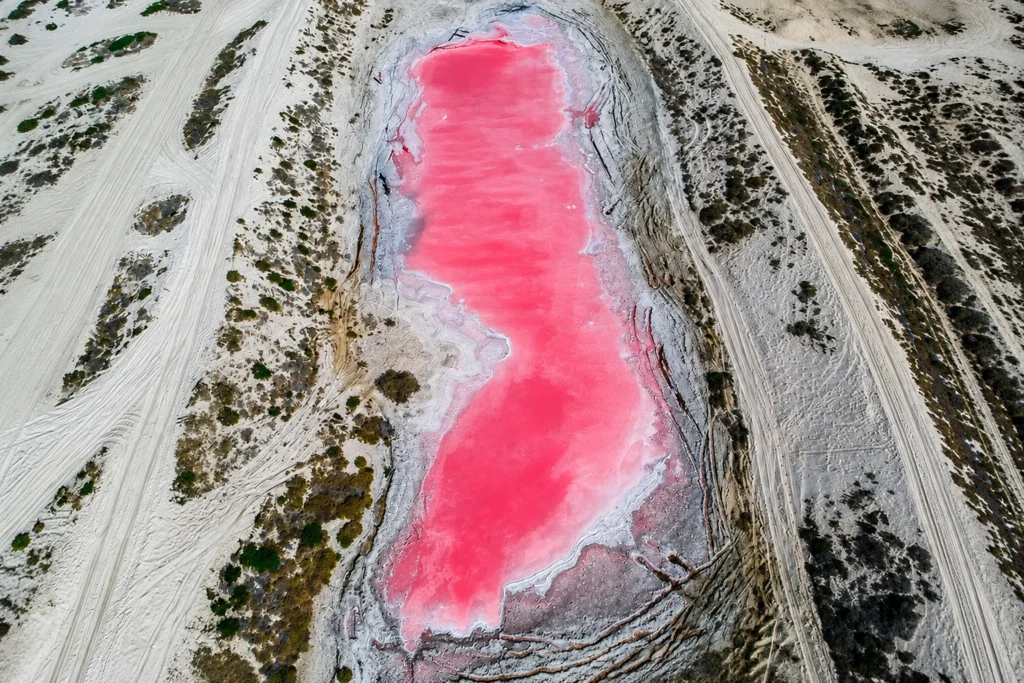
The Pink Lake of Ras Al Khaimah By RIZWAN ZULFIQAR BHUTTA Where nature becomes an artist, transforming an ordinary coastal lagoon into one of the UAE’s most extraordinary landscapes—a place where science and beauty exist in perfect harmony. There are places in the world that appear almost too extraordinary to be real. A turquoise sea meeting golden sand is a familiar image of coastal beauty, while dramatic mountains rising from the desert inspire a sense of wonder. Yet along the northern coastline of the United Arab Emirates lies a landscape that seems to belong to another world entirely—a place where vivid pink waters shimmer beneath the Arabian sun, creating a breathtaking contrast against the surrounding desert and the deep blue waters of the Arabian Gulf. At first glance, the scene appears almost impossible, as though an artist has painted the landscape with colours too vibrant for reality. But the Pink Lake of Ras Al Khaimah, located along the peaceful coastline of Al Rams, is not a work of imagination or human creation. It is a rare natural phenomenon where biology, chemistry and environmental conditions come together to create one of the UAE’s most fascinating hidden treasures. For visitors who encounter it for the first time, the experience is often surreal. From above, the lake resembles a flowing brushstroke of rose and magenta spread across the coastline. Under bright, clear skies, the colours become even more striking as sunlight intensifies the natural pigments within the water. Just moments away, the familiar blue shades of the Arabian Gulf create a dramatic contrast, making the Pink Lake one of the most unusual and memorable landscapes in the Emirates. Yet behind its extraordinary beauty lies a remarkable scientific story. The pink colour of the lake is not created by artificial elements or unusual minerals. Instead, it is the result of microscopic organisms that have adapted perfectly to one of nature’s most challenging environments. The shallow coastal pools contain extremely high levels of salt, creating hypersaline conditions where only specialised forms of life can survive. Among these unique organisms are halophilic microorganisms, often described as “salt-loving” life forms, along with the remarkable microalgae known as Dunaliella salina. These tiny organisms may be invisible to the human eye, yet they are responsible for creating one of the most visually stunning natural phenomena in the region. As salinity levels rise and sunlight becomes more intense, Dunaliella salina produces increased amounts of beta-carotene, the same natural pigment responsible for the orange colour found in carrots and many autumn leaves. Combined with pigments produced by surrounding microorganisms, this process creates the lake’s distinctive pink and magenta tones. In many ways, the landscape is alive. Every shade of colour represents a complex biological process occurring on a microscopic level. What appears to be a simple natural wonder is actually the result of countless tiny organisms interacting with their environment, demonstrating the extraordinary complexity and creativity of nature. The Pink Lake also represents one of nature’s greatest lessons: adaptation. In conditions where most forms of life would struggle, these microorganisms have discovered a way to survive and thrive. They have evolved to exist in an environment defined by extreme salt concentration, intense sunlight and changing temperatures. What may appear harsh and uninhabitable to humans has become a perfectly balanced ecosystem for these remarkable organisms. It is a quiet reminder that resilience is not limited to humans. Across the natural world, life continuously finds ways to adapt, transform and flourish in unexpected places. Perhaps this is why the Pink Lake has captured the imagination of photographers, travellers and nature enthusiasts. Beyond its unusual appearance, it represents the joy of discovering something unexpected—a reminder that even in an age of advanced technology and constant digital exploration, the planet still holds mysteries capable of surprising us. The lake also highlights another side of the United Arab Emirates, one that exists beyond the famous skylines and modern cities. While destinations such as Dubai and Abu Dhabi are internationally recognised for architecture, business and innovation, the northern Emirates reveal a different story—one shaped by mountains, coastal landscapes, mangroves and natural wonders that existed long before modern development transformed the region. Ras Al Khaimah, in particular, offers a unique connection between adventure, heritage and nature. Visitors can explore rugged mountains, historic landmarks, traditional communities and coastal environments within a single journey. Among these treasures, the Pink Lake stands as one of the region’s most unexpected discoveries. However, like many natural wonders, the lake is constantly changing. Its colour intensity depends on several factors, including sunlight, temperature, water levels and salinity. On some days, the pools display soft pastel shades of pink, while on others they appear dramatically vibrant with deeper magenta tones. Bright, clear weather often enhances the effect, allowing the microorganisms to produce stronger pigments and creating the most spectacular views. This changing nature is part of its beauty. No two visits are exactly the same. The lake reflects the constantly evolving relationship between the environment and the living organisms within it. It reminds us that nature is never truly still; it is always responding, adjusting and transforming in ways that often remain invisible until we take the time to observe. In a world where many images are digitally enhanced and carefully edited, the Pink Lake offers something increasingly valuable—authentic beauty. There are no artificial colours, no human-designed effects and no manufactured illusions. The extraordinary appearance of the landscape is created entirely through natural processes that have developed over time. That is what makes it so captivating. It challenges our expectations of what nature should look like. It reminds us that beauty does not always appear in familiar forms. Sometimes it exists in the most unexpected places, created by organisms too small to see and processes too slow to notice. The Pink Lake of Ras Al Khaimah is therefore far more than a picturesque location for photography. It is a living example of ecological adaptation, a natural laboratory and a celebration of the delicate balance

Wind-Carved Fossil Dunes, Nature's Stone Sculptures of Abu Dhabi

Wind-Carved Fossil Dunes, Nature’s Stone Sculptures of Abu Dhabi

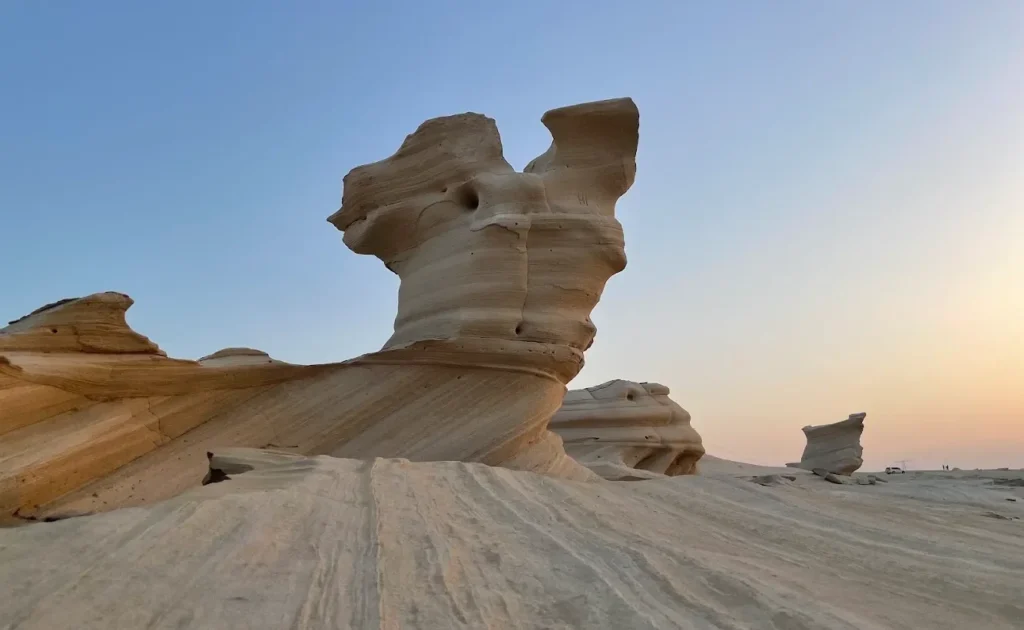
Wind-Carved Fossil Dunes, Nature’s Stone Sculptures of Abu Dhabi By Sidra Asif Where ancient deserts became monuments of time, revealing how wind, water and thousands of years of natural transformation created one of the UAE’s most extraordinary landscapes. When people think of the desert, they often imagine endless golden dunes stretching silently towards the horizon, a landscape that appears unchanged and eternal. Yet beneath this calm surface lies a powerful story of transformation—one shaped by shifting climates, underground water systems and the patient work of nature over thousands of years. In Abu Dhabi, hidden within the vast desert landscape, stand remarkable formations that challenge the way we understand time itself. The Fossil Dunes of Abu Dhabi are among the UAE’s most fascinating natural wonders. Rising from the desert floor, hundreds of petrified sand structures stand frozen in unusual and dramatic shapes, resembling sculptures carefully carved by an artist. Some appear like waves captured in stone, others resemble ancient towers or abstract creations from another world. Their unusual forms and surreal appearance have made them one of the region’s most captivating geological attractions, offering visitors a rare opportunity to witness the artistry of nature. At first sight, the landscape feels almost otherworldly. Standing among these formations, surrounded by open desert and endless skies, it is easy to understand why many visitors describe the experience as stepping onto another planet. During sunset, the structures glow beneath warm golden light, creating extraordinary shadows and patterns across the sand. At night, when the desert becomes quiet and the stars dominate the sky, the fossil dunes take on an even more mysterious character, transforming into a landscape where science, beauty and imagination meet. However, the true wonder of these formations lies not only in their appearance but in the remarkable geological process that created them. Thousands of years ago, these structures began as ordinary sand dunes shaped by the movement of wind across the Arabian Peninsula. During periods of changing climate, groundwater carrying dissolved minerals moved through the sand layers. Over long periods of time, calcium carbonate within the water gradually acted as a natural cement, binding the loose grains together and transforming soft dunes into hardened rock formations. Once the process of mineralisation was complete, nature continued its work. Wind erosion slowly removed the surrounding softer sands, leaving behind the stronger fossilised structures that we see today. What remains is a landscape created through a delicate balance between water, minerals, wind and time—a reminder that some of Earth’s greatest masterpieces are formed not in moments, but across generations. These fossil dunes are more than geological formations; they are records of environmental change. They preserve evidence of ancient landscapes and changing conditions that shaped the Arabian Peninsula long before modern cities, highways and infrastructure transformed the region. Each formation carries information about the relationship between climate, water and desert environments, allowing scientists to better understand the history of the land itself. Perhaps the most fascinating aspect of the Fossil Dunes is the lesson they offer about patience. In a world where everything moves faster every day, these silent structures represent a completely different rhythm. They were not created overnight, nor through human ambition or technological achievement. They emerged slowly through natural processes that unfolded over thousands of years, proving that some of the most extraordinary creations require time, persistence and balance. There is also a powerful connection between the fossil dunes and the wider story of the UAE. While the country is recognised globally for its modern architecture, innovation and rapid development, landscapes such as these reveal a much older identity. They remind us that before cities rose from the desert, the land itself was already telling stories of transformation, adaptation and survival. The UAE’s relationship with the desert has always been defined by resilience. For generations, communities learned to understand the rhythms of an environment that demanded patience and respect. The fossil dunes reflect the same principles—surviving through adaptation and changing conditions while preserving the evidence of everything they have endured. For travellers seeking experiences beyond conventional attractions, the Fossil Dunes represent a different kind of discovery. They are not monuments built by humans or landmarks created for entertainment. They are natural archives, shaped by forces far greater than ourselves. A visit here is not simply about seeing unusual rock formations; it is about experiencing a connection with the deep history of the Earth. The landscape changes throughout the day, offering a different perspective with every hour. Morning light reveals intricate textures and details carved into the stone. The intensity of midday highlights the unique shapes and structures created through erosion. Sunset transforms the dunes into glowing sculptures, while the darkness of night reveals a peaceful environment where ancient formations stand beneath a sky filled with stars. This fragile beauty also carries a responsibility. Like many natural wonders, the fossil dunes require protection to ensure they remain preserved for future generations. Their existence represents thousands of years of natural history, and their conservation allows future visitors, researchers and generations to experience the same sense of wonder that they inspire today. The Fossil Dunes of Abu Dhabi are therefore much more than a remarkable desert attraction. They are a reminder that landscapes have memories, that nature is constantly creating and that the Earth preserves stories far beyond human timelines. In an age where progress is often measured by speed and innovation, these ancient stone formations offer a different perspective. They remind us that greatness can also be found in patience, endurance and the quiet work of time. The wind shaped them. The minerals strengthened them. The desert preserved them. And thousands of years later, they remain standing as one of the UAE’s most extraordinary natural masterpieces—a place where the past is not hidden beneath the ground, but rises proudly from the desert itself.

UAE Tourism Regains Its Rhythm as 2026 Brings Stability After Regional Disruption

UAE Tourism Regains Its Rhythm as 2026 Brings Stability After Regional Disruption

UAE Tourism Regains Its Rhythm as 2026 Brings Stability After Regional Disruption By Hafsa Qadeer In 2026, the UAE’s tourism sector is writing one of its most delicate yet quietly confident chapters. The impact of a recent period of regional conflict is still present in global memory, but within the country itself, the travel ecosystem is no longer operating under the weight of disruption. It is functioning in recovery that has already moved into stability. What defines this phase is not the visibility of change, but the absence of collapse. Tourism did not fall apart, pause completely, or require reinvention. Instead, it absorbed pressure, adjusted behaviour, and continued operating, first unevenly, then steadily, and now with increasing normalcy. The foundation of this resilience was built before 2026 fully began. In the previous cycle, Dubai recorded 19.59 million international overnight visitors, while Dubai International Airport handled 95.2 million passengers, one of the highest global figures ever recorded for a single international airport. These numbers are important not because they represent peak performance, but because they created a structural baseline strong enough to withstand external shocks. As 2026 progresses, that baseline is proving its value. Air connectivity into the UAE has remained remarkably stable compared to other destinations influenced by recent regional instability. Airlines did not dismantle route networks or significantly reduce long-haul operations. Instead, they adjusted schedules with precision, protecting core corridors from Europe, South Asia, and the GCC while optimizing frequencies based on demand cycles. In aviation terms, this behaviour signals something critical: the UAE has not been reclassified as a risk-adjusted destination. It continues to be treated as a central node in global travel systems. At Dubai International Airport, transit movement has been particularly important in restoring equilibrium. The UAE’s geographical position between major global regions has ensured that even when direct travel patterns shift elsewhere, passenger flow through Dubai remains active. Transit travellers, stopover visitors, and long-haul passengers have collectively helped stabilize volumes, reinforcing the airport’s role not just as infrastructure, but as a global connector that absorbs fluctuations rather than reflects them. Hospitality performance tells a parallel story. Following strong occupancy levels in previous years, consistently in the high 70s to low 80s percentage range, hotels across the UAE have maintained steady demand into 2026. The key difference now is not intensity, but consistency. Occupancy is no longer defined by sharp peaks during specific seasons followed by visible dips. Instead, demand is more evenly distributed throughout the year. This shift is closely tied to how travel behaviour has changed after the regional disruption period. Booking patterns, which once leaned toward short-term decisions, have gradually extended again. Travellers are planning further ahead, a behavioural signal that typically appears when uncertainty begins to fade. At the same time, length of stay has increased in several visitor segments, particularly among European travellers and remote professionals who are combining leisure travel with extended stays. The UAE is increasingly being used not only as a destination for short holidays, but as a temporary base for longer mobility cycles. This evolution reflects both infrastructure readiness and lifestyle adaptability, two factors that have become more important in the post-disruption travel landscape than traditional seasonality. Market composition has also played a stabilizing role. Instead of relying heavily on a single region, the UAE’s tourism demand is distributed across multiple source markets. Europe continues to contribute a significant share, South Asia remains a strong and consistent feeder market, and GCC travel continues to support short-term, high-frequency visits. East Asian markets are gradually rebalancing after earlier fluctuations, adding further depth to the mix. This diversification is one of the reasons the UAE has been able to maintain tourism stability even while parts of the broader region remain influenced by geopolitical tension. When demand is spread across multiple corridors, no single disruption has the capacity to reshape the entire system. Hospitality pricing trends reinforce this stability. Average daily rates in Dubai and other major cities have remained firm, suggesting that demand is not being driven by discounted recovery strategies. Instead, travellers are continuing to prioritize reliability, service quality, and infrastructure excellence over cost-driven decisions. In many post-disruption environments globally, pricing weakens before stabilizing. In the UAE, that pattern has been notably limited, indicating that tourism demand has remained structurally intact. Beyond leisure and hospitality, the meetings and events sector has also regained full momentum. Large-scale exhibitions, international conferences, and corporate gatherings are once again being held at pre-disruption volumes. Attendance has stabilized, and hybrid formats have become a permanent layer rather than a temporary solution. This has expanded global reach while preserving physical participation, strengthening the UAE’s position as a central hub for international business exchange. Cultural infrastructure is adding another dimension to recovery. In Abu Dhabi, the continued development of major cultural districts has reinforced the UAE’s long-term tourism strategy. Institutions within areas such as Saadiyat are attracting not only leisure visitors but also educational tourists, researchers, and international cultural audiences. This expansion is important because it shifts tourism away from purely cyclical demand and toward sustained intellectual and cultural engagement. At the behavioural level, perhaps the most important transformation is psychological. During the height of regional uncertainty, travel decisions were often preceded by hesitation. Travellers would reassess timing, monitor developments, and delay bookings. In 2026, that layer of hesitation has significantly reduced in relation to the UAE. The country has re-entered a category of destinations that are no longer heavily questioned before being chosen. This does not mean global awareness of regional conditions has disappeared, but rather that the UAE is increasingly perceived as functionally separate from instability narratives that affect surrounding areas. This perception shift is crucial because tourism is not driven only by infrastructure or pricing, it is driven by confidence. And confidence, once restored, tends to stabilize demand more effectively than any short-term incentive. What emerges across aviation, hospitality, events, and traveller psychology is a system that has transitioned from disruption response into operational normality. The UAE’s tourism sector is no longer

The Timeless Allure of Liwa as the UAE’s Ultimate Sanctuary for Heritage and Silence

The Timeless Allure of Liwa as the UAE’s Ultimate Sanctuary for Heritage and Silence

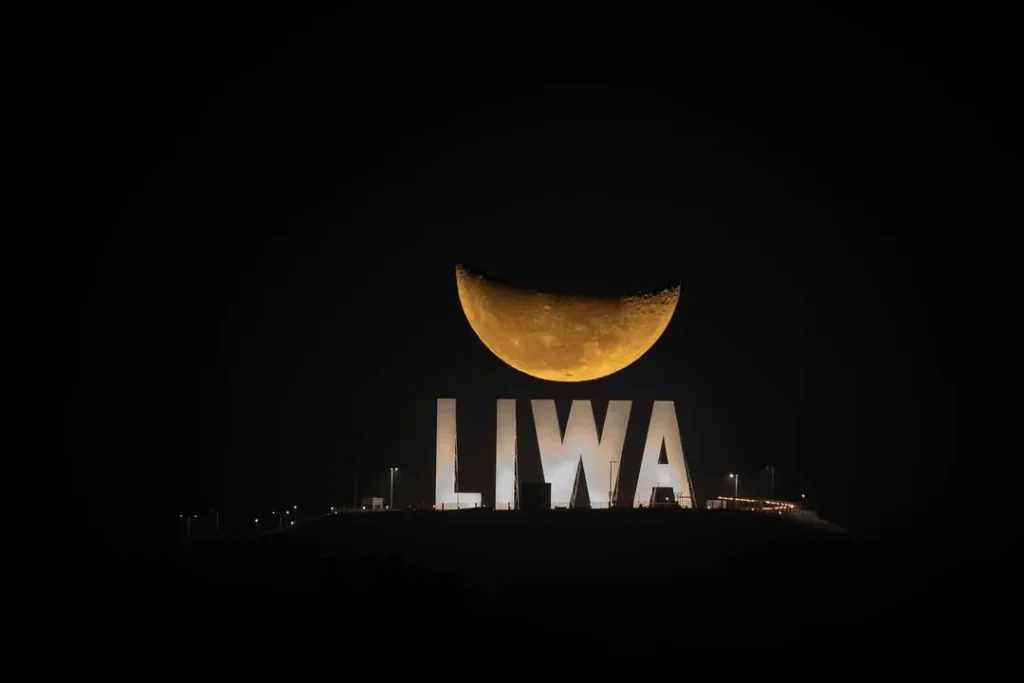
The Timeless Allure Of Liwa As The UAE’s Ultimate Sanctuary For Heritage And Silence By Hafsa Qadeer Some places demand attention through spectacle, while others command reverence through restraint. Liwa Oasis belongs firmly to the latter. Stretching along the northern edge of the Rub’ al Khali, the Empty Quarter, Liwa is not merely a destination on the map of the United Arab Emirates. It is a place of origin, memory, and meaning. In a nation celebrated globally for speed, scale, and ambition, Liwa remains the UAE’s quiet counterpoint: a sanctuary where heritage is not curated, but lived, and where silence is not emptiness, but presence. To understand Liwa is to understand the emotional geography of the UAE itself. Where the Story of the UAE Began Long before oil reshaped the destiny of the Emirates, Liwa was already shaping lives. The crescent-shaped chain of oases owes its existence to underground freshwater reserves that allowed date palms to thrive amid one of the harshest deserts on Earth. This natural miracle transformed Liwa into a cradle of settlement, sustaining communities for centuries and anchoring tribal life in an otherwise unforgiving landscape. Crucially, Liwa is the ancestral homeland of the Bani Yas tribal confederation, from which the ruling families of Abu Dhabi and Dubai emerged. The migration of Sheikh Shakhbout bin Dhiyab Al Nahyan from Liwa to the coast in the late 18th century ultimately led to the founding of Abu Dhabi city itself. In this sense, Liwa is not peripheral to the UAE’s story; it is foundational. Every palm grove, falaj channel, and mudbrick structure here carries echoes of survival, adaptation, and leadership forged in adversity. Liwa is where the ethos of endurance that defines Emirati identity was first tested and refined. A Landscape of Profound Contrasts What strikes visitors to Liwa most forcefully is not its vastness, though the dunes are among the tallest in the world, but its contrasts. Dense clusters of palm trees suddenly give way to sweeping sandscapes that stretch beyond the horizon. Life and barrenness coexist in intimate proximity, each heightening the impact of the other. The dunes of the Empty Quarter are not static. They shift, breathe, and reshape themselves with the wind, creating a constantly evolving canvas of light and shadow. At dawn and dusk, the sands glow in hues of gold, copper, and deep crimson, lending the desert an almost spiritual dimension. Yet despite this grandeur, Liwa never overwhelms. Instead, it humbles. The desert imposes a slower rhythm, compelling visitors to observe rather than consume, to listen rather than speak. In a world saturated with noise and urgency, Liwa offers a rare and increasingly precious experience: stillness. Silence as a Cultural Experience Silence in Liwa is not merely the absence of sound; it is an immersive state. At night, when temperatures cool and the stars emerge in startling clarity, the desert becomes a vast amphitheater of quiet. There are no city lights to compete with the cosmos, no mechanical hum to intrude upon thought. This silence has long shaped desert life. For Bedouin communities, attentiveness to subtle sounds, wind direction, animal movement, and shifting sands was essential for survival. Silence sharpened awareness and fostered introspection. Today, that same silence offers modern visitors something different but equally vital: relief from constant stimulation. Liwa has increasingly drawn artists, writers, photographers, and thinkers seeking creative clarity. The desert does not distract; it reveals. In Liwa, ideas have room to breathe. Fortresses of Memory Scattered across the oasis are historic forts and watchtowers, built primarily in the 19th and early 20th centuries. Constructed from mudbrick and palm timber, these structures were designed not for grandeur but for protection, against rival tribes, raiders, and the relentless elements. Their thick walls and elevated towers speak of vigilance and communal defense, of a time when survival depended on cooperation and foresight. Today, many of these forts have been carefully restored, not as museum pieces, but as living reminders of desert ingenuity. Standing beside these structures, one feels the continuity between past and present. They are physical manifestations of resilience, a reminder that the UAE’s modern stability was forged through centuries of hardship and perseverance. Living Heritage What sets Liwa apart from many heritage destinations is that its traditions are not staged or ornamental. Date farming, for example, remains a central pillar of life in the oasis. The cultivation of dates is both an economic activity and a cultural inheritance, passed down through generations with meticulous care. The annual Liwa Date Festival has become one of the most significant heritage events in the region. It celebrates agricultural excellence, honors farmers, and reinforces the cultural importance of the date palm, often referred to as the “tree of life” in desert societies. Competitions, exhibitions, and auctions attract participants from across the UAE, ensuring that traditional knowledge continues to thrive in a modern context. Similarly, desert sports and gatherings held around landmarks such as Tel Moreeb, one of the world’s tallest sand dunes, reflect the evolving relationship between people and landscape. While high-performance vehicles now climb dunes once traversed by camels, the spirit of challenge and mastery remains deeply rooted in desert culture. Modern Comfort and Ancient Soul Liwa’s engagement with modern tourism has been deliberate and restrained. Luxury desert resorts in the area draw architectural inspiration from traditional forts and Bedouin settlements, blending seamlessly into the landscape rather than dominating it. The emphasis is not on excess, but on immersion, allowing visitors to experience the desert’s majesty without erasing its character. This approach reflects a broader Emirati philosophy: progress need not come at the cost of identity. In Liwa, development enhances appreciation rather than replacing tradition. The desert remains the protagonist. Why Liwa Matters Now At a time when global travel is increasingly defined by speed, spectacle, and digital validation, Liwa offers an alternative narrative. It is not a place for hurried itineraries or constant documentation. It asks something different of its visitors: patience, humility, and presence. For the UAE, Liwa serves as a cultural

Al Madam Ghost Village

Al Madam Ghost Village When the Desert Reclaims the Dream

Al Madam Ghost Village When the Desert Reclaims the Dream By Hafsa Qadeer On a flat horizon of wind-brushed dunes southeast of Sharjah, a dozen pastel-toned houses and a small mosque sit quietly, half-swallowed by the desert. Known as the Buried Village, or Al Madam Ghost Village, this forgotten outpost is more than a curiosity for offbeat travelers. It is a mirror held up to the UAE’s early experiments with modernity, one that reflects not failure, but an unfinished story. A Settlement Meant for a New Era Built in the late 1970s, Al Madam was part of a government initiative to settle Bedouin tribes, particularly the Al Kutbi, into permanent homes. The concrete houses were simple, functional, and arranged around a modest mosque. It was a microcosm of the national ambition of the time: to shift from nomadic life into structured community living, as the newly formed UAE rushed toward a modern statehood. But within a decade, life in Al Madam quietly unraveled. Families left behind furniture, toys, and open doors as they migrated toward cities with better infrastructure, jobs, and services. The desert, unbothered by time, returned to reclaim the settlement, filling living rooms with sand, burying courtyards, and wrapping the minaret in its soft, patient grip. Why Was It Left, and Why Has It Stayed That Way? Harsh environmental conditions played their part. Sandstorms often rendered daily life unbearable. Water supply was inconsistent. The houses, though practical, were not designed to withstand the full force of the desert’s slow invasion. As urban centers like Sharjah and Dubai boomed, Al Madam was gradually emptied, not by disaster, but by disinterest. The bigger question today, however, is why the site has remained untouched in a country where real estate is often measured in millions of dirhams. Why has no one repurposed, restored, or even claimed these ready-made homes? The answer lies in a blend of legal, environmental, and cultural hesitation. The land likely falls under protected heritage jurisdiction or sits in a bureaucratic grey zone with unclear ownership. There are no utility lines or paved roads. The cost of retrofitting this remote area far outweighs any commercial return. And unlike other abandoned villages, such as Ras Al Khaimah’s Al Jazirah Al Hamra, which has been partially restored for tourism, Al Madam has been left to exist on its own terms. Preserved or Forgotten? There are no visitor centers or ticket booths. No curated signs or glossy brochures. Just wind, sand, silence, and stories, if you know where to look. In this untouched state, Al Madam offers something rare in the UAE: authenticity. It has not been stage-managed into a heritage attraction. Instead, it stands as a quiet, decaying relic of the nation’s formative years. Some locals whisper about jinn, blaming the supernatural for the mass departure. But the more grounded truth lies in the slow bureaucracy, environmental impracticality, and perhaps an unspoken national choice: to preserve this place as a living memory rather than a revived destination. What the Desert Tells Us Al Madam is more than a ghost village. It’s a reminder that not every planned community, no matter how well-intentioned, becomes a success story. It’s a meditation on how ambition meets nature, and how not all of the UAE’s past can, or should, be glossed over with development. In a country defined by hyper-modern skylines and luxury lifestyles, this buried village is a quiet monument to resilience, abandonment, and the fragility of vision. For those who make the hour-long drive from Dubai or Sharjah, it offers something no mall or tower can: a raw encounter with a chapter of the nation that time didn’t quite erase, but chose not to rewrite.

The UAE’s Rise as a Destination for Eco-Spiritual Retreats

The UAE’s Rise as a Destination for Eco-Spiritual Retreats

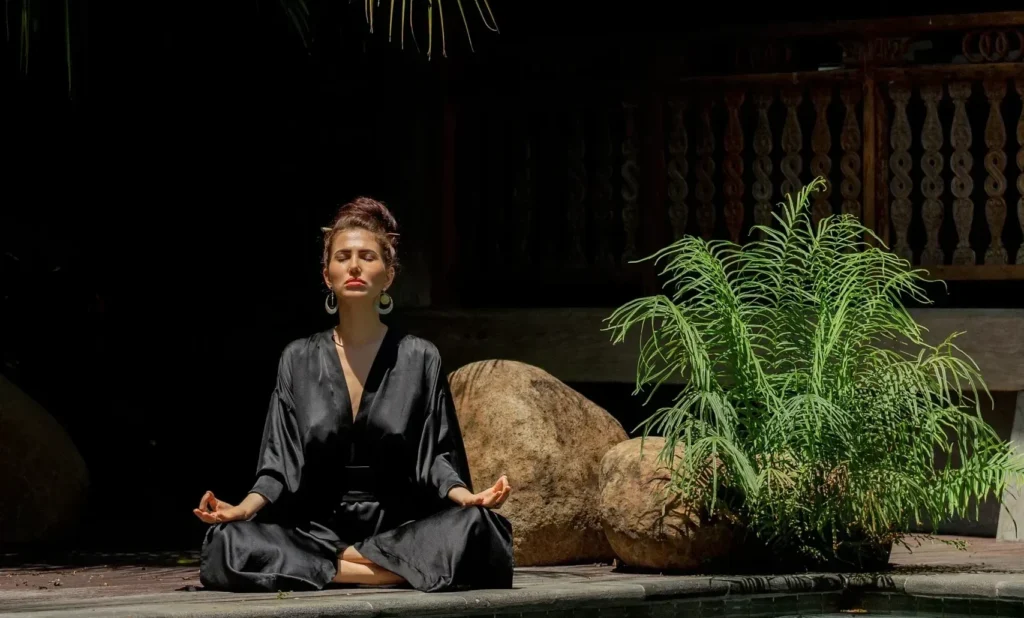
The UAE’s Rise as a Destination for Eco-Spiritual Retreats By Hafsa Qadeer Not all pilgrimages are religious. Some are made in silence. Others, in search of silence. In the UAE, where dunes ripple like golden prayers and the stars still speak in ancient patterns, a new form of journey is calling. One not toward temples or cathedrals, but inward. Welcome to the era of eco-spiritual tourism, where seekers come not just for sightseeing but for soul-searching. And in the heart of the desert, they are finding what cities rarely offer: space to remember who they are. Where Silence Becomes Sacred In a world addicted to noise, the Empty Quarter, the Rub’ al Khali, is becoming full again. Not with caravans, but with consciousness. Wellness travelers now hike into these vast landscapes not to escape, but to connect. To walk barefoot on sands older than civilization. To trade Wi-Fi for wisdom. Retreats near Liwa and Al Marmoom offer no televisions, no schedules, no distractions. Just yoga mats under acacia trees. Stargazing after dates and Arabic coffee. Quiet mornings where even thoughts arrive gently. Here, the desert does not demand. It invites. Faith in Nature, Not Away from It In the UAE, faith and nature were never separate. Bedouins once charted routes by stars and prayed by the movement of the sun. That rhythm remains. Only now, it is being reintroduced through curated experiences, Quranic reflections under the night sky, eco-conscious iftars during Ramadan, and guided hikes that incorporate Islamic philosophy and sustainability. The desert is not merely a backdrop. It’s a spiritual teacher, reminding us of scale, humility, and patience. And as the climate crisis deepens, these retreats also teach reverence, for land, for balance, for the future. From Luxury to Legacy This is not luxury wellness in the Western sense. It’s not about detox juices or infinity pools. Instead, it’s minimalism with meaning. Solar-powered tents, plant-based Emirati meals, heritage storytelling around campfires. Retreats are run in partnership with local tribes, blending ancestral wisdom with modern mindfulness. Tourists are no longer just guests. They become part of a preservation story, of dunes, of traditions, of values. Because healing, in this part of the world, comes not from excess, but from returning to what matters most. The New Global Seeker The UAE’s positioning as a spiritual retreat hub isn’t accidental. In a post-pandemic world, travelers seek more than Instagrammable moments. They want transformation. They want to unplug, but not from meaning. They want space, but not emptiness. And the Emirates, with its openness and infrastructure, offers both solitude and safety. From German therapists to Indian yoga instructors, the country is now a melting pot of healing traditions, attracting seekers from East and West alike. All drawn to the same thing: peace, in its most elemental form. Tourism with a Soulprint The desert does not sell you a version of peace. It quietly hands it back to you. And in the UAE, this has become tourism’s newest and most powerful currency. It is not mass-market. It is soul market. A journey measured not in steps or souvenirs, but in stillness and surrender. And so, as the world spins faster, the UAE remains one of the few places bold enough to say: Come. Slow down. Let the sand carry what you can no longer hold. Let the silence remind you, you are already whole.  

Beyond the Itinerary: The Rise of Gig Tourism in the UAE

The Rise of Gig Tourism in the UAE

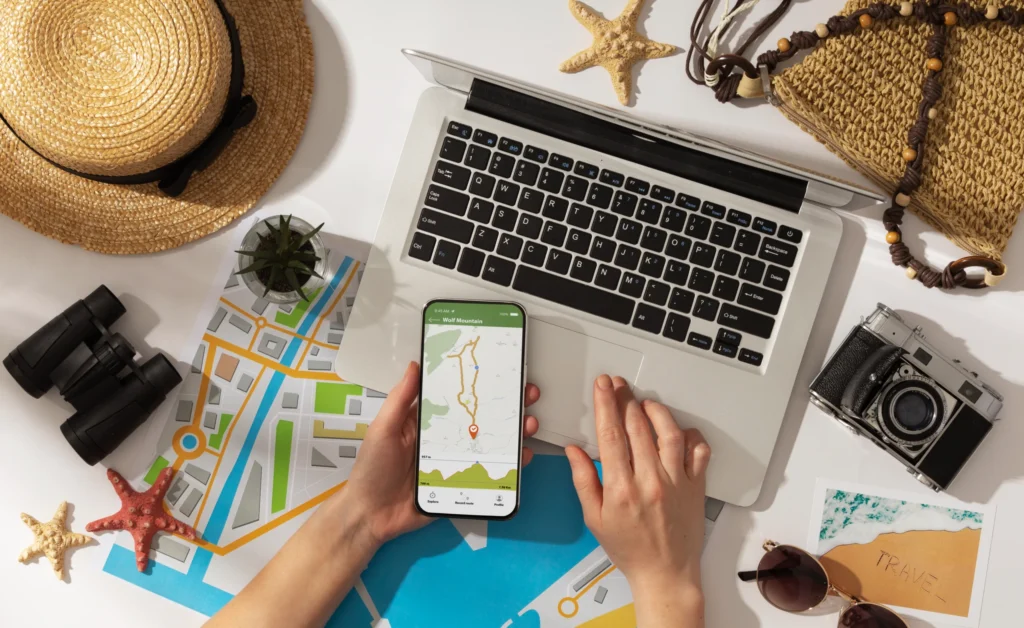
Beyond the Itinerary The Rise of Gig Tourism in the UAE By Hafsa Qadeer In the glowing corridors of Dubai’s Media City and the vibrant alleys of Abu Dhabi’s creative districts, a new kind of traveler is checking in, not with suitcases, but with laptops, lighting kits, and USB mics. They are not tourists in the traditional sense. They are creators. Coders. Musicians. Digital freelancers. And they’ve turned the UAE into something unexpected: a temporary home for global gig workers on the move. This is the quiet ascent of gig tourism, where the traveler isn’t escaping work but carrying it with them, and where leisure and labor no longer sit in opposition but fold into one hybrid experience. It is a response to a world reshaped by remote work, borderless business, and the craving for lifestyle mobility. In 2025, the UAE’s tourism strategy reflects this shift. With streamlined remote work visas, pop-up co-living hotels in Ras Al Khaimah, and desert co-working retreats near Al Ain, the country is not just welcoming gig tourists, it is designing for them. These visitors come for a month, sometimes six, merging weekend dives in Fujairah with weekday UX workshops for global clients. They blur timelines, cultures, and currencies, and they are drawn not only by luxury but by possibility. Dubai’s DIFC cafes have turned into daytime studios. Ajman’s beachfront resorts host creative sprints. Sharjah’s heritage homes now house digital nomads working on podcasts, zines, and virtual galleries. In this gig tourism wave, the UAE becomes less a stopover and more a canvas, one where workspaces look like glass domes in the desert and inspiration flows from both the skyline and the souk. But this is not just economic opportunism. There is something soulful in the exchange. Artists collaborate with Emirati designers. Musicians sample the echoes of old mosques. Developers build blockchain solutions while sipping qahwa beneath mashrabiya windows. The country’s centuries-old rhythm of trade and hospitality simply adapts to a digital tempo. And in this dance of gig and glide, a new narrative is emerging, one that celebrates not escapism, but belonging on your own terms. A tourism not defined by ticketed attractions but by lived, working moments. It’s the sound of a Zoom call from a date farm. A design sprint at a Bedouin tent. A photo shoot in a recycled shipping container turned studio. Gig tourism, at its core, invites us to imagine a different kind of movement, one that isn’t seasonal but fluid. Not leisure-first but life-first. It transforms the UAE from a place you visit into a platform you build from. In the end, what draws people here isn’t just sun or spectacle. It’s the promise that in this country of speed and stillness, you don’t have to choose between career and calling. You can have both.

The Revival of Desert Nomad Routes: Mapping Memory in the UAE’s Empty Quarters

The Revival of Desert Nomad Routes

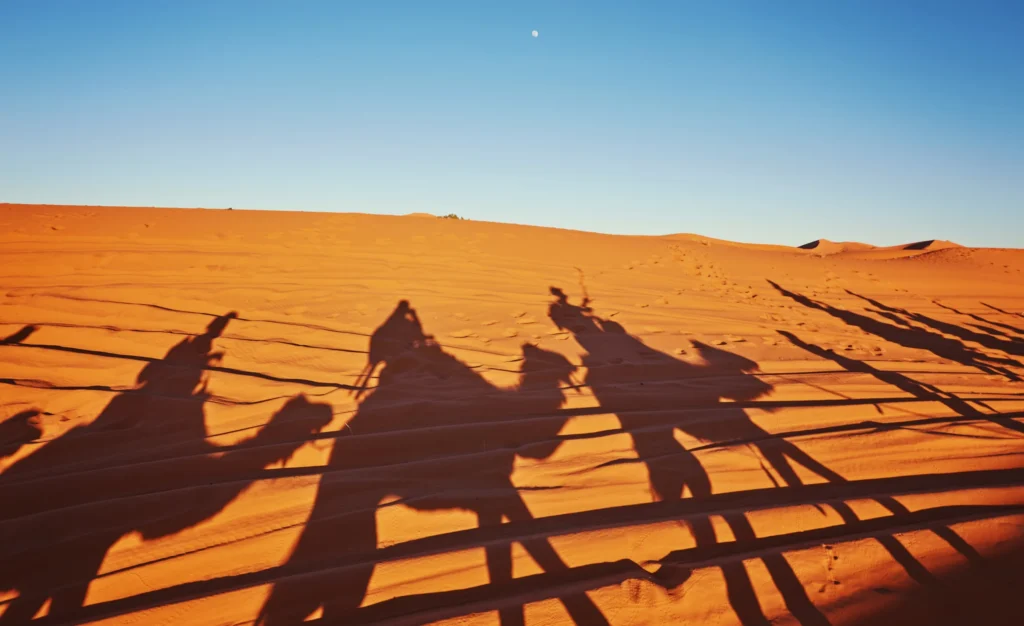
The Revival of Desert Nomad Routes Mapping Memory in the UAE’s Empty Quarters By Hafsa Qadeer Before highways, there were hoofprints. Before GPS, the stars. And before cities crowned the coast, the UAE was a rhythm of tents, wells, and movement, its people forever in dialogue with the dunes. In 2025, a quiet reclamation is unfolding: the ancient nomadic routes once lost to modernization are being revived, not as mere heritage displays, but as immersive journeys for modern pilgrims of culture and consciousness. This isn’t just tourism, it’s time travel. Across the Rub’ al Khali, or Empty Quarter, guided camel caravans now retrace the ancestral trails of Bedouin tribes. These aren’t theatrical re-enactments. They are curated experiences shaped by historians, geographers, and tribal elders who still carry oral maps in memory. The routes stretch like spines across the desert, some leading to forgotten caravanserais, others to seasonal oases that still bloom beneath the heat. Along the way, travelers are taught the language of the land: how to read the wind in the sand, how to pitch a goat-hair tent, how to navigate using the shimmer of the horizon. And at night, there is silence, the kind that humbles ambition. You sit by a fire, cradling gahwa brewed over coals, and listen to stories that predate borders. You don’t just hear the past. You inherit it. This revival is more than cultural, it is ecological. New-age desert camps are designed for minimal impact: solar-lit, waste-free, and built with materials that decompose into the earth. Camels are not props, but companions raised ethically by breeders who see them as kin. Even food is sourced from desert farms practicing ancient permaculture methods. The UAE’s Ministry of Culture and Tourism, in partnership with anthropologists and local tribes, has invested in digitizing and preserving these routes. Yet the spirit of the experience remains analog, slow, embodied, deeply present. For younger Emiratis, especially, this has become a pilgrimage of identity. Schools now organize desert immersion programs, where students learn the nomadic survival arts not as nostalgia, but as resilience training in a changing climate. Artists, too, have joined the caravans, turning sand prints into sculpture, poetry, and film. A new creative desert movement is emerging, one that paints the journey, not the destination. Tourists from across the globe now come not just to see dunes, but to understand why they matter. They leave their Wi-Fi behind. They leave their agendas at the edge of the last gas station. And what they gain is not just a photograph, but a recalibration of pace, of purpose. In an age of acceleration, the desert teaches us to move differently. Not forward. But deeper.