
Areej Nashashibi, Evolution & Creation
“AUTHENTICITY IS NOT ABOUT REMAINING UNCHANGED. IT IS ABOUT ALLOWING YOURSELF TO CHANGE WITHOUT LOSING THE QUALITIES THAT MAKE YOUR VOICE RECOGNISABLE.”
By Editorial Desk
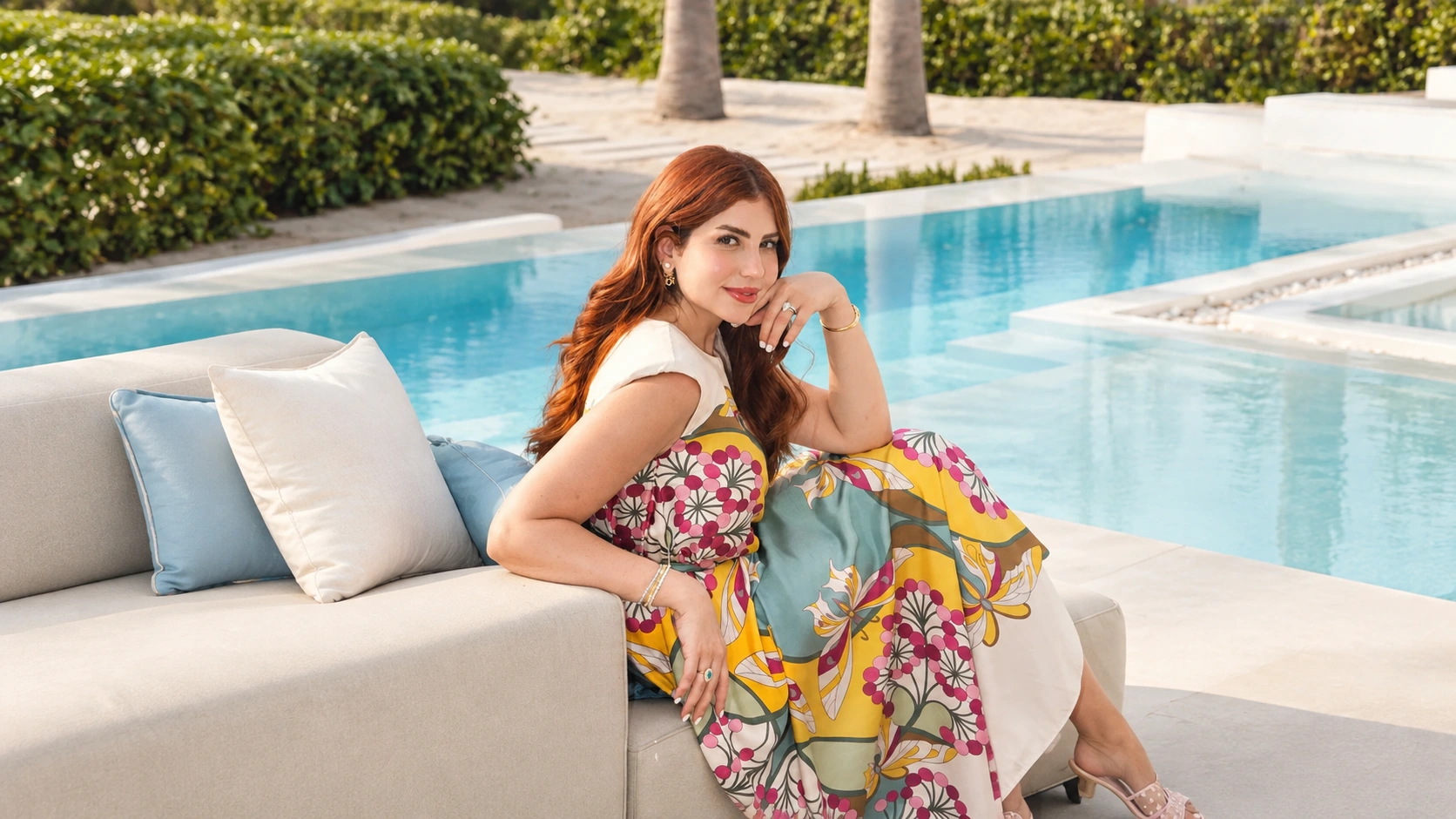
Areej Nashashibi’s career has unfolded across a media landscape that has changed dramatically since she first stepped in front of a television camera. What began in traditional media has evolved through digital content, fashion, beauty and entrepreneurship, giving her a perspective shaped by both sides of the industry. Television gave her the discipline of professional broadcasting; social media gave her the freedom to communicate more personally. Between the two, she found a way of working that is less about choosing one identity and more about allowing it to evolve.
One of the lessons Areej carried from television was the importance of making communication feel personal. Speaking to a camera, she learned to imagine that she was addressing one person rather than an entire audience. It was a small shift in perspective, but one that continues to influence the way she creates today. Information may be what brings an audience to a piece of content, but the feeling created through its delivery is often what determines whether they stay connected to it.
That foundation in traditional media also gave her a sense of discipline and professionalism that remained relevant as the industry moved online. Social media changed the relationship between creator and audience, making communication more immediate and informal, but Areej did not see that shift as a reason to discard what came before. Instead, she found that the confidence and structure developed through television could coexist with the authenticity and closeness of digital platforms.
The transition was not without its uncertainties. At one point, Areej had a very defined picture of what success would look like. She imagined progressing further within traditional media and eventually having her own television show. As the industry changed, however, that particular path became less certain. Rather than treating the shift as a failure, she learned to reconsider what she had originally imagined for herself.
That experience became one of the more important lessons in her career: changing direction does not necessarily mean losing your way. Sometimes the idea of success we hold onto is simply a version of the future we understood at a particular point in our lives. When circumstances change, holding onto that version too tightly can prevent us from recognising another possibility. For Areej, some of the opportunities that followed emerged precisely because she allowed herself to move beyond the career she had originally pictured.
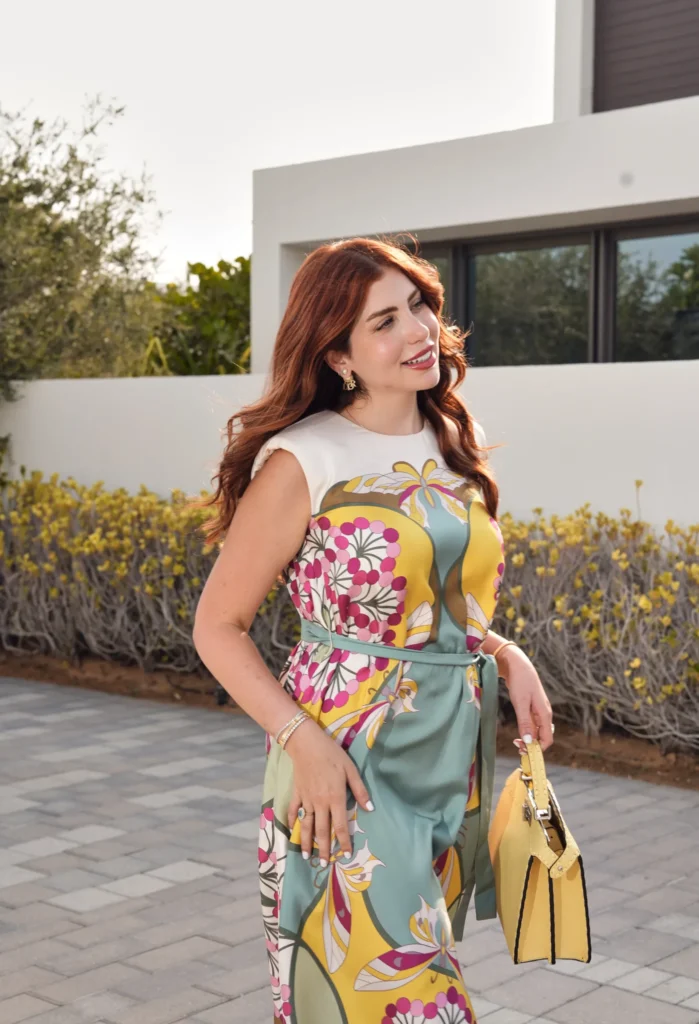
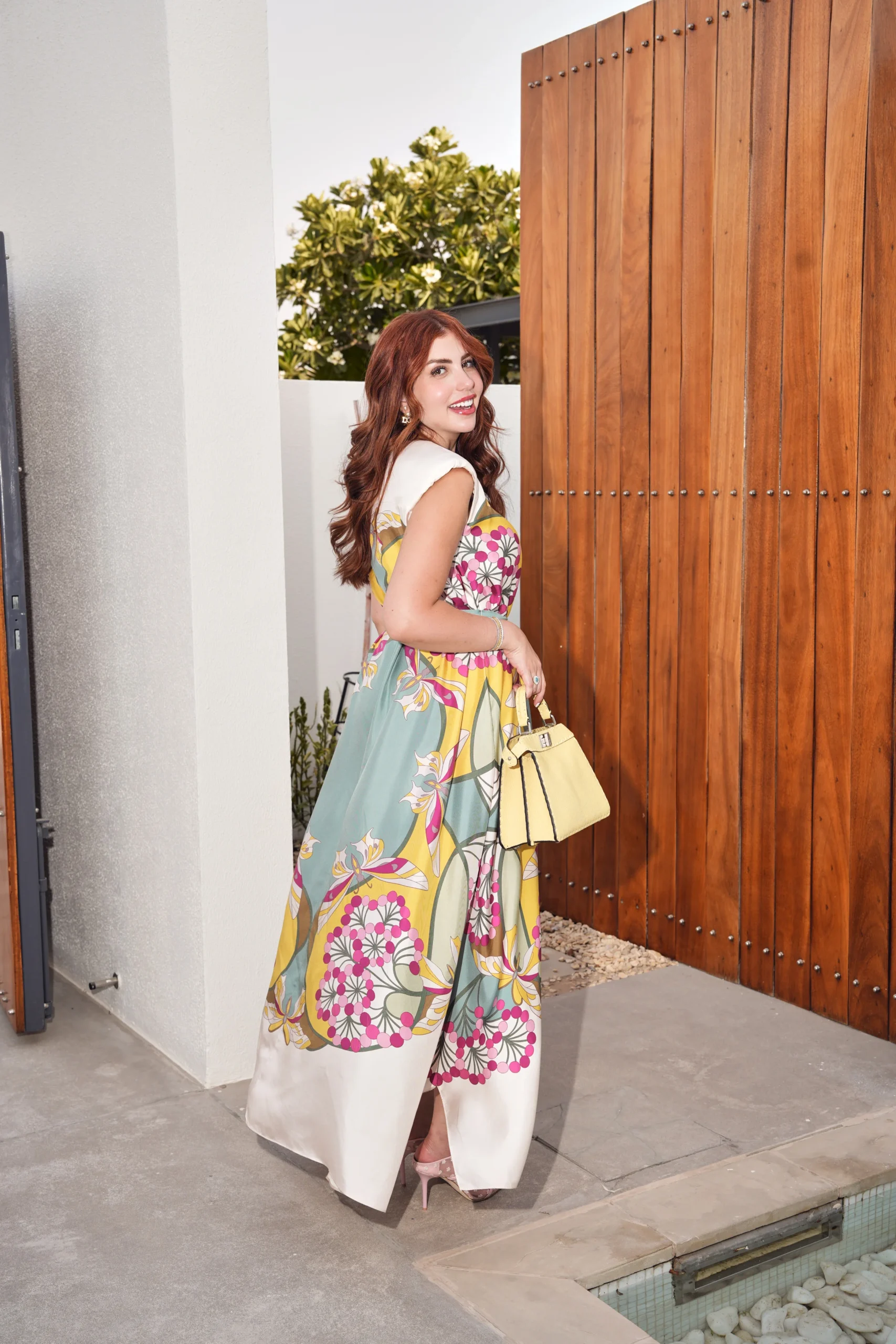
That openness has become particularly relevant as her work has expanded across creativity and business. Working in media, fashion, beauty and entrepreneurship has shown her that the two are not separate worlds. Creativity can attract attention, but understanding the business behind that attention determines whether it can become something sustainable. Knowing an audience, understanding positioning, recognising personal value and having a clear sense of direction all become part of the creative process when a personal platform is also a business.
For Areej, the challenge lies in knowing when to approach something as a creator and when to approach it as a businesswoman. Neither side can be allowed to completely overtake the other. Too much commercial thinking can dilute the qualities that made an audience connect with someone in the first place, while creativity without an understanding of business can make it difficult to build something lasting. The balance is not always straightforward, but learning to navigate it has become part of her evolution.
That distinction is also central to the way she views visibility. In an industry where numbers can become an immediate measure of influence, being seen can easily be mistaken for having succeeded. Areej does not see the two as interchangeable. An audience may be large, but meaningful influence requires something beyond reach. It can take the form of trust, a community, a business, new opportunities or simply the ability to create a life and career that reflects a person’s own priorities.
Her perspective is particularly relevant for women building public careers, where visibility can sometimes become an expectation in itself. Areej’s advice is to think beyond the attention being generated in the present and ask what that attention is building towards. A platform has greater value when it can lead somewhere, whether that means creating a business, establishing credibility, developing opportunities or building a community that remains connected beyond individual pieces of content.
The idea of building something that exists beyond visibility has also changed the way Areej understands relevance. Earlier in her career, she associated staying relevant with remaining constantly present. Today, she sees it differently. Relevance requires curiosity about how the industry is changing and the flexibility to adapt, but it also requires enough self-awareness to know what should remain consistent.
Platforms change. Trends move quickly. Audience behaviour evolves. For anyone working publicly, adapting is unavoidable. But Areej believes there is a difference between evolving and constantly reinventing yourself to follow whatever happens to be popular. If every change in the industry produces a different version of you, the audience eventually loses a sense of who you are. Authenticity, in that sense, is not about remaining unchanged. It is about allowing yourself to change without losing the qualities that make your voice recognisable.
That may be the most significant shift in Areej’s own understanding of her career. The ambition that was present when she first entered television has remained. What has changed is what she wants that ambition to lead towards. She still believes strongly in her ability to create something for herself, but she no longer defines that possibility through a single title, platform or milestone.
Her definition of success has become more expansive and, perhaps, more personal. It includes the freedom to evolve, the ability to build businesses she believes in, meaningful connections with people and a life that retains value outside of work. The question is no longer simply whether she has reached the destination she once imagined. It is whether the life she is building continues to feel like one she has chosen.
For someone whose career has moved alongside one of the biggest transformations in modern media, that distinction feels significant. Areej’s journey reflects an industry in which the route is no longer necessarily linear, and where a career can move between screens, platforms and businesses without requiring a person to leave one identity behind to create another.
What remains constant is the belief that there is always something more to build. The difference is that Areej no longer sees that as a fixed destination. She sees it as the freedom to keep becoming.