Shahd Naser, Representation to Creation
By Janhavi Gusani
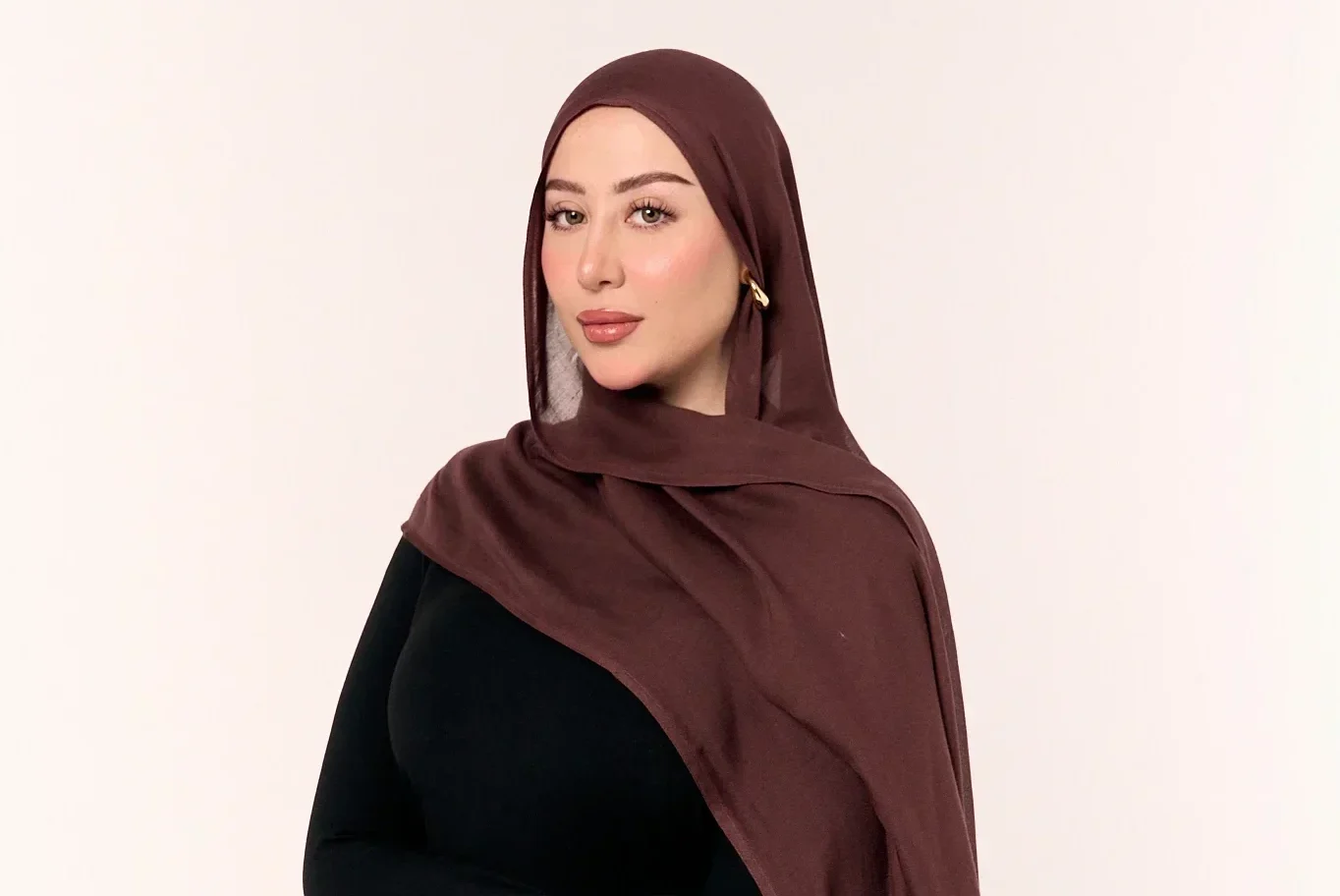
Shahd Naser has grown with an audience that has watched her evolve from a university student sharing affordable beauty content into a creator, podcaster, entrepreneur, and founder. What began in 2017 as a genuine interest in makeup, photography, and being in front of the camera has developed into a broader creative career, one shaped by representation, trust, education, and an increasingly clear understanding of what it means to build something of her own.
For Shahd, content creation was never simply about being visible. Even in its earliest stages, there was an instinct toward accessibility. Her beauty, skincare, and DIY videos focused on products and ideas that young women could realistically recreate without needing an extensive budget. It was a simple premise, but one that established an important connection: creating for people rather than simply creating for the platform.
Her decision to wear the hijab in 2019 became another defining chapter. Shahd chose to remove her previous content and begin again, uncertain of how her audience would respond. Instead, the transition strengthened the relationship she had built with her community. As her audience continued to grow, so did the significance of the platform she occupied. Messages from young women describing how her content had influenced a decision, helped them through an experience, or simply made them feel represented changed her understanding of responsibility.
The audience was no longer watching a creator from a distance. They were growing alongside her.
Today, at 29, Shahd can look back at a community that has witnessed multiple versions of her life. That continuity has become central to her approach to influence. Rather than presenting an idealised version of herself, she has allowed her platforms to evolve alongside her personality, priorities, and perspective.
That evolution has also shaped her creative voice. Early in her career, participating in trends was part of understanding social media and connecting with a younger audience. With time, however, Shahd learned that relevance does not require constant participation. She can appreciate a trend without making it part of her identity.
That distinction has become an important part of her maturity as a creator: knowing what belongs to her and what does not.
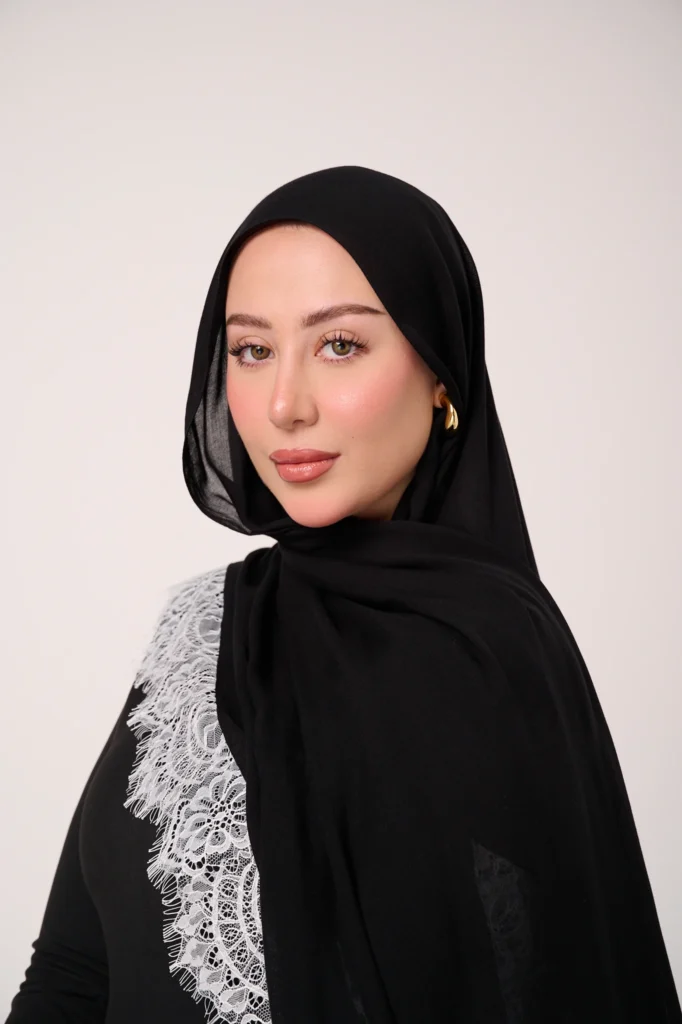
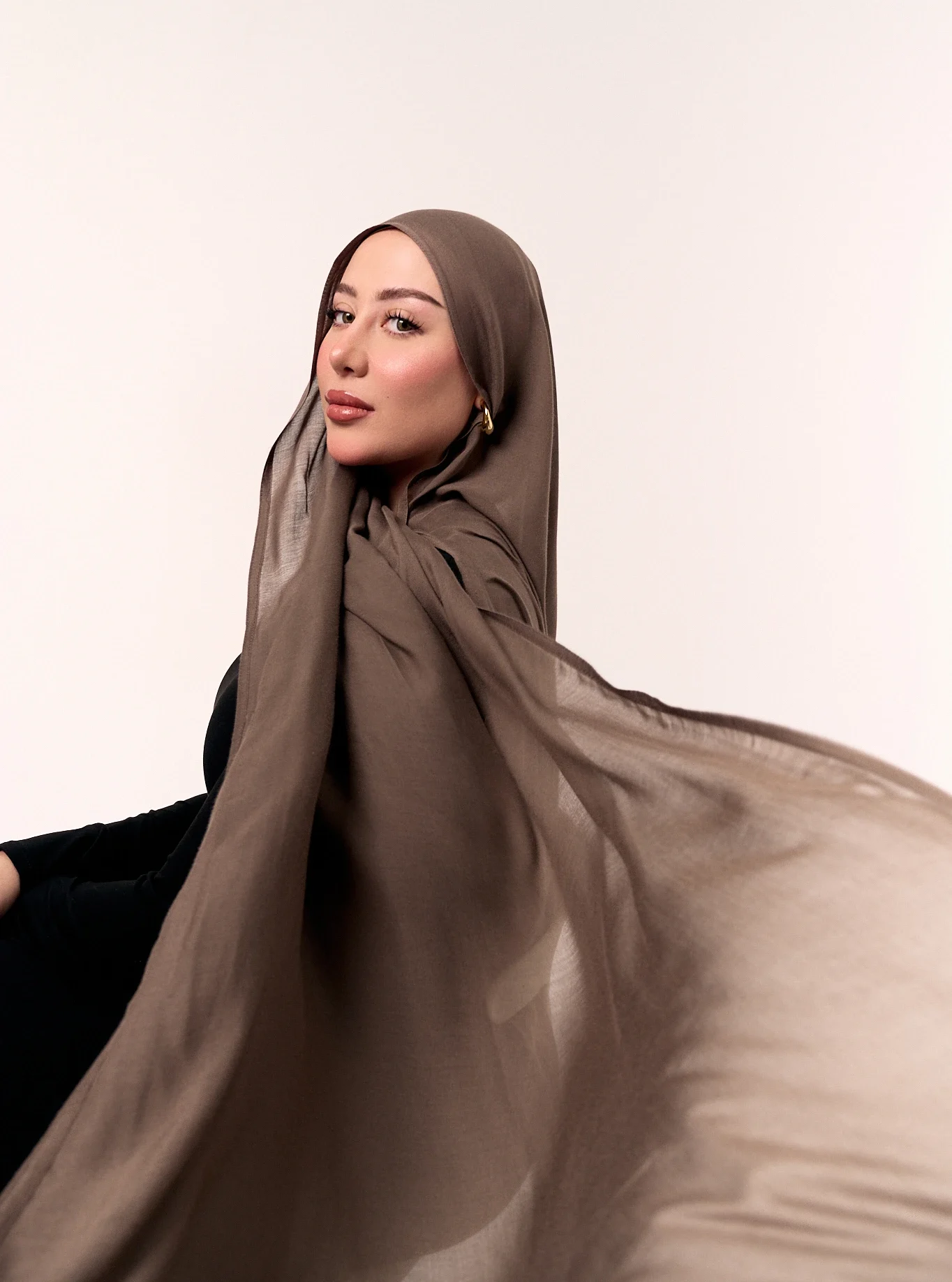
Her digital presence reflects this increasingly intentional approach. YouTube allows for longer, more spontaneous glimpses into her life through vlogs, travel, updates, and conversations. Snapchat captures her most casually, while Instagram and TikTok offer shorter, more polished and useful content. Her podcast, Athar, meaning “impact” in Arabic, gives her another space entirely—one where conversations can move beyond the pace and limitations of short-form content.
Across these platforms, however, there is a consistent visual sensibility. Shahd gravitates toward elegance, calm colours, clean photography, and considered details. Her perfectionism is visible in the way she approaches presentation, but she is equally conscious of ensuring that refinement does not become distance. The polished imagery exists alongside skin texture, mistakes, difficult days, and the less perfect parts of life.
That balance is particularly important in beauty content, an industry where the line between inspiration and insecurity can easily become blurred.
For Shahd, makeup is fundamentally creative. It is art, self-expression, and a form of enjoyment. But it should never become a requirement for feeling worthy or beautiful. Her approach is therefore grounded in both aesthetics and honesty: show the beauty, but also show the reality behind it.
Freckles, breakouts, skin texture, professional lighting, carefully selected angles, and editing all form part of the conversation. The objective is not to reject beauty standards altogether, but to give audiences enough context to understand that what appears effortless online often has a process behind it.
That same principle informs her approach to influence more broadly. Numbers matter. Views, engagement, and reach are part of the business of being a creator. But Shahd does not equate reach with impact. A video can receive millions of views and still create little meaningful value—or even generate a negative response.
For her, the more powerful measurement is trust.
A message from someone saying that her content encouraged them to make a better decision, work on themselves, or simply feel understood carries more weight than an analytics report. That trust also informs the commercial choices she makes. Shahd has turned down financially attractive opportunities when she did not genuinely believe in the product, protecting a relationship with her audience that took years to build.
It is this understanding of influence that led to Athar. The podcast represents a deliberate move from quick consumption toward deeper conversation, creating room for ideas that cannot always be communicated within a short video. Its very name reflects Shahd’s larger ambition: to leave an impact that exists beyond metrics.
Her relationship with the UAE has been equally formative. Born in Abu Dhabi and raised entirely in the country, Shahd describes the UAE not simply as a place where she works, but as home. Growing up surrounded by people from different nationalities, cultures, religions, and backgrounds taught her early that there is no single way to see the world.
That diversity has influenced her understanding of beauty and self-expression as much as her communication style. Traditional clothing, modest fashion, international trends, and different interpretations of elegance exist alongside one another. The result is an environment in which identity does not have to fit a single definition.
The UAE has also provided the infrastructure and confidence for Shahd to think beyond content creation. With a background in Marketing and a Master’s degree in Innovation and Entrepreneurship, graduating with distinction, she approached entrepreneurship as an extension of both education and lived experience.
By Shahd emerged from a need she understood personally.
As a hijabi woman, Shahd knew the frustration of searching across different places for high-quality hijabs, suitable fabrics, reliable undercaps, accessories, and the small essentials that influence comfort and confidence. Her audience had been asking similar questions, reinforcing the idea that a personal frustration could represent a much larger unmet need.
But bringing that idea to market was not an immediate process. Her first production order did not meet her standards. Rather than launch with a product she considered inadequate, she distributed the pieces and returned to research and development.
For the following two years, she tested fabrics, worked with manufacturers, compared quality, and refined the details. The decision to delay the launch demonstrates an important distinction between influence and entrepreneurship: when your name is on the product, personal reputation becomes inseparable from business responsibility.
By Shahd is therefore intended to be more than a collection of hijabs. Shahd envisions it as a destination where hijabi women can find the essentials they need in one place, developed from the perspective of someone who lives the experience herself.
Her earlier venture, Thobee, reflects another dimension of that identity, drawing inspiration from the traditional clothing and heritage of Palestine and Jordan. Together, the businesses reveal two different but connected sides of Shahd: one grounded in heritage, the other in everyday experience.
The transition from creator to founder has fundamentally changed her understanding of responsibility. As a creator, she could decide which existing products deserved her endorsement. As a founder, she is responsible for creating the product, determining its quality and pricing, overseeing packaging and content, and ultimately shaping the customer experience.
That responsibility has not diminished her creativity; it has expanded it.
For Shahd, one of the greatest rewards of entrepreneurship is ownership—the freedom to develop an idea and execute it according to her own standards. Her perfectionism can make the process more demanding, but it also reinforces her refusal to release something that feels unfinished or compromised.
Her perspective reflects a broader shift taking place among women in the region’s creative industries. The creator is increasingly becoming the founder, and personal influence is becoming the foundation for businesses with their own identities and ambitions. Shahd sees this not as a competition for limited space, but as an expanding landscape where new ideas can coexist.
Her message to aspiring women is therefore straightforward: start.
You do not need to know everything on the first day. You can learn, restart, change direction, and build progressively. Her own career is evidence of that process. The university student creating affordable makeup videos is not separate from the founder building a business today; every stage provided knowledge for the next.
Ultimately, Shahd’s ambition extends beyond maintaining relevance. She wants young women to recognise the value of their own experiences—to understand that a small problem they encounter personally may point toward a need shared by thousands of others.
That may be the most meaningful evolution in Shahd Naser’s journey: from creating content for an audience to creating possibilities for it.
Her story demonstrates that influence does not have to end with attention. It can become trust, then community, then enterprise. And when personal experience is combined with education, discipline, creativity, and the courage to begin again, a platform can become something much larger than itself, a foundation for building a legacy.