
Mais Mohammed, The Spotlight & the Art of Meaningful Connection
By Paul Smith
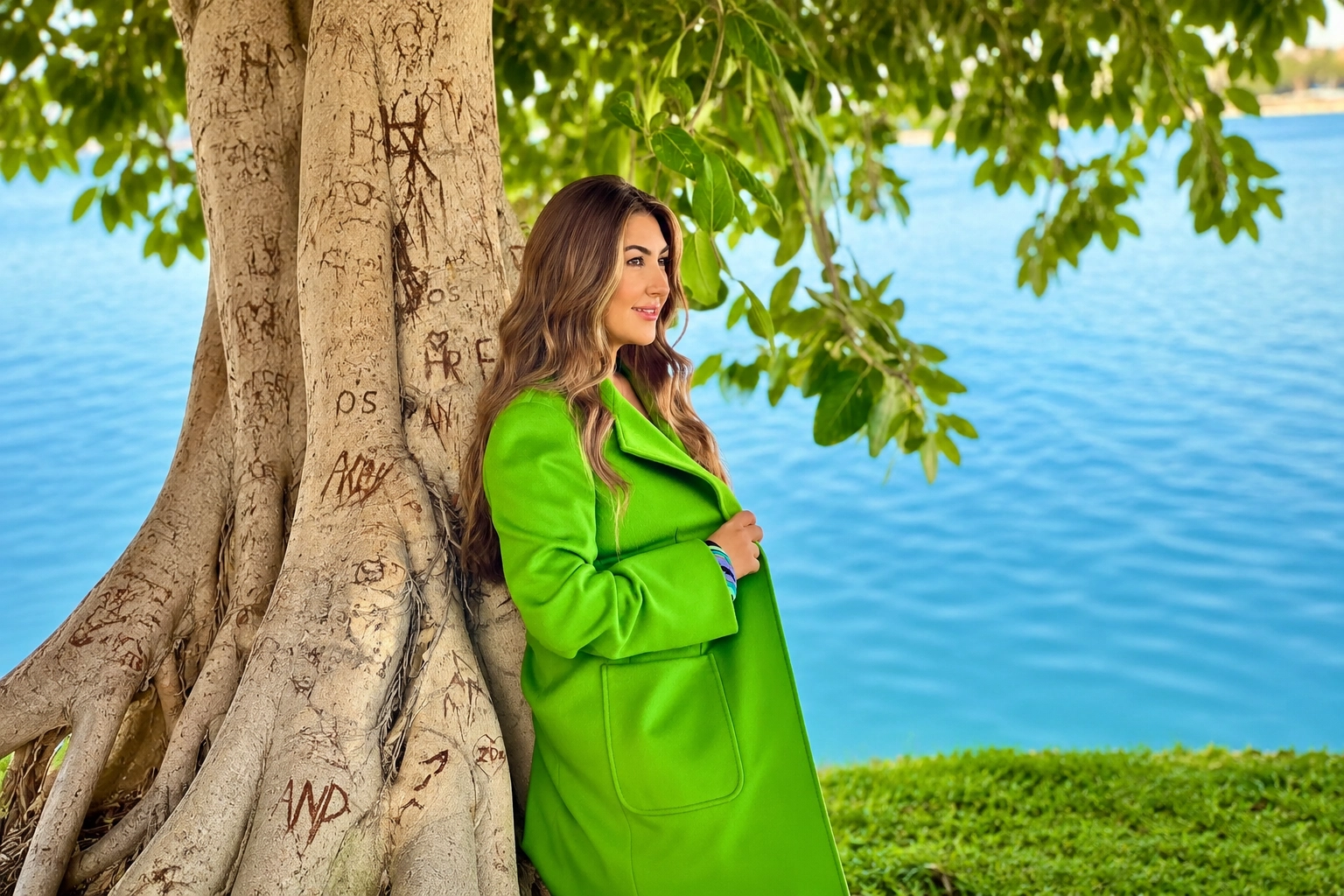
In a career spanning radio, television, live events, digital media, coaching, and entrepreneurship, Mais Mohammed has continually reinvented what it means to communicate with purpose. Her professional journey has never been confined to a single platform or title; instead, each chapter has added another dimension to her understanding of people, presence, and connection.
Radio taught Mais how to create intimacy with someone she could not see. Television taught her the power of presence. Live events taught her to read a room. Social media showed her how quickly audiences can recognise what is genuine. And coaching gave her perhaps the most important lesson of all: how to listen.
For more than 15 years, communication has remained at the centre of her work, but its meaning has evolved. To Mais, being a good communicator is not about speaking beautifully or finding the perfect words. It is about making another person feel understood.
That distinction has become central to both her professional philosophy and her personal evolution. Her career has crossed industries and identities, requiring her to repeatedly step beyond versions of herself that were once familiar. Radio presenter, television personality, host, coach, entrepreneur, content creator, each role brought its own expectations, but none was allowed to become a permanent definition.
There is a particular vulnerability in reinvention. Leaving behind something at which you have become successful can feel less like progress and more like abandoning an identity you worked hard to build. Mais has experienced that tension firsthand. With time, however, she has come to see evolution differently: beginning again does not mean beginning from nothing. Experience travels with you. So do relationships, failures, confidence, perspective, and the lessons gathered along the way. For Mais, discomfort has consequently become less of a warning and more of a question: Am I staying because this still feels right, or because it feels familiar?
It is a question that extends beyond career decisions. In a culture increasingly fascinated by personal branding, reinvention, and public visibility, Mais brings a grounded perspective to the idea of building a public identity. She has experienced both traditional media and the immediacy of the digital world, where almost anything can become content and attention can be quantified within seconds. Her conclusion is simple: a personal brand should not be a character.
The strongest public presence, she believes, is an amplification of something that already exists. Authenticity does not require revealing every corner of one’s life. It requires alignment between what is presented and what is true. That distinction becomes increasingly important in an environment where followers, views, engagement, and reactions can easily become measures of personal worth.
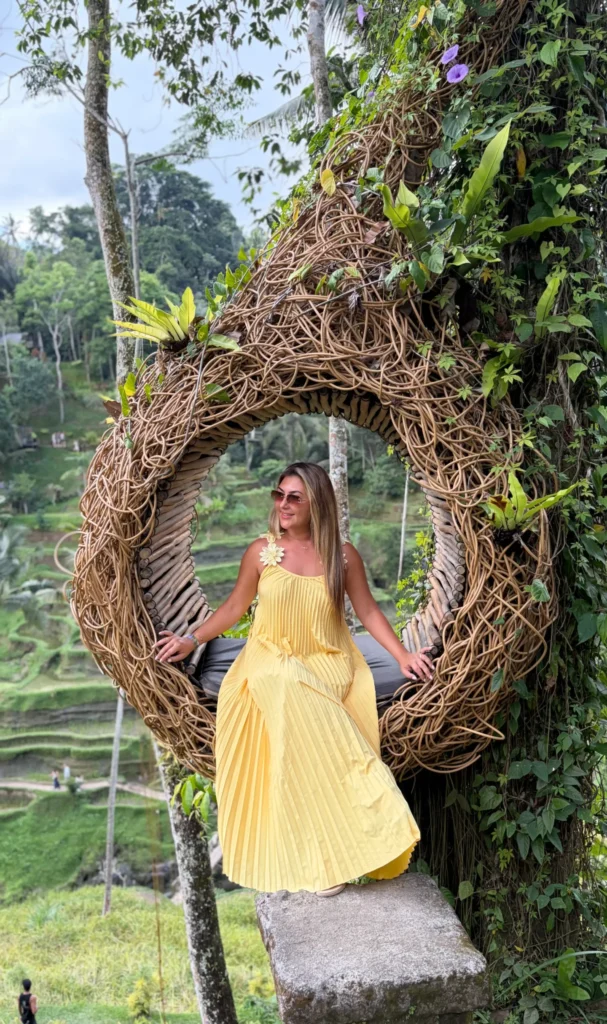
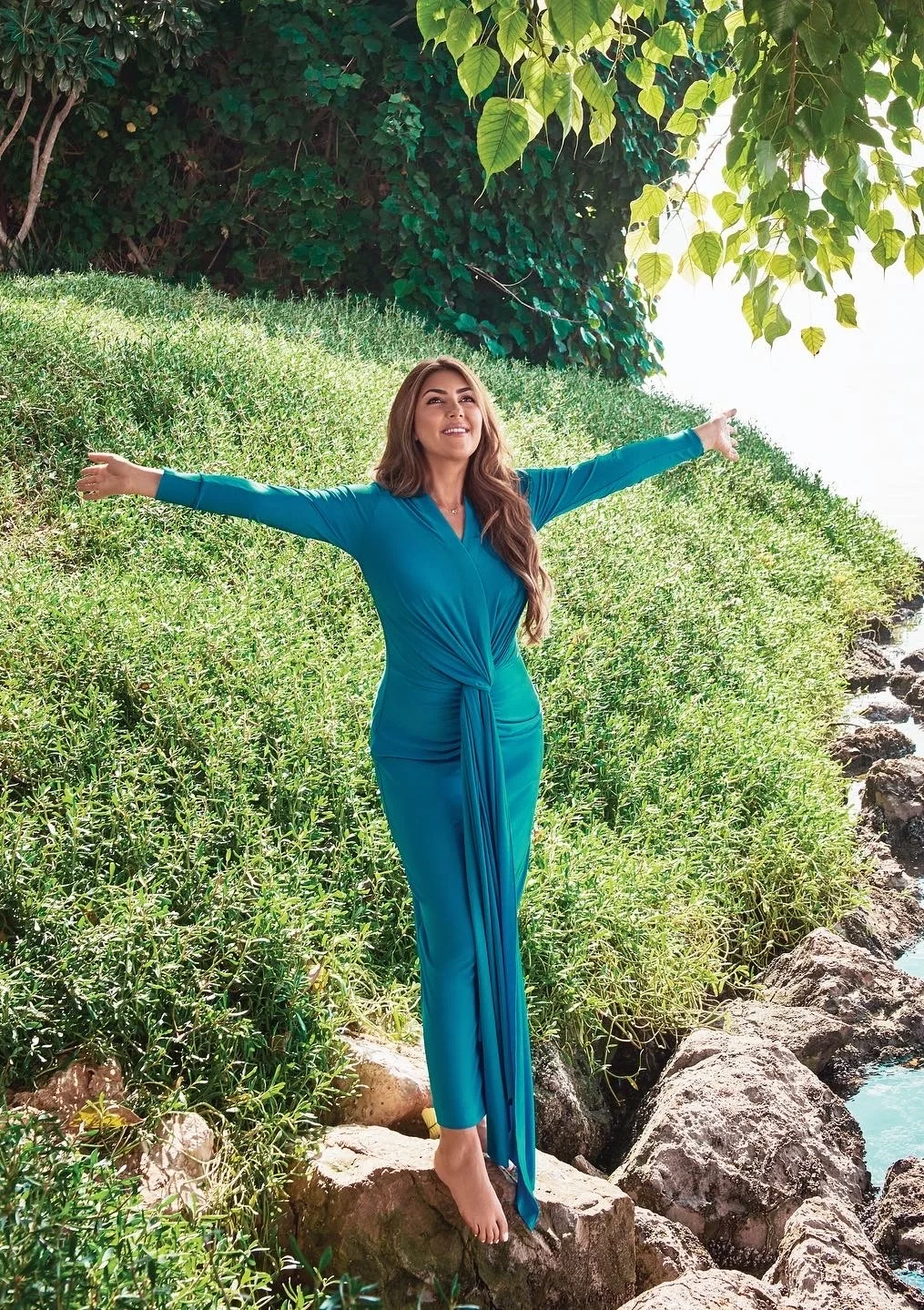
Mais is conscious of that danger. Visibility can become addictive when attention begins to replace self-understanding. Her answer is not to reject visibility, but to establish a life beyond it—to maintain relationships that are not professional, experiences that do not need to become content, and parts of oneself that remain entirely private.
For someone whose career has been built around communication, this may seem paradoxical. But perhaps it is precisely because Mais understands communication so deeply that she recognises the importance of silence. Radio taught her that the absence of visuals makes every nuance of the voice significant. Coaching taught her an even more profound lesson: sometimes the most meaningful response is no response at all. Listening long enough can allow another person to hear themselves.
In that sense, her approach to communication has moved from performance to presence. The question is no longer simply what she wants to say, but what the person in front of her needs to understand, feel, or discover. That philosophy has also reshaped her understanding of success. Earlier in her career, achievement was naturally measured through external markers, the next television opportunity, the larger stage, recognition, numbers, and milestones. Ambition remains important to Mais, but it no longer carries the same definition of fulfilment.
Today, success is more closely associated with freedom: the freedom to choose meaningful work, decide where her energy belongs, create impact, and still have room to live outside achievement. It is a significant shift in perspective. Modern professional culture often encourages people to pursue one milestone after another without stopping to examine the person being created in the process. Mais now asks a more personal question: not only what am I achieving, but who am I becoming while I achieve it?
Her perspective has also been shaped by the environment in which she has built her life and career. Growing up in the UAE exposed her to a diversity that is difficult to replicate elsewhere. Different nationalities, cultures, industries, languages, and worldviews coexist within the same spaces, making adaptability almost instinctive.
For Mais, that environment cultivated curiosity before assumption. It taught her that there is rarely one correct way to communicate, build relationships, define success, or understand the world. It also reinforced a belief that reinvention is not something to fear.
The UAE’s culture of possibility has particular resonance for someone whose own career has continually evolved. She has watched people arrive with one ambition and build lives that look entirely different from what they initially imagined. That atmosphere has strengthened her conviction that a person’s past does not have to dictate the shape of their future.
Her understanding of confidence has evolved in a similarly nuanced direction. As a woman navigating competitive professional spaces, Mais has learned that confidence is not about entering a room convinced of one’s superiority. It is about entering without needing to prove that one deserves to be there.
There is also a wider cultural tension she recognises: women are often encouraged to be ambitious within carefully prescribed limits, to be confident, but not intimidating; successful, but not unapologetic about wanting more. Mais’s response has been to stop negotiating with herself over whether she is permitted to take up space.

Resilience, too, has acquired a more mature meaning. Strength is not always about enduring more. Sometimes it is knowing when to step away, establish a boundary, rest, or refuse to give further energy to something that no longer deserves it. And finding one’s voice is perhaps less about creating something new than removing the expectations and conditioning that taught us to silence it. That philosophy increasingly informs what Mais wants her next chapter to represent. The ambition is no longer simply to be known, but to be remembered for something meaningful.
Her work in media gave her a platform. Coaching gave that platform purpose. Entrepreneurship has given her the ability to turn ideas into experiences and tools that can exist beyond a television screen or social media feed. Through her book The Game of Expectations, her wellness brand Disconnect, and her broader work around awareness and personal transformation, she is increasingly interested in creating moments that interrupt the noise and return people to themselves.
That may ultimately be the most distinctive thread running through Mais’s career. She has spent years communicating with audiences, yet her ambition now reaches beyond being heard. It is about creating the conditions for other people to hear themselves.
In an age obsessed with visibility, that is a quietly radical ambition. The most lasting legacy, Mais believes, may not be a list of achievements, titles, platforms, or numbers. It may simply be the feeling left behind after someone encounters your work.To be remembered is one thing. To leave someone with a new question, a little more courage, or a deeper understanding of themselves is another. For Mais, that is where influence begins to mean something more.