The New Desert Dynasty, A Generation of Emirati Visionaries Is Rewriting Wealth, Influence, and the Future of the Gulf Economy
By Hafsa Qadeer

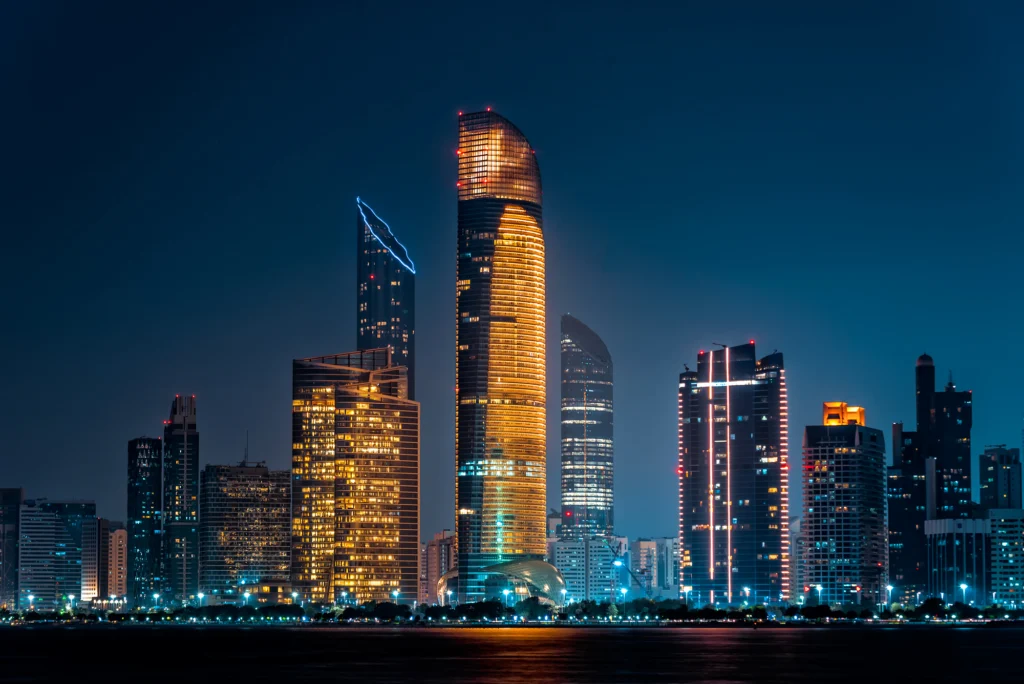
Across the skyline of the United Arab Emirates, a profound transformation is unfolding. It is visible in the gleaming towers that continue to rise from the desert, in the private investment firms quietly deploying capital across continents, and in the growing number of entrepreneurs building companies designed not merely for regional success but for global influence. Yet the most important shift taking place in the Gulf is not architectural or financial. It is generational.
For decades, international perceptions of Gulf wealth were largely defined by oil, real estate, and state driven development. While those foundations remain an essential part of the region’s story, they no longer capture the full picture. A new chapter is emerging, one led by a generation of Emiratis whose ambitions extend beyond traditional industries and whose understanding of wealth is rooted in innovation, technology, entrepreneurship, and long term value creation.
Unlike previous generations, many of today’s Emirati business leaders grew up in a nation that had already established itself as a global success story. They inherited world class infrastructure, international connectivity, and access to some of the finest educational institutions in the world. Many studied abroad, developed global networks, and returned home carrying a different perspective on opportunity. Rather than focusing solely on preserving wealth, they became interested in creating entirely new sources of it.
This shift has quietly altered the character of the Gulf economy. The region’s most dynamic entrepreneurs are increasingly building technology companies, investing in artificial intelligence, supporting venture capital ecosystems, and participating in sectors that barely existed within the region a decade ago. Their outlook is international, yet their confidence remains deeply rooted in the Emirates itself.
What makes this generation particularly fascinating is its ability to balance modernity with tradition. They move comfortably between centuries old cultural values and conversations about machine learning, climate innovation, biotechnology, and digital finance. The majlis and the boardroom coexist naturally within their world. Heritage is not something they are leaving behind. Instead, it serves as a foundation upon which they are building the future.
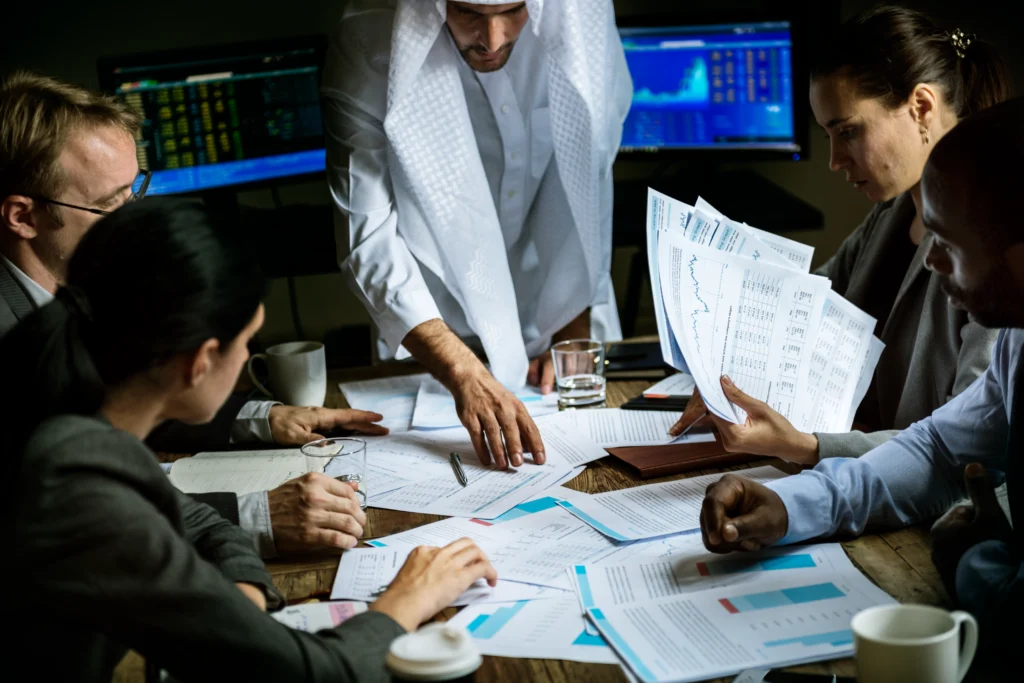
This balance is perhaps most visible within the growing network of private investment circles and family offices that have become increasingly influential throughout the Gulf. Historically focused on wealth preservation, many of these institutions are now operating with the sophistication of global investment firms. Capital originating in Abu Dhabi and Dubai is flowing into technology ventures, healthcare innovations, renewable energy projects, advanced manufacturing, and international acquisitions. Decisions made within the Emirates increasingly shape conversations far beyond the region itself.
Yet despite this expansion, there remains a distinctly Gulf approach to business. Unlike some markets driven by short term gains and rapid exits, Emirati investors often maintain a remarkably patient perspective. Long term thinking remains embedded within the culture of wealth creation. Success is measured not only by immediate returns but by sustainability, resilience, and legacy. The focus is often on building institutions capable of thriving across generations rather than merely producing temporary financial victories.
Legacy, in fact, sits at the heart of this new economic philosophy. Many of the region’s emerging entrepreneurs speak about contribution with the same passion they speak about profit. Economic diversification, innovation, education, sustainability, and national development are increasingly viewed as interconnected goals rather than separate ambitions. Business success is not simply about personal achievement. It is about participating in a larger story of transformation.
Dubai has become one of the most visible symbols of this evolution. Its position as a global hub for entrepreneurs, investors, and innovators continues to strengthen, attracting talent from every corner of the world. At the same time, Abu Dhabi has established itself as a formidable centre of finance, sovereign investment, and strategic innovation. Together, the two cities have created an ecosystem that allows local ambition and international expertise to flourish side by side.
The appeal of the Emirates extends beyond access to capital. Entrepreneurs are drawn by stability, visionary leadership, regulatory flexibility, and a willingness to embrace emerging industries. The country has developed a reputation as a place where ideas are not merely discussed but actively implemented. In many respects, the UAE has become a testing ground for what future economies may look like.
Artificial intelligence offers a particularly striking example. While many nations continue debating the implications of emerging technologies, the Emirates has moved decisively towards positioning itself at the forefront of innovation. Public and private investment in advanced technology infrastructure reflects a broader belief that future prosperity will be determined by knowledge, data, and intellectual capital as much as physical resources.
At the same time, sustainability has become increasingly important to younger Emirati investors and entrepreneurs. A generation raised within one of the world’s great energy economies now finds itself investing heavily in renewable energy, climate solutions, food security, and sustainable development. Rather than viewing this as a contradiction, many see it as a natural evolution. They understand that long term prosperity depends upon adaptability, and few regions have embraced that reality with greater determination.
Women have also emerged as an increasingly powerful force within this transformation. Across technology, finance, entrepreneurship, healthcare, media, and investment, Emirati women are playing influential leadership roles and helping redefine traditional perceptions of power and success. Their growing presence reflects a broader shift towards a future driven by talent, expertise, and vision rather than conventional assumptions about authority.
Perhaps the most remarkable aspect of this new generation is its relationship with success itself. While luxury remains a visible part of Gulf culture, there is a growing emphasis on purpose alongside prosperity. Prestige is increasingly linked to innovation, impact, and creation rather than consumption alone. The most admired figures are often those building companies, solving problems, advancing industries, and contributing to the nation’s future.
The symbols of influence are evolving. The entrepreneur, the investor, the founder, and the innovator now occupy a central place within the region’s cultural imagination. Wealth is no longer viewed solely as something inherited or accumulated. It is something imagined, built, expanded, and shared.
The phrase “new money” fails to capture what is happening in the Emirates today because this story is not really about wealth at all. It is about reinvention. It is about a generation determined to shape the future rather than simply inherit the past. These individuals understand both the value of tradition and the necessity of transformation. They are comfortable navigating global markets while remaining deeply connected to their cultural identity.
As economic power continues shifting across the world, the Emirates finds itself uniquely positioned at the intersection of ambition, innovation, and opportunity. The next chapter of Gulf prosperity will not be defined solely by natural resources or historical advantages. It will be shaped by visionaries who recognise that the most valuable asset of the future is not what lies beneath the desert, but what can be imagined above it.
The new desert dynasty is already here. It is building companies, deploying capital, nurturing ideas, and quietly reshaping the future of the Gulf economy. And its influence is only just beginning.