The Quiet Revolution of Pakistani Entertainment
If the stories are this good, why are they still finding audiences on free platforms like YouTube rather than global streaming giants such as Netflix and Prime Video?
by Janhavi G
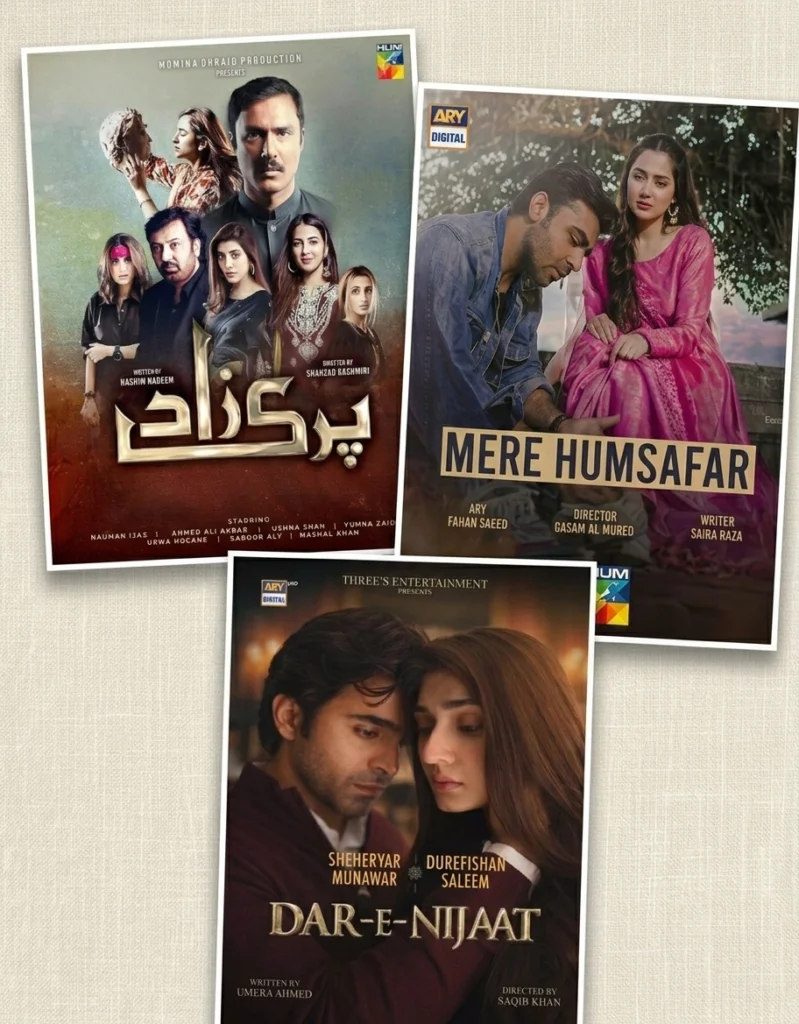
There is something rather interesting happening in the world of Pakistani entertainment. From television screens to music streaming platforms, Pakistani storytelling seems to have found an audience far beyond its geographical boundaries. Scenes from dramas become conversations across social media, dialogues turn into captions, and soundtracks find their way into playlists of listeners who may not even understand every word being sung. From Mere Humsafar to Parizaad, and the growing conversations around Dar-e-Nijaat, Pakistani dramas are increasingly finding their place in the wider digital entertainment landscape. But is this simply the internet creating another cultural phenomenon, or is an industry quietly reminding audiences what meaningful storytelling can look like?
What makes Pakistani dramas particularly interesting is their relationship with simplicity. At a time when television productions increasingly compete through elaborate settings, dramatic plot twists and cinematic spectacle, there is something refreshing about stories that allow ordinary human experiences to take centre stage.
Family relationships, social expectations, class differences, unspoken emotions and the complexities of love are not unfamiliar subjects. Yet, the way these stories are approached often gives them a certain intimacy. There is room for silence, conversations that feel familiar and characters who are not always extraordinary. The appeal lies in recognising fragments of real life within fiction. It is not necessarily about presenting a perfect story, but about creating one that makes an audience feel something.
Parizaad, in particular, remains a personal favourite for its ability to bring literature, poetry and the rawness of human vulnerability into mainstream television. Its portrayal of a man constantly judged by his appearance, yet possessing an extraordinary inner world, challenges the superficial standards by which society measures people. It is a reminder that a character does not need to be extraordinary in appearance or circumstance to leave an extraordinary impression.
Perhaps this is where Pakistani storytelling deserves more recognition. Its strongest productions do not always depend on grand narratives. They find meaning in everyday relationships, familiar social structures and the contradictions of human behaviour. Of course, the industry is not without its shortcomings.
Repetitive plots, stretched storylines and conventional character stereotypes remain familiar criticisms. But acknowledging these limitations should not take away from the creative work that is pushing the medium forward. The willingness to explore more nuanced characters, experiment with visual storytelling and bring literary influences into mainstream television is worth recognising.
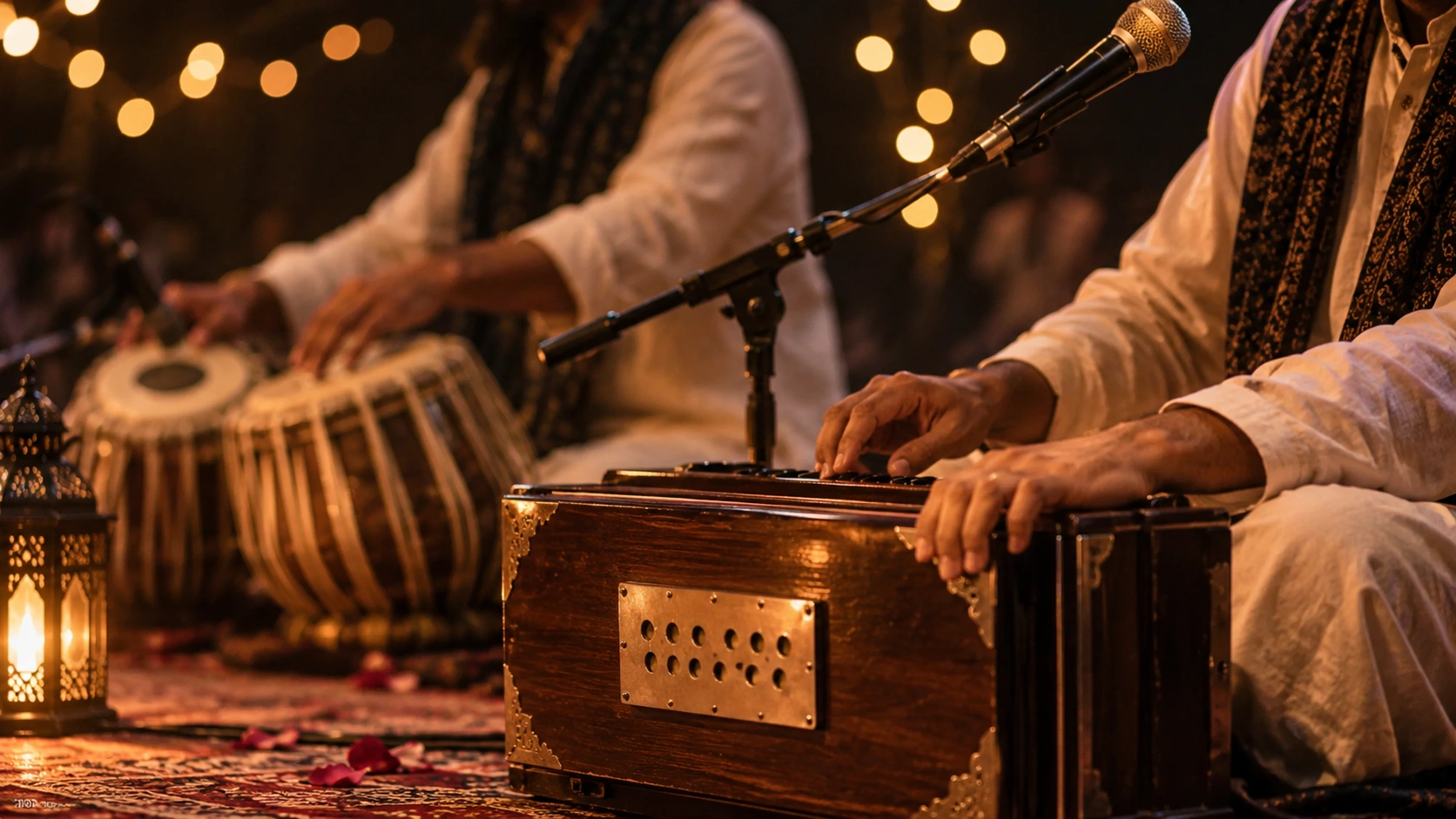
The same cultural expression is visible in Pakistan’s growing music industry. Songs such as Pasoori, Jhol, Paar Chana De and Alfaaz represent different shades of a musical identity that is increasingly finding listeners across borders. What makes this movement interesting is its ability to embrace contemporary production without completely distancing itself from its roots.
Folk influences, Urdu and regional poetry, traditional instrumentation and distinctive vocal styles continue to find their place alongside modern arrangements. There is an authenticity in this combination that makes the music feel recognisable without sounding dated. Pasoori demonstrated how a composition rooted in South Asian musical influences could become an international phenomenon without losing its cultural character. Paar Chana De carries the emotional familiarity of folk expression, while newer releases such as Jhol and Alfaaz demonstrate the appetite for music that balances contemporary sounds with lyrical and melodic identity. Not every release needs to be labelled a masterpiece, and Pakistani music is evolving like every other industry, but there is a noticeable appreciation for melody, poetic expression and musical individuality. In an era where songs are often engineered around a few seconds of virality, music that preserves a sense of emotional depth feels particularly valuable.
Which brings us to a question that is difficult to ignore: if Pakistani television and music are producing content that travels so naturally across digital platforms, why do we still see such limited representation of the industry on major international streaming services? We have become accustomed to discovering the best of global entertainment through OTT platforms, where original productions, regional cinema and international series are increasingly competing for attention. Yet, many Pakistani dramas are discovered through YouTube, television channels and social media rather than through these global catalogues. Pakistani productions have appeared on Netflix in the past, so the issue is not an absolute absence. The bigger question is why there has not been a more consistent international presence or sustained investment in original Pakistani productions. Licensing arrangements, distribution rights, market economics, production budgets and international commissioning decisions all play a part. There is also the question of whether the industry has developed the infrastructure and distribution strategies needed to take its strongest work to a global audience.
Interestingly, the accessibility of Pakistani dramas through free online platforms has also contributed to their reach. Audiences can discover an episode, follow a story and share their favourite scenes without necessarily subscribing to another streaming service. That accessibility is a significant advantage, although it also raises questions about how productions monetise their success and sustain higher-quality creative work. The internet may have made these stories easier to discover, but it cannot manufacture the emotional connection that keeps audiences invested.
Perhaps we should also be careful not to confuse popularity with artistic excellence. A viral scene does not automatically make a good drama, just as millions of views do not establish an industry’s creative superiority. Pakistani entertainment deserves to be appreciated without being romanticised. It needs stronger screenplays, more diverse genres, ambitious direction, better production infrastructure and greater creative freedom. But it also deserves to be recognised for the qualities it already brings to the table.
Ultimately, the question is not whether Pakistani entertainment is becoming popular because of the internet. It clearly is. The more interesting question is why audiences are responding so strongly. Perhaps they are looking for stories that do not always need to be spectacular to be meaningful, music that does not have to abandon its identity to sound contemporary, and characters whose imperfections feel closer to reality than fiction. The internet may have opened the door, but the storytelling has given people a reason to stay. And if the industry continues to evolve without losing the cultural authenticity that makes its strongest work distinctive, Pakistani entertainment may have considerably more to offer the world than its current digital popularity suggests.