
Rewilding the Desert, The Remarkable Story of Sir Bani Yas Island
By Paul Smith
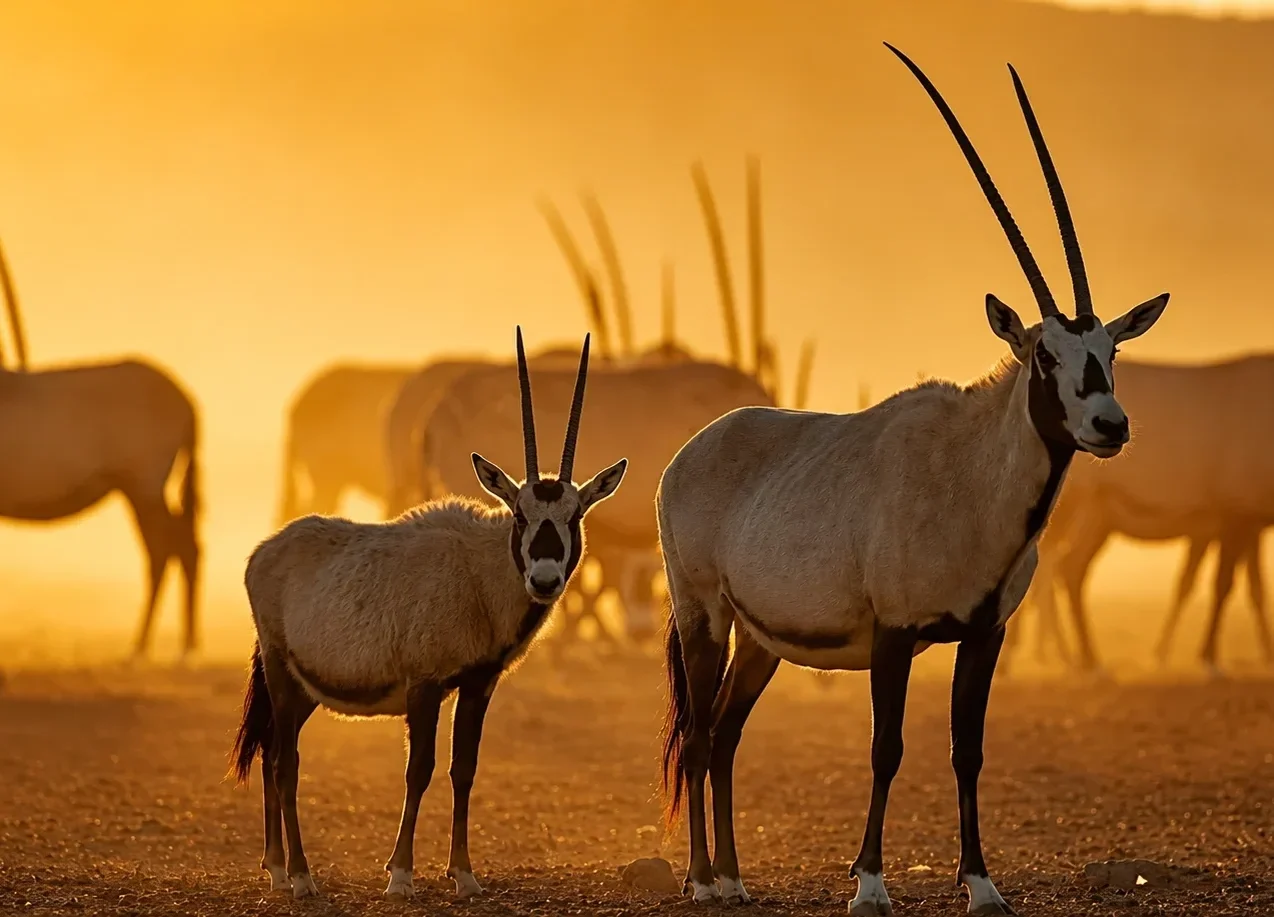
A visionary dream transformed a barren island into one of the Middle East’s greatest wildlife sanctuaries, where endangered species, ancient history & environmental stewardship exist in extraordinary harmony.
When people picture the deserts of the United Arab Emirates, they often imagine endless dunes, dramatic landscapes and a climate where survival itself appears to be a daily challenge. Few would expect that, just off the coast of Abu Dhabi, an island has become home to thousands of free-roaming animals, flourishing ecosystems and one of the region’s most inspiring conservation stories.
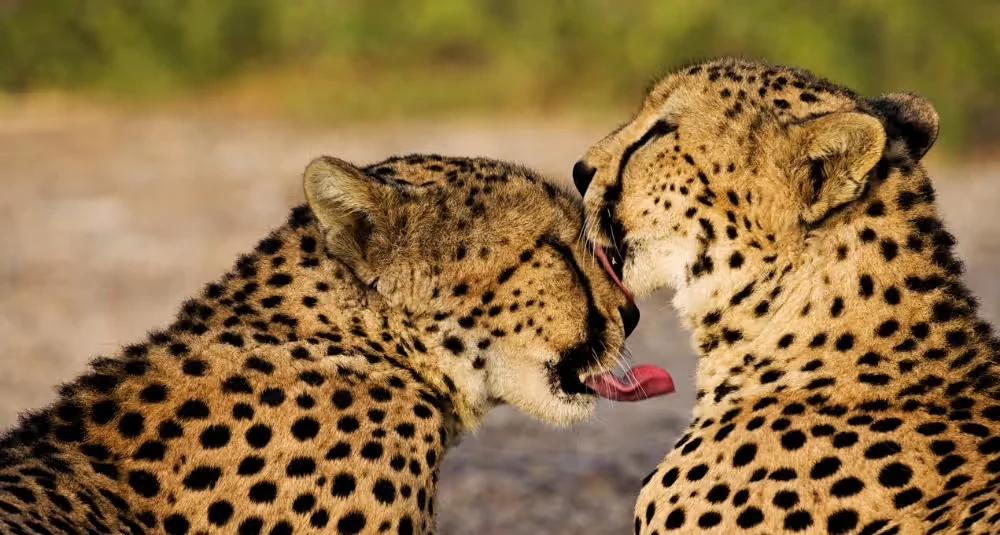
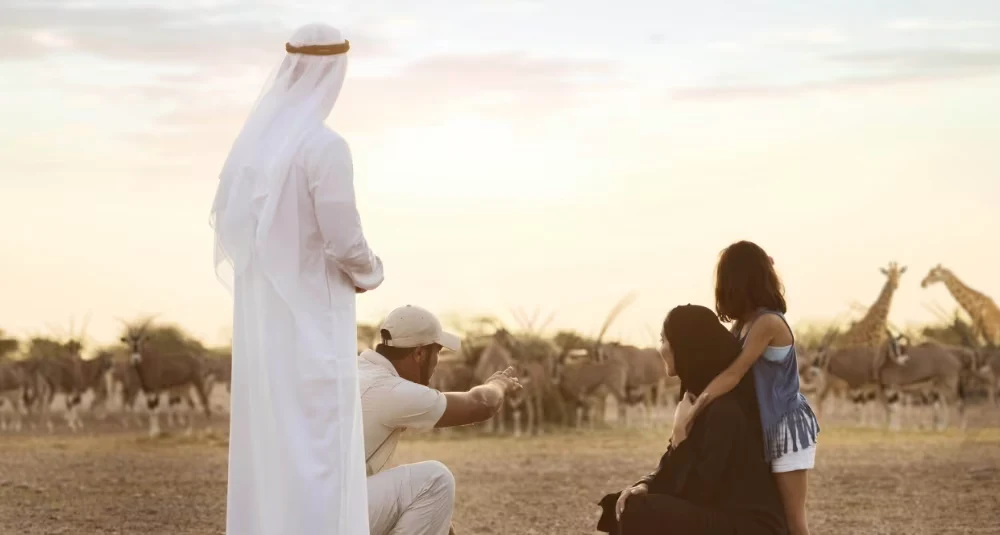
Yet that is precisely what Sir Bani Yas Island represents. Today, visitors may encounter Arabian oryx grazing across open plains, gazelles moving gracefully through natural habitats, giraffes browsing among acacia trees and even cheetahs roaming carefully managed reserves.
The island has become one of the Middle East’s most successful examples of wildlife conservation, proving that vision, patience and determination can restore what once seemed permanently lost. But this remarkable transformation did not happen by chance. It began with a dream. Long before environmental conservation became a global priority, the UAE’s Founding Father, Sheikh Zayed bin Sultan Al Nahyan, recognised that the natural heritage of the Arabian Peninsula deserved protection.
He believed that economic progress should never come at the expense of nature and that future generations had a responsibility to safeguard the wildlife that had longbeen part of the region’s identity.
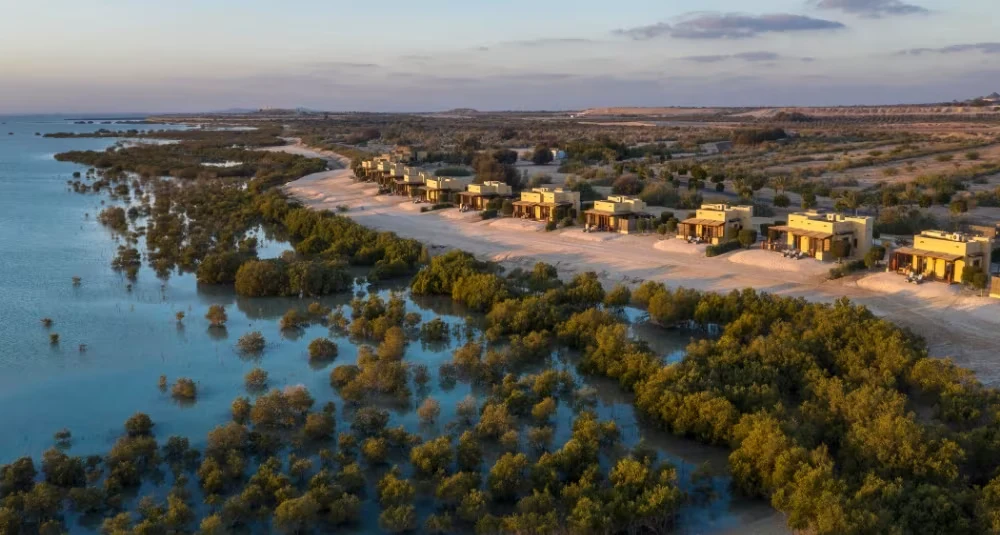
With that philosophy in mind, Sir Bani Yas Island was transformed into a dedicated wildlife reserve, a bold undertaking that challenged conventional thinking about what was possible in an arid environment. What had once been an isolated island gradually evolved into a carefully managed ecological sanctuary where native species could recover, habitats could be restored and biodiversity could once again flourish.
Among its greatest conservation achievements is the return of the Arabian oryx. Once abundant across the Arabian Peninsula, the elegant white antelope was driven to the brink of extinction through excessive hunting and habitat loss. By the early 1970s, the species had disappeared from the wild entirely, becoming one of the world’s most poignant reminders of how fragile nature can be.
Yet extinction did not become the end of its story. Through dedicated breeding programmes, habitat restoration and long-term conservation efforts championed by Sheikh Zayed, the Arabian oryx began an extraordinary comeback. Today, thousands roam freely across Sir Bani Yas Island and other protected reserves in the UAE, making the oryx one of the world’s most celebrated examples of successful species reintroduction. It stands not only as the national animal of the UAE but also as a symbol of resilience and hope, proof that thoughtful conservation can reverse even the gravest environmental losses.
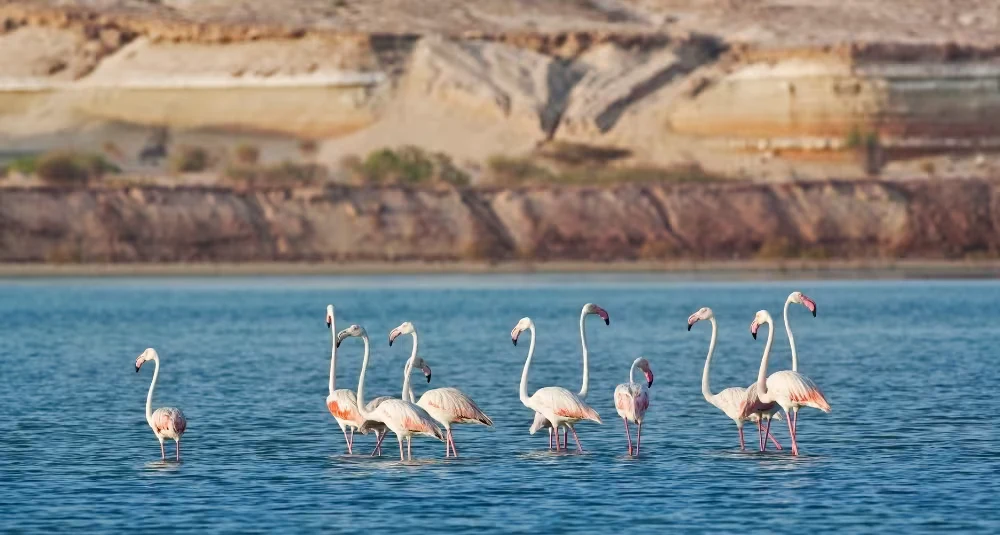
The island’s success extends well beyond a single species. Gazelles, mountain sheep, hyenas, giraffes and numerous bird species now inhabit landscapes that have been carefully nurtured to support healthy ecosystems. Even predators such as cheetahs play an important role within specialised conservation areas, reflecting a holistic approach that values the balance of entire ecological communities rather than focusing on individual animals alone.
This is not a traditional zoo. It is an ecosystem. The philosophy behind Sir Bani Yas Island is rooted in rewilding, a conservation approach that seeks not simply to protect animals, but to restore the natural relationships between wildlife, habitats and the environment. Rather than creating artificial displays, conservationists work to recreate conditions that allow species to behave naturally, breed successfully and contribute to thriving ecosystems.
It is an ambitious vision, especially in a region where water scarcity and harsh climatic conditions demand careful environmental management. Every tree planted, every habitat restored and every species protected reflects years of scientific research, ecological planning and unwavering commitment.
Yet perhaps the island’s most fascinating secret lies not among its wildlife, but beneath its soil. During archaeological excavations, researchers uncovered the remains of a 6th-century Christian monastery, revealing that Sir Bani Yas Island has served as a place of human settlement and spiritual life for well over a thousand years. The discovery offered extraordinary insight into the cultural diversity that existed across the Arabian Peninsula long before the modern era, reminding us that this landscape has always been shaped by both nature and civilisation.
The coexistence of ancient history and modern conservation creates something truly unique. On a single island, visitors can witness endangered wildlife roaming freely across protected landscapes while also exploring archaeological remains that speak of faith, trade and community from centuries past. Few destinations in the world offer such a compelling dialogue between environmental preservation and cultural heritage.
In many ways, Sir Bani Yas Island reflects the broader philosophy that defines the United Arab Emirates today. It is a nation that embraces innovation without abandoning its roots. It invests confidently in the future while recognising that progress is strongest when built upon respect for history, culture and the natural world. Conservation here is not treated as a luxury—it is understood as a responsibility.
As climate change and biodiversity loss continue to challenge ecosystems across the globe, Sir Bani Yas Island offers a powerful example of what long-term vision can achieve. It demonstrates that even landscapes once considered fragile or inhospitable can become thriving sanctuaries when guided by patience, scientific knowledge and genuine commitment. Perhaps the greatest lesson the island teaches is that restoration is always possible.
Species once believed lost can return. Habitats can recover. History can be preserved. Nature, when given the opportunity, has an extraordinary capacity to heal.
The story of Sir Bani Yas Island is therefore about far more than wildlife. It is about leadership with foresight, conservation with purpose and the belief that humanity’s relationship with nature should be defined not by exploitation, but by stewardship.
From the graceful Arabian oryx reclaiming its ancestral home to the quiet stone walls of a sixth-century monastery standing as witnesses to centuries of history, Sir Bani Yas Island reminds us that the greatest legacies are those that protect both the past and the future.
It is more than an island. It is living proof that vision can transform even the harshest landscapes into places where history, wildlife and hope flourish together.