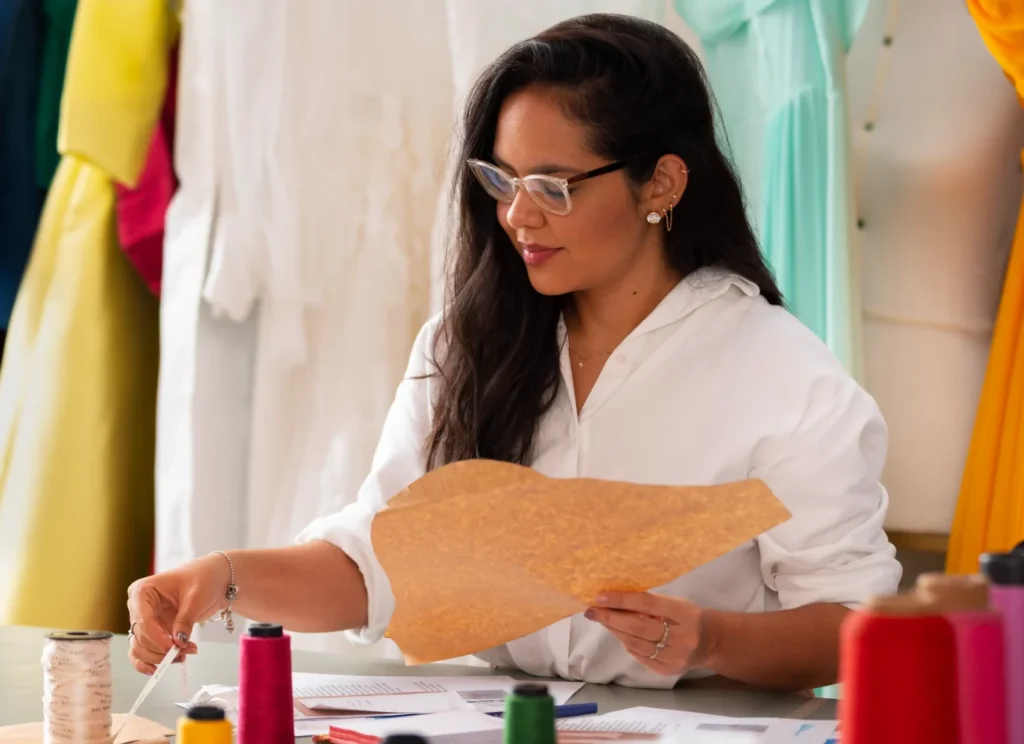
Yara K,
The Architecture of Identity in Dubai’s Age of Image
By Shazia Sheikh

In Dubai, identity is not something people simply have; it is something they continuously assemble. It is shaped in transit, negotiated between cultures, and refined under the pressure of visibility that defines life in a global city. The skyline itself feels like a metaphor for this condition: always rising, always reflecting, never still. In such a place, image is rarely just about clothing or appearance. It becomes a way of making sense of oneself.
For Yara K, an image and color expert working within this environment, that sense of identity is not static; it is constantly in motion. She describes her work not as a transformation in the superficial sense, but as a return to coherence. Living and working in Dubai, she says, has made her more aware of how fluid identity can be when people are exposed to so many cultural frameworks at once. Style, in her view, stops being universal and becomes deeply personal, shaped by lived experience rather than trend cycles.
She often observes that people arrive with an assumption that they need to be “fixed” visually. A new wardrobe, a better color palette, a more polished appearance. But as she works with them, she finds the real question is rarely about appearance at all. It is about alignment. About whether what they see in the mirror reflects what they feel internally. “Most clients come thinking they need a visual transformation,” she says, “but beneath that, they’re often searching for clarity and confidence. It’s rarely just about looking better, it’s about feeling aligned with who they are.”
This idea of alignment appears repeatedly in her thinking, almost like a quiet thread connecting everything she describes. In a world where people are constantly exposed to curated identities, on social media, in advertising, in professional environments, the internal sense of self can begin to fragment. A person may feel like one version of themselves at work, another online, and another in private. Over time, these versions can drift apart, creating a subtle but persistent sense of disconnection.
Yara sees this disconnection often. Many of her clients, she explains, are not confused about how they look. They are disconnected from who they are. Influences accumulate, trends, expectations, comparisons, and slowly begin to replace instinct. What once felt natural becomes uncertain. What once felt personal begins to feel performed. “Very often,” she says, “people are not unsure of how they look, they are disconnected from who they are.”
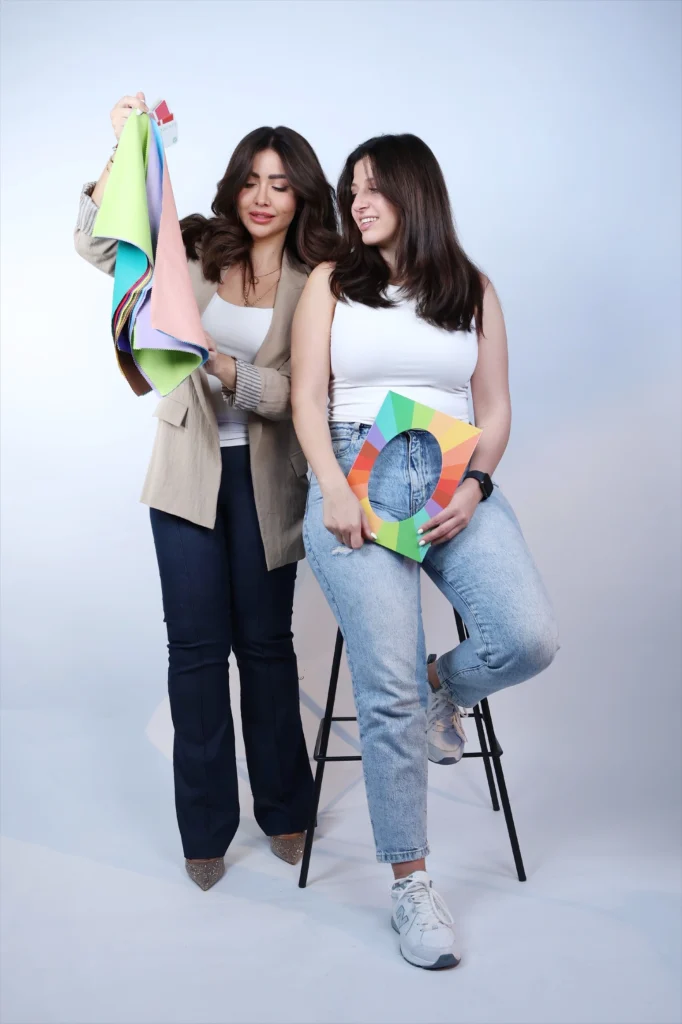
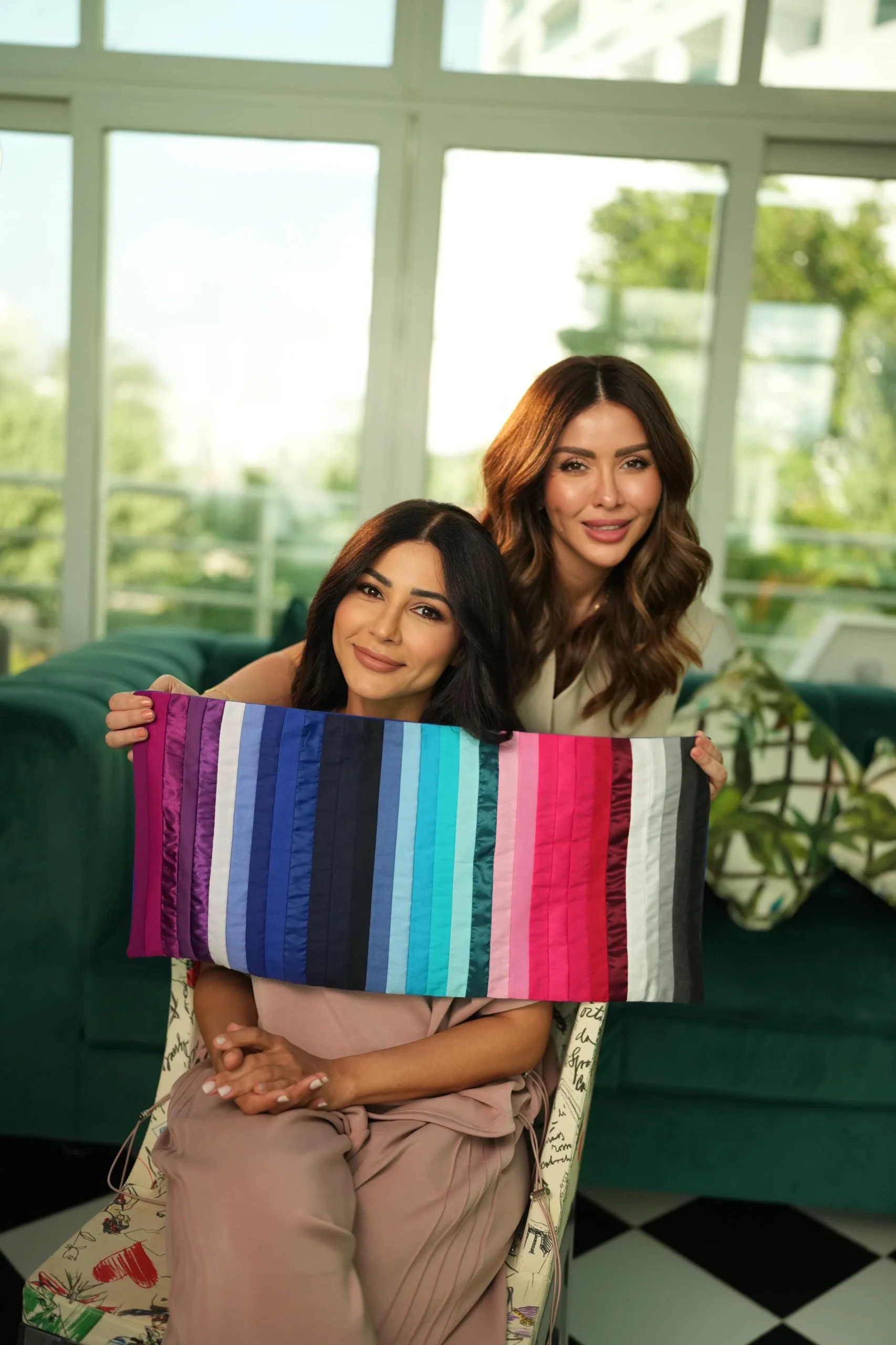
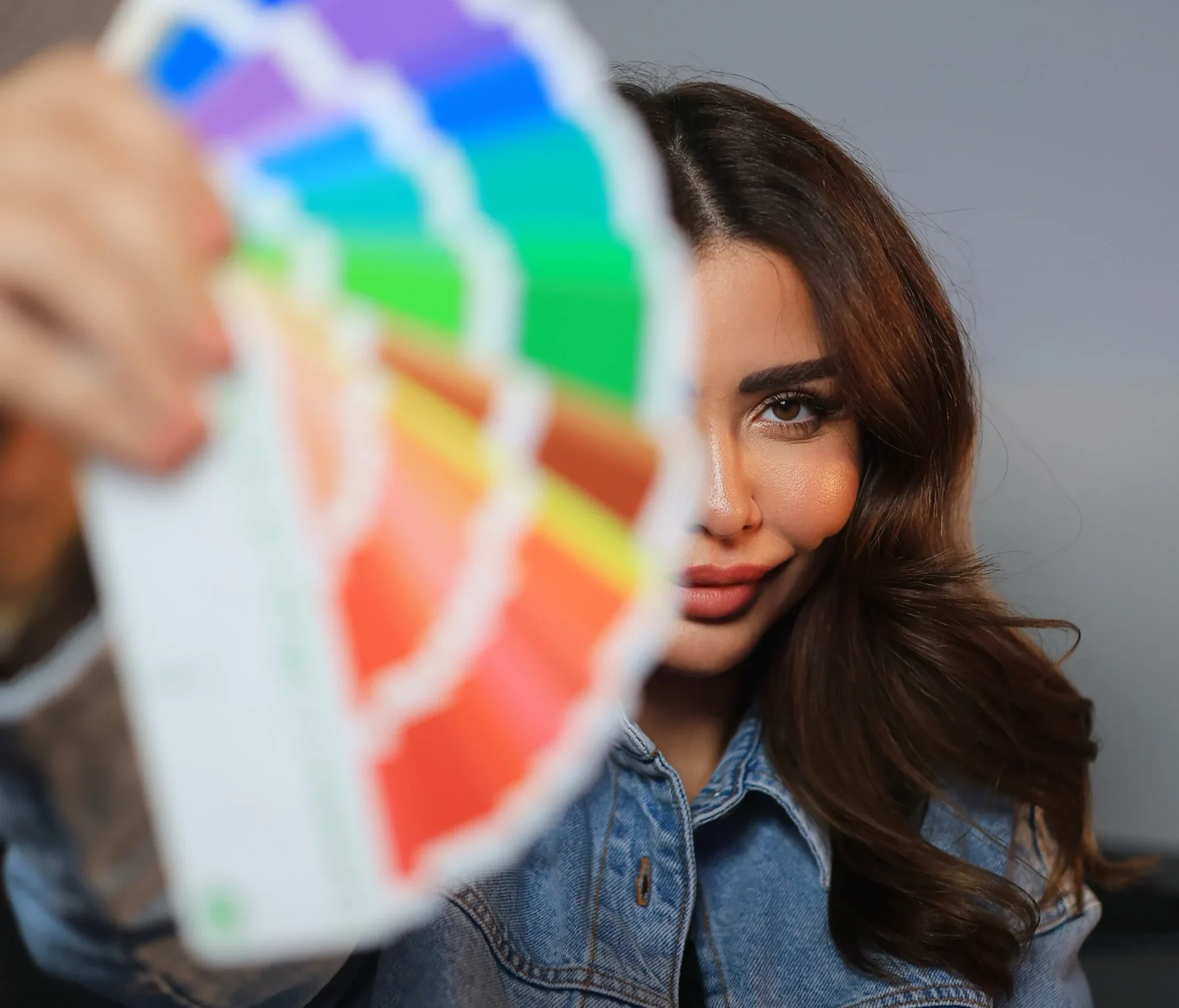
Her work with color analysis becomes a way of addressing this fragmentation, though not in the way people might expect. On the surface, it is technical: undertones, contrasts, palettes, seasonal systems. But its impact, she insists, is emotional rather than analytical. When someone is placed in colors that truly suit them, something shifts that goes beyond aesthetics. Their expression changes, their posture adjusts, and their presence becomes more grounded. It is not about becoming someone new, but about removing friction between appearance and identity.
There is something almost psychological in this experience of recognition. A person sees themselves in a way that feels less like improvement and more like clarity. The reaction is often subtle rather than dramatic. A pause. A quiet moment of recalibration. In Yara’s experience, these are the moments that matter most, not because they are visible to others, but because they are felt internally. “When someone wears the right colors,” she says, “you see an immediate shift, not just in appearance, but in energy, confidence, even posture.”
In a broader cultural context, this alignment search is becoming more urgent. Social media has amplified the visibility of identity, but it has also complicated it. People are no longer just expressing themselves; they are performing versions of themselves in real time. Platforms reward consistency, aesthetics, and repetition, often at the expense of authenticity. The result is a growing tension between expression and imitation. Between what feels true and what simply looks effective.
Yara is clear about this tension. When asked whether people are curating identities or losing them, she resists choosing one answer. “I think it’s both,” she says. “Social media gives people tools to curate their identity, but it can also distance them from authenticity. The challenge is knowing the difference between expression and imitation.”
That difference is becoming harder to recognize in a world where visual culture moves faster than reflection. Trends emerge and disappear within weeks. Styles are replicated instantly across platforms. In such an environment, imitation often feels like participation, and participation can easily be mistaken for identity. The question is no longer whether people are influenced, but whether they have enough distance to understand what they are influenced by.
At the same time, Yara notices a counter-shift emerging, particularly in cities like Dubai where consumption patterns often reflect broader global transitions. There is, she says, a growing fatigue around perfection. A sense that overly curated identities are beginning to feel exhausting rather than aspirational. “People are starting to seek something more real, more personal,” she explains. “Luxury today is not just about perfection, it’s about individuality and meaning.”
This shift is visible in many areas beyond personal styling. Fashion is moving toward understatement. Branding is leaning into imperfection. Even digital culture is beginning to value relatability over polish. What once signaled status, perfection, excess, control, is slowly being replaced by something quieter: authenticity, restraint, and emotional resonance.
For Yara, this evolution is not just aesthetic, it is psychological. It reflects a deeper desire to reconnect with something more stable beneath the noise of constant visibility. And in her practice, she sees the effects of that desire in small but meaningful ways. Clients who arrive overwhelmed by image expectations often leave with something less tangible but more lasting: a sense of coherence.
The most transformative moments, she says, are rarely dramatic. They do not look like cinematic makeovers. They happen in silence, often in front of a mirror, when a person recognizes themselves without resistance for the first time in a long time.
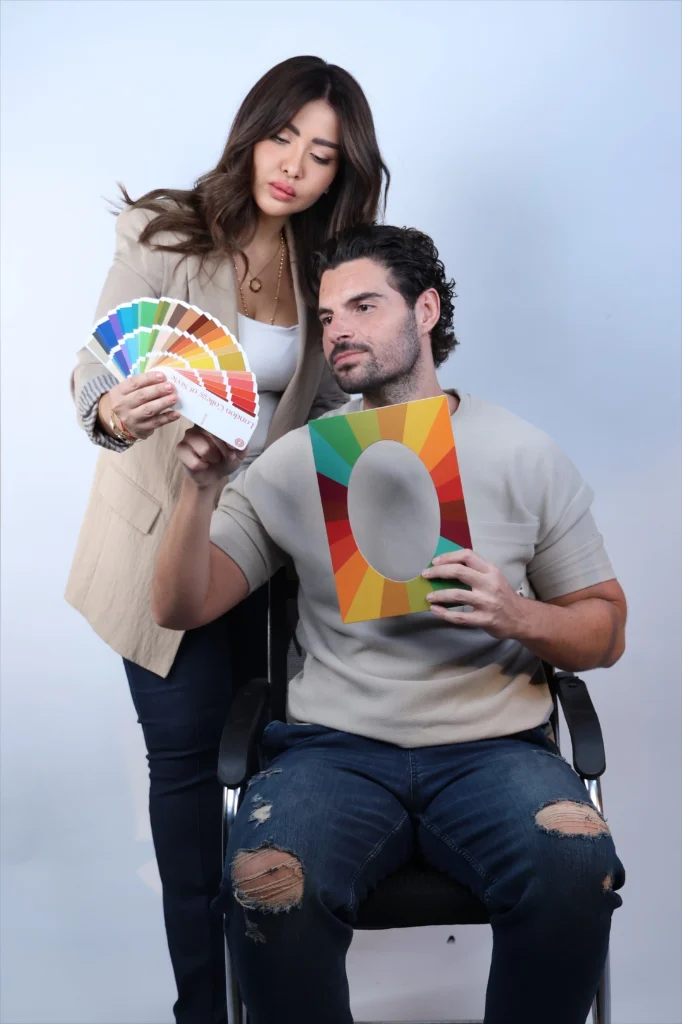
“The most transformative moments,” she says, “are when clients see themselves differently, not just visually, but emotionally.”
These moments carry a kind of psychological weight that is difficult to quantify. They are not about changing identity but about restoring continuity between how a person feels and how they appear. When that continuity is restored, behavior shifts subtly but noticeably. Confidence increases, decision-making becomes clearer, and self-presentation stops feeling like effort.
Yara is also aware that this work constantly reflects back onto her own sense of identity. Working so closely with image means she is continually exposed to questions about authenticity, perception, and change. “Yes,” she says, “working in image constantly challenges your own perception of identity. It reminds me that style is evolving, not fixed.”
There is no sense of certainty in her approach, and that uncertainty feels intentional rather than unresolved. It reflects an understanding that identity is not something to be finalized, but something to be continually understood. In that sense, her work is less about answers and more about awareness.
Looking ahead, she believes image consulting is already moving beyond aesthetics into something more integrated with personal development. The focus, she suggests, is shifting from how people look to how they understand themselves. “It touches confidence, identity, and self-perception,” she says. “In the future, I see it becoming closely connected to personal development, helping people not just look better, but understand themselves better.”
This shift suggests a broader cultural realignment. Appearance is no longer being treated as separate from psychology. What people wear, how they present themselves, and how they feel internally are increasingly understood as interconnected parts of the same system.
Perhaps the most important idea Yara returns to, however, is not transformation but unlearning. The process of stripping away external expectations to uncover what is genuinely personal. “I believe true personal style is both discovered and refined,” she says. “It requires unlearning external expectations first, only then can you recognize what truly resonates with you.”
Unlearning is not a passive act. It requires resistance to influence, patience with uncertainty, and the willingness to question what has been absorbed from outside. Without it, identity becomes a mere accumulation rather than an expression. Layers of influence begin to replace instinct, and what remains is a version of the self that feels assembled rather than lived.
In a city like Dubai, where visibility is constant and identity is always in motion, this process of unlearning becomes both more difficult and more necessary. Yet even within that complexity, moments of clarity still appear. Small recognitions. Quiet alignments. A sense that something internal and external has briefly come into sync.
And in those moments, according to Yara, nothing dramatic happens. There is no reinvention. No sudden transformation. Only a simple, almost imperceptible shift, the feeling of returning to oneself without resistance.