Yasmina Sabbah, Orchestrating the Future of Middle Eastern Music
By Bella Brown
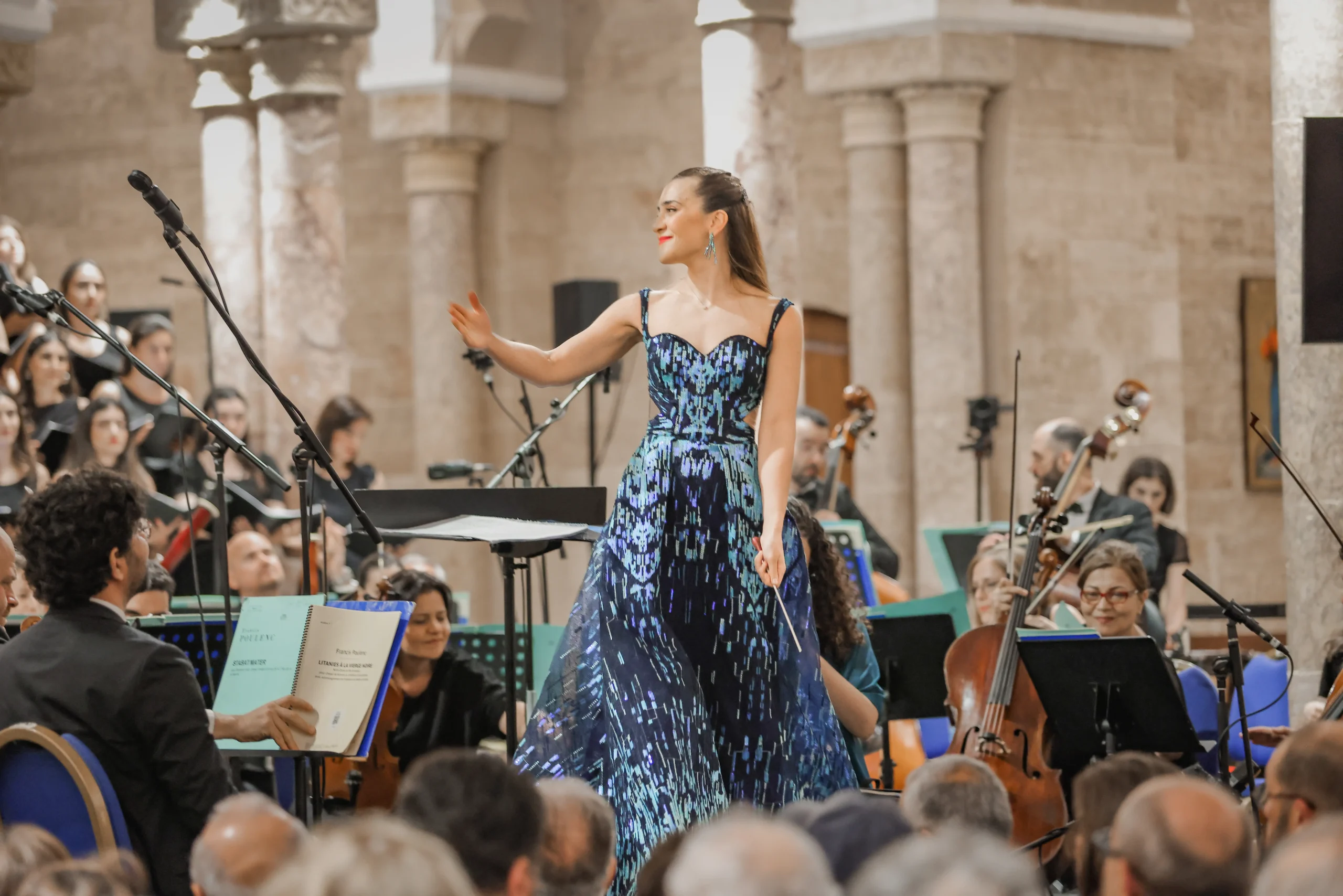
Music entered Yasmina Sabbah’s life before she ever learned to name it as a profession. As a child, she instinctively gathered her cousins each summer to stage homemade musicals, writing scripts, teaching songs, directing scenes, and proudly hanging posters around the house. What felt like play at the time was already a glimpse of her future. She did not choose music as a path so much as recognize it as something that had always been there.
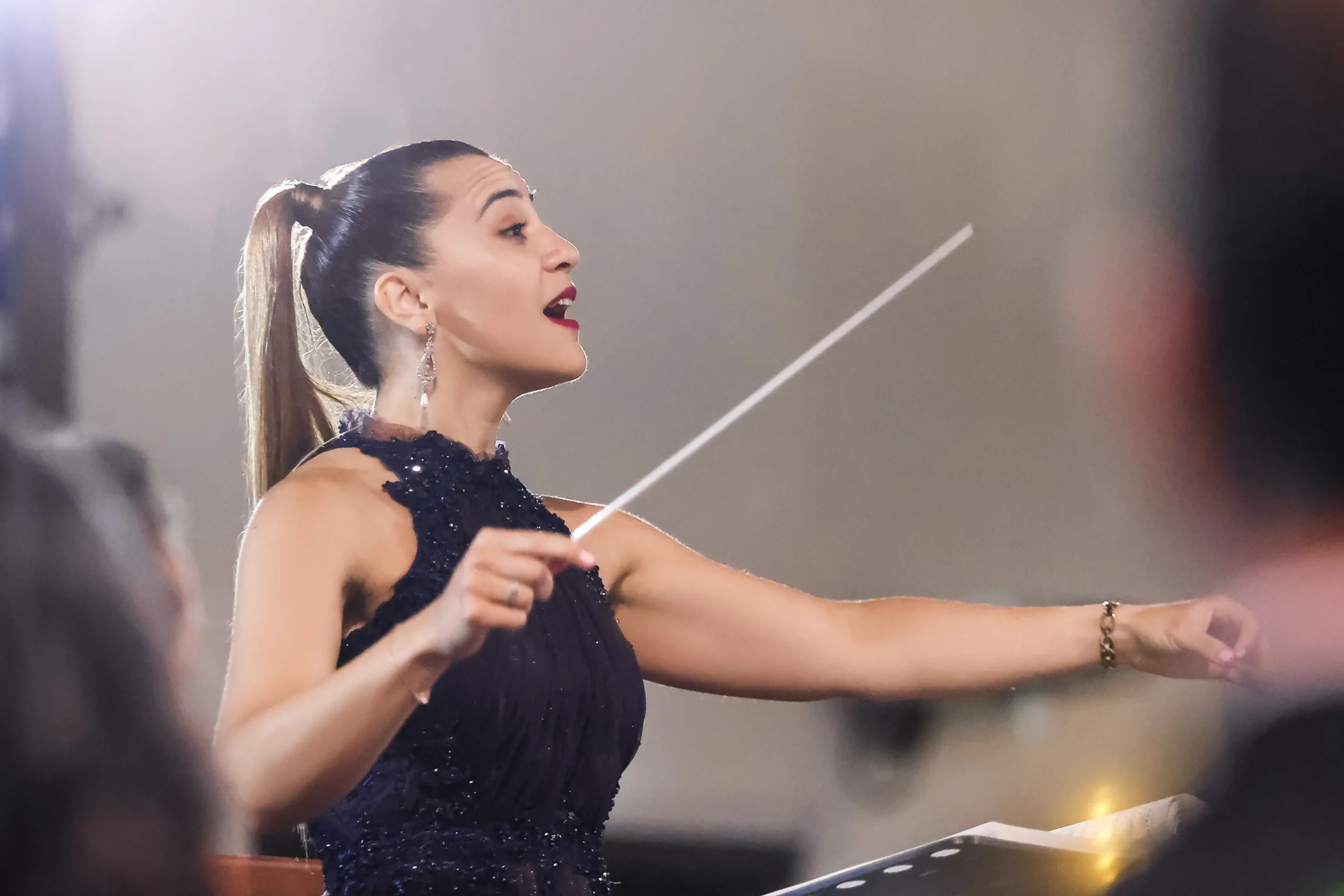
Those early moments grew into years of rigorous study and frequent performances, shaping a deep musical discipline from a young age. Concerts became a constant, and learning became immersive. Yet clarity arrived later, during her undergraduate years, when she was given the chance to conduct a children’s choir. Standing in front of those voices, guiding sound and emotion into harmony, something clicked. Conducting revealed itself not just as a skill, but as a purpose. That realization led her to pursue a master’s degree in conducting at the University of Cambridge, laying the groundwork for a career rooted in both excellence and responsibility.
Leading orchestras as a woman in the Middle East has required more than technical mastery. The challenges, she notes, rarely announce themselves openly. While there is visible enthusiasm for female leadership, resistance often appears in subtler ways. Trust must be earned repeatedly, instructions are sometimes questioned more than they should be, and progress can feel slower despite equal qualifications. Rather than allowing this to harden her, Sabbah learned patience. She learned resilience. Above all, she learned to let the music speak. Excellence, she believes, has a way of dissolving doubt when words fail.
Music, for Sabbah, has never existed in isolation. It is a bridge between cultures, histories, and identities. She speaks often of the Middle East’s strong sense of self, shaped by a rich heritage and an openness to the world. That blend informs everything she does. Her work celebrates identity without closing doors, drawing from many traditions while honoring their roots. Each performance becomes a meeting point, where differences do not compete but coexist.
Teaching and mentorship sit at the heart of her mission. In a region where music is still sometimes dismissed as a hobby, she works to expand how it is perceived by students and parents alike. She creates projects, concerts, and opportunities even amid difficult circumstances, particularly during Lebanon’s recent years of instability.

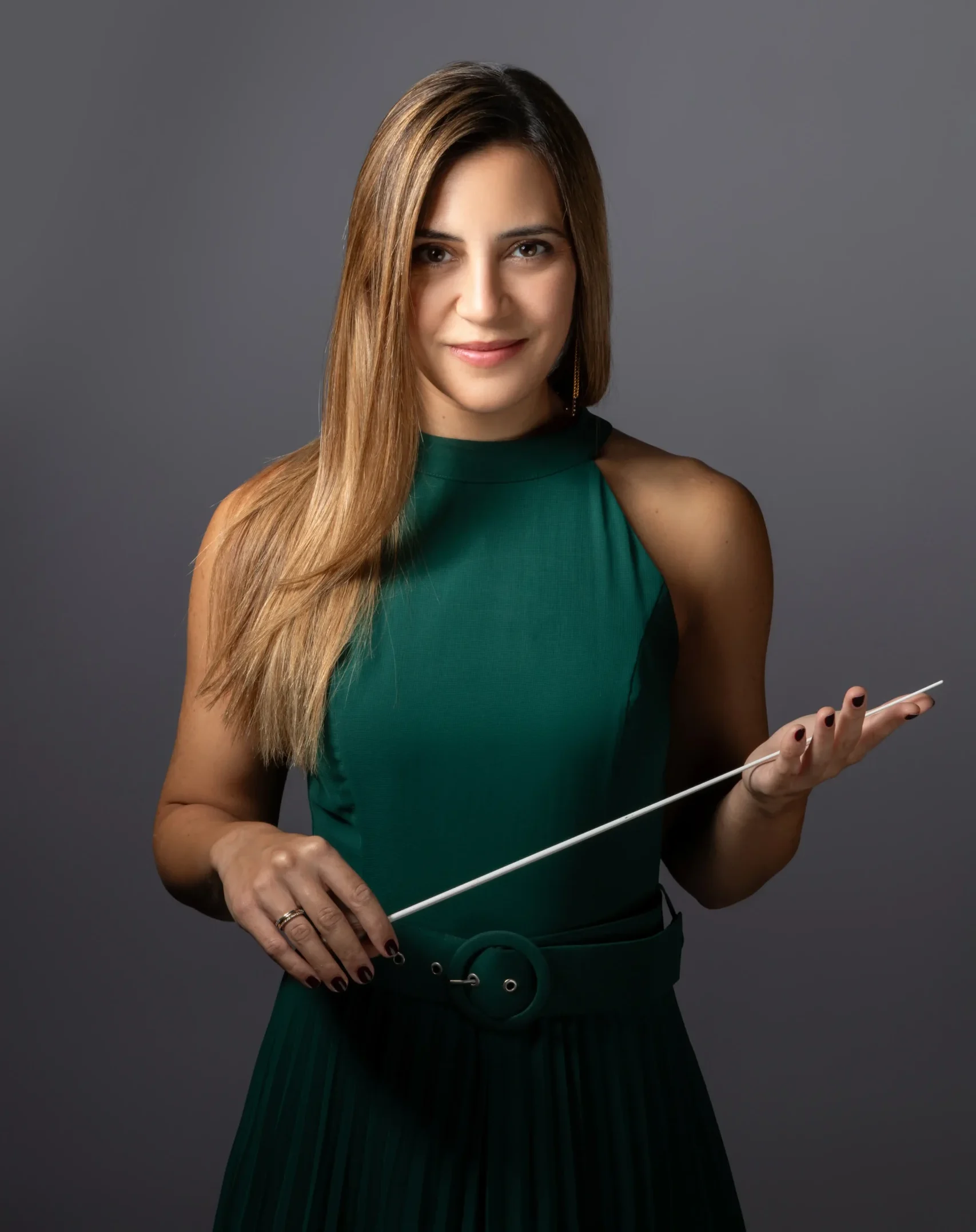
Her guidance goes beyond technique. She teaches resilience, adaptability, and the understanding that music can be both a livelihood and a lifelong calling. Her approach to programming reflects that same balance between structure and curiosity. She carefully curates diverse repertoires across seasons, allowing musicians and audiences to grow together. Rarely performed works sit alongside new commissions and original arrangements.
Each project begins with a clear vision, followed by deep study and thoughtful rehearsal. Exploration is encouraged, reassessment is welcomed, and innovation is grounded in understanding. When working with fusion or world music, she takes time to study each style closely, believing authenticity is the foundation of creativity.
Leading an ensemble, she believes, is as much about emotional awareness as it is about precision. Music cannot thrive in tension or fear. She fosters environments built on trust, positivity, and mutual respect. By understanding the energy of each group and adapting her leadership accordingly, she allows individual expression to strengthen the collective sound rather than compete with it.
Preserving Arab musical heritage remains a central commitment. Sabbah is deeply invested in integrating traditional Arab elements into orchestral and choral settings without diluting their essence. She works closely with composers and arrangers to explore quarter tones, Arabic vocal techniques, and the dialogue between Eastern instruments and Western structures.
Her current projects reflect a belief that heritage is not something to protect behind glass, but something to keep alive through evolution. Certain performances stand out as defining moments. Conducting the Lebanese Philharmonic and USJ Choir in Vaughan Williams’ Dona Nobis Pacem carried particular weight, unfolding against the backdrop of national uncertainty and collective endurance.
Collaborating with the Firdaus Orchestra at Expo brought her into conversation with global artists and expanded her musical language. Her Symphonic Fusion concerts continue to push boundaries, while conducting the New Year’s Eve performance at the Burj Khalifa remains a powerful symbol of music’s ability to transcend physical and traditional limits.
Looking forward, she sees immense promise in the region’s young musicians. Their ability to move fluidly between Western and Oriental repertoires positions them uniquely on the world stage. Yet talent alone is not enough. Institutions, she believes, play a vital role in providing support, platforms, and continuity, allowing this potential to fully unfold.
Music is inseparable from her life. It has shaped her relationships, guided her through joy and difficulty, and given her a way to communicate beyond words. It is not simply what she does, but how she understands the world.
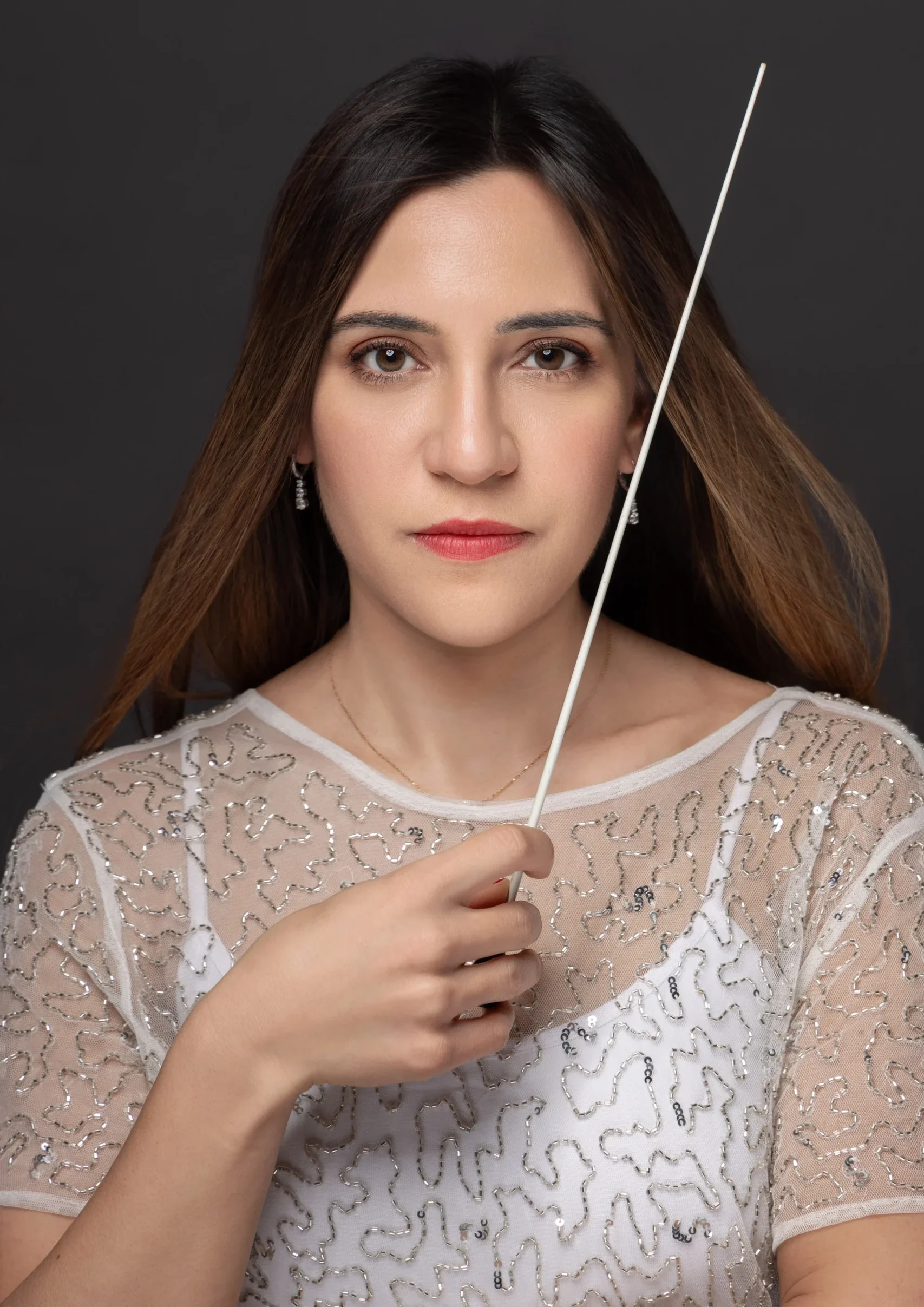
Yasmina Sabbah’s legacy is still being written, not only in performances, but in the spaces she opens for others. Through mentorship, preservation, and fearless creativity, she continues to shape the future of Middle Eastern music. Each movement of her baton carries intention, linking past and present, identity and innovation. Her work stands as a reminder that music is not just sound, but memory, possibility, and shared humanity.